
*View accurate shipping rates and availability






869 Items


Up to 70% off storewide, free metro shipping over $500, and free gifts from $800. Spend more to unlock luxury towels and mirrors.*






A door is held shut by a latch, secured by a lock or a bolt, hung on hinges and protected by a stop, and each of those parts has its own job. This collection brings the whole group together: lever and knob sets, tubular latches, deadbolts and deadlatches, roller locks, barrel and flush bolts, hinges, door stops and the accessories around them, from Iver, TradCo, Zanda, Nidus, Momo, Lockwood, Lane, Yale and others. This guide explains how the parts fit together, what a latch is and how it differs from a lock, which part you need for a bathroom door, a front door, a gate or a pair of doors, and how to measure and match. For each part in depth, see door hardware, hinges, deadbolts and door stops.
Think of a door as a set of jobs. The hinges let it swing. The latch holds it closed against the frame. The handle, lever or knob withdraws the latch so you can open it. The lock or bolt secures it against being opened. The stop protects the wall when it swings back. Some parts do more than one job, such as a lever set that includes a latch, or an entrance set that includes a lock.
It helps to know the names, because the same part is sold under several. A latch is sometimes called a door tongue, a bolt that springs out of the door edge. A lock is a device that needs a key or a code. A bolt is a bar that slides into a keeper. Each has a place.
A latch is the spring loaded tongue in the edge of the door that holds it closed. The angled face slides over the strike plate in the frame as the door shuts, then springs into the recess. To open the door, you turn a handle or knob, which draws the tongue back. When you let go, the spring pushes the tongue out again.
People search for a door tongue, a door tongue latch or a small door latch when they mean this part. It sits inside the door, so the only visible sign is a small plate on the edge of the door. Most lever and knob sets include a latch, and some passage sets sell the latch separately, so you choose the size.
The Nidus tubular latch is a latch sold on its own. It is designed to suit Nidus passage door handle sets, with a 60mm backset that suits standard door preparations. It has a double sprung mechanism for reliable operation and consistent latch return, and a soft-closing action that gives a smooth, quiet door closure. It comes in satin brass, matte black, polished chrome, polished brass, gun metal grey and satin chrome.
A tubular latch fits into a round hole drilled into the edge of the door, which is simple to prepare. Choose the finish of the face plate to match the handle. See Nidus door hardware for the sets it matches.
People search for a bathroom door latch, a toilet door lock and locks for bathroom doors. The right part is a privacy set, which has a latch and an inside lock. A privacy lever or knob closes the door and lets the person inside lock it without a key. A simple latch alone will hold the door shut but will not lock it. See privacy door levers and privacy knob sets for privacy sets.
For a bathroom, choose a finish that resists moisture and wipes clean, and make sure everyone in the household knows how to open the door from outside if they need to.
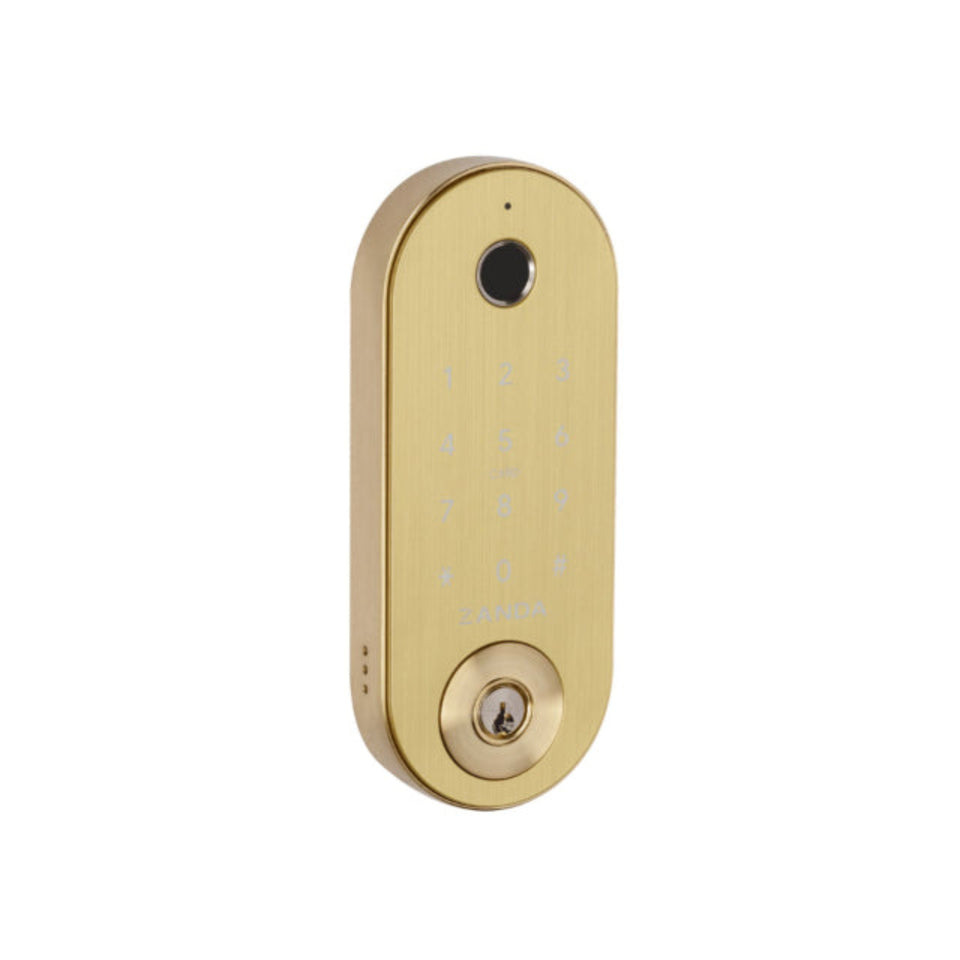
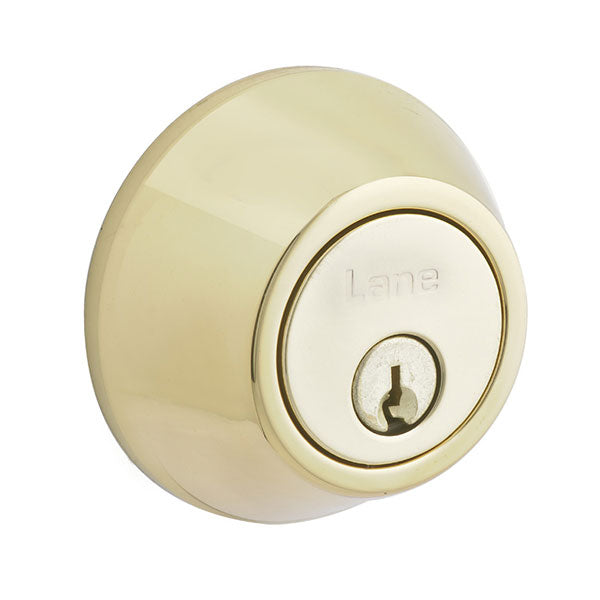
A lock secures the door with a key or a code. A deadbolt throws a solid bolt that does not retract when pushed, and it holds the door firmly. A deadlatch is a latch that locks itself in place when the door closes, so it cannot be slipped with a card. The collection holds Lockwood 001 deadlatches with an open in strike in knob and lever forms, Lockwood 005 and Symmetry 7107 deadbolts, Zanda Jura, Futura, Triad and Round Slimline deadbolts, Lane deadbolts, Nidus Spring and Lonsdale Eurobolts and Yale Libi and Assure digital deadbolts.
A deadbolt needs a handle or pull with its own latch to keep the door closed, since the deadbolt itself does not latch. Choose single cylinder when you want a key outside and a thumbturn inside, and double cylinder when you want a key on both sides. See deadbolts for the full range.
A roller lock holds a door shut with a spring loaded roller that clicks into a strike, and releases with a firm pull. The Zanda single cylinder roller lock kit includes a 1140 roller lock with a 57mm backset, escutcheons and a 70mm Euro cylinder. The Lockwood 7580 roller bolt is a roller catch. Roller locks suit doors with pull handles, where the handle gives no latch.
Use a roller lock with a pull handle on an entry or a cupboard door where a lever and latch would be out of place.
A barrel bolt is a bar that slides through guides into a keeper, held on the surface of the door. The Zanda heavy duty barrel bolt is solid brass, 150 by 31mm with a 30mm throw, and suits a variety of applications. The Zanda radiused reverse barrel bolt is 200 by 36mm with a 40mm throw, a solid brass one piece extrusion with heavy sprung ball bearing retention, and it suits bi-fold, sliding, hinged and rebated doors. The Zanda straight reverse barrel bolt is 150 by 31mm.
A barrel bolt suits a gate, a shed door, a bathroom or a door that needs a simple extra fastener. A reverse bolt is fixed so the bar slides in the opposite direction, which helps where space is tight. Check the length and throw against the door and frame.
A flush bolt sits inside the door edge and secures one leaf of a pair of doors. The Zanda 152mm flush bolt is 152mm long and 19mm wide, in solid brass with an electroplated finish and all fixings included. The inactive leaf is bolted to the floor or head, and the active leaf closes against it. See flush bolts and barrel bolts for more.
Hinges join the door to the frame. The collection holds Lane, Zanda and other butt hinges in loose pin, fixed pin and lift off types, in sizes from 85mm and 90mm to 100 by 75mm, with leaf thicknesses from 1.6mm to 2.5mm. A loose pin hinge lets the door be lifted off. A fixed pin hinge cannot be separated from outside, so it suits external doors. A lift off hinge lifts the door clear and has a handing. See hinges and door accessories for the detail.
A door stop stops the door before it meets the wall. The collection holds floor stops, wall stops, skirting stops and magnetic stops in a range of finishes. Choose the stop by where the handle or door lands. See door stops for the choices.
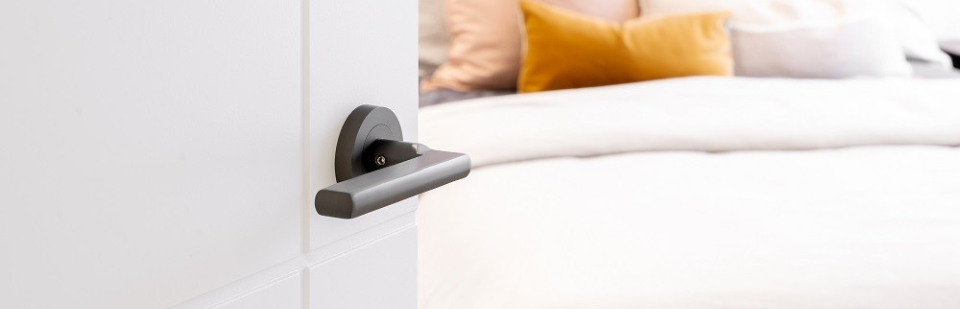
Levers and knobs make up much of the collection. They come in four functions: passage, which latches and does not lock; privacy, which locks from the inside; entrance, which locks with a key; and dummy, which does not turn. A lever is pressed down and a knob is turned. Choose by the look you want and the people who will use the door. See door levers and door knobs.
A front door needs a lock that resists forced entry and a latch that holds it shut. An entrance set with a key, plus a deadbolt, is the standard answer. For a pull handle, add a lock kit or a roller lock. For a smart option, see smart door locks. Fit solid hinges, preferably fixed pin on an external door, and a stop to protect the wall.
Backset is the distance from the door edge to the centre of the handle hole. The latch must match it. The Nidus tubular latch lists a 60mm backset, which is the figure most commonly used on internal doors. The Zanda roller lock lists 57mm. Other latches are adjustable, such as the 60 to 70mm latches in several Lane and Zanda sets.
If you buy a latch separately, check the backset of the handle set you are fitting. A latch with the wrong backset will not line up with the spindle, and the handle will not work.
Choose each part for the job. Use a privacy lever or knob for a bathroom, an entrance set and a deadbolt for a front door, flush bolts for a pair of doors, barrel bolts for gates and sheds, fixed pin hinges for external doors and a stop for every door that meets a wall. Keep one finish through each door.
Measure, match and test. Then each door will latch, lock, swing and stop as it should.
It is the spring loaded latch in the door edge that holds the door closed. A handle draws it back to open the door.
A privacy set, which has a latch and an inside lock that works without a key.
A latch springs back when the door closes. A deadbolt is thrown by a key or thumbturn and does not retract when pushed.
The backset is 60mm.
A flush bolt, such as the Zanda 152mm, secures the inactive leaf of a pair of doors.


