
*View accurate shipping rates and availability






14 Items
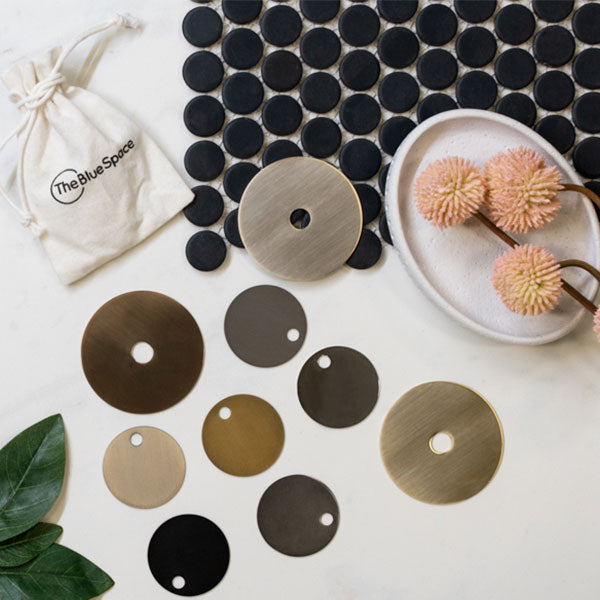
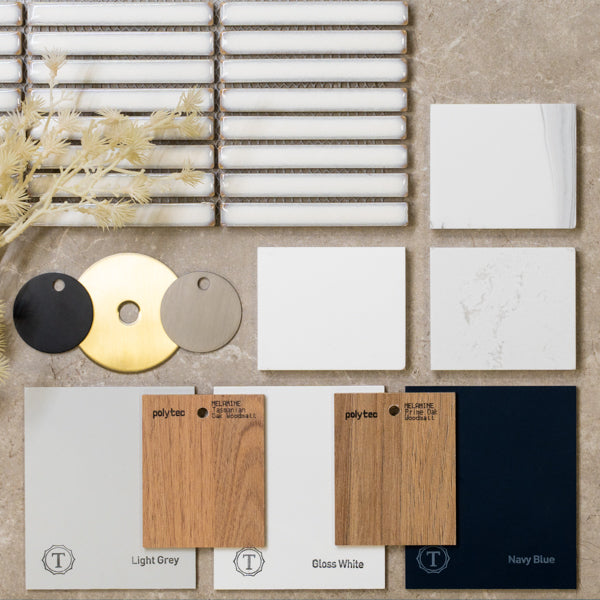

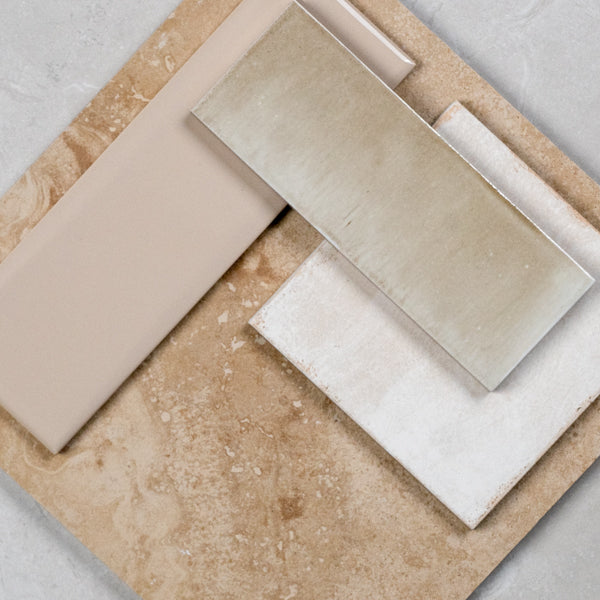
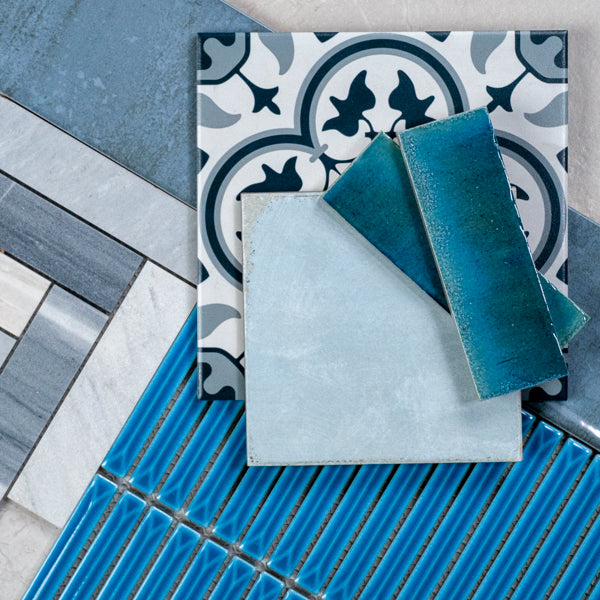


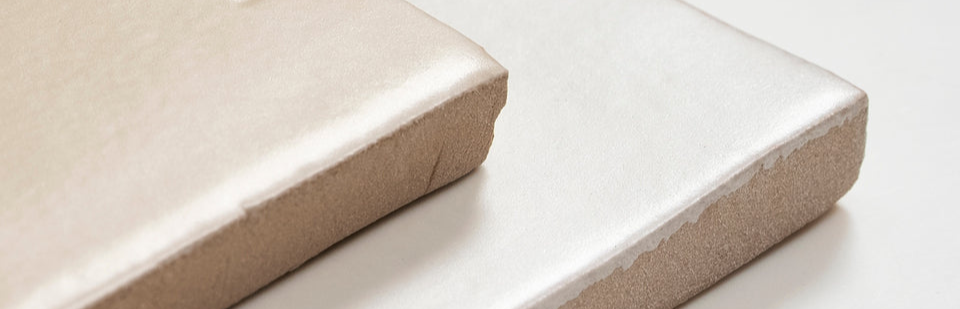


This collection holds the sample products at The Blue Space. They are small physical pieces, so you can see a finish in your own home before you commit to a full order. The range covers tile sample packs for floors and walls, style packs built around a look, vanity sample boxes, tapware colour samples and sample packs from Eight Quarters.
A sample answers questions a photograph can't. How glossy is the surface? Does the colour lean warm or cool next to your cabinetry? How rough does the texture feel? What does the tile look like at 7am and at 7pm? The sections below explain what the tile and style sample packs contain and how to judge a sample once it arrives.
If you already know what you want, the tiles hub links every tile category on the site. A tile sample can also be requested directly from a tile's product page, using the option to get a sample cutting.
The Blue Space offers free samples across a range of tiles, benchtops, cabinet finishes and tapware colours from Australian renovation brands. You pay for shipping and handling. The aim of the sample program is to let you feel confident in your selections before you place a final order. That applies to a bathroom, a kitchen or a laundry renovation.
Seeing finishes online is one thing, and seeing them in your own home is what helps a renovation come together. Samples let you compare colours in natural light, feel textures in person, and see how materials sit beside your flooring, paint colours and existing fixtures. Lay a tile beside your cabinetry, compare a tapware finish against your vanity colour, and test a benchtop sample in different light through the day.
Sample packs include a discount voucher to use on your next order with The Blue Space. The team packs and dispatches sample orders as quickly as possible, with shipping available Australia wide.
The Floor Tile Sample Pack and the Wall Tile Sample Pack are the plain versions. Each is a hassle-free tile sample box for finding a tile for your next renovation, one for floors and one for walls, inside or out. Sample tiles are approximately 100mm x 100mm, although some may vary in size. You can choose up to 4 tile samples in each pack.
The split between floor and wall matters because the two jobs ask different things of a tile. A floor tile needs a slip rating and a wear rating that suit the room. A wall tile only needs to look right and clean easily. If you pick a sample for a floor, check the product page for the slip rating before you rely on how the sample feels in your hand, because a small piece on a bench says little about grip under wet feet. The floor tiles and wall tiles collections show the full choice for each job.
A 100mm square is enough to judge colour, finish and texture. It's too small to show a repeating pattern, a large veining scheme or the way a handmade tile varies across a wall. For those, ask yourself what the small piece can't tell you and look at the product page photographs for the rest.
The style packs are hand-selected groups of tiles built around a design look. Each lets you choose up to 5 tile samples. There are four styles.
The Art Deco pack is for an Art Deco inspired project. The style is bold and elegant, from the 1920s and 30s, known for geometric shapes, rich colours and lavish materials. The pack is aimed at planning a kitchen, bathroom or laundry renovation.
The Farmhouse pack follows a warm, inviting interior style that blends rustic charm with modern comforts. It features natural materials like wood and stone, distressed finishes and a neutral colour palette, and the tiles are chosen for walls, inside or out.
The Coastal pack is built around a breezy, relaxed style inspired by the beach and ocean. Think light, airy spaces with a palette of whites, blues and natural tones. The coastal tiles collection shows the style across the whole range.
The Japandi pack blends Japanese minimalism with Scandinavian functionality. Think clean lines, natural materials and a muted colour palette with earthy tones and soft neutrals. The Japandi tiles collection shows more of the look.
A style pack is a good way to start if you know the mood you want but not the tile. It narrows the field to tiles the store has chosen for that look, and it gives you a small set to compare side by side on one bench or one floor.
The pack that suits you depends on how far along the project is. If you have a single tile in mind, a floor or wall tile sample pack is the simple route, and you can pick samples straight from product pages. If you know the mood but not the tile, a style pack gives you a curated shortlist for Art Deco, Farmhouse, Coastal or Japandi, with up to 5 tile samples to compare.
If you are planning a bathroom around a particular vanity, the vanity boxes are the better start, because they put cabinet, benchtop and tapware samples in one place. The Timberline and Marquis boxes fit their own ranges, and the three Ingrain boxes fit the three Ingrain wall hung vanities, each with a suggested tile and tapware pairing from the store. Use that pairing as a starting point and swap tiles in or out using the sample cutting option on the tile pages.
If the fixtures are the open question, start with the tapware colour samples. Metal finish is easier to change than a floor, but it's the detail that ties the room together, and seeing brushed brass or brushed nickel next to a tile before you order saves a wrong choice later.
Look at the sample in the room where the tile will go, not on a desk. Put it on the floor or against the wall, in the position it will end up. Look at it in the morning, at midday and at night, with the lights you plan to use. View a terrazzo sample flat on the floor in daylight, and note that chip colours shift more than plain tiles do under warm lighting, so check it under the lamps in the room as well.
Put it beside everything it will sit near: the cabinetry, the benchtop, the tapware finish, the paint, the flooring in the next room. A tile that looks right alone can look wrong beside a timber vanity, and the only way to find that out is to put them side by side. This is where the vanity and tapware boxes help, because the cabinet, benchtop, tapware and tile samples can sit on one surface together.
Feel the surface. A matte tile, a textured tile and a grip finish feel different, and a sample tells you more about texture than a photograph does. Run a hand across it, and think about cleaning. A rough surface holds dirt in its hollows.
Wet it. Pour a little water on a floor sample, put a flat shoe on it, and see how it feels. That is no substitute for the printed slip rating on the product page, but it tells you how the surface behaves with water on it.
A 100mm square tile shows part of the pattern. A handmade tile varies across a wall, a marble look tile repeats its veining over several tiles, and a terrazzo tile with a large chip looks different across a whole floor than it does in a small cutting. A tile that looks busy in a swatch often settles down across a whole floor. Use the product page photographs, and ask us about the scale of the pattern if it matters.
Samples are taken from the exact tile you will order, and variation can occur between batches, especially with natural-look and handmade-style tiles. Shade consistency across batches is worth checking. If you plan a large area, order all your tiles at the same time and blend boxes as you lay them. The zellige tiles and natural stone tiles collections hold the tiles where this matters most.
A sample shows the grout relationship when you lay it against a grout swatch or a second tile. Ask your tiler for a grout colour sample, and lay the two together.
Start with the largest surface, usually the floor, and choose that first. Add the wall tile, then the vanity and benchtop, then the tapware. Each choice narrows the next. A grey floor suggests warm or cool for the wall, and the wall suggests the metal.
Lay all your samples on one board or one bench, in the proportions they will have in the room. The floor sample should cover the most area, the wall sample less, and the tapware sample the least. A tapware disc looks dominant on a table, and it's a small fraction of a bathroom. Keeping the proportions honest stops you overreacting to a small, bright piece.
The bathroom tiles and kitchen tiles collections show the tiles chosen for each room, and the subway tiles collection covers the most common wall shape. They are good places to pick the tiles you will request as samples.
Keep the samples somewhere you pass every day for a week. Moving past a tile in a hallway or a bench a few times a day tells you if you still like it once the first excitement has passed. A tile you grow to like is a better choice than one you loved for ten minutes.
Check the product page again for the specification of the tile you've chosen. The slip rating, the application, the wear rating and the box quantity are on the product page, and those are the figures to plan with. Order a little over the exact quantity to cover offcuts, and order everything for one area at once.


