
*View accurate shipping rates and availability






537 Items





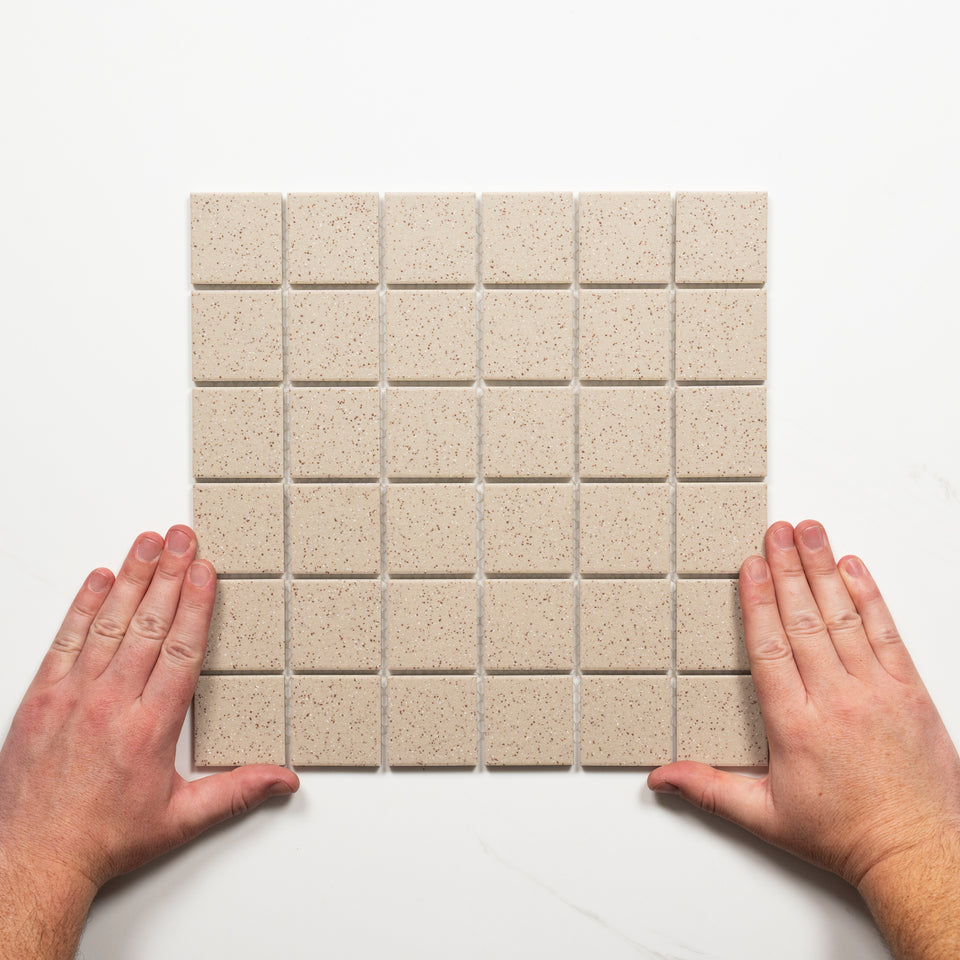

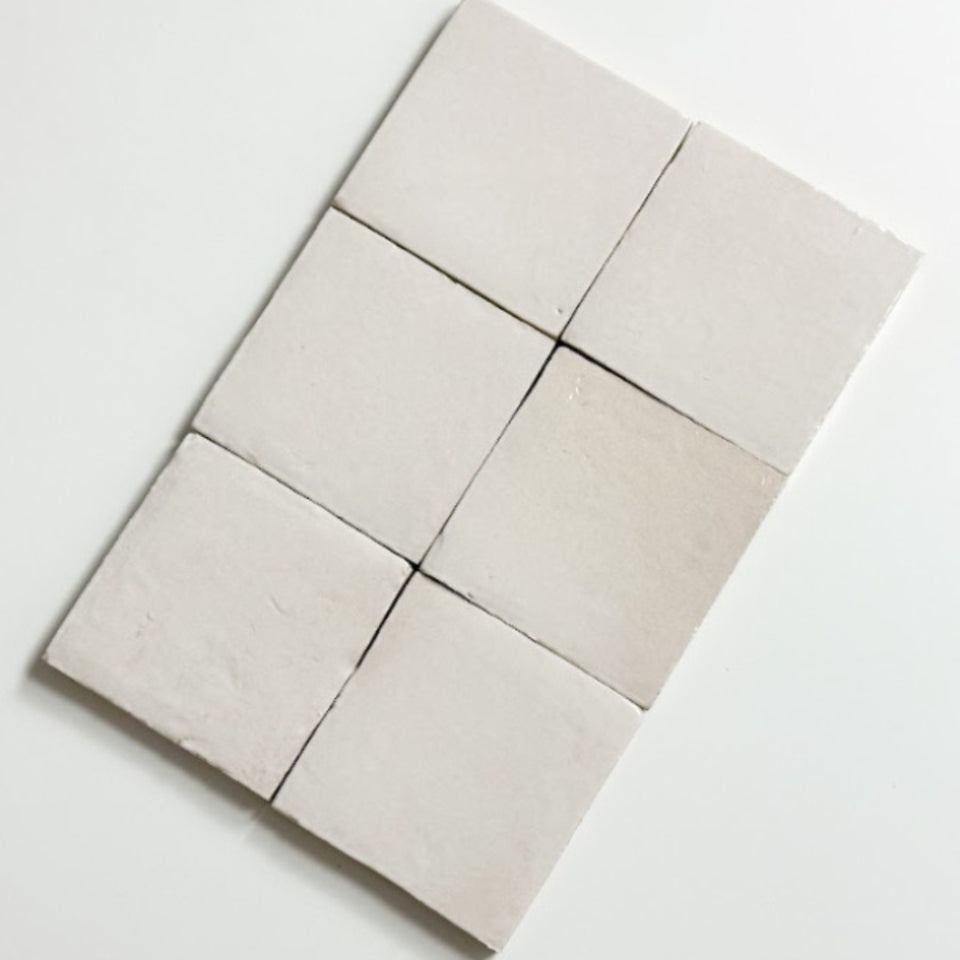
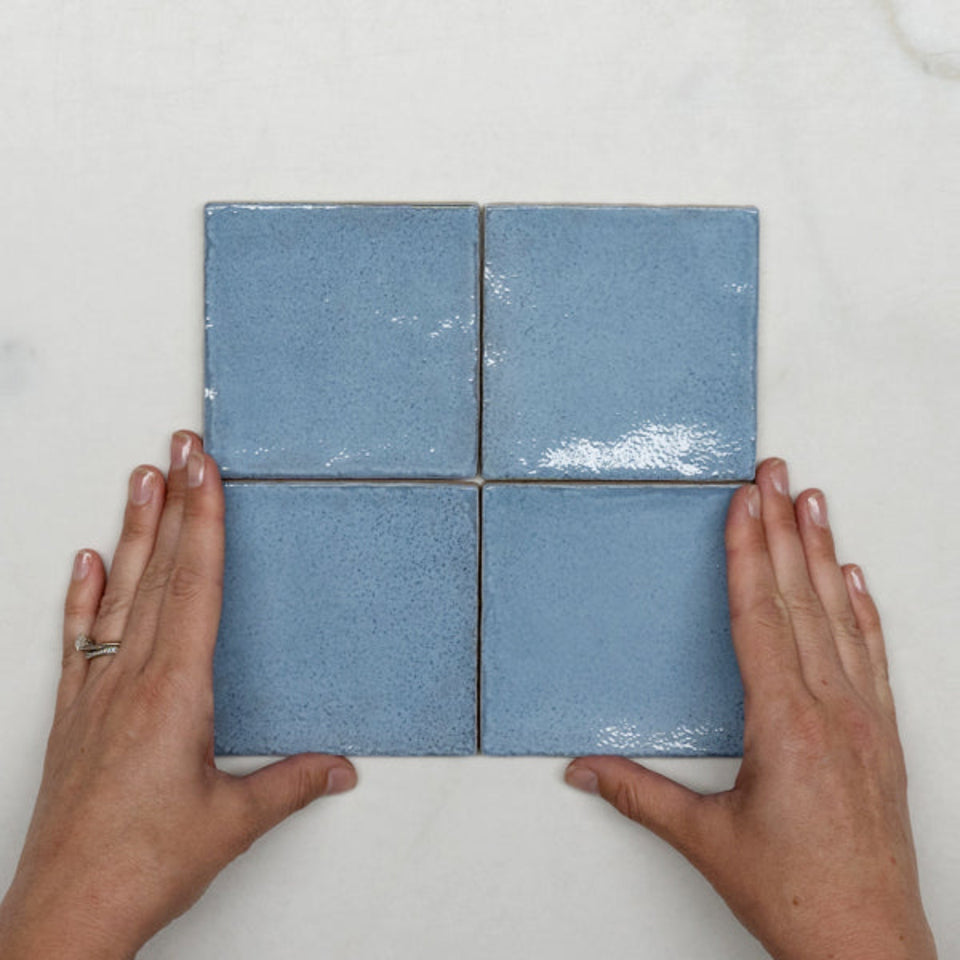
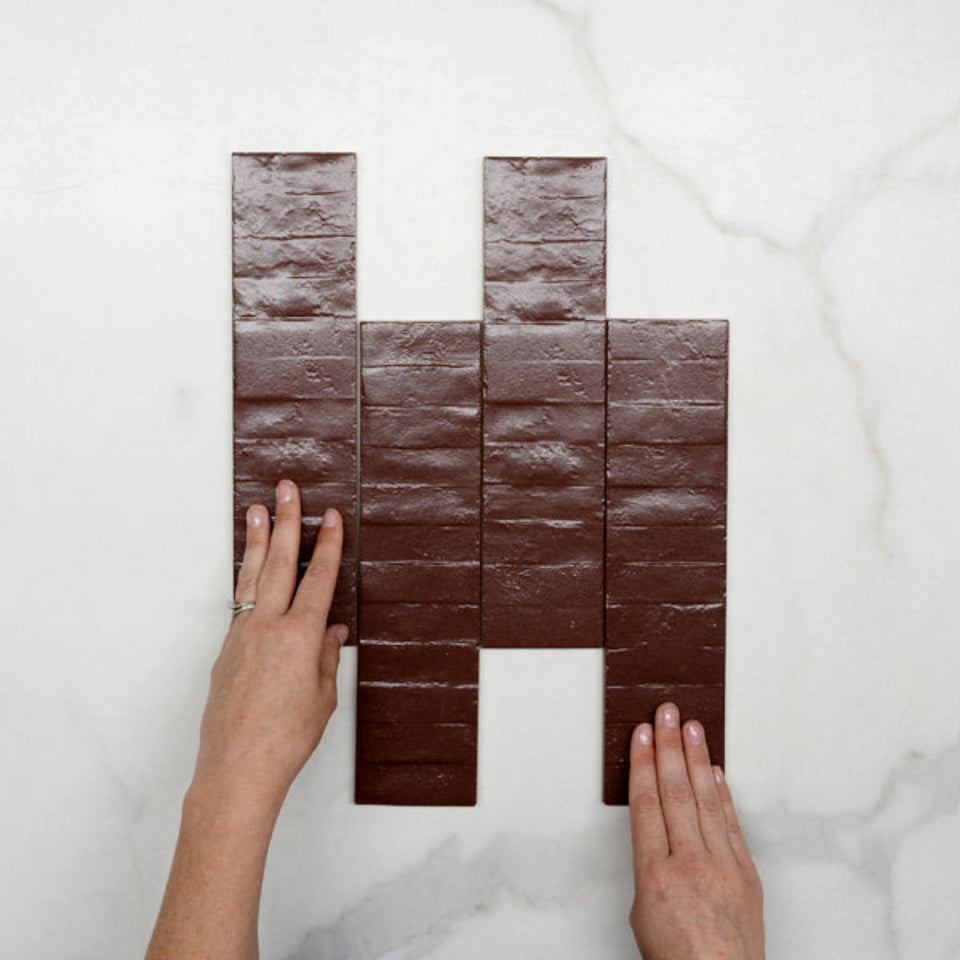


Up to 70% off across the store, plus free towels and mirrors up for grabs on orders over $800*

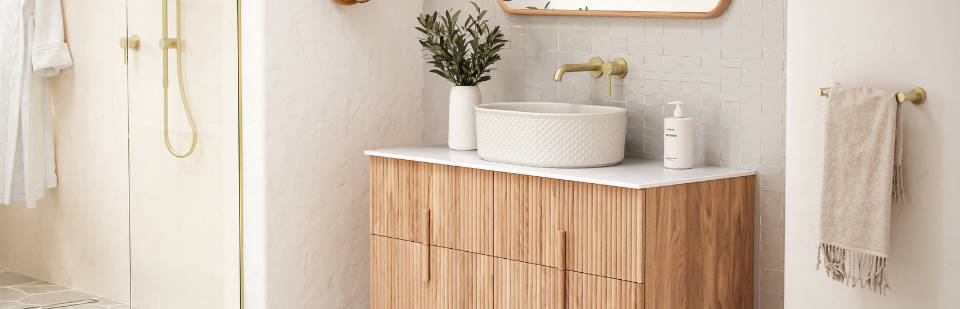


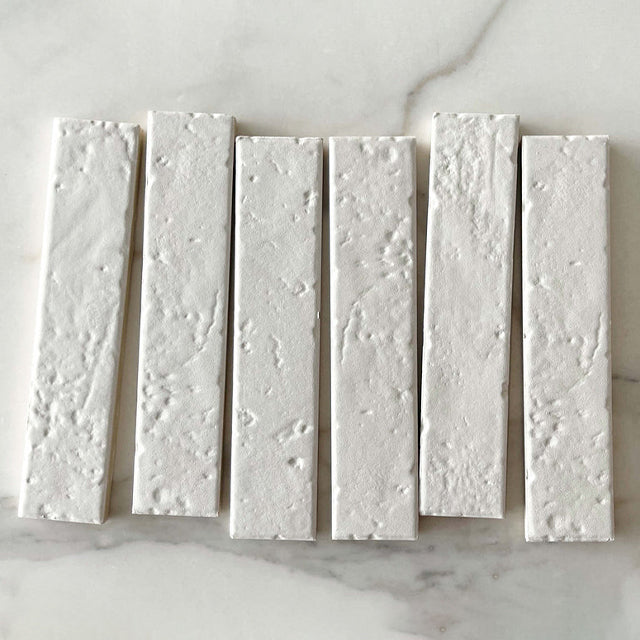
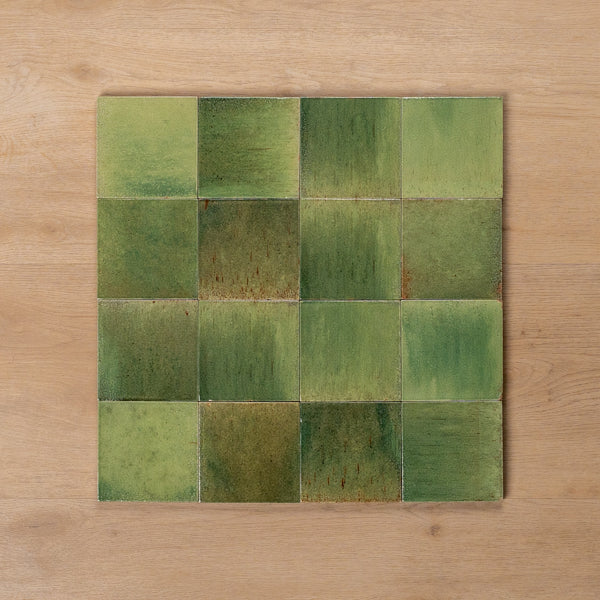

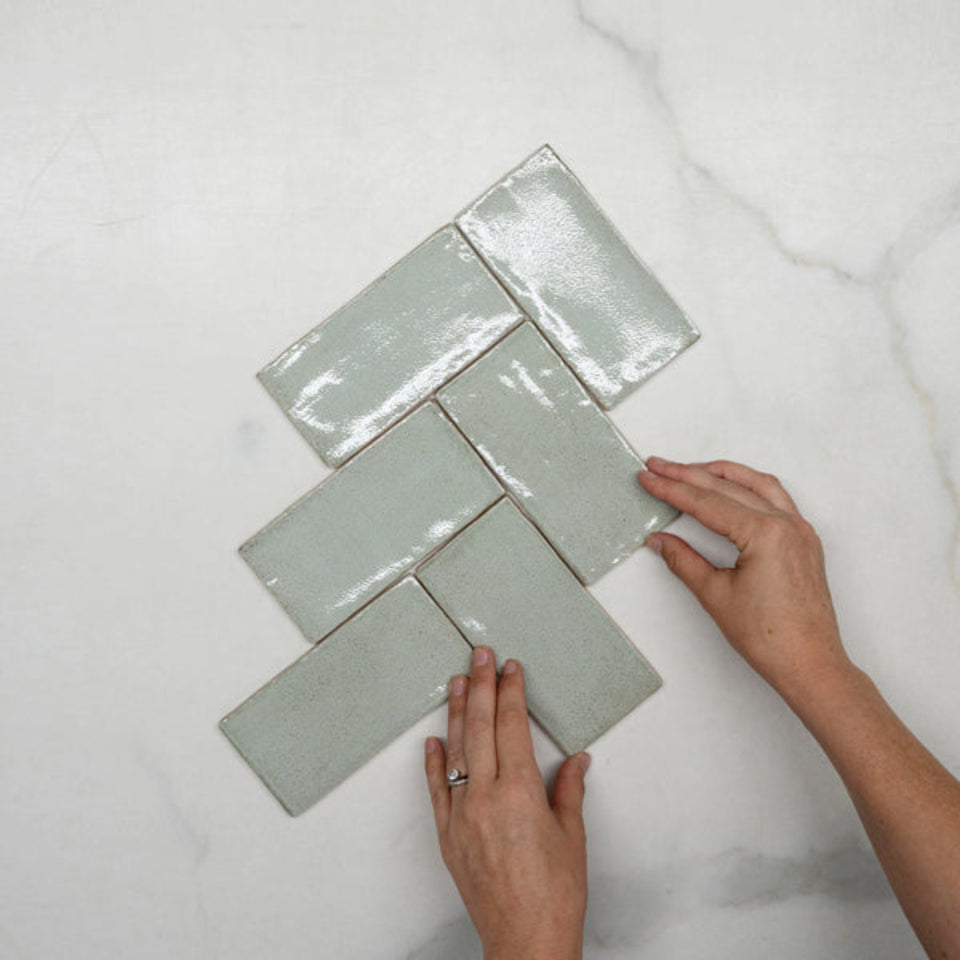


This page is the front door to every tile collection on the site. It does not try to replace the pages below it. Each collection has its own guide, with the printed slip, wear and area lines of the tiles inside it, so the quickest way to use this page is to pick the question that matters most to you, follow the link, and read the detail there. The sections below are organised by material, by room, by look, by colour, by size and shape, by range and by cost band.
Three lines on every tile do most of the sorting, whatever the collection: the slip rating, the wear rating and the area line. P ratings come from a pendulum test on a wet, flat surface, with P1 low slip resistance, P2 and P3 moderate, P4 high and P5 very high. R ratings come from a separate oil ramp test, from R9 for low resistance to R12 and R13 for very high. The highest number is not always the best choice, because a heavily textured surface can be harder to clean, so choose a rating for the space. The wear line says how much traffic a floor tile suits, and the area line says where the tile is meant to go. Read all three before ordering.
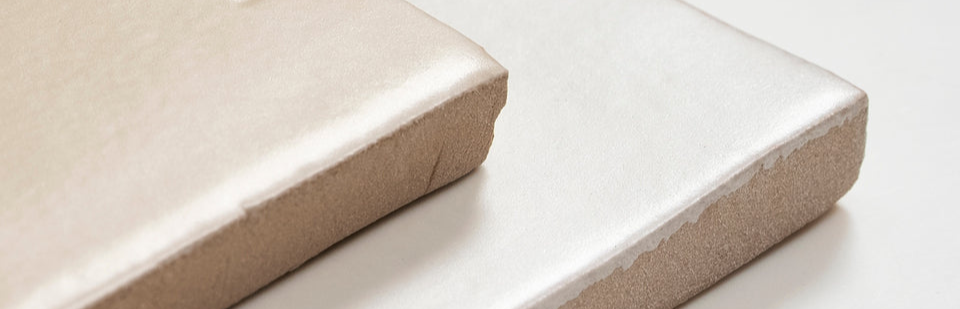
The main split is material. Porcelain and ceramic are made from the same raw materials and baked in a kiln, but porcelain is baked for longer and at a much higher temperature. The result is an ultra-hard, non-porous material in porcelain and a softer, lighter one in ceramic. Because ceramic is softer and lighter, it is usually restricted to wall applications. Porcelain is used on floors, walls and outdoors, and does not need sealing. The porcelain tiles and ceramic tiles pages go into each, with the tiles that carry wall-only lines.
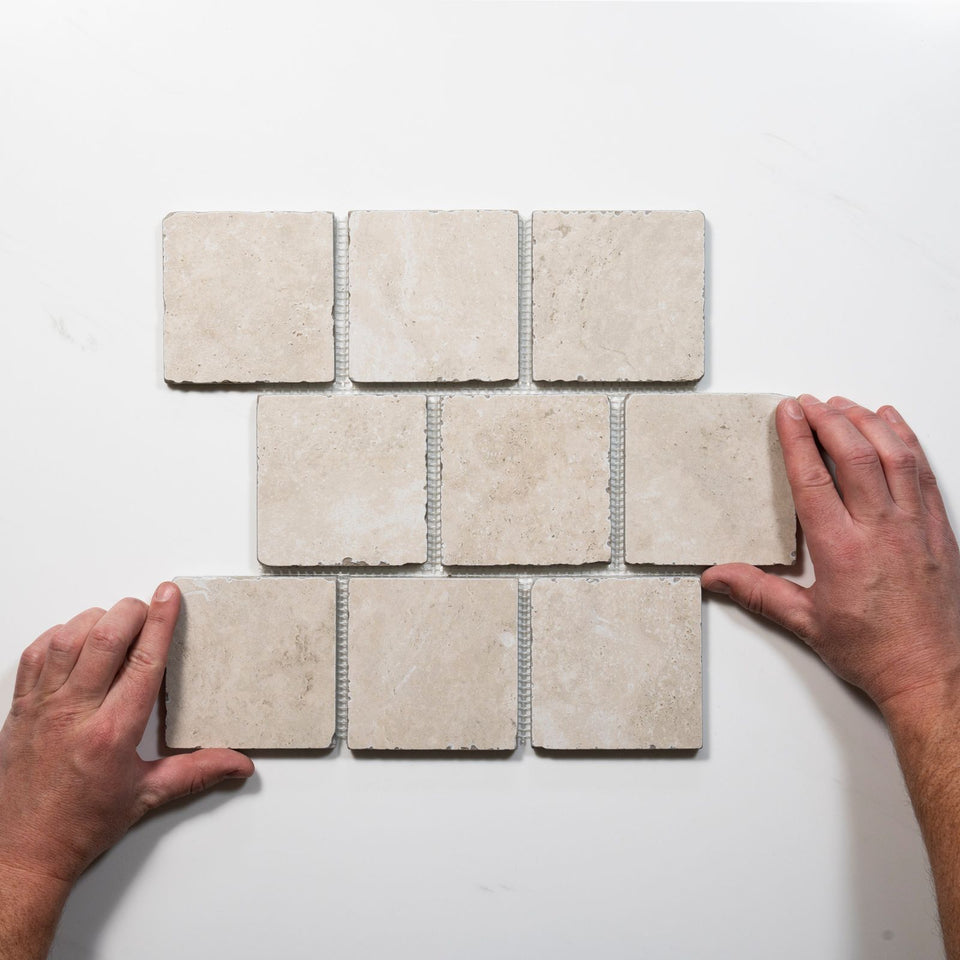
Glazed ceramic is water resistant and needs only a wipe with warm soapy water, while unglazed ceramic needs sealing. Natural stone is the third material family, and it carries its own care. The natural stone tiles and tumbled natural stone tiles pages hold the real stone, and the look-alike pages below hold porcelain that copies it.
The floor tiles page lists tiles printed for floors, and the wall tiles page lists tiles for walls. The distinction matters, because some tiles, such as thin glazed mosaics, print walls only and a wear rating that says not recommended for floors. The room pages sort by use. Bathroom tiles and kitchen tiles cover the two rooms people ask about most, and outdoor tiles covers patios, paths and pool surrounds.
Porcelain is usually preferred outdoors because it does not absorb moisture and handles temperature changes, with a slight texture for grip, and lighter colours are often chosen around pools to reduce heat underfoot. Natural stone outside usually needs sealing and porcelain does not. The outdoor page carries the full detail, and the colour outdoor pages, grey, black, beige and white, narrow it by colour.
Porcelain can copy other materials, and it can emulate timber, concrete and natural stone with realistic variation in texture and tone. The look pages sort that range.
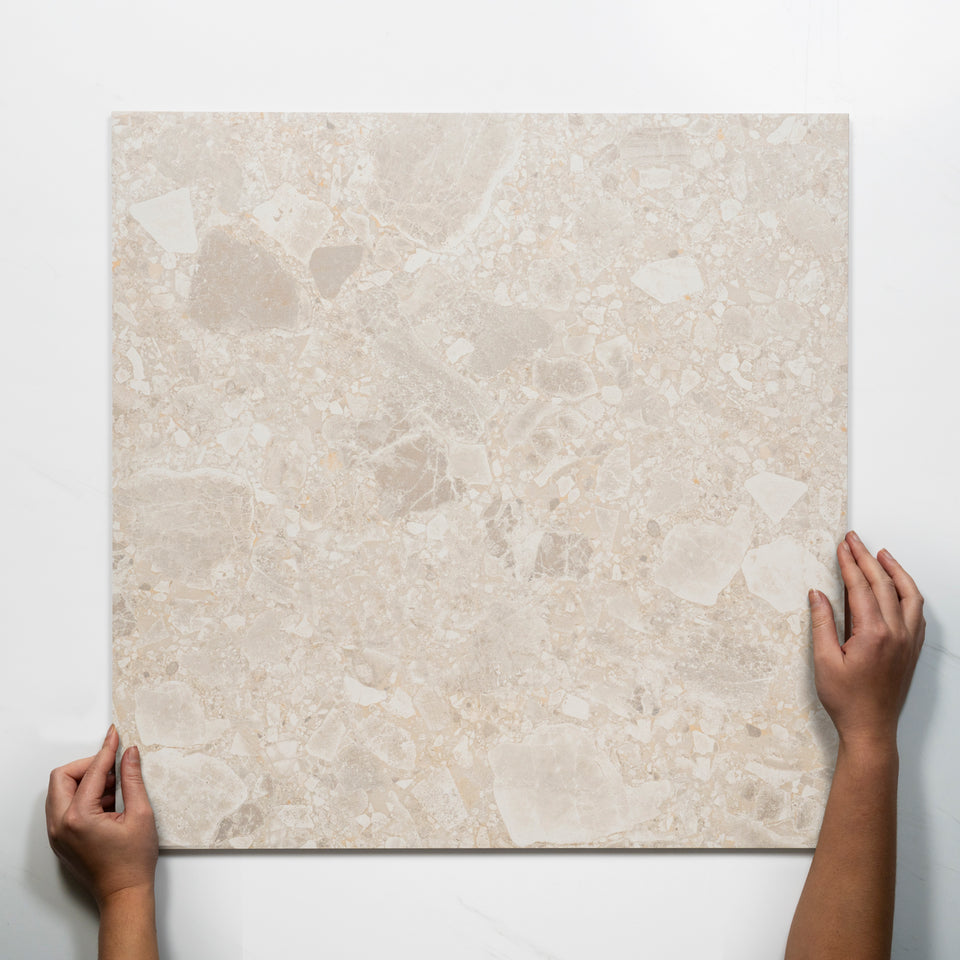
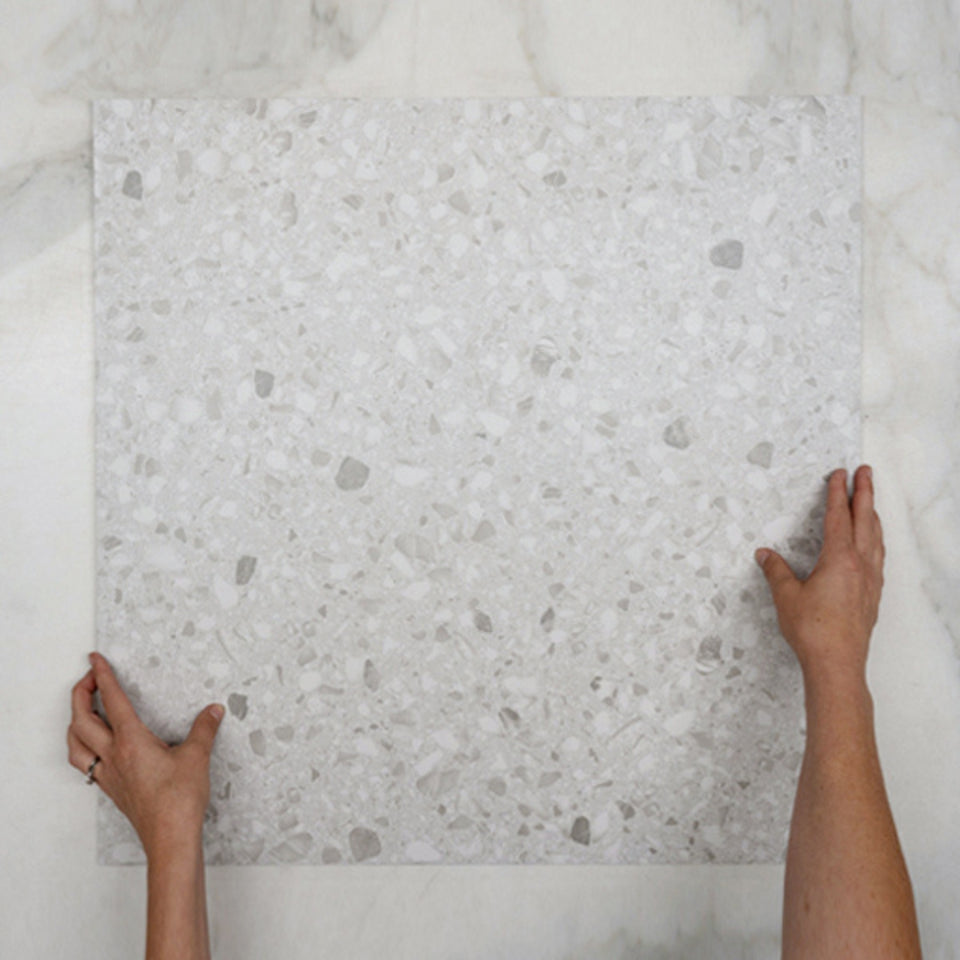
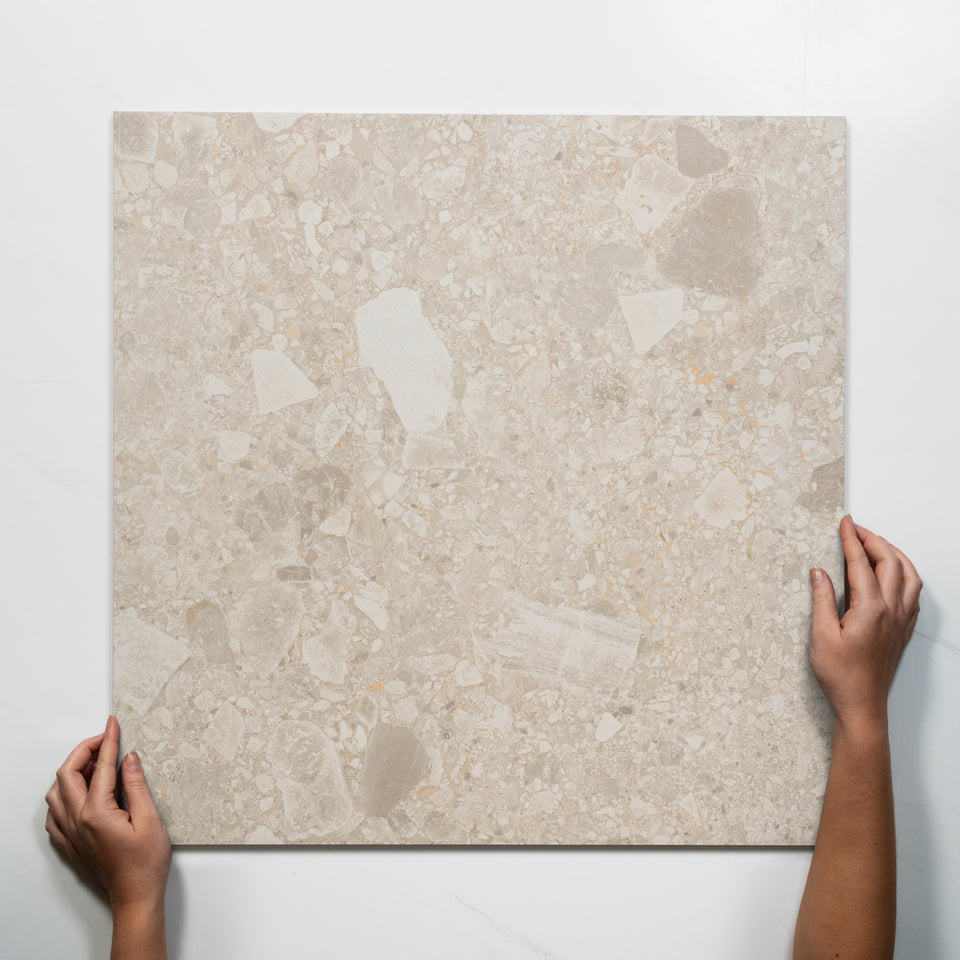
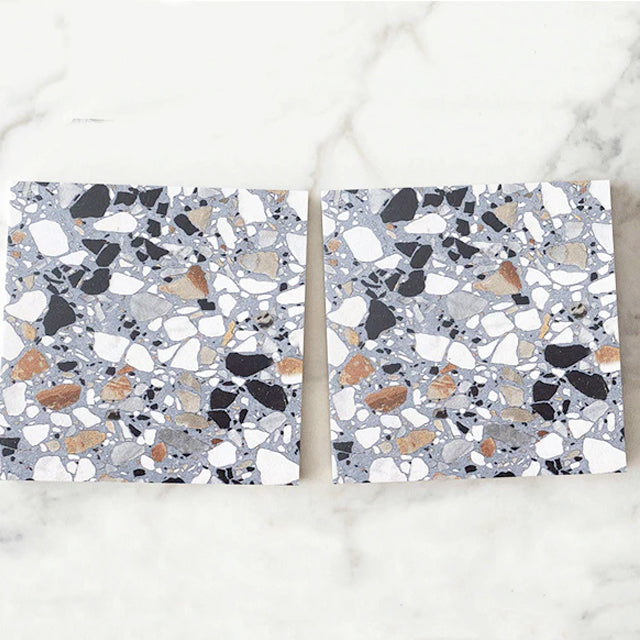
For stone looks, travertine look tiles give the texture of natural stone without the sealing that raw travertine needs, marble look tiles copy the veining of marble, and terrazzo look tiles give a flecked pattern. The veining on marble looks can vary noticeably between ranges, so a sample is worth ordering. Concrete tiles keep an industrial surface, and a concrete look porcelain gives that surface without the maintenance of real concrete.
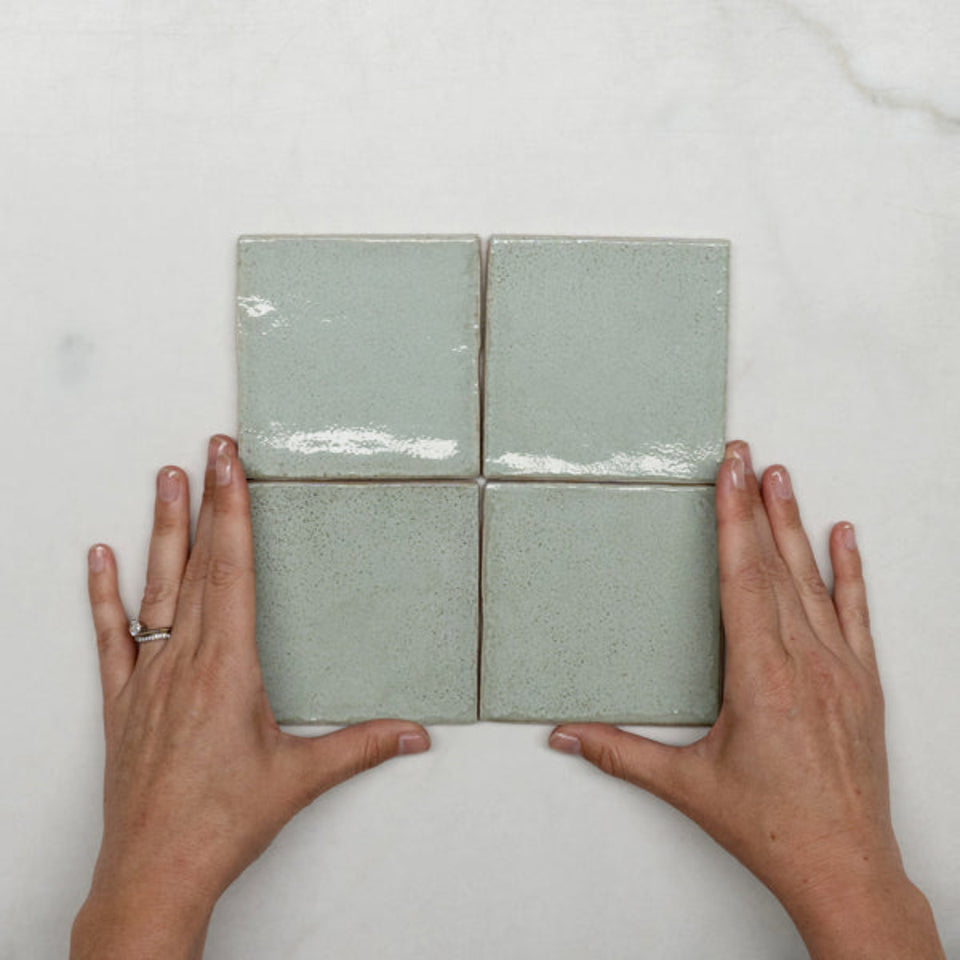
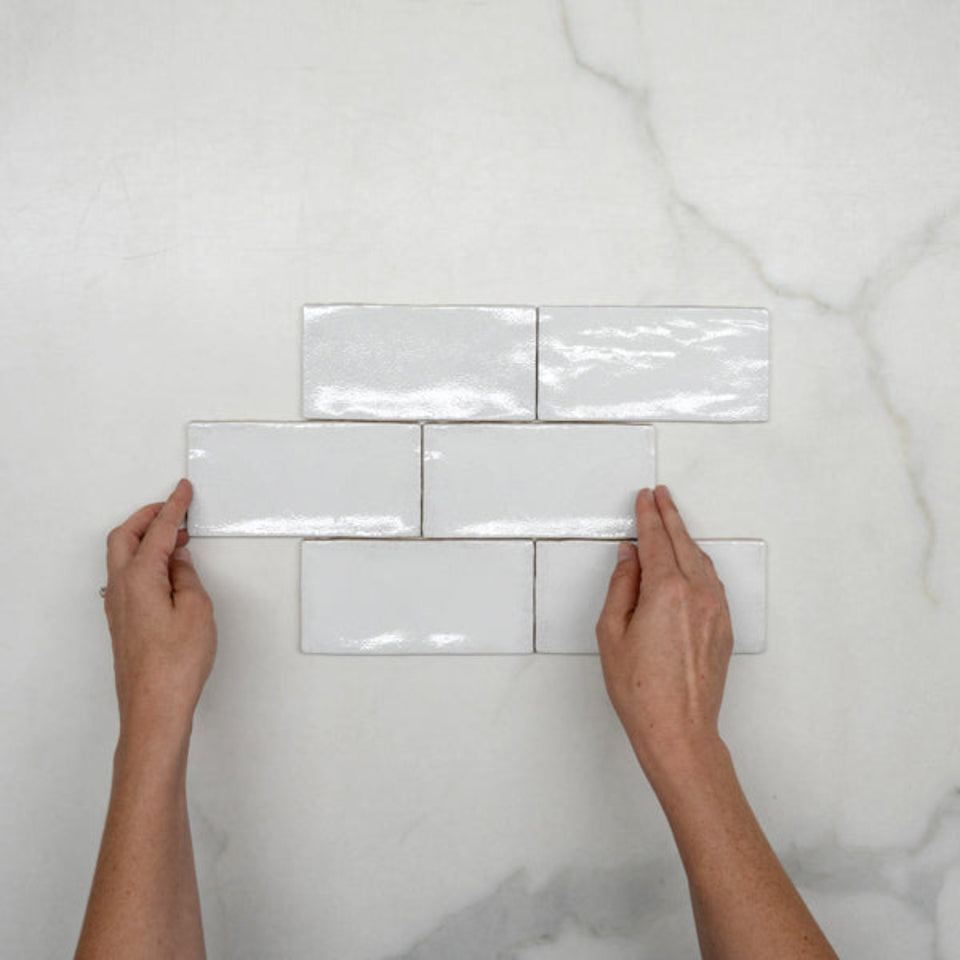
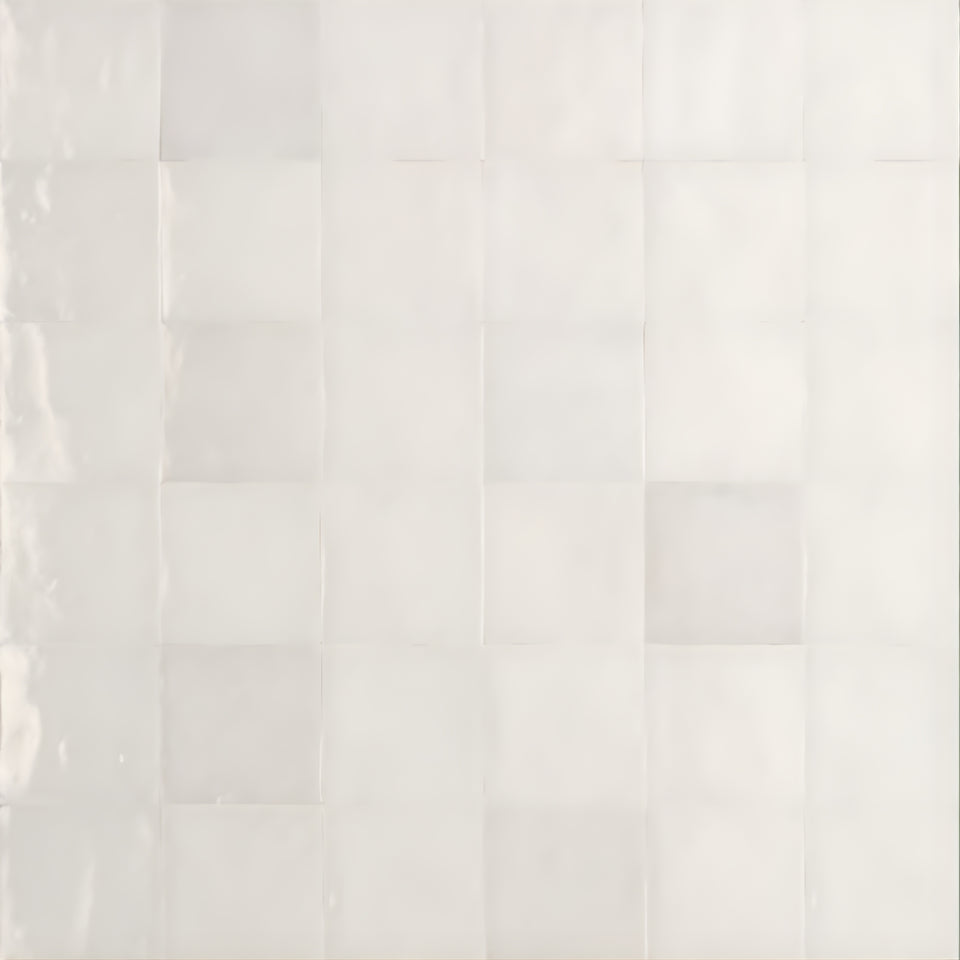
For warm and handmade looks, terracotta look tiles bring the warmth of a Mediterranean courtyard, and zellige tiles and Moroccan tiles cover the handmade, glossy end. Brick look tiles and brick bond tiles copy exposed brick, and subway tiles are the classic wall format. Laid in a vertical stack, a subway tile can make a bathroom feel taller. The vertical stack tiles page covers that layout.
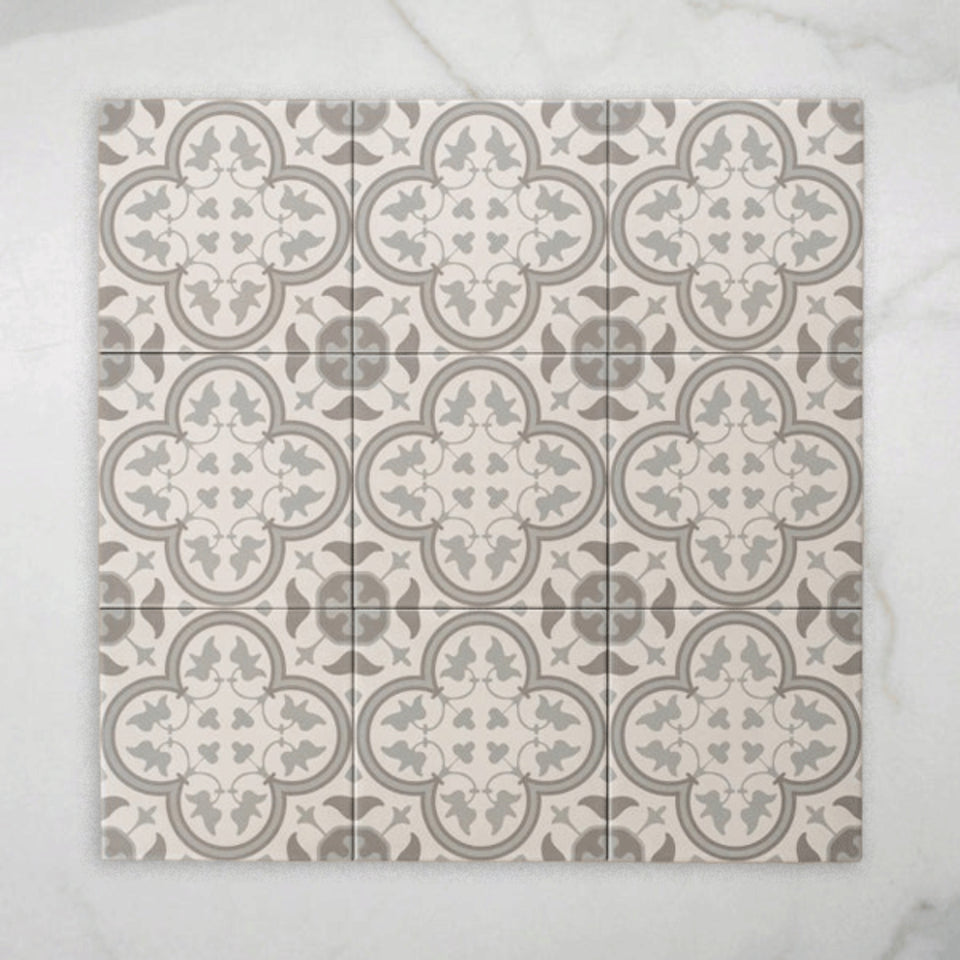
For pattern and style, patterned tiles and French pattern tiles cover geometric and traditional layouts, crazy pave tiles cover the irregular format, Japandi tiles and coastal tiles collect tiles by style, and feature tiles collects tiles chosen to be the focus of a wall.
Colour is one of the first decisions, and the colour pages carry their own guides. White tiles are the lightest choice, and white reflects light, which helps a small or windowless room. Grey tiles sit between warm and cool palettes. Beige tiles give warmth without a strong colour and pair with timber and stone. Black tiles bring contrast, and brown tiles bring earth tones.
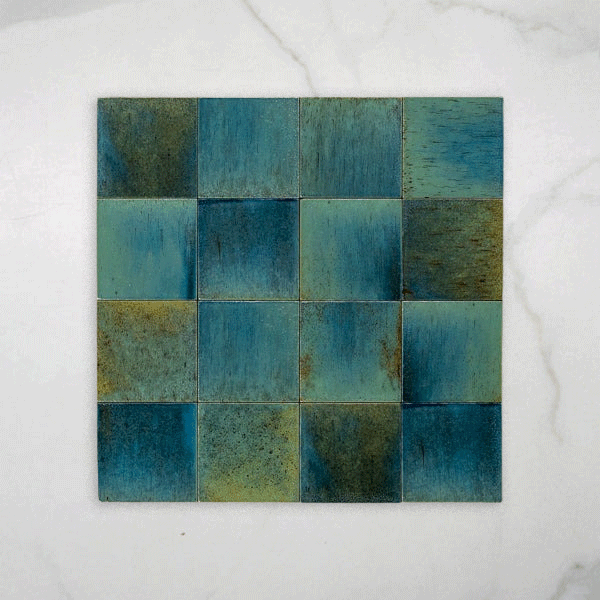
Stronger colours are covered by blue tiles, green tiles and pink tiles. For floors in a given colour, the colour floor pages are white floor tiles, grey floor tiles, beige floor tiles, black floor tiles, green floor tiles and blue floor tiles. Each holds only tiles that carry the floor tag, and each shows which tiles carry low wear or low slip lines.
Size changes the look as much as colour does. Larger tiles give fewer grout lines and a cleaner field, and small pieces create more joints, which can add texture and follow curves and falls. The size pages sort by what you can see on the floor or wall: large tiles, medium tiles and small tiles, then by shape in square tiles and rectangle tiles.
For exact sizes, the pages are 100 x 100mm, 150 x 150mm, 300 x 300mm, 450 x 450mm, 600 x 600mm, 300 x 600mm and 600 x 1200mm. For mosaics and small formats, mosaic tiles is the family page, kit kat tiles covers finger tiles, penny round tiles covers circles, octagon and dot tiles covers the period pattern, and diamond tiles and herringbone tiles cover directional layouts.
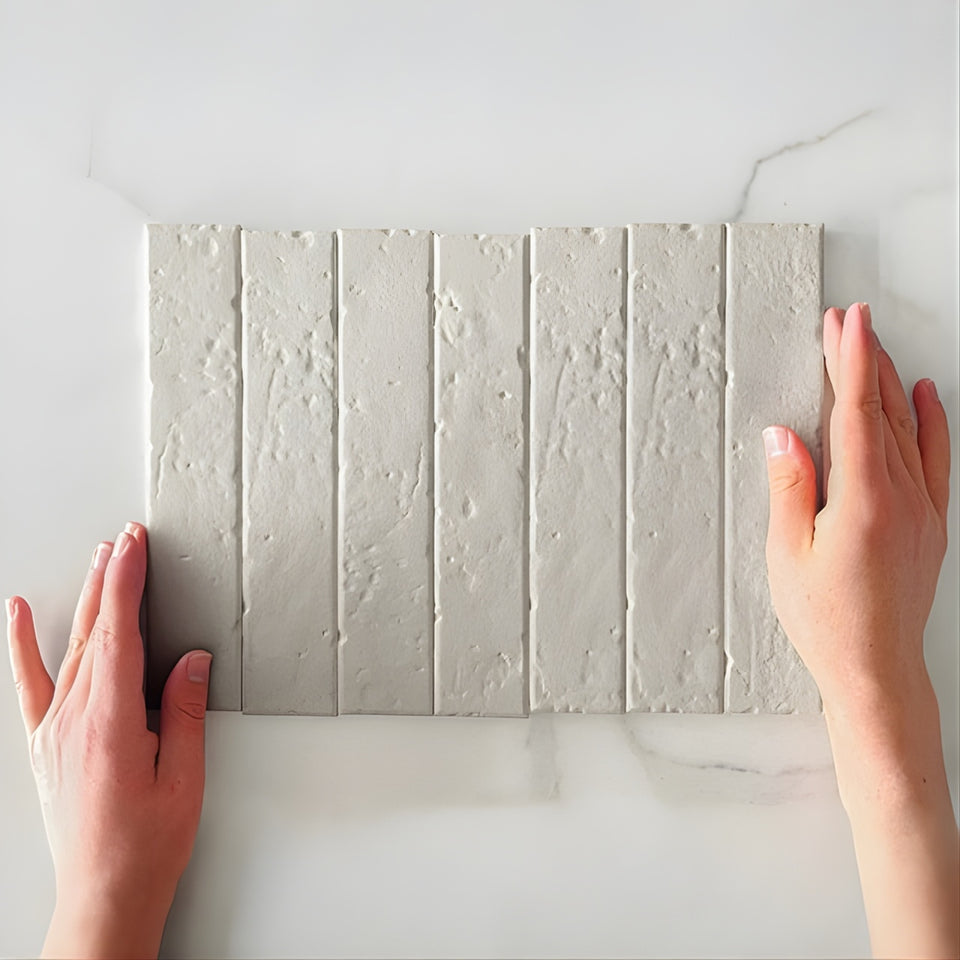
Kit kat tiles, also called finger tiles, are mostly a decorative wall tile, with some options such as terrazzo and natural stone that can be used on floors. Mosaics suit shower floors, curved surfaces and feature areas, and larger tiles suit a broad, simple floor.
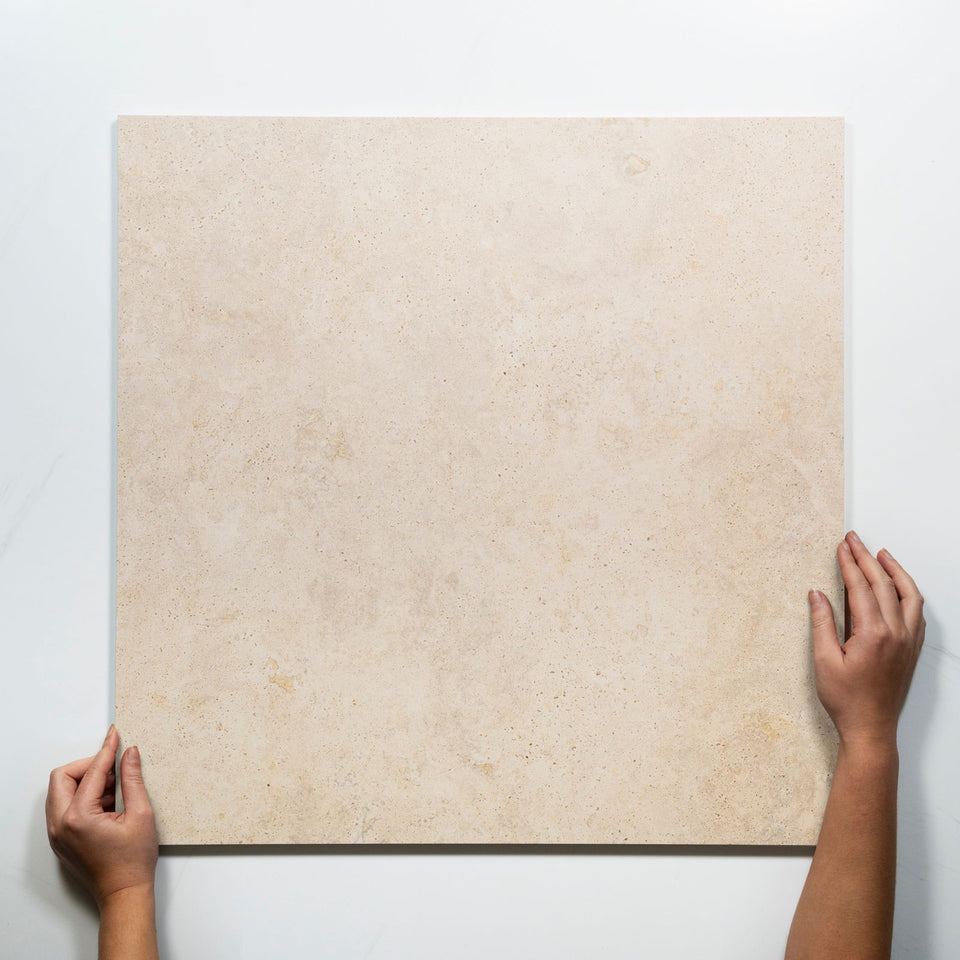
Many collections are single ranges, each with its own printed lines. The newest group is a set of five. Avedon and Cairnwell are limestone and stone looks with a P3 matte tile for indoor wet areas and a P5 grip tile for outdoors. Ardenne is a travertine look for wet areas and covered outdoor areas. Briq is an unglazed porcelain mosaic, and Flute is a concave finger mosaic for walls only.
The older range pages sort by look. For terrazzo, there are Southside, Clio and Island, and Frankie is the concrete look. The travertine looks are Tuscan, Nimbus and Valerie. Myra is a limestone look, and Roccia and Auralis are stone looks.
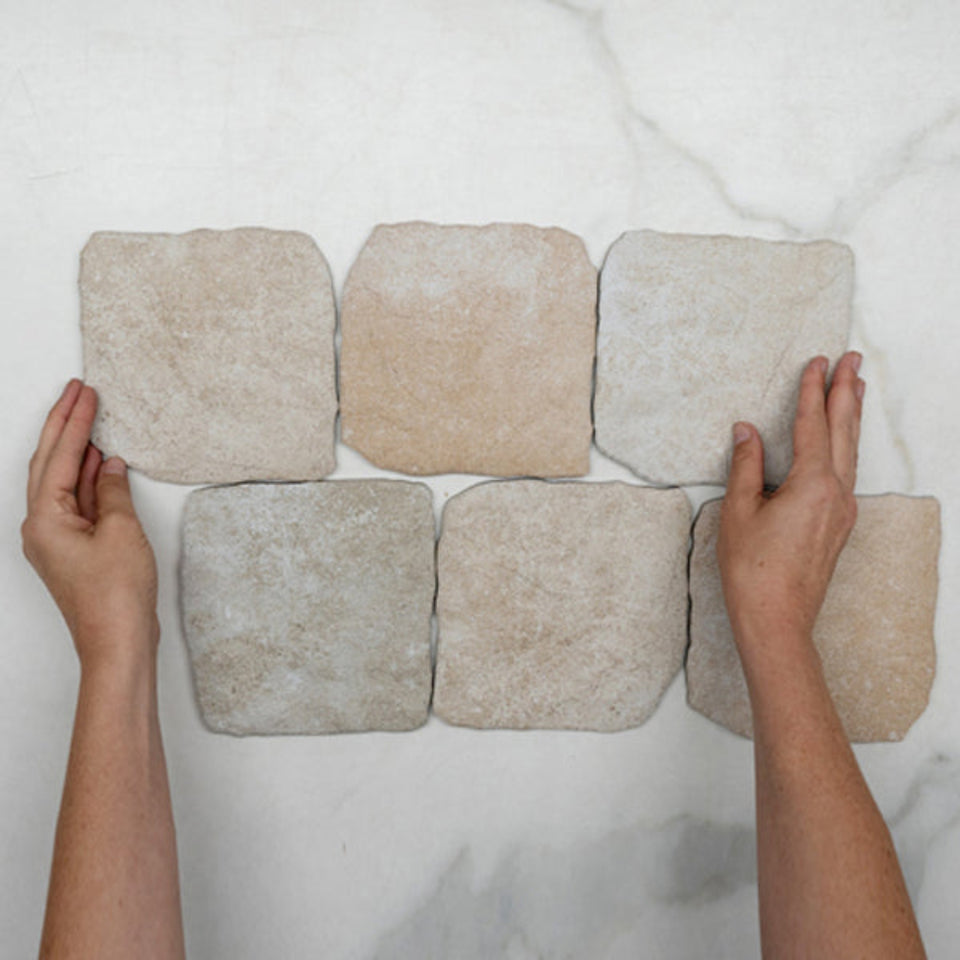
Three more are shape and pattern ranges. Matrix is a marble look, Meander is a fish scale, and St Kilda is octagon and dot, with Settlers as the cobble. Each range page sets out its sizes, colours and the slip, wear and area lines.
The choice comes down to what you want to live with. If you want authentic variation and accept the sealing, the natural stone tiles page is the place. If you want the look with simpler care, the look pages above are porcelain, need no sealing and are easy to clean. Either way, a sample in the room settles it.
Matte and textured finishes cope with wet conditions better than polished ones, and slip rating matters in bathrooms and outdoors. The matte and grip finishes are marked in each tile's finish line, and the room pages, bathroom tiles and outdoor tiles, are the first stop.
The store also groups tiles by cost per square metre, in bands, so you can browse by budget first and by look second. The band pages start at the lowest band, and step up through the next bands to the upper tiers. The tier pages sort tiles by style as well as cost: everyday essentials, beautifully balanced, designers choice, sophisticated living and refined luxury. Each band page lists the ranges inside it and the figures that define it.
Start with the room and the surface, since those set the rules. For a bathroom floor or a laundry, the Melbourne guide's frame applies: choose a tile whose printed slip line suits a wet area and whose area line says wet areas, then check the wear line. For a wall, any tile whose application line includes walls is open to you, including the thin glazed mosaics that print walls only. For an outdoor floor, start from outdoor tiles and check the area line for uncovered areas.
Then choose a look or a colour, and move to that page. If a range name is already in your head, the range page is the shortest route. If a budget is the starting point, the band pages are. A sample of two or three candidates, laid in the room and checked in daylight and at night, makes the final choice.
If you are not sure where to start, work through four steps. First, name the room and whether the surface is wet, dry or outdoors. Second, decide whether the tile goes on a wall, a floor or both. Third, pick a look and a colour, and open the collection that matches. Fourth, read the slip, wear and area lines for the exact tile, and work out the box quantity from its coverage.
Box coverage runs from small to large, from the 0.20 square metres of a stone subway box to the 2.88 square metres of a large honed box, so check the line before you convert an area into boxes. A tile with a small box and many cuts leaves more waste than the coverage figure suggests.
If a tile you like is not made for the room you have in mind, the collection pages above show the closest alternative in the same look. A matching colour in a floor-rated porcelain often sits one click away from a wall-only ceramic.


