
*View accurate shipping rates and availability






46 Items



Up to 70% off across the store, plus free towels and mirrors up for grabs on orders over $800*


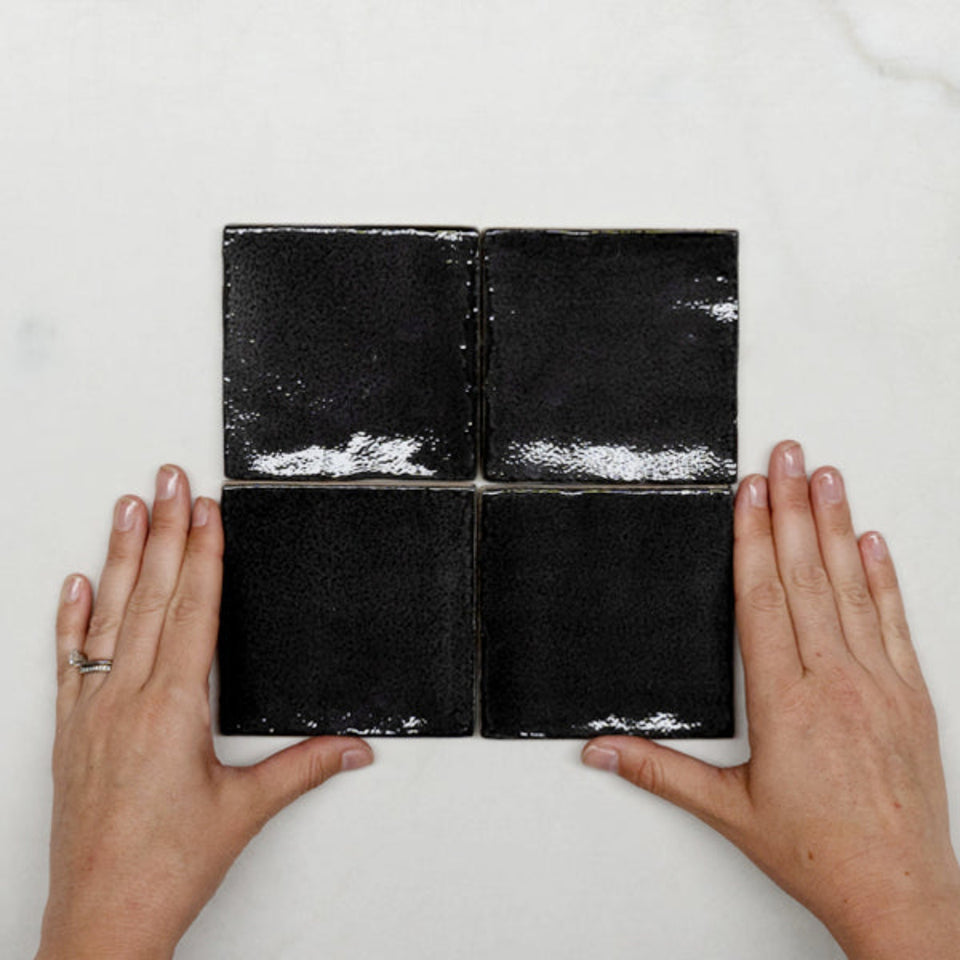



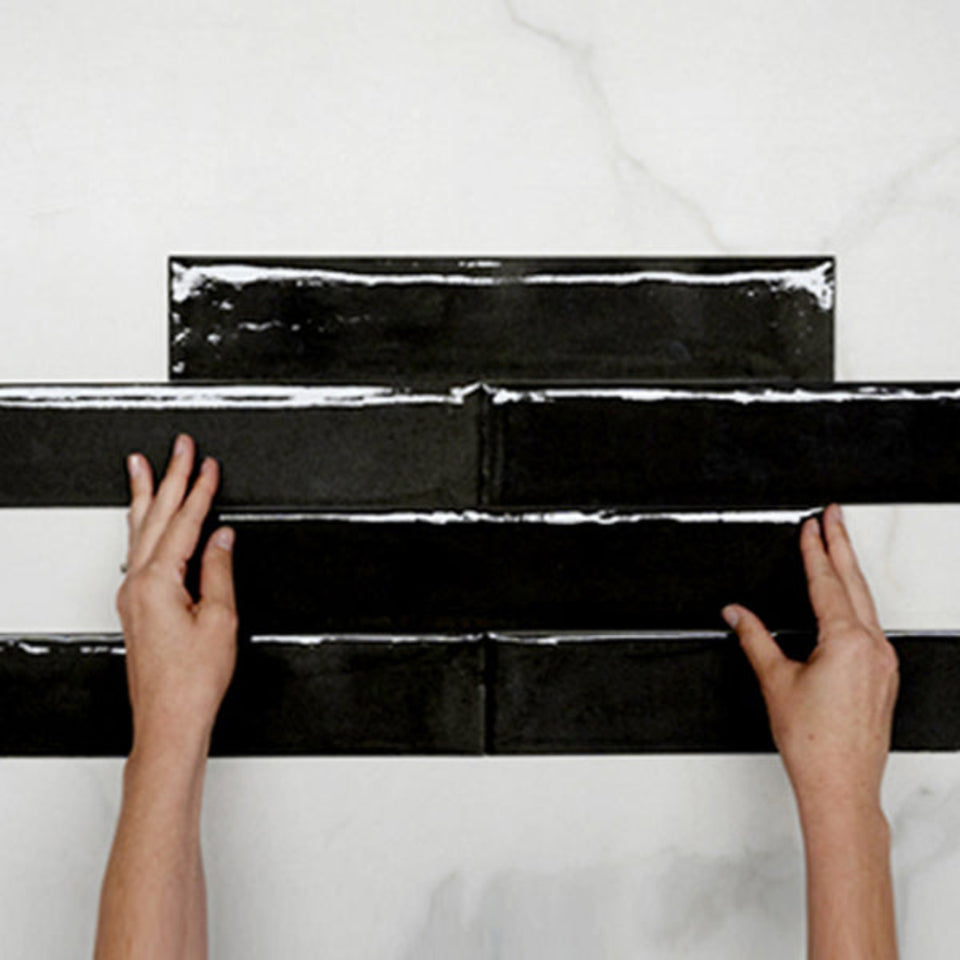

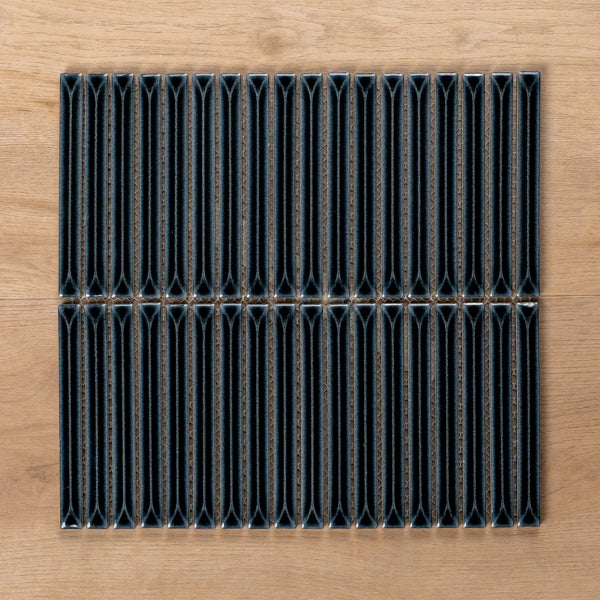


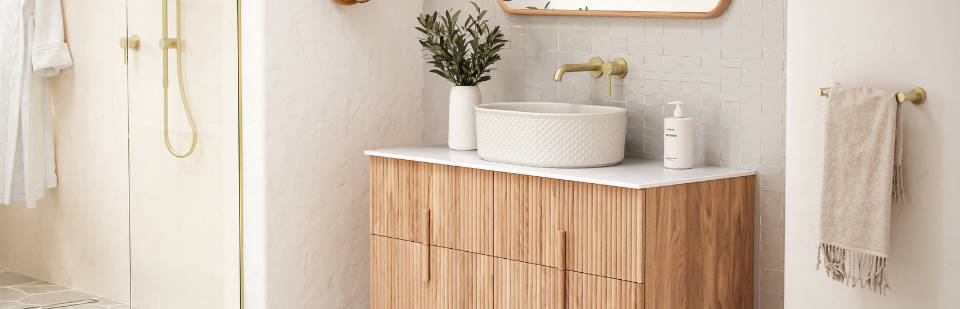
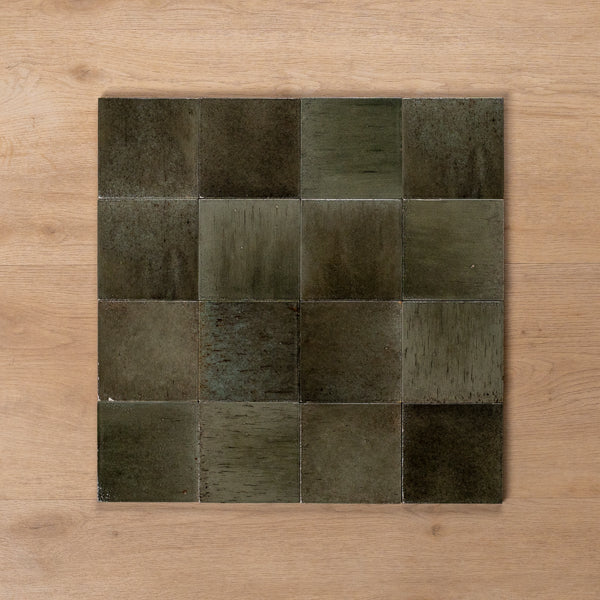
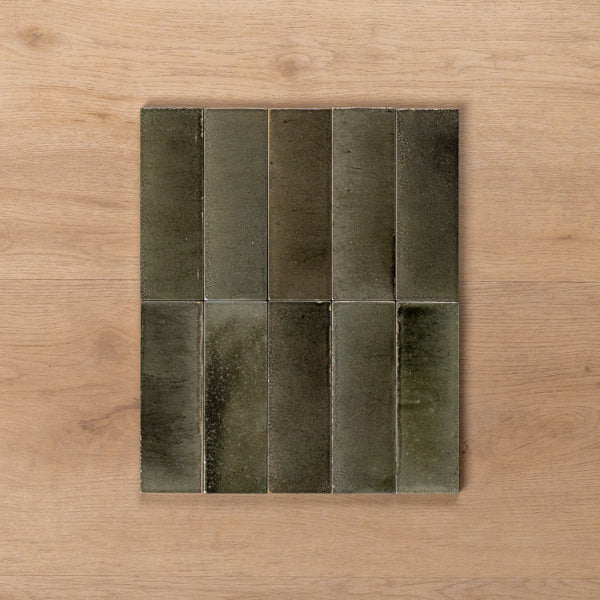
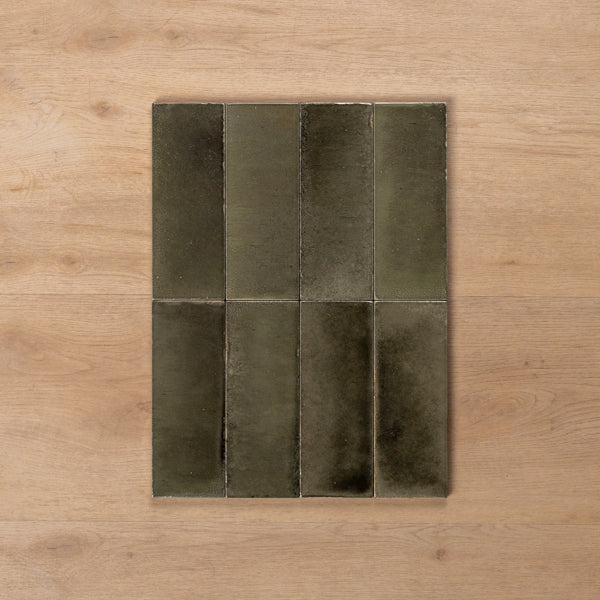


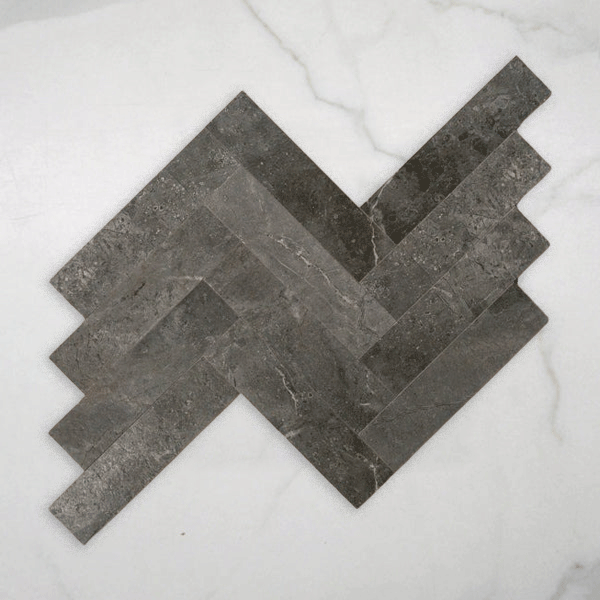


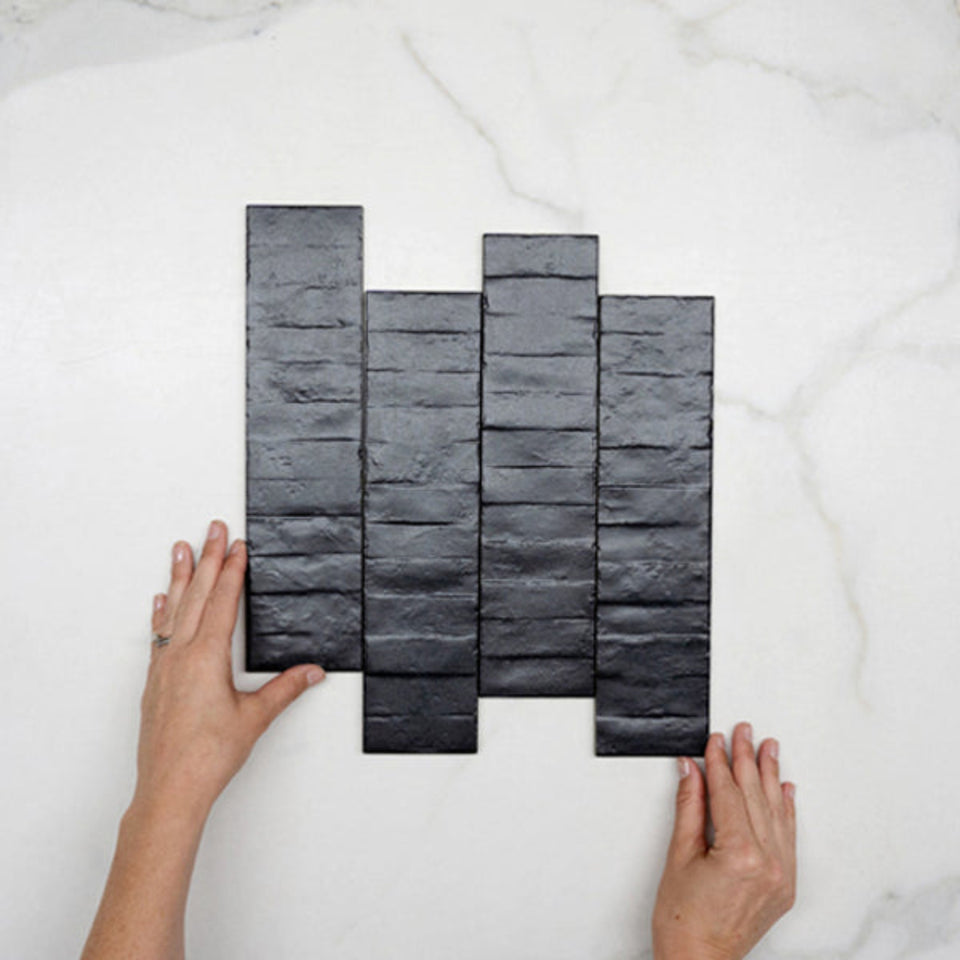
Black is the colour that makes every line and surface sharper. It draws the eye to joinery, tapware and layout, which is why it appears on feature walls, floors and splashbacks and in moody bathrooms. This collection covers the family, from charcoal and anthracite to true black, in stone-look porcelain, subway tiles, penny rounds, kit kat fingers, terrazzo looks and marble looks, in matte, gloss and satin finishes.
The sections below cover where black has the most impact, how finish changes it, what the slip lines say, and which tiles are walls only. For rooms, see the bathroom tiles collection and the kitchen tiles collection.
Black works where contrast is used with intent: darker surfaces add definition, separate zones and give a design structure. It suits industrial-style kitchens, where black surfaces sharpen joinery lines and complement steel or concrete. It suits boutique-style bathrooms with black on both the floor and walls for an enclosed, immersive feel, and outdoor entrances and pathways, where a dark tone gives a more defined entry. It also suits accent walls and fireplaces, where black draws focus. Statement floors, elegant feature walls and sophisticated splashbacks are the strongest uses of a black and white scheme.
Black tiles also perform well in moisture-prone areas, which makes them a fit for moody, hotel-style bathrooms and wet rooms. That depends on the tile: for a wet floor, check the slip line on the product page. The floor tiles collection covers the ratings in detail.
In kitchens, black tiles make a striking splashback, especially beside white cabinetry, timber shelving or stone benchtops. They add clarity to the layout and help define the cooking area without overwhelming the rest of the room. In bathrooms, black is popular for floors and feature walls, creating spa-like retreats with a contemporary edge, and in living areas, bedrooms and laundries it adds grounding sophistication.
Finish decides how black looks under light. Gloss reflects light and brings out contrast, and layered lighting, such as wall lights or pendants, brings out texture and surface detail. The usual finishes for black are matt for contemporary minimalism, gloss for light-reflecting elegance, polished for a marble effect, honed for subtle sophistication, and grip or structured finishes where slip resistance matters.
The finishes in this collection are mostly matte, with gloss, satin, polished and a 3D finish in smaller groups. A matte black gives a quiet, even surface, while a gloss black throws light around the room and shows contrast between a tile and its grout. The Mooloolaba penny round comes in both gloss and satin, and the Sereno black has a honed finish with marble-inspired veining.
A number of the blacks here are stone-look porcelain. Casuarina is a modern take on natural stone in four colours and two finishes, with a matte finish designed to give extra grip when water is applied, which suits it to both internal and external use. Avalon is a twist on regular stone production, with subtle vein movement that makes an understated feature. Burleigh suits people who love the look of natural stone and not the care, and Aria is a crazy-pave stone look made from full-bodied porcelain, suitable for internal or external walls and floors.
Sereno captures the quiet luxury of natural stone, with a honed finish and elegant marble-inspired veining, and Matrix black is a satin concave subway in a marble look. For the stone and marble looks across the store, see the marble look tiles collection and the terrazzo look tiles collection.
A black tile for a floor needs the same checks as any other. The tiles here run P1, P2, P3 and P3/R10, with the Aria crazy pave at P5/R12 and a few tiles Not Slip Rated. The Casuarina charcoal is P4, the Avalon charcoal is P2, the Tamarama black is P3 with P3 or greater the right level for wet areas, and the Alicante tiles are P3/R10, moderate to high slip risk and suited to dry areas.
Structured and R-rated finishes provide added grip underfoot, which makes them a strong choice for wet zones. Read the whole line on the page, and use the Application and Area lines together with the slip line before choosing a black tile for a bathroom floor or a patio. The outdoor tiles collection covers the external options.
Most of the subway and feature tiles in black are wall tiles. The Olivia feature subway, the Andrea textural gloss and the Matrix concave subway are Walls, Wall or Walls only, and the Matrix is also Not rated for slip. The floor-ready blacks include the Aria crazy pave, the Tamarama and Alicante patterns, the Sereno marble grain, the Theo terrazzo and the Frankie dark grey, each Walls and Floors. Olivia also has a 600 x 600mm decor tile in charcoal, a full-bodied glazed porcelain made in Italy.
That split matters in a layout. A black floor can run with black or white wall tiles in a classic scheme, and the black floor tiles collection gathers the floor-listed blacks. The subway tiles collection holds the wall shapes.
Black and white is a classic pairing. The monochrome palette suits both interior and exterior applications, with slip-resistant finishes available for outdoor areas and wet zones. Popular shapes for the pairing include classic subway tiles and striking hexagons. In this collection, the St Kilda octagon with a black dot is a period-style mosaic in a clean matte white with a dark accent, and the Tamarama and Alicante patterns bring black into a geometric design.
For the white side of the scheme, see the white tiles collection and the grey tiles collection, and for the feature shapes, the feature tiles collection.
Black and white is the most forgiving palette there is, and it works with nearly any colour. Neutral tones such as soft greys, warm beiges and crisp whites create a cohesive look, and subtle pastels such as pale blue, sage green or blush add colour without overpowering the contrast. Deeper colours such as navy blue, emerald green or charcoal grey add drama, as long as they are balanced with lighter accents to keep the room from feeling too dark.
Warmth comes from a few places. Greige, warm taupe and creamy white warm a black scheme, and so do wood elements, brass or gold hardware and soft textiles. Natural stone such as marble, slate or travertine breaks up the graphic rigidity of black and white tile, because it gives the eye somewhere to rest, and a wood-panelled accent wall can stop the space feeling sterile. For metals, silver or chrome complements black and white, and chrome light fixtures or white glass shades keep the space light.
The Dimensions lines run from 20mm penny rounds and 12 x 92mm and 15 x 145mm finger mosaics through 75 x 300mm and 75 x 400mm subway tiles. The larger formats run from 300 x 300mm and 450 x 450mm to 600 x 600mm and 600 x 1200mm. The collection also holds the Dianna handmade-look subway, the Sicily charcoal zellige-style square, the Cottesloe Nero Marquina marble herringbone and the Castaways Midnight kit kat. For the finger shape, see the Kit Kat tiles collection, and for small formats, the mosaic tiles collection.
Order more than the measured area. Allow 10 percent for cuts and spares on standard formats, and 10 to 15 percent in general, rising to 20 percent for large formats such as 600 x 1200mm and bigger. Rooms with more cuts need more again, so confirm the quantity with your builder or tiler before ordering.
A worked example: a splashback 2.4m wide and 0.6m high is 1.44 square metres. A 75 x 300mm subway tile covers 0.0225 square metres, so the wall takes 64 tiles before cuts, and with 10 percent for cuts that rounds up to 71. A 300 x 600mm tile covers 0.18 square metres, so the same wall takes 8 tiles, and 9 with an allowance. On a black wall, a thin cut at a corner is easy to see, so set the layout out from the centre of the wall and keep the cuts to the ends. Order the whole quantity together so the tone and the glaze match.
For a bathroom, a common split is a black floor with a lighter wall, or a black feature wall behind the vanity with a pale floor. A matte black floor with a gloss white subway wall keeps the room bright and the floor grounded. In a kitchen, a black splashback against white cabinetry and a timber shelf gives the cooking area a clear edge. In both rooms, pick one black surface to lead and let the rest stay light.
The product pages print the full details for each range. These show the spread.
Casuarina, Avalon and Burleigh are the stone-look porcelains in charcoal. Sereno is the honed marble-grain 600 x 600mm tile, and Olivia is the Italian full-bodied glazed porcelain with a feature subway and a matching decor tile. Theo is a structured gloss subway in Nero, and Andrea is a textural gloss subway. Dianna is the handmade-look subway, Sicily is the zellige-style square, and Matrix is the marble-look concave subway. Mooloolaba, Castaways and Cottesloe cover the mosaics, and Tamarama, Alicante and St Kilda cover the patterns.
Start with the surface. For a floor, choose a tile whose Application line says Floors, and read the slip line first. For a feature wall or splashback, choose a gloss or satin black for light, or a matte black for a quieter wall. Then decide the pairing: warm white, greige or timber for a softer room, or a deep green or navy for a bold one, and one metal finish throughout.
Plan the cleaning routine before the first tile goes down, match the grout to the effect you want, and order extra for cuts. The tiles collection sits above this one for the whole range.


