
*View accurate shipping rates and availability






68 Items


Up to 70% off across the store, plus free towels and mirrors up for grabs on orders over $800*
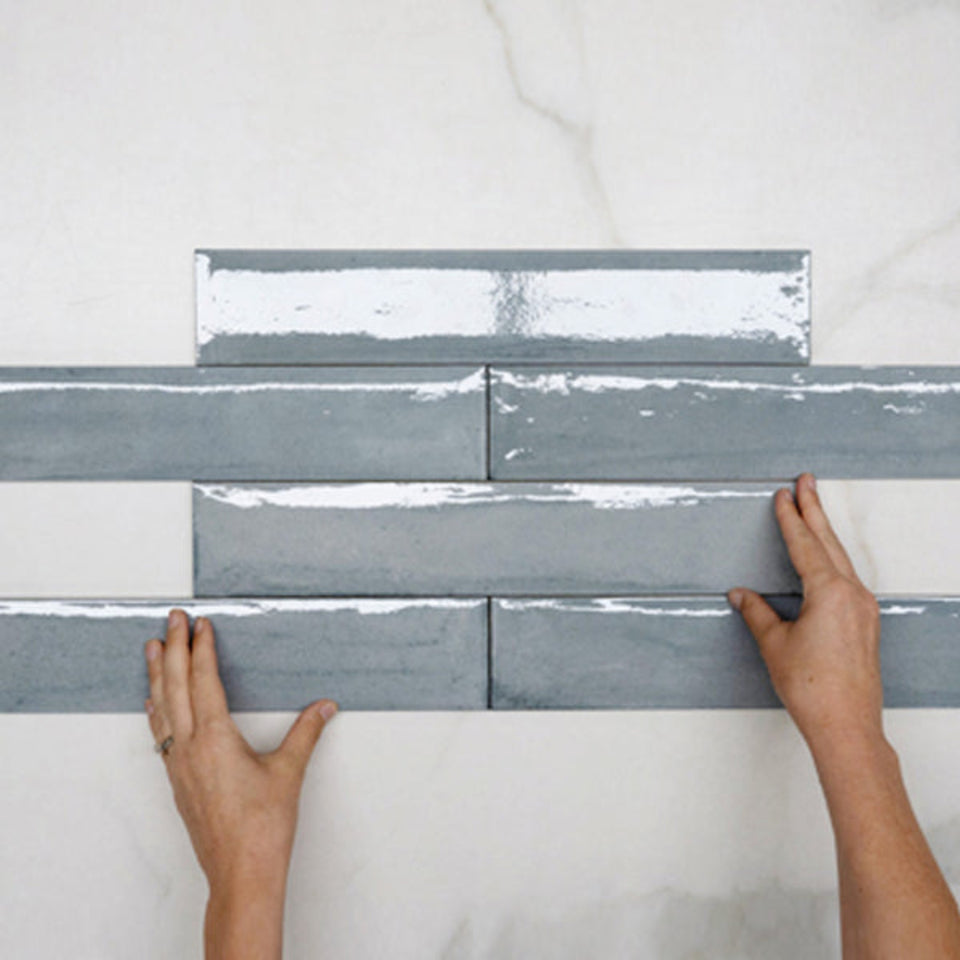
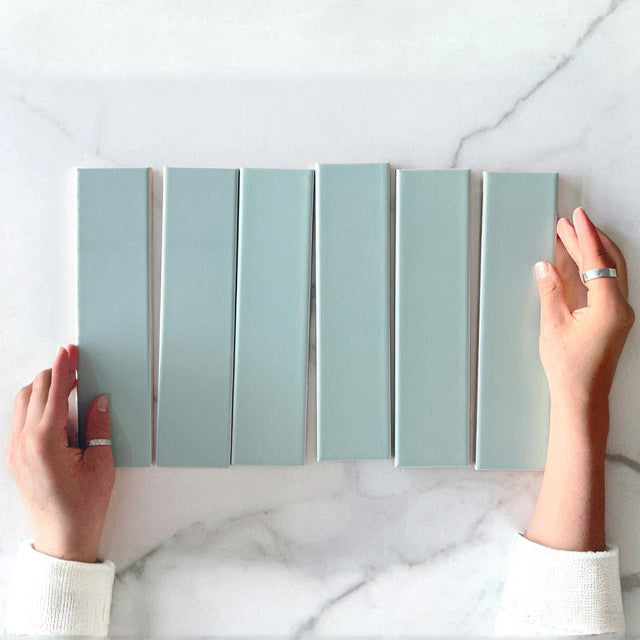


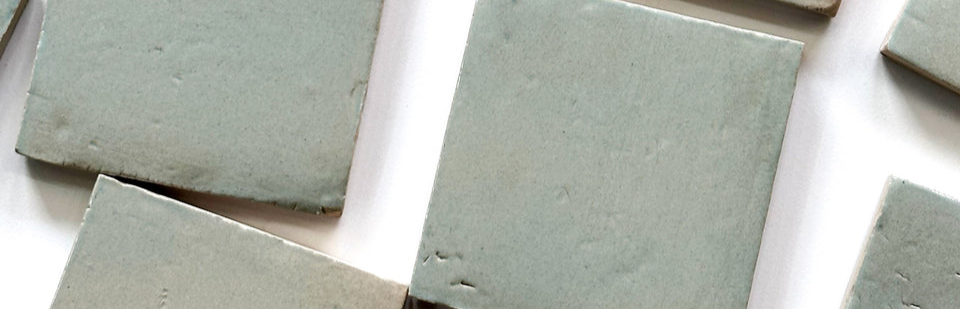

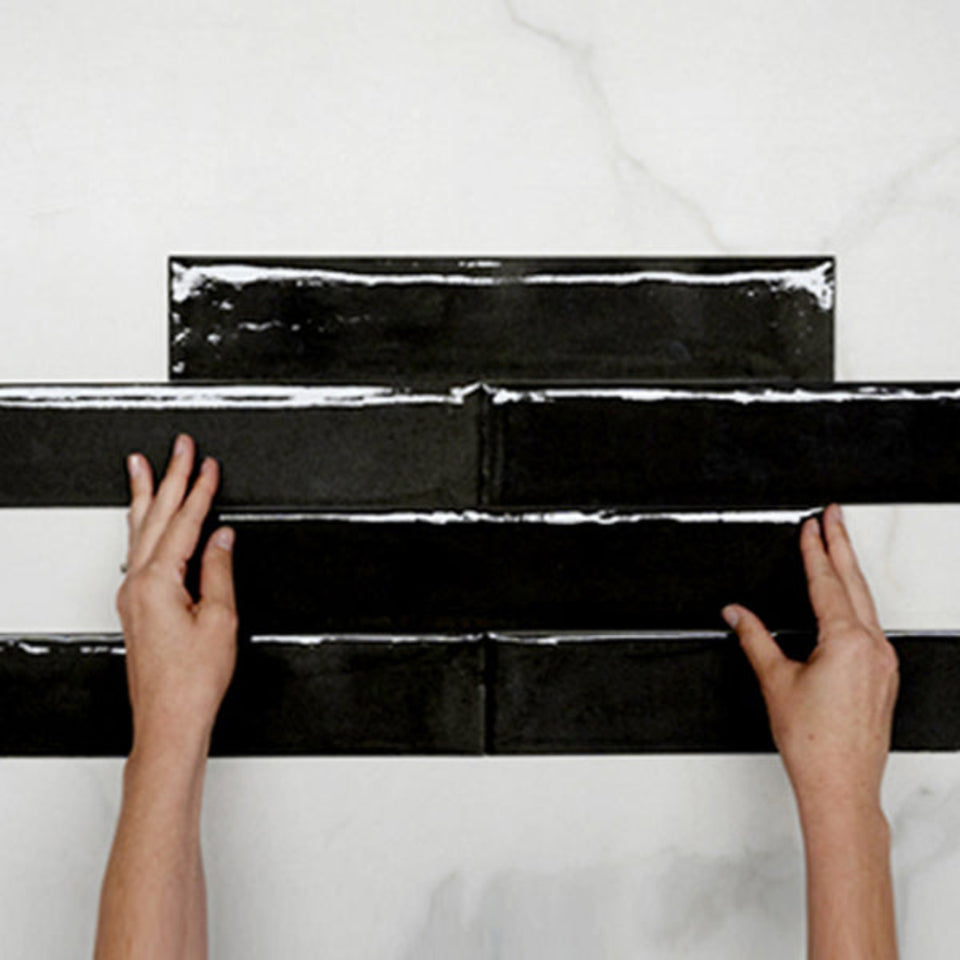
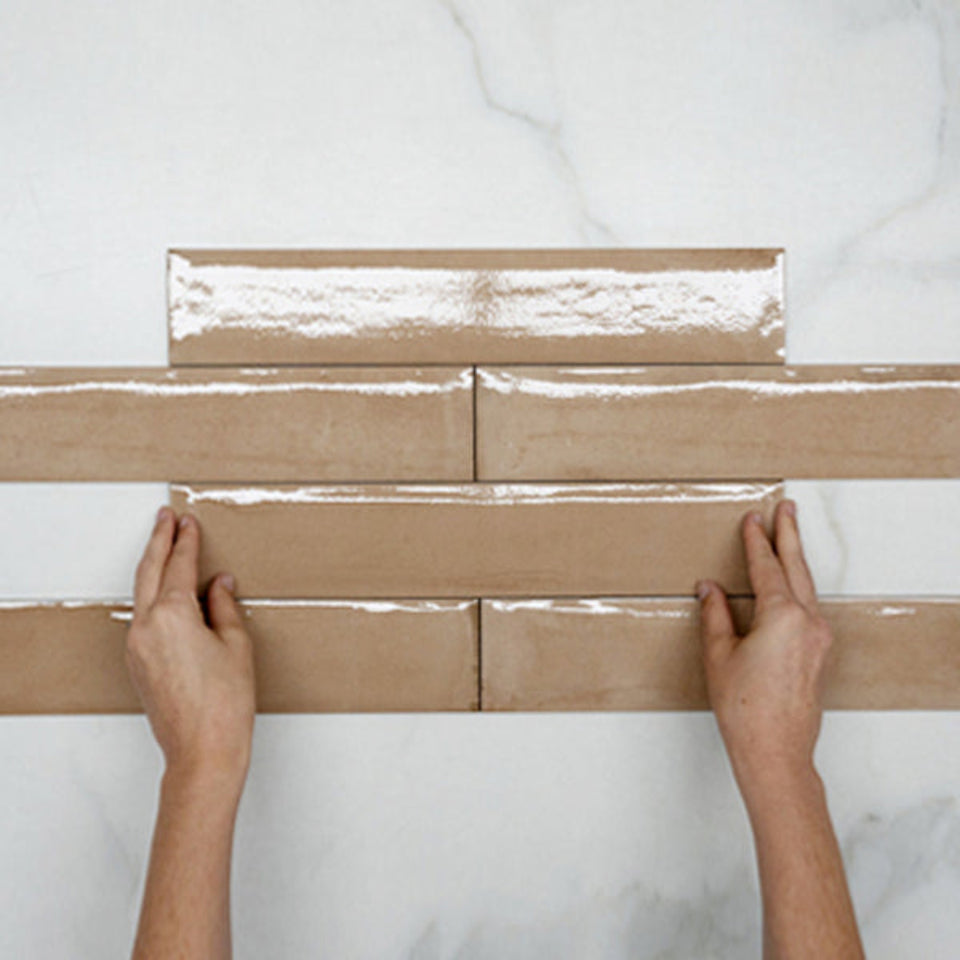
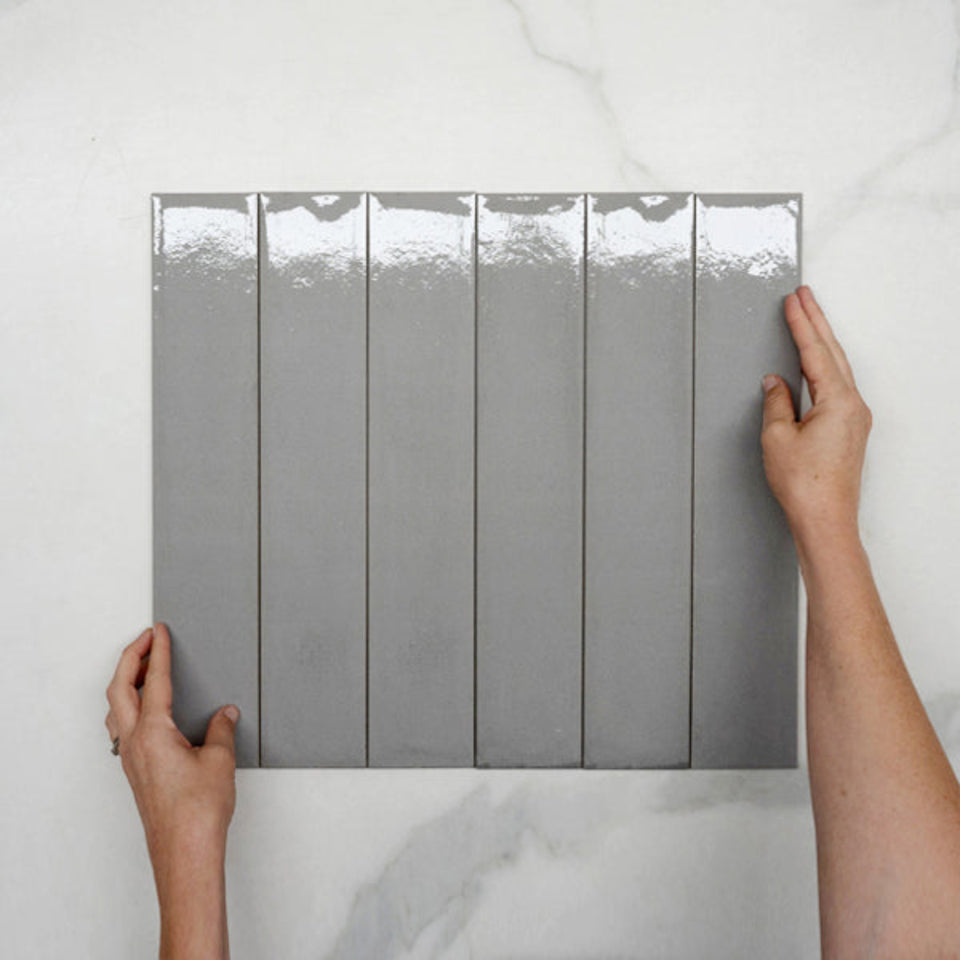
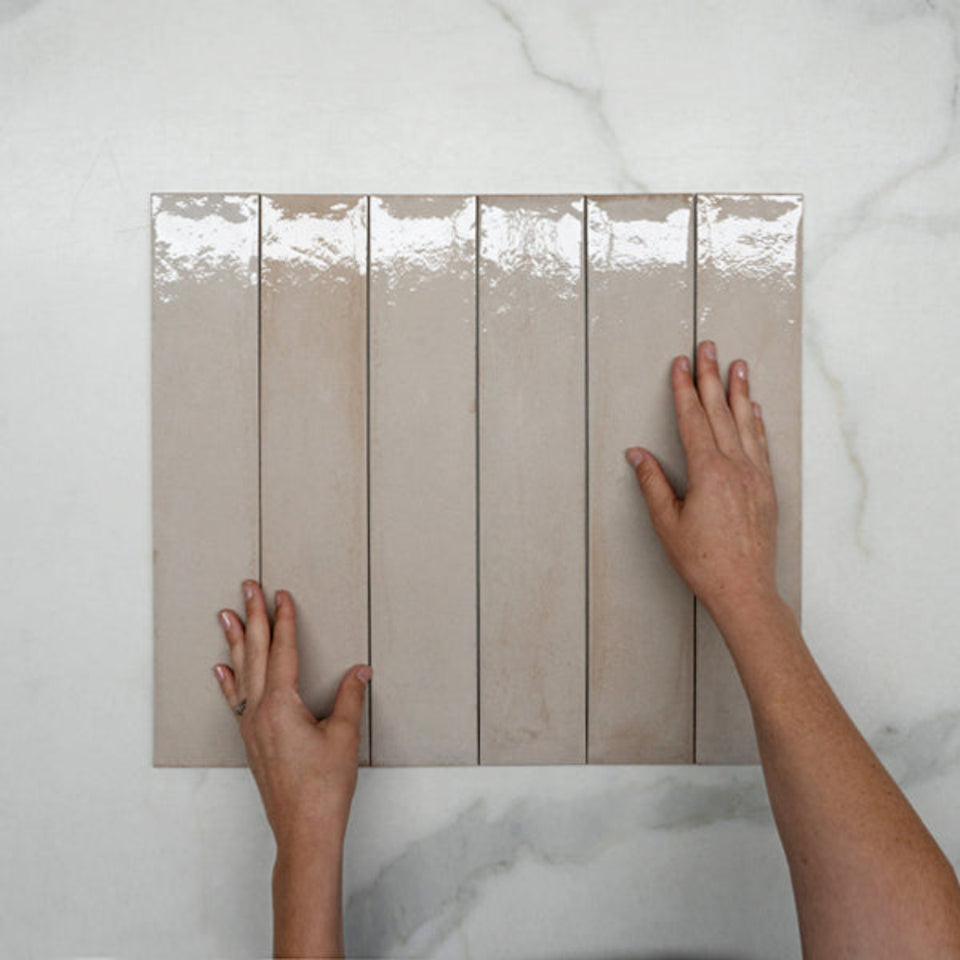
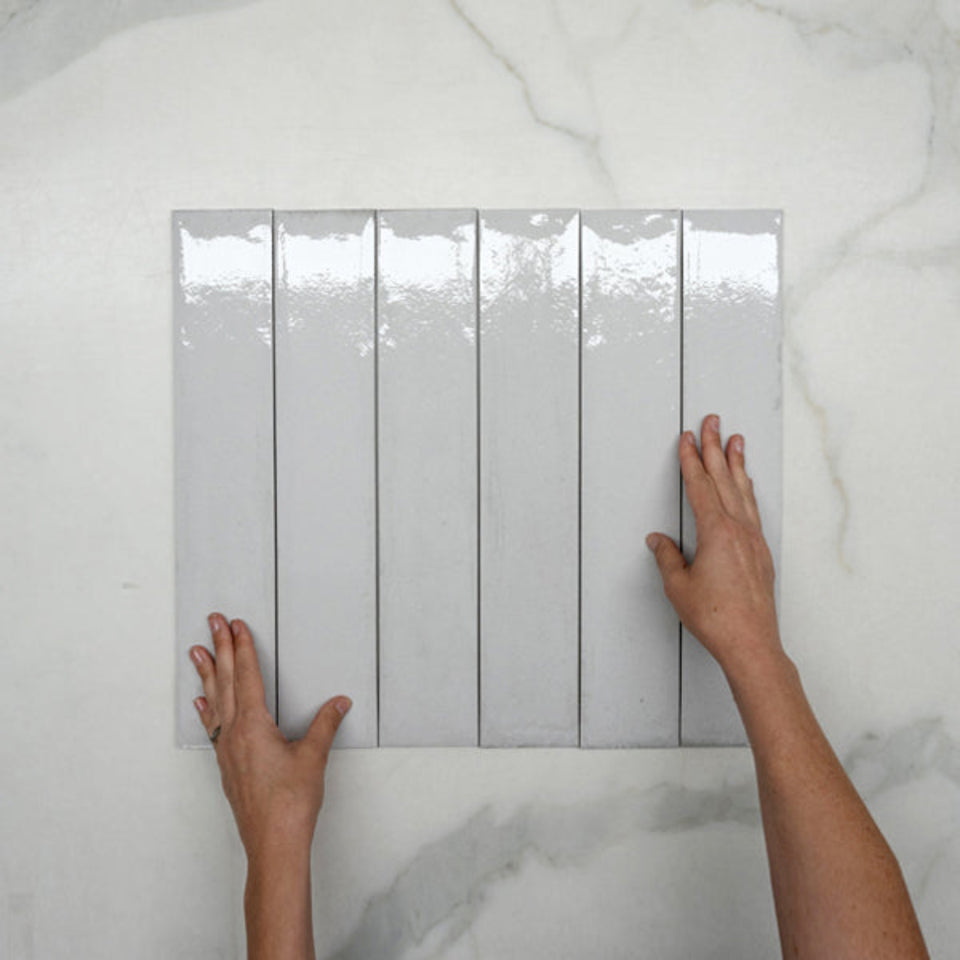
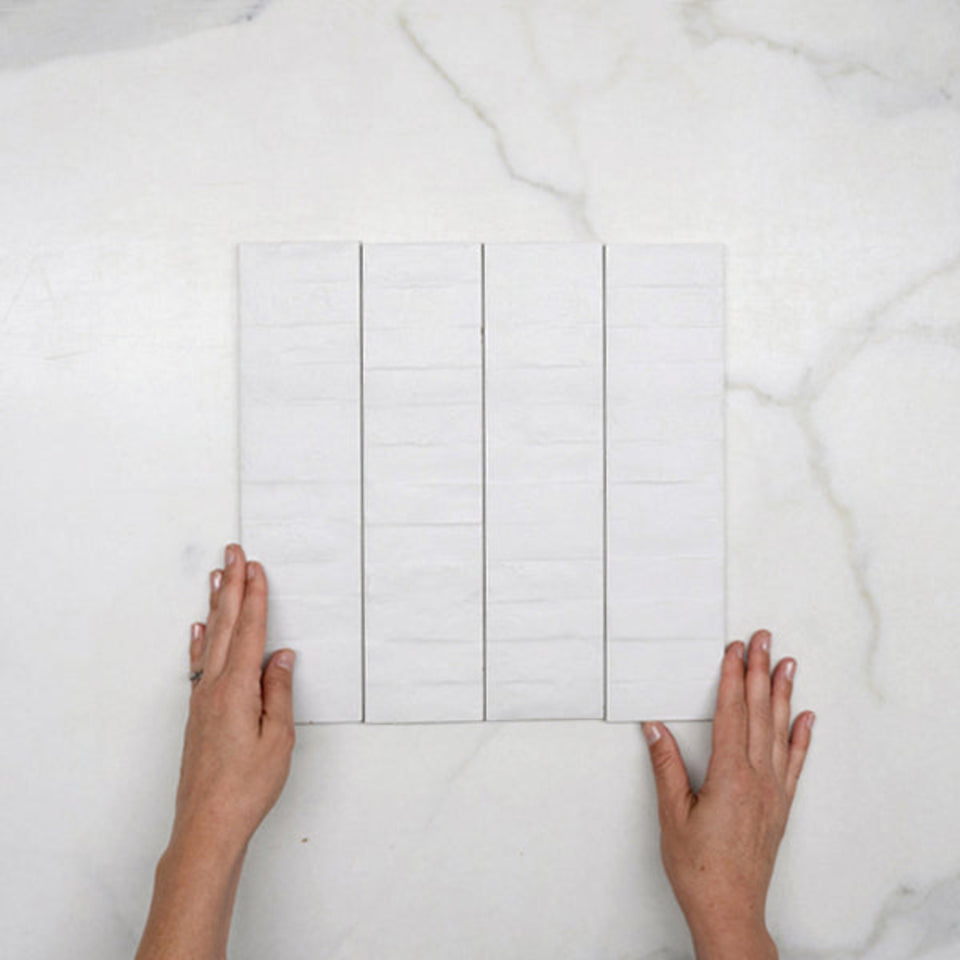
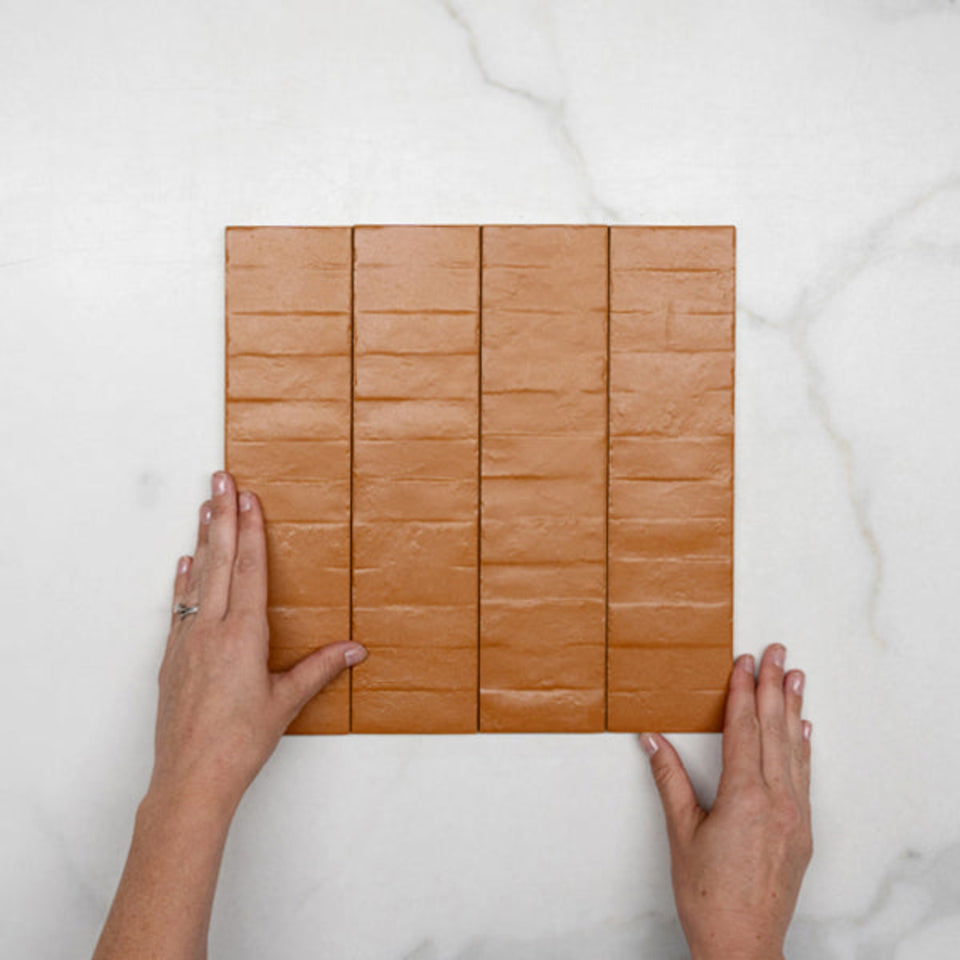
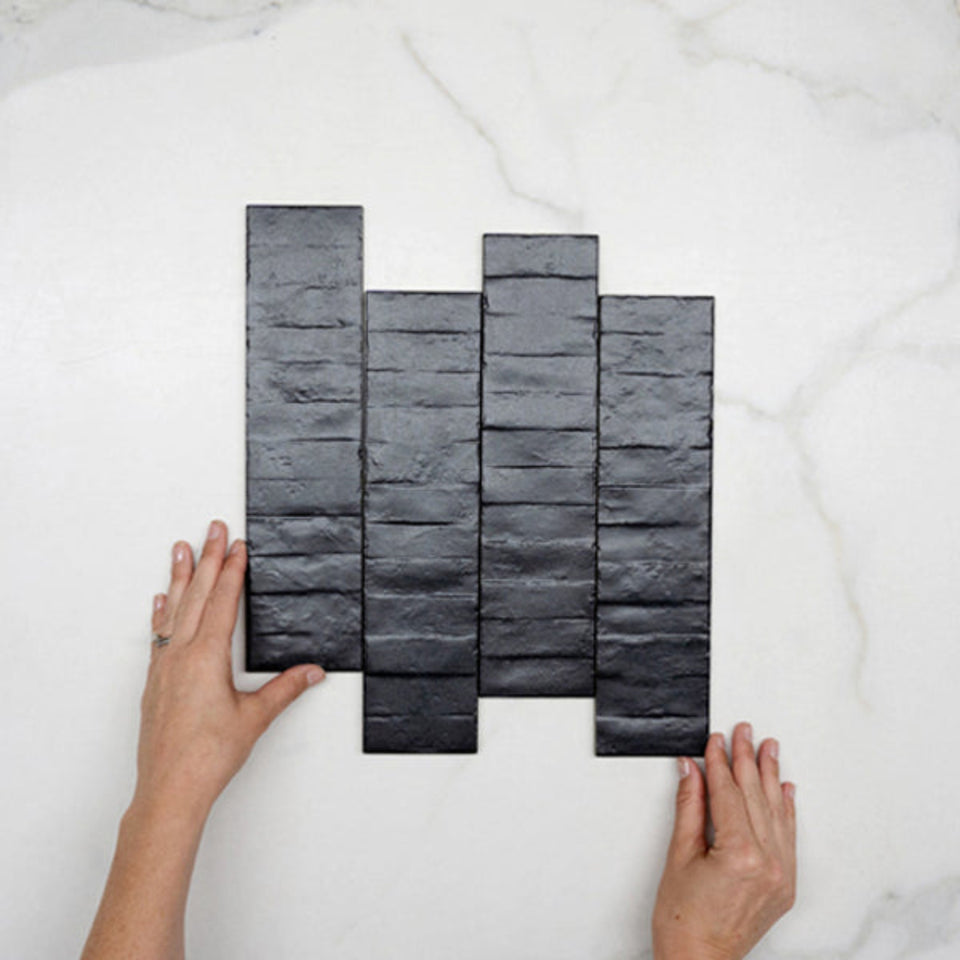
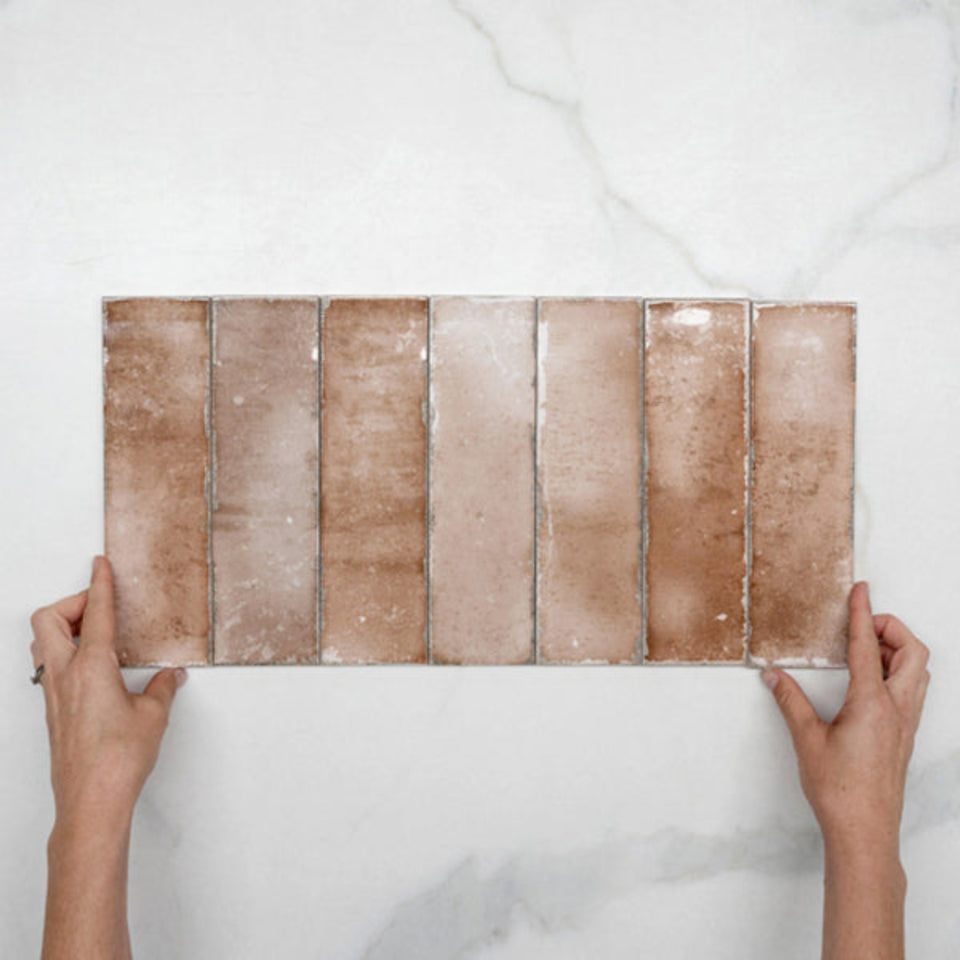


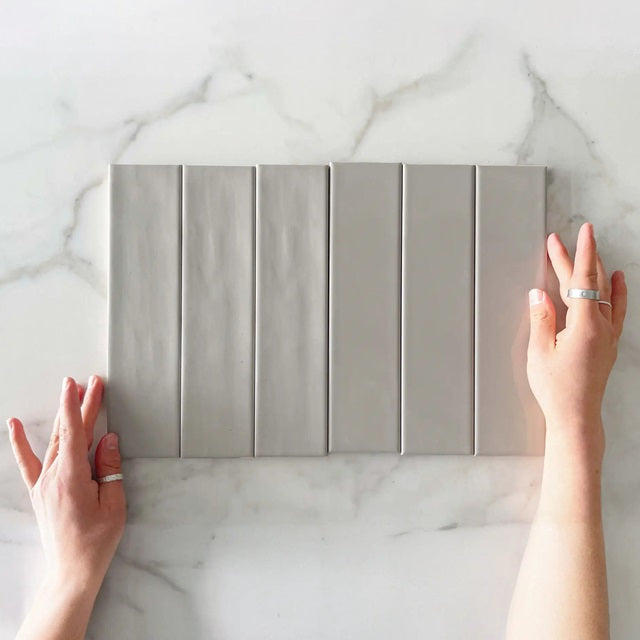
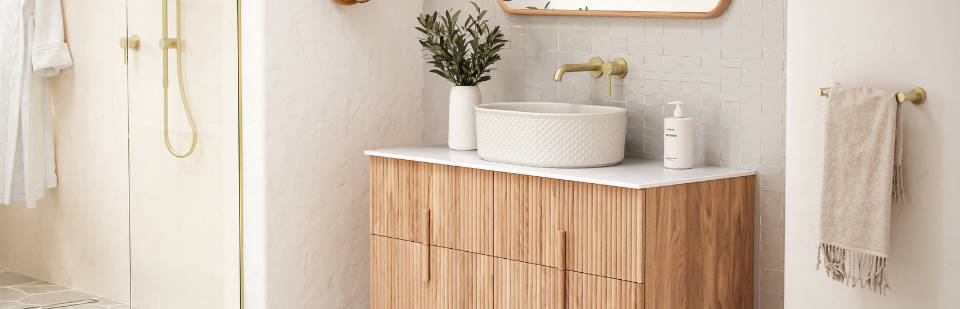

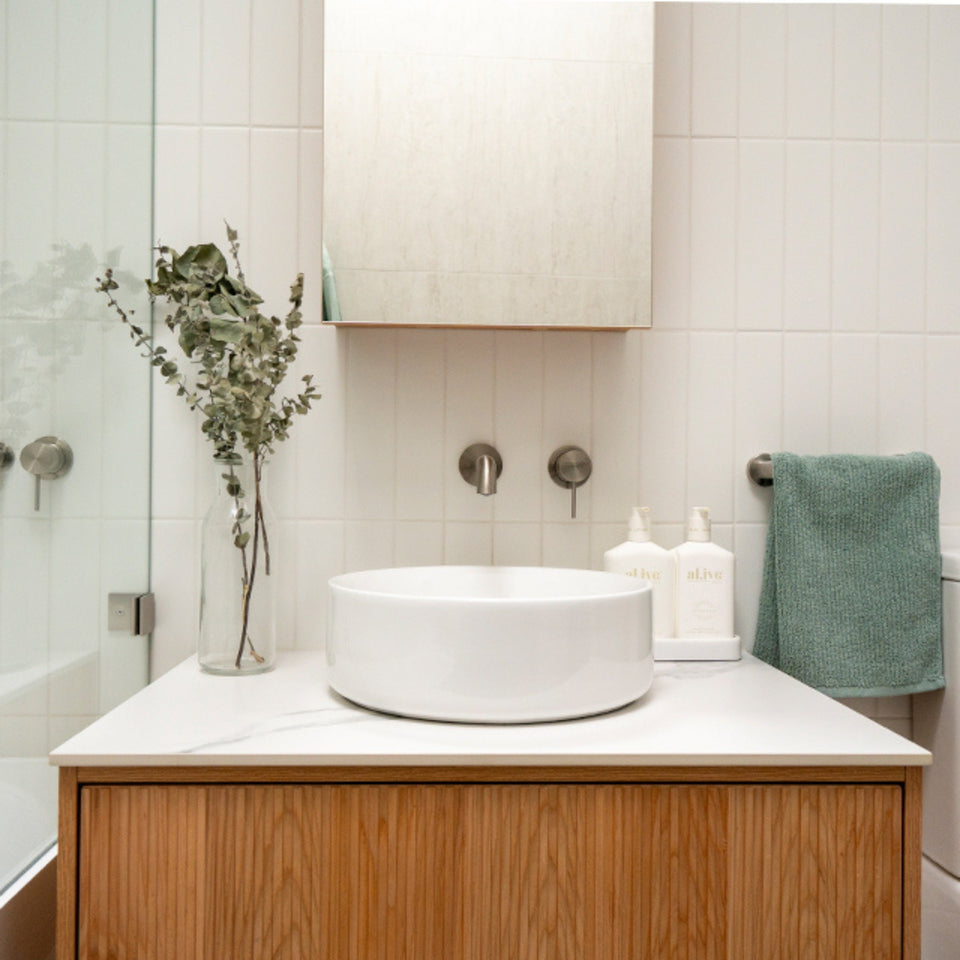
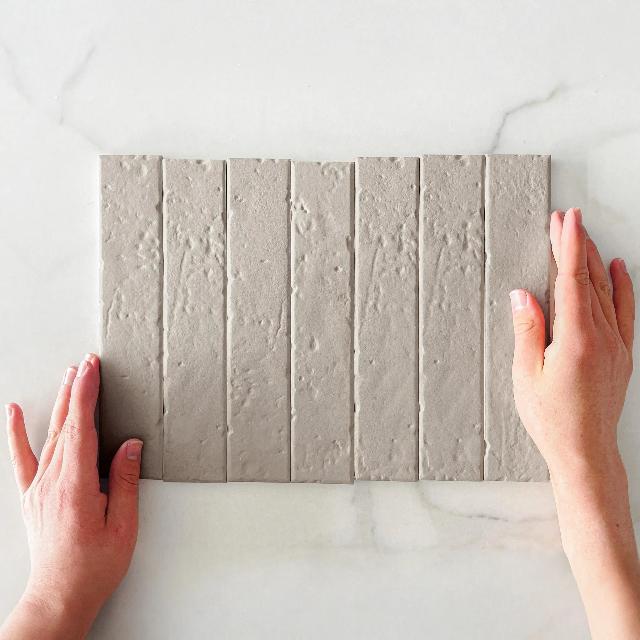
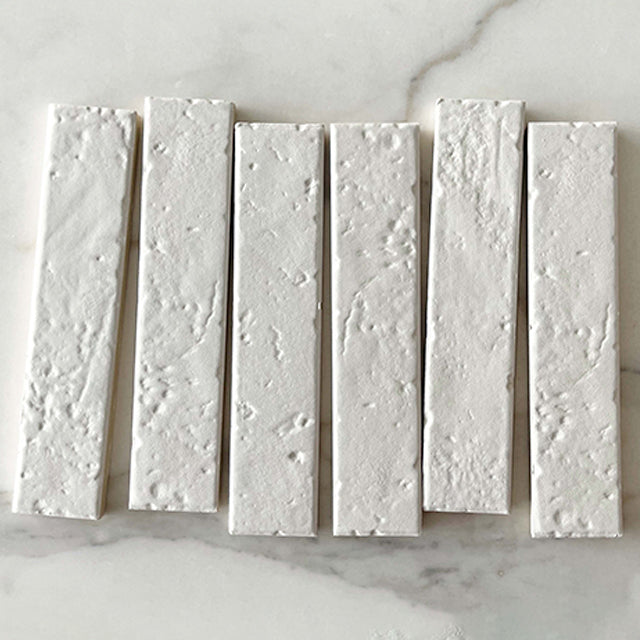


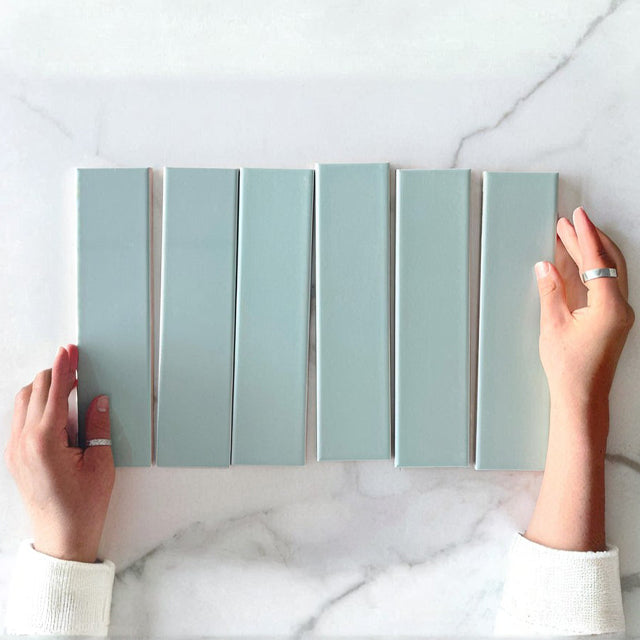

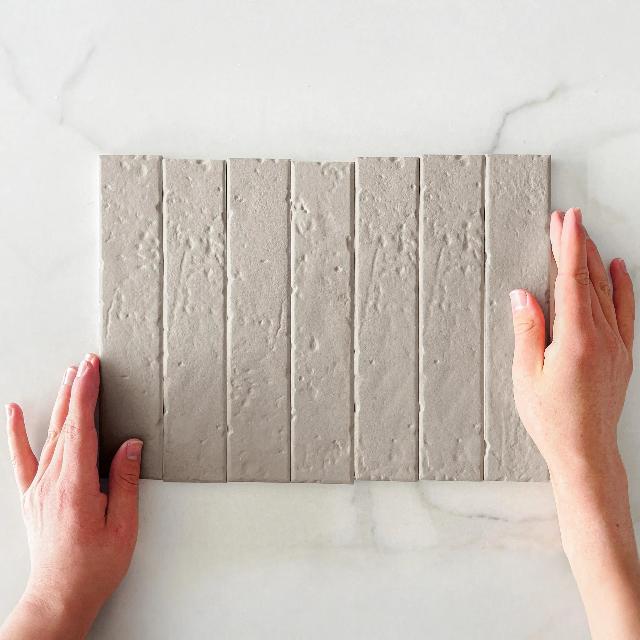
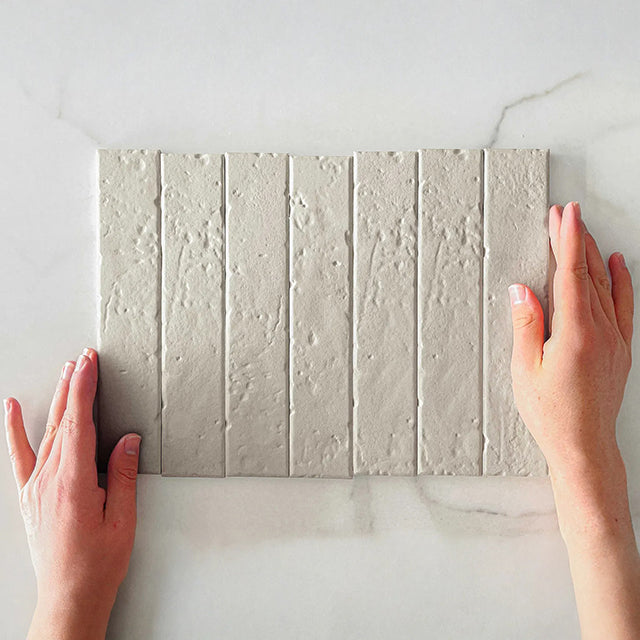
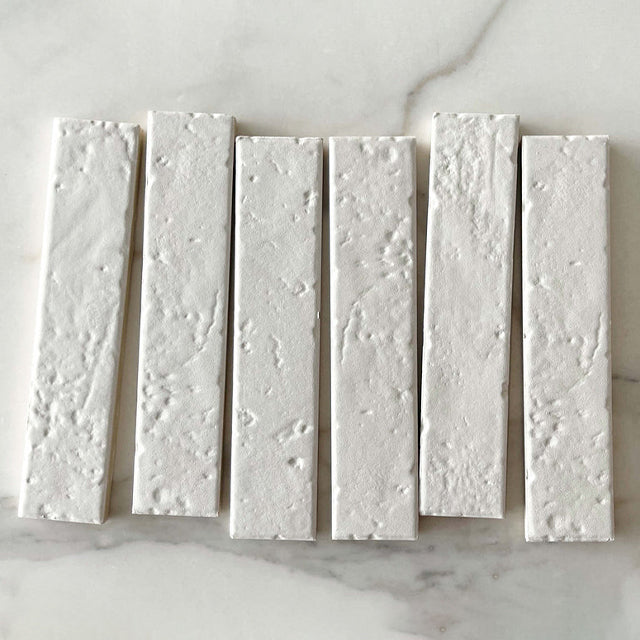

Herringbone is a laying pattern, not a tile shape. Rectangular tiles are set at an angle and interlock to make a zigzag that looks like the skeleton of a herring. This collection gathers the rectangular tiles in the store that suit that layout, from 65 x 265mm ceramic subway tiles for walls to 600 x 1200mm porcelain for floors, in white, grey, black, blue, beige and softer colours.
The sections below explain what the pattern is, how the tile proportions change the look, and where each tile can go. For neighbouring decisions, see the subway tiles collection, the wall tiles collection, the floor tiles collection and the tiles collection.
Herringbone patterns are made with rectangular tiles laid in an angled, fish-bone style, each tile at 45 degrees and interlocking with the next. The rectangular tiles form a V-shaped zigzag that resembles the skeleton of a herring fish, and the v-shaped zig-zag dates back to ancient Roman years and has stood the test of time.
Herringbone can be made with just about any rectangular tile, which is why a collection like this one can pull in so many ranges. The pattern suits floors and walls alike, and works as a decorative feature wherever it is used.
The two patterns are often confused. Chevron needs a specific tile shape: parallelogram tiles laid in a zigzag with the shorter edges meeting to form points. Herringbone uses plain rectangles placed at 45 degrees. Chevron is made of pieces cut at angles to form continuous V shapes, while herringbone uses rectangles laid end to side in a staggered zigzag that creates a broken V with offset seams.
Chevron reads as a clean, directional flow that guides the eye along an axis, while herringbone offers a textured, rhythmic surface that feels lively but less directional. That is the practical reason to choose herringbone with ordinary tiles: the rhythm comes from the layout, not from a special cut.
The length to width ratio is the single most important factor for herringbone balance. A ratio of 2 to 1 gives a compact, textured appearance. A ratio from 3 to 1 up to 4 to 1 creates longer arms and a more dramatic linear flow. Square tiles can be used, though the effect becomes more chevron-like and less directional, and the greater the length relative to width, the stronger the directional emphasis.
The tiles in this collection cover that whole span. The 300 x 600mm and 600 x 1200mm tiles are 2 to 1, which gives the compact, textured look. Leon at 69 x 240mm is about 3.5 to 1, and Bella at 65 x 265mm and Olivia feature subway tiles at 75 x 300mm are about 4 to 1. Theo at 75 x 400mm is about 5 to 1 and Blaire at 45 x 230mm is about 5 to 1, which stretches the pattern into long, fine arms.
So the choice is simple. For a quiet, dense field, choose a 2 to 1 tile. For a pattern that points and moves, choose one of the long, narrow tiles.
The small ceramics are made for walls. Leon is a 69 x 240mm gloss ceramic subway tile for walls. Bella is a 65 x 265mm ceramic subway tile in gloss and textured matte, with a P2 rating and an Application line of walls. Theo is a 75 x 400mm Italian porcelain subway tile, polished and made for walls with P2. Olivia feature subway tiles are 75 x 300mm in matte, made for walls.
Small formats suit small jobs: backsplashes, narrow walls and accent bands, where the pattern is fine and detailed. The 2 x 6 inch and 3 x 12 inch sizes are the more flexible choices for bathrooms, showers and smaller kitchen walls. Herringbone pairs wonderfully with subway tiles for a cohesive look. The subway tiles collection covers the same shapes laid in straight patterns.
Blaire is the long, textured brick tile in the collection. It is a 45 x 230mm tile in caramel, vanilla, full white and charcoal, with a textured finish. The gloss versions are P2 and the matte charcoal is R10, and the Application line reads walls and floors. The tile is thin and narrow, so it behaves as a long-arm herringbone.
Read the slip line before using a gloss Blaire on a floor. P2 is a low rating, and the matte charcoal with its R10 is the stronger choice for a floor. The brick look tiles collection covers brick shapes laid in other patterns.
The 300 x 600mm tiles are the largest group, and they are the middle size for herringbone. Burleigh is a stone-look range in white, silver and latte, in matt and gloss, with a cushioned, non-rectified edge. The matt porcelain prints a wear rating of 4, suitable for floors in normal use areas with a low risk of scratching, and the gloss ceramic prints 0, not recommended for floors.
Island Terrazzo is a matte terrazzo-look porcelain, 9mm thick, with a P4 low slip risk, made for walls and floors, with a wear rating of 4 and a rectified edge. Avalon is a plain matt range in white and greige with a P2 title and a wear rating of 4. The Paradise marble-look ceramics come in stone, Calacatta and grey in gloss and satin, and Kings Marble Carrara is a white satin ceramic with a cushioned edge.
The marble look tiles collection covers the marble-look ceramics in more shapes, and the terrazzo look tiles collection covers Island and its neighbours.
The largest tiles in the collection are 600 x 1200mm porcelain. Casuarina White comes in matt with P4 and a wear rating of 4, and in honed with a wear rating of 3, suitable for floors in light traffic areas with normal shoes. Perisher White Marble comes in polished with a wear rating of 2 and in matt with a wear rating of 4.
At this scale a herringbone becomes a bold floor or feature wall, with long arms and few joints. Long planks emphasise directional flow and reduce visible grout lines, and they suit open plans and larger rooms seeking dramatic movement. The large tiles collection is the guide for large formats generally.
The top sizes for residential floors are 3 x 12 inch, 4 x 12 inch and 6 x 24 inch tiles. Smaller tiles work in tight bathrooms, while larger planks create striking effects in entryways, kitchens and living rooms. The tile thickness and wear rating should suit the foot traffic.
Converted, those sizes sit close to 75 x 300mm, 100 x 300mm and 150 x 600mm, and the 300 x 600mm tiles here are the nearest large format. The wear rating line is the one to read for a floor, and a rating of 4, suitable for floors in normal use areas, is the common value on the floor-listed tiles. The floor tiles collection has the full set of floor-listed ranges.
Neutral, matte finishes let the pattern read subtly, while high gloss emphasises reflections and movement. Lighter tiles enlarge a space, and darker tiles anchor it. For this collection, matte means Burleigh, Island, Avalon, Casuarina and the Olivia subway tiles, and gloss means Leon, Bella, Paradise and the polished Theo and Perisher.
The colours run across white, grey, black, blue, beige, terracotta, brown and pink. The white tiles collection, grey tiles collection, black tiles collection and blue tiles collection sort the range by colour.
Herringbone tiles can be used throughout the home, including bathrooms, kitchens, living areas, bedrooms, dining rooms and laundries, on floors and walls, with some designs suitable as feature walls that become the focal point of a room. The pattern is popular for splashbacks and bathroom walls, and can also be used for floors, fireplaces and an entryway statement.
The bathroom tiles collection and the kitchen tiles collection sort the full range by room. A glossy white or grey subway tile in herringbone is the common splashback choice, and a matte 300 x 600mm tile with a floor rating is the floor choice.
Every product page prints the same lines, and in a pattern collection they decide where each tile may go. The Application line says walls, floors or both. The Slip Rating line gives a P or R value, and the Wear Rating line gives a number from 0, not recommended for floors, to 5. The Edge line says rectified or cushioned, and the Dimensions line gives the ratio you need.
Read them in that order. A gloss subway tile with wear rating 0 is a wall tile, a matte tile with wear rating 4 and a P4 or R10 rating can go on a floor, and the edge tells you how tight the grout lines will look.
Plan the pattern from the centre of the room, not from a wall. Snap a centre line each way, set the first tiles at the crossing point, and work outward so the pattern is balanced at every wall. Dry lay the first rows to check how the zigzag meets the doorway. A herringbone floor loses more tile to cuts at the edges than a straight lay, so order the full allowance in one batch, and keep a few spare tiles from the same order for later repairs.
Start with the surface. For a splashback or feature wall, choose a long subway tile in gloss. For a floor, choose a matte 300 x 600mm or 600 x 1200mm tile with a wear rating of 4 and a slip rating suited to the room. Then choose the ratio: 2 to 1 for a calm field, 4 to 1 or more for a pattern that moves.
Last, choose the grout and the direction on paper. The tiles collection sits above this one for the whole range.


