
*View accurate shipping rates and availability






91 Items


Up to 70% off storewide, free metro shipping over $500, and free gifts from $800. Spend more to unlock luxury towels and mirrors.*


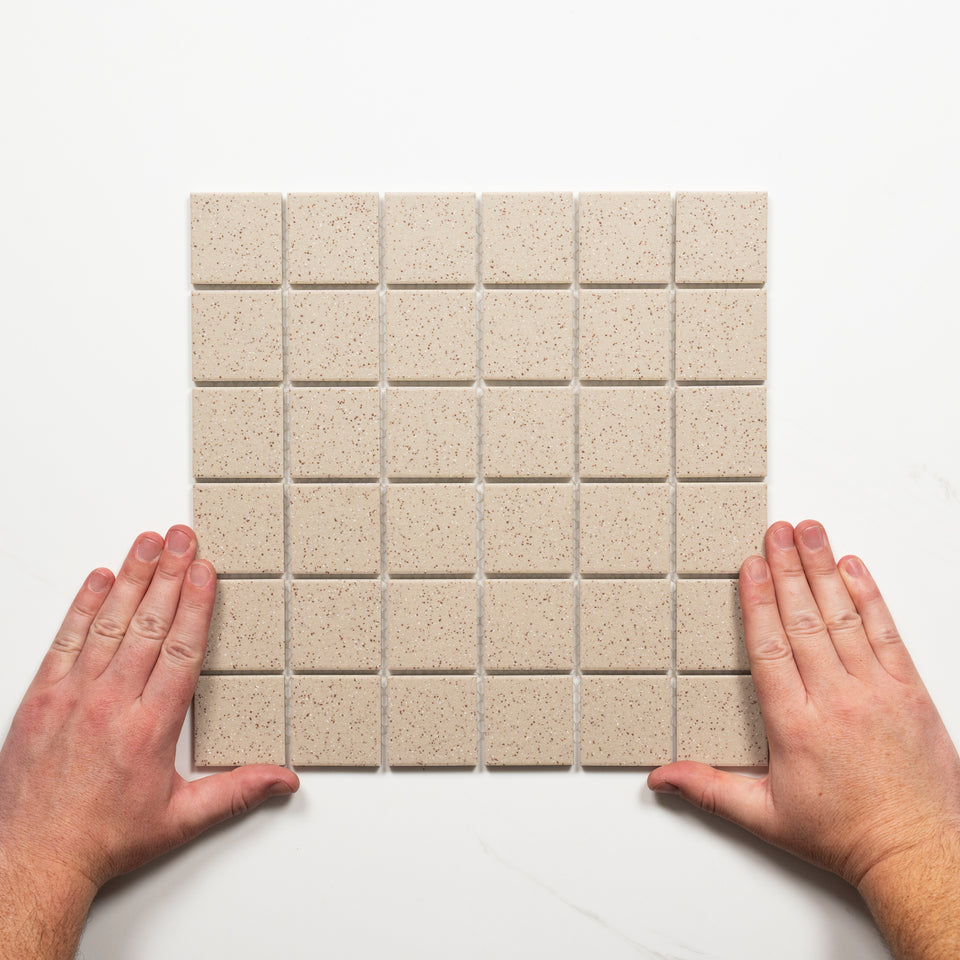
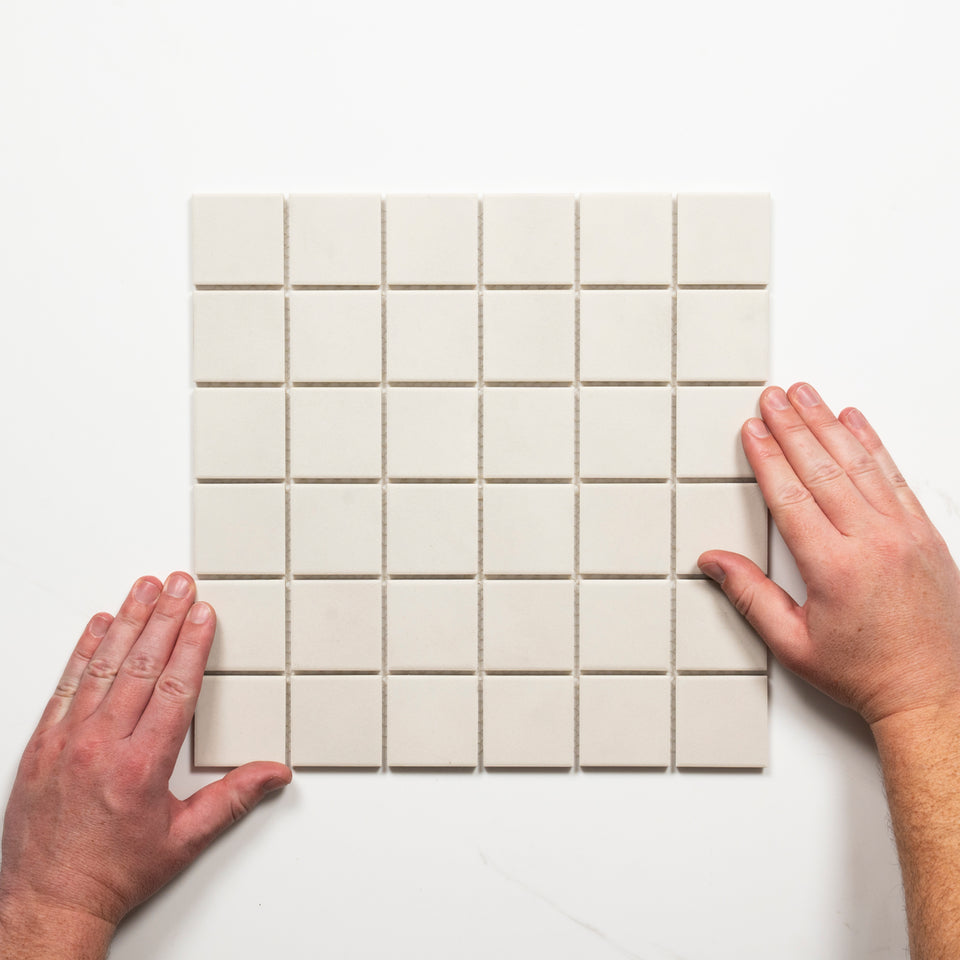
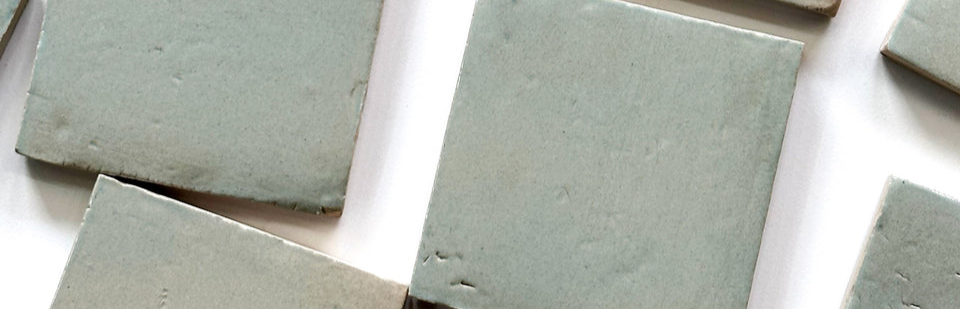
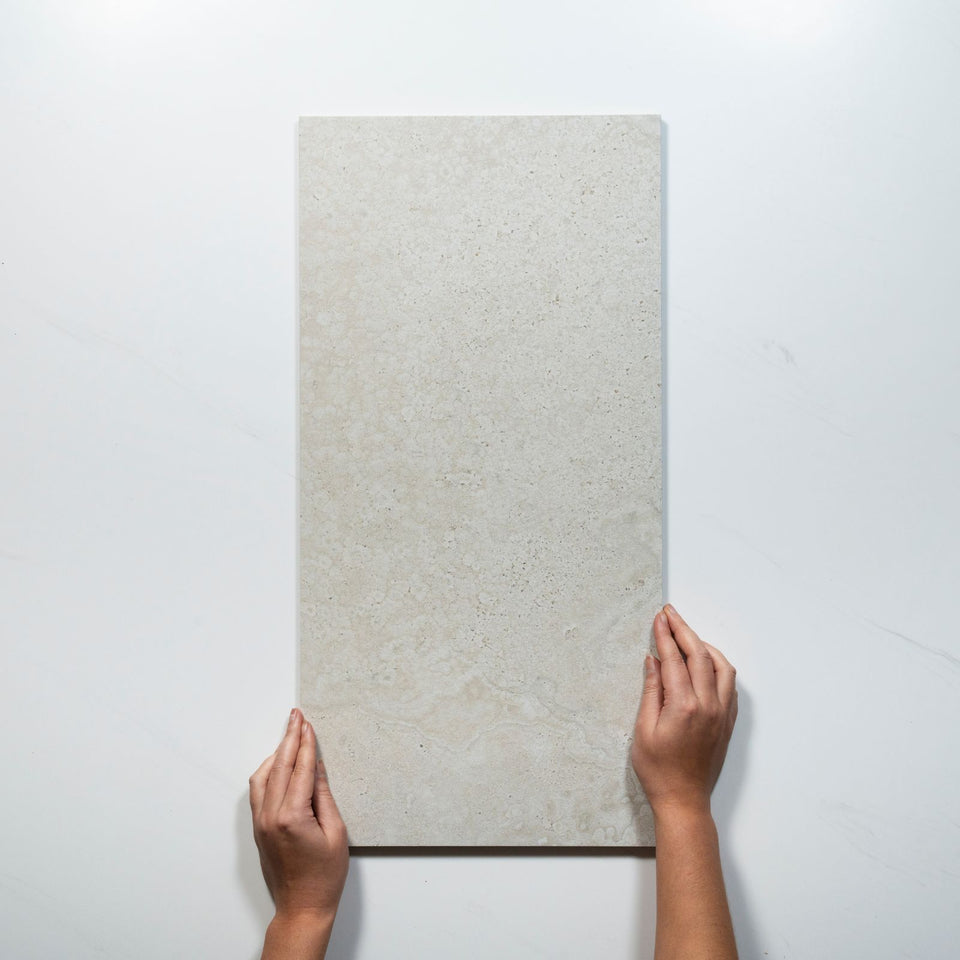


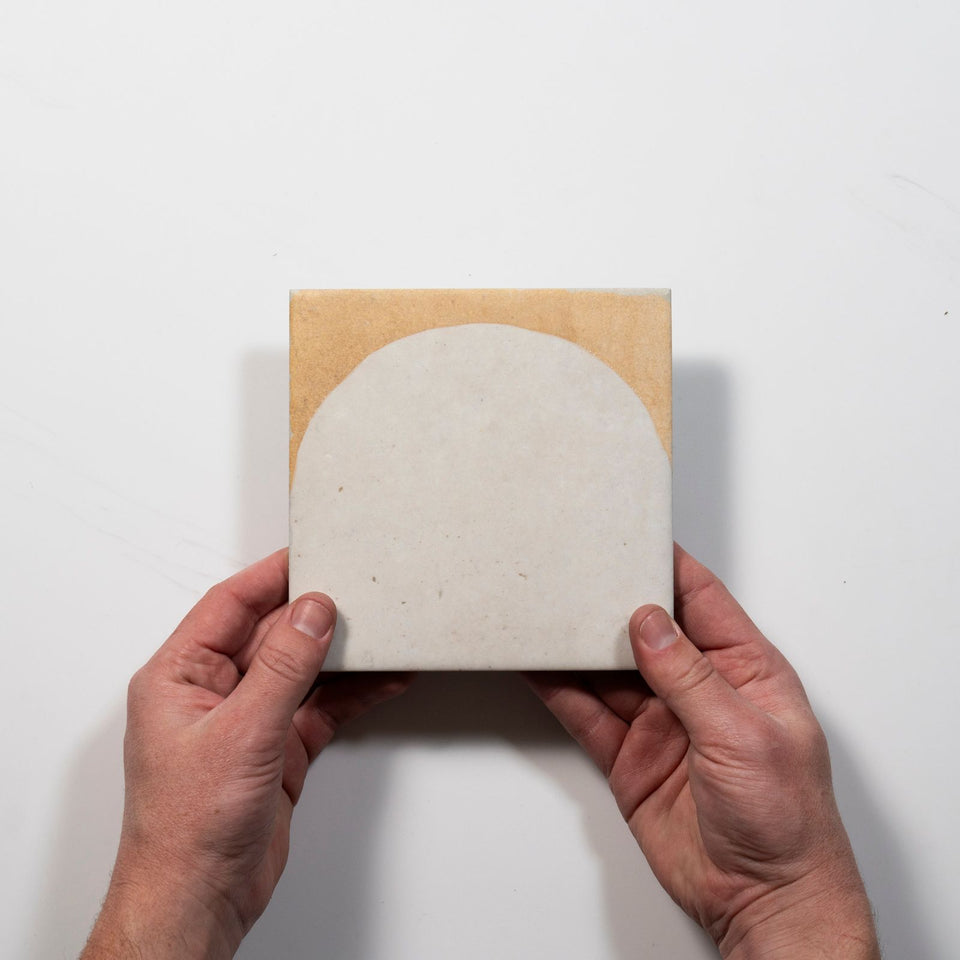
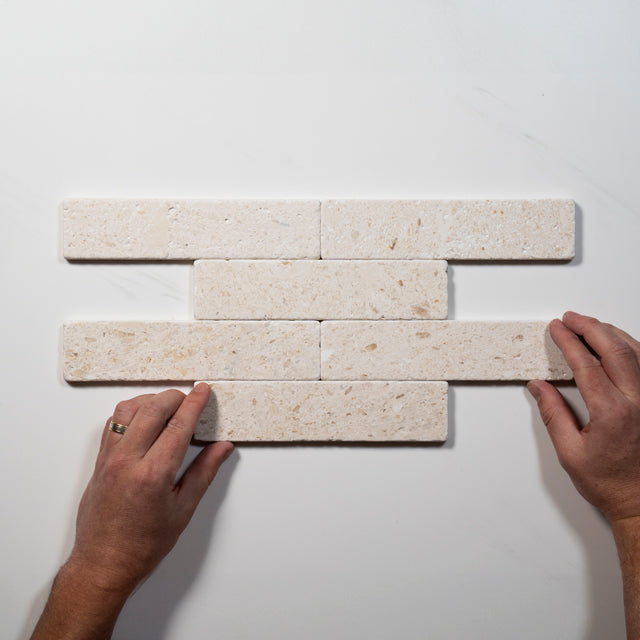

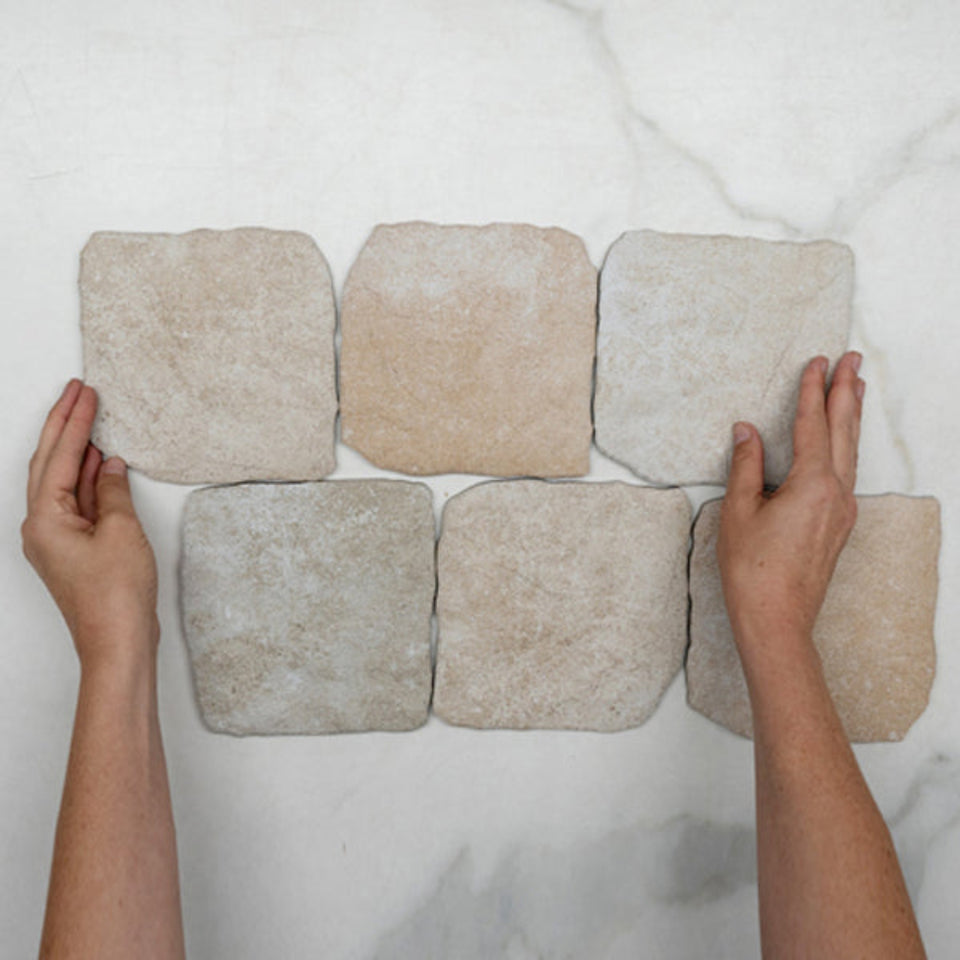
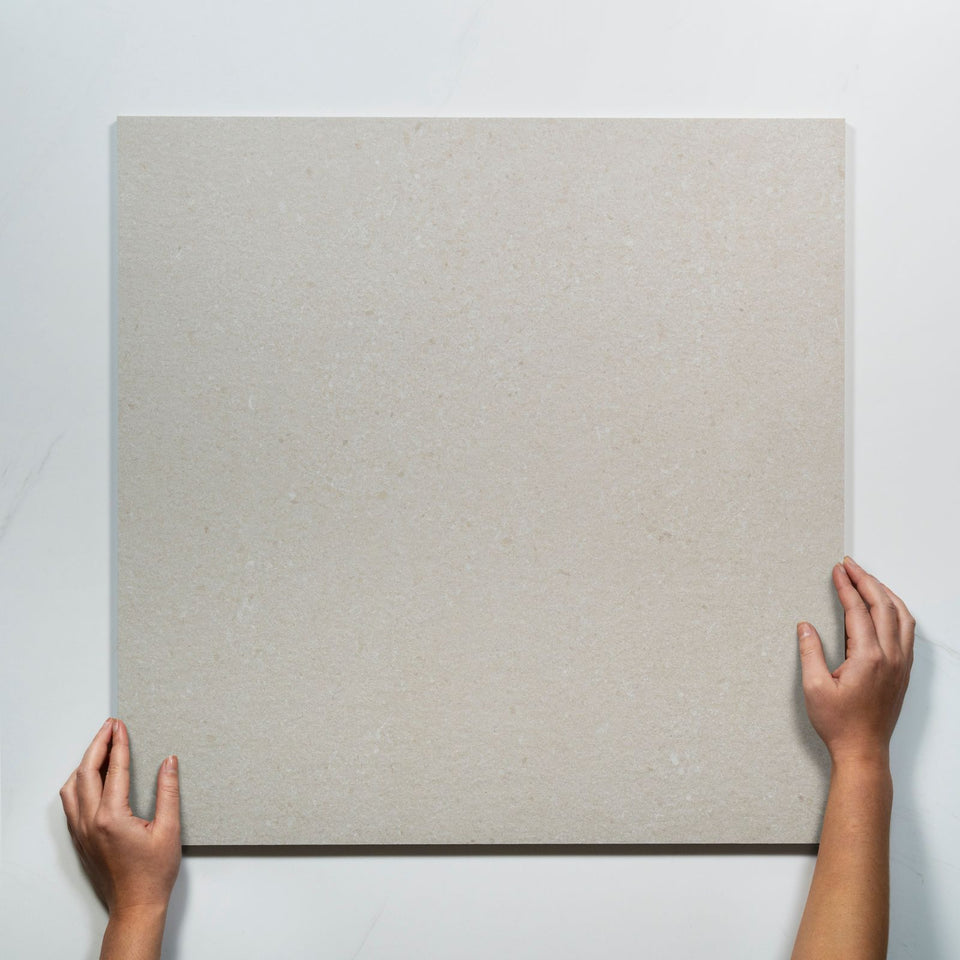
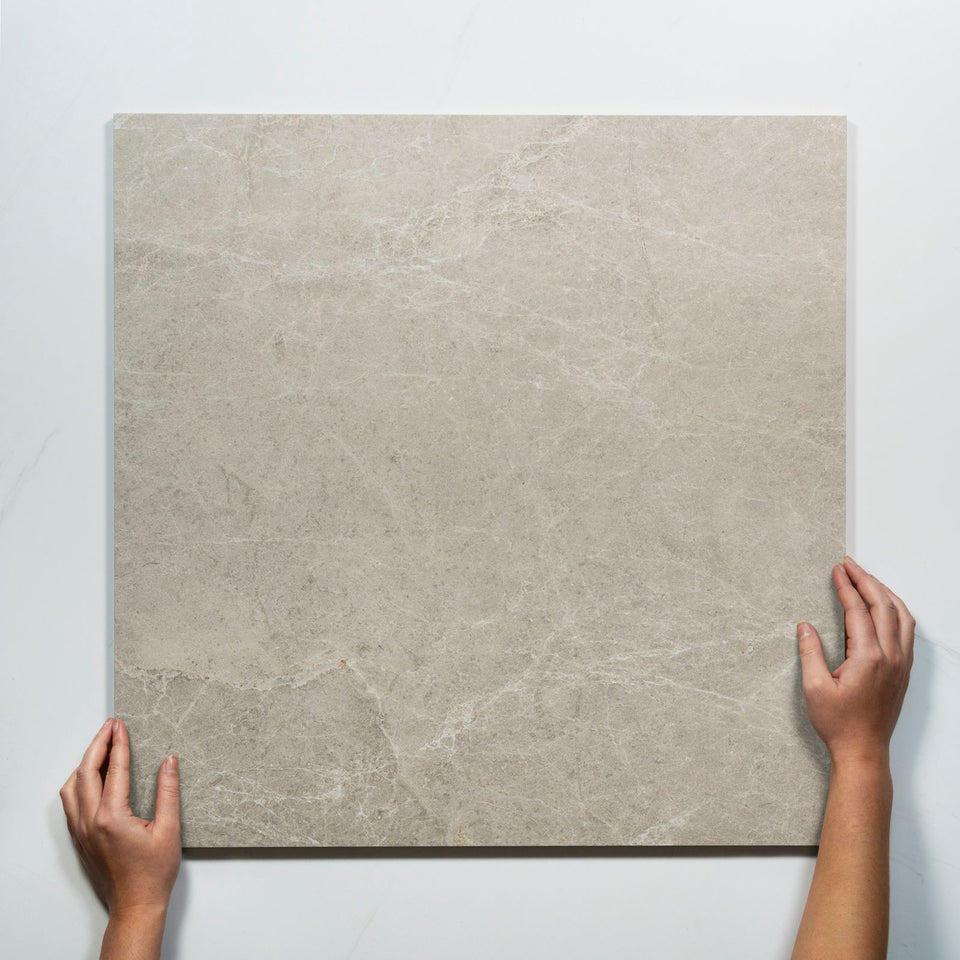
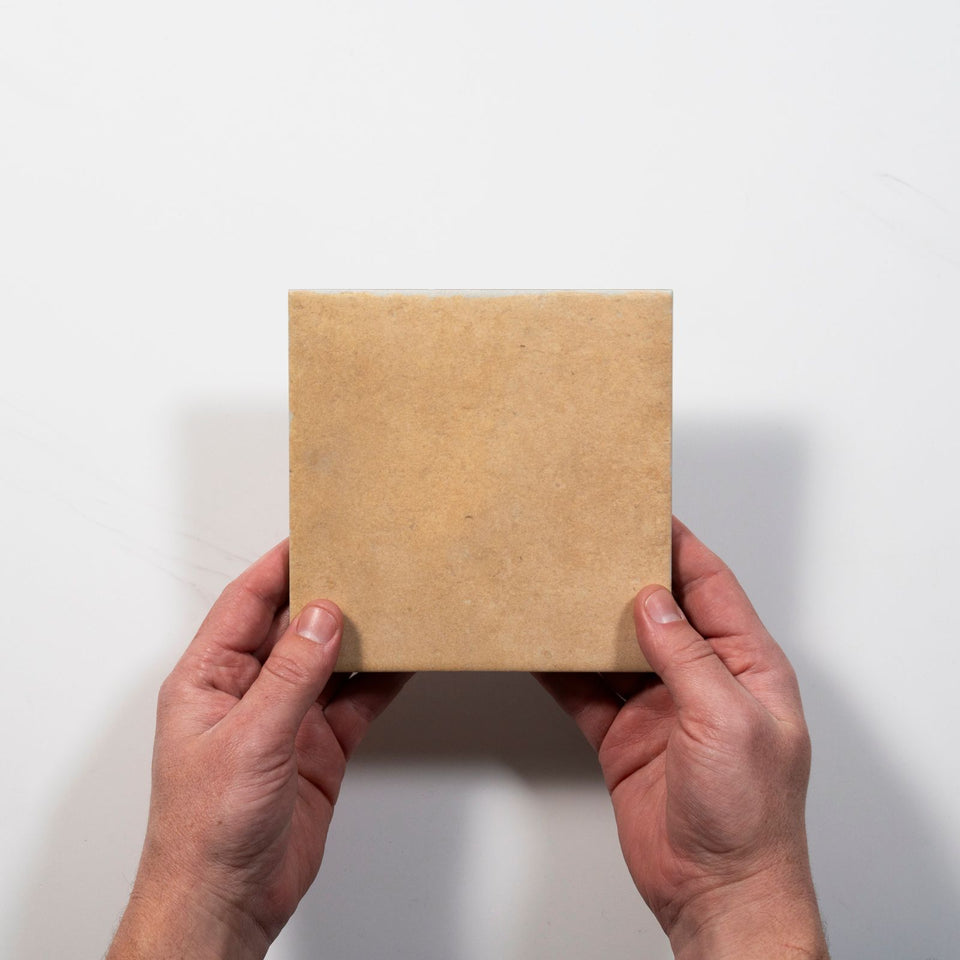
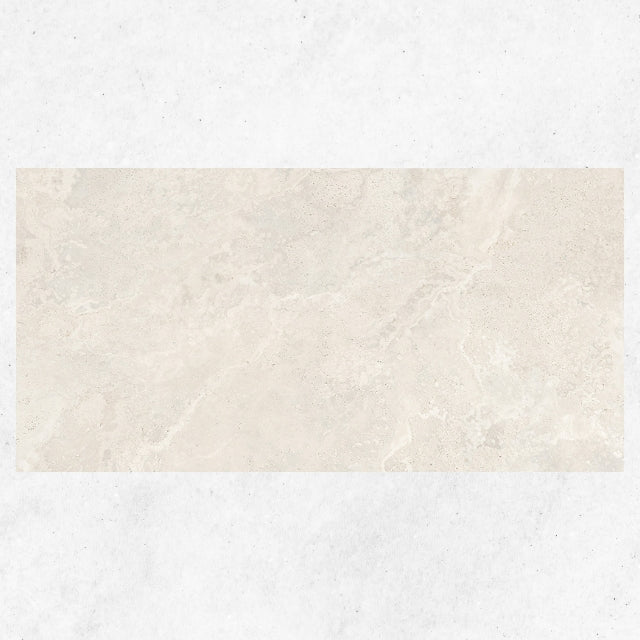
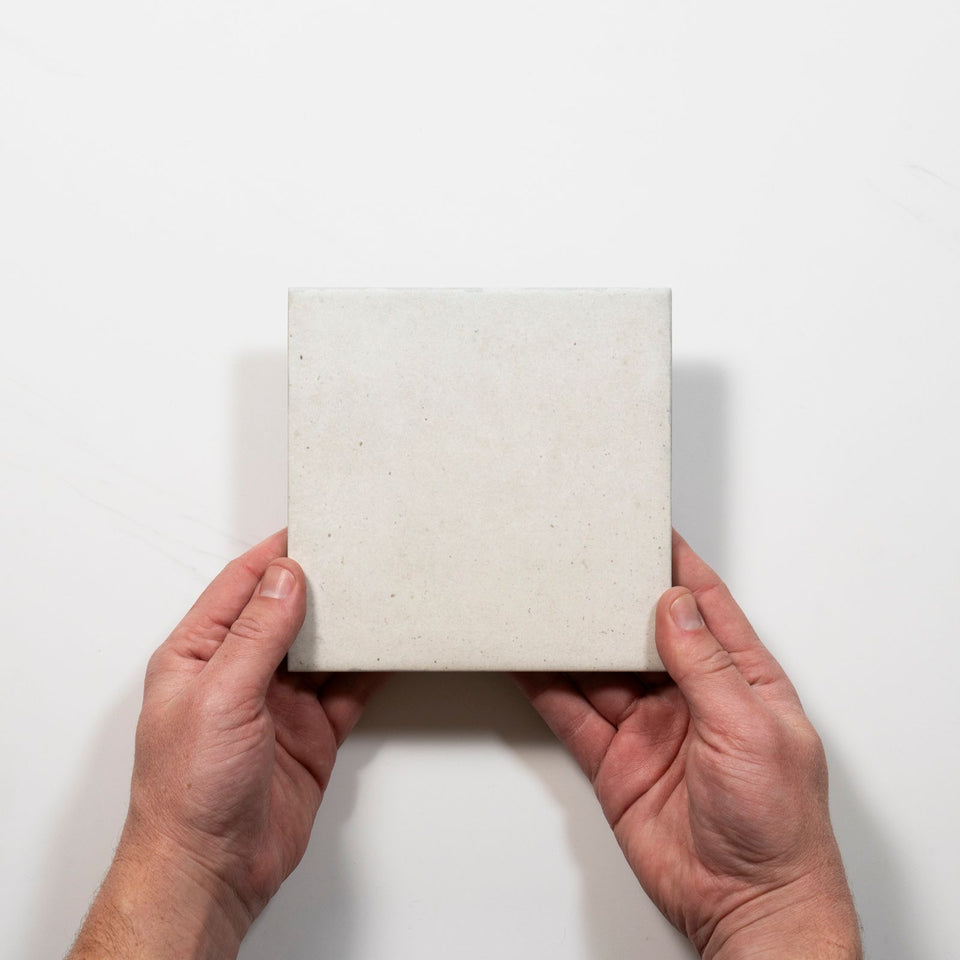
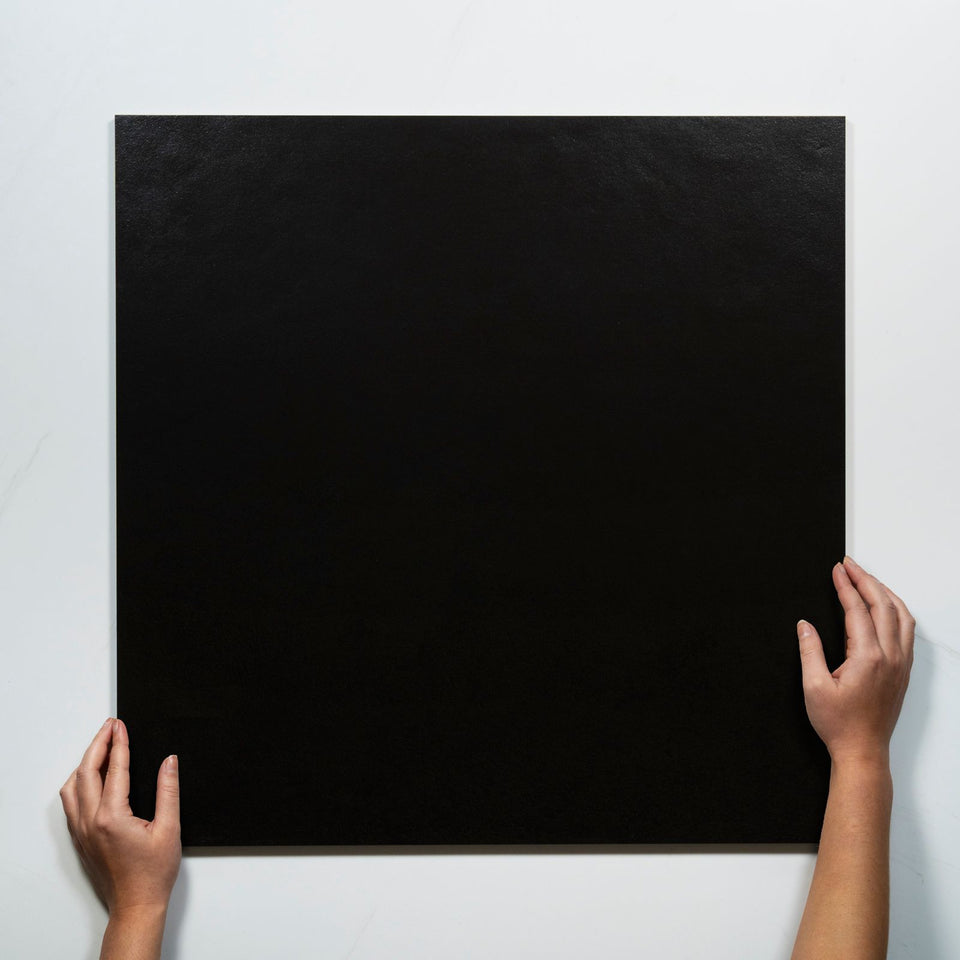
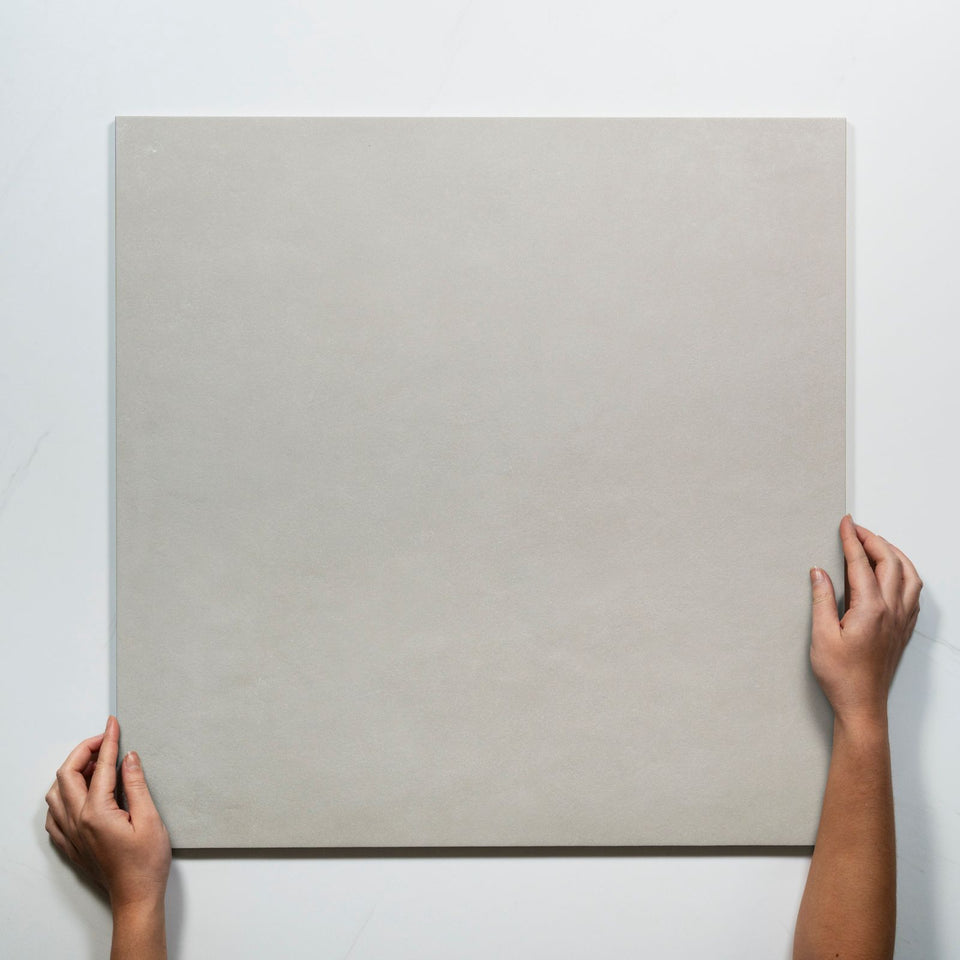
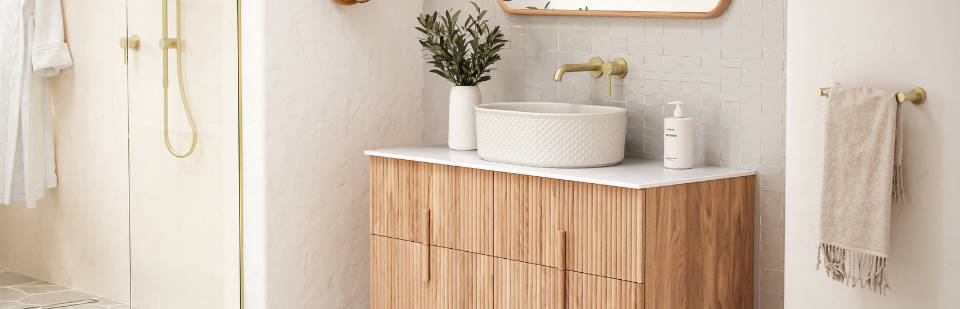

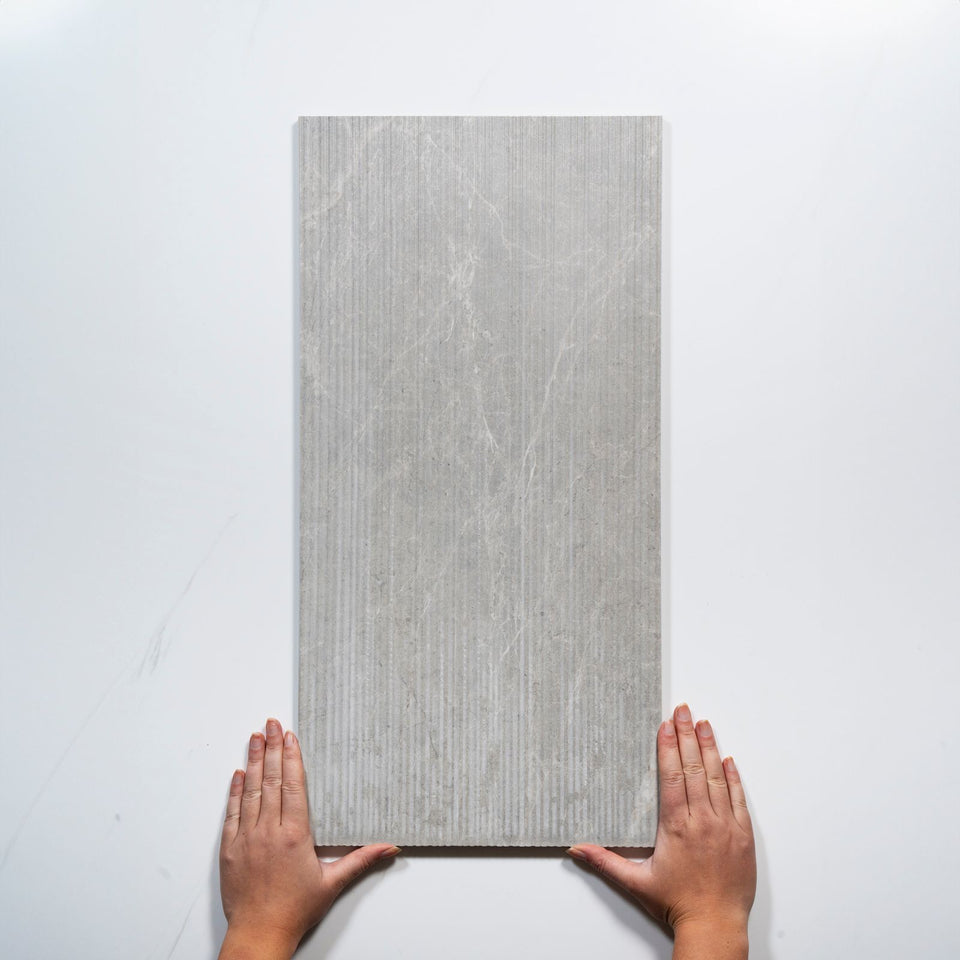
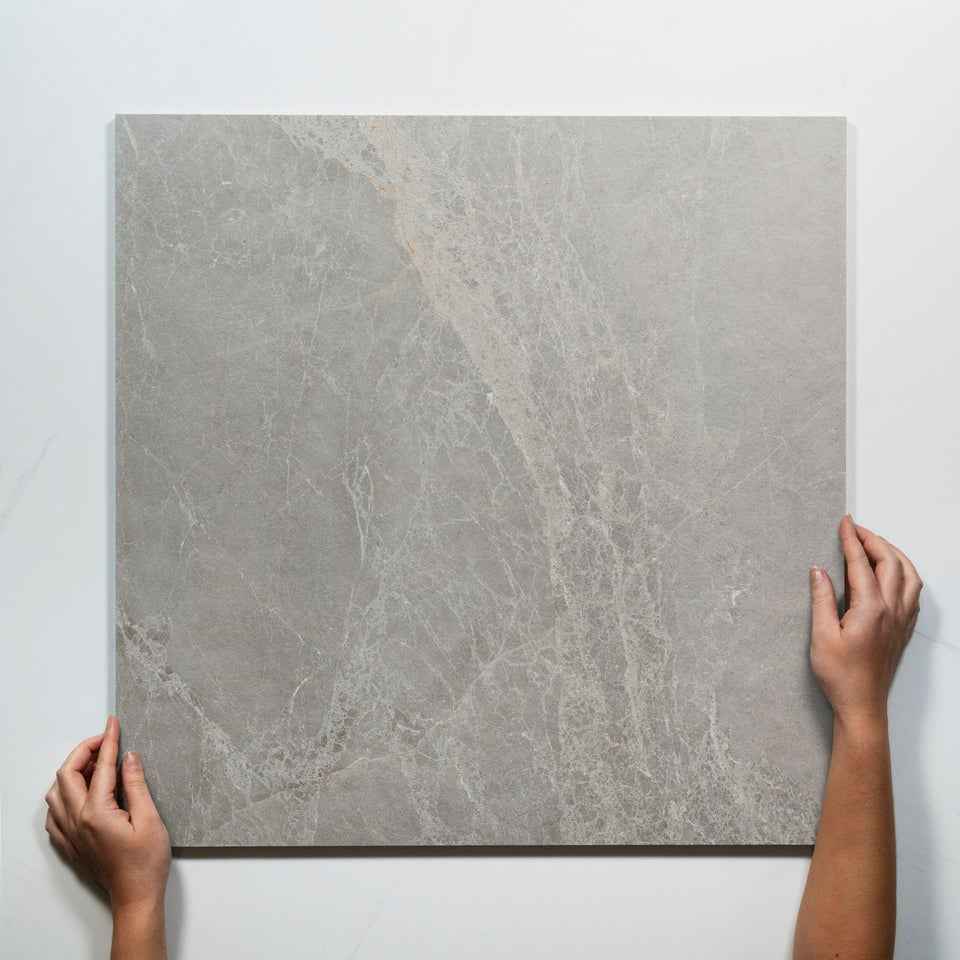
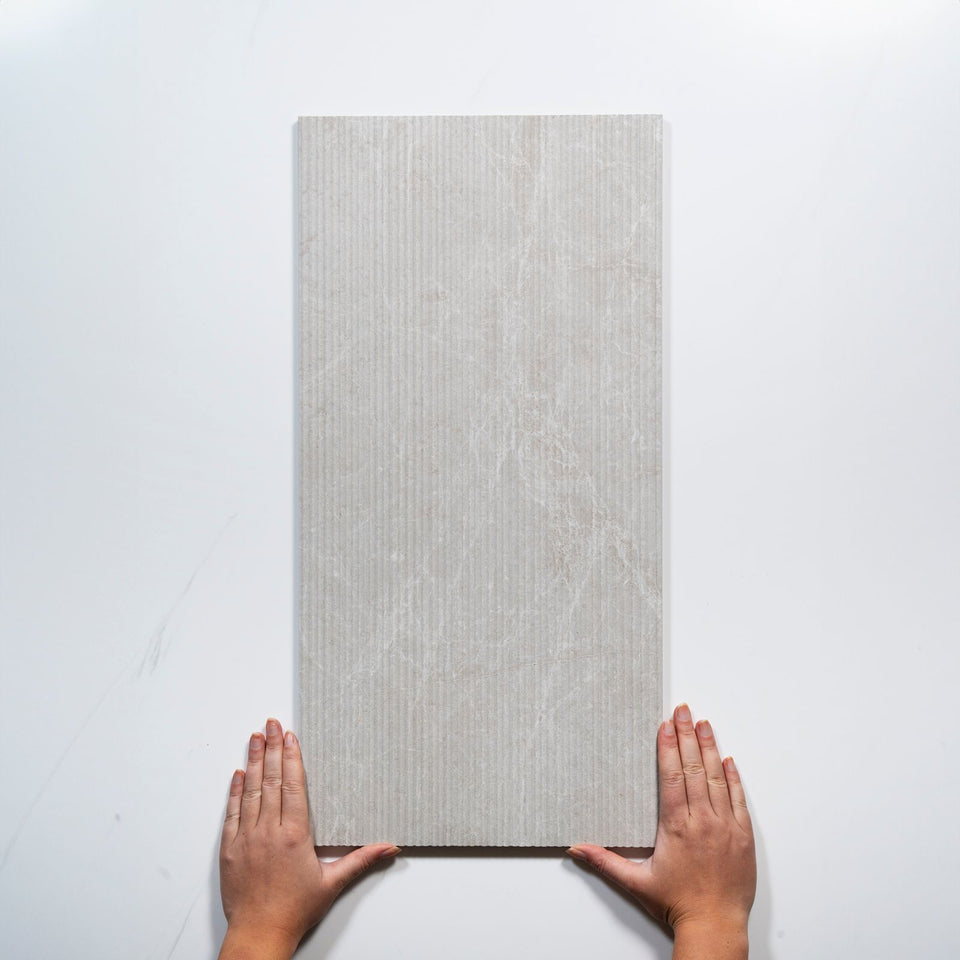
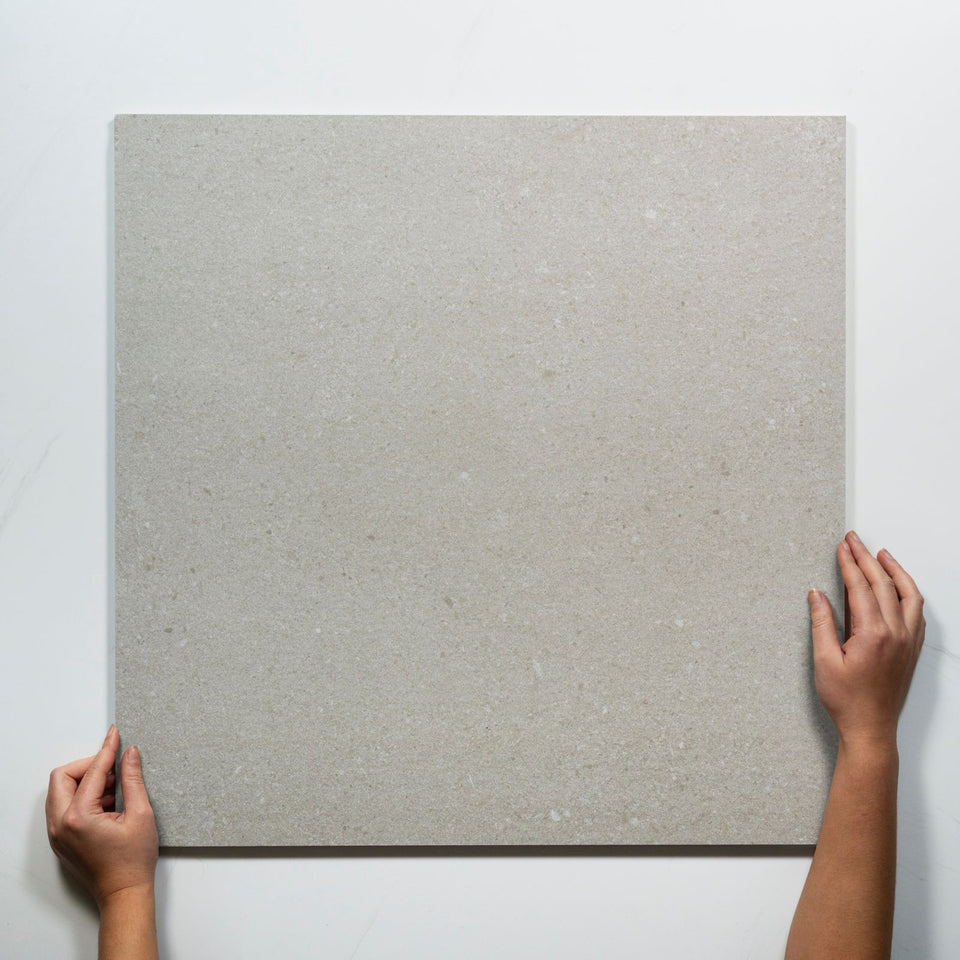
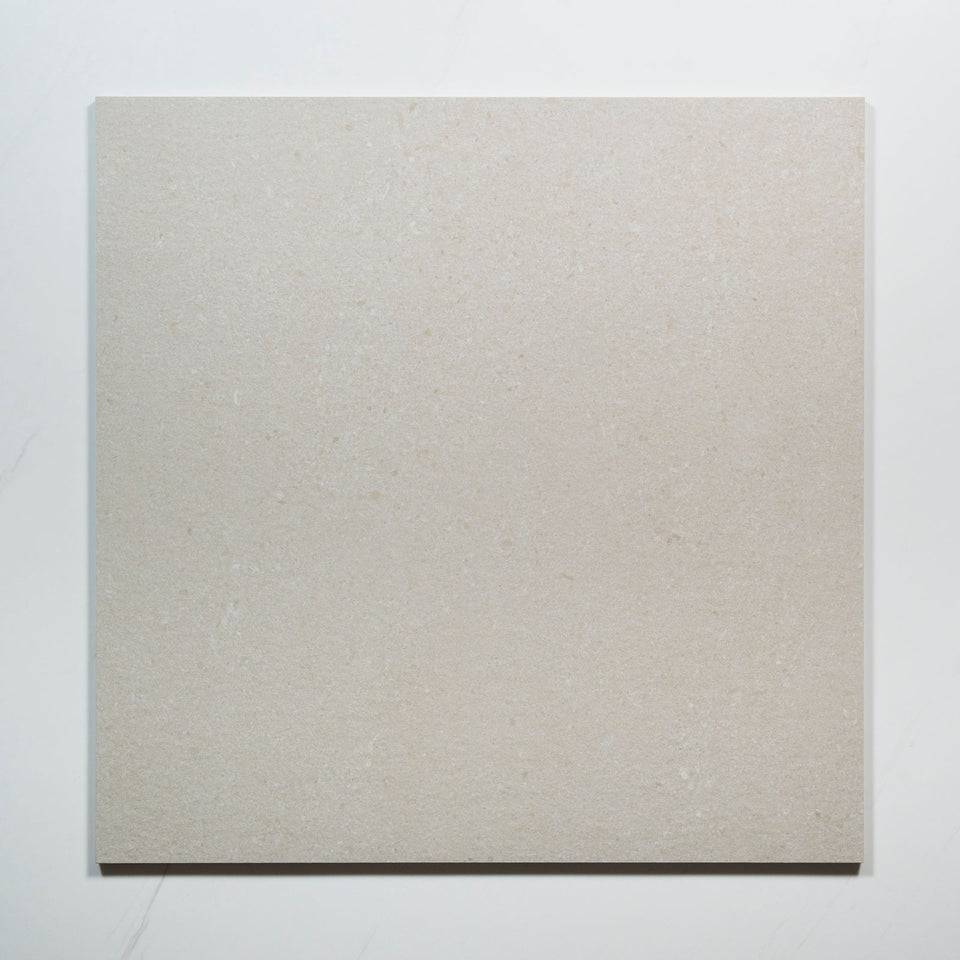
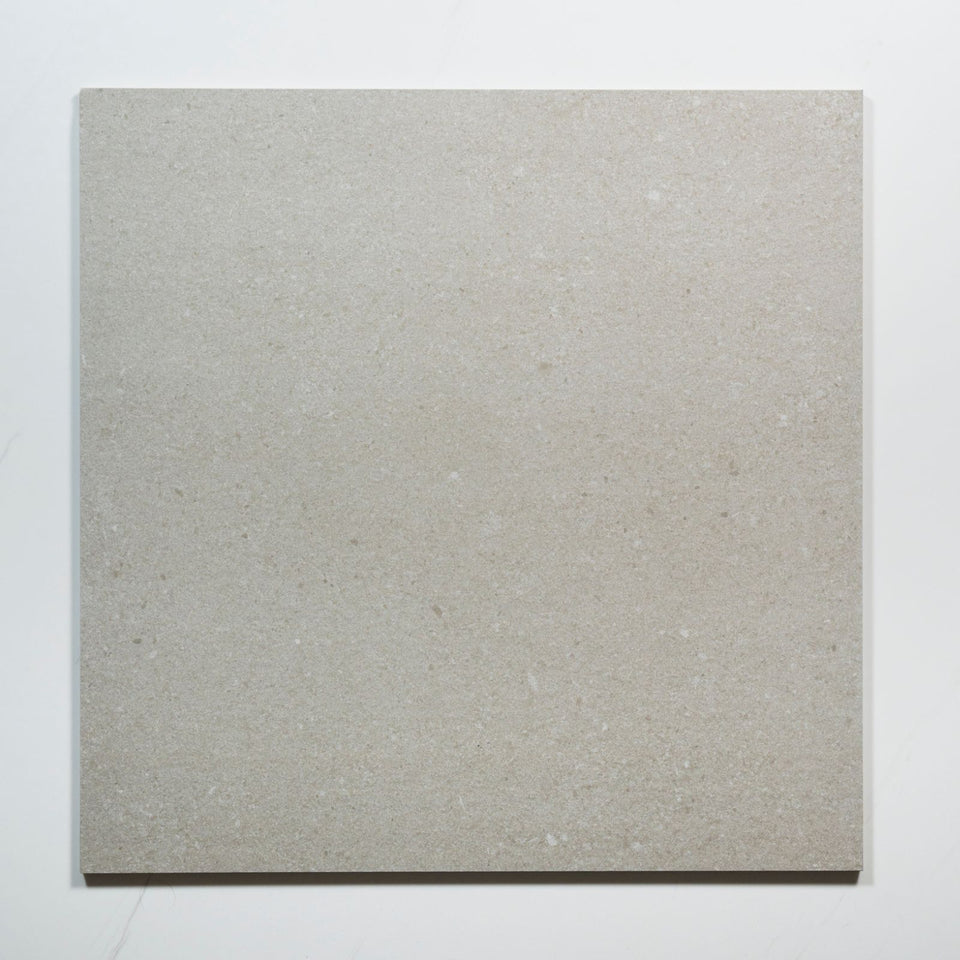
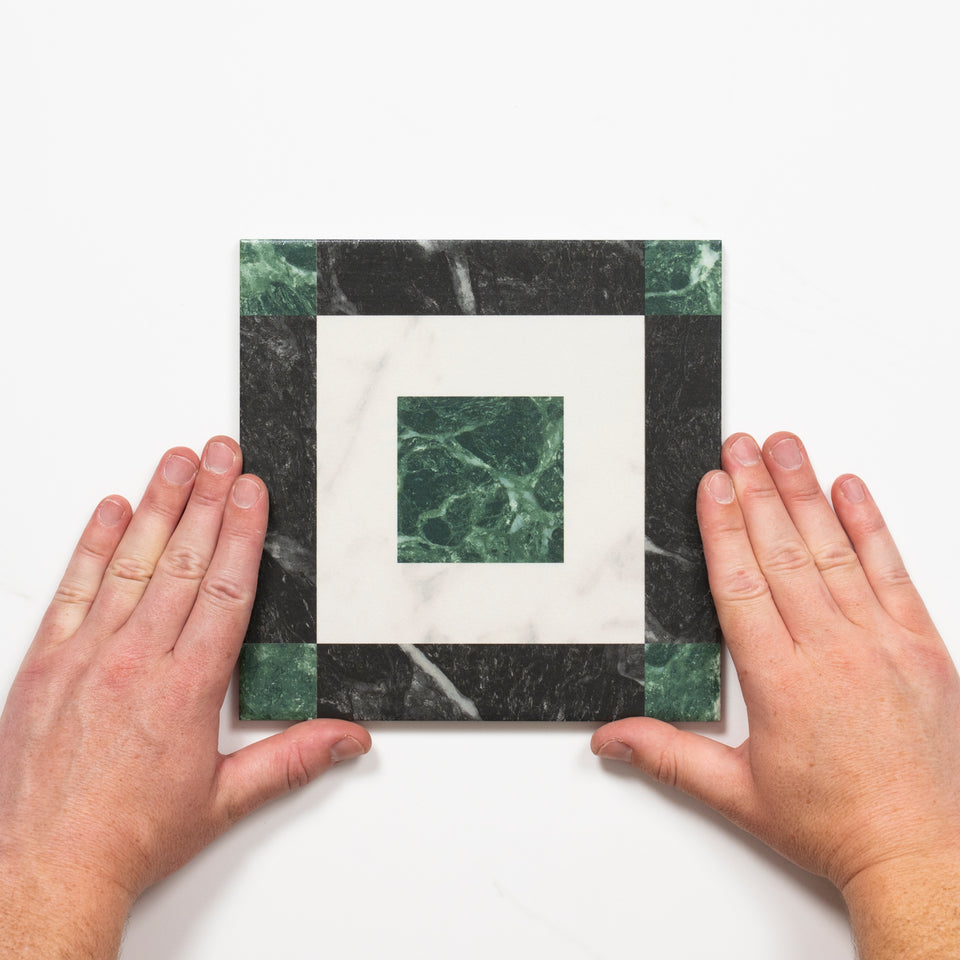

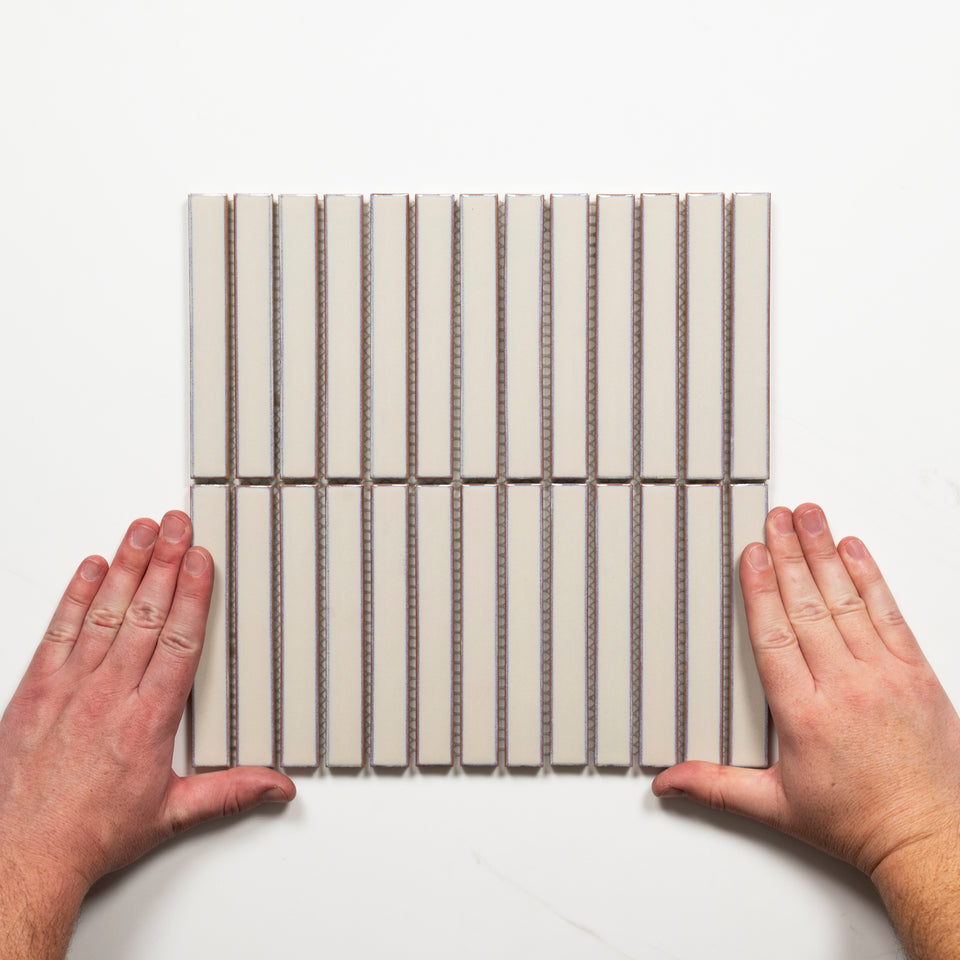
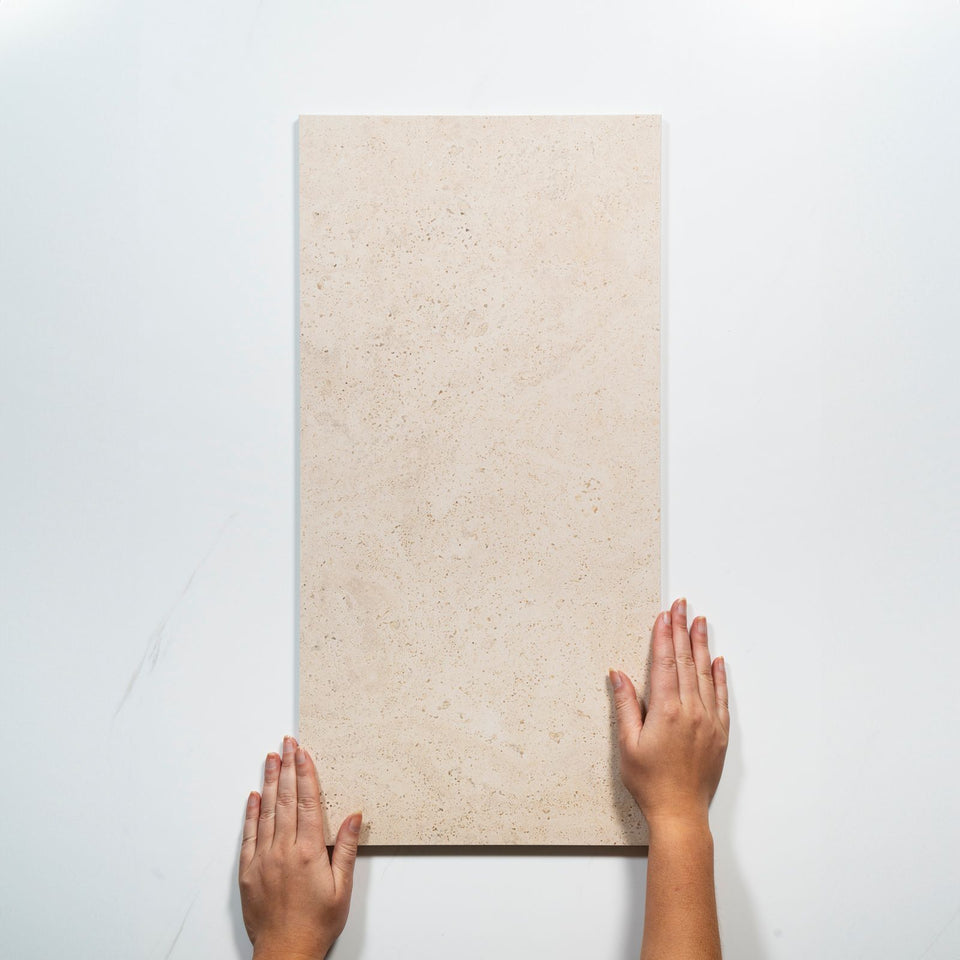

A bathroom tile has to do one of three jobs: line a wall, carry a floor, or stand in a shower. The collection here covers all three, from 600 x 600mm porcelain floors with P5 grip ratings to 50 x 300mm concave porcelain subway tiles that are for walls only. Each tile is made for one of those jobs, so this guide shows how to read those lines before you fall for a colour.
The sections below set out how walls differ from floors, what porcelain and ceramic each do well, how slip rating and finish decide the floor, shower and wall choices, and how to read the specification lines before you order. For the wider range, see the tiles collection, the floor tiles collection and the wall tiles collection.
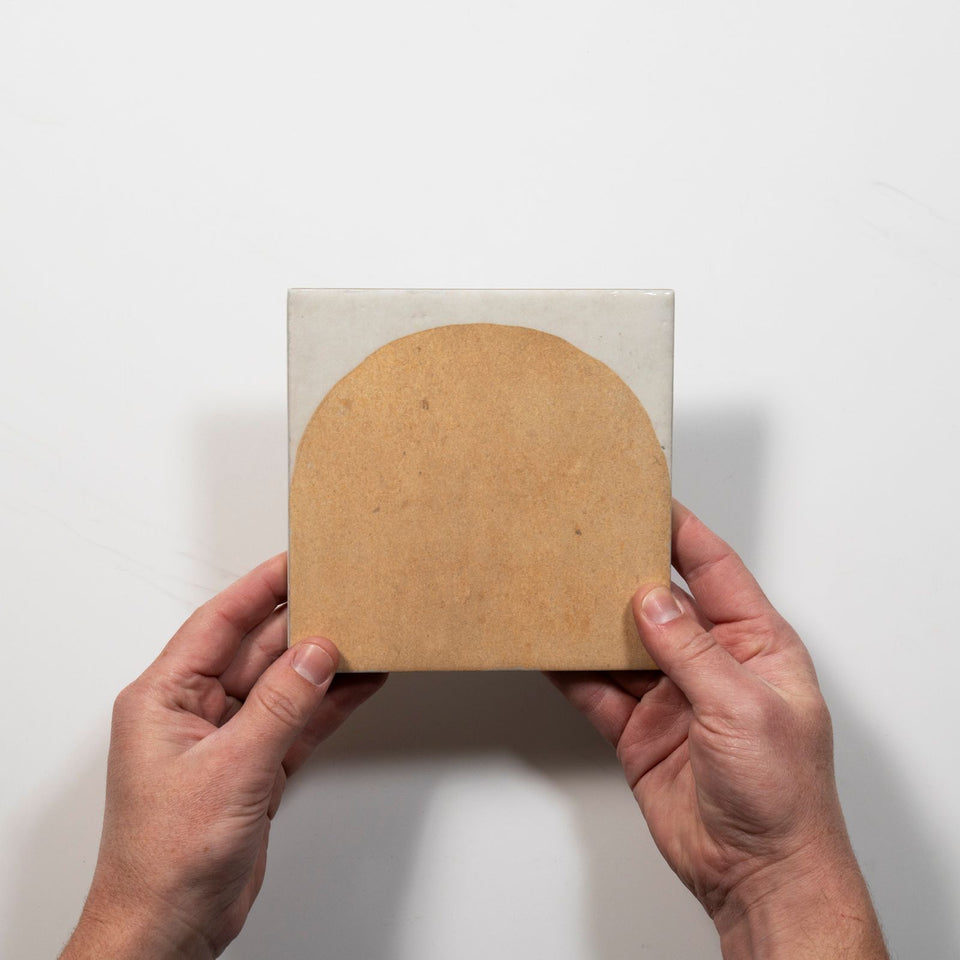
A bathroom divides into zones. The main floor needs a slip rating suited to wet areas and a finish that is easy to mop, and showers and wet zones are better in a matte or in-out tile. Wall tiles protect plaster from moisture and make cleaning faster around vanities and baths, and gloss and satin finishes work well on walls because they reflect light and are easy to wipe down. Feature walls and niches are where subway tiles, kit kat mosaics or patterned tiles earn their place.
Can you use a wall tile on the floor? Only if the product is clearly marked as suitable for floors, because many bathroom wall tiles are too smooth or not strong enough for floor traffic. Wall tiles can be far more elaborate, with 3D and hyper-glossy handmade options, because they are restricted to wall use.
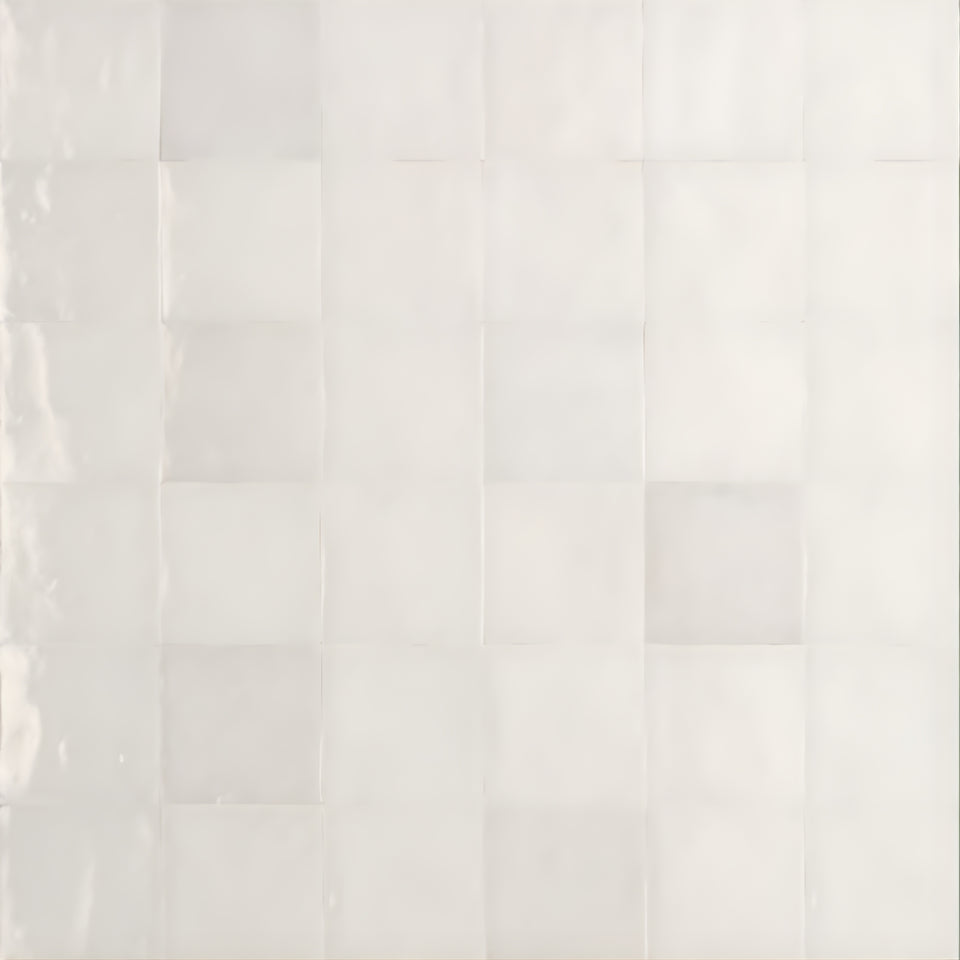
This collection follows that split on its product pages. The Whitehaven wavy ceramic subway tiles are walls only, not suitable for flooring. The Flute finger mosaics are walls only, with slip rating not applicable. The Tuscan 600 x 1200mm feature tiles are recommended for walls only, while the plain Tuscan tiles suit walls and floors, indoors and covered outdoor areas.
Porcelain tiles are denser and less porous, which makes them suited to high-moisture areas such as shower floors and walls, with superior water resistance and durability. Ceramic tiles are slightly more absorbent and suit bathroom walls and low-traffic floor areas. Porcelain is fired at higher temperatures, which gives a harder, more durable surface, and ceramic is slightly softer, easier to cut and best used as a wall tile where durability is less critical.
There is a practical point about edges. Ceramic tiles generally come with a pressed or cushioned edge, so if you want a rectified edge, look at the porcelain range.
The ranges here fit that picture. Kew, Vela, Olivia, Plastra and Avorio are porcelain for walls and floors, with P3, P5, R9 or R10 ratings. Whitehaven, Terrarosa, Bella, Gemma and the Evelyn handmade tiles are ceramic and are made for walls. The porcelain tiles collection and the ceramic tiles collection cover each material in full.
Check slip ratings before you finalise anything, because bathroom floors get wet and slippery, especially in wet zones such as the shower. Matte or in-out finishes are usually better for floors because they give more grip, and gloss works on walls, splashbacks and feature areas where nobody stands.
The rating sits in each tile's own line, and the values differ by range. Kew is P5 on its 600 x 600mm tiles. Avorio Cream is P5 in 600 x 600mm and 300 x 600mm. Settlers cobble squares are P5 / R12, low to very low slip risk. Tilly Tundra is P5 on its Tech Grip surface. Plastra is R10 on its large and slim formats. Vela and Tuscan are P3, moderate slip risk for Tuscan, and Island Terrazzo is P4, a low slip risk.
Some tiles in the collection suit dry floors and walls. The Matrix Tessellated marble-look tile prints P3 moderate to high slip risk, suitable for flooring in dry areas. The Southside Terrazzo matte tile prints P2 and an Area line of indoors dry and covered outdoor areas. The floor tiles collection is the guide for the floor decision across all rooms.
For the shower itself, the signals are clear. The Briq unglazed porcelain mosaics suit Walls, Floors and Benchtops with an Area line of indoors, wet and dry areas, including shower recesses, bathrooms and kitchens, and a Maintenance line reading easy to clean, no sealing required. The full-body porcelain construction resists moisture and staining. Their slip line reads not rated, so confirm a rating with the team before you choose one for a shower floor.
The Flute finger mosaics are the wall-only counterpart, with an Area line covering indoor walls including wet areas such as bathrooms, shower recesses and kitchen splashbacks. A statement shower is a design choice many renovators make. A bold wall tile or striking pattern in the shower creates a focal point, using patterned ceramic, mosaic or terrazzo.
Gloss and satin finishes suit bathroom walls because they reflect light and wipe down easily, while matte finishes hide water marks.
The collection offers each finish. Whitehaven, Matrix and Terrarosa are satin, the Evelyn handmade ceramics run from satin to gloss, Bella and Gemma include gloss, and Kew, Olivia and Soluna are matte. The subway tiles collection and the zellige tiles collection show the gloss and handmade options across more ranges.
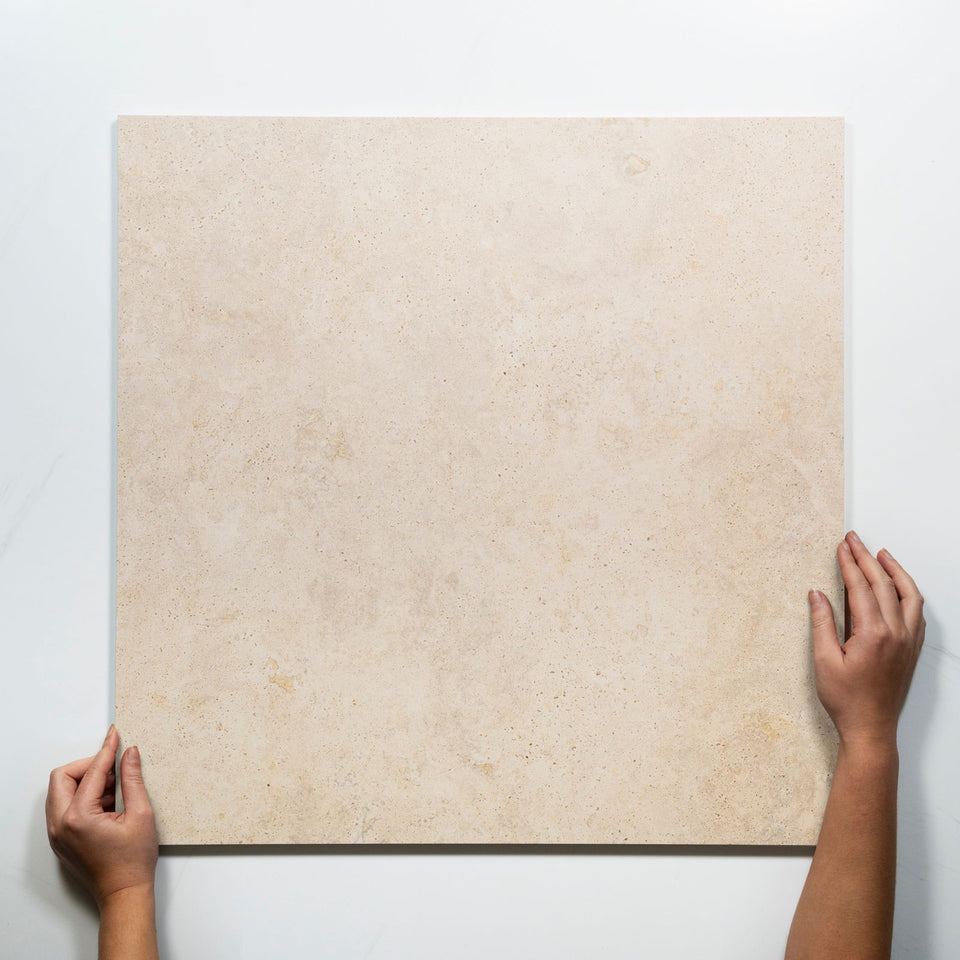
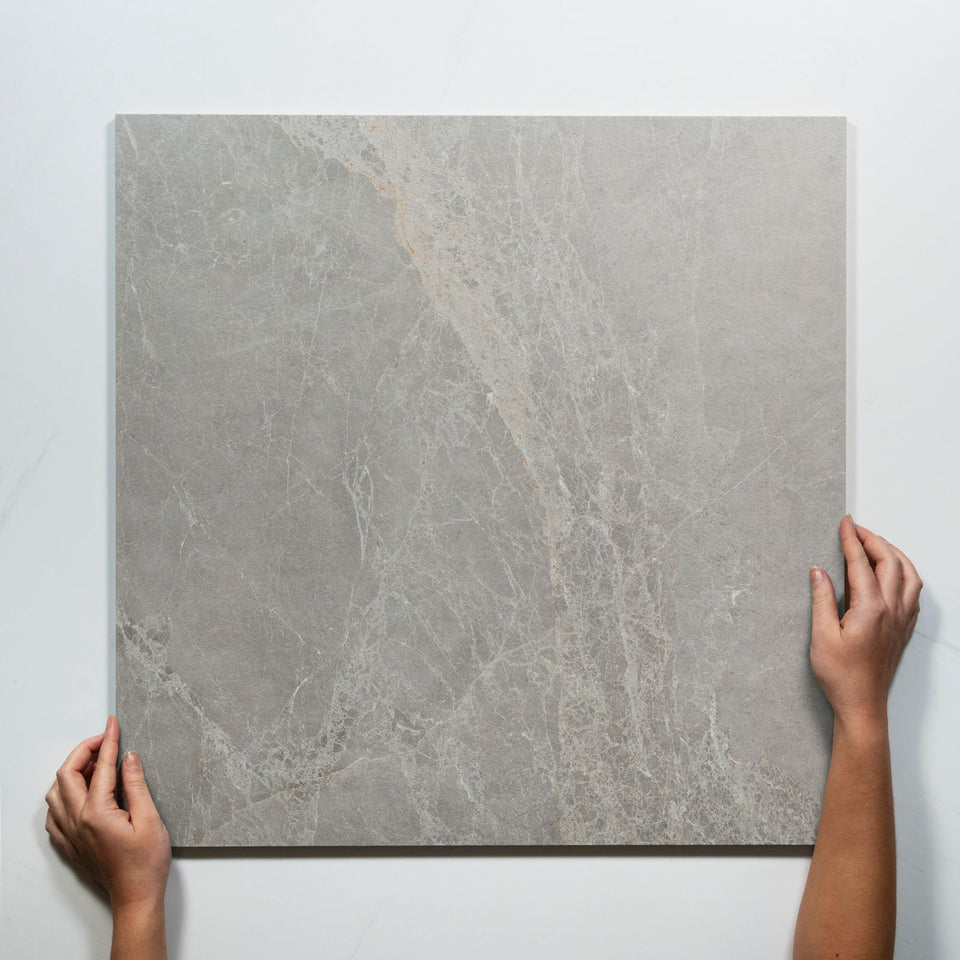
Marble and marble-look porcelain top the luxe list, and natural veining gives each tile a unique appearance. Terrazzo is making a comeback, with the look now available in porcelain and ceramic that is low maintenance and easy to clean. Natural stone such as slate, travertine and limestone adds texture and warmth.
The collection holds each look in porcelain. Sereno and Drift are honed, 3D-finish marble-grain porcelains for walls and floors, and their slip lines read not slip rated. Matrix is a marble-look porcelain, in tessellated 200 x 200mm squares and concave subway shapes. Island and Clio are terrazzo looks. The marble look tiles collection, the travertine look tiles collection and the terrazzo look tiles collection hold the same looks across other shapes.
Think about the vanity wall and the shower wall as two zones. The vanity wall is seen from the door, so it carries the feature. The shower wall is seen when you are in the shower, so it can take a calmer tile that wipes down easily. Splitting the two keeps the room from becoming busy, and it lets the budget go where the eye lands first.
For a small bathroom, use large format floor tiles to minimise grout lines, pair them with glossy wall tiles that reflect light about the space, and choose a grout colour that complements the tile so it blends in. Bigger is usually better in a small bathroom, and smaller tiles can be mixed in as accents or borders.
That gives the outline of a decision rather than a fixed rule for every room. A calm floor in a light colour, a gloss wall, and one small feature, such as a mosaic niche, make a small room look composed. The small tiles collection is where the accent comes from.
Neutral tones such as beige, sand, taupe and light greys are popular for a calm bathroom, and pair well with organic textures for a spa-like atmosphere. Colour lovers are stepping away from the all-white bathroom, with pinks, greens and blues making their way in.
The colours here run across that range. White and beige are the largest groups, followed by grey, green, terracotta, black and blue. The white tiles collection, beige tiles collection, grey tiles collection, green tiles collection, blue tiles collection and pink tiles collection sort the range by colour.
A short checklist before you order. Pick the floor tile first and read its slip, wear and area lines. Pick the wall tile second and make sure its application line says walls. Choose the grout and the layout together, and decide where the niche, the vanity splashback and the shower screen fall before the tile order is final. Order samples of the floor tile and the wall tile together and view them side by side in the bathroom light.
Use non-abrasive cleaners, such as a mild detergent or a tile-specific cleaner, and avoid harsh chemicals like bleach on natural stone because they can break down the sealant. For grout and mildew, use a pH-balanced cleaner, and sweep or vacuum regularly so dirt does not scratch textured tiles and natural stone. Porcelain and ceramic are low maintenance and can be cleaned with mild products, and glossy finishes wipe down easily while matte finishes hide water marks.
For these tiles, the Maintenance line is the guide: most read easy to clean, the Briq mosaics read no sealing required, and the tumbled stone reads requires sealing.
Every product page prints the same lines, and in a bathroom they matter more than the range name. The Application line says walls, floors or both. The Area line says indoors, outdoors or wet areas. The Slip Rating line gives a P or R rating, or says not rated. The Edge line says rectified, cushioned, tumbled or non-rectified. The Maintenance line says whether sealing is needed, and the Appearance line gives the V rating for colour variation.
Read them in that order for each room. A tile for the shower floor needs a rating and a wet-area line, a tile for a vanity wall needs only a wall line, and a stone tile needs the sealing line.
Start with the floor, since it has the most constraints. Choose a porcelain tile with a printed slip rating and an Area line that suits a wet room. Then choose the wall, where gloss or satin ceramic is easy to wipe and the choice is mostly about colour. Add one feature, such as a mosaic niche or a pattern, and keep the rest calm.
If you want stone, plan the sealing, and if you want the look without the sealing, choose the stone-look porcelain. The tiles collection sits above this one for the whole range.


