
*View accurate shipping rates and availability






49 Items



Up to 70% off across the store, plus free towels and mirrors up for grabs on orders over $800*
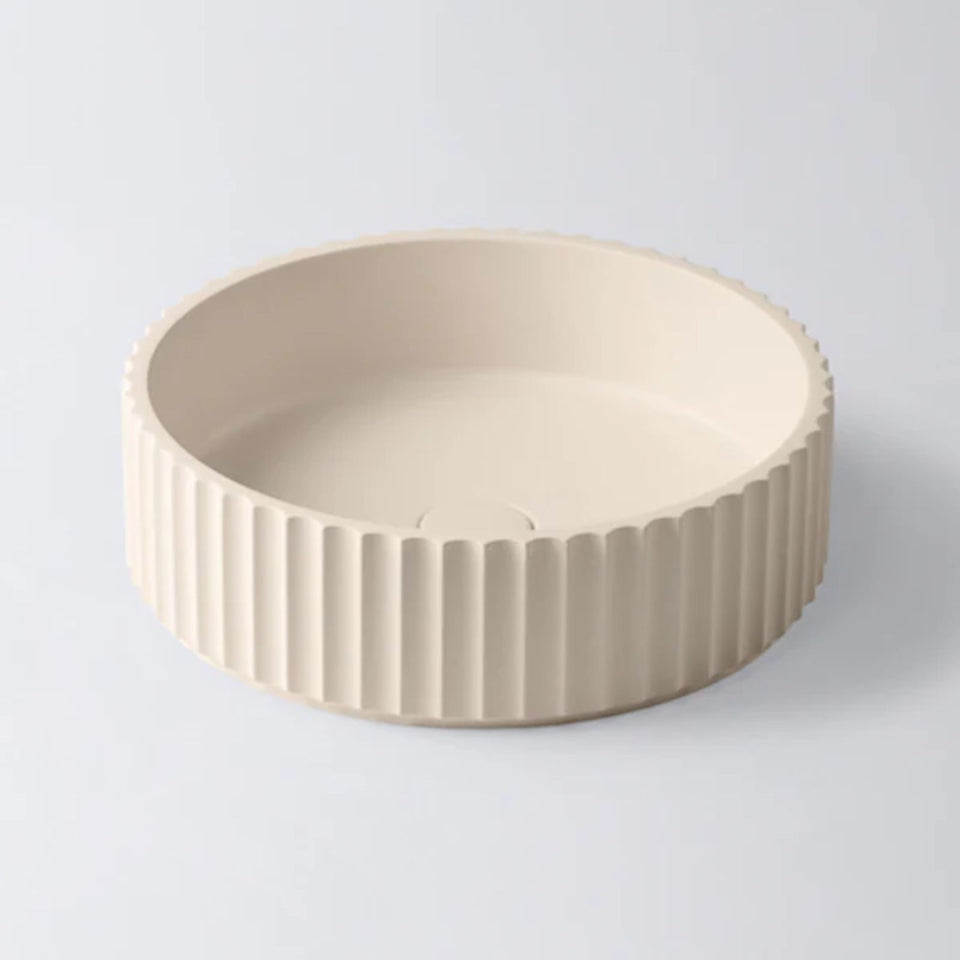



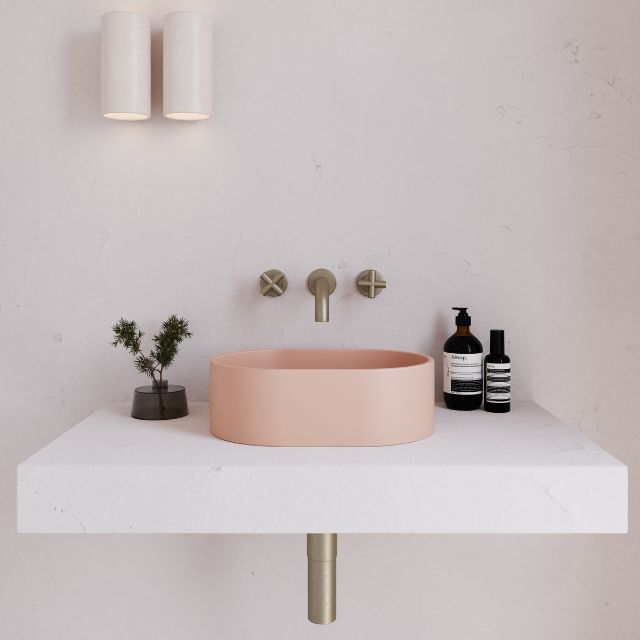
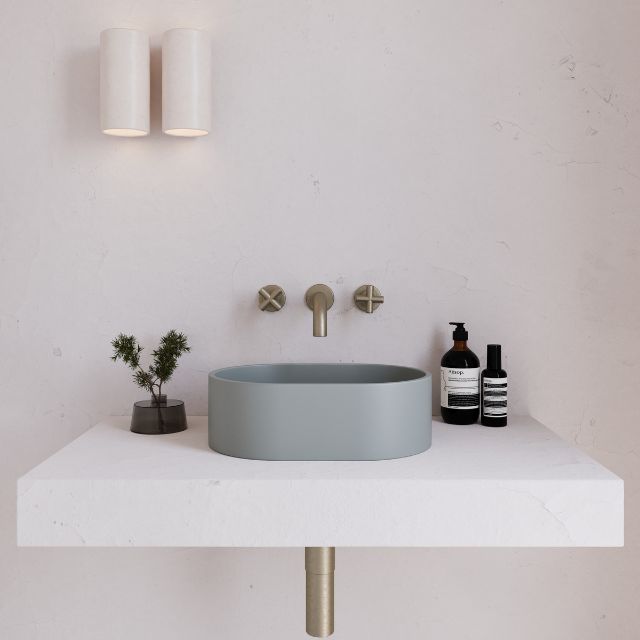
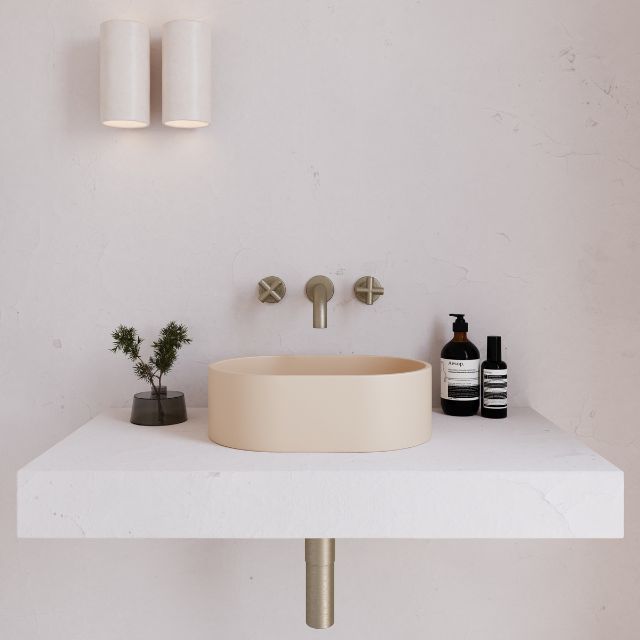
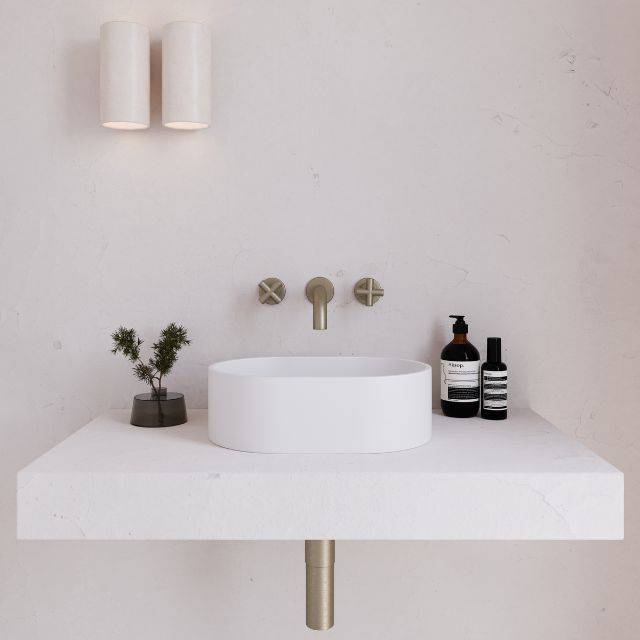
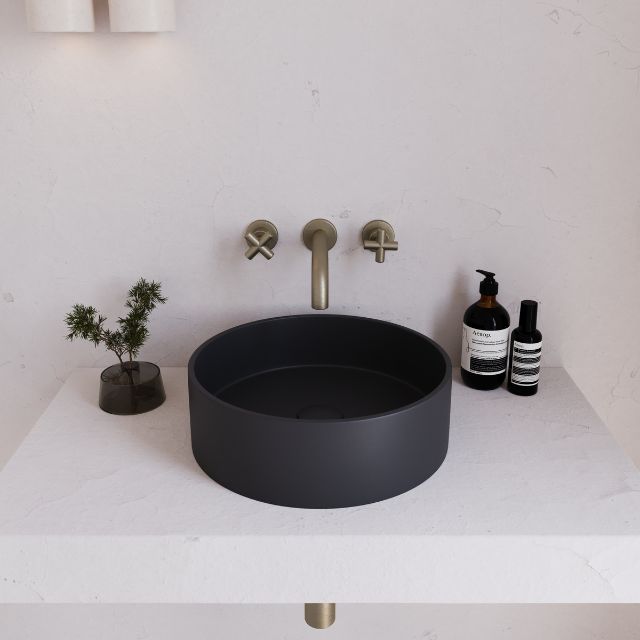
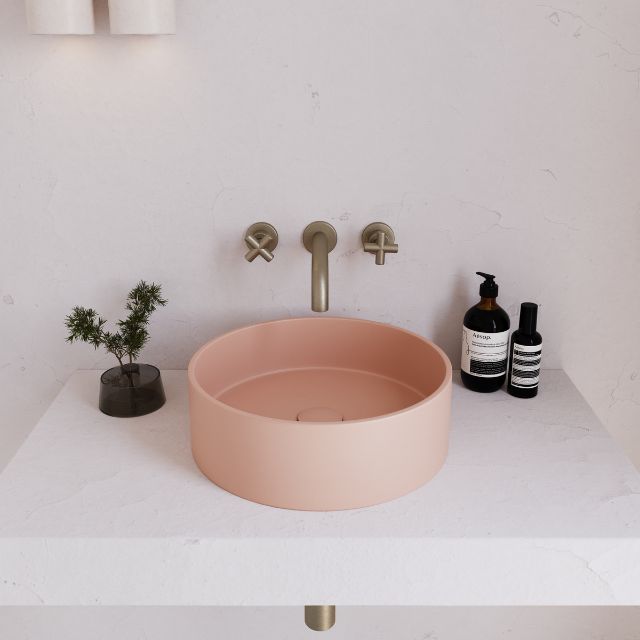
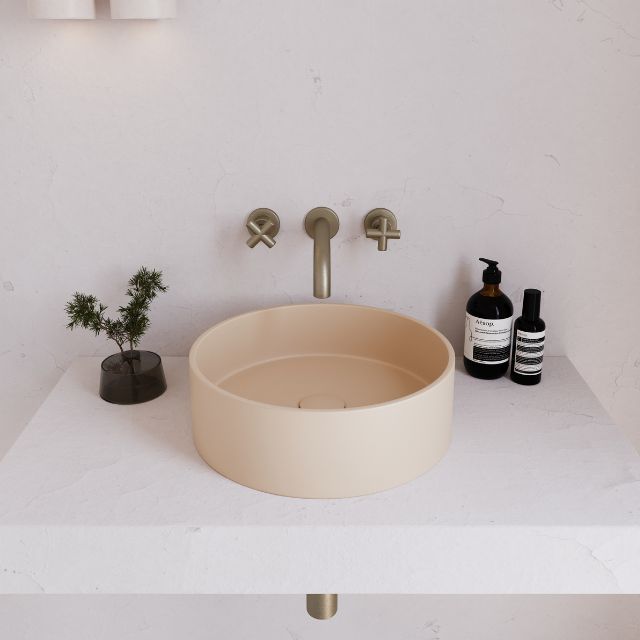
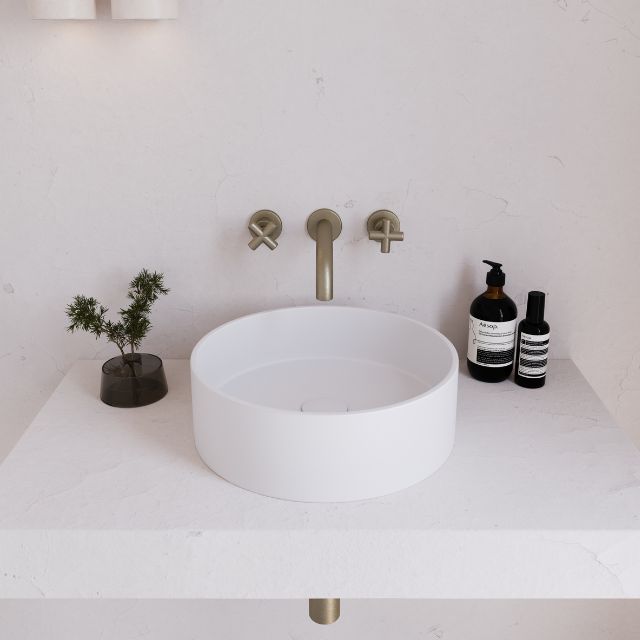


Eight Quarters makes countertop basins in concrete, terrazzo and ceramic, and this page holds its basins and the wastes that match them. Every basin here is an above counter basin with no tap hole and no overflow, in round, square, pill and small rectangle shapes. The concrete and terrazzo basins come in earthy colours, and the ceramic basins in gloss and matte white, matte black and a marbled gloss. The guide below covers the brand, the ranges and their sizes, the colours and sample packs, the matching wastes, tapware clearance, installation and care.
Eight Quarters is an Australian bathroom and kitchen brand that focuses on considered design, quality materials and lasting design, and it grew from an interest in interiors, renovation and property development. It is a family-run Australian based business with a curated range of bathroom, kitchen and laundry products. Ask us for the country of manufacture of the specific basin if it matters to you. For the details that matter when you buy, each basin's material, dimensions and waste size are on its product page, and those are what this guide uses.
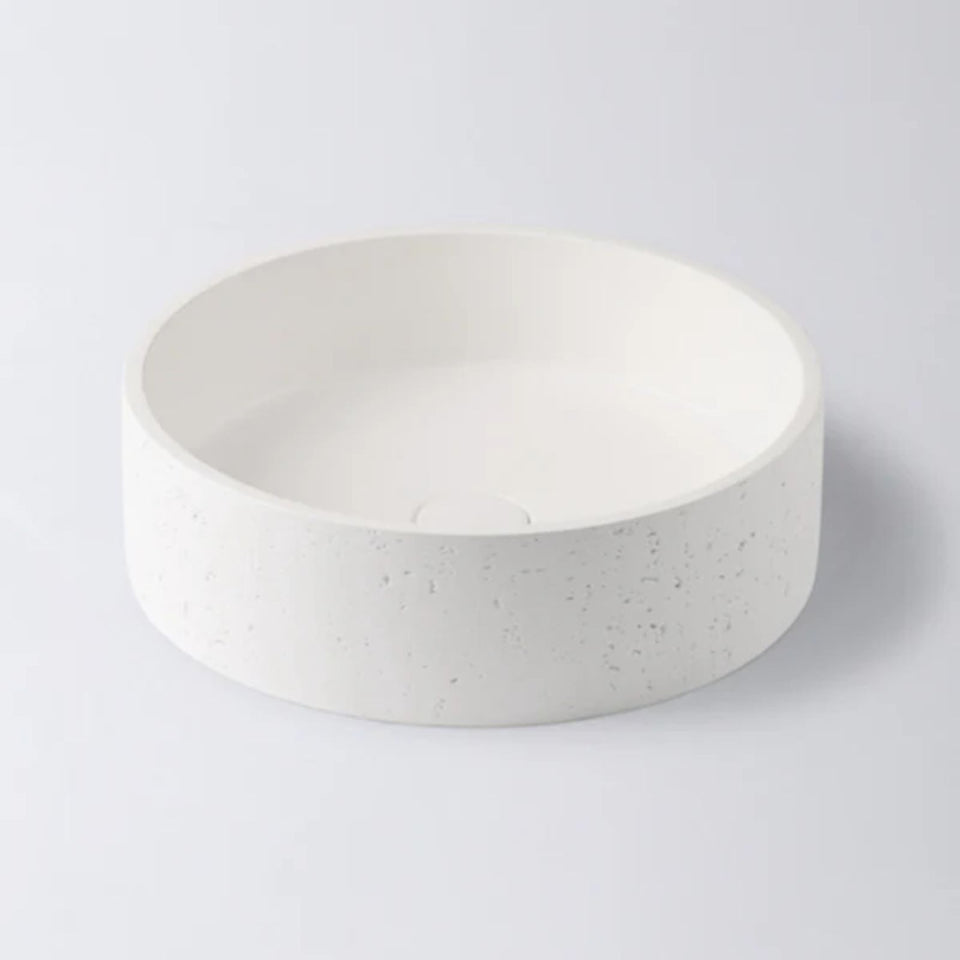
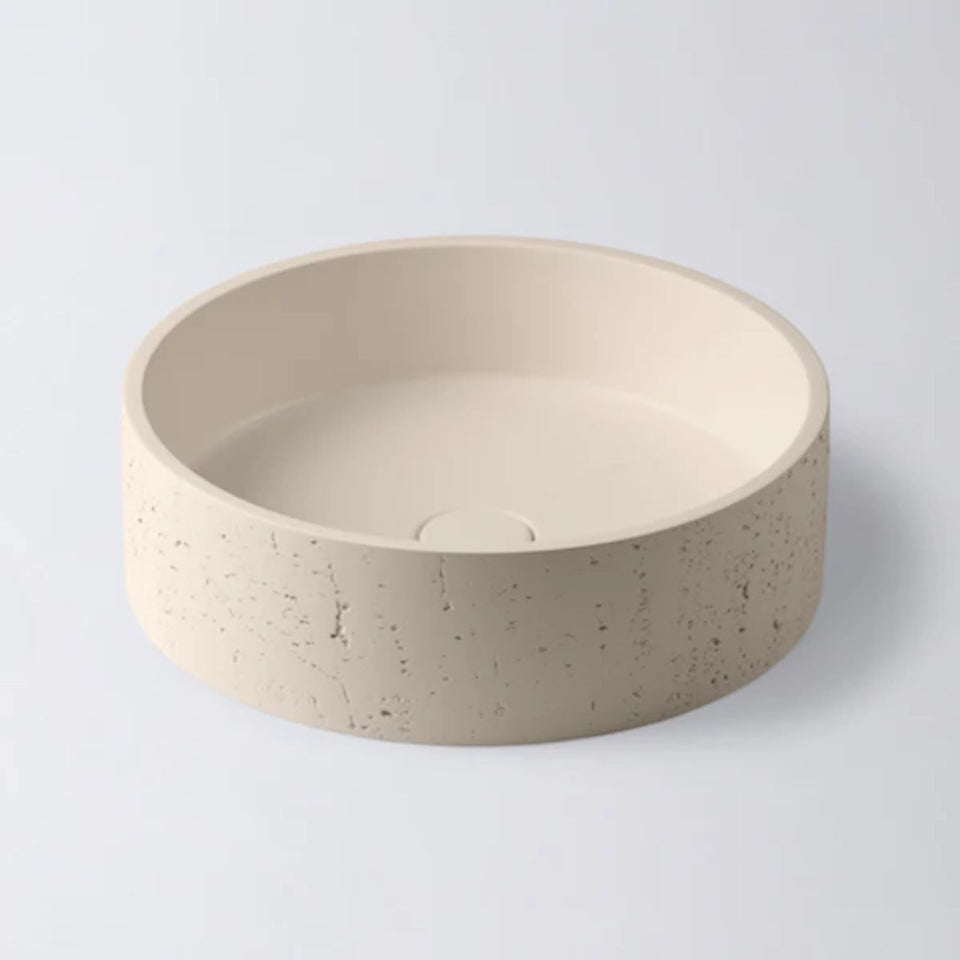
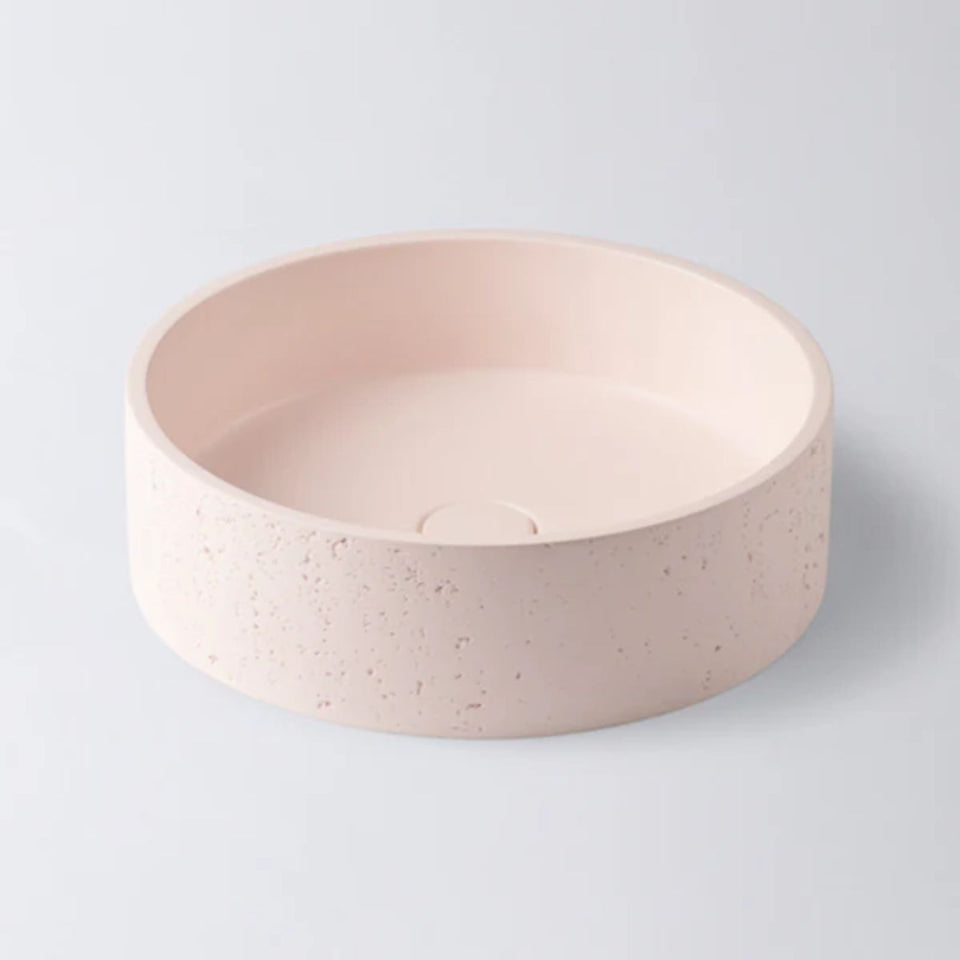
The Natural Circle is a 390mm by 390mm basin, 125mm high, with a clean finish and subtle circular patterns, in white, oat and blush. The Arcova Circle is 400mm by 400mm and 120mm high, in white and oat. The 390mm Circle is 125mm high and holds about 10.2 litres, with an inner depth of 95mm, in white, oat, blush and charcoal. The Mini Pod is 400mm by 280mm and 120mm high, holds 7.5 litres with an inner depth of 90mm, and comes in white, oat, blush and grey. Each has no tap hole, no overflow, and suits a 32mm waste that is not included. See Eight Quarters concrete basins, and concrete basins for the material across other makers.
The terrazzo basins come in four colours, each with an Italian city name: Como, Siena, Lucca and Naples. The 390mm Circle is 125mm high with a bowl of 10.2 litres, and the Mini Pod is 400mm by 280mm and 120mm high with a bowl of 7.5 litres. Each terrazzo basin comes with a matching terrazzo pop-up plug and waste, which is unusual on this page because the concrete and ceramic basins need a waste bought separately. See Eight Quarters terrazzo collection.
The ceramic basins are gloss or matte white with a few exceptions. The Luna is a round basin in two sizes: 360mm across and 125mm high holding 7 litres, and 415mm across and 130mm high holding 10.5 litres, each in gloss white and matte white. The Seymour Sault is a 400mm square-bowled basin 135mm high with a 10.5 litre bowl and an inner depth of 110mm, in vitreous china. The Seymour Sphere is a small round basin of 300mm by 300mm and 155mm high. The Regency Circle is 365mm across and 120mm high, and the Regency Square is a curved square of 390mm and 140mm high, both in gloss white with grey and gold marbling, in vitreous china. The Amaroo comes as a round basin, a mini round, a square and a small rectangle, in matte white, gloss white and matte black, with the circle and square at 365mm and 120mm to 130mm high. See ceramic, round and square basins, and matte white, white and black basins.
The concrete range comes in white, oat, blush, grey and charcoal, and the terrazzo range in Como, Siena, Lucca and Naples. Two sample packs let you see the finishes. The concrete sample pack includes five of the concrete colours: blush, charcoal, grey, oat and white. The terrazzo sample pack includes all four terrazzo colours. Colours in photos can vary with display settings, lighting and production, so order a sample pack first and check the sample in the room light before you decide. See grey and pink basins for the colour views across all makers.
The wastes on this page are pop-up wastes, and they are part of the look. The concrete pop-up wastes come in white, oat, blush, grey and charcoal, with a concrete top on a brass and chrome body. They have a G1 1/4 thread and a top diameter of 64mm on the natural finish wastes and 68mm on the standard concrete wastes, at heights of 78mm and 105mm. The ceramic pop-up wastes come in gloss white, matte white, matte black and a gloss marble that suits the Regency basins. Each has a ceramic top with a brass and chrome construction, no overflow and a 32mm waste outlet that includes a 40mm adaptor, and measures 68mm by 68mm by 120mm. Match the waste to the basin and the tapware, and check that the waste has no overflow, since none of these basins has one. See basin wastes.
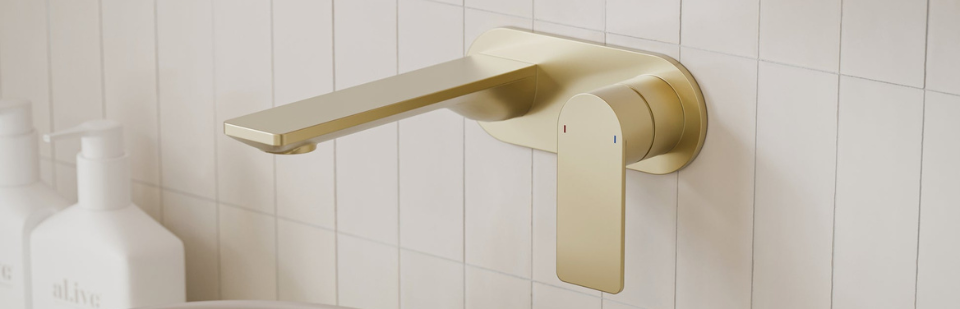
None of the basins has a tap hole, so the mixer sits on the bench behind the bowl or on the wall. The basins stand 120mm to 155mm above the bench, so the spout has to clear the rim. A tall basin mixer suits an above counter basin, with extra height and spout clearance to reach over a higher rim and reduce splashing, and a spout that is too short makes the water miss the centre of the bowl. The Kaya tall basin mixer has a spout height of 216mm and a reach of 170mm, and the Empire Slim tall basin mixer a spout height of 244mm and a reach of 180mm. Tower height suits above counter basins and a mid tower suits smaller above counter basins. Choose the tapware before the bench is drilled, and confirm the hole position early on a stone, concrete or timber top. See basin mixers and above counter basins.
An above counter basin adds its own height to the bench, so the rim sits higher than the bench by the height of the basin. These basins stand from 120mm to 155mm above the bench. Floor-mounted vanities run at 850mm to 900mm high and wall-hung vanities at 800mm to 900mm, adjustable at installation, and the standard vanity depth is 460mm to 550mm, most commonly 500mm, measured from the wall to the front of the basin rim. A basin height of around 800mm to 850mm is common, so decide which height you are working to. Keep a circulation space of 900mm wide by 1200mm long clear of the vanity. The accessible basin rim height is 800mm to 830mm under the Premises Standards, and the clauses should be confirmed against the current standards. Add the bench height and the basin height, then check the rim against the height you want before you choose the basin.
Clean concrete with a mild, non-abrasive cleaner, use a wet cloth on dried spills, and use a non-acidic, non-abrasive cleaner on stubborn stains. Avoid scouring pads, which can scratch concrete and break down the sealer, and high-pH products such as paint strippers, bleach and nail polish remover, and avoid forceful scrubbing, which can remove the sealer and the shine. If a harsh product touches the basin, rinse it at once with water. Do not pour boiling or ice-cold water into the bowl and avoid localised heat, because concrete expands with heat and extreme changes can crack it over time, and prolonged direct sunlight can slowly discolour concrete. Dry the basin to reduce hard water deposits, and do not leave water standing in the bowl. A paste of bicarbonate of soda removes greasy marks, used sparingly because it is slightly abrasive. The sealer is not permanent and may need renewing every few years depending on use, sun and water, and a wax polish every six months keeps the finish. Spot test any new cleaning method on a hidden area first.
For terrazzo, use a neutral cleaner made for terrazzo, avoid all-purpose cleaners with water-soluble salts, harmful alkali or acids, and do not let spills soak and dry in. Test a hidden area first. For the ceramic basins, clean vitreous china with a soft cloth and a mild household detergent or warm, soapy water. Vinegar removes limescale from ceramic, and cream cleaners can dull ceramic if overused. Harsh chemicals such as Domestos destroy chrome and can damage the rubber seals in wastes, which applies to the brass and chrome pop-up wastes here. Clean ceramic regularly with non-aggressive products and soft cloths. A scratch in glazed ceramic cannot be repaired. The matte ceramic finishes show a dulled patch more than gloss does, so use the gentlest method first.
The three materials suit different rooms. Concrete gives a soft, mineral surface in earthy colours, and it asks for a sealer and a gentle routine. Terrazzo gives a speckled pattern with a matching waste included, and it suits a bench where the pattern can be the feature. Ceramic gives a smooth, easy-wipe glaze in white, black or marble, and it asks the least of the household. A busy family bathroom suits ceramic, a guest bathroom or powder room suits concrete or terrazzo, and a feature ensuite can take any of them. Pick the material, then the shape and size for the bench, then the colour, and last the waste and the mixer.
See small above counter basins for compact sizes, bathroom vanities for the cabinets to pair with, and bathroom basins for every other maker, shape and colour.


