
*View accurate shipping rates and availability






4 Items
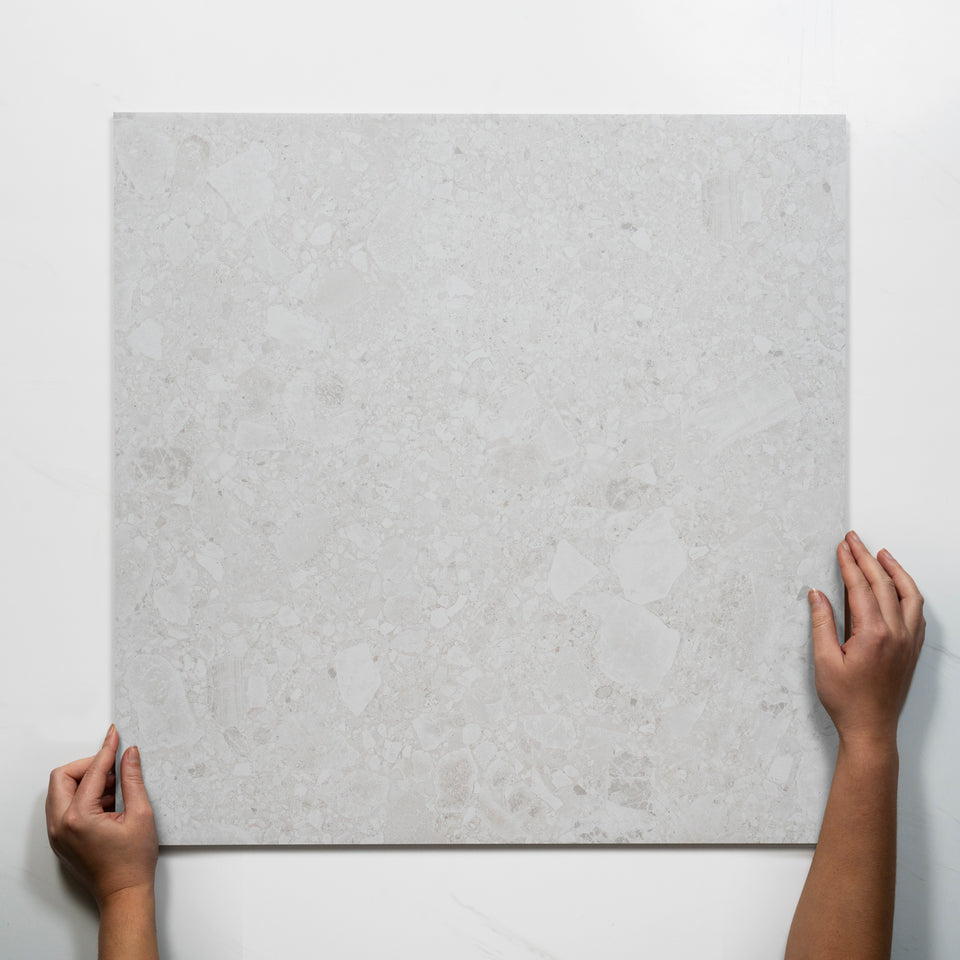
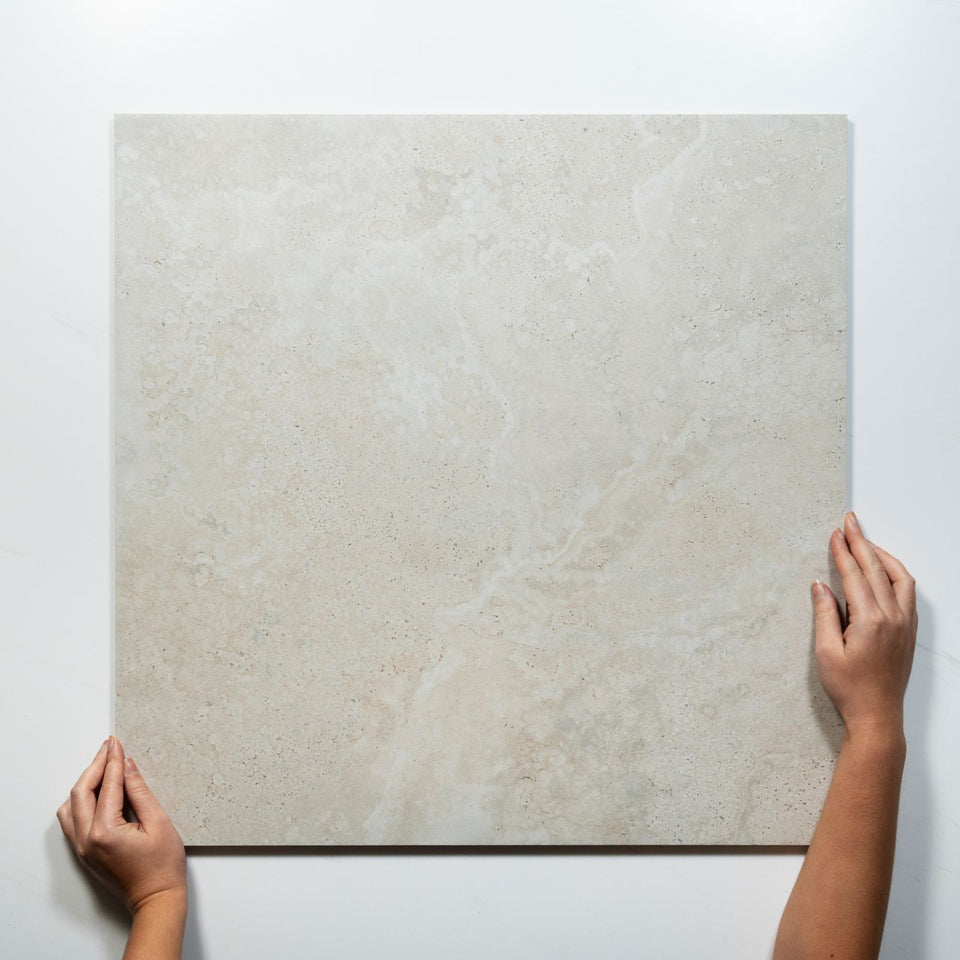
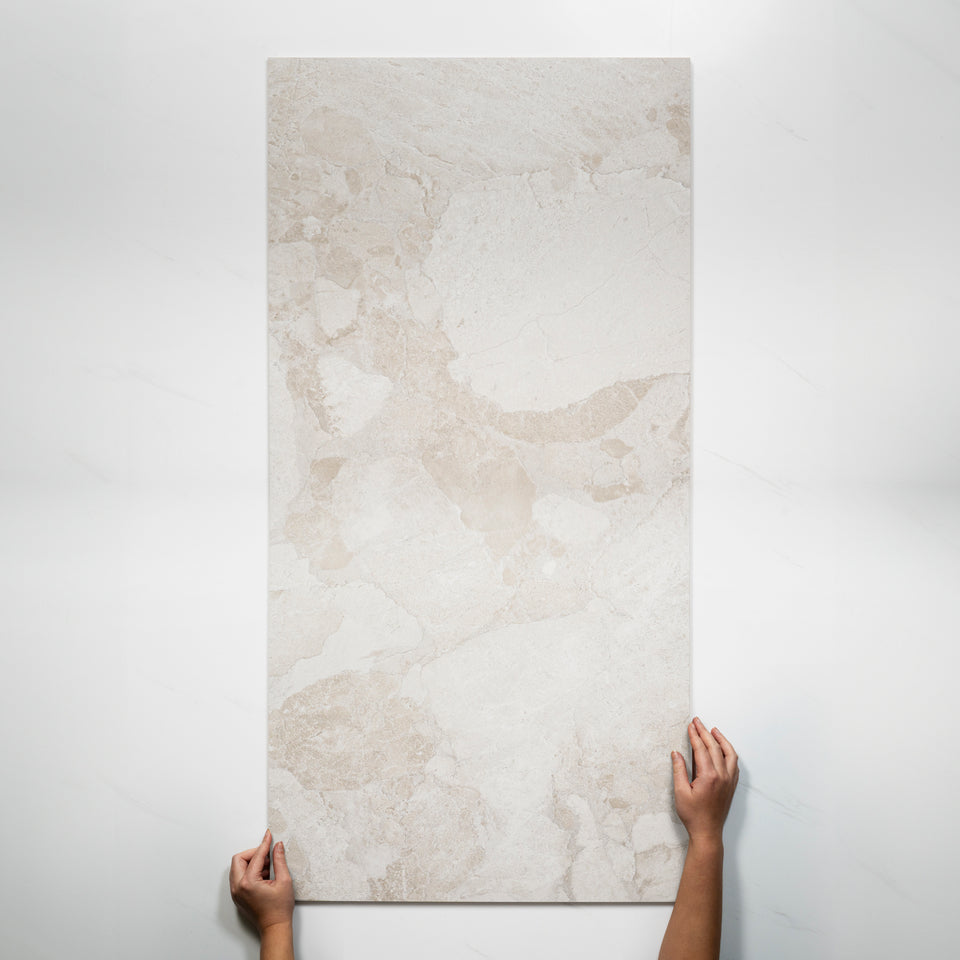
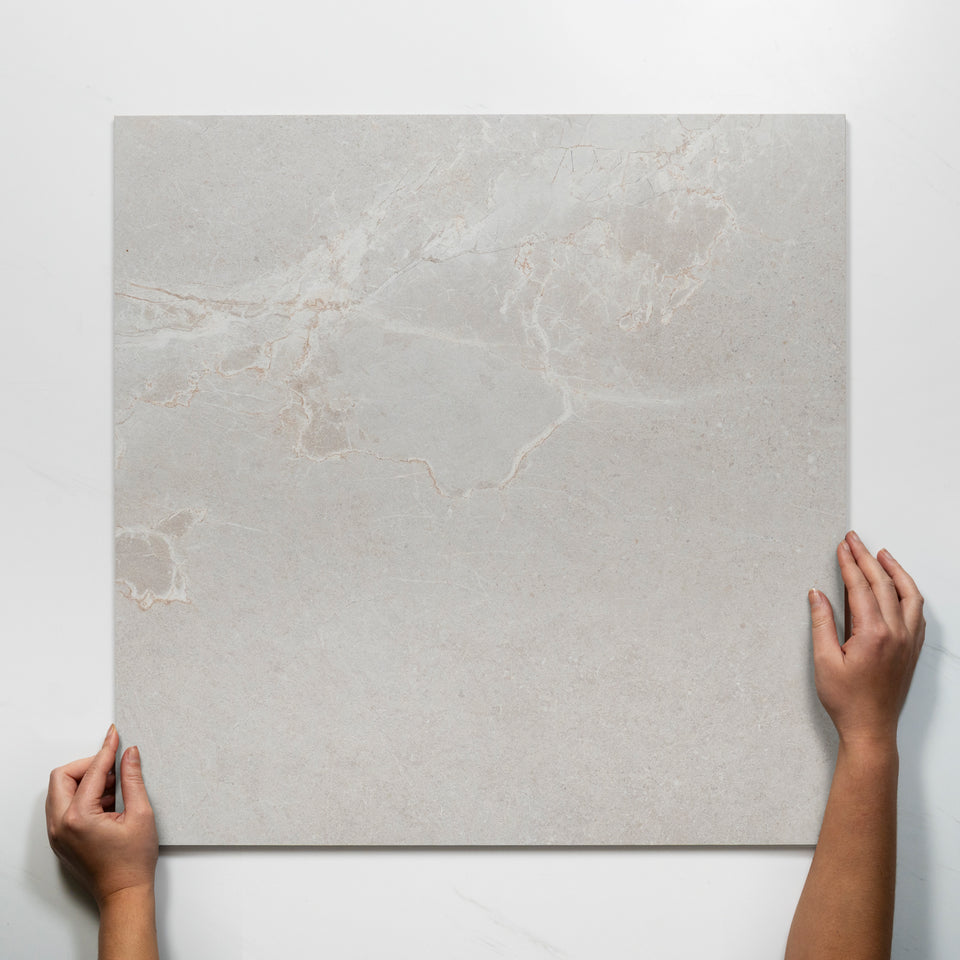
This collection gathers every tile on the site that carries both the white colour tag and the outdoor usage tag. It is the shortest of the colour outdoor pages, with listings from four ranges: Southside, Tuscan, Roccia and Auralis. They are a terrazzo look, a travertine look and two stone looks, all porcelain with a grip finish. Three are 600 x 600mm and one is 600 x 1200mm. Sizes, finishes and slip ratings sit on each listing, so this guide stays with what the listings print and with how white behaves outdoors.
Two sister pages cover the same ground from other angles. White tiles holds the colour across every use, and outdoor tiles holds the use across every colour. The tiles hub links every category on the site. Indoor white floors are at white floor tiles, and the other outdoor colours are at grey outdoor tiles, black outdoor tiles and beige outdoor tiles.
Search queries that reach this page include white outdoor tiles, white outdoor flooring, white balcony tiles, external wall tiles and black and white outdoor tiles. The four listings answer them through their printed lines, and each section below reads one of those lines.
A Brisbane retailer's white page describes white as a colour that reflects light, and a Perth retailer's bathroom ideas call it a neutral backdrop, cooling by nature. Outdoors, that reflection has a practical benefit. A Brisbane outdoor guide says tiles around a pool should stay stable when wet and should not heat up too quickly in full sun, and that many buyers choose lighter colours to reduce heat underfoot. A light tone is the retailer's suggestion for a sunny pool surround or an exposed patio, and white is the lightest end of the choice.
The trade-off is marks. A Brisbane retailer's beige page says beige hides minor marks better than bright white and does not show dust as quickly as pure white. A second Brisbane retailer says matte tiles are softer than gloss and hide minor marks better. All four listings here are grip or matte surfaces, which is the better side of that comparison, but a white floor outdoors will still show leaf stain, soil and water marks more than a mid tone.
That is the whole picture in one line: white is cooler underfoot and shows marks. The rest of this guide covers how to manage each.
A Sydney tile maker's outdoor FAQ says porcelain that is specifically designed and rated for outdoor use is the most durable, lowest maintenance option. It says porous materials, such as concrete, natural stone, terracotta and terrazzo, need sealing, and that some materials suit covered areas only. The Brisbane outdoor guide says porcelain is usually preferred for alfresco and patio areas because it does not absorb moisture and handles temperature changes, with a slight texture for grip, especially in spots exposed to rain. A Sydney paver supplier makes the same case for porcelain, calling it the top choice for most homeowners because it is non-porous and weather resistant.
Every tile here is porcelain with a grip finish. None needs sealing on the tile surface. The Southside terrazzo look and the Tuscan travertine look take their stone looks without the porosity the Sydney tile maker describes.
A Perth retailer's slip rating guide lists P1 as low slip resistance, P2 and P3 as moderate, P4 as high and P5 as very high. R ratings come from a separate oil ramp test. The listings here print P ratings: P5 on Southside, Tuscan and Auralis, and P4 on Roccia. The Auralis listing calls P5 very low slip risk, recommended for outdoor areas, and the Tuscan listing prints very low slip risk.
The guide warns that the highest number is not always the best answer. A heavily textured surface chosen to reach a very high rating can be harder to clean, because the texture traps dirt, and it advises choosing a rating for the space and consulting the latest Australian Standards and current CSIRO guidance. On a white floor that point has extra weight, because dirt that settles in a texture is more visible on a pale surface. The listings here sit at a flat or low texture with a grip finish, which is the practical middle.
Southside brings the classic Venetian terrazzo look into everyday homes, Australian made. The White Terrazzo External listing is a 600 x 600mm porcelain, 7.5mm thick, with a grip finish and a rectified edge. It prints P5, an application of Floors only, an area line of Outdoors and a wear rating of 4, described as suitable for floors in normal use areas with low risk of scratching. The texture line reads flat, grip finish, and the appearance line reads V2, slight variation to pattern and finish. The recommended gap is 1.5mm to 3mm.
The terrazzo look tiles page covers the family. The Sydney tile maker notes that real terrazzo is porous and needs sealing, while the Southside listing prints porcelain, so that point does not apply to this tile.
Tuscan is described as capturing the look of natural travertine with the durability and low maintenance of glazed porcelain. The White External listing is a 600 x 600mm porcelain, 9.5mm thick, with a grip finish at P5, described as very low slip risk. Its application line reads floors in outdoor areas, and its edge is rectified. The wear line reads 4 and adds that it suits wall and floor surfaces exposed to heavy duty wear by regular traffic with normal footwear. The appearance line reads V3, moderately variant.
A Brisbane retailer pairs white with timber and travertine accents. An Australian paver supplier and an interiors firm both describe real travertine as a stone with soft, natural variation and warm tones. The porcelain version takes the look without a sealer. The travertine look tiles page covers the family.
Roccia captures the spirit of raw stone with a modern twist, in refined porcelain with subtle natural textures and soft tonal movement. The White External listing is 600 x 1200mm, 9mm thick, glazed, with a grip finish at P4, an application of Floors and an area line of Outdoors. It prints a rectified edge and V3, moderate variation in colour and texture. It is the one large format tile on the page, so a patio in Roccia has the fewest joints. The 600 x 1200mm tiles page shows the format in other ranges.
Auralis brings natural warmth with soft earthy tones and a smooth honed look, with soft reflective veining. The range copy notes a P5 slip-rated outdoor option so the look can carry from inside to outside. The Off White External listing is a 600 x 600mm technical porcelain, 10mm thick, with a grip finish at P5, an application of Floors and a rectified edge. The texture line reads flat, smooth. Off White is the name that signals a warmer white than the others on this page, so a sample beside the planting and the house wall shows the difference.
A Brisbane retailer says gloss reflects more light, while matte is softer and hides minor marks better. A second Brisbane guide makes the floor point directly: matte white on the floor adds grip and reduces slipperiness while keeping the look soft and subtle, and glossy white is better suited to walls, where it gives a polished, reflective surface. The same retailer says textured white tiles add depth without introducing colour. A national retailer lists matt, gloss, polished, honed, satin and grip as the finish families for white.
The four listings here all print a grip finish, and the texture lines read flat or low, so none of them is glossy. That is the right side of the comparison for an outdoor floor. The grip surface gives the traction the slip line promises, and the flat texture keeps the surface from collecting dirt as heavily as a deep relief would. Auralis prints a technical porcelain with a flat, smooth texture, which is the smoothest of the four.
The Sydney tile maker says certain tile materials can only be used in covered outdoor areas, while others can be specified for completely exposed spaces. The Brisbane outdoor guide says ceramic is generally better suited to covered areas, and that tiles in exposed areas must handle heat from full sun, temperature changes and regular moisture. Every tile here is porcelain, and the area lines print Outdoors or outdoor areas, with Auralis described as recommended for outdoor areas.
For a fully exposed pool surround, the P5 listings carry the highest slip rating printed on this page. For a covered alfresco, all four fit, and the choice is the look and the format. The Brisbane guide adds that outdoor tiles usually need only rinsing and mild detergent, which keeps the covered case simple.
The retailers in this guide agree on three points. The material is porcelain, preferably rated for outdoor use. The surface is textured or matte for grip, with a slip rating chosen for the space. The tile needs no sealing, unlike porous stone, terrazzo or concrete. The listings here match all three. For white in particular, the Brisbane retailers add two points: lighter colours reduce heat underfoot around pools, and matte surfaces hide marks better than gloss.
The choice between the four is the look, the format and the rating. Southside is the terrazzo look and Tuscan the travertine look. Roccia is the large format and Auralis the warm, smooth stone look.
The Brisbane outdoor guide says large tiles create a wide, open look on patios. A Melbourne retailer says large format tiles mean fewer grout lines for a cleaner look. On this page, the 600 x 1200mm Roccia has the fewest joints, and the 600 x 600mm tiles are the standard format. Fewer joints also mean fewer grout lines to keep clean. The rectified edges on all four listings allow a fine joint, which helps the same way.
The outdoor tiles page lists the wider range of outdoor formats, and the size pages for 600 x 600mm and 600 x 1200mm show each format across every colour.
The Brisbane outdoor guide goes area by area. For alfresco and patio areas it says porcelain with a slight texture, which every listing here offers. For pool surrounds, it prioritises traction and water resistance and says lighter colours are often chosen to reduce heat, so white is the most common choice for the job, and the P5 listings are the traction picks. For paths and garden zones, it says a more textured finish gives grip on slopes and busy routes, and that darker tones hide dirt better, which is a point against white on a garden path. For balconies, it says good drainage and a textured surface matter. For outdoor kitchens, it says porcelain or concrete look tiles hold up well to spills and grease.
Which tile goes where is a decision for each listing's own area line. Southside and Roccia say Outdoors, and Tuscan says outdoor areas. Auralis prints a P5 rating described as recommended for outdoor areas.
A number of searches that reach this page ask about black and white outdoor tiles. A national tile retailer calls black and white classic contrast and lists statement floors and feature walls as the places it is used. For an outdoor space, the black outdoor tiles page holds the dark half, and the grey outdoor tiles and beige outdoor tiles pages hold the neutral neighbours. A Brisbane retailer pairs white with timber, which is the usual companion for a deck or a pergola.
Some searches ask about external wall tiles. The Brisbane outdoor guide says outdoor wall tiles are exposed to the elements, including the harsh UV rays of the Australian sun and rain, so they need to be water-resistant and durable, and it calls porcelain often a good choice. The listings here are printed mainly for floors, since Southside is Floors only and Roccia and Auralis print Floors, and only Tuscan's copy mentions wall surfaces in its wear line. For a wall, check the application line on the specific tile, and ask the supplier about fixing.
The Brisbane outdoor guide says grout outside has to cope with weather and movement, that darker grout often stays looking fresher outside, and that matching grout creates a continuous floor. The Sydney tile maker says to use grout made for outdoor use, usually cement based. On a white floor, that sets up a choice. A white or light grey joint keeps the floor continuous, and a darker joint stays fresher but outlines every tile. The rectified listings recommend a gap of 1.5mm to 3mm, so the joint is narrow either way.
The Brisbane outdoor guide says outdoor tiles usually need only rinsing and mild detergent, and that matte and textured finishes tend to hide dust and weather residue well. The Sydney tile maker says garden debris, motor oils and animal droppings should be washed off promptly, because left to sit they may cause staining. The Perth guide adds that textured surfaces often benefit from a post-installation clean to remove grout haze and construction residue. On white, a prompt rinse matters more than on a darker tile. The Brisbane guide also says smoother surfaces may show marks more easily but are quick to wipe down, while matte and textured ones hide dust and residue. Auralis is the smoothest of the four, so it is the one to wipe down most often, and Southside, Tuscan and Roccia lean to the textured side. Oils from a barbecue, planting debris and pet marks are the stains the Sydney tile maker names, and a hose and a soft brush usually deal with the rest.
Every listing prints a wear rating of 4, described as suitable for floors in normal use areas with low risk of scratching. The sizes are 600 x 600mm for three listings and 600 x 1200mm for Roccia. The 600 x 600mm tiles page shows that format across every range. The Sydney tile maker says outdoor tiles are thinner than traditional pavers, which are much thicker and usually brick, concrete or natural stone. The listings print 7.5mm to 10mm, and the installer or supplier should confirm the base and the method for the area.
White changes with sun, shade and wet weather, and an outdoor floor sees all three. A sample laid outside and checked wet and dry, in full sun and in shade, shows how bright, how warm and how marked it will be. The listings advise ordering extra tiles over the measured area for breaks and offcuts, and note that colour and texture can vary from batch to batch. The outdoor tiles page shows outdoor tiles in every colour.


