Skip to content

Slab Tiles

15 Items

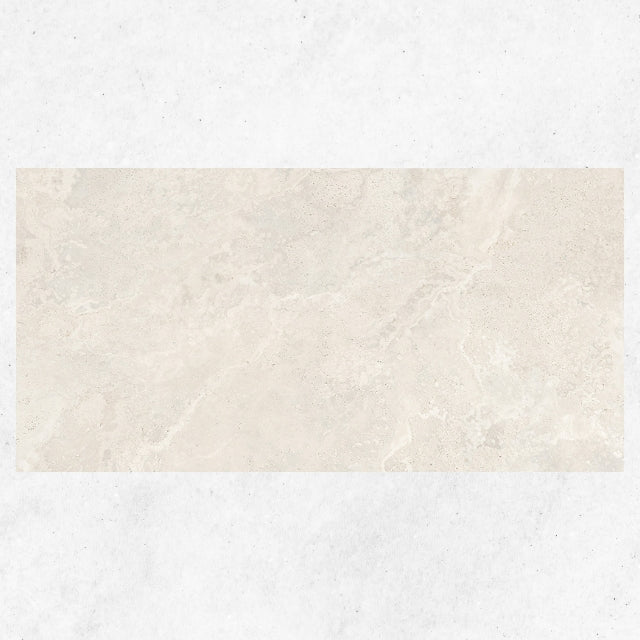
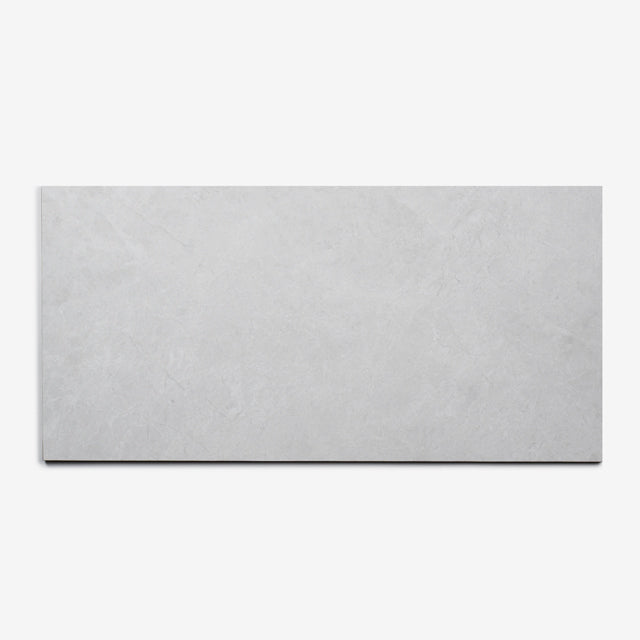
  • Tuscan White Travertine Look Tile 600mm x 1200mm

    Tuscan White Travertine Look Tile 600mm x 1200mm

    Checking delivery...
    $54 per sqm
    $0 (-0%) off RRP of $78
  • 5% Off In Cart
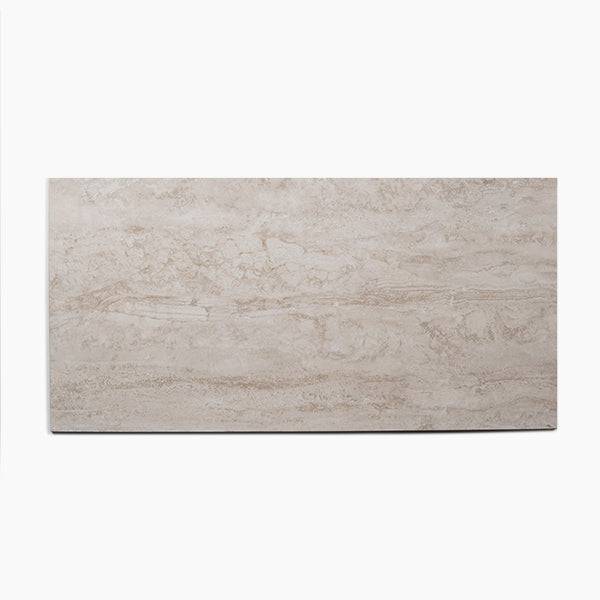
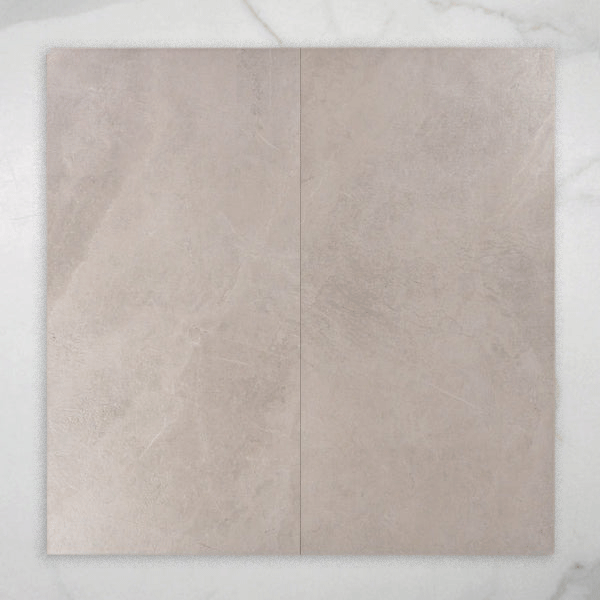
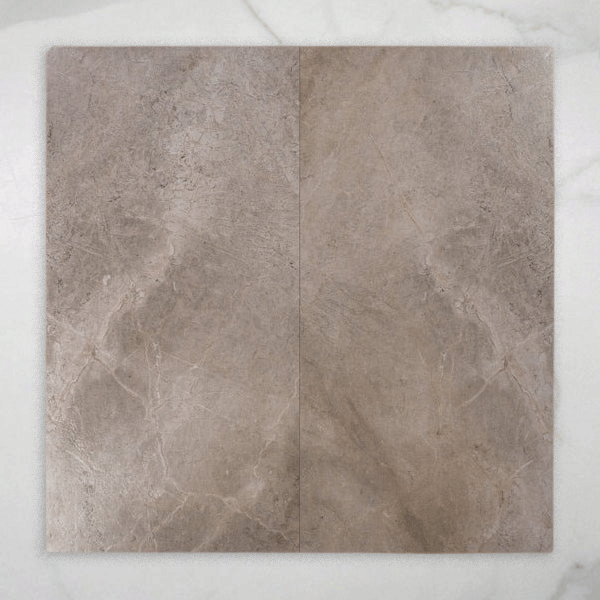
    Beige Josie Cross Cut Travertine Tile Tech grip 600 x 1200 x 10mm Porcelain

    Beige Josie Cross Cut Travertine Tile Tech grip 600 x 1200 x 10mm Porcelain

    Checking delivery...
    $60 per sqm
    $0 (-0%) off RRP of $86
  • Best Seller
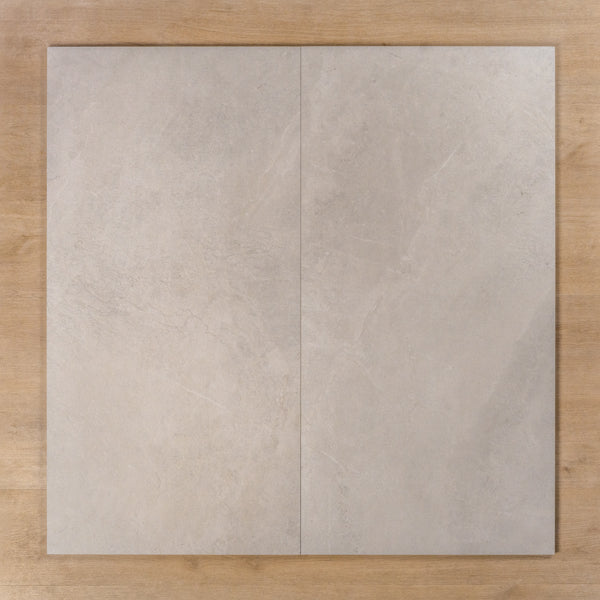
    Casuarina White Matt P4 Porcelain Tile 600x1200mm

    Casuarina White Matt P4 Porcelain Tile 600x1200mm

    Checking delivery...
    $59 per sqm
    $0 (-0%) off RRP of $85
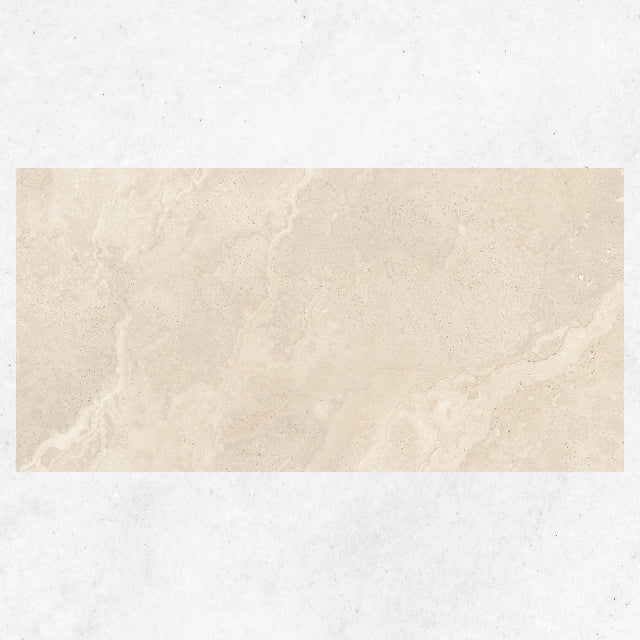
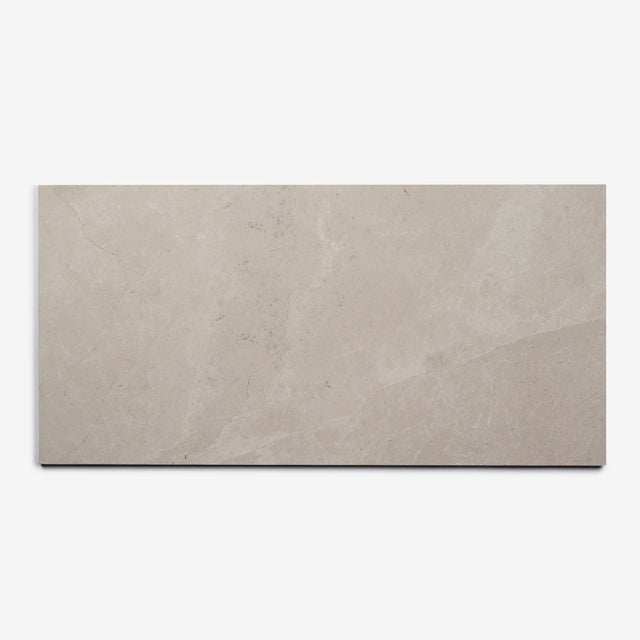
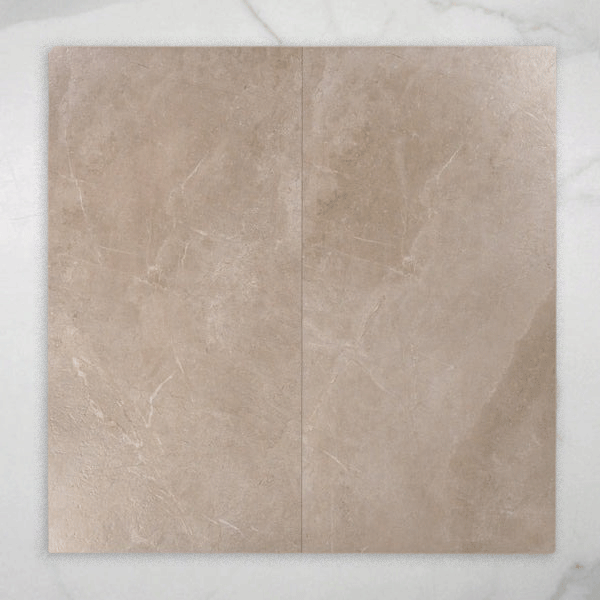
  • Tuscan Beige Travertine Look Tile 600mm x 1200mm

    Tuscan Beige Travertine Look Tile 600mm x 1200mm

    Checking delivery...
    $54 per sqm
    $0 (-0%) off RRP of $78
  • Best Seller
    5% Off In Cart
    Ivory Tilly Tundra Stone Tile Matte Tech Grip 600 x 1200 x 10mm Porcelain

    Ivory Tilly Tundra Stone Tile Matte Tech Grip 600 x 1200 x 10mm Porcelain

    Checking delivery...
    $58 per sqm
    $0 (-0%) off RRP of $83
  • Sale On Now!

    Sale On Now!

    Up to 70% off storewide, free metro shipping over $500, and free gifts from $800. Spend more to unlock luxury towels and mirrors.*
    Shop the Sale
  • Best Seller
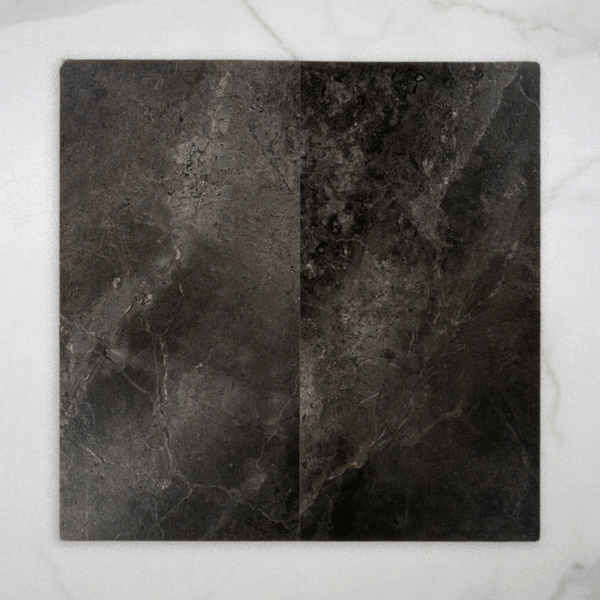
    Casuarina Charcoal Matt P4 Porcelain Tile 600x1200mm

    Casuarina Charcoal Matt P4 Porcelain Tile 600x1200mm

    Checking delivery...
    $59 per sqm
    $0 (-0%) off RRP of $85
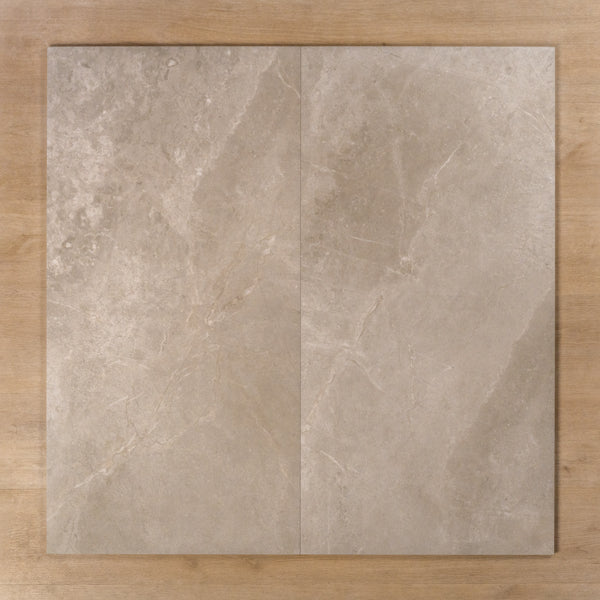
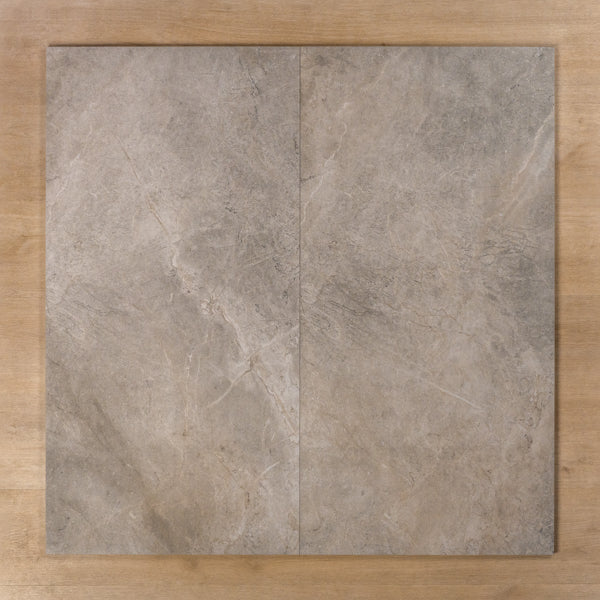
  • Tuscan Grey Travertine Look Tile 600mm x 1200mm

    Tuscan Grey Travertine Look Tile 600mm x 1200mm

    Checking delivery...
    $54 per sqm
    $0 (-0%) off RRP of $78
  • Best Seller
    5% Off In Cart
    Tan Tilly Tundra Stone Tile Matte Tech Grip 600 x 1200 x 10mm Porcelain

    Tan Tilly Tundra Stone Tile Matte Tech Grip 600 x 1200 x 10mm Porcelain

    Checking delivery...
    $58 per sqm
    $0 (-0%) off RRP of $83
  • Best Seller
    Casuarina White Honed Porcelain Tile 600x1200mm

    Casuarina White Honed Porcelain Tile 600x1200mm

    Checking delivery...
    $59 per sqm
    $0 (-0%) off RRP of $85
  • The surfaces you choose define the space you create

    The surfaces you choose define the space you create

    Shop All Tiles ->
  • Best Seller
    Casuarina Cream Matt P4 Porcelain Tile 600x1200mm

    Casuarina Cream Matt P4 Porcelain Tile 600x1200mm

    Checking delivery...
    $59 per sqm
    $0 (-0%) off RRP of $85
  • Best Seller
    5% Off In Cart
    White Tilly Tundra Stone Tile Tech Grip 600 x 1200 x 10mm Porcelain

    White Tilly Tundra Stone Tile Tech Grip 600 x 1200 x 10mm Porcelain

    Checking delivery...
    $58 per sqm
    $0 (-0%) off RRP of $83
  • Best Seller
    Casuarina Grey Matt P4 Porcelain Tile 600x1200mm

    Casuarina Grey Matt P4 Porcelain Tile 600x1200mm

    Checking delivery...
    $59 per sqm
    $0 (-0%) off RRP of $85
  • Best Seller
    Casuarina Grey Honed Porcelain Tile 600x1200mm

    Casuarina Grey Honed Porcelain Tile 600x1200mm

    Checking delivery...
    $59 per sqm
    $0 (-0%) off RRP of $85
  • Best Seller
    Casuarina Cream Honed Porcelain Tile 600x1200mm

    Casuarina Cream Honed Porcelain Tile 600x1200mm

    Checking delivery...
    $59 per sqm
    $0 (-0%) off RRP of $85
  • The surfaces you choose define the space you create

    The surfaces you choose define the space you create

    Shop All Tiles ->
  • Best Seller
    Casuarina Charcoal Honed Porcelain Tile 600x1200mm

    Casuarina Charcoal Honed Porcelain Tile 600x1200mm

    Checking delivery...
    $59 per sqm
    $0 (-0%) off RRP of $85

Slab tiles: 600 x 1200mm porcelain, the large format end of the store

In this store, slab tiles means 600 x 1200mm porcelain. Every tile in the collection is that size, from 10mm and 11mm travertine-look and stone-look tiles to a 6.5mm honed marble-look porcelain. They are made for walls and floors, with a few feature versions made for walls only, and the slip rating and wear rating are printed on each page.

Slab can also mean a different product: very large, thin porcelain panels, with sizes such as 3200 x 1600mm in 6mm and 12mm thicknesses. That is not what this collection holds, and the sections below say so plainly. The sections cover what the 600 x 1200mm format does, how the ranges differ, and what each tile carries. For related decisions, see the large tiles collection, the porcelain tiles collection and the tiles collection.

What a porcelain slab is

Porcelain slabs are large-format tiles made from high-density porcelain, with a sleek appearance, strong durability and uses on floors, walls, benchtops and facades. They are scratch-resistant, stain-resistant and non-porous, and mild detergent and water are enough to clean them. Porcelain is the usual choice at large sizes: because porcelain is dense and strong, manufacturers can produce larger tiles that stay flat, while traditional ceramic is less dense and suits walls at larger sizes.

Large-format tile is a design category defined purely by scale, made with the same processes as standard tiles but produced larger to create a different look and reduce the number of grout lines.

Where the 600 x 1200mm format sits

The thin end of the market goes a long way: slabs only 3mm thick, available in sizes that were inconceivable until recently, and laminated slabs of 6.5mm in a 120 x 278cm size. Large slabs of 3200 x 1600mm come in 6mm and 12mm.

The 600 x 1200mm format is the practical middle. It is large enough to cut the grout lines noticeably, and small enough to stay manageable. Only the Sofia range is thin, at 6.5mm. The rest are 10mm or 11mm, so they behave like ordinary floor tiles in scale and in thickness.

Fewer grout lines, calmer surfaces

Large-format tile usually makes a small bathroom feel bigger rather than smaller. Fewer tiles mean fewer grout lines, and fewer grout lines mean less visual noise, so a wall or floor reads as one continuous surface. The summary rule is bigger tile, thin grout lines and light, low-contrast colour for more perceived space. Large-format tile in a shower surround leaves fewer joints for grime to hide, and far less grout to scrub.

Large-format tiles are popular because they have fewer grout lines, which creates a sleek, modern look, and the larger size can make a space feel larger than it is. The large tiles collection covers the wider large-format range, including 600 x 600mm.

Travertine-look slabs: Tuscan and Josie

Tuscan is a travertine-look glazed porcelain, 600 x 1200mm and 11mm thick, in white, grey and beige. The Tuscan travertine glazed porcelain collection is a sophisticated beauty. The matte tiles are P3, a moderate slip risk, with an application line of walls and floors indoors and covered outdoor areas, and a wear rating of 4. The feature versions, in the same colours, are recommended for walls only.

Josie is a cross cut travertine look in beige, 600 x 1200 x 10mm, with a Tech Grip finish. It shows the natural layers of stone, giving a more organic, textured architectural look. It is P4, a high slip rating, for walls and floors. The travertine look tiles collection covers the same looks in other sizes.

Stone and limestone looks

Tilly Tundra is a stone-look porcelain in matte Tech Grip, 10mm thick, in ivory, tan and white. The tiles are P5, very low slip risk, with an application line of walls and floors, and a wear rating of 5, suitable for floors in high traffic areas. Myra is a limestone-look porcelain in a grip finish with P4, made for walls and floors, 10mm thick.

Casuarina is a modern take on natural stone, in four colours and two finishes, white, grey, cream and charcoal, in matt and honed. The matt tiles carry P4 in their titles and a wear rating of 4, and the honed tiles carry a wear rating of 3, suitable for floors in light traffic areas with normal shoes.

Marble looks: Perisher and Sofia

Perisher is a white marble-look porcelain in 600 x 1200mm, rectified, in polished and matt. The polished tile has a wear rating of 2, and the matt tile has 4. Sofia is a honed marble-look Italian porcelain, 1200 x 600mm and 6.5mm thick, in white and grey with a 3D matte finish, made for walls and floors with P2.

The ratings tell the story. A polished marble look is a feature surface and a gentle floor, and the matt version is the working floor. Sofia's P2 and thin body make it a wall tile first, and a floor tile only in a dry room. The marble look tiles collection covers more marble looks.

Walls and floors

Most tiles in the collection are made for both. The Tuscan feature tiles are the exception, recommended for walls only, and Sofia carries P2. The rest read walls and floors, with slip ratings from P3 to P5 and wear ratings from 2 to 5.

A tile written for walls and floors can carry one tile through a whole room, up the wall and across the floor. This floor-to-shower continuity erases the visual stop points that make a small room feel chopped up when one tile crosses the threshold. Use the floor tiles collection and wall tiles collection for the wider range.

Slip and wear on a large tile

A large tile has fewer grout lines to add grip, so the surface does more of the work. That makes the Slip Rating line more important, not less. Tilly Tundra prints P5, Josie and Myra print P4, Casuarina matt prints P4 in its title, Tuscan prints P3 and Sofia prints P2. The Wear Rating line then separates floors for normal use, rated 4, from floors for high traffic, rated 5, and from gentler floors, rated 2 or 3.

For a wet floor, choose a P4 or P5 tile with a grip finish. For a dry floor, a P3 tile is a calm, low-sheen choice. For a wall, any of them will do.

Living areas and kitchens

Porcelain slabs suit floors, walls, benchtops and facades, and they are heat-resistant, scratch-resistant and hygienic for kitchens and bathrooms. The 600 x 1200mm tiles here are made for walls and floors, so the benchtop use belongs to the thin, very large slabs.

For a living area or a kitchen floor, a matte travertine or stone look is the calm choice, with a wear rating of 4 or 5. The kitchen tiles collection covers the splashback side of the room.

Outdoors

Porcelain slabs suit outdoor use because they are weather-resistant, frost-proof and UV-stable, commonly used for patios, pool surrounds, outdoor kitchens and facades. Check the Area line on the tile you buy. In this collection, the Tilly Tundra pages print an Area line of indoors and outdoors, and Tuscan reads indoors and covered outdoor areas.

For uncovered outdoor floors, the outdoor tiles collection is the place to start, with slip ratings and area lines written for it.

Rectified edges and tight joints

Rectified-edge porcelain, cut to precise edges, lets the grout joints run tight, which gives the most continuous look on large tiles. Every tile in this collection has a rectified edge, so a thin, quiet grout line is available on all of them. A grout colour close to the tile hides the joint, and a contrasting colour draws a grid across a surface that was chosen to be calm.

Colour

The collection is neutral: white, beige, grey and black, with white and beige the largest groups. A large tile in a neutral colour is calm, and the veining, grain and mica flecks of the stone looks provide the interest. The beige tiles collection, white tiles collection, grey tiles collection and black tiles collection sort the range by colour.

The Appearance lines are mostly V3, moderate variation, with one V4 on the stone-look tiles that carry mica flecks. Look at several tiles of the same colour together before choosing, since the variation is part of the design.

Reading the specification lines

Every product page prints the same lines. The Dimensions line gives 600 x 1200mm and the thickness, the Application line says walls, floors or both, and the Slip Rating line gives P2 to P5. The Wear Rating line gives 2 to 5, the Edge line reads rectified, and the Appearance line gives the V rating. The Maintenance line reads easy to clean, and two pages add no sealing required.

Read the slip and wear lines together for a floor. A grip finish with P5 and wear 5 is the strongest combination in the collection, and a polished tile with wear 2 is a wall tile for most purposes.

A worked example: a living room floor of 5.4m by 4.2m is 22.68 square metres. A 600 x 1200mm tile covers 0.72 square metres, so the room takes 32 whole tiles, and with 15 percent for the large format the order is 37. A bathroom wall 2.4m high and 2.4m wide is 5.76 square metres, which takes 8 whole tiles and 10 with the allowance. Set the layout out from the centre of the main wall and map each tile before work begins, so no thin sliver lands at a doorway or a corner.

Worked example for ordering

A floor 3.0m by 2.4m is 7.2 square metres, or 8.28 square metres with 15 percent for cuts. A box of two 600 x 1200mm tiles covers 1.44 square metres, so the order is 6 boxes, or 12 tiles.

Choosing slab tiles

Start with the surface. For a floor, choose a matte or grip tile with a wear rating of 4 or 5 and a slip rating suited to the room. For a wall, the feature versions or the thin Sofia are the easiest to hang on a wall. Then choose the look: travertine for warmth, stone or limestone for calm, marble for contrast.

Keep the grout thin and the colour close to the tile. The tiles collection sits above this one for the whole range.

Frequently Asked Questions

What is the best tile finish for a bathroom, matte or gloss?

Matte tiles are trending strongly in Australian bathrooms for their contemporary look and practical ability to hide water spots and fingerprints. Gloss tiles reflect light and can make a bathroom feel brighter and larger, but show water marks and smudges more readily. For shower recesses and wet floors, matte or satin finishes with good slip resistance are generally preferred.

How many tiles do I need to order for my bathroom?

Measure your total wall and floor surface area in square metres, then add a 10–15% wastage allowance for cuts, breakages, and future repairs. For complex layouts with diagonal patterns or feature inserts, increase the wastage to 15–20%. Always order all tiles from the same batch (check the shade lot/batch number) as tiles from different batches can vary slightly in colour.

How do I choose between floor tiles and wall tiles?

Floor tiles must have an adequate slip resistance rating (P3 minimum for domestic bathrooms) and be durable enough for foot traffic. Wall tiles can be glazed ceramic, porcelain, or natural stone, they don't need to carry load but should be moisture-resistant. Many Australian renovators choose matching or coordinating floor and wall tiles from the same range for a cohesive look.

What tile size is best for a small bathroom in Australia?

For small bathrooms, tiles between 300 x 300mm and 600 x 300mm often work well on both walls and floors. Smaller mosaic or subway tiles (75 x 150mm or 100 x 200mm) are a classic choice for shower walls. While large format tiles can also work in small spaces, they require a very level substrate and expert installation. Avoid tiles that are too small on floors (like 50 x 50mm mosaics) in large quantities, as the increased grout lines can make a space feel busier.

How do I incorporate feature tiles without over-designing the bathroom?

The most effective approach is to choose one feature zone and use your feature tile there, a full-height shower wall, the bath surround wall, or the vanity splashback area. Keep the remaining surfaces in a neutral or complementary field tile. This creates impact without visual clutter. Limit your palette to two or three complementary materials for a cohesive result.

What is the slip resistance rating I need for bathroom floor tiles?

Australian Standards (AS 4586) require bathroom floor tiles to have a minimum slip resistance rating of P3 for domestic bathrooms and P4 or P5 for wet areas like shower recesses. The Blue Space recommends checking the slip resistance rating of any tile you're considering for floor use, particularly in the shower. Matte and textured porcelain tiles generally offer better slip resistance than polished or gloss finishes.

What is the difference between ceramic and porcelain tiles?

Porcelain tiles are fired at higher temperatures and are denser, less porous, and harder than ceramic tiles. This makes porcelain more water-resistant, more durable, and suitable for both indoor and outdoor applications, including high-traffic floors. Ceramic tiles are lighter and easier to cut, making them a practical choice for bathroom walls and splashbacks. For bathroom floors and wet areas, porcelain is generally the preferred option in Australia.

What's the difference between a slab tile and a regular large-format tile?

It's a matter of scale. Large-format tiles generally start around 600mm on the shortest side, while slab tiles go well beyond that, sometimes exceeding a metre or more in length. At that size, a single slab can cover what would otherwise take several standard large-format tiles, resulting in dramatically fewer grout lines, but also far more weight and fragility to manage during transport and installation.

What are the downsides of porcelain slab tiles?

The main downsides are handling and cost rather than the material's durability, which is generally excellent. Slabs are heavy, easy to crack if flexed or supported unevenly during transport and lifting, and need a specialist installation crew with the right equipment, typically suction lifters and a very flat substrate, since there's no forgiveness for an uneven surface at this size. That specialist handling adds meaningfully to installation cost compared with a standard tile.

Are slab tiles suitable for a kitchen benchtop or splashback?

Yes, oversized slabs are commonly used for kitchen splashbacks and benchtop cladding specifically because a single slab can cover the whole run behind a bench with no joins at all, which reads as a premium, joint-free finish. The trade-off is the same as anywhere else slabs are used: a benchtop or splashback application still needs a tiler experienced with large-format handling, since a slab that size is difficult to manoeuvre and cut precisely around a cooktop or sink cutout.

How are large slab tiles delivered and moved around a job site?

Slabs are typically shipped in reinforced crates on edge, rather than stacked flat, to reduce the risk of cracking under their own weight, and they generally need at least two people (or mechanical lifting aids for the largest sizes) to move safely. It's worth confirming with your supplier and tiler how the slabs will be delivered and stored on site before the job starts, since damage from incorrect handling before installation isn't something a warranty on the tile itself will cover.

Do slab tiles need a different substrate preparation than standard tiles?

Yes, more so than almost any other format. Because a slab has so few joints to disguise unevenness, the substrate underneath needs to be genuinely flat, and installers typically use back-buttering (spreading adhesive on the slab itself as well as the floor or wall) along with a large-format tile adhesive rather than a standard bed. This is one of the clearest cases where installation should go to a tiler with specific large-format and slab experience, not general tiling experience alone.

Are slab tiles worth the extra cost and installation complexity?

It depends on what you're after. If a near-continuous, minimal-grout look across a large wall, floor or benchtop is the goal, slabs deliver that in a way smaller formats simply can't replicate. If budget and installation simplicity matter more than that continuous look, a standard large-format tile in the 600mm to 1200mm range gets much of the same visual benefit with considerably less handling risk and cost. Weighing the two against the specific area being tiled is more useful than assuming bigger is automatically better.