
*View accurate shipping rates and availability






92 Items

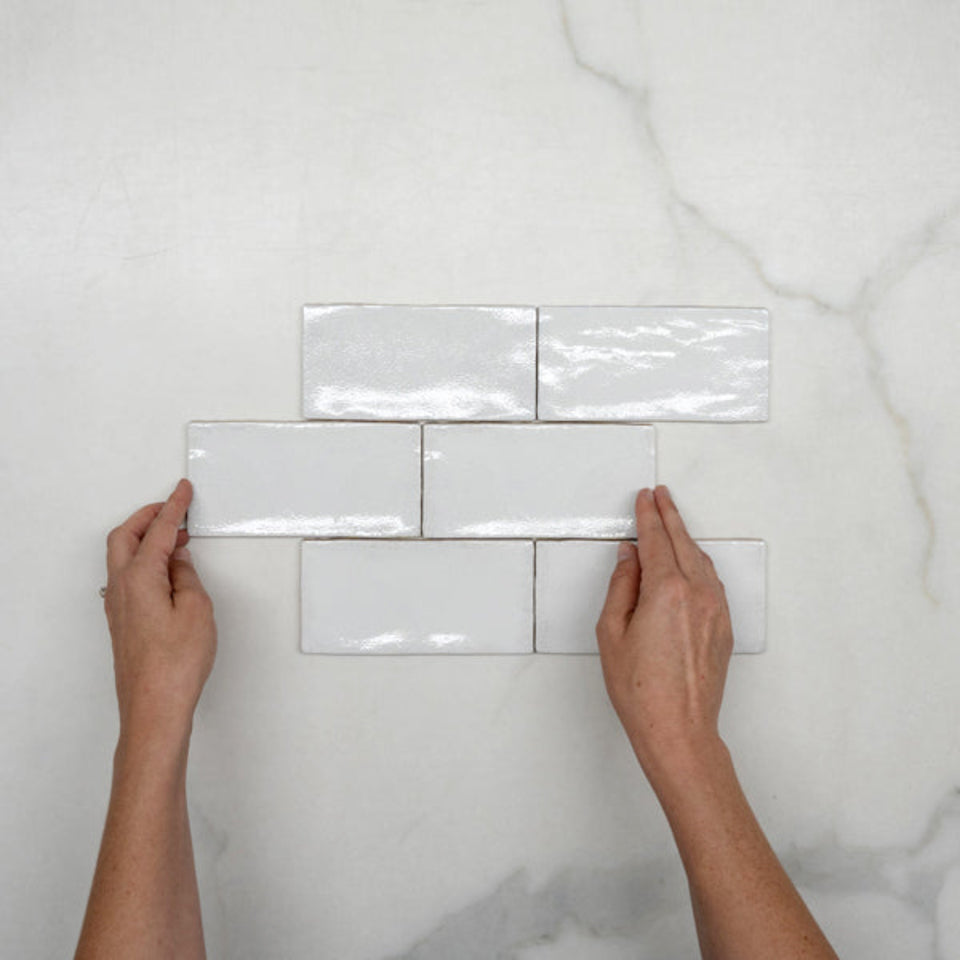
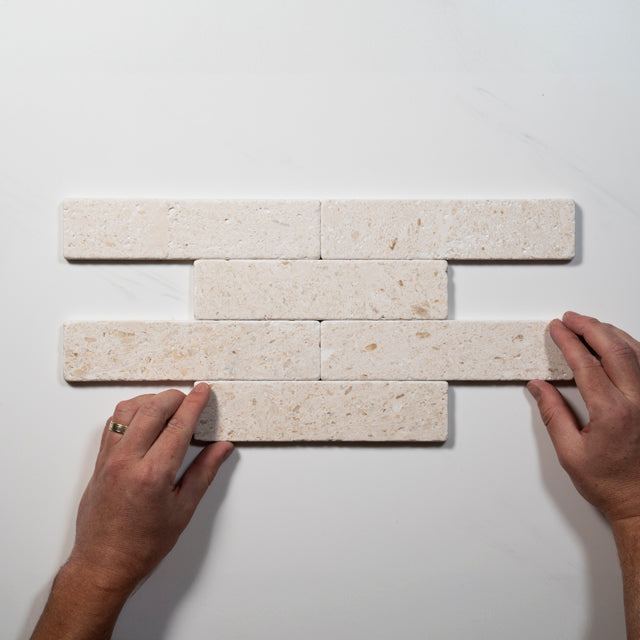
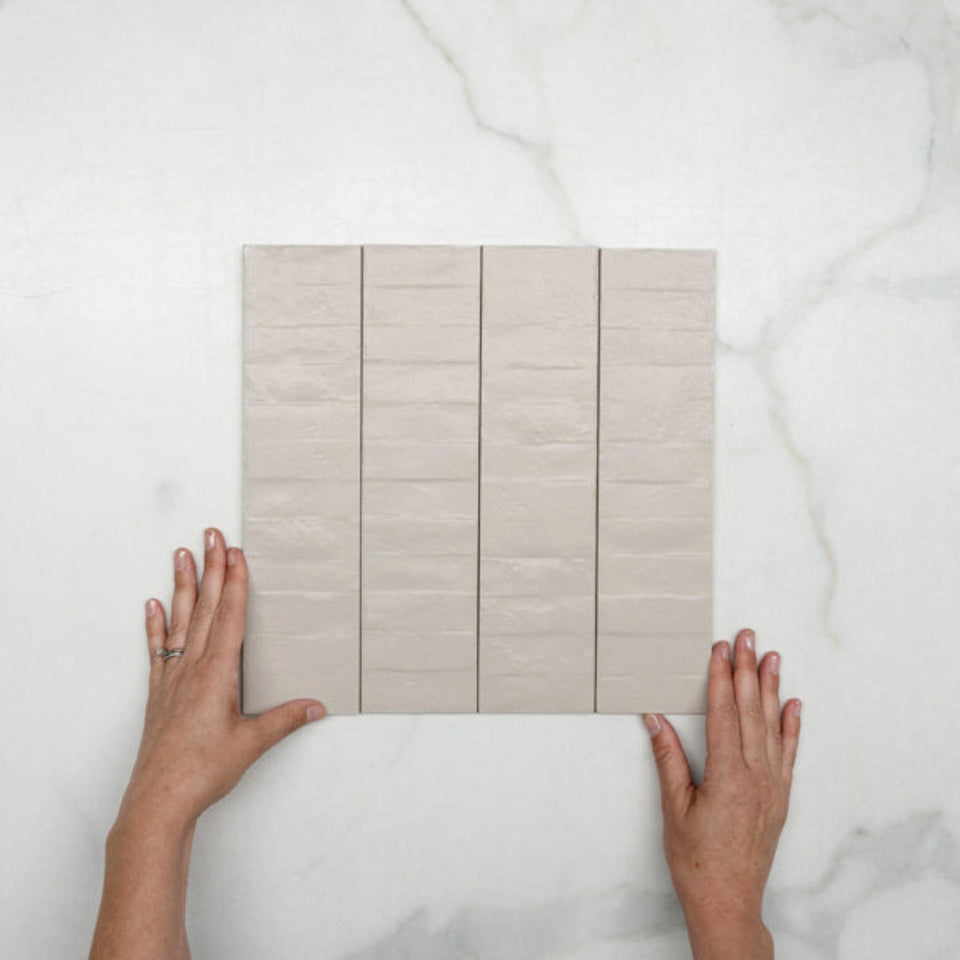
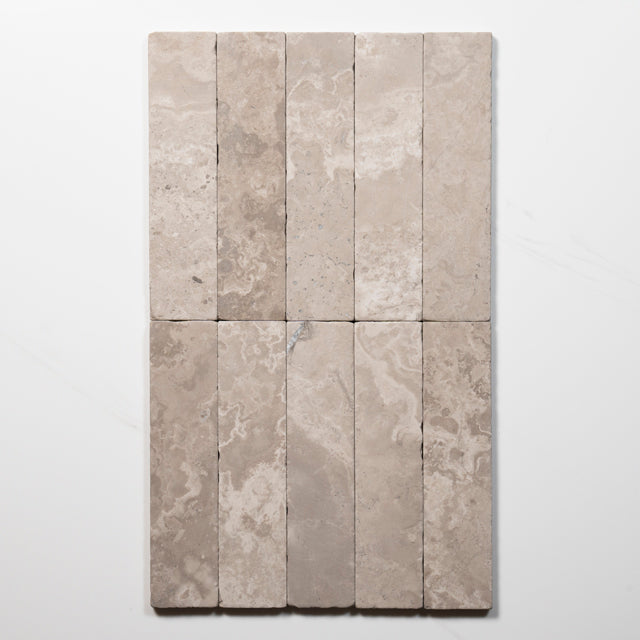
Spend over $800 and receive free gifts in your cart. Towels, accessories and full length mirrors!
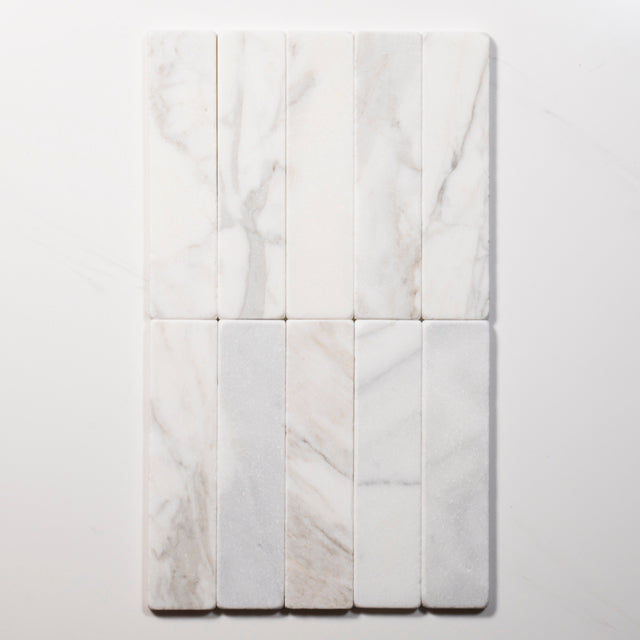
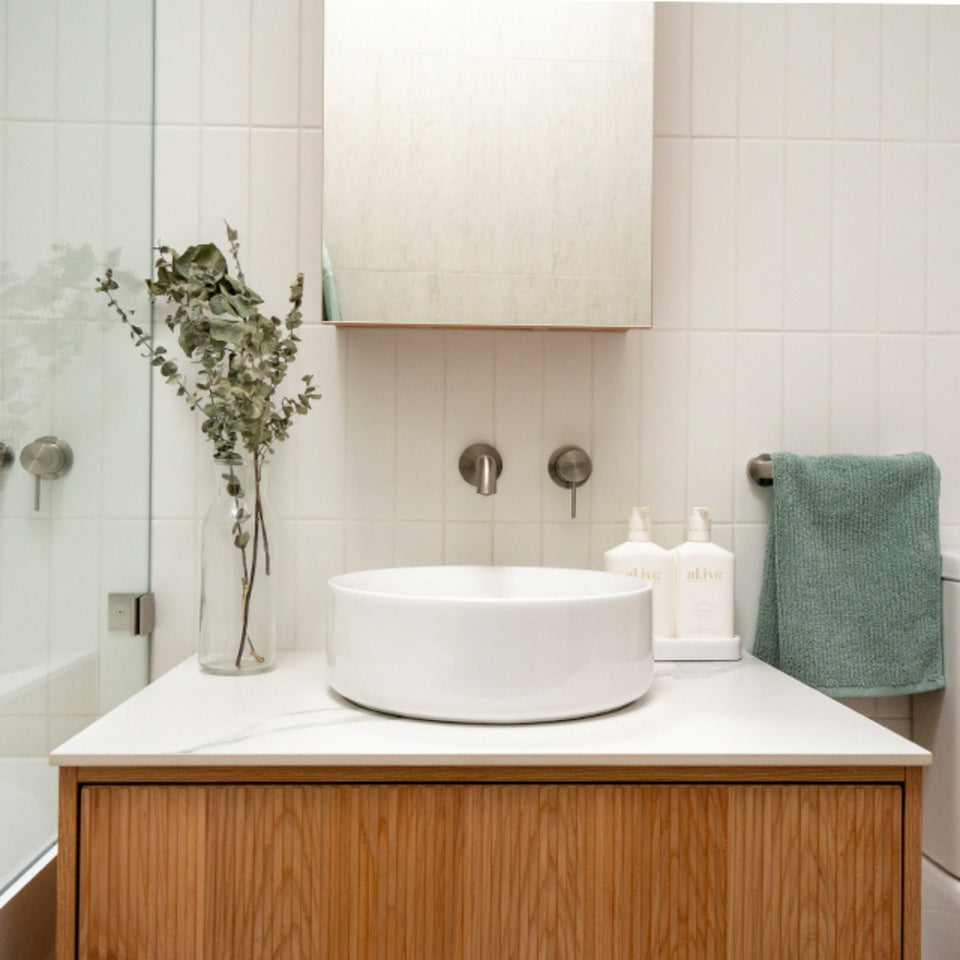
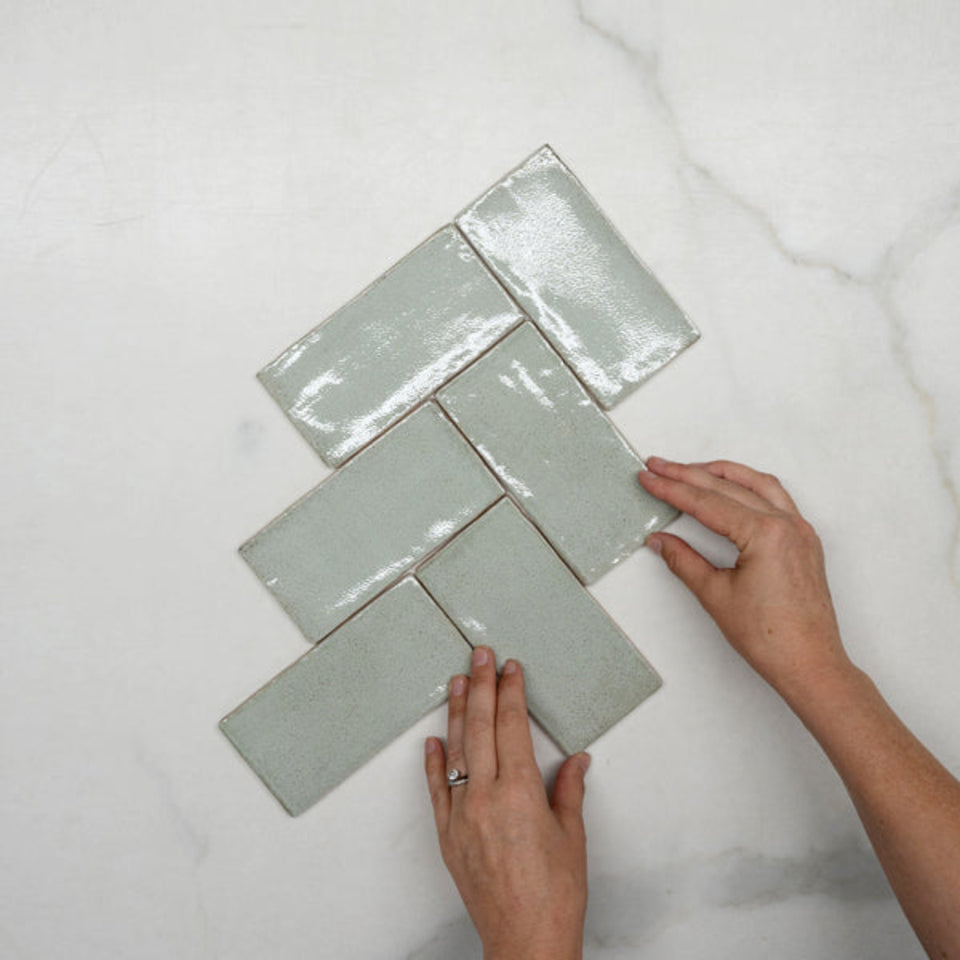
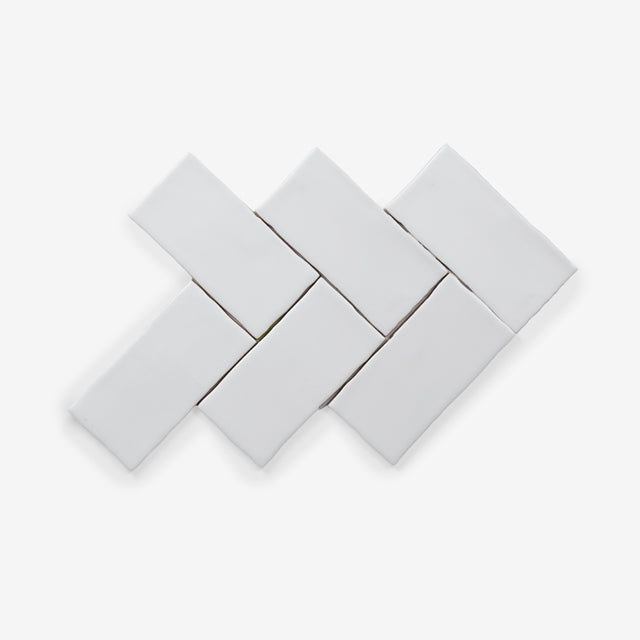
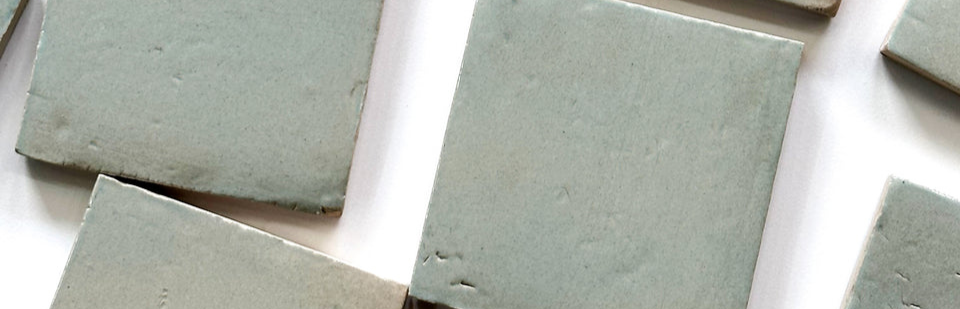
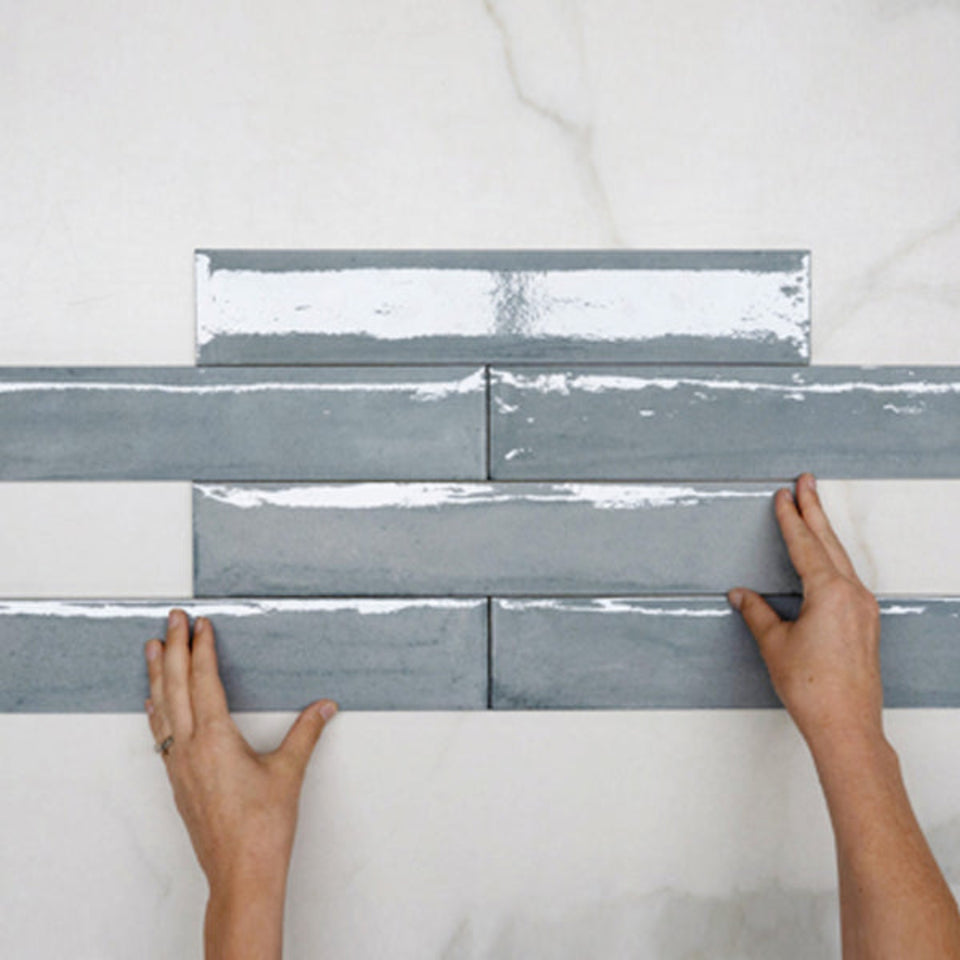
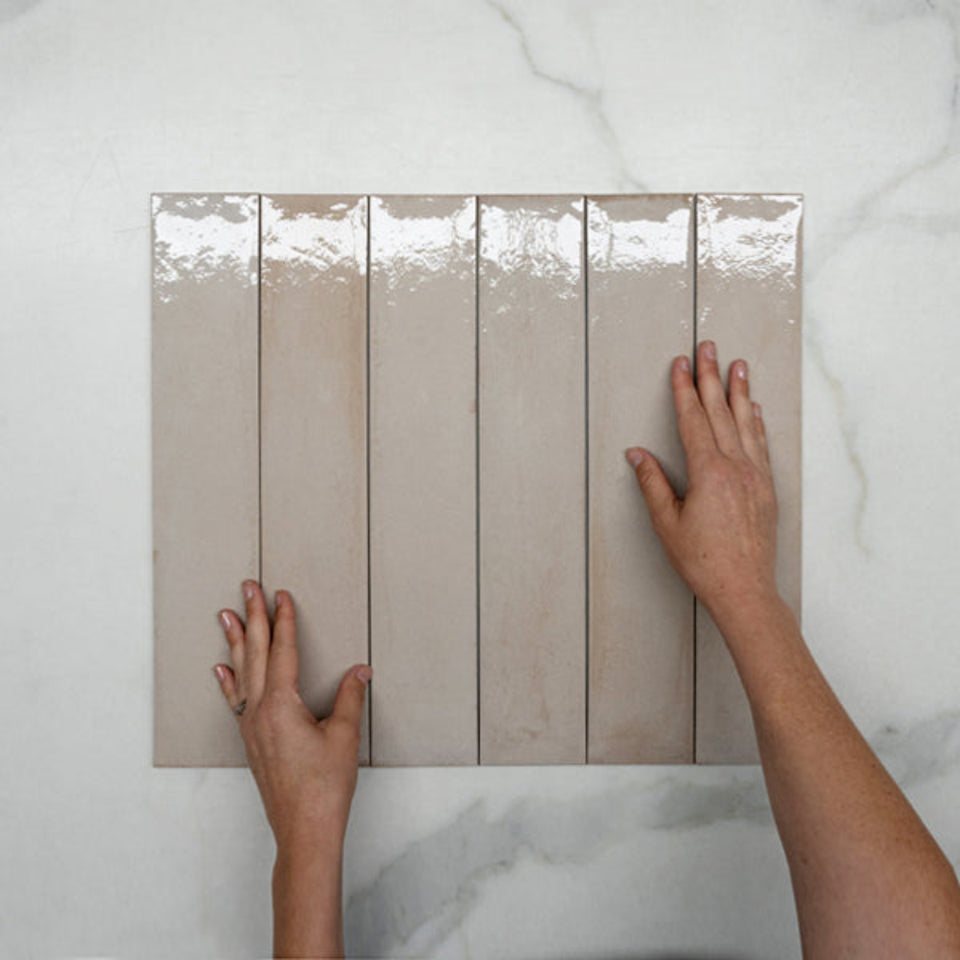
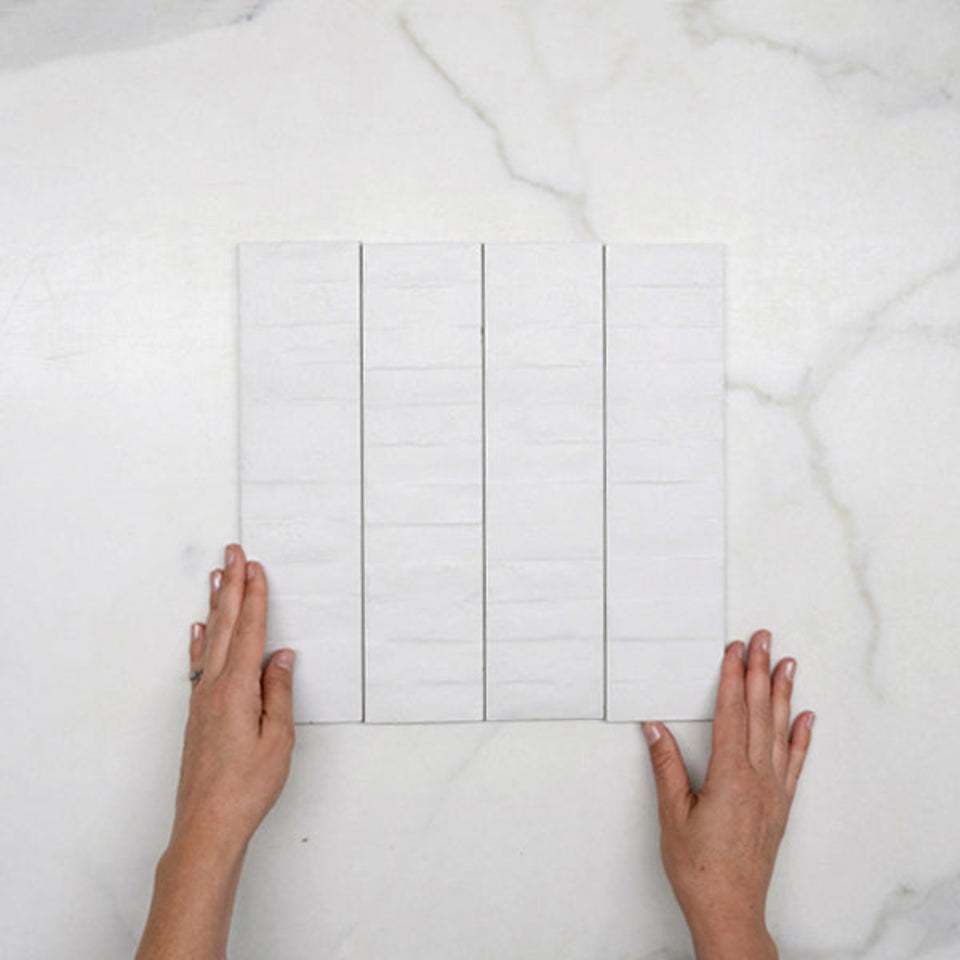
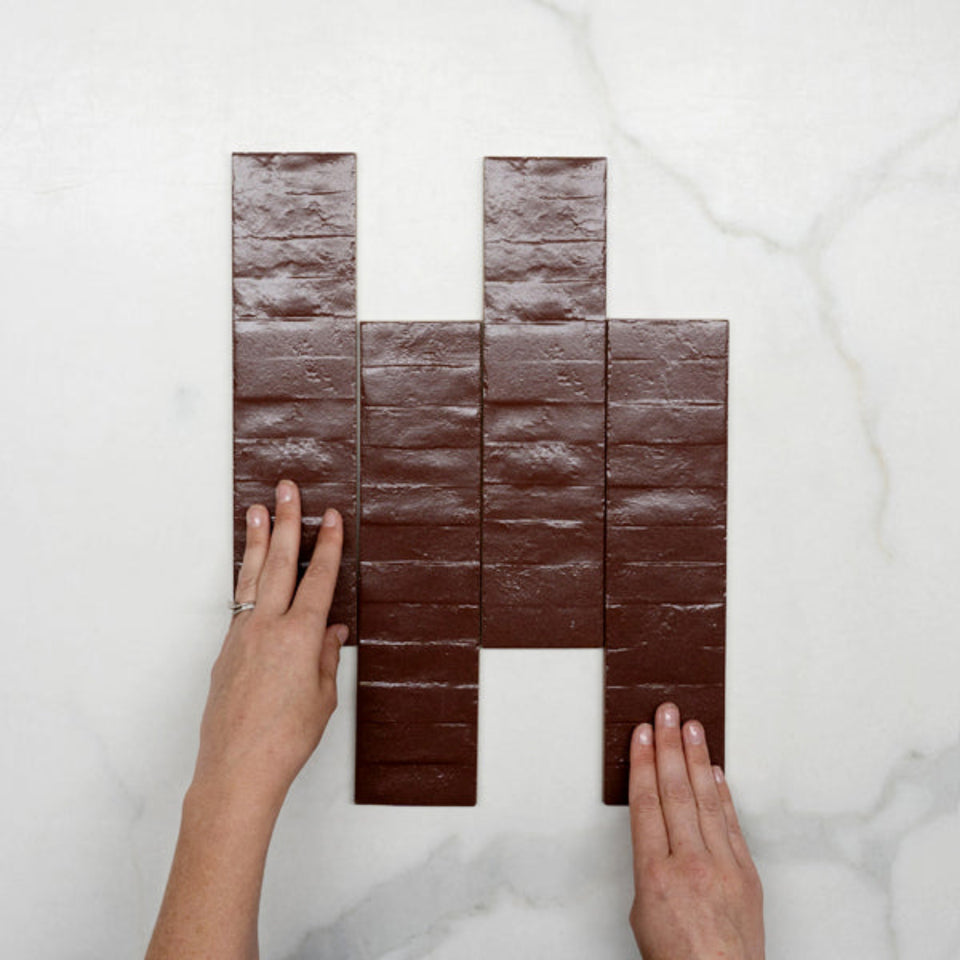
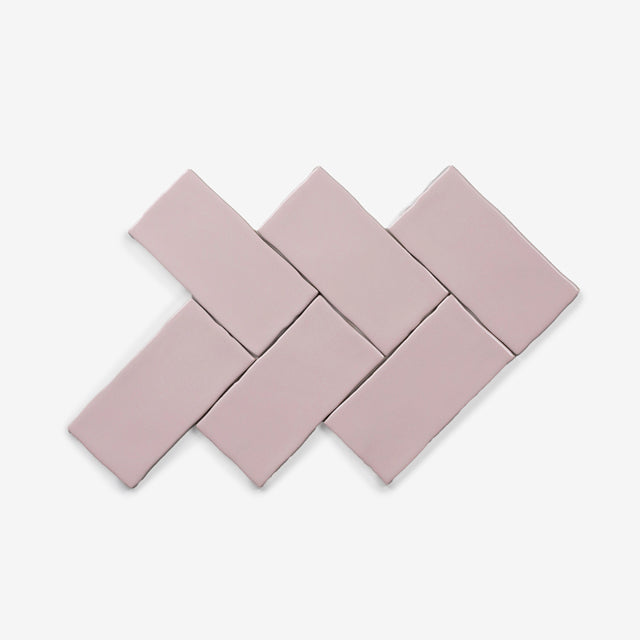
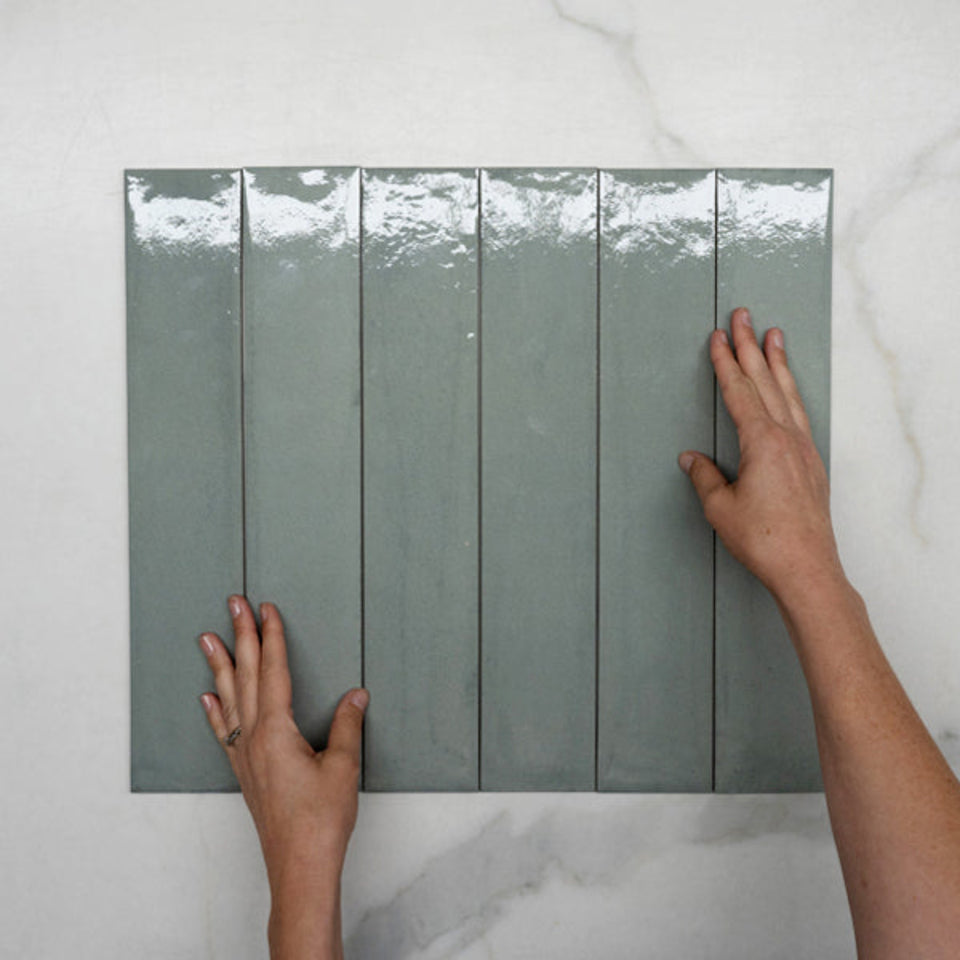
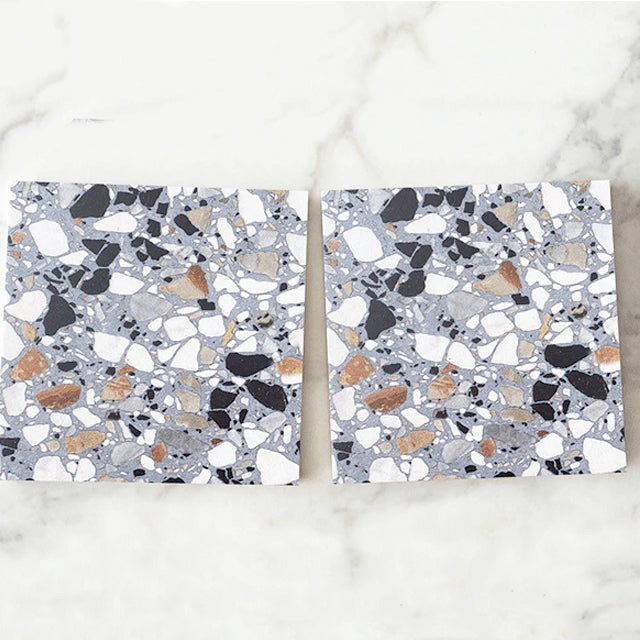
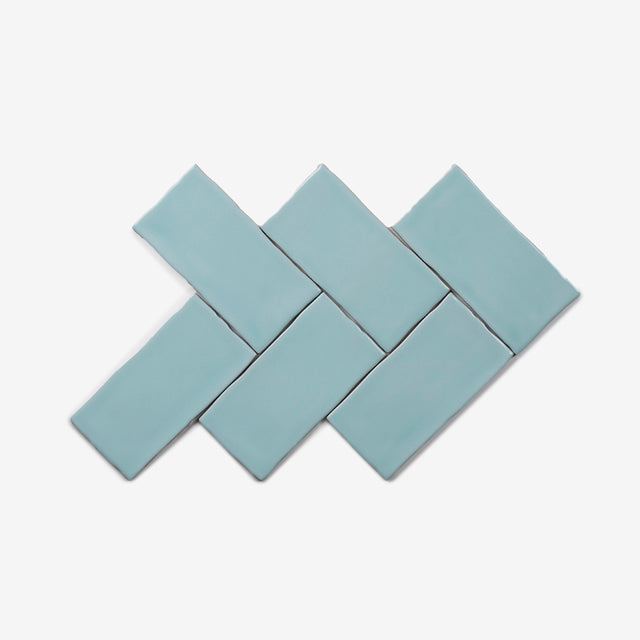
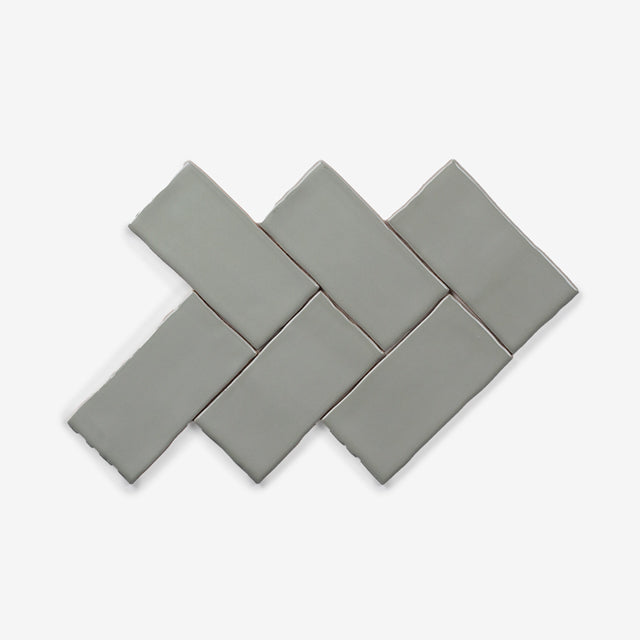
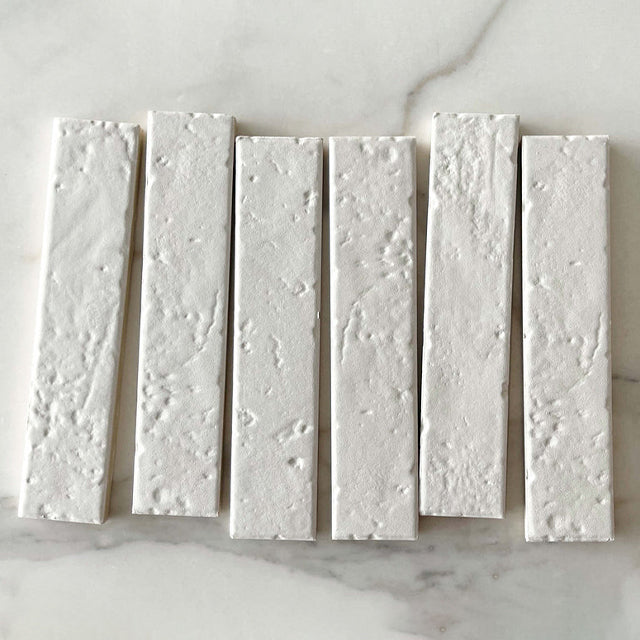
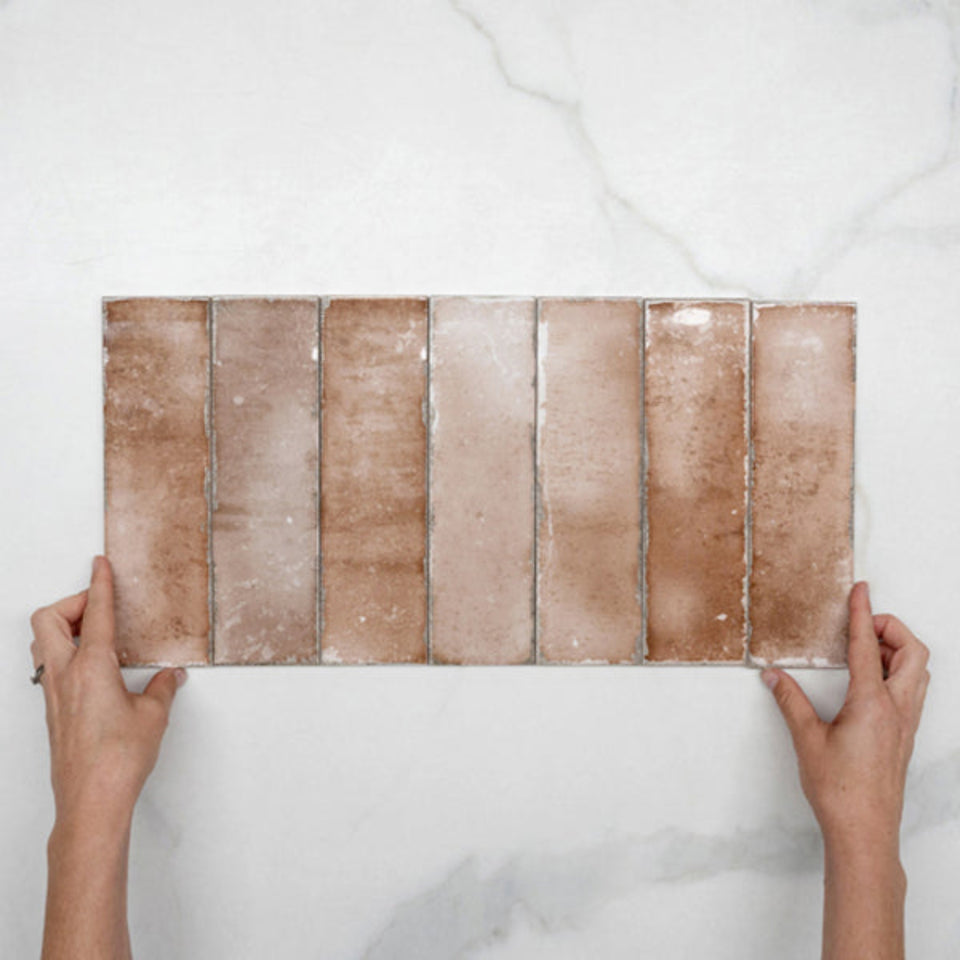
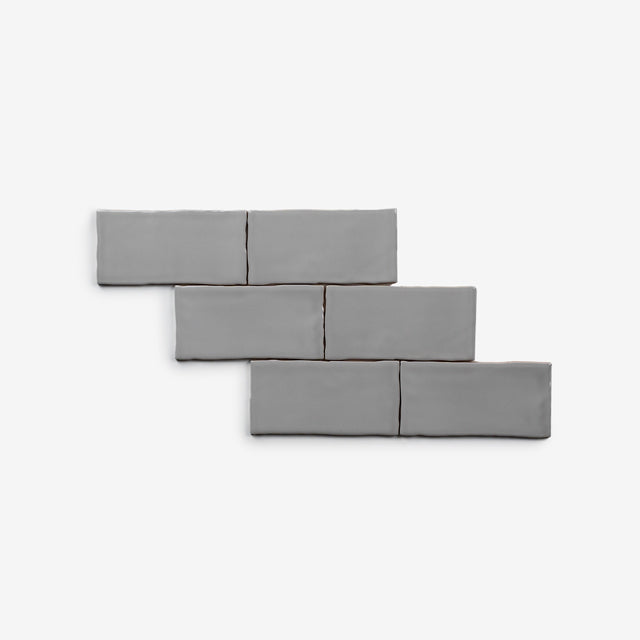
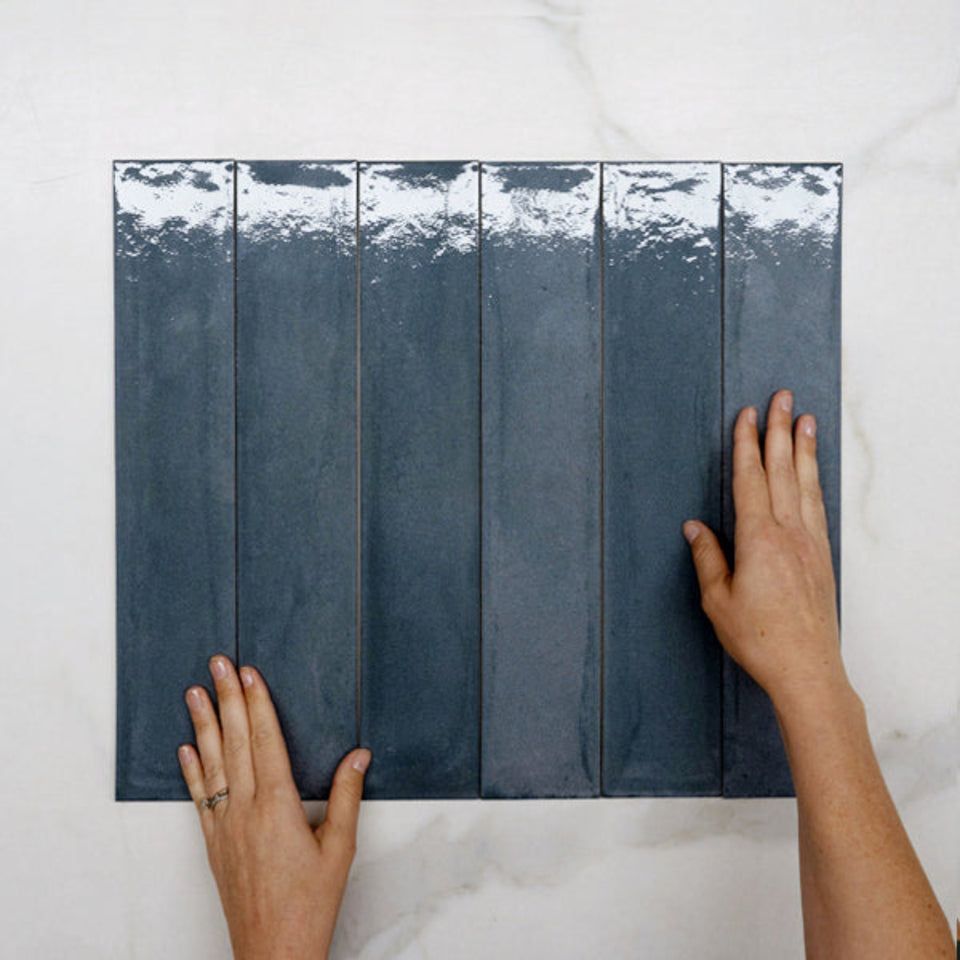
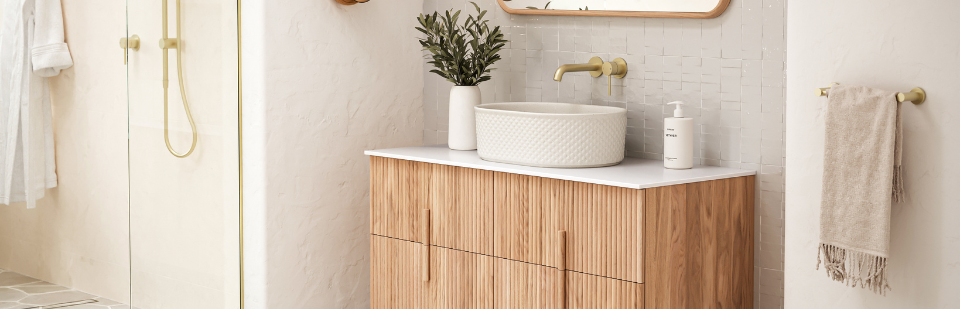
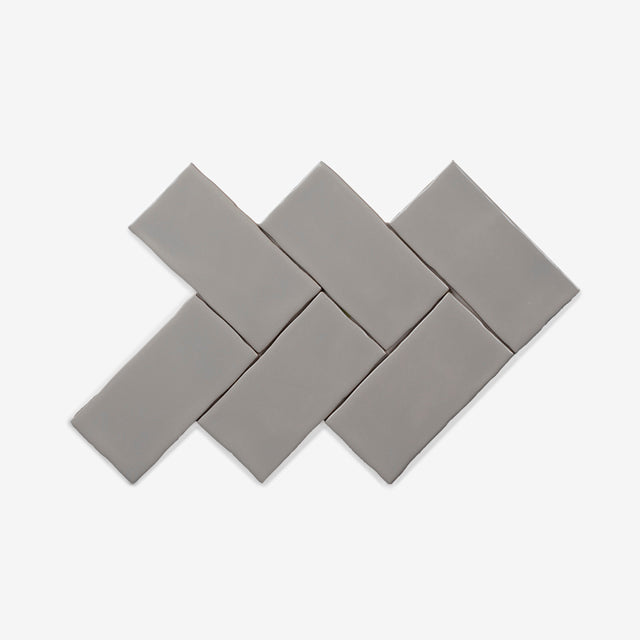
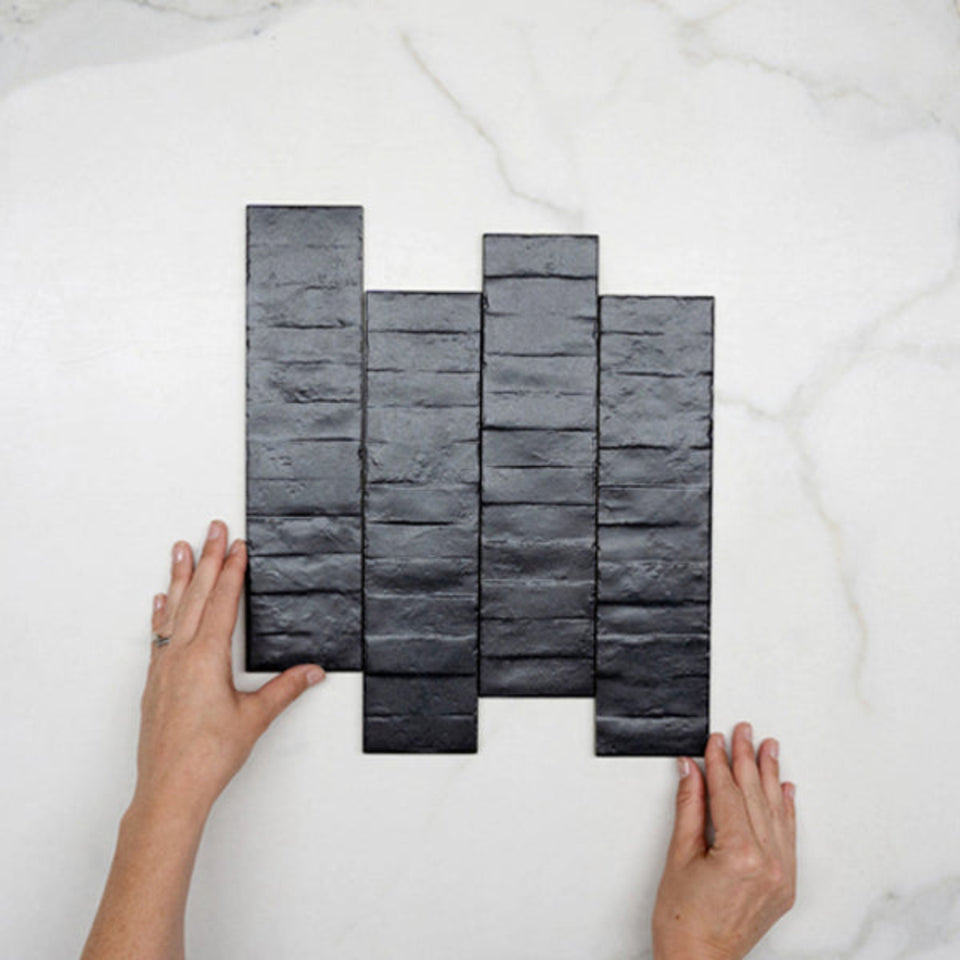
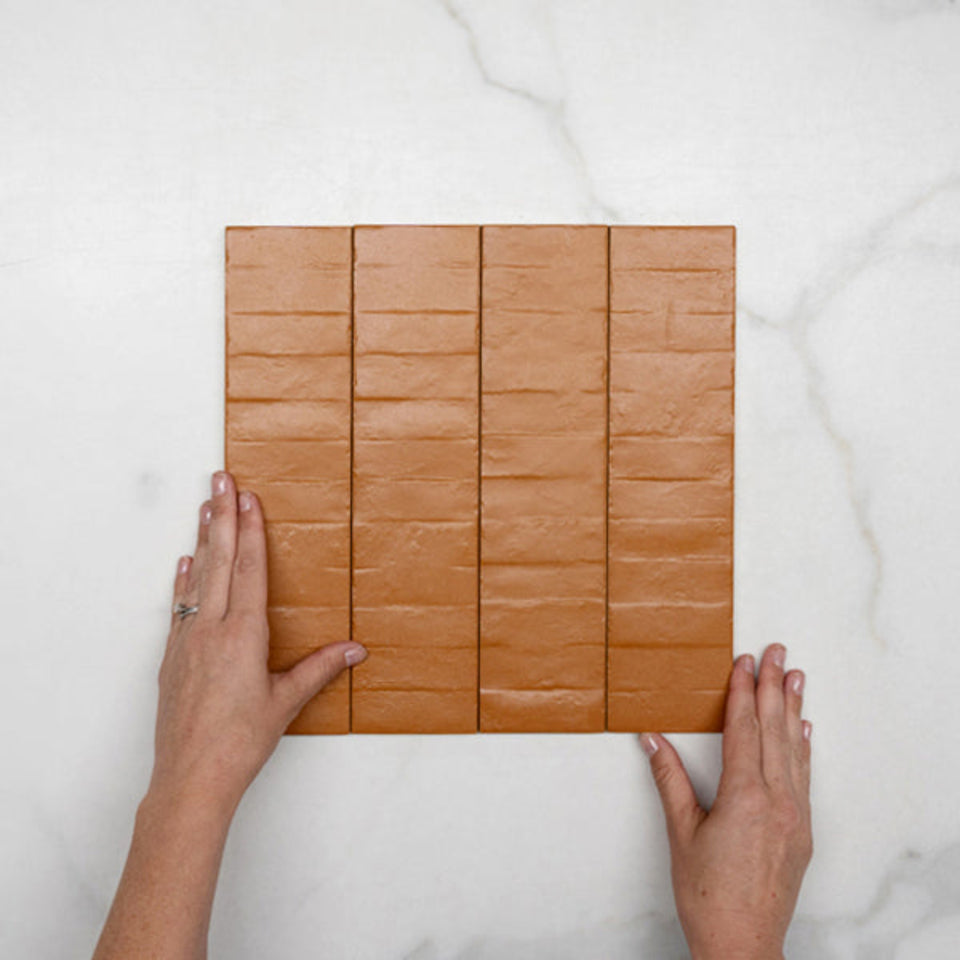
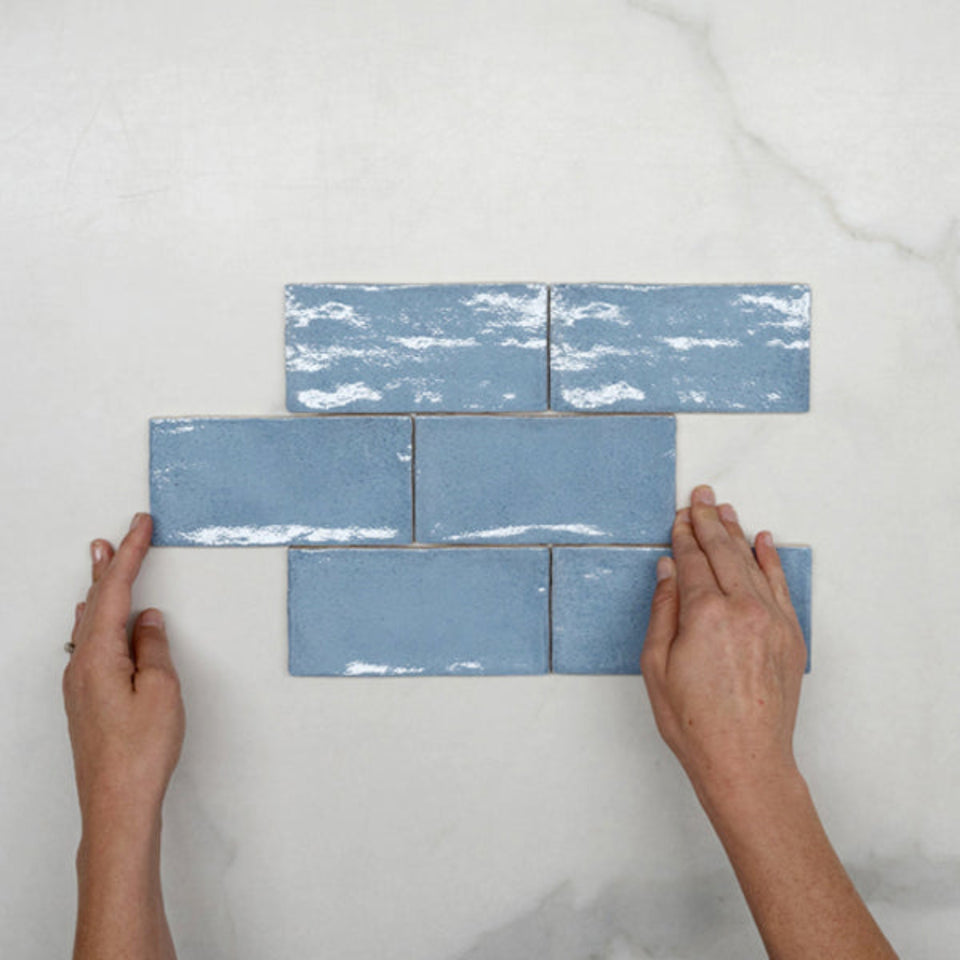
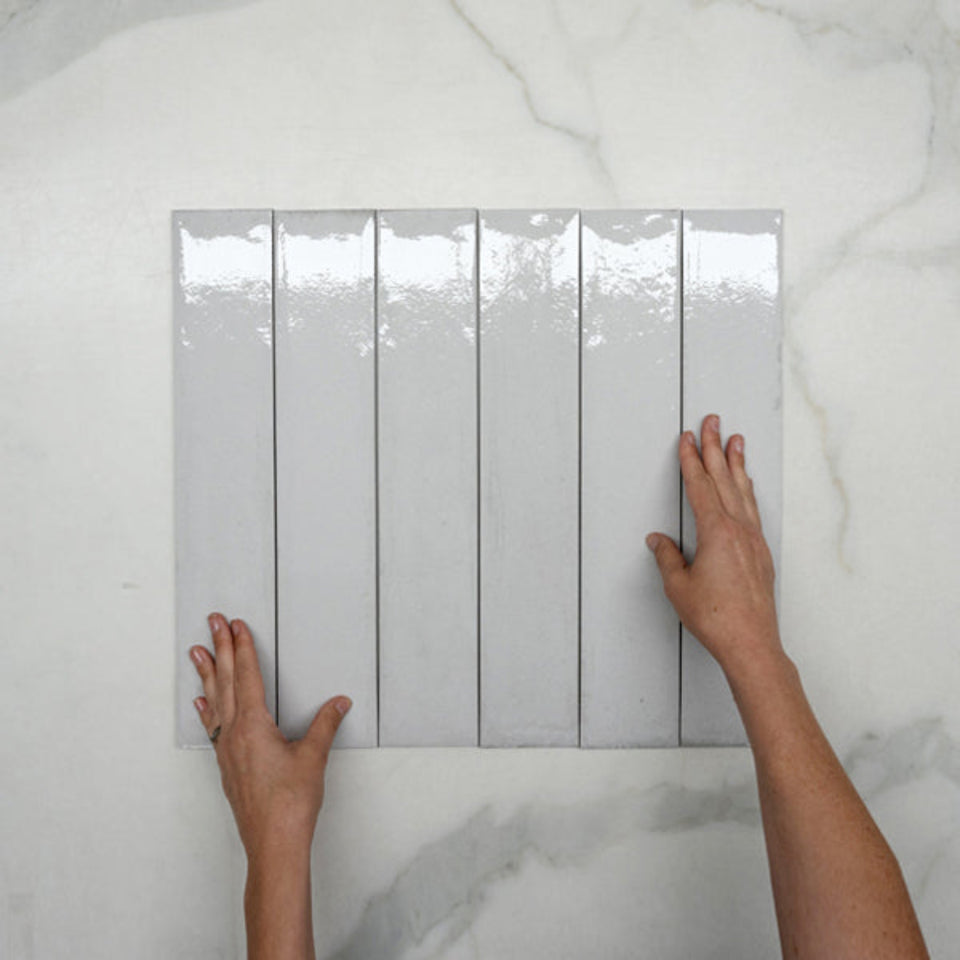
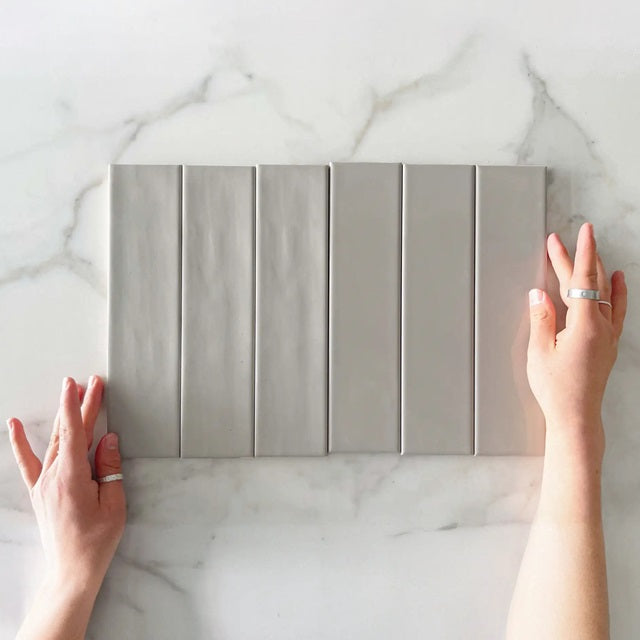
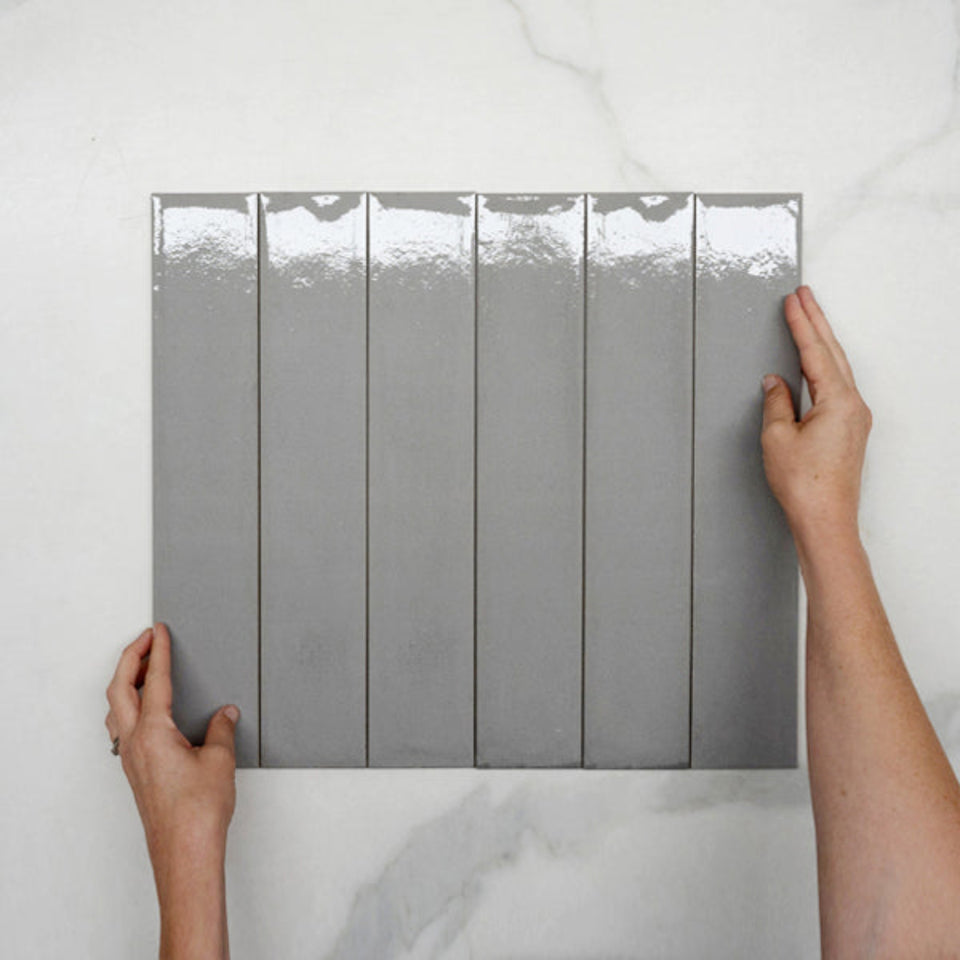
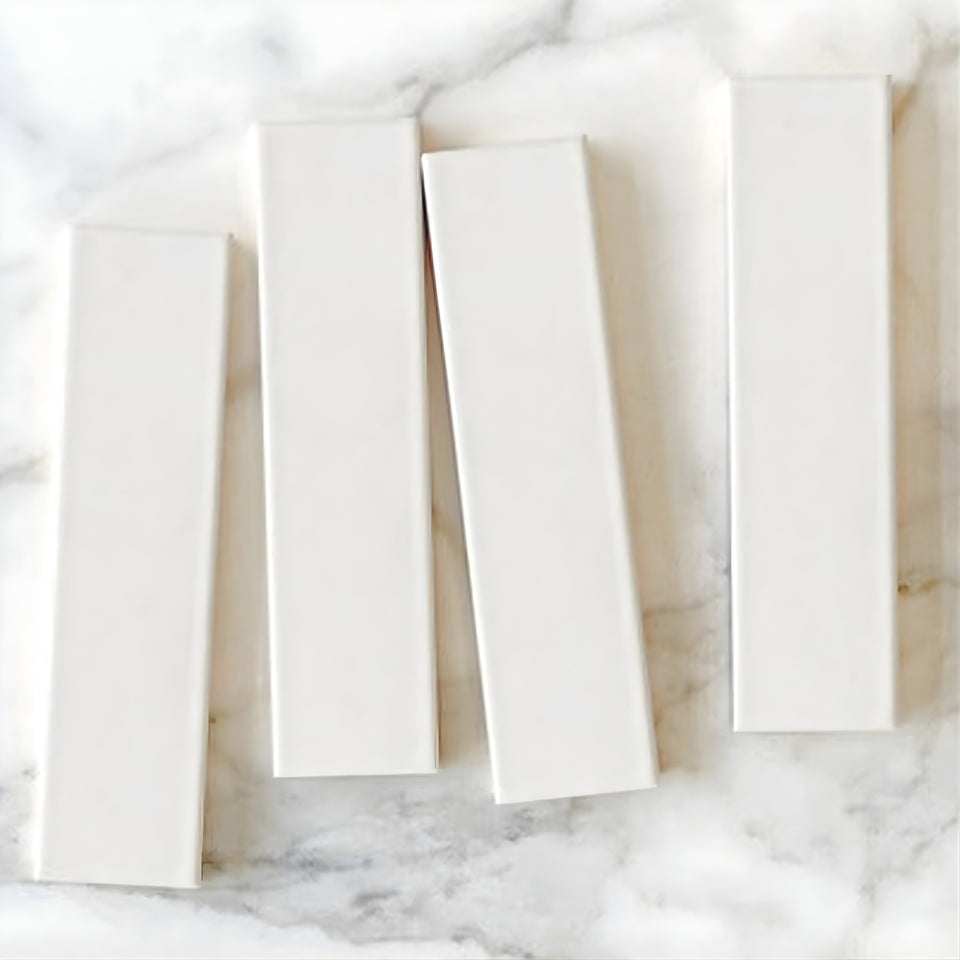
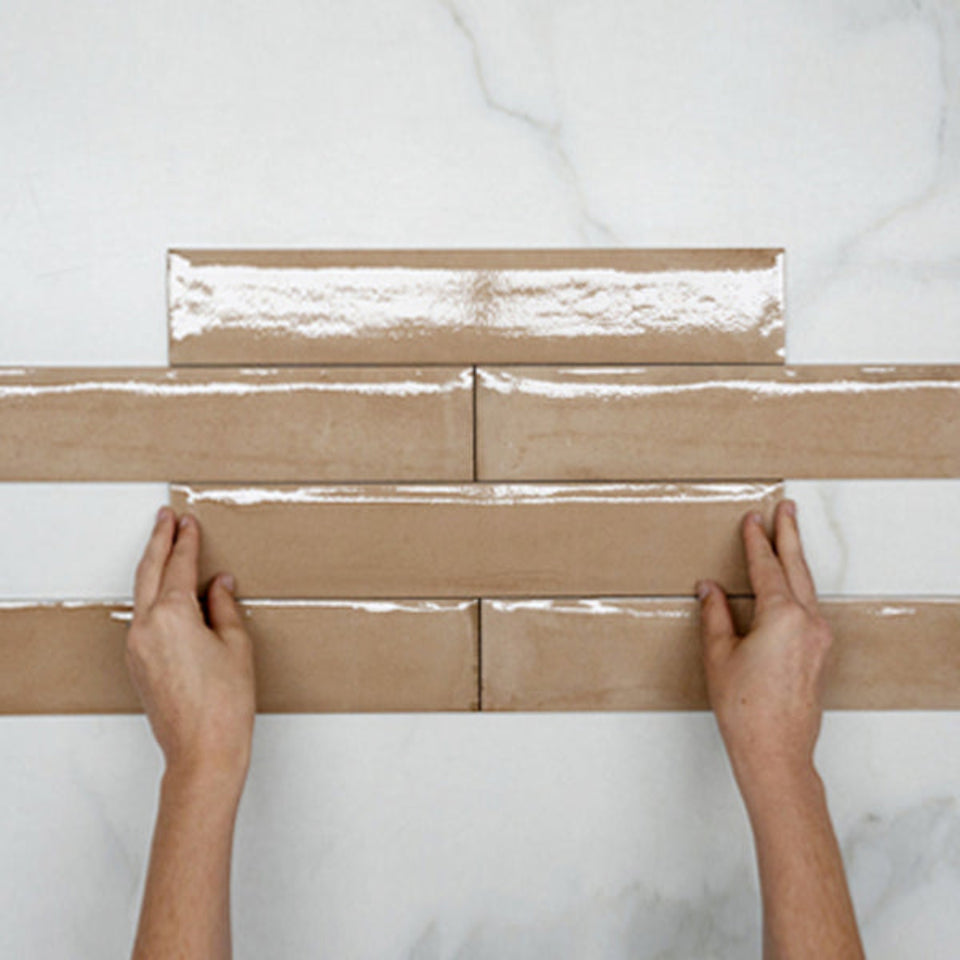
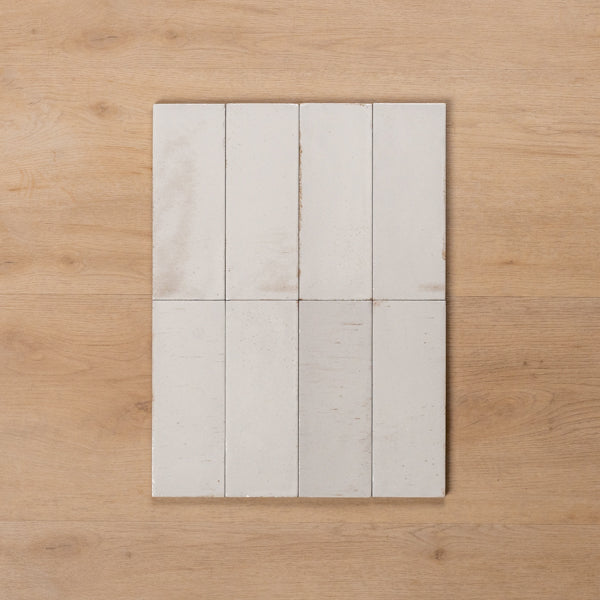
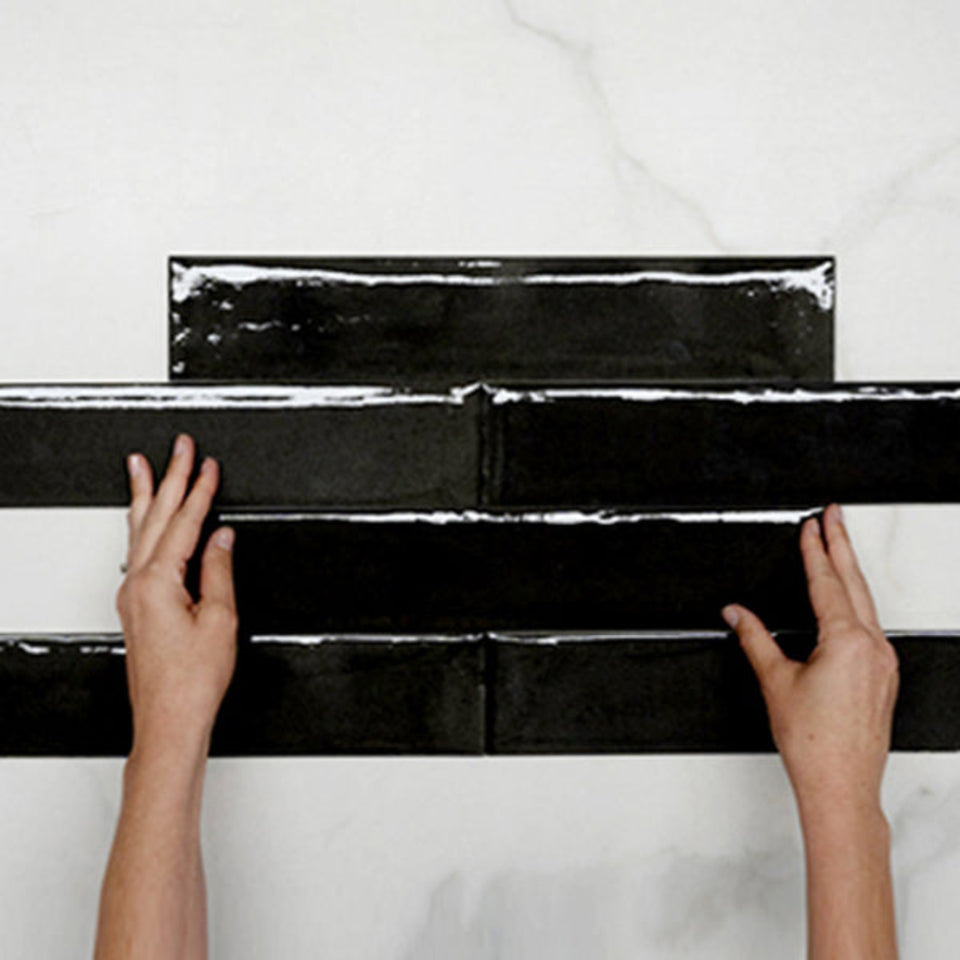
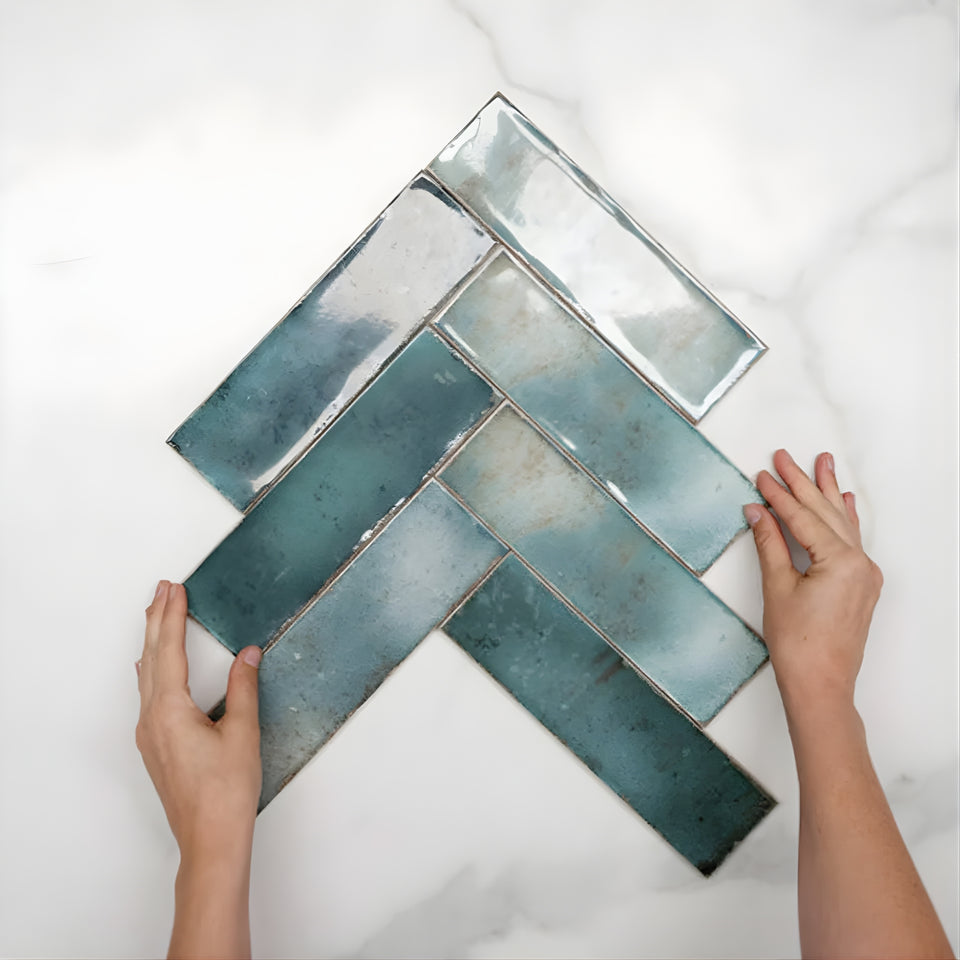
Subway tiles have earned their lasting popularity through genuine adaptability as much as their classic good looks, suiting a modern or traditional interior equally well depending on colour, pattern and grout choice.
Timeless versatility comes from the shape's straightforward geometry, able to be laid in a traditional horizontal pattern or a more contemporary herringbone or vertical stack. Pairing with white tiles gives a crisp, classic look, while charcoal tiles bring a bolder contrast instead.
Genuine durability follows from the materials subway tiles are typically made from, porcelain and ceramic among them, both resistant to staining and straightforward to keep clean, well suited to a high-use area.
Kitchens suit subway tiles particularly well as a splashback, and pairing with blue tiles or green tiles brings a fresh, modern feel. Bathrooms suit subway tiles on shower walls or around a bath, and combining with marble-look tiles brings a genuinely luxurious touch, or beige tiles for a warmer, neutral palette. Living areas can use subway tiles for a feature wall or fireplace surround, paired well with terrazzo-look or travertine-look tiles. Outdoor spaces, a patio or alfresco kitchen, suit subway tiles too, provided the specific tile is rated for outdoor and wet-area use.
The traditional 50% offset (brick bond) remains the classic layout. A one-third offset or one-fourth offset gives a subtler variation on the same idea. A horizontal grid, tiles aligned without any offset, gives a clean, modern look, while a vertical grid adds genuine height to a space. A herringbone pattern introduces real movement and visual texture instead.
Subway tiles traditionally measured 3 x 6 inches, though current ranges span considerably further, including 2 x 4, 4 x 8 and 6 x 12 inch formats; broadly, any wall tile with a 1:2 ratio can be styled as a subway tile. This collection includes named ranges such as Andrea, Olivia, Theo, Leon, Luca, Dianna and Bella, spanning gloss, matte and textural finishes across Italian, Spanish and locally sourced porcelain and ceramic.
Traditionally, subway tiles measure 3 x 6 inches. Sizes have since expanded to include 2 x 4, 4 x 8 and 6 x 12 inches, and generally, any wall tile with a 1:2 size ratio can be styled as a subway tile.
Subway tiles are commonly made from ceramic or porcelain, and are also available in glass and natural stone, each offering different aesthetic and functional benefits.
Porcelain is fired at higher temperatures and is denser, less porous and harder than ceramic, making it more water-resistant and durable, suited to both indoor and outdoor applications including high-traffic floors. Ceramic is lighter and easier to cut, a practical choice for bathroom walls and splashbacks. For bathroom floors and wet areas specifically, porcelain is generally the preferred option in Australia.
Yes, though choosing a tile with appropriate slip resistance matters for floor applications, particularly in a wet area like a bathroom.
Australian Standards (AS 4586) require a minimum P3 rating for a domestic bathroom floor, and P4 or P5 for a wet area like a shower recess. Checking the slip resistance rating of any tile intended for floor use is worth doing before ordering, and matte or textured porcelain generally offers better grip than a polished or gloss finish.
Measure the total wall and floor area in square metres, then add a 10% to 15% wastage allowance for cuts, breakages and future repairs, increasing to 15% to 20% for a complex layout involving diagonal patterns or feature inserts. Ordering all tiles from the same batch, checking the shade lot or batch number specifically, matters since tiles from different batches can vary slightly in colour.
Subway tiles are genuinely low-maintenance. Regular cleaning with a mild detergent and water is usually sufficient, and sealing grout lines helps prevent staining, with spills worth cleaning promptly to maintain appearance.
Subway tiles are easiest to select once the room's other fixtures, vanity, tapware or cabinetry, are settled, since colour and finish should complement those choices rather than being decided in isolation. Browse the full tiles collection for complementary formats and finishes to pair with a subway tile selection.


