
*View accurate shipping rates and availability






231 Items


Up to 70% off across the store, plus free towels and mirrors up for grabs on orders over $800*
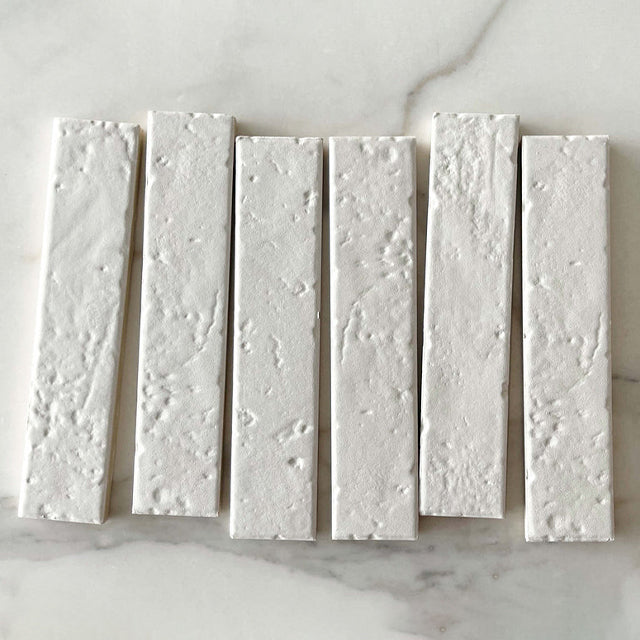
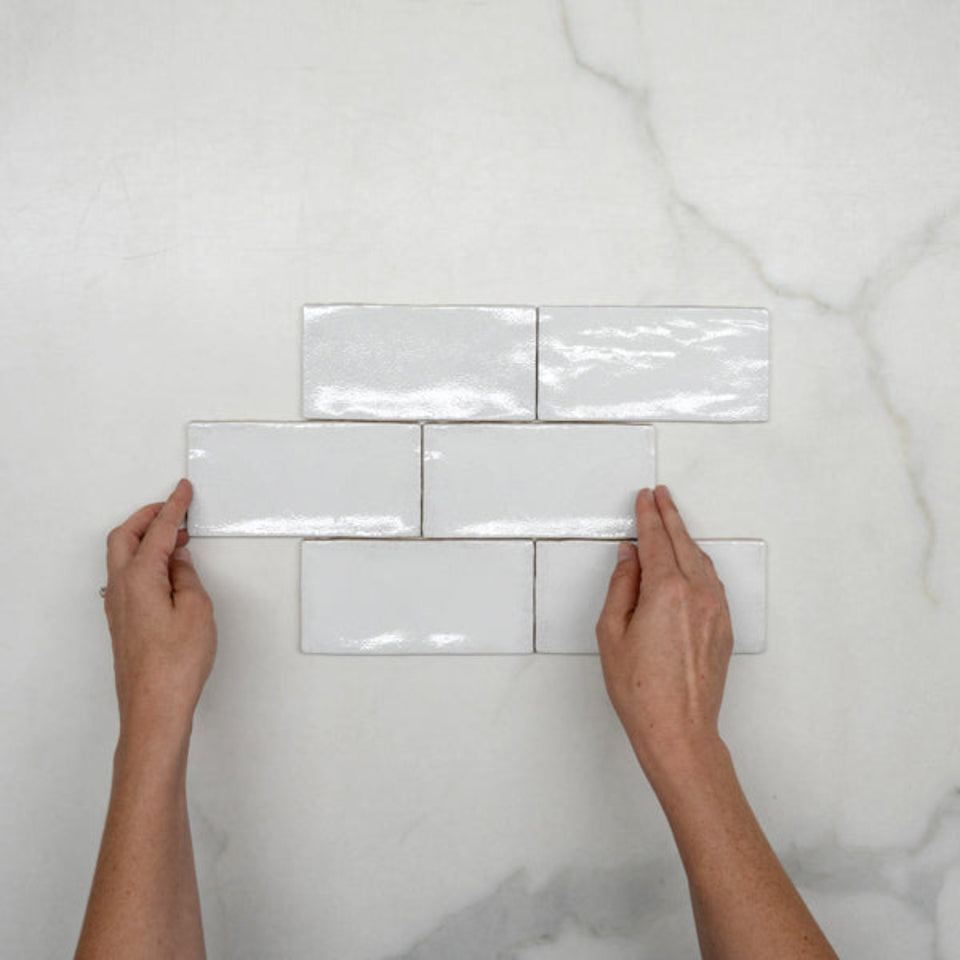
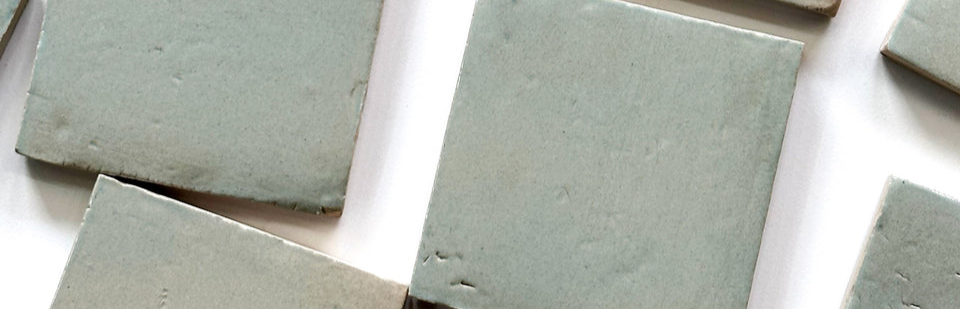
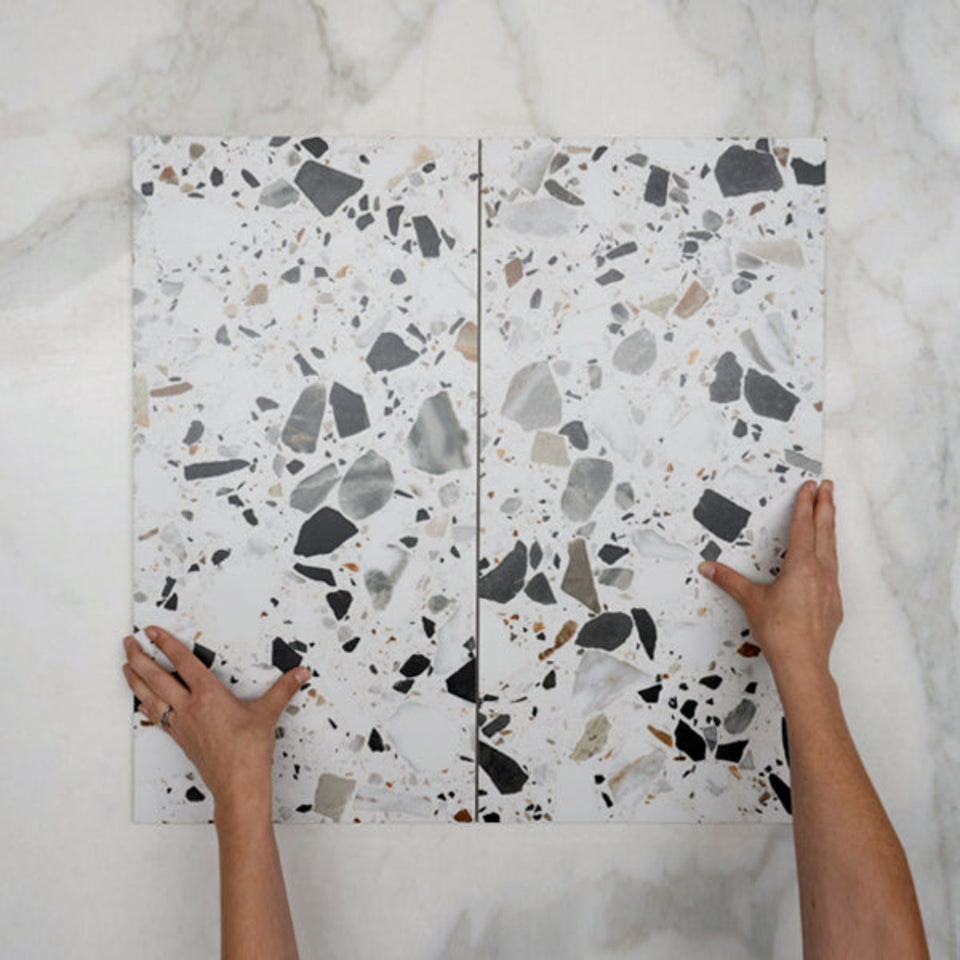


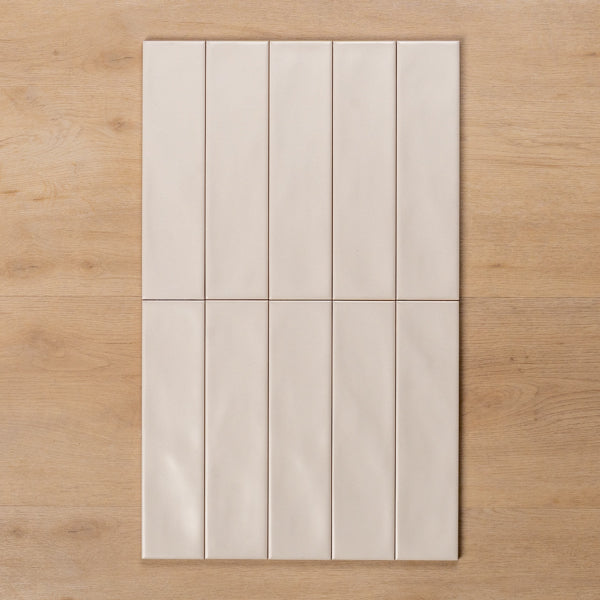
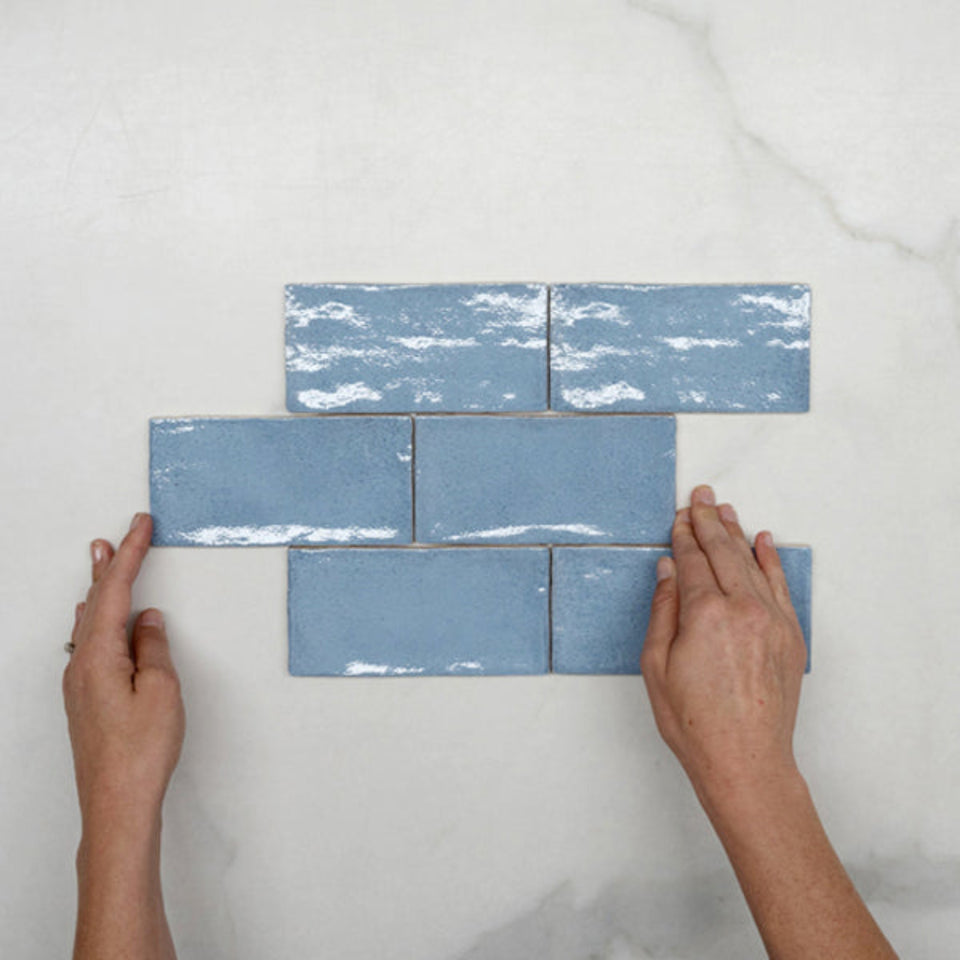
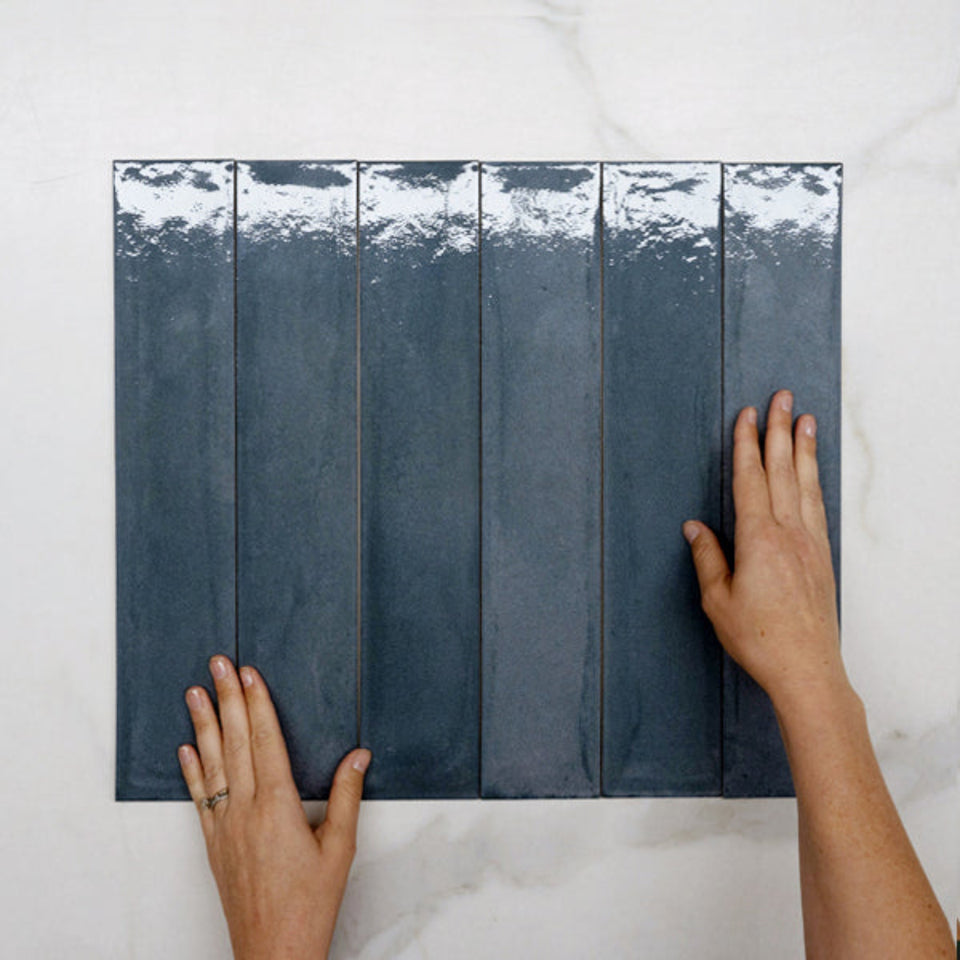


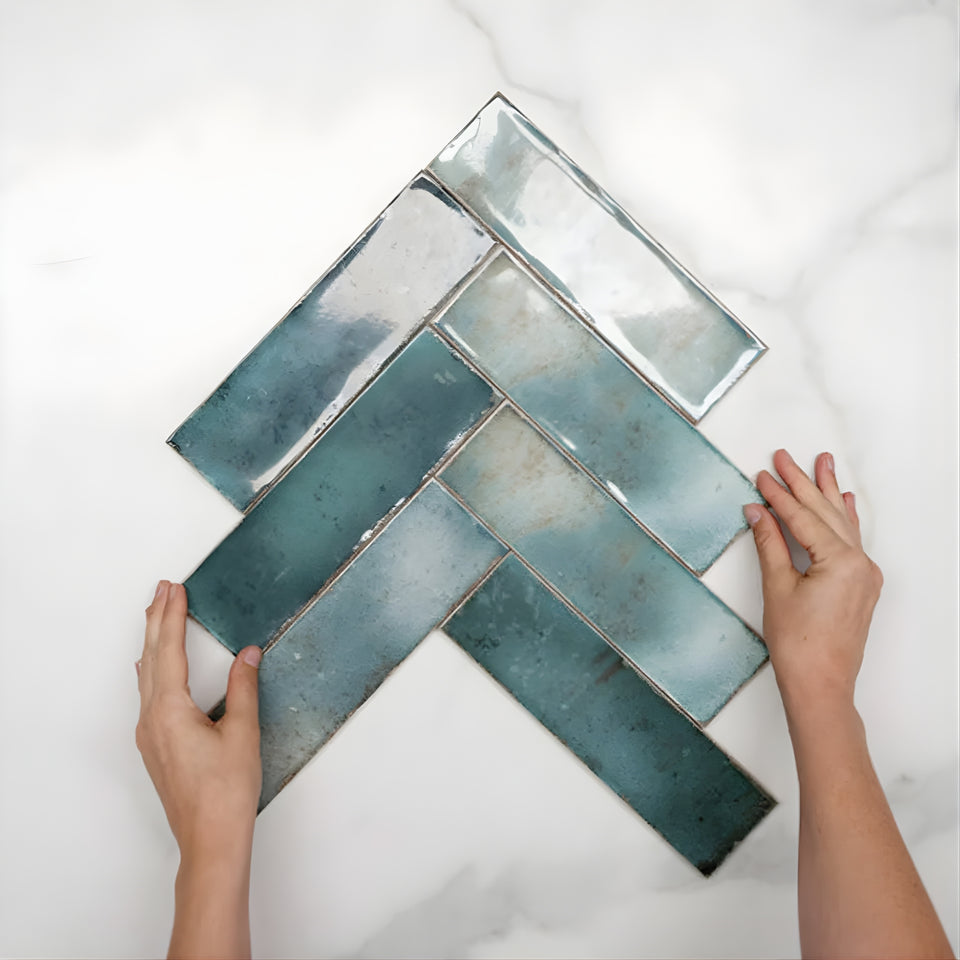

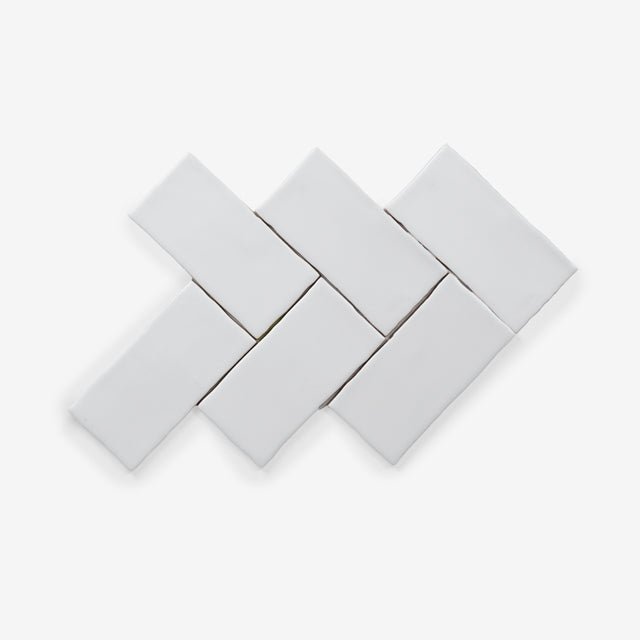
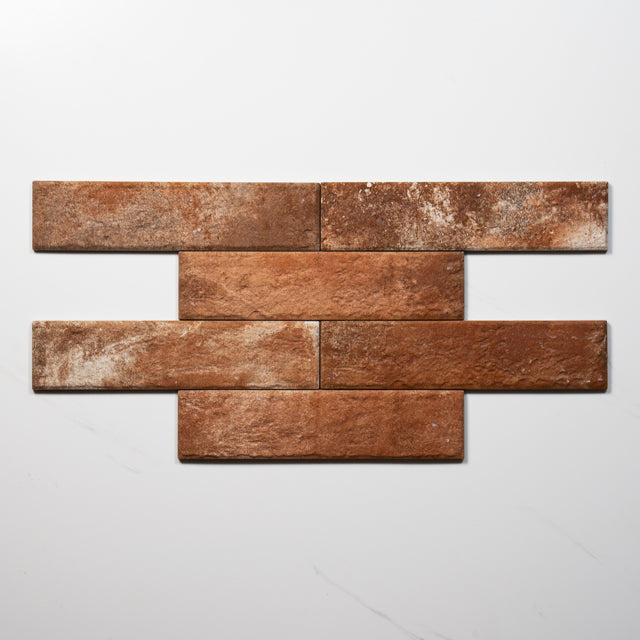
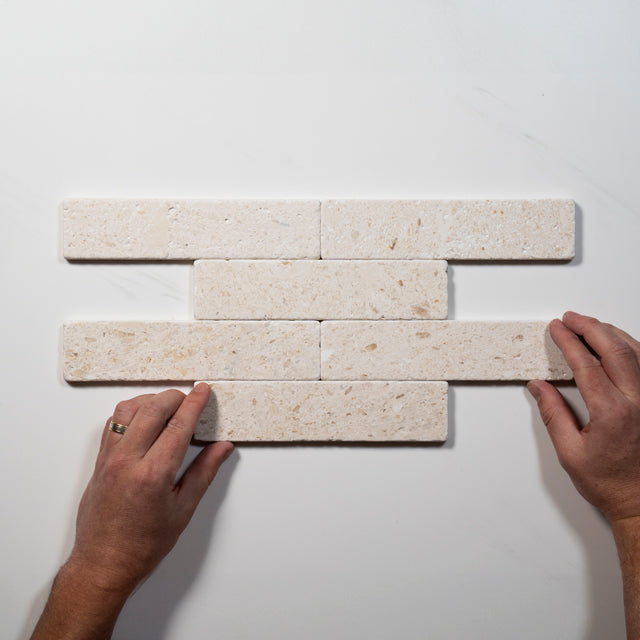

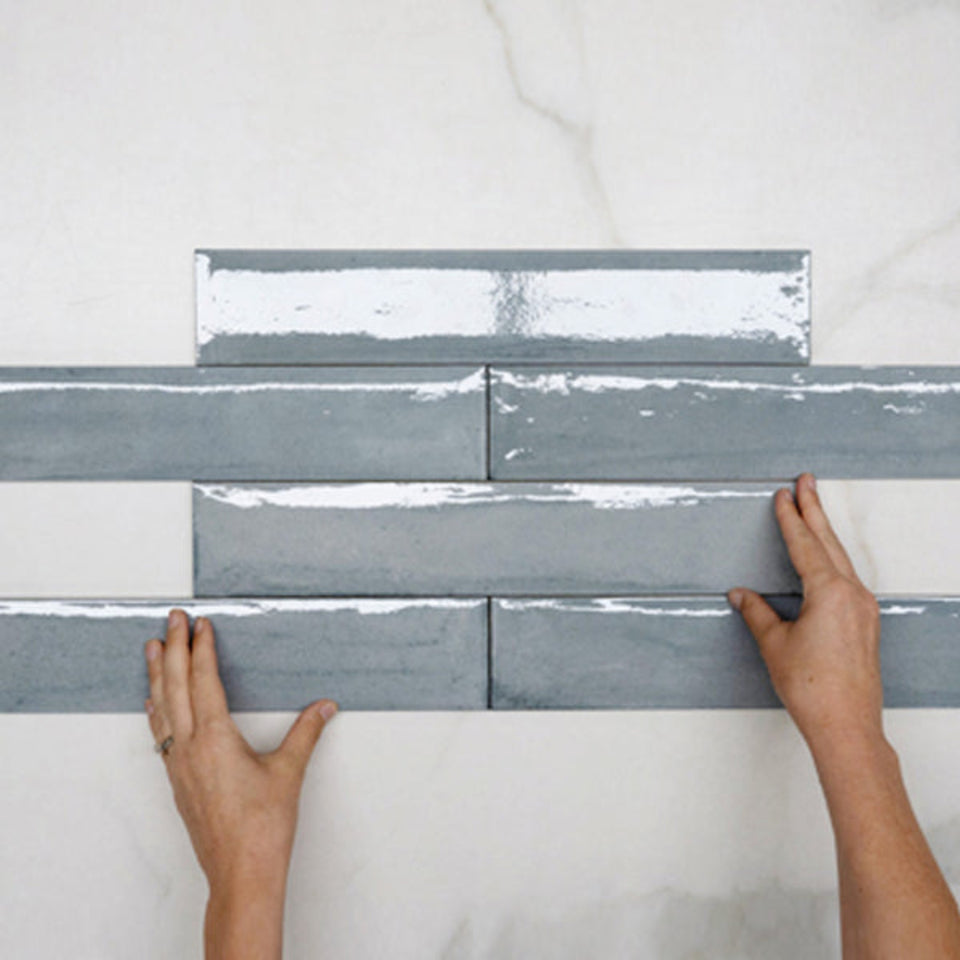


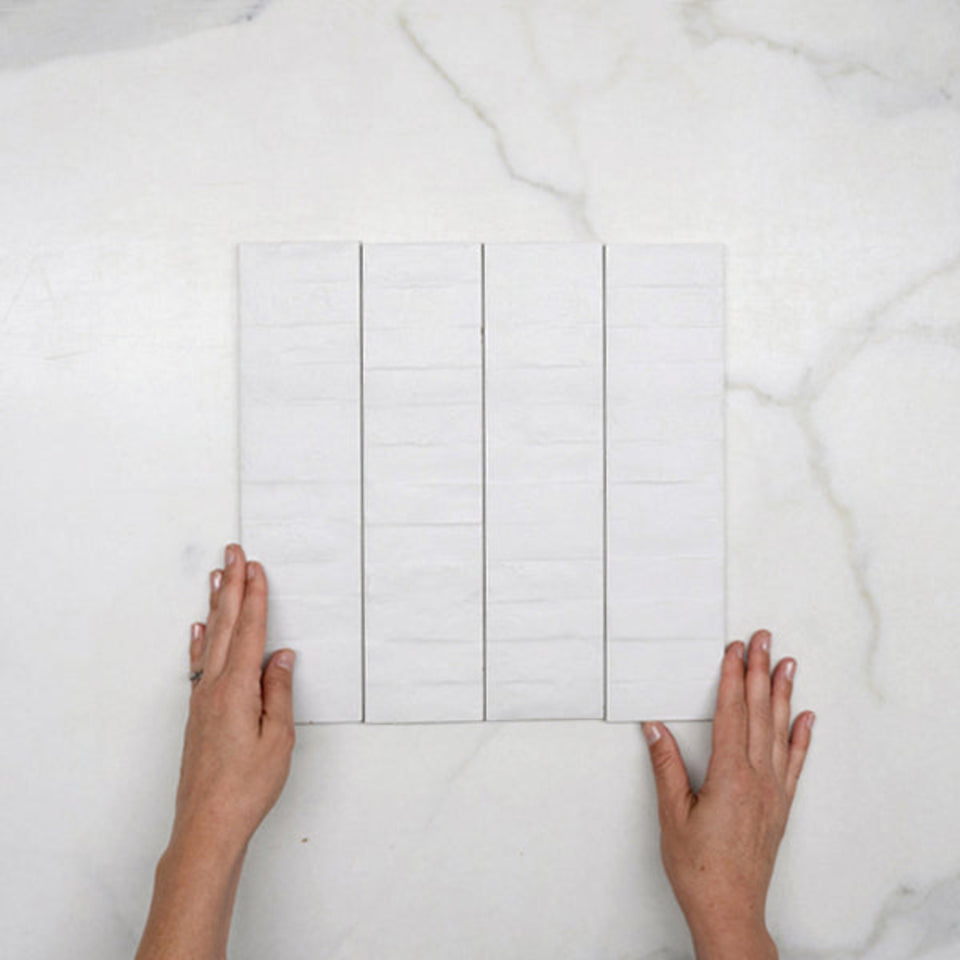


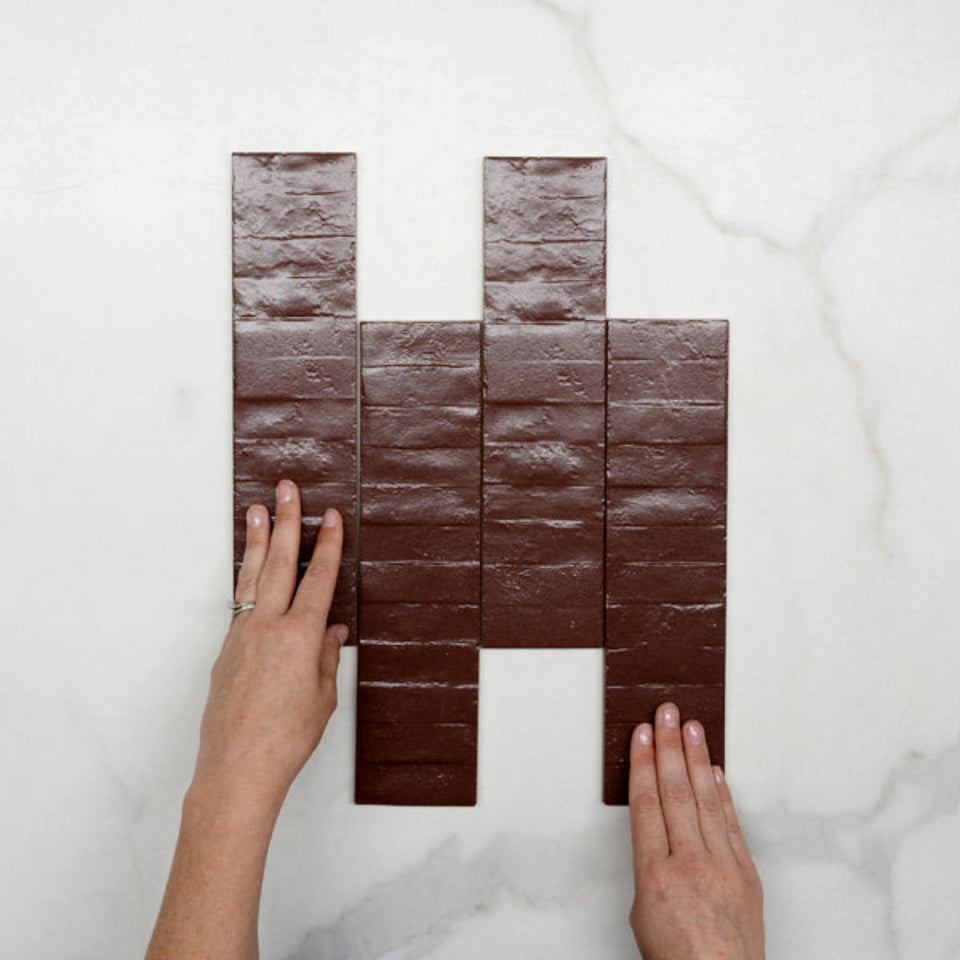
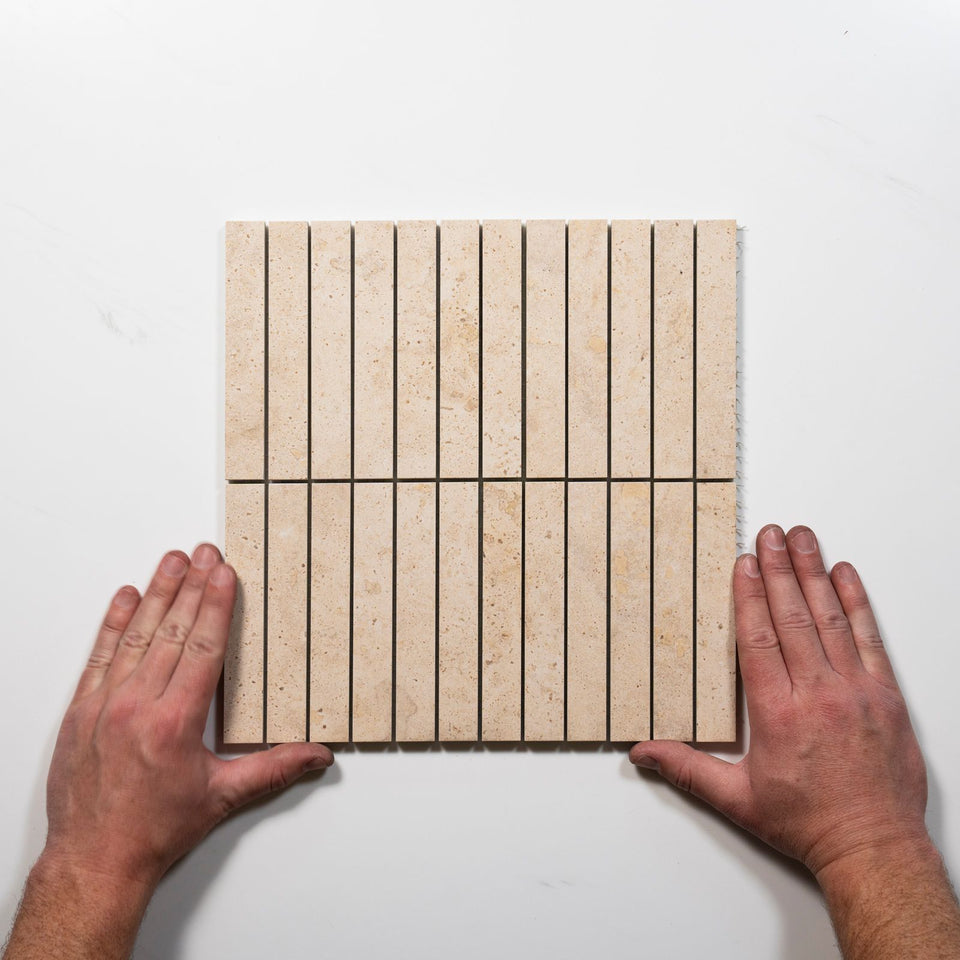
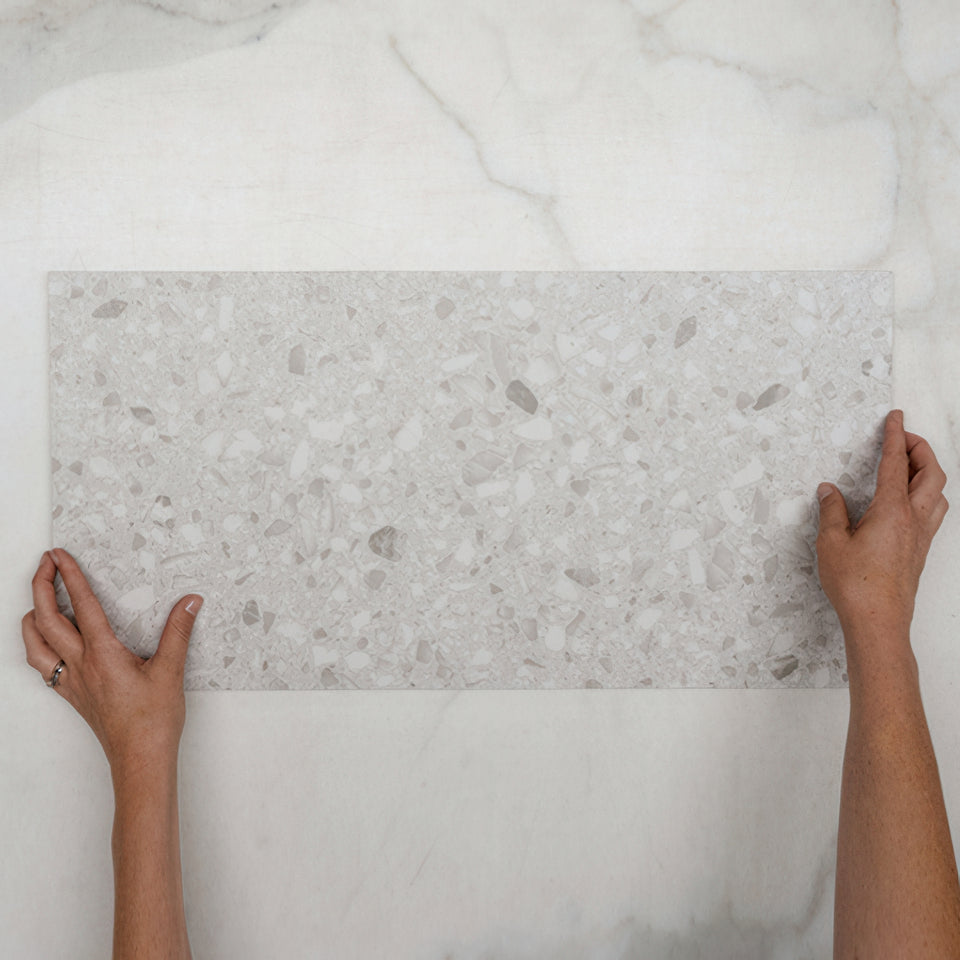


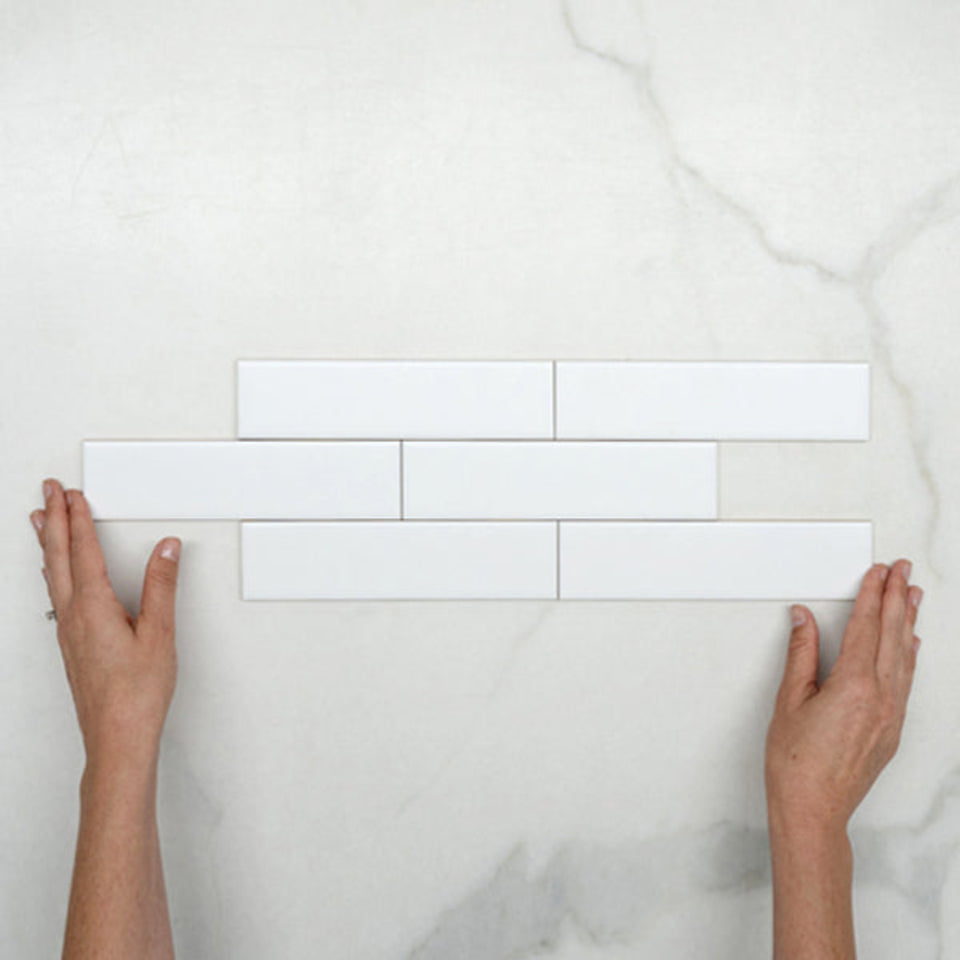
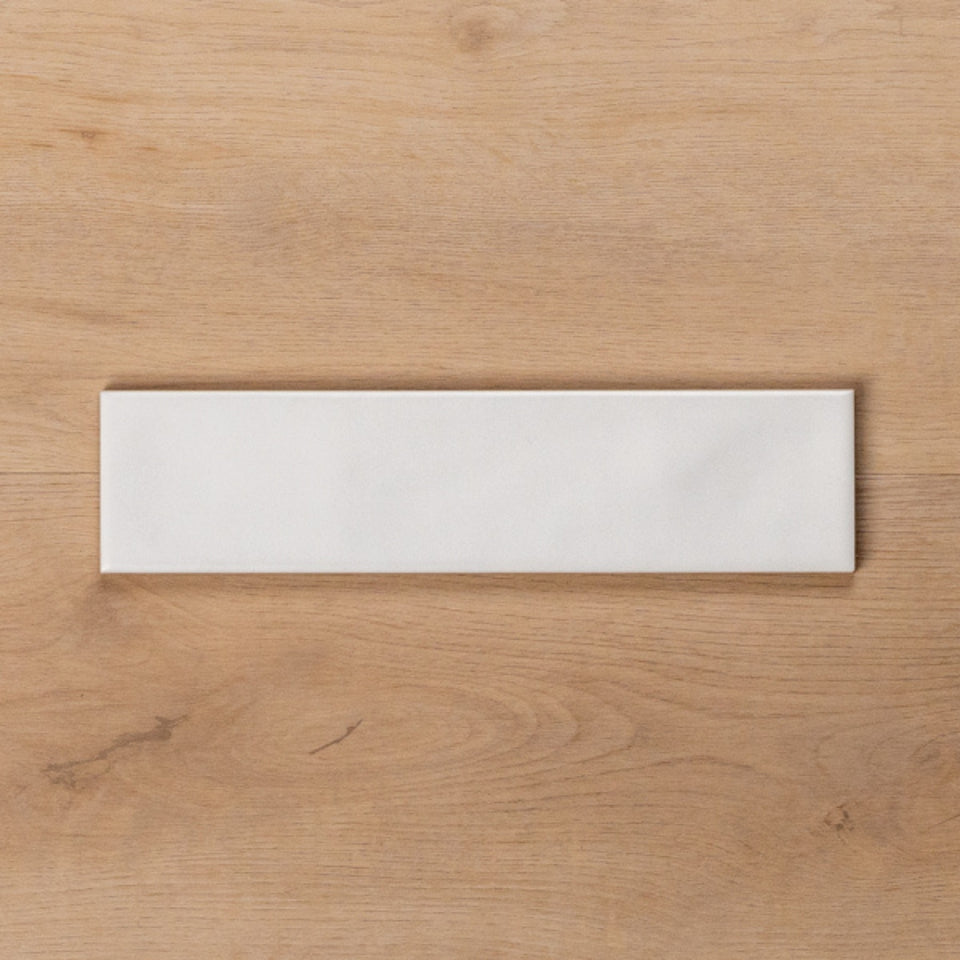
A rectangle is the default tile shape, and this collection is the largest in the store. It runs from 45 x 230mm brick tiles and 65 x 265mm mini subways to 300 x 600mm porcelain and 600 x 1200mm slabs, in white, grey, beige, green, black, blue, terracotta and pink. Some are made for floors and some for walls only, so the spec lines matter as much as the shape.
The sections below explain how proportion changes the look, how the common layouts work, and what the product pages print for each family. For neighbouring decisions, see the subway tiles collection, the large tiles collection, the small tiles collection and the tiles collection.
Rectangle tiles are used in many rooms because they suit plenty of layouts and can create a simple look or something more detailed. Subway tiles are one of the most recognised rectangular formats, a shorter, more traditional rectangle, and rectangles also come as large format, textured, stone-look and slim tiles. A rectangle, in other words, is a shape, and the proportion decides the character.
The shape is so familiar that rectangle tiles tend to age well and fit into many styles of home, and they come in a wide range of finishes, which makes them easy to match with benchtops, tapware or furniture.
The length-to-width ratio is the single most important factor in how a rectangle reads. A ratio of 2 to 1 gives a compact, textured appearance, while 3 to 1 to 4 to 1 creates longer arms and a more dramatic linear flow. The longer the tile is relative to its width, the stronger the sense of direction.
The tiles here cover the whole span. The 300 x 600mm and 600 x 1200mm tiles are 2 to 1. Leon at 69 x 240mm is about 3.5 to 1. Bella at 65 x 265mm and the Olivia feature subway at 75 x 300mm are about 4 to 1, and Theo at 75 x 400mm and Blaire at 45 x 230mm are about 5 to 1. A 2 to 1 tile is a calm field, and a 4 to 1 tile is a pattern with direction.
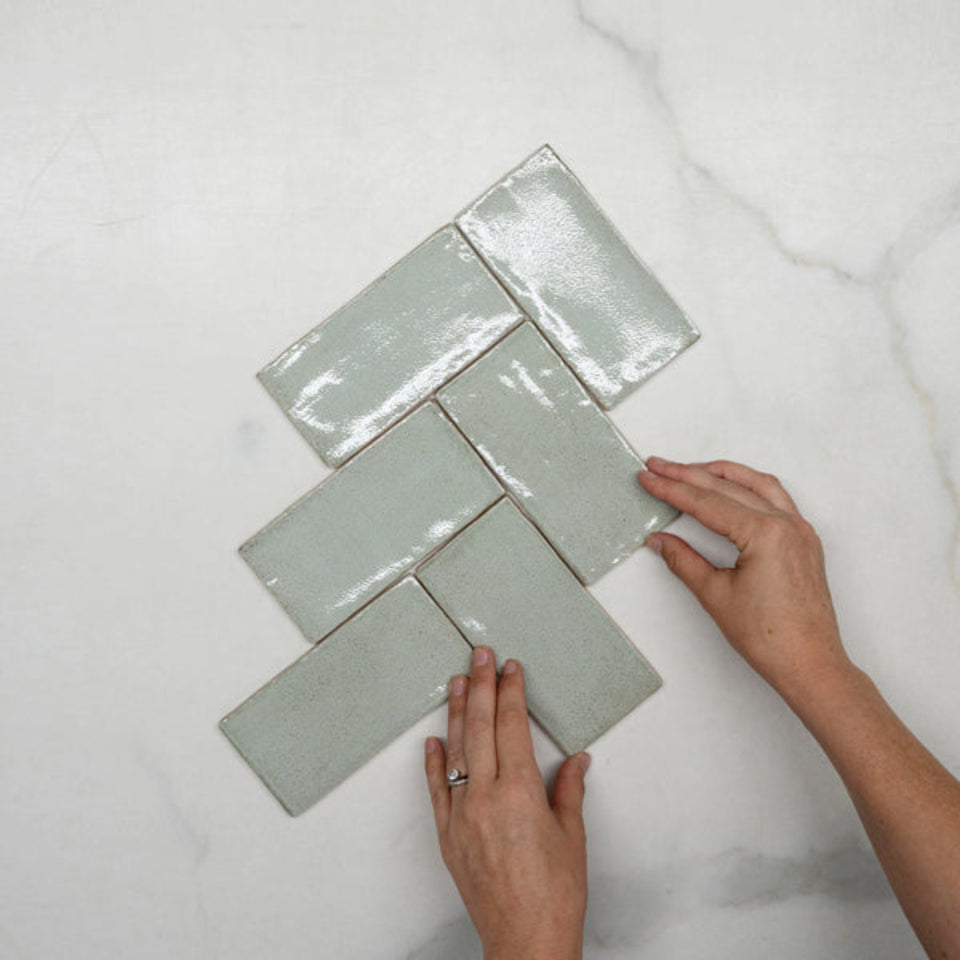
The common layouts are brick bond, stacked, vertical stacked and herringbone, with the choice depending on how much pattern you want. The offset layout, sometimes called brickwork, staggers each row from the row above, usually by 50 percent. Tiles can also stack vertically or horizontally for a modern look, or offset slightly for subtle movement.
The grout point applies to every layout: rectangles show grout lines more than squares, especially in brick or herringbone layouts. Matching grout reduces the contrast, and a darker grout makes each tile stand out. The herringbone tiles collection covers the most patterned layout in more detail.
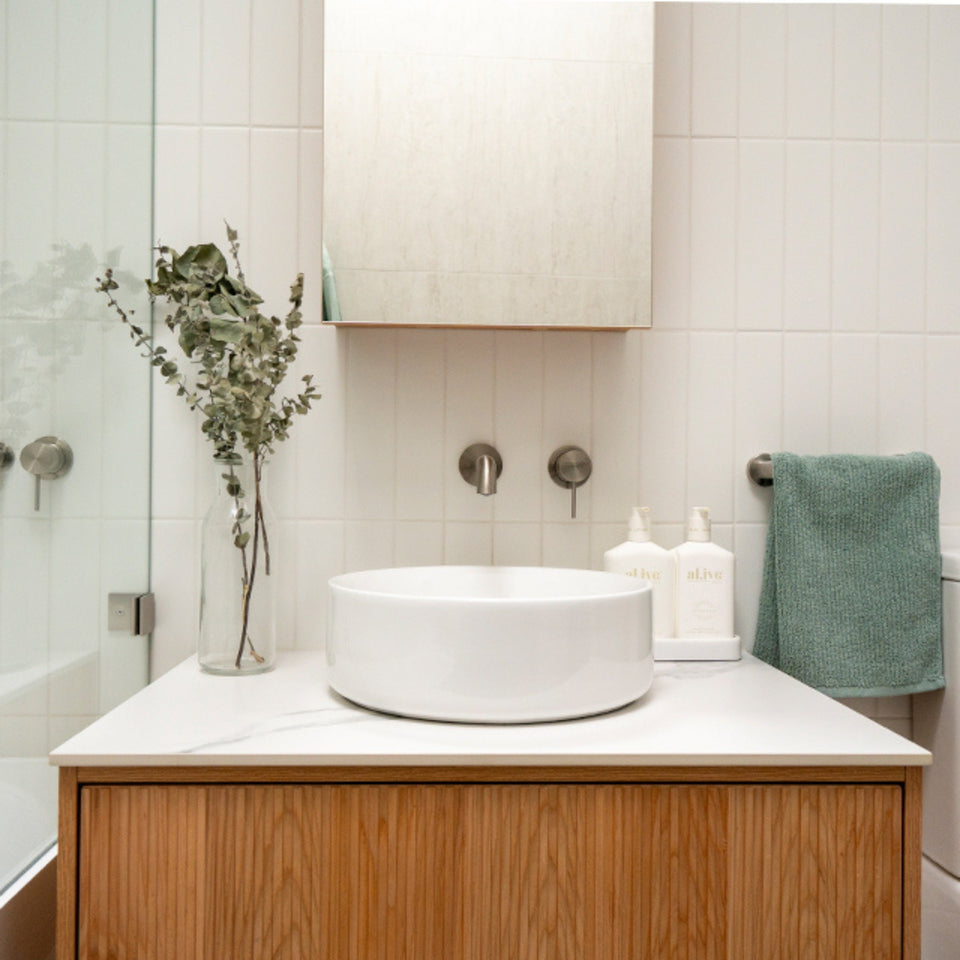
Rectangle tiles laid vertically can make a shower feel taller and draw the eye upward, while a brick pattern gives a softer, more relaxed look, especially on a full-height wall. In small bathrooms, smaller rectangles can make the room feel taller or wider depending on how they are laid, and vertical layouts often help a compact room. Longer formats give wider walls a cleaner, more streamlined finish.
That is a design decision to make on paper. Draw the wall, decide which way the eye should travel, and choose the tile direction to match. The tile does not change, but the room does.
The small rectangles are mostly ceramic and mostly written for walls. Bella is a 65 x 265mm mini subway, Leon a 69 x 240mm Spanish subway, Whitehaven a 68 x 280mm wavy satin subway, and Terrarosa a 62 x 186mm subway. Dianna is a 75 x 150mm handmade-look subway, Olivia a 75 x 300mm feature subway in porcelain, and Theo a 75 x 400mm Italian porcelain subway. Their pages typically print P2 and an application line of walls.
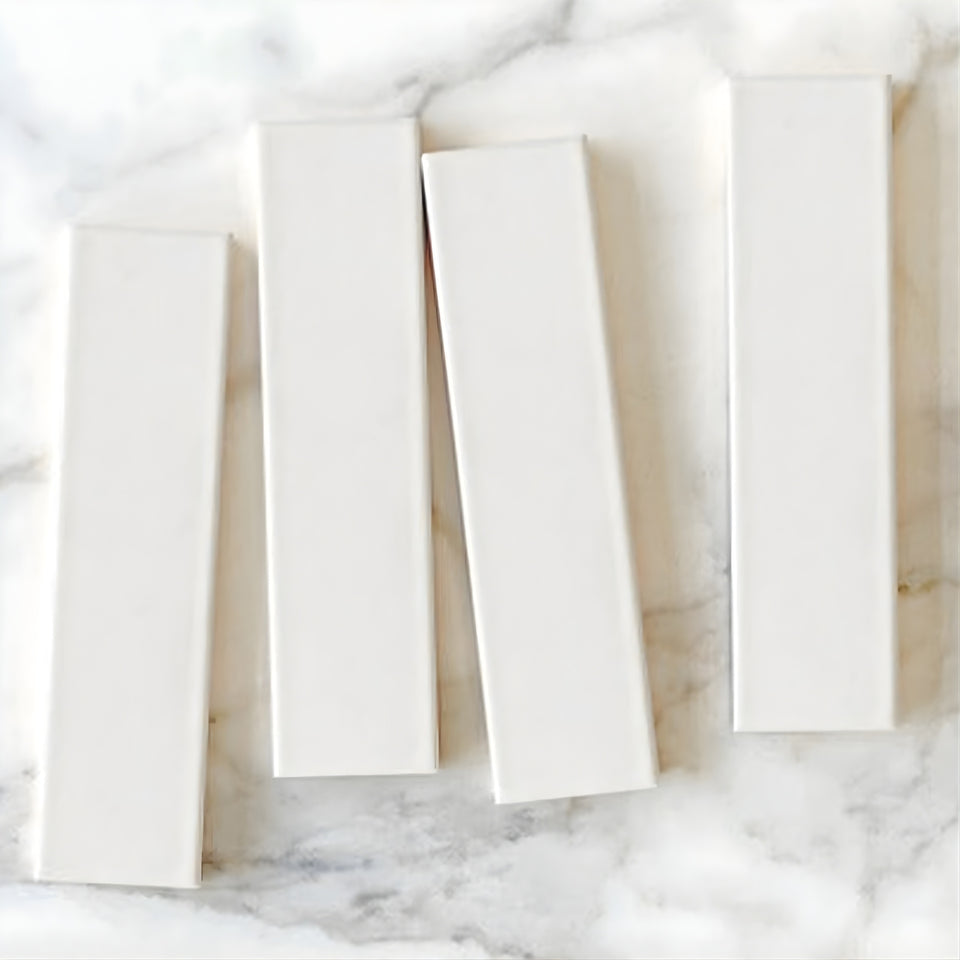
Slim rectangles create clean, crisp lines whether laid vertically or horizontally, and are popular in showers, splashbacks and niches where the elongated shape adds detail without taking up visual space. The kitchen tiles collection and the bathroom tiles collection sort these by room.
Blaire is a textured 45 x 230mm brick tile in caramel, vanilla, white and charcoal, with P2 on the gloss versions and R10 on the matte charcoal, made for walls and floors. Eton is a 60 x 250mm brick-look porcelain, 9mm thick, with R10/P3, made for walls and floors, indoors and covered outdoor floors, and exterior cladding. Tumbled natural stone subway tiles in travertine, limestone, marble and woodstone are 50 x 200mm and need sealing.
Stone-look rectangles bring natural variation and a softer tone to bathrooms, kitchens and entryways, without the maintenance real stone needs. The brick look tiles collection and the natural stone tiles collection cover these looks.
The 300 x 600mm tile is the commonest rectangle in the collection, and it appears in nearly every material. Burleigh is a stone-look range with a matt porcelain, wear rating 4, and a gloss ceramic, wear rating 0. Island Terrazzo is a matte terrazzo-look porcelain, 9mm thick, with P4. Avalon is a plain matt porcelain with a P2 title, and Avorio is a travertine-look porcelain with P5. Tuscan is travertine-look at 9.5mm with P3, Gemma is a ceramic wall tile, and Kew and Olivia decor tiles are textured porcelain for walls.
12 x 24 inch tiles, which sit close to 300 x 600mm, are among the sizes suited to large rooms with bold linear motion, and rectangles work in both compact and larger spaces. A single size reaching so many ranges is the reason this one is the easy default.
At the large end are 450 x 900mm Plastra tiles, with R10 and a smooth plaster texture for walls and floors, and 600 x 1200mm tiles in Tuscan, Casuarina, Tilly Tundra, Josie, Myra, Perisher and Sofia. Large-format rectangles suit open-plan living rooms, reducing grout lines and helping the space feel unified, and their straight edges and longer lines can guide the flow of a room.
The slab tiles collection holds the 600 x 1200mm tiles, and the large tiles collection covers the whole large-format range.
Many rectangular tiles suit both floors and walls, though it depends on the product, with some rated for floors and others for walls. Gloss tiles are usually used on walls, and floor suitability depends on the product.
This collection shows the whole spread. The ceramics and polished tiles are mostly walls, and wear ratings of 0 appear on a large share of them. The porcelain tiles in matt and grip finishes are mostly walls and floors, with wear ratings of 3, 4 or 5. For a floor, read the Application, Slip Rating and Wear Rating lines in that order. The floor tiles collection and wall tiles collection sort the range by surface.
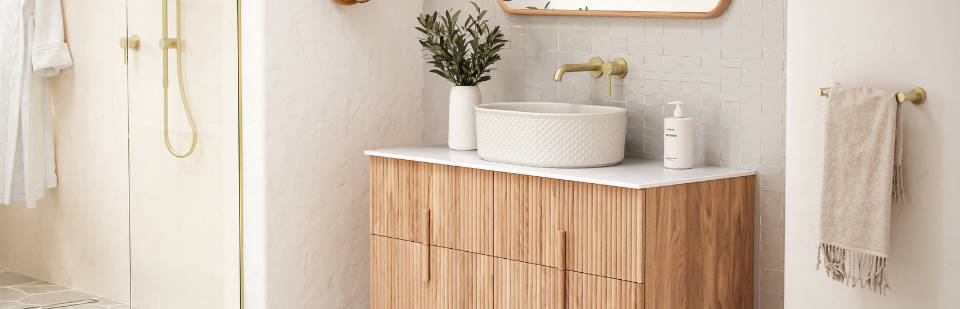
Rectangles are widely used on bathroom walls and floors because they work in compact and larger spaces. Smaller sizes fit neatly around fixtures, and longer formats give wider walls a cleaner finish. Subway-style rectangles can be stacked vertically to make a space feel taller or laid in stripes for energy, and the kit kat is a long, thin tile that works as a splashback or feature wall.
For a shower, choose a rectangle with a wet-area line, and for a shower floor choose a grip finish with a P4 or P5 rating. The feature tiles collection and the Kit Kat tiles collection cover the long, thin end.
Rectangles are a common choice for splashbacks, behind sinks and around cooktops, because the shape works in tight spaces and gives a tidy, structured look. Gloss brightens a dark kitchen, and matte calms a busy one. The subway rectangle is the classic splashback shape, and the 300 x 600mm tile is the larger alternative.
A worked example: a splashback 3m wide and 0.6m high is 1.8 square metres. A 75 x 150mm tile covers 0.01125 square metres, so the splashback takes 160 whole tiles, and with 10 percent for cuts the order is 176. A 300 x 600mm tile covers 0.18 square metres, so a 4.8 square metre bathroom floor takes 27 whole tiles, and 30 with the allowance. Set the layout out from the centre line, and keep the cut tiles to the corners.
The subway tiles collection covers the classic splashback range, with the kitchen advice in the kitchen tiles collection.
White is the largest group, followed by grey and beige, with green, black, blue, terracotta and pink in smaller numbers. The white tiles collection, grey tiles collection, beige tiles collection and green tiles collection sort the range by colour.
Every product page prints the same lines. The Dimensions line gives the size and the ratio, the Application line says walls, floors or both, the Slip Rating line gives P or R, and the Wear Rating line runs from 0 to 5. The Edge line says rectified, cushioned or tumbled, the Finish line says matte, polished, gloss, grip, 3D, lappato or satin, and the Appearance line gives the V rating.
Read them in that order, because the same shape can be a wall-only gloss tile or a P5 floor tile.
A rectangle gives you three levers: size, direction and layout. Pull one at a time, and the room tells you quickly what works.
Start with the surface. For a wall, choose the ratio you want: 2 to 1 for calm, 4 to 1 or more for direction. For a floor, choose a matte or grip tile with a wear rating of 4 or 5 and a slip rating to suit the room. Then choose the layout and the grout together.
Direction is the last decision and the most visible: vertical to lift a room, horizontal to widen it. The tiles collection sits above this one for the whole range.


