Skip to content

Bathroom Exhaust Fans

27 Items

  • $32 Off RRP
    In Stock
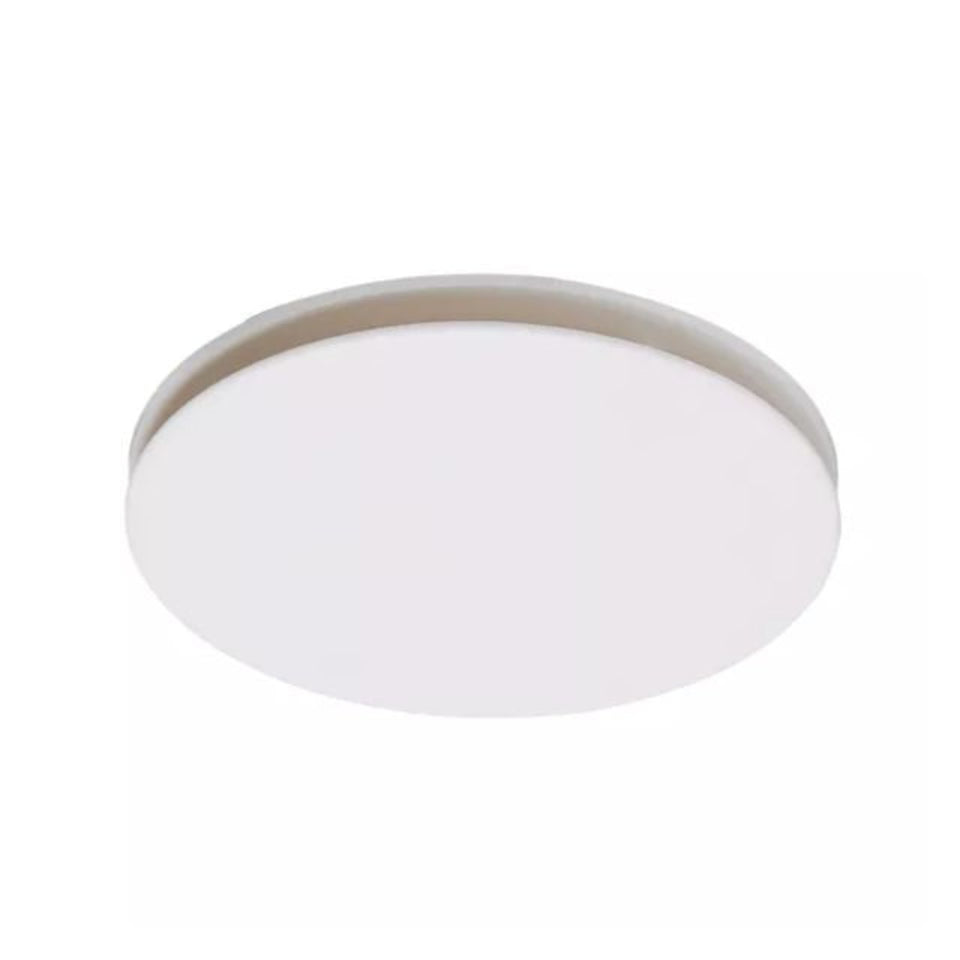
    Martec Flow 295 Round Exhaust Fan White

    Martec Flow 295 Round Exhaust Fan White

    Checking delivery...
    $127
    $32 (-20%) OFF RRP of $159
    $32 (-20%) off RRP of $159
  • $20 Off RRP
    Fanco Hybrid 250 Round Exhaust Fan White

    Fanco Hybrid 250 Round Exhaust Fan White

    Checking delivery...
    $229
    $20 (-8%) OFF RRP of $249
    $20 (-8%) off RRP of $249
  • $10 Off RRP
    European Made
    Whisper Quiet
    Fanco Dynamic Wall/Ceiling 150mm Duct Square Exhaust Fan Matte White

    Fanco Dynamic Wall/Ceiling 150mm Duct Square Exhaust Fan Matte White

    Checking delivery...
    $119
    $10 (-7%) OFF RRP of $129
    $10 (-8%) off RRP of $129
  • $150 Off RRP
    In Stock
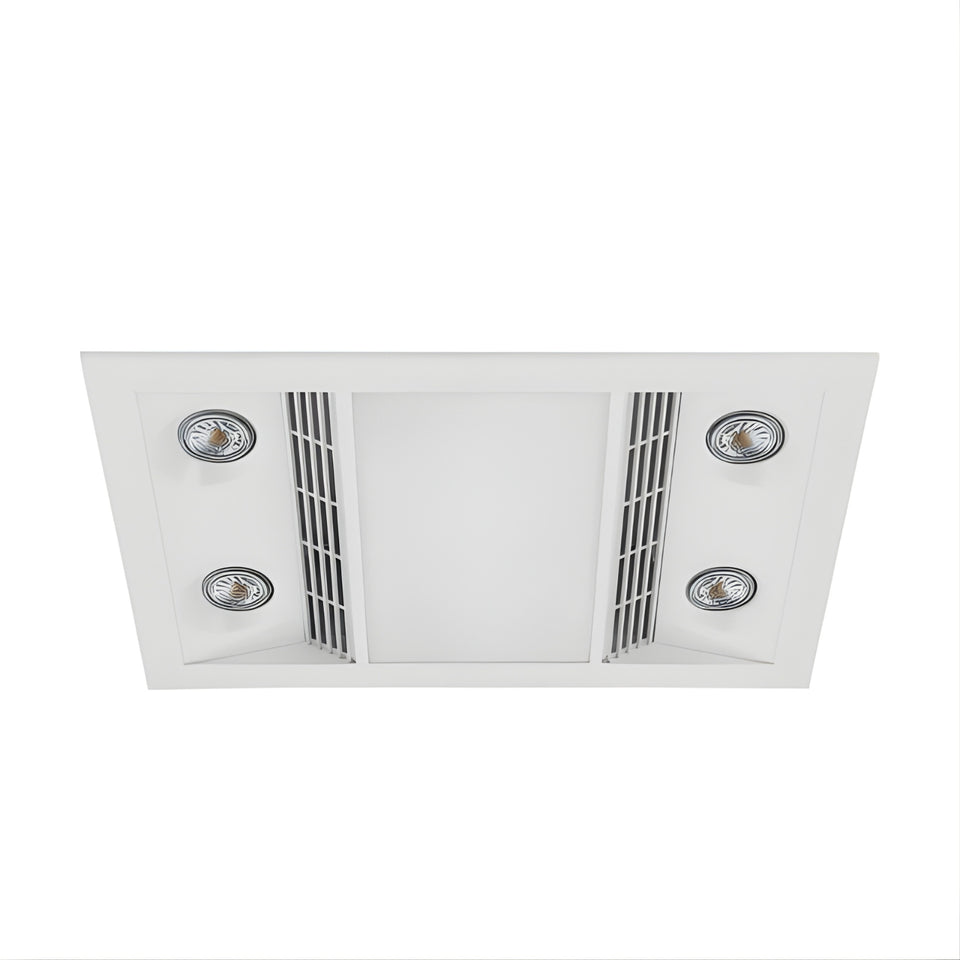
    Eglo Inferno 4 Bathroom Heater Exhaust Fan Light White

    Eglo Inferno 4 Bathroom Heater Exhaust Fan Light White

    Checking delivery...
    $499
    $150 (-23%) OFF RRP of $649
    $150 (-23%) off RRP of $649
  • $20 Off RRP
    European Made
    Whisper Quiet
    Fanco Dynamic Wall/Ceiling 150mm Duct Square Exhaust Fan Glass White

    Fanco Dynamic Wall/Ceiling 150mm Duct Square Exhaust Fan Glass White

    Checking delivery...
    $149
    $20 (-11%) OFF RRP of $169
    $20 (-12%) off RRP of $169
  • Sale On Now!

    Sale On Now!

    Up to 70% off across the store, plus free towels and mirrors up for grabs on orders over $800*

    Shop the Sale
  • $10 Off RRP
    European Made
    Whisper Quiet
    Fanco Dynamic Wall/Ceiling 150mm Duct Square Exhaust Fan Matte Black

    Fanco Dynamic Wall/Ceiling 150mm Duct Square Exhaust Fan Matte Black

    Checking delivery...
    $129
    $10 (-7%) OFF RRP of $139
    $10 (-7%) off RRP of $139
  • $40 Off RRP
    In Stock
    Martec Saturn Round 335mm Exhaust Fan White with LED Light

    Martec Saturn Round 335mm Exhaust Fan White with LED Light

    Checking delivery...
    $129
    $40 (-23%) OFF RRP of $169
    $40 (-24%) off RRP of $169
  • $10 Off RRP
    European Made
    Whisper Quiet
    Fanco Dynamic Wall/Ceiling 150mm Duct Square Exhaust Fan Gloss White

    Fanco Dynamic Wall/Ceiling 150mm Duct Square Exhaust Fan Gloss White

    Checking delivery...
    $109
    $10 (-8%) OFF RRP of $119
    $10 (-8%) off RRP of $119
  • $19 Off RRP
    European Made
    Whisper Quiet
    Fanco Dynamic Wall/Ceiling 100mm Duct Square Exhaust Fan Matte White

    Fanco Dynamic Wall/Ceiling 100mm Duct Square Exhaust Fan Matte White

    Checking delivery...
    $80
    $19 (-19%) OFF RRP of $99
    $19 (-19%) off RRP of $99
  • Warmth underfoot, the detail that changes everything

    Warmth underfoot, the detail that changes everything

    Shop Underfloor Heating ->
  • $21 Off RRP
    European Made
    Whisper Quiet
    Fanco Dynamic Wall/Ceiling 125mm Duct Square Exhaust Fan Matte White

    Fanco Dynamic Wall/Ceiling 125mm Duct Square Exhaust Fan Matte White

    Checking delivery...
    $88
    $21 (-19%) OFF RRP of $109
    $21 (-19%) off RRP of $109
  • $29 Off RRP
    Martec Flow Round 265mm Exhaust Fan White

    Martec Flow Round 265mm Exhaust Fan White

    Checking delivery...
    $116
    $29 (-20%) OFF RRP of $145
    $29 (-20%) off RRP of $145
  • $16 Off RRP
    In Stock
    Martec Saturn Square 270mm Exhaust Fan White

    Martec Saturn Square 270mm Exhaust Fan White

    Checking delivery...
    $63
    $16 (-20%) OFF RRP of $79
    $16 (-20%) off RRP of $79
  • $34 Off RRP
    In Stock
    Martec Striker 4 Heat 3 in 1 Bathroom Heater Exhaust Fan with LED Downlight White

    Martec Striker 4 Heat 3 in 1 Bathroom Heater Exhaust Fan with LED Downlight W...

    Checking delivery...
    $95
    $34 (-26%) OFF RRP of $129
    $34 (-26%) off RRP of $129
  • $17 Off RRP
    European Made
    Whisper Quiet
    Fanco Dynamic Wall/Ceiling 100mm Duct Square Exhaust Fan Gloss White

    Fanco Dynamic Wall/Ceiling 100mm Duct Square Exhaust Fan Gloss White

    Checking delivery...
    $72
    $17 (-19%) OFF RRP of $89
    $17 (-19%) off RRP of $89
  • Warmth underfoot, the detail that changes everything

    Warmth underfoot, the detail that changes everything

    Shop Underfloor Heating ->
  • $19 Off RRP
    European Made
    Whisper Quiet
    Fanco Dynamic Wall/Ceiling 125mm Duct Square Exhaust Fan Gloss White

    Fanco Dynamic Wall/Ceiling 125mm Duct Square Exhaust Fan Gloss White

    Checking delivery...
    $80
    $19 (-19%) OFF RRP of $99
    $19 (-19%) off RRP of $99
  • $20 Off RRP
    Fanco Hybrid 250 Square Exhaust Fan with with LED White

    Fanco Hybrid 250 Square Exhaust Fan with with LED White

    Checking delivery...
    $269
    $20 (-6%) OFF RRP of $289
    $20 (-7%) off RRP of $289
  • $32 Off RRP
    In Stock
    Martec Flow Square 315mm Exhaust Fan White

    Martec Flow Square 315mm Exhaust Fan White

    Checking delivery...
    $127
    $32 (-20%) OFF RRP of $159
    $32 (-20%) off RRP of $159
  • $16 Off RRP
    Martec Saturn Round 270mm Exhaust Fan White

    Martec Saturn Round 270mm Exhaust Fan White

    Checking delivery...
    $63
    $16 (-20%) OFF RRP of $79
    $16 (-20%) off RRP of $79
  • $32 Off RRP
    In Stock
    Martec Forme 2 Heat 3 in 1 Bathroom Heater Exhaust Fan with LED Downlight White

    Martec Forme 2 Heat 3 in 1 Bathroom Heater Exhaust Fan with LED Downlight White

    Checking delivery...
    $127
    $32 (-20%) OFF RRP of $159
    $32 (-20%) off RRP of $159
  • $29 Off RRP
    Martec Flow Square 265mm Exhaust Fan White

    Martec Flow Square 265mm Exhaust Fan White

    Checking delivery...
    $116
    $29 (-20%) OFF RRP of $145
    $29 (-20%) off RRP of $145
  • $44 Off RRP
    Fanco Hybrid 250 Round Exhaust Fan with LED White

    Fanco Hybrid 250 Round Exhaust Fan with LED White

    Checking delivery...
    $245
    $44 (-15%) OFF RRP of $289
    $44 (-15%) off RRP of $289
  • $38 Off RRP
    Martec Forme 4 Heat 3 in 1 Bathroom Heater Exhaust Fan with LED Downlight White

    Martec Forme 4 Heat 3 in 1 Bathroom Heater Exhaust Fan with LED Downlight White

    Checking delivery...
    $151
    $38 (-20%) OFF RRP of $189
    $38 (-20%) off RRP of $189
  • $44 Off RRP
    Fanco Hybrid 250 Round Exhaust Fan Black

    Fanco Hybrid 250 Round Exhaust Fan Black

    Checking delivery...
    $205
    $44 (-17%) OFF RRP of $249
    $44 (-18%) off RRP of $249
  • A warm towel waiting for you, that's considered design

    A warm towel waiting for you, that's considered design

    Shop Heated Towel Rails ->
  • $50 Off RRP
    Eglo Heatflow 4 Bathroom Heater Exhaust Fan Light

    Eglo Heatflow 4 Bathroom Heater Exhaust Fan Light

    Checking delivery...
    $449
    $50 (-10%) OFF RRP of $499
    $50 (-10%) off RRP of $499
  • Eglo Heatflow 2 Bathroom Heater Exhaust Fan Light

    Eglo Heatflow 2 Bathroom Heater Exhaust Fan Light

    Checking delivery...
    $349
    $0 (-0%) off RRP of $349
  • Eglo Vesuvius 4 Bathroom Heater Exhaust Fan Light

    Eglo Vesuvius 4 Bathroom Heater Exhaust Fan Light

    Checking delivery...
    $169
    $0 (-0%) off RRP of $169
  • $20 Off RRP
    In Stock
    Eglo Vesuvius 2 Bathroom Heater Exhaust Fan Light

    Eglo Vesuvius 2 Bathroom Heater Exhaust Fan Light

    Checking delivery...
    $109
    $20 (-15%) OFF RRP of $129
    $20 (-16%) off RRP of $129

Bathroom exhaust fans buying guide


A bathroom exhaust fan has one job, which is to get steam out of the room before it settles on the walls, ceiling and fittings. Choosing one comes down to five checks: how much air it needs to move, where the air goes, how well the fan is protected against moisture, how loud it is, and who fits it. This guide takes them in that order and gives the figures from the specifications of each fan. Where the usual figures run across a range, the range is shown. The building rules differ by state and by building, so confirm them with a licensed electrician or your local authority before you buy.

Why a bathroom needs extraction

Do you need a fan at all?

The National Construction Code and state and territory rules generally require adequate ventilation in wet areas such as bathrooms and laundries, and it can come from natural sources like a window or from a mechanical fan. A window may be enough if it meets size and location requirements, but many modern bathrooms, particularly internal ones, have no window that qualifies, and then a fan is needed. Local councils and strata bodies can set stricter rules in multi-unit buildings. A minimum airflow of 25 litres per second is the usual figure for windowless wet areas. Check the current code with your builder or electrician.

Sizing: how much air a fan must move

The method is the same for every bathroom. Work out the room volume by multiplying length, width and height in metres, then multiply by the number of air changes an hour you want. Use about 7 air changes an hour for a bathroom without a shower, 15 for one with a shower, and up to 30 for a busy shower room. A lower figure of 8 to 10 air changes also works when the answer is converted to litres per second by dividing cubic metres an hour by 3.6.

Each fan states its maximum air movement in cubic metres an hour, so you can compare directly. The Fanco Dynamic comes with 100mm, 125mm and 150mm ducts at 100, 180 and 280 cubic metres an hour. The Martec Saturn is 180 cubic metres an hour at 270mm and 443 at 335mm with a light. The Martec Flow is 390 at 265mm and 600 at 315mm. The Fanco Hybrid 250 is 482. The 3-in-1 units state 260 for the Eglo Vesuvius, 300 for the Martec Forme, 360 for the Martec Striker, 460 for the Eglo Heatflow and 550 for the Eglo Inferno.

Ceiling, wall, window or inline

Bathroom fans come in four types.

  • A ceiling fan is the most common in Australian homes and the easiest to install. Swapping one ceiling fan for another can be a DIY job when both have a lead and plug to a power point.
  • A wall fan needs a hole through the wall for the fan and an external vent. It is typically hardwired to a wall switch, so an electrician is usually needed. The Fanco Dynamic is made for either wall or ceiling use.
  • A window fan suits apartments or buildings with no ceiling cavity. A glazier is needed to cut the glass and a power point must be close to the window.
  • An inline fan puts the motor in the ceiling cavity, connected by ducting to one or more grilles in the bathroom. The motor's position in the roof keeps noise low, and the type suits long duct runs and noise-sensitive rooms.

The collection here is mostly ceiling and wall fans, plus combination units with a light and heater. For more brand ranges see exhaust fans only, Fanco bathroom exhaust fans and Martec exhaust fans and bathroom heating.

Does the fan have to vent outside?

Yes, in almost every case. Building regulations generally require ducting to the outside, not into a ceiling or wall cavity, because trapped moisture causes hidden mould or structural damage. There is one exception. A ceiling fan may exhaust into the roof space only if the roof has no sarking and its tiles or decking leak enough air for the moisture to escape. A roof lined with sarking needs ducting outside. Moist air vented into a sealed roof has nowhere to go, and the result is corroded metal, rotted timber and loosened nails. Newer houses have sealed roofs, so ducting outside is the rule there.

Match the duct size to the fan

Every ducted fan needs a set duct diameter, and it is on the product page. The Fanco Dynamic is made in 100mm, 125mm and 150mm duct versions. The Martec Saturn takes 100mm at 270mm and 150mm at 335mm. The Martec Flow takes 125mm at 265mm and 150mm at 315mm. The Fanco Hybrid 250 takes 150mm. The 3-in-1 units use 100mm to 125mm ducting, and some come with a duct. Each extra metre of duct and each bend reduces the airflow you actually get, and rigid duct beats flexible for long runs. Keep runs as short as possible with minimal bends, and choose a fan with a draught stopper and seal the duct so air cannot leak back in.

Where to put the fan

Place the fan as close as possible to the shower or bath, because a far corner is the worst position. Mount it high, ideally in the ceiling, and keep wall fans as high as the wall allows. Check for joists and make sure the fan fits between them. Avoid placing a fan directly above or inside a shower, because condensation can drip from it and steam lingers longer in the room. The same goes for fans and heaters above a shower recess, and AS/NZS 3000 sets the wet zone requirements. If a window exists, put the fan on the opposite side to the window to draw air across the room.

IP ratings and wet zones

The IP rating measures protection against dust and water. The level you need depends on the fan's position, and the zone directly above a shower requires a minimum of IP44 and the neighbouring zone also needs IP44 compliant products. The rating on each fan: IP24 on the Fanco Dynamic, IPX4 on the Fanco Hybrid 250 and the Martec Saturn, Striker and Forme, and IPX2 on the Martec Flow. Read the rating against your fan's position before you decide, and ask the installer which zone the location falls in.

Noise

Noise is measured in sones or decibels, and lower is quieter. Some fans can be noisy, and low-sone or inline fans are quieter. The decibel figures: 34 dB(A) on the Fanco Dynamic, 36 dB(A) on the Fanco Hybrid 250, under 40 dB on the Martec Flow, Striker and Forme, and under 45 dB on the Martec Saturn.

A fan with a light, and a fan with a heater

Some fans include a light. The Fanco Hybrid 250 comes with a colour temperature adjustable LED of 1,000 lumens, switchable between 3000K, 4000K and 6500K. The Martec Saturn 335 has an LED of 1,200 lumens. Fans with built-in lighting are common and some include motion sensors or heat lamps. Combination units add infrared heat lamps. The Martec Forme and Striker are 3-in-1 units with a fan, an LED light and either two or four 275 watt heat lamps, and the Eglo Vesuvius and Heatflow come with two or four 275 watt lamps. The Eglo Inferno has a single 1,000 watt lamp and moves 550 cubic metres an hour. Their boxes include a wall controller of three or four switches, or a three gang switch, so the fan, light and heat are switched separately.

These units need a minimum ceiling cavity depth: 200mm for the Martec Forme and Striker and 250mm for the Eglo Vesuvius, Heatflow and Inferno. Browse 3-in-1 bathroom heater lights, bathroom heaters and bathroom heating and ventilation for the full range.

Can you replace a bathroom exhaust fan yourself?

It depends on how the fan is wired. A ceiling fan swap can be a DIY job when the old and new fans both have a lead and plug to a power point. The Fanco Hybrid 250 is sold with a lead and plug and the Martec Saturn 270 and Flow include a cable or flex and plug, so these suit that kind of swap. A fan that is hardwired, or any new wiring, needs a licensed electrician. Hardwired fans must be installed by a licensed electrician under AS/NZS 3000, and the circuit should have the required RCD protection. Wall fans are usually hardwired to a wall switch, so an electrician is the normal route. When in doubt, ask one.

How long to run it

A fan only works while it runs. Run the fan throughout the shower or bath and for at least 15 minutes afterward, because turning it off immediately does not vent all the steam. Keep the shower door or curtain open, since moisture gets trapped in folds, and open a window while the fan runs if there is one. Some fans have timers and humidity sensors in the mid range, and a humidity sensing fan is a reasonable choice for a windowless bathroom provided it meets the minimum airflow.

Cleaning and care

Dust on the grille and blades reduces airflow. Vacuum the grille every three to six months and clean the fan at least twice a year. A grinding or rattling sound points to worn motor bearings. Mop up puddles and drips, because they will not dry out with ventilation and create a risk of mould and water damage.

Which fan for which bathroom

  • A small ensuite or powder room: a compact fan at 100 to 180 cubic metres an hour, ducted to the outside.
  • A family bathroom with a shower: a room of 15 to 18 cubic metres needs 225 to 270 cubic metres an hour at 15 air changes, so a fan from 280 to 390 covers them, with 482 for a margin.
  • A larger bathroom or one with a high ceiling: a fan at 550 to 600 cubic metres an hour, or a 3-in-1 unit with the same airflow.
  • A windowless bathroom: a fan that meets the minimum airflow for a windowless wet area, with a timer or humidity sensor.
  • A cold bathroom: a 3-in-1 unit with heat lamps, with enough ceiling cavity depth.

Related collections

For fans in the living areas of the home, see ceiling fans. By brand, Martec ceiling fans and Fanco ceiling fans.

Frequently Asked Questions

What size exhaust fan do I need for my bathroom or laundry?

Exhaust fan size is determined by airflow capacity, measured in litres per second (L/s) or cubic metres per hour (m³/hr). As a general guide, the Australian Standard AS 1668.2 recommends a minimum of 25L/s for bathrooms and 40L/s for larger ensuites with a shower and bath. To calculate the right size for your space, multiply the room's length, width and height, then match this to the fan's rated capacity, as a rule of thumb, look for a fan that can achieve 15–20 air changes per hour.

Do I need a licensed electrician to install an exhaust fan?

Yes. Exhaust fans involve electrical wiring and, in many cases, ducting through ceiling or wall cavities, so installation must be carried out by a licensed electrician to comply with AS/NZS 3000 (Australian Wiring Rules). If your fan is being installed in a bathroom, it will also need to meet the IP rating requirements for the relevant water exposure zone. Engaging a licensed professional ensures your installation is safe, compliant, and won't affect your home insurance or building certification.

Should my exhaust fan be ducted outside or vent into the roof cavity?

Exhaust fans should always be ducted to the outside of your home, whether through the roof, eave or external wall, rather than exhausting directly into the roof cavity. Venting into the roof space allows moisture and humid air to accumulate, which can lead to condensation, mould and long-term timber or insulation damage. Proper external ducting is a requirement under the National Construction Code and is essential for protecting your home's structure over time.

Do bathroom exhaust fans need to be ducted outside?

Yes. An exhaust fan should always be ducted to the outside of the home, through the roof, an eave or an external wall, rather than left to discharge into the roof cavity. Venting into the roof space lets moist air settle there instead of escaping, which over time leads to condensation, mould and damage to timber or insulation. Ducting to the outside is required under the National Construction Code and is one of the most common things to check if an existing installation looks like it was done cheaply.

What type of exhaust fan is best for a bathroom?

For most bathrooms, a ducted ceiling exhaust fan is the standard choice, since it removes moist air to the outside rather than just circulating it. Combination units that pair an exhaust fan with a light, or with a heat lamp, are popular where ceiling space is limited and only one fixture is wanted. Wall-mounted fans are an option where ceiling access for ducting isn't practical. The right choice mostly comes down to the room's layout and where the ducting can realistically run, rather than one fan type being universally best.

Can I replace a bathroom exhaust fan myself?

Removing and refitting the fan body itself is sometimes within reach for a confident DIYer if the replacement uses the exact same wiring connection and ducting as the old unit. However, any work on the electrical wiring, or a change in fan type or ducting path, needs a licensed electrician to comply with Australian wiring rules and the IP rating required for the bathroom's wet zones. Given the safety and compliance stakes, most people have an electrician handle the whole swap rather than splitting the job.

What is the best exhaust fan for a bathroom ceiling?

The best fit depends on room size and whether the fan needs to double as a light or heater. For airflow, match the fan's rated capacity in litres per second to the room's volume, AS 1668.2 suggests a minimum of 25L/s for a standard bathroom and closer to 40L/s for a larger ensuite with a shower and bath. Beyond capacity, look for a fan with a low noise rating (measured in sones) if it will run for extended periods, and confirm it carries the IP rating appropriate for where it sits relative to the shower.

How is a bathroom exhaust fan different from a bathroom heater?

They solve different problems. An exhaust fan removes moist, stale air from the room to prevent condensation and mould, which is a ventilation function required by the building code. A bathroom heater warms the room for comfort and doesn't move air outside. Many ceiling units combine both functions in one fixture, but they're still doing two separate jobs, and a bathroom with only a heater and no ventilation path won't meet the code requirement for moisture control.