
*View accurate shipping rates and availability






59 Items
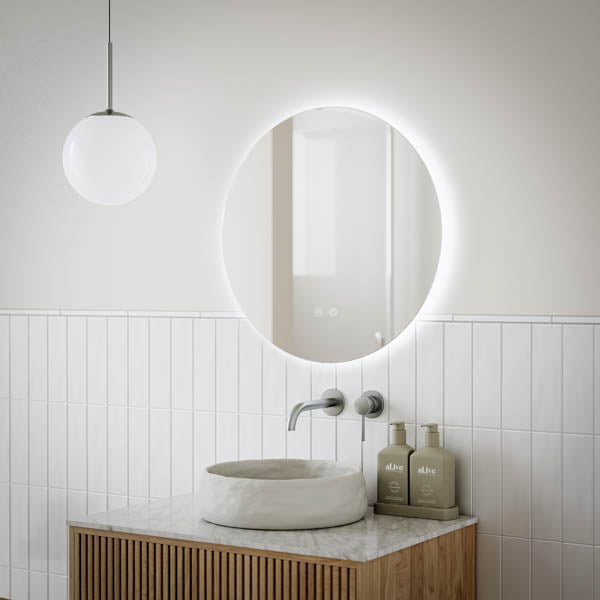
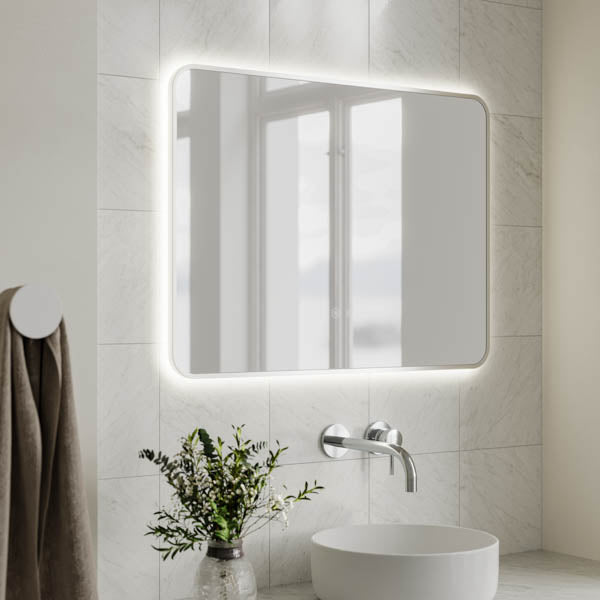
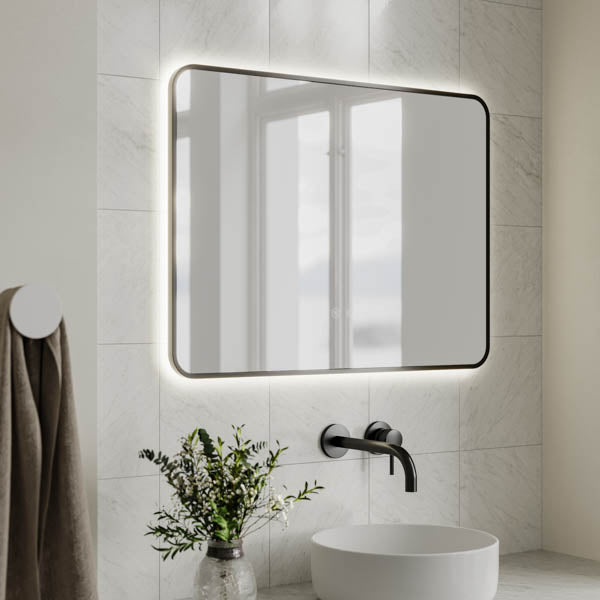
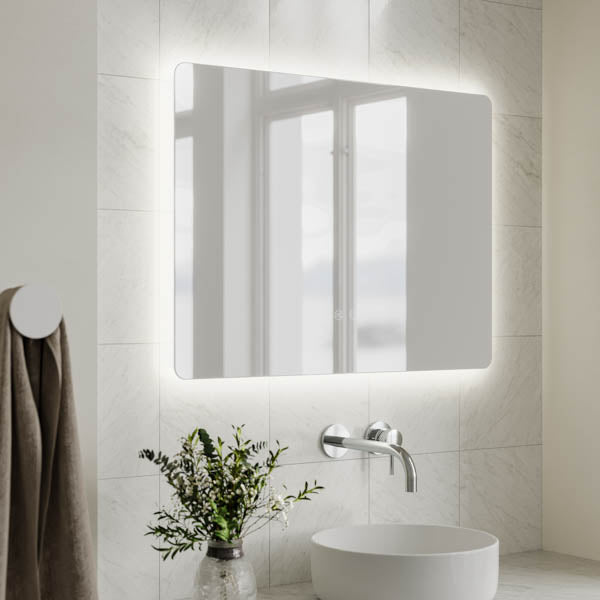
Spend over $800 and receive free gifts in your cart. Towels, accessories and full length mirrors!
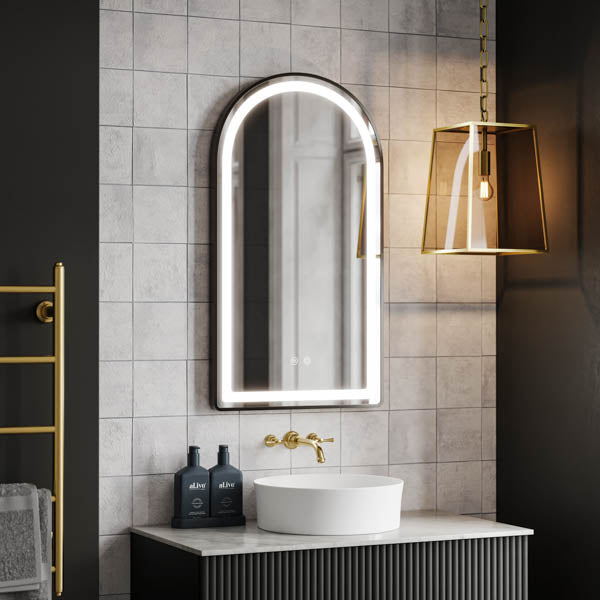
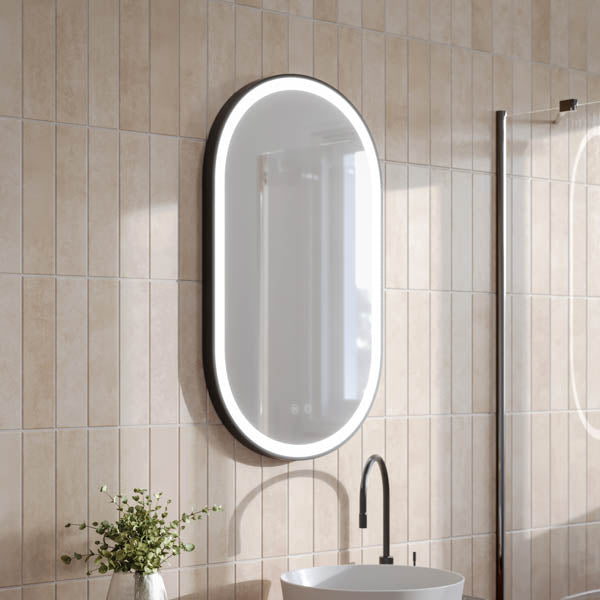
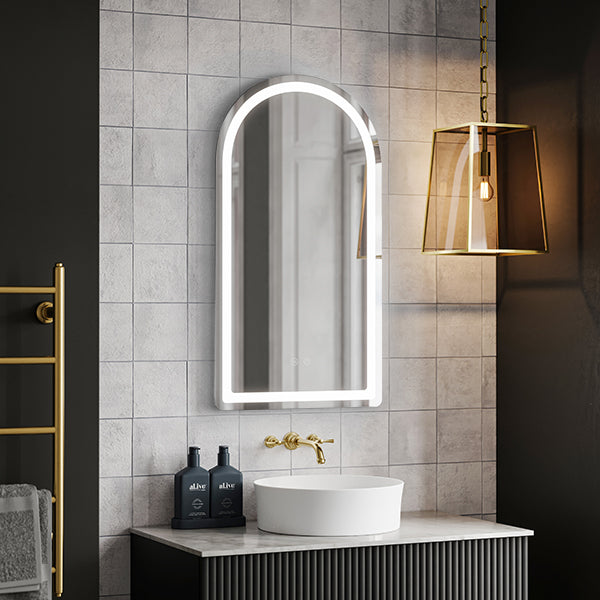
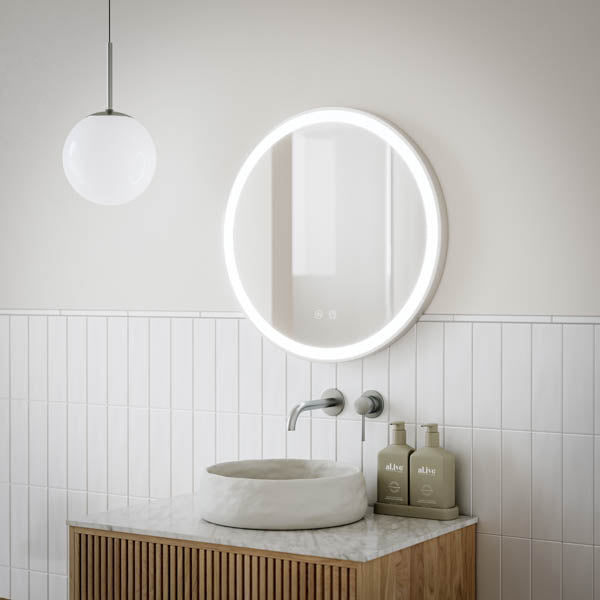
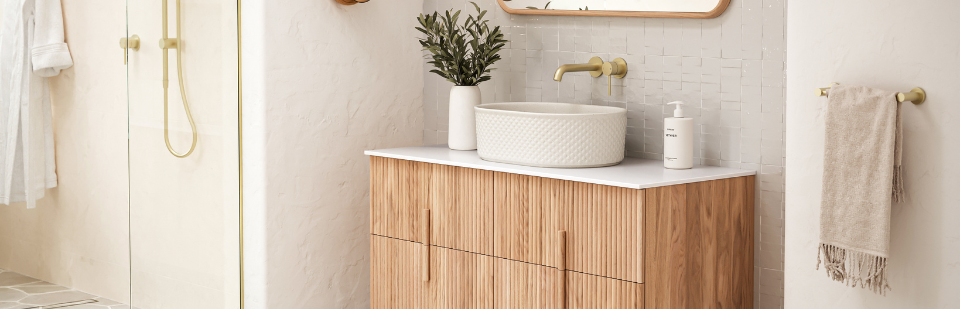
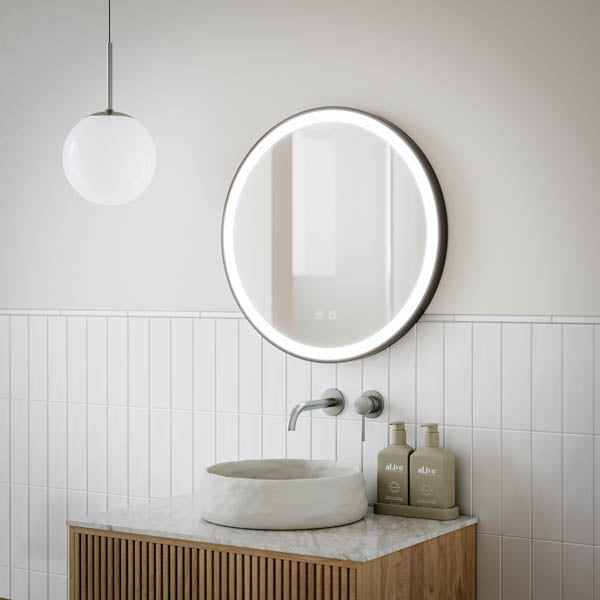
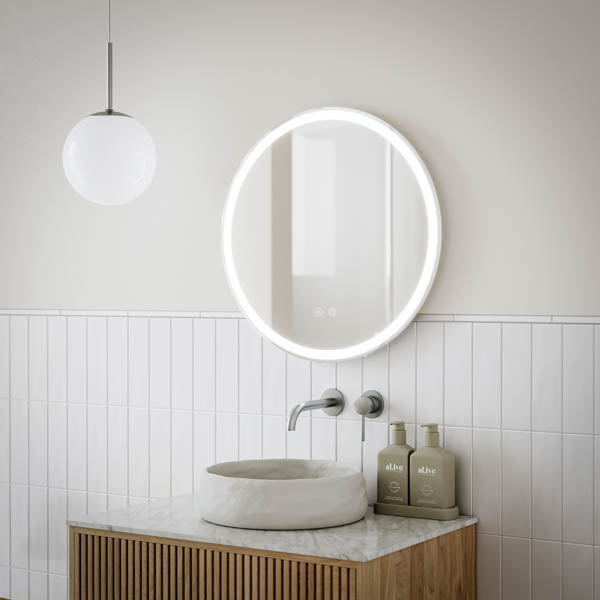
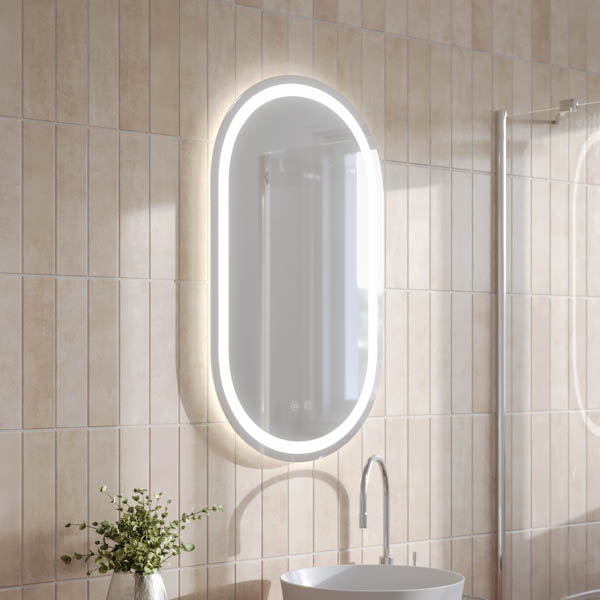
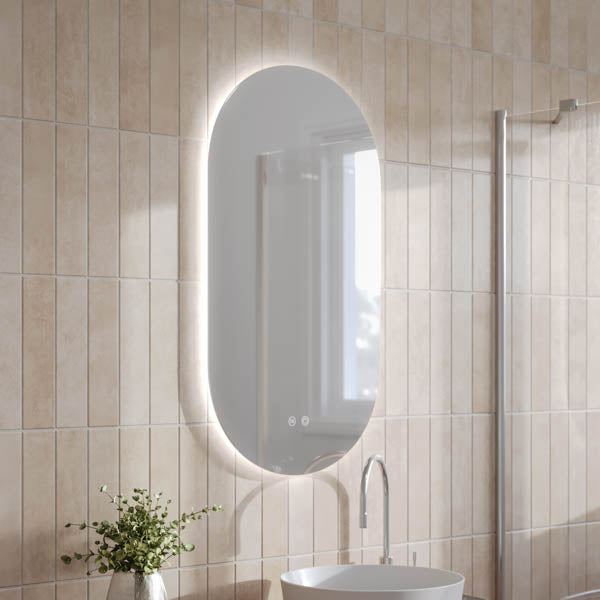


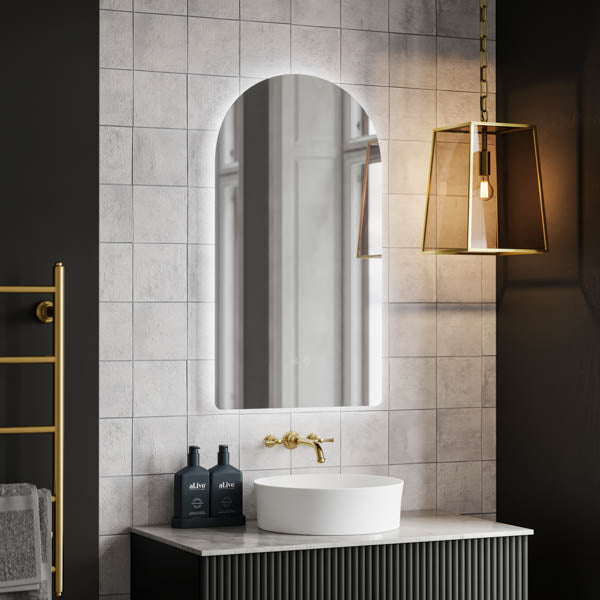
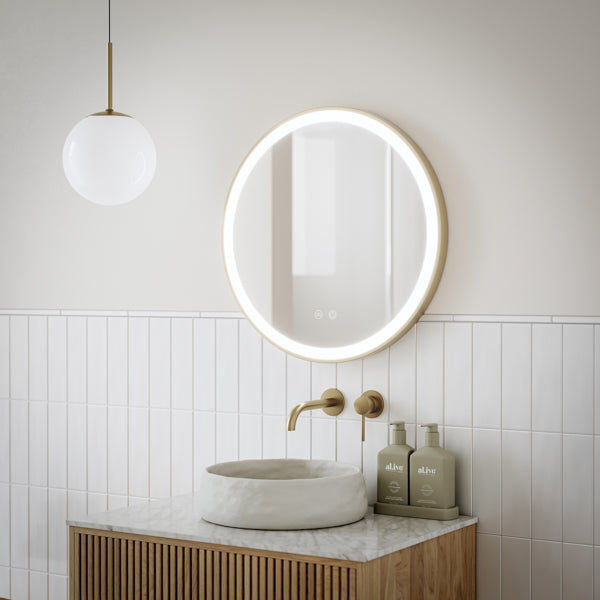
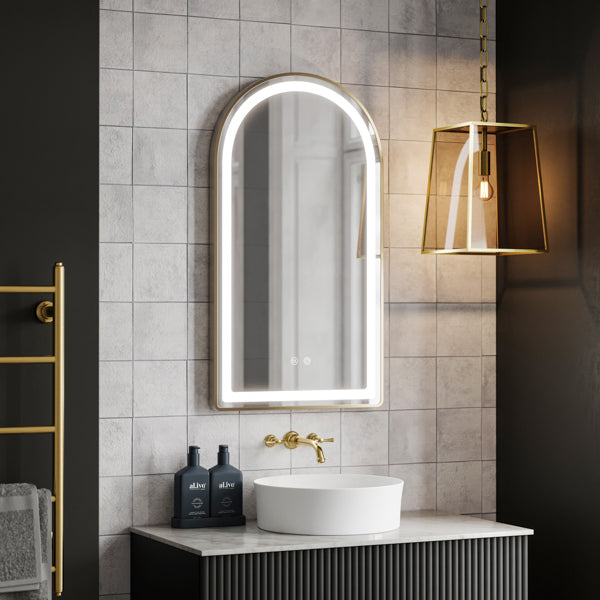
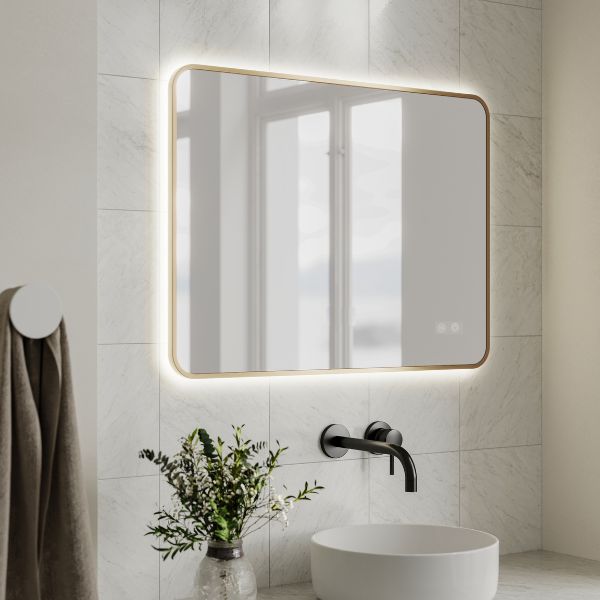
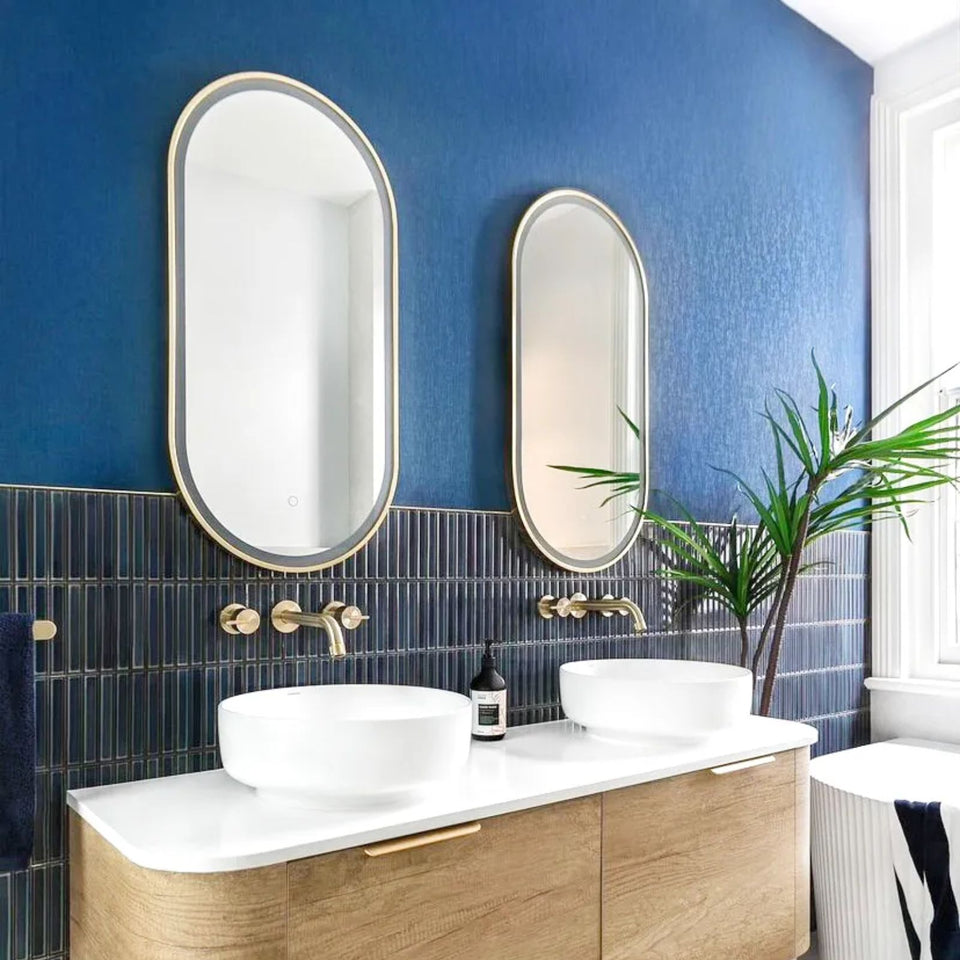
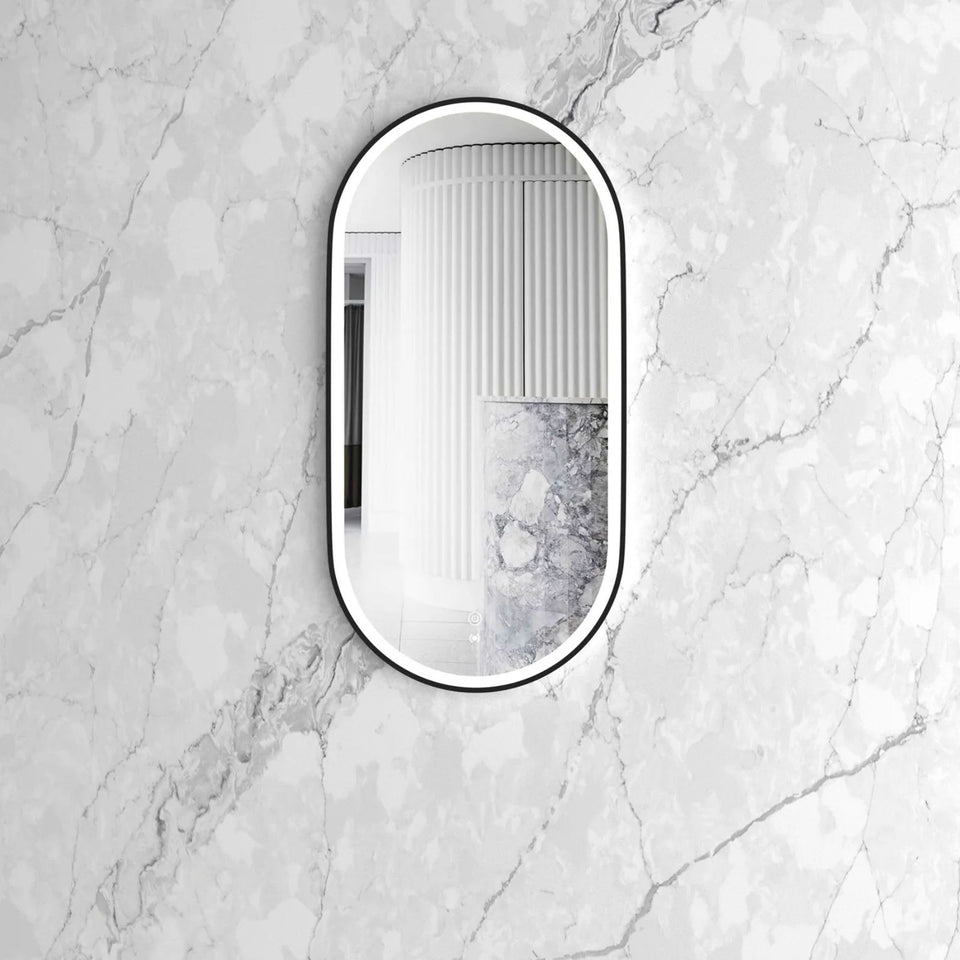
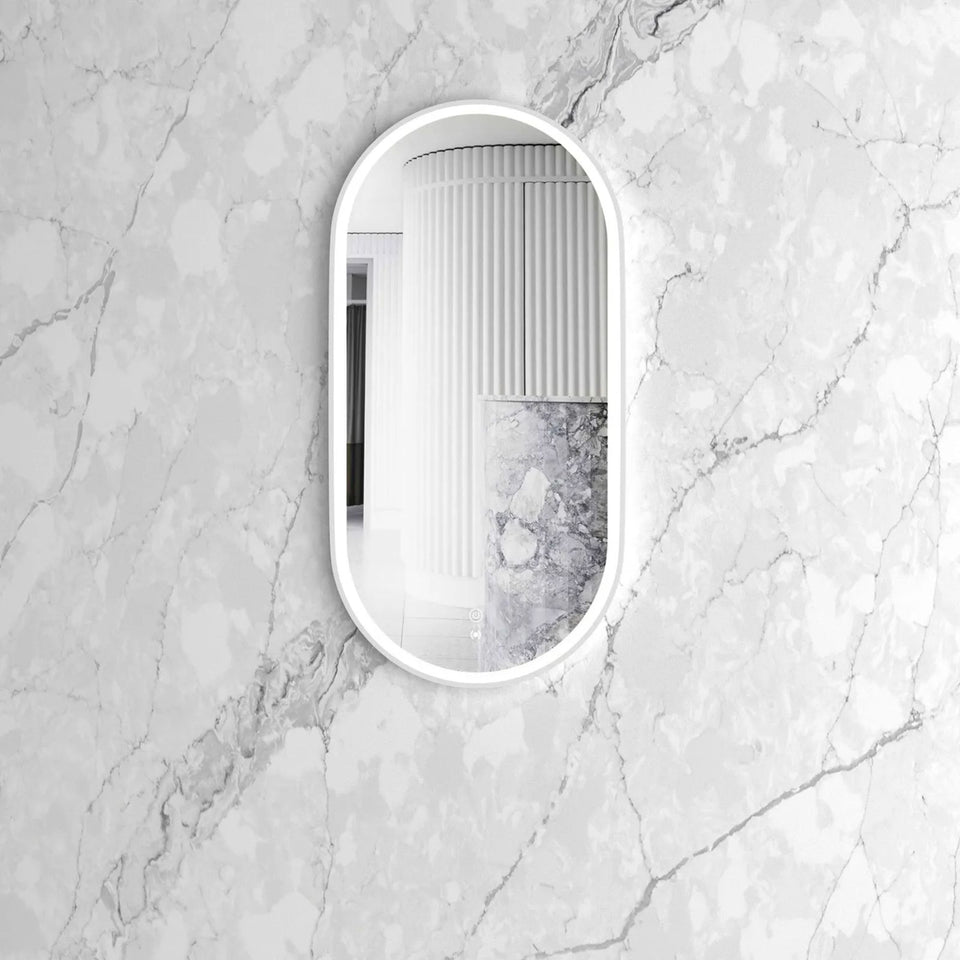
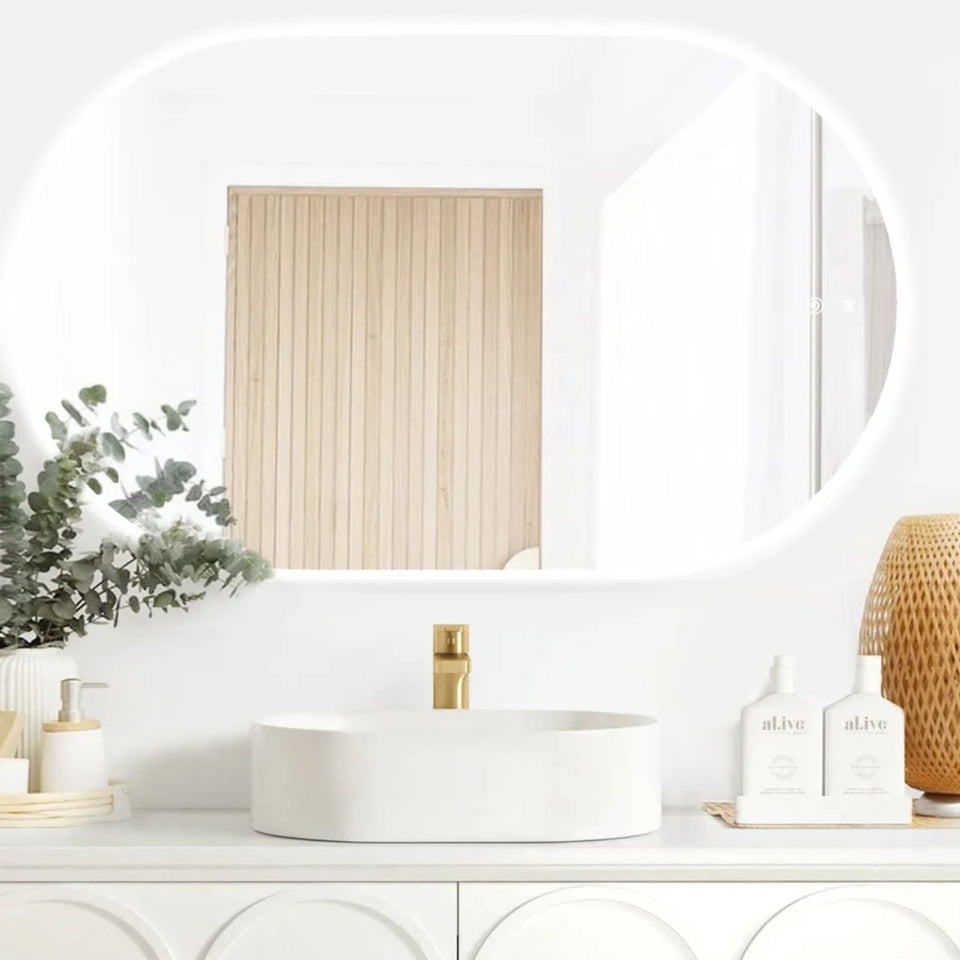
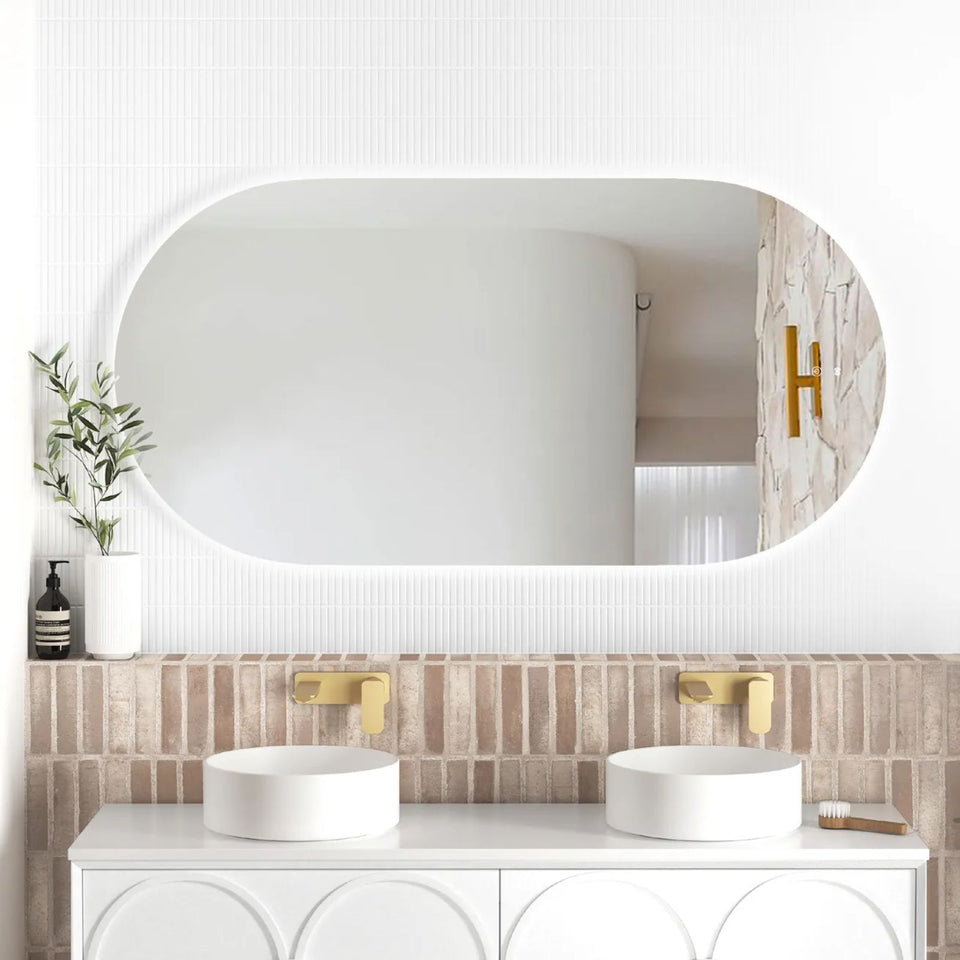
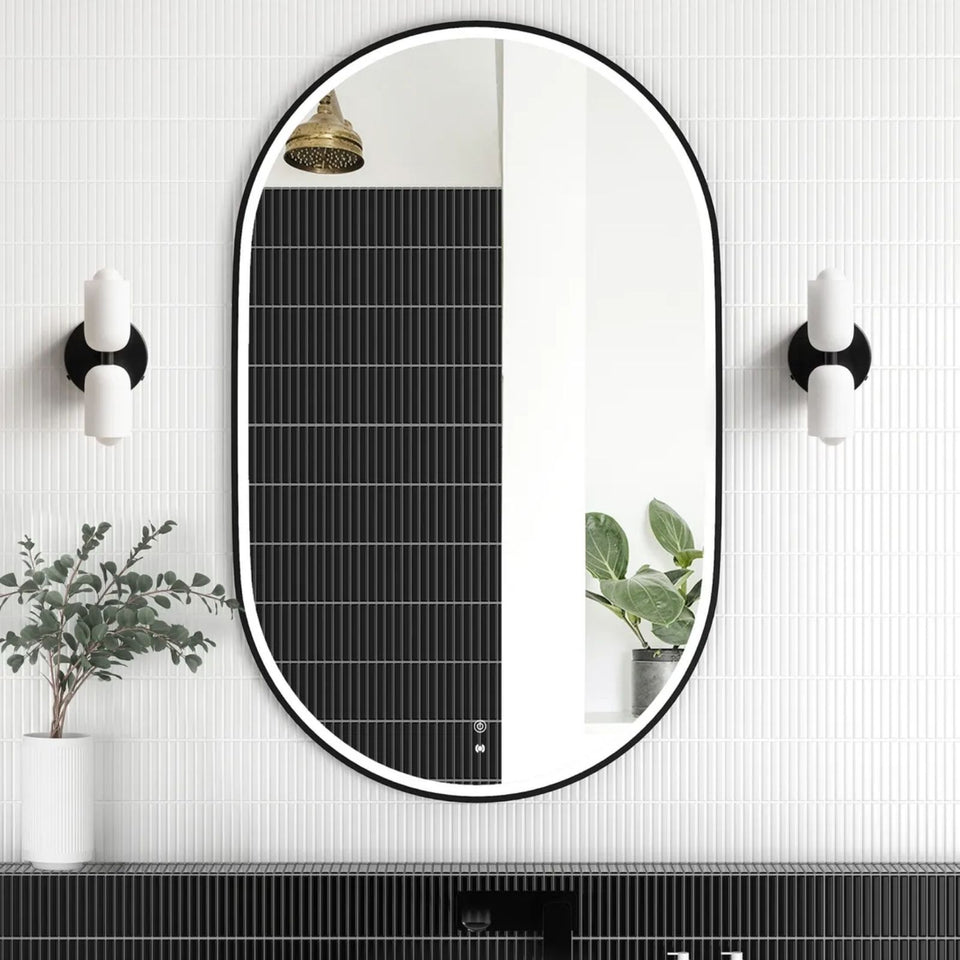
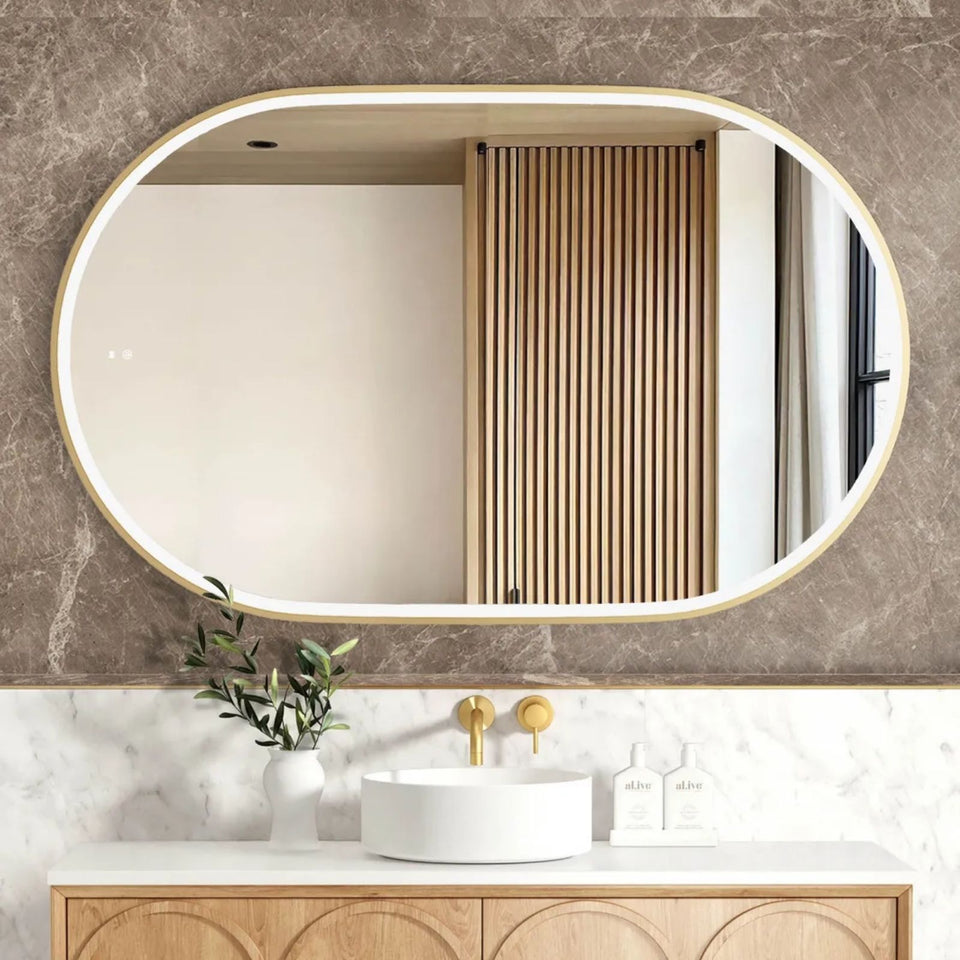
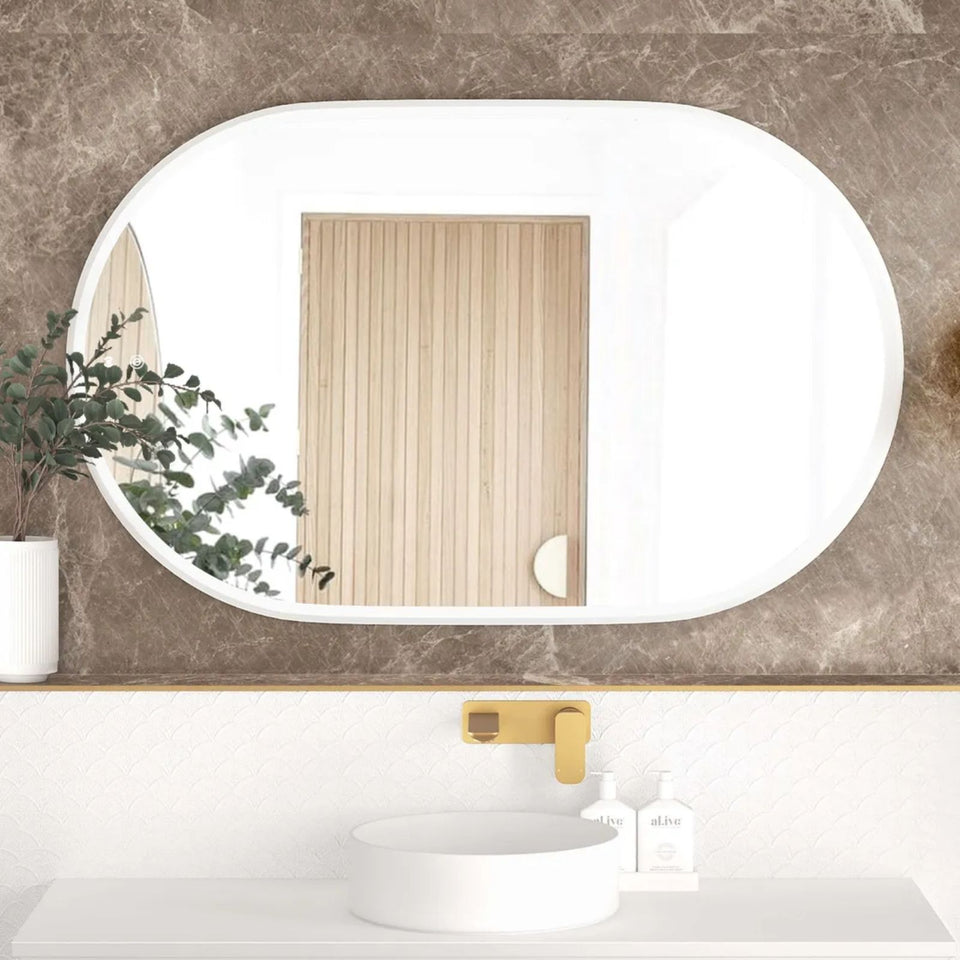
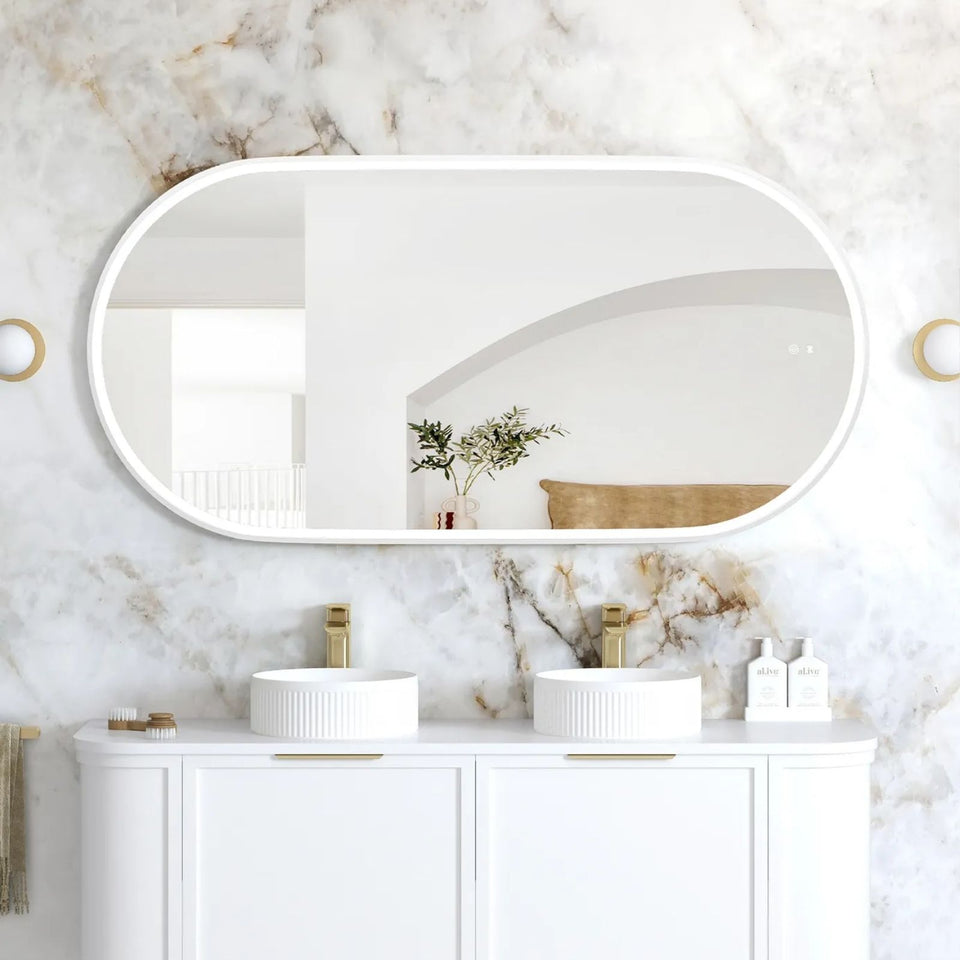
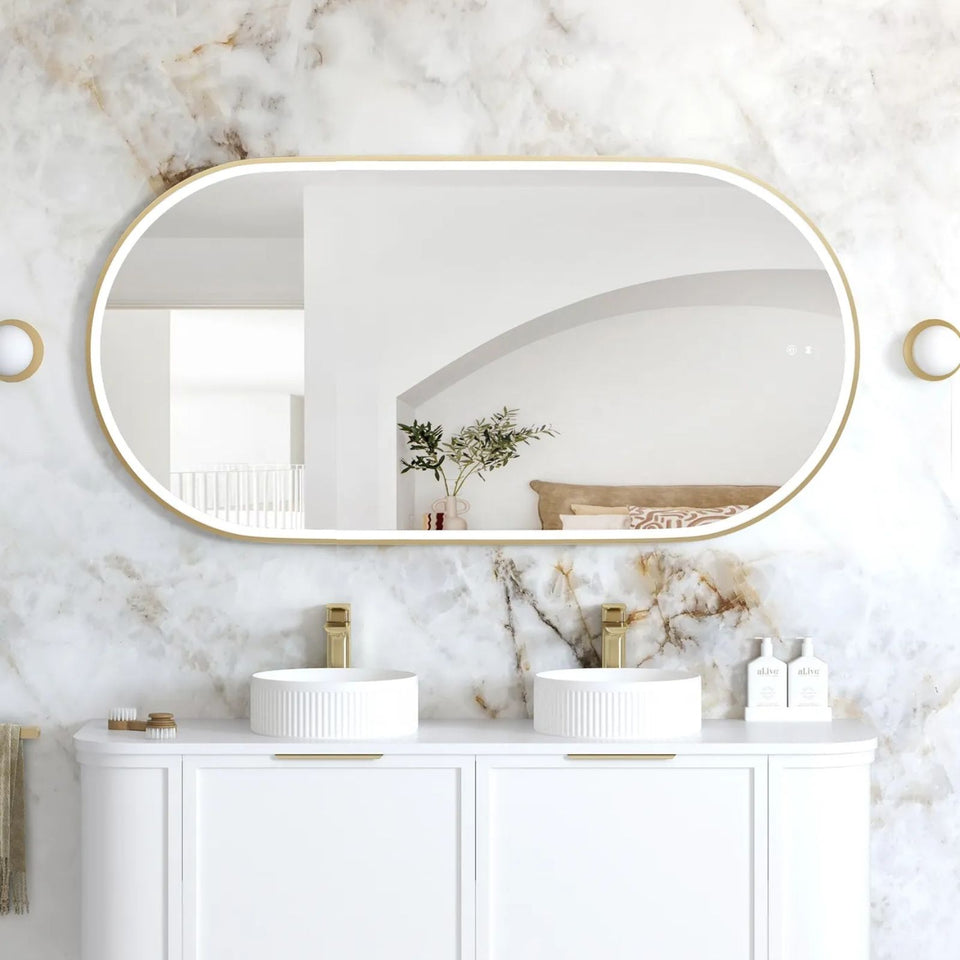
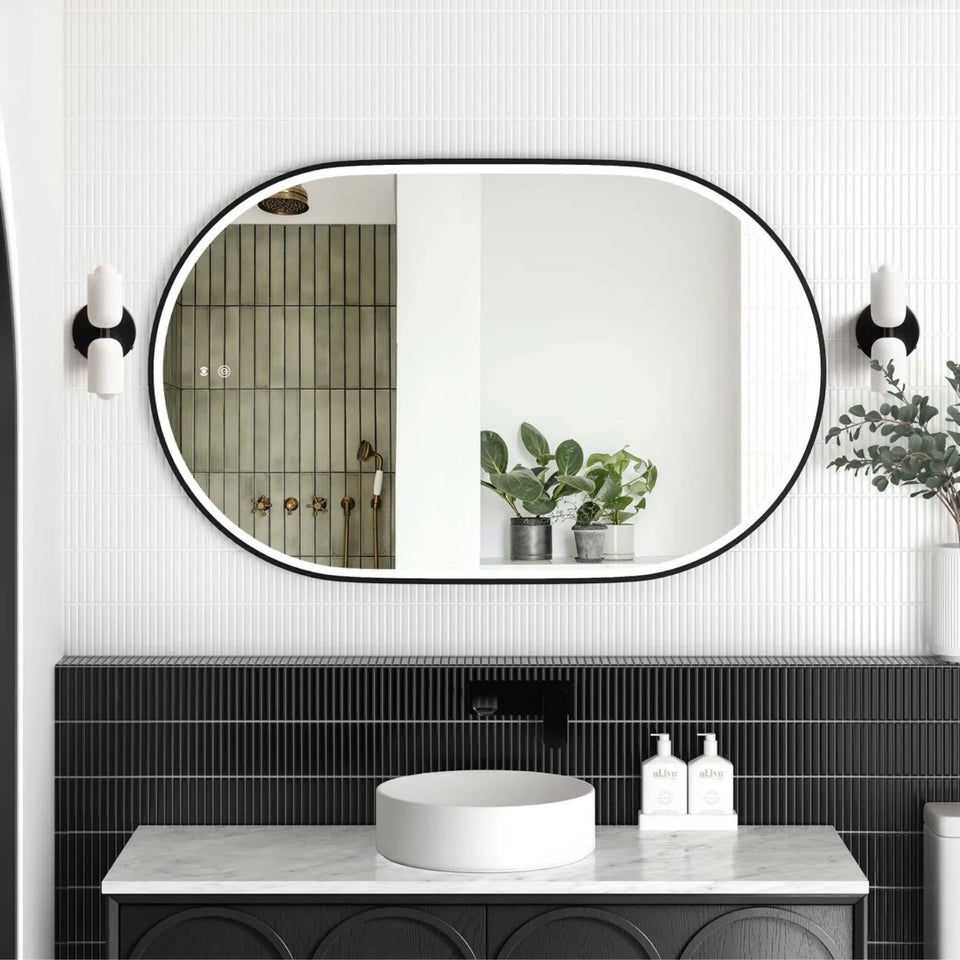
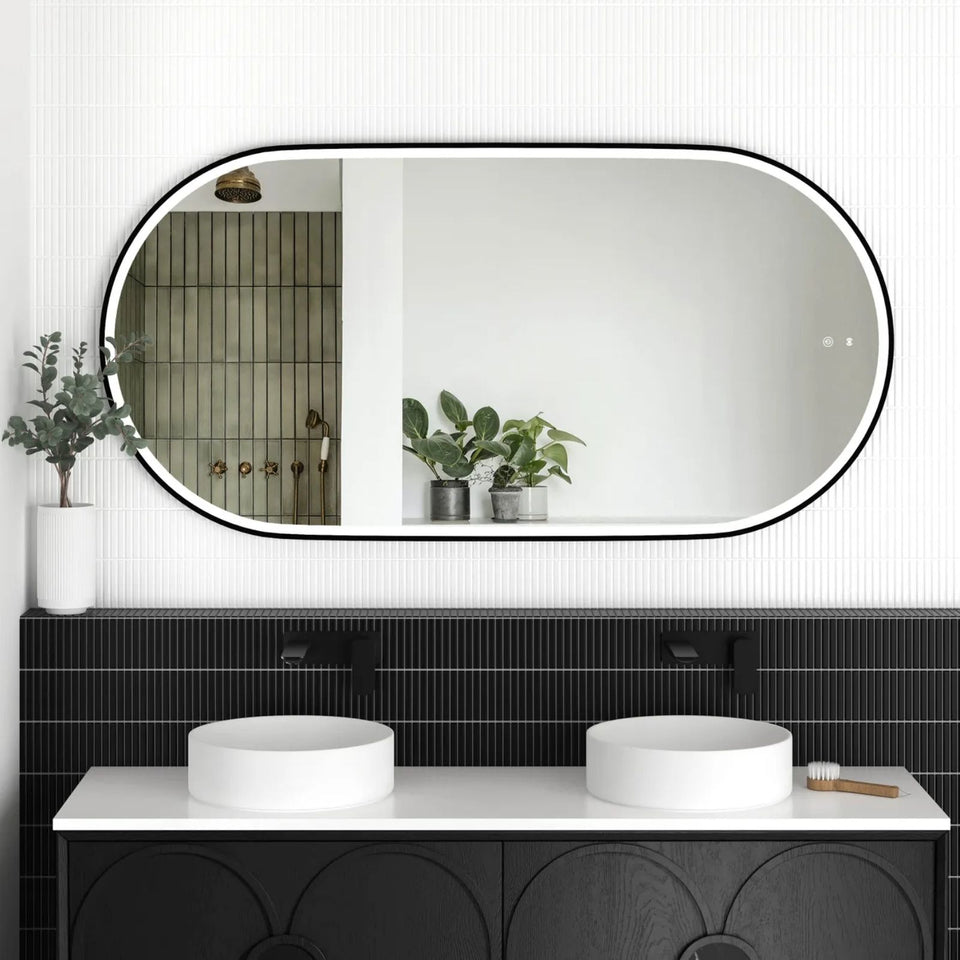
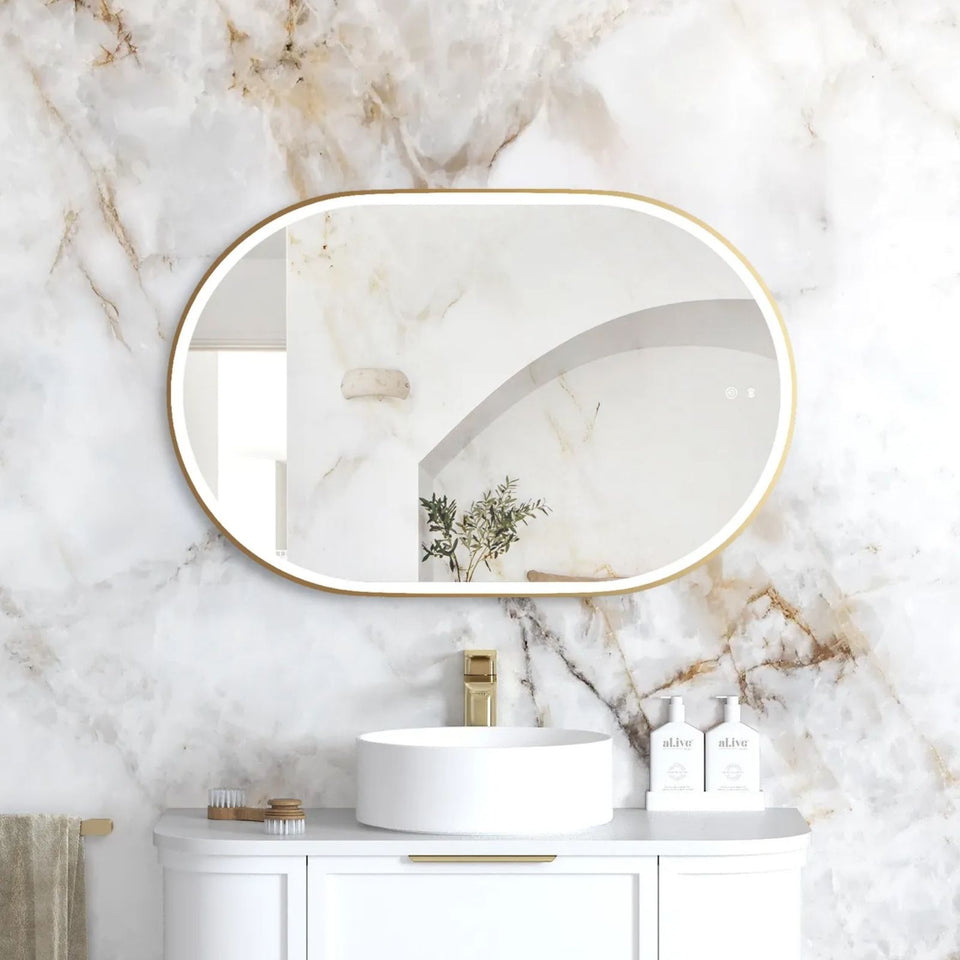
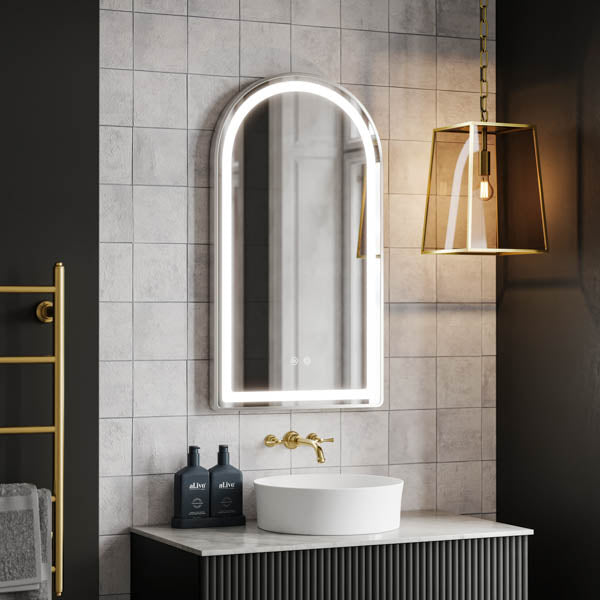
Most bathroom lighting comes from a single ceiling fixture, which tends to cast shadows across the face rather than illuminating it evenly, exactly the wrong result when shaving or applying makeup. An LED mirror solves this by moving the light source to where it's actually needed, at the mirror itself, and consolidates two separate bathroom fixtures, light and mirror, into one considered piece of hardware.
Light is built directly into the mirror, either shining from behind the edges for a soft, halo-like glow, or through the front of the glass directly toward the user. These mirrors are hardwired into the wall by a licensed electrician, so there are no visible cords, and are typically switched on with a touch-sensitive spot on the glass itself.
Above the vanity remains the primary use case, giving even, shadow-free light for grooming tasks in both a small ensuite and a larger main bathroom. Walk-in robes benefit from the same even lighting for judging how clothing actually looks, without needing to add a separate floor lamp to the space. Hallways and entryways are a less obvious but genuinely useful placement, brightening a typically darker area of the home and giving a last check before heading out the door.
Front-lit mirrors direct light straight through the glass toward the user, eliminating shadows across the face and suiting anyone prioritising precise, task-focused lighting for makeup or shaving.
Backlit mirrors place the light source behind the mirror instead, creating a soft glow against the surrounding wall rather than direct illumination on the face. This suits a calmer, more considered mood, particularly for a bathroom doubling as a relaxation space.
Dual-lit mirrors combine both, giving the flexibility to switch between bright, direct task lighting and a softer ambient glow depending on the time of day and the task at hand.
Rectangular and square mirrors remain a reliable, versatile default, offering clean lines and generous surface area suited to most bathroom layouts. Round and oval mirrors introduce a deliberate contrast in a bathroom built from square tiles and sharp corners, softening the room and often becoming a genuine design feature in their own right. Pill-shaped mirrors, a rectangle with rounded corners, sit between the two, offering a considered, contemporary middle ground.
Frameless mirrors give the most minimal look, helping a room feel larger since there's no visible border interrupting the wall. Framed mirrors add more personality and are worth choosing in a finish that echoes nearby tapware, a thin black frame alongside matte black taps, for instance, ties the room together as one coordinated design.
Even, shadow-free lighting genuinely improves the accuracy of daily grooming tasks, shaving and makeup application in particular, since flaws and missed spots are far easier to catch under front-facing light than under a single overhead fixture.
LEDs also use considerably less power than older bulb types and have a long operational lifespan, commonly cited at around 50,000 hours, which in practical terms means the light fixture itself is unlikely to need replacing before the next full bathroom renovation.
Visually, an LED mirror gives an immediate style upgrade, since removing the need for a separate vanity light fixture cleans up the wall considerably, leaving a simpler, more spacious-feeling result. Beyond function, a dimmable mirror also works well as a gentle night light, providing just enough illumination for a late-night bathroom visit without a jarring, full-brightness light.
Installation should always be carried out by a licensed electrician, who can wire the mirror safely into mains power and confirm the intended wall is suitable before installation begins.
Lumens and Kelvins are the two specifications worth understanding. Lumens measure brightness, more lumens meaning a brighter light. Kelvins measure colour temperature: a lower Kelvin number reads as a warm, amber-toned light, while a higher Kelvin number reads as a cooler, bluer light closer to daylight. Most bathrooms suit something in the middle of this range, balancing warmth with clarity.
IP rating matters specifically because of the bathroom's water exposure. Look for an IP44 rating, which confirms the mirror is splash-resistant and suitable for a steamy, humid bathroom environment, a standard worth treating as a baseline for quality bathroom electrical fixtures generally.
Ingrain offers a strong range of feature-packed, design-led mirrors. Timberline is a well-established Australian brand building specifically for local conditions and styles. Marquis offers mirrors designed to pair directly with its own vanity range for a cohesive, matched look. Thermogroup focuses on innovative technical features across its mirror range. For close-up work specifically, The Blue Space's separate shaving mirrors collection is worth reviewing alongside a full-size LED mirror.
An LED mirror is easiest to choose once the vanity and tapware for the room are settled, since frame finish and mirror size both benefit from being planned alongside those fixtures. The Blue Space's Vanities and Tapware collections are worth reviewing alongside a mirror selection, so the finished vanity wall reads as one considered space.


