
*View accurate shipping rates and availability






26 Items



Up to 70% off across the store, plus free towels and mirrors up for grabs on orders over $800*


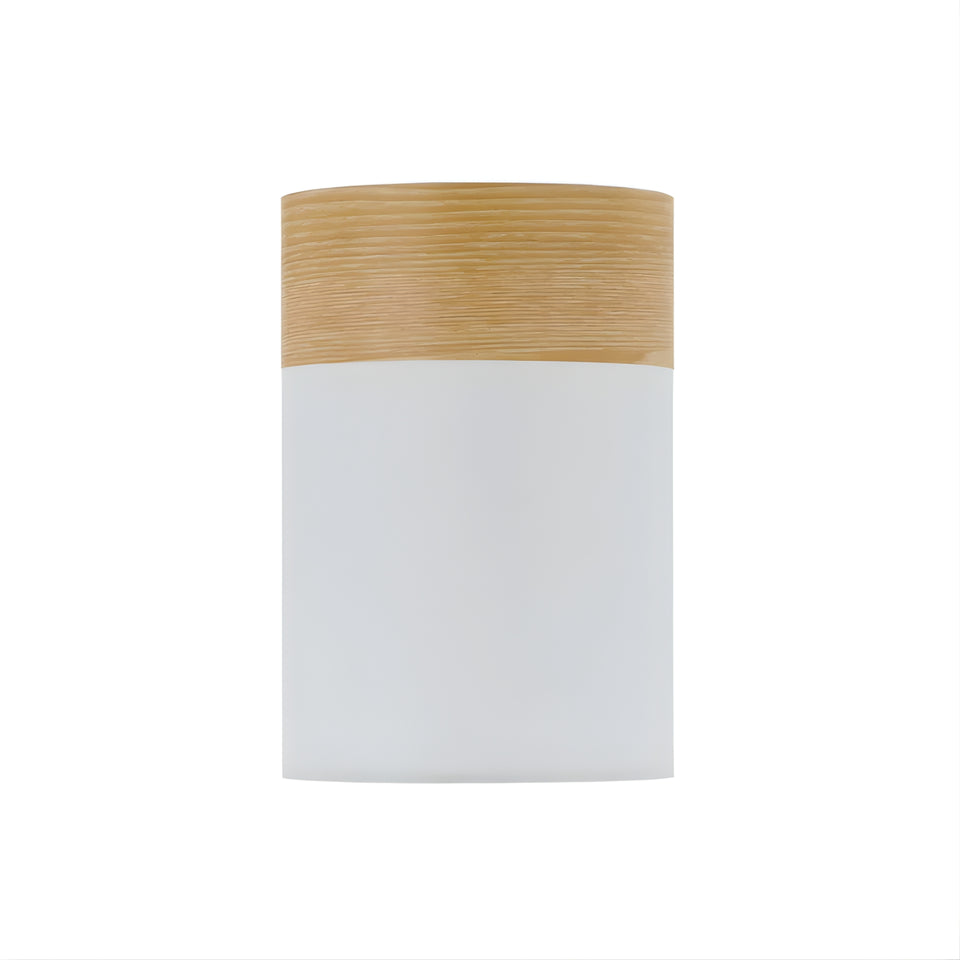
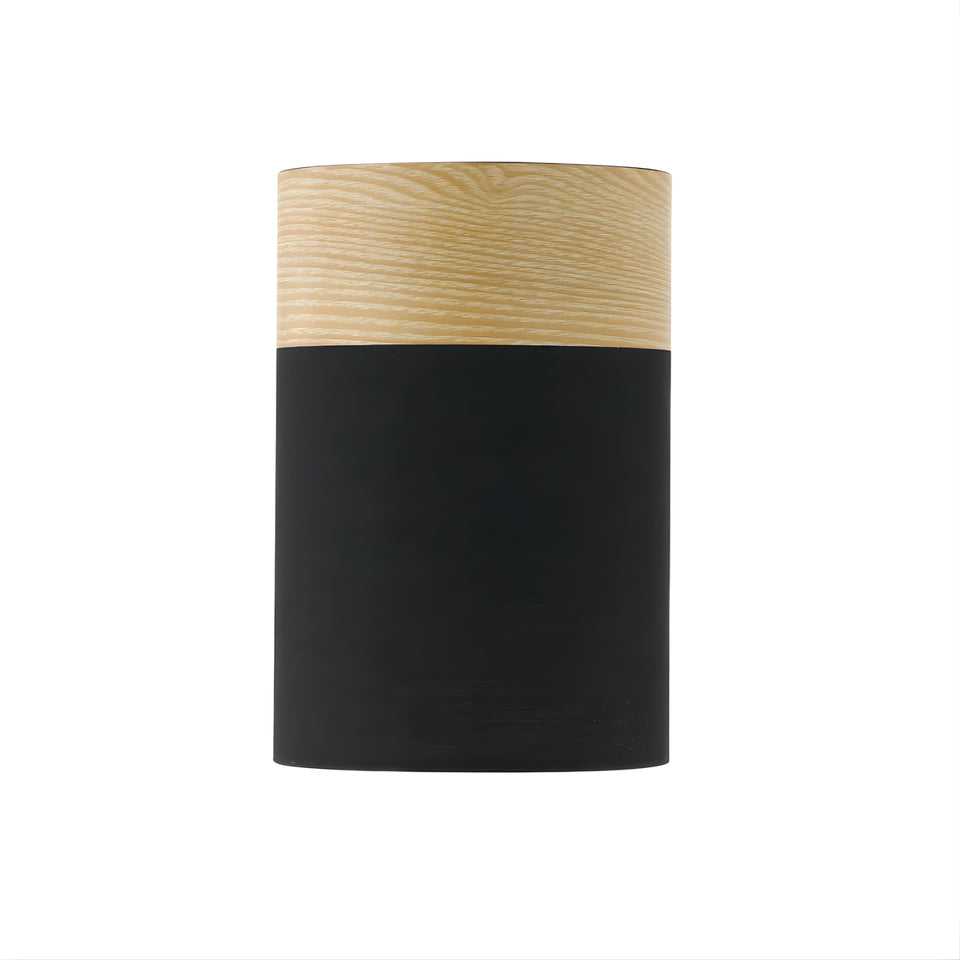


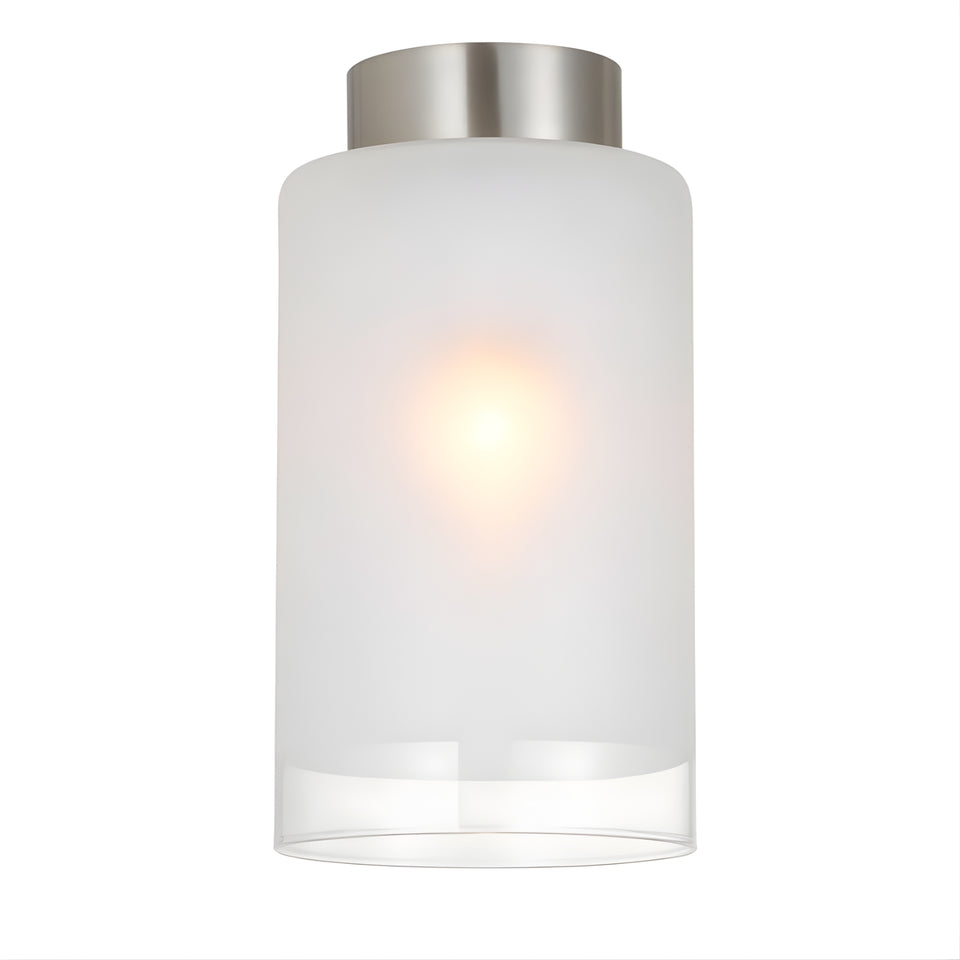
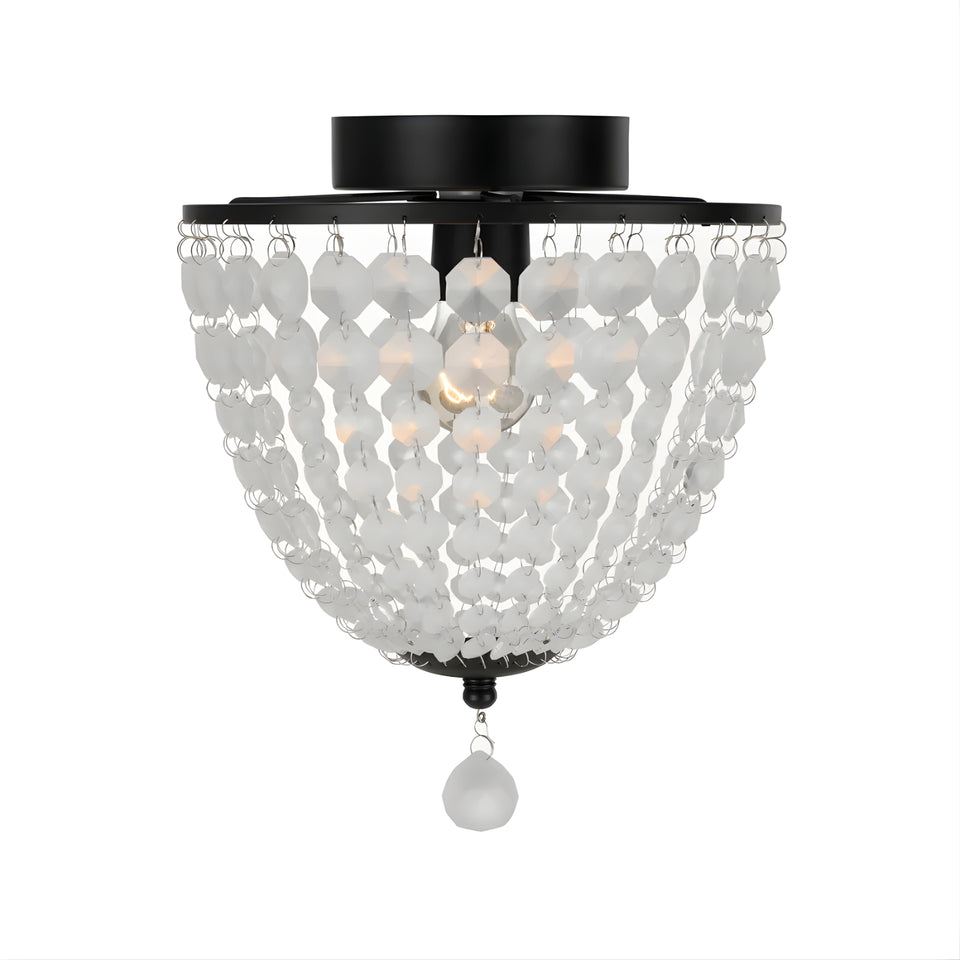


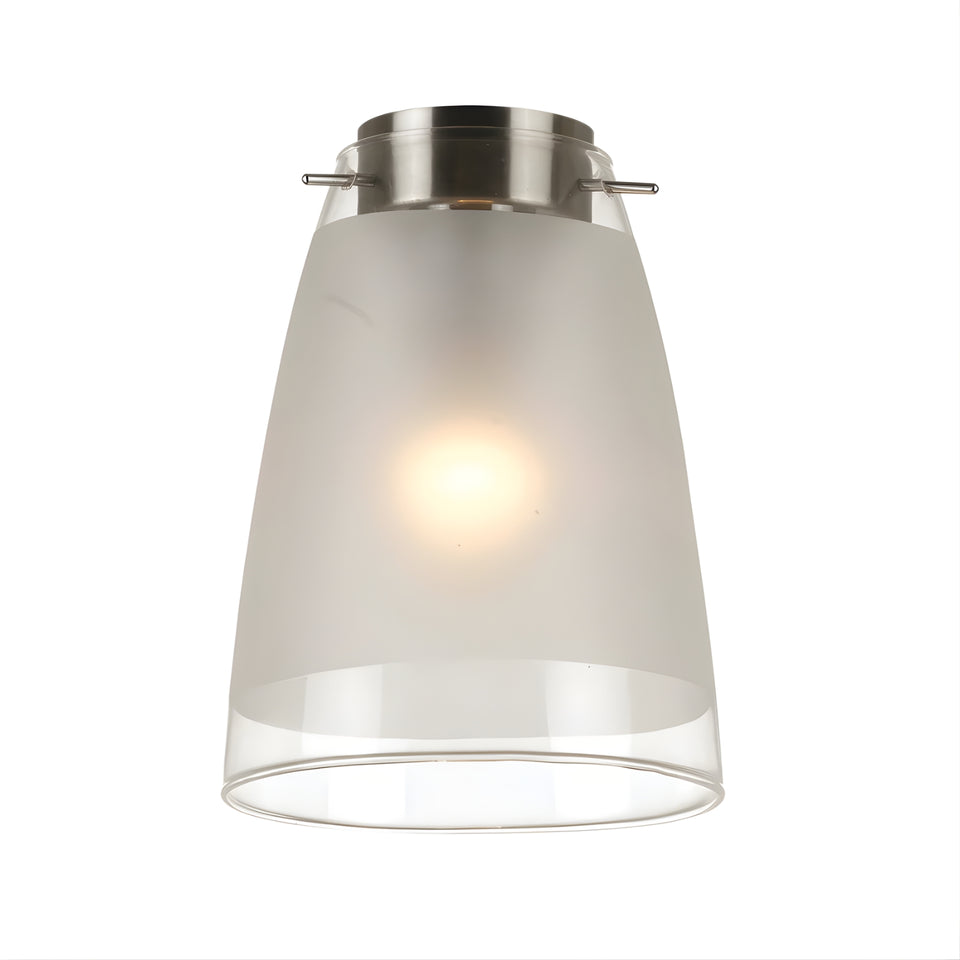


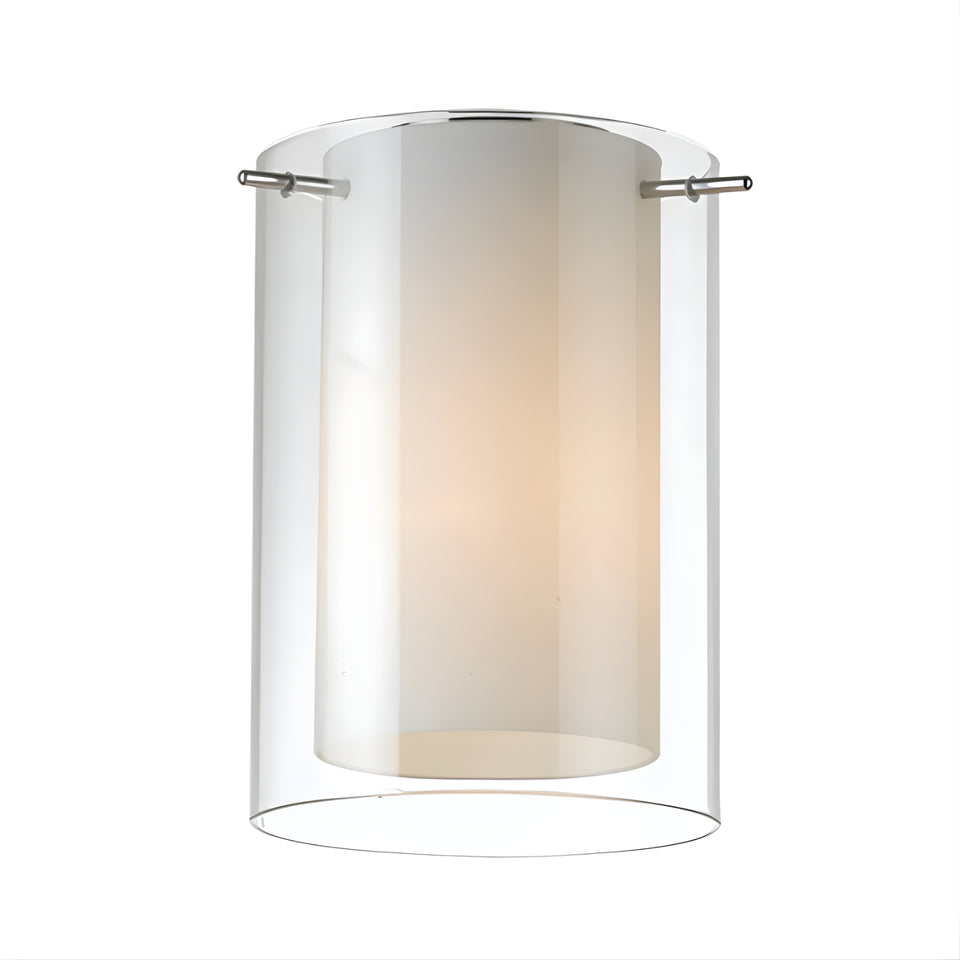
Most Australian rooms have one light point in the middle of the ceiling, and whatever hangs from it sets the mood after dark. This page holds square and round LED oysters, batten fix lights that cover an existing holder, and a group of adjustable weatherproof lights for covered outdoor ceilings. Below you will find the types of ceiling light and where each belongs, how ceiling height limits the choice, how to size a light to the room and what the globe or LED decides. It also covers which fittings a householder can change and which need an electrician.
Ceiling lights come as oysters, flush and semi-flush mounts, close-to-ceiling lights, batten fix lights, LED battens, ceiling spotlights and spot bars, surface-mounted and recessed downlights, pendants, chandeliers, track lighting, ceiling fans with lights and LED panels. Each suits a different room.
An oyster is the round, flat fitting with an opal diffuser that sits hard on the ceiling. It is the default flush ceiling light in Australia, suited to bedrooms, hallways, laundries, garages and covered outdoor ceilings, because it does the simple job well: one fitting on the existing point, even light and low glare. Flush and semi-flush mounts are the decorative cousins. Flush sits against the ceiling, and semi-flush drops 100 to 300mm on a short stem so some light bounces off the ceiling as well as down. Close-to-ceiling lights are the multi-globe version, with several lamps in brass, black or glass.
A batten fix light is a shade that fits over an existing holder, and an LED batten is something else: a long, slim fitting that replaced the fluorescent tube, suited to garages, laundries and sheds. Spot bars carry two to six adjustable heads on one ceiling point. Downlights, pendants and chandeliers complete the list, and pendants and chandeliers are feature fittings that also give ambient light. This page covers oysters and batten fix lights, plus the outdoor bars. For pendants, see pendant lights.
Measure the ceiling before anything else. Most homes built since the 1990s sit at 2.4 metres, older homes and many newer builds are 2.7 metres, and double-height entries, raked ceilings and voids go to 3 metres and up. The shortlist follows from the height.
At 2.4 metres, hanging fittings become a problem, and the choice is slim oysters, flush mounts, surface downlights, recessed downlights, spot bars and low-profile fans. At 2.7 metres semi-flush fittings come in, short-drop pendants over a table or island, and close-to-ceiling chandeliers. From 3 metres, long-drop pendants and full chandeliers start to make sense, and the room needs more lumens because the light has further to travel. The advice for low ceilings comes down to one rule: choose a slimmer profile and sit the fixture closer to the ceiling.
That is why the fittings here are low profile. The Telbix Sky is an ultra-thin flush mount for low ceilings, and the Lyric oyster is 6cm high. The Orlin is a little deeper at about 10cm.
A rule of thumb for oyster size: about 300mm in a hallway, about 400mm in a bedroom and about 500mm in a living space. Weigh the room's dimensions, the ceiling height and the furniture layout, because larger rooms may need wider fittings or more than one for even light.
The oysters here come in set steps. The Telbix Lyric is a square oyster made at 40cm and 50cm, in 24W and 36W, and the Orlin is made at about 42cm and 50.5cm in 24W and 36W. The Sky is a round 24W light. Those sizes fit the bedroom and living room figures. For a hallway, a smaller oyster, or two or three matching fittings in a row, reads as more considered than one large light.
The light source decides the brightness, the colour and the dimming. On a fitting that takes a globe, those choices come from the globe you fit, and most decorative flush mounts take E27, E14 or G9. G9 lampholders take a maximum of 5W of LED each. On a fitting with integrated LED, the decision is already made, and the lumens, the colour temperature and the dimming are part of the product's details.
Integrated LED can be slimmer because the light source is built into the fitting, which allows thinner designs and better light distribution. A typical LED lasts 25,000 to 50,000 hours and uses up to 75 to 85 percent less electricity than incandescent or halogen lights. A replaceable globe can be changed later and an integrated LED cannot, so the choice is between slim and flexible.
The Lyric, Orlin and Sky share a set of features. Each has an integrated LED. The Lyric and Sky have a colour temperature switch with three settings, from warm white at 3000K through natural white at 4000K to a cooler white at 6000K or 6500K. The Lyric and Orlin have three step dimming from the wall switch, at 100, 50 and 20 percent. The Sky dims across three levels with standard wall switches, and its white acrylic diffuser spreads the light evenly and reduces glare.
Lumens show the brightness in each case. The Lyric gives about 1,575 lumens in the 24W size and about 2,790 in the 36W, the Orlin about 1,270 and 1,875, and the Sky a maximum of 2,800. For a reference point, about 800 lumens matches an old 60W bulb. So the 24W oysters give roughly one and a half to two times that output, and the 36W sizes more again.
A batten holder is the white bayonet fitting screwed to the ceiling in many older Australian homes. A batten fix light is a shade that covers the holder and the globe already in it, with no wiring touched. It is the one decorative ceiling light you can fit yourself, and it suits renters and anyone after a quick change. The trade-off is control: brightness and colour come from the globe, the wattage is capped by the holder, and there is no integrated LED or sensor.
Check three things: the holder type, noting that B22 is the Australian standard, the maximum globe wattage printed on the fitting, and whether the fitting includes a holder or expects yours. The batten fix lights here, the Bobo, Akira, Envoy, Fila, Lydia and Grace, all take a B22 globe, and the globe is not included. They come in glass, fabric and metal shades, from about 20cm to about 25.5cm high. A new or replacement holder is electrician work, and the Bobo must be installed by a licensed electrician. Compare the Bobo range at Telbix Bobo lighting.
A pendant is a ceiling light that hangs, and it needs room. The bottom of a pendant should sit 700 to 900mm above a bench or table, and anywhere people walk under it needs 2.1 metres of clearance. That is why a long drop pendant belongs over furniture and not in the middle of a 2.4 metre room. Over a kitchen island the bottom sits 75 to 90cm above the surface, over a dining table 70 to 90cm, with 60 to 80cm between pendants in a row. See pendant lights for the full range.
The broad bands are these. Around 2700K to 3000K is warm and cosy, suited to living rooms and bedrooms. Around 4000K is neutral, for kitchens and bathrooms. 5000K and above is cool and bright, for garages and task areas. 3000K to 3500K also works for kitchens, bathrooms and offices. The bands overlap, so treat them as a guide.
A switchable colour temperature, as on the Lyric, Orlin and Sky, lets you choose after installation, which suits a room that changes use. Do not mix colour temperatures within a room, because the difference shows on the walls, so set every light in the room to the same band.
Some ceiling lights on this page are made for outdoor use. The Eglo Fremantle ceiling lights are IP65 aluminium bars with two, three or four adjustable GU10 heads, and the globes are included. They suit a verandah, a pergola or a covered patio, where the cover protects the fitting but the air still carries moisture. For the full group, see outdoor ceiling lights. For bathroom ceilings, the zone and IP rules apply, and bathroom lighting sets them out. The indoor ceiling lights on this page are rated IP20, so they belong in dry rooms.
The rule is firm. In Australia, anything tied into fixed 240V wiring is licensed electrical work, and that includes swapping one oyster for another. The exceptions are a batten fix shade over an existing, working holder, plug-in fittings, and changing globes. A licensed electrician should install ceiling lights to meet the electrical safety standards. The Telbix fittings here are for installation by a licensed electrician only.
Dust regularly and clean with a soft, non-abrasive cloth to protect the finish.
The finishes in this range include teak and walnut woodgrain on the oysters, white and black, nickel, antique gold and opal or frosted glass on the batten fix lights. Repeat one finish across two or three fittings in a space, so the room reads as planned, without every fitting having to match. Compare finishes at white lighting and black lighting.
The ceiling height comes first, because it decides whether a flush, semi-flush or hanging light is possible. Choose the size from the room. Then choose between an integrated LED, with switchable colour and dimming, and a globe that can be changed later. A batten fix light over an existing holder is the one a renter can fit alone. Everything else needs a licensed electrician, with the fixing point settled before the light arrives.
For globes, see light bulbs and globes. To step back, return to the wider lighting collection. See also ceiling fans for fans with a light.


