
*View accurate shipping rates and availability






84 Items

Up to 70% off across the store, plus free towels and mirrors up for grabs on orders over $800*
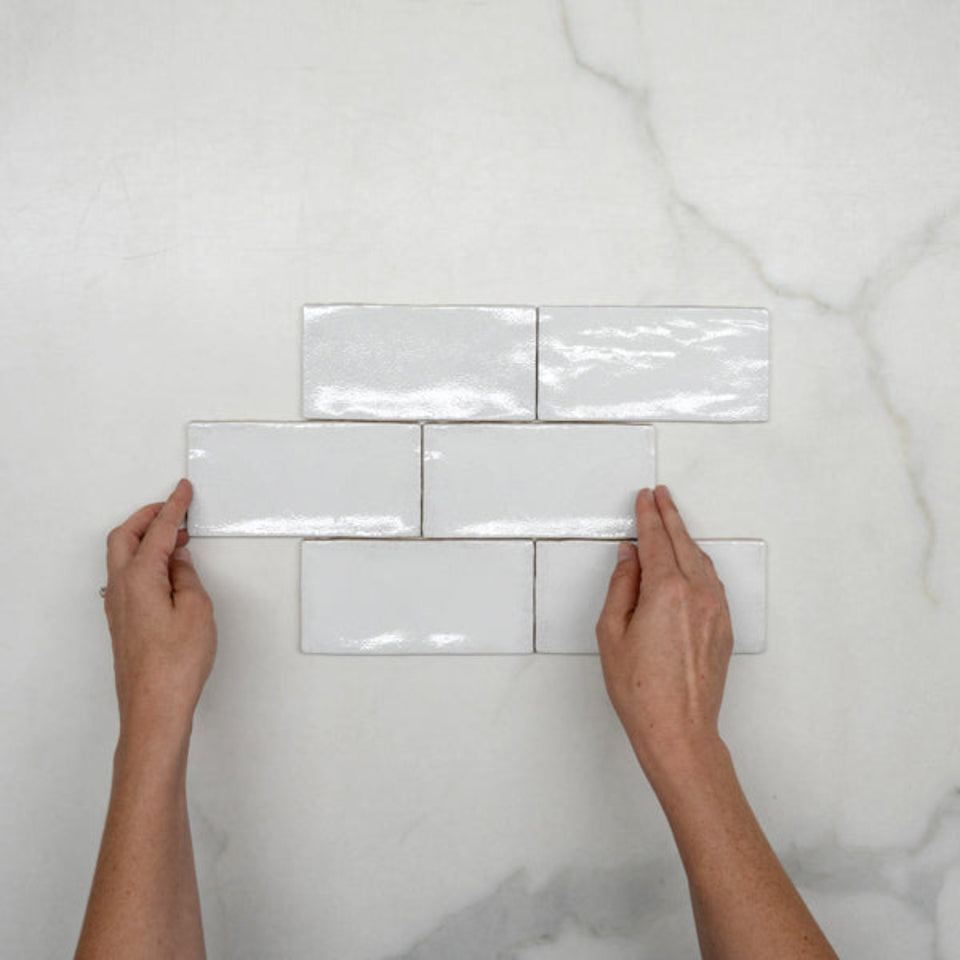


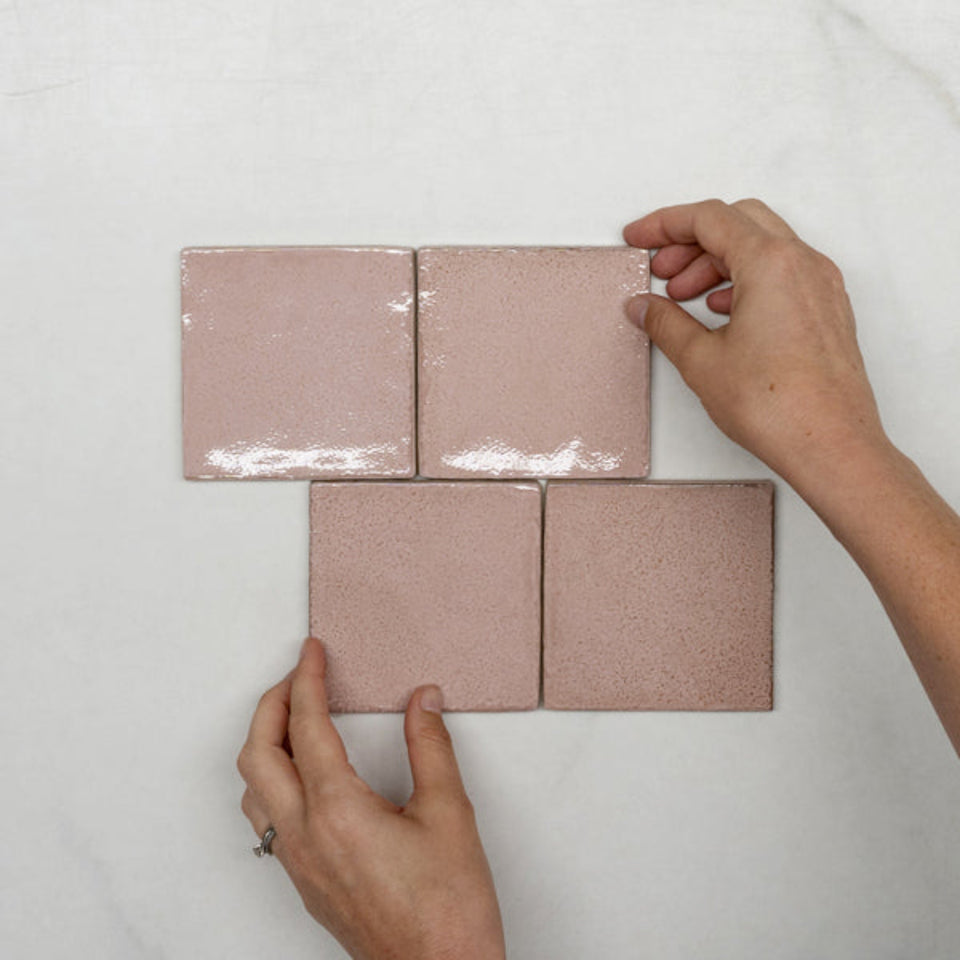
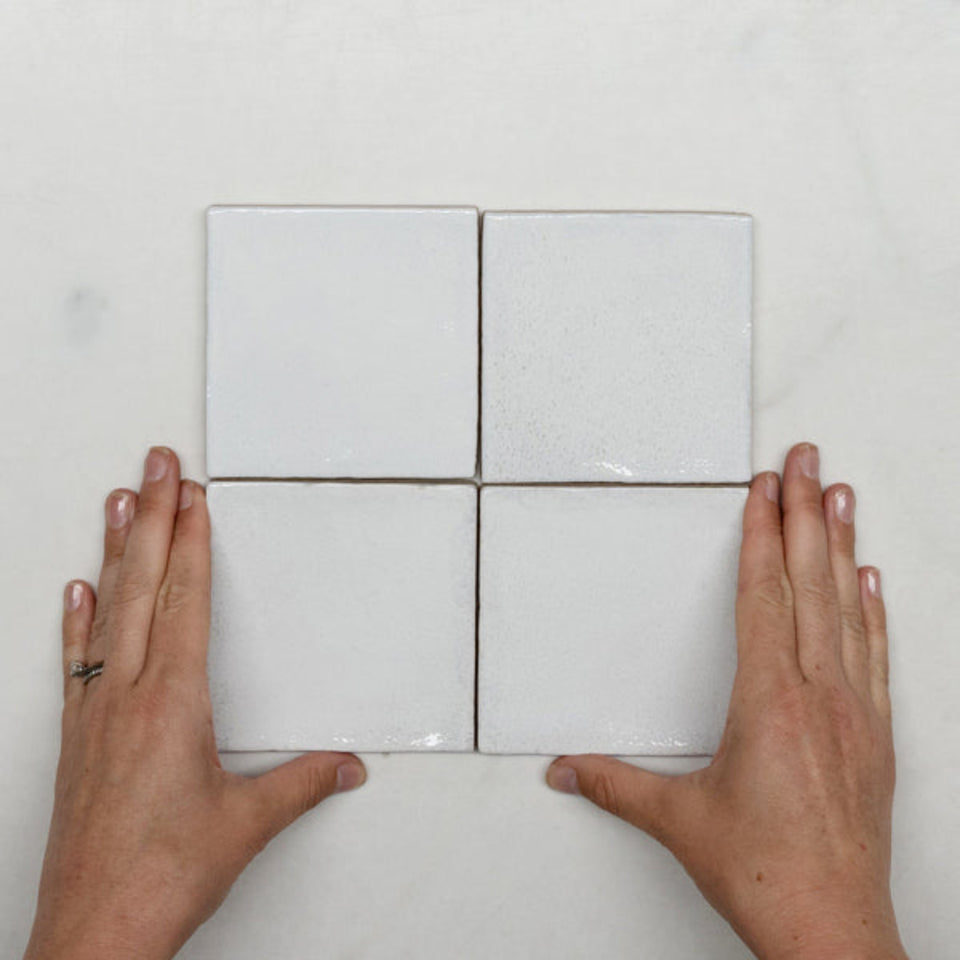

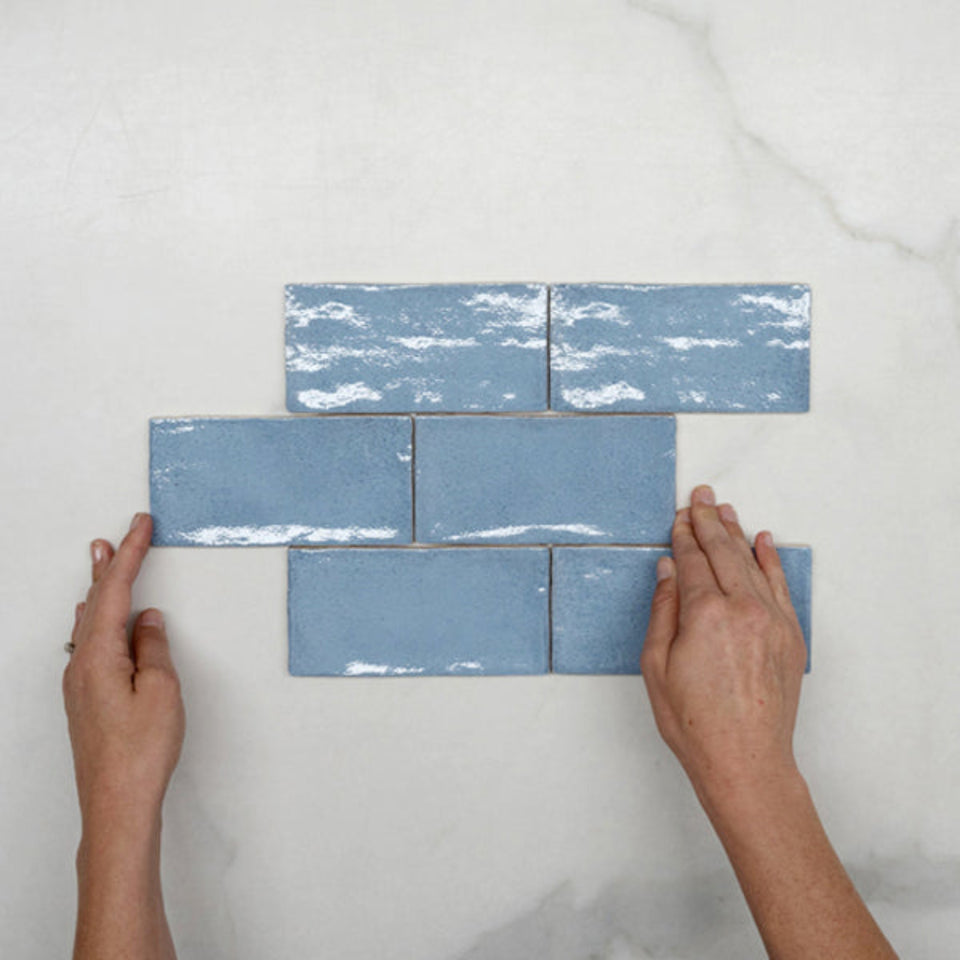


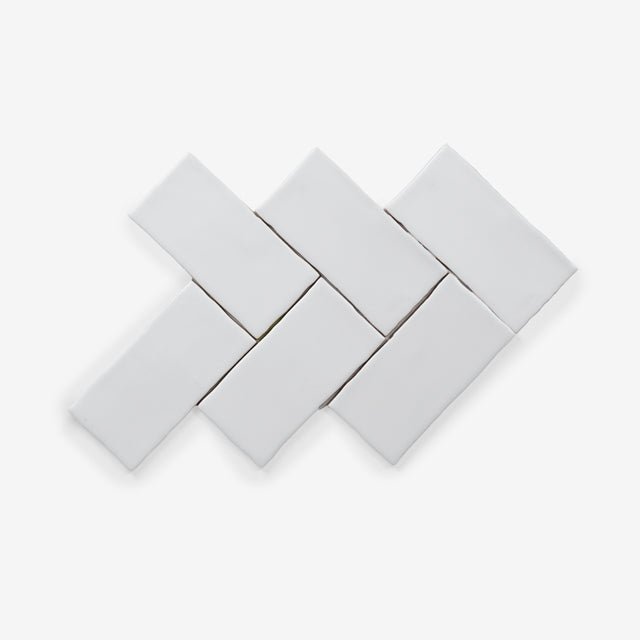
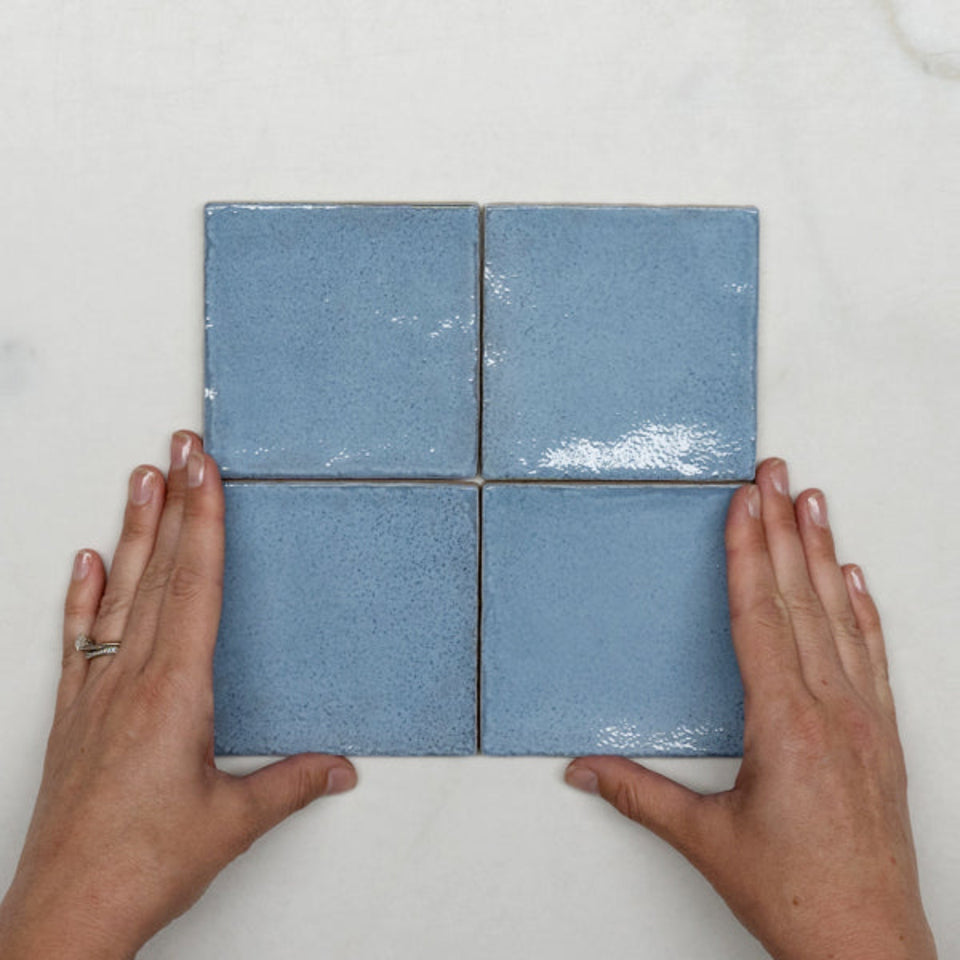
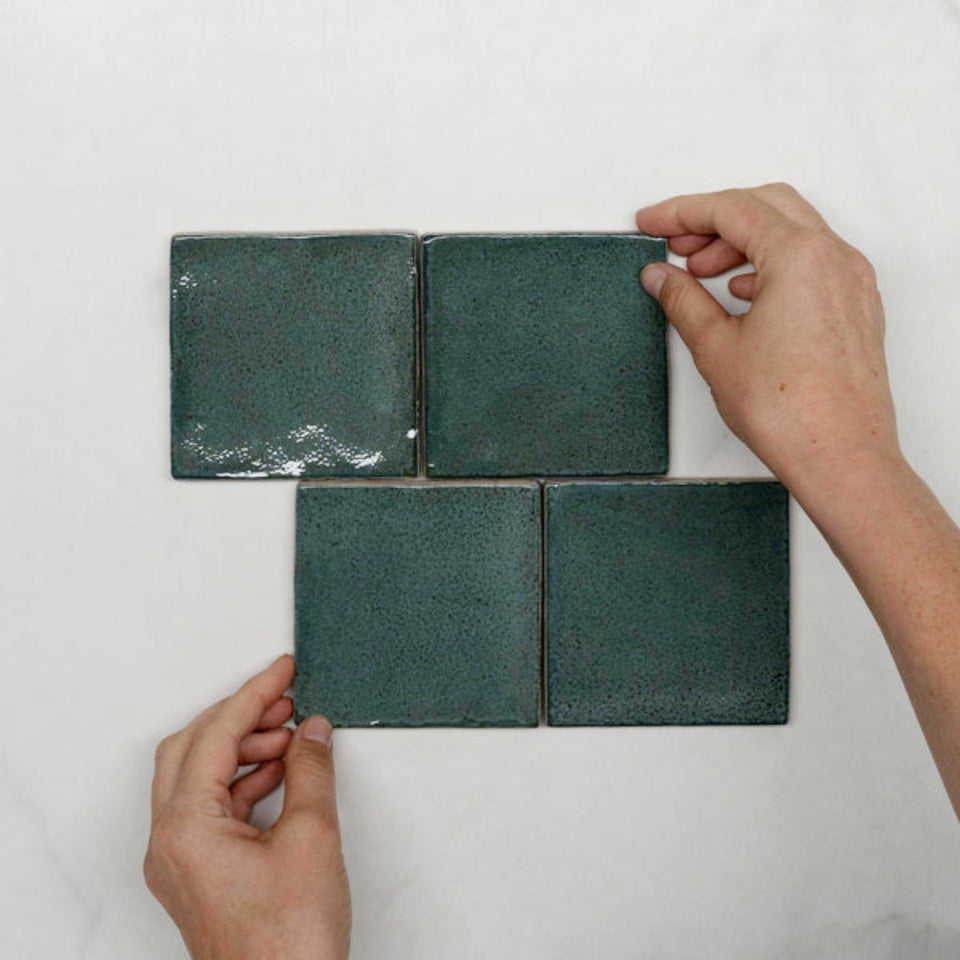
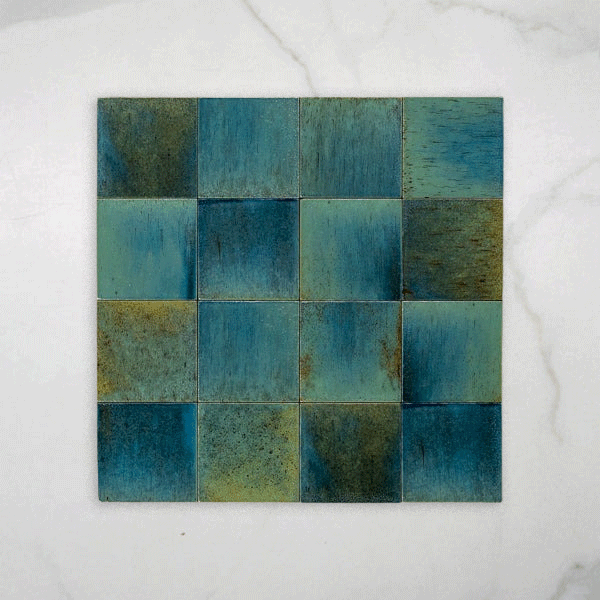

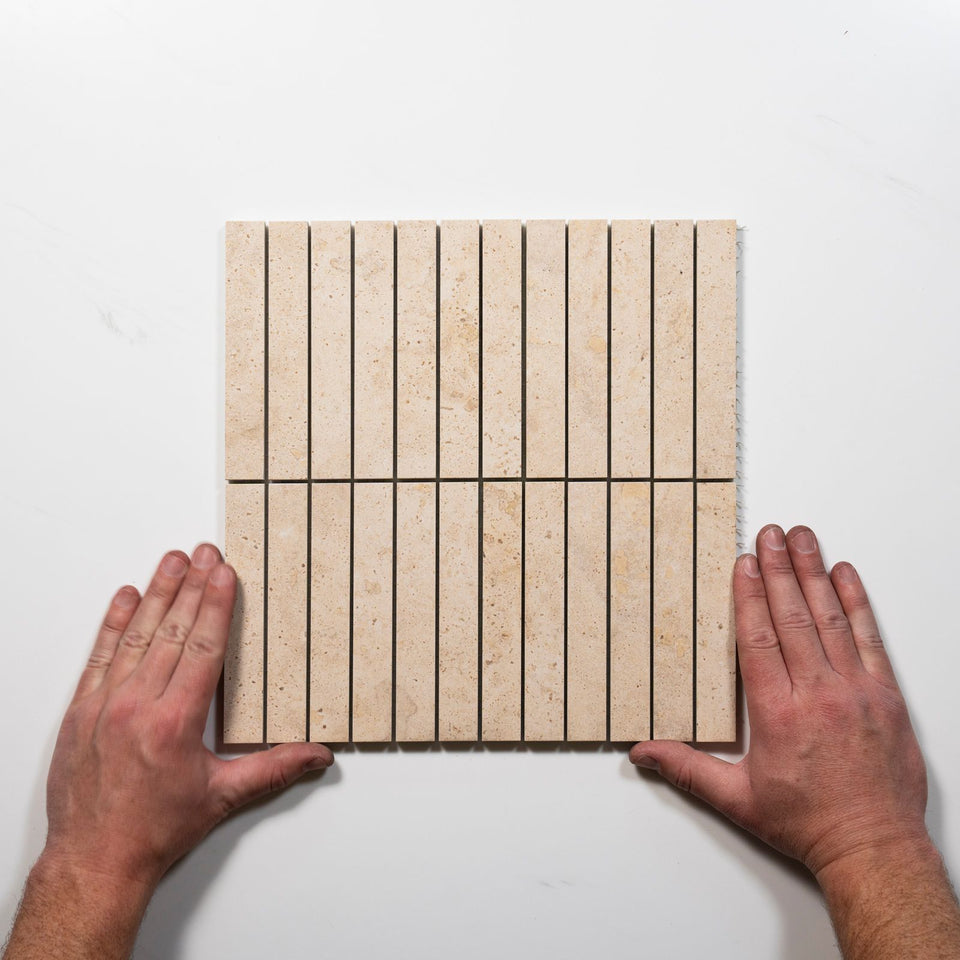

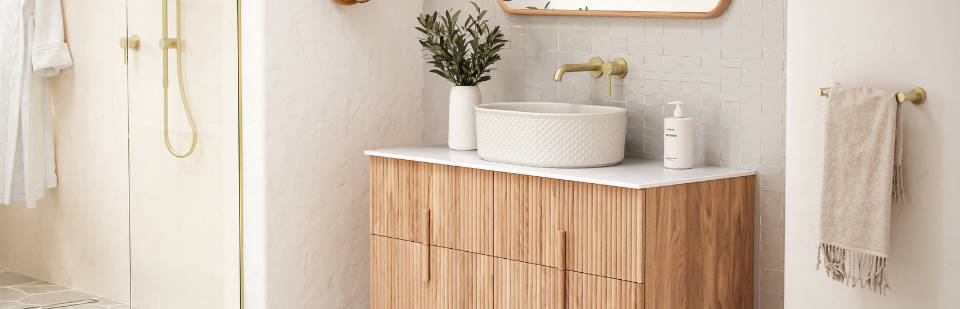

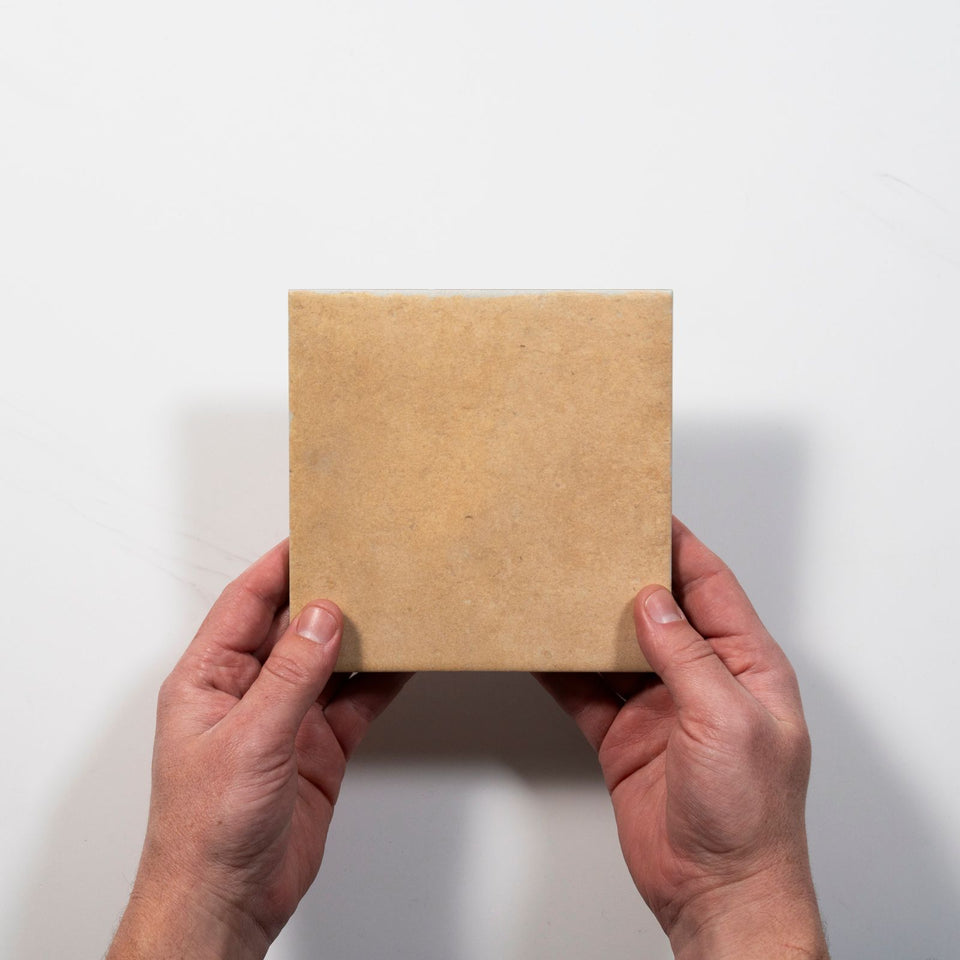
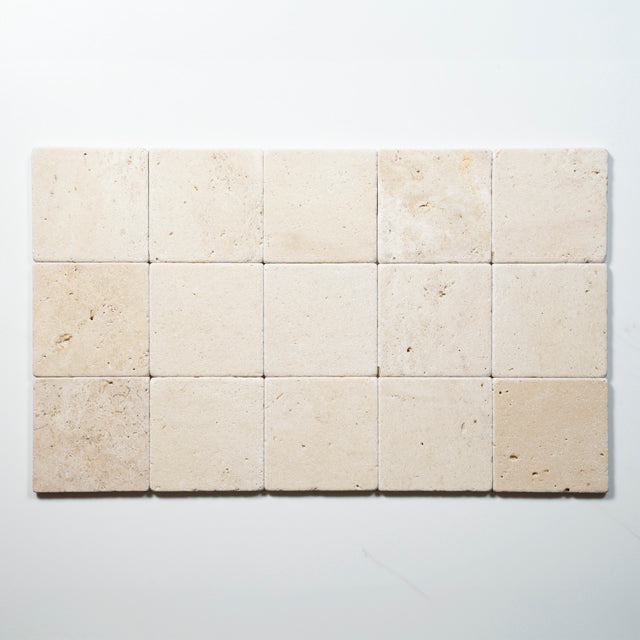
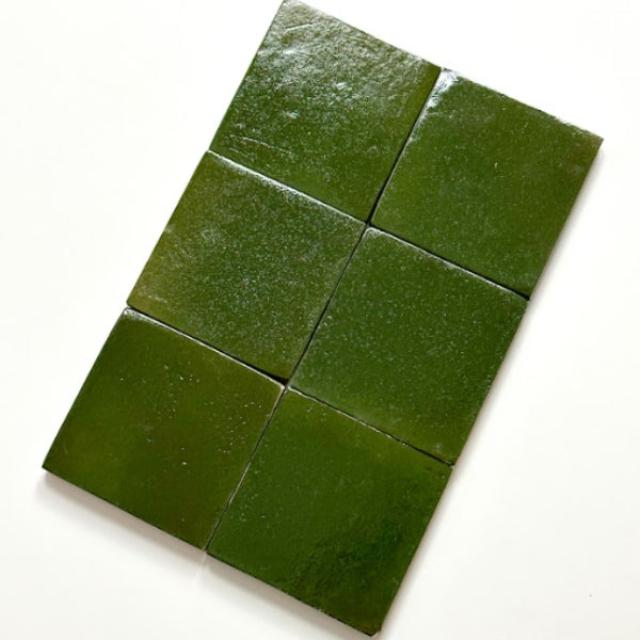
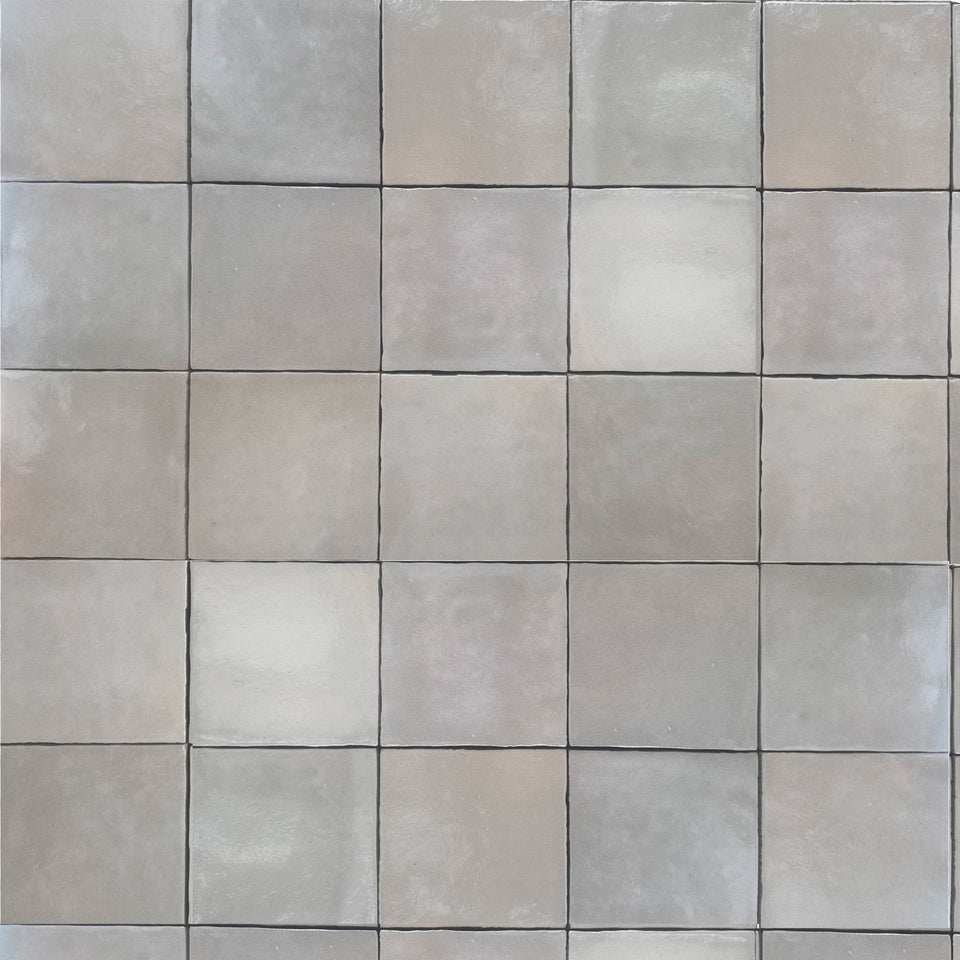


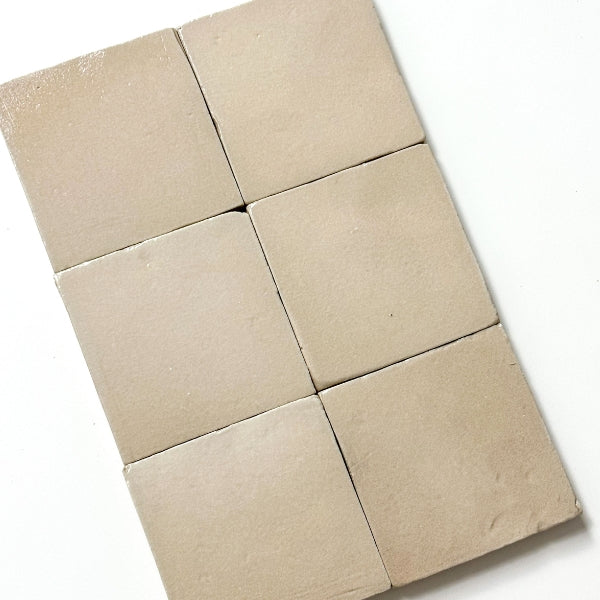
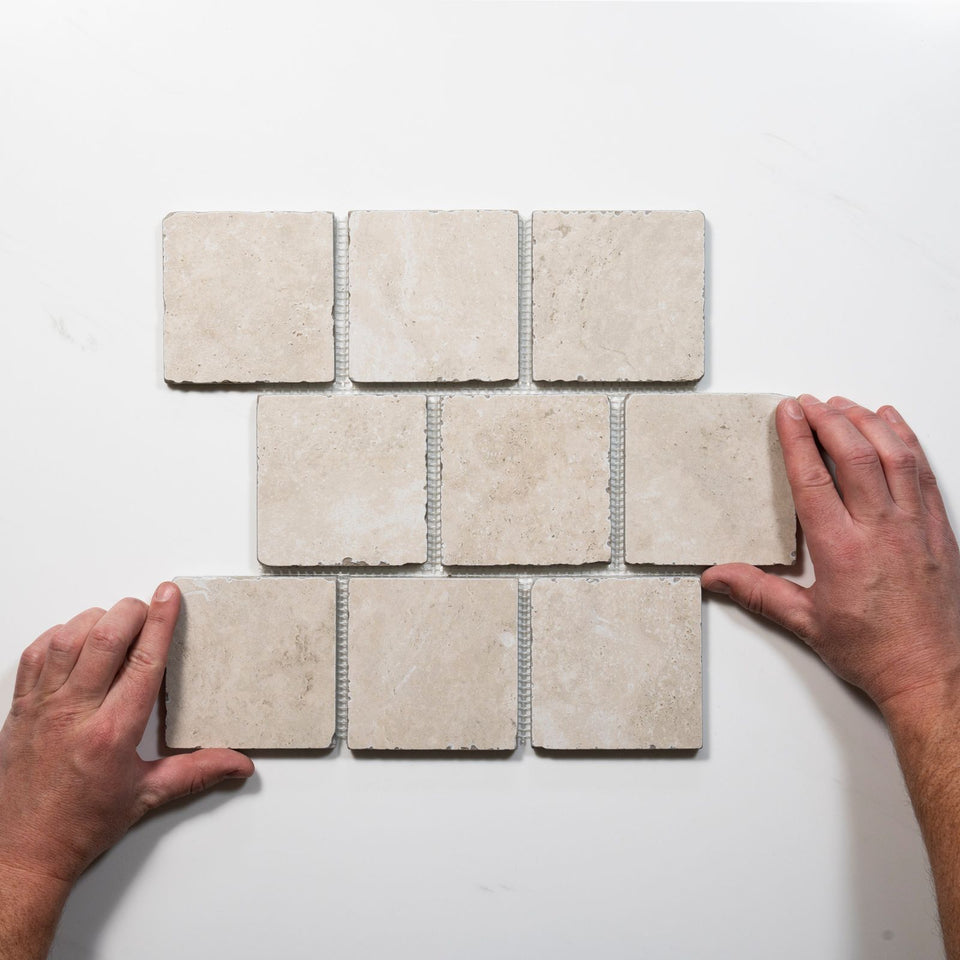
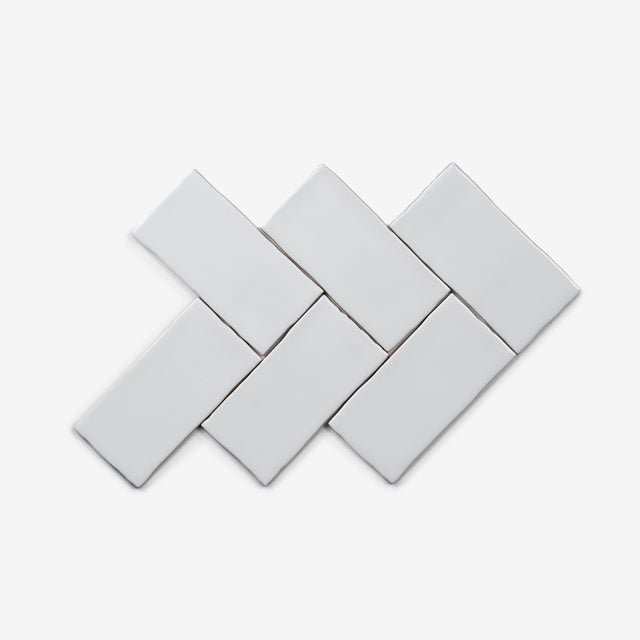


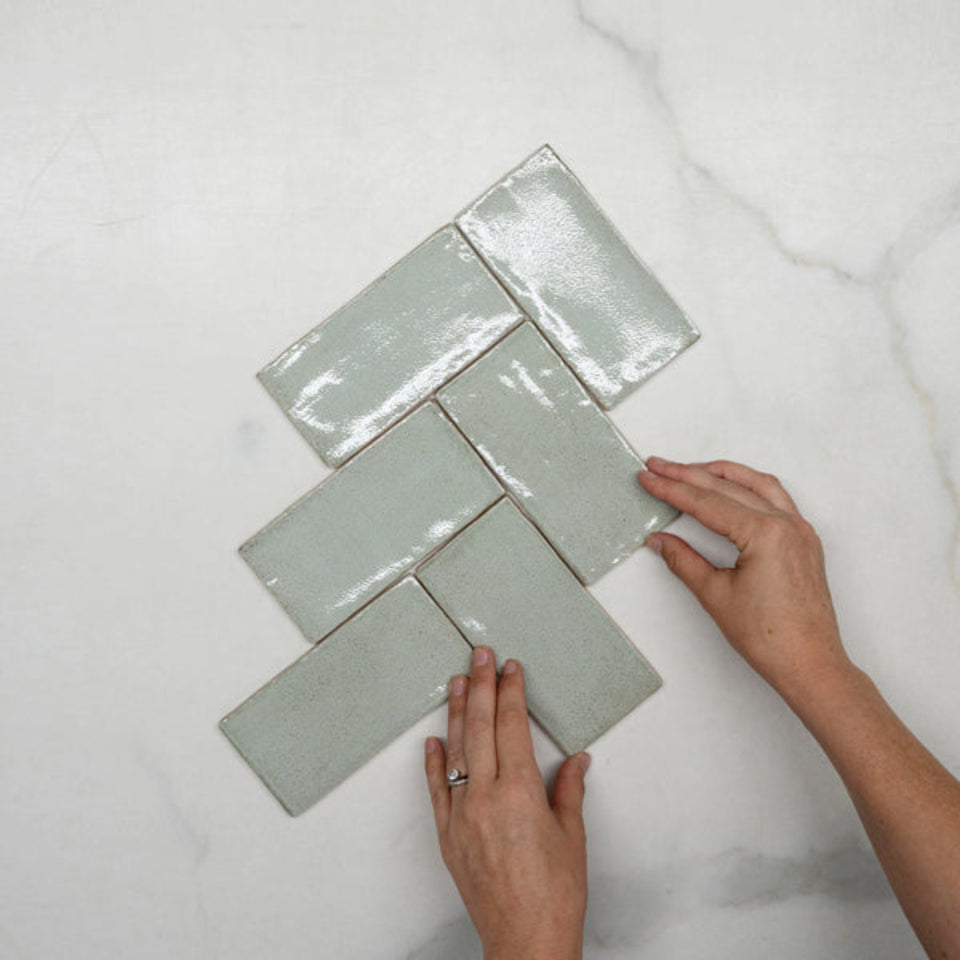
A small tile adds shape, rhythm and texture that a larger tile cannot. It lets you mark out a particular area, build a pattern or add an accent without taking over a room, and the extra grout lines give the surface visible structure. This collection holds full-size small tiles for walls and floors: 100 x 100mm and 150 x 150mm squares, 130 x 130mm handmade-look squares, and 75 x 150mm and 50 x 150mm bricks, in ceramic, porcelain and natural stone. It is not a collection of craft mosaic pieces.
The sections below cover where small tiles belong, how grout and layout change the result, which tiles are for walls only and which suit floors, and what the ranges are. For finer formats, see the mosaic tiles collection, and for plain squares by colour the square tiles collection.
Small square tiles are popular because they introduce shape, rhythm and texture that larger tiles cannot always achieve. Their size lets you pick out specific areas, build patterns or add a subtle accent, and they are often chosen for splashbacks, shower walls and feature sections where a more expressive surface makes a difference. Because the format creates more grout lines, it can also add visual structure and break up flat surfaces.
Small tiles suit nearly every room: shower recesses and feature walls in bathrooms, kitchen splashbacks where the scale allows detailed patterns, and also laundries, living areas, bedrooms and dining spaces. The tiles also suit tight layouts and patterned designs. For a sense of how small this is, small floor tiles are up to 300 x 300mm, medium are 300 x 600mm to 600 x 600mm, and large are anything bigger.
The tiles sort into groups by use. Ceramic suits bathroom walls and niches, with porcelain adding durability where there is regular moisture. Gloss splashbacks brighten a kitchen, matte or textured finishes give a more modern feel, and stone tiles with natural variation suit feature panels behind shelving or around a mirror. Porcelain small tiles can also go on floors in powder rooms, laundries or entry spaces, where the extra grout lines provide grip.
That sorting matches the Application lines in this collection. Most small tiles print Walls or Wall Tile, a smaller group prints Walls and Floors, and some print a line for walls and floors, indoors or outdoors and pool surrounds. Glossy finishes are typically used on walls, and wall-specific small tiles are often glossy because the finish reflects light and is easy to clean. The bathroom tiles collection and the kitchen tiles collection sort by room.
Small tiles have a clear role on floors where slope and grip matter. Shower floors generally perform best with smaller tiles because they allow the surface to slope properly to the drain, and small tiles conform to slopes and provide more grout lines for traction. Small floor tiles also suit detailed patterns or a pop of colour in smaller spaces such as a bathroom or laundry, and a tiler plans the grout as part of the design.
The floor-rated small tiles here are the exception, not the rule. The Soluna 150 x 150mm tiles are P3 and Walls and Floors on most pages. The Beige Settlers cobblestone is P5 / R12 and suits indoor or outdoor, wet or dry use. The tumbled natural stone squares suit walls and floors and require sealing. The floor tiles collection explains slip and wear lines in more detail.
Wall tiles carry slip lines too. The largest group here prints P2, which suits walls, with a group printing Not rated and another printing P5 on the external and cobblestone tiles. P3 appears on the Soluna floor-listed tiles. A wall tile does not need grip, but a floor does, so for a floor choose a tile whose Application line says Floors and read the slip line first.
Grip and cleaning go together. The Settlers cobblestone is built for outdoor areas, where its grip texture works hardest, and a stiff brush lifts dust from the texture. That is the way with any textured small tile: the surface that grips holds a little dust, and a brush deals with it.
With small tiles, grout is a design choice. Matching grout keeps the surface calm, while a contrast colour turns the grid into a deliberate design feature, and narrow grout lines suit a modern look while wider joints create a more traditional feel. The usual recommended gap here is 1.5mm to 3mm, with some handmade-look tiles needing over 3mm, so check the line for the tile in hand.
A tiler can confirm the joint. The Evelyn handmade tiles print over 3mm, for example, which fits their hand-moulded edges.
The layout plays a large part in the final look of small tiles. Straight grids keep things clean, while diagonal layouts add movement, and even small variations in placement become noticeable at this size, so consistent alignment matters. The herringbone tiles collection covers another layout for rectangular tiles, and the subway tiles collection holds the brick shape.
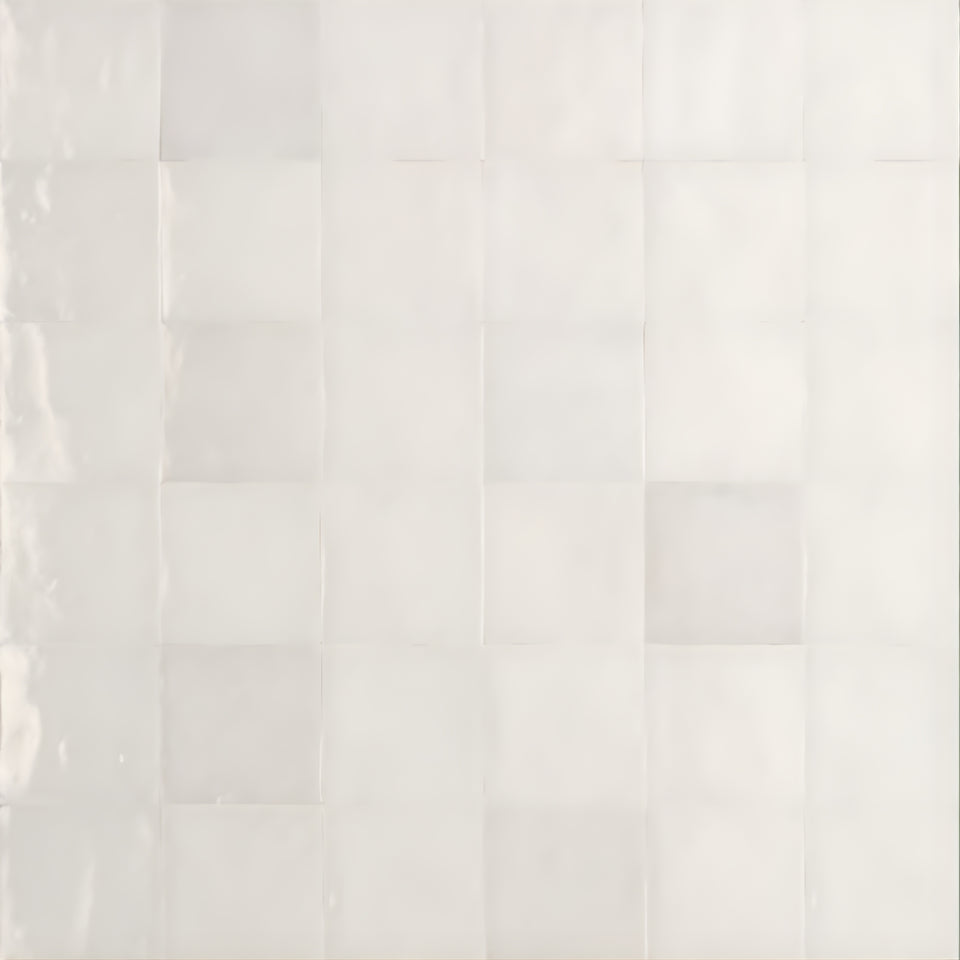
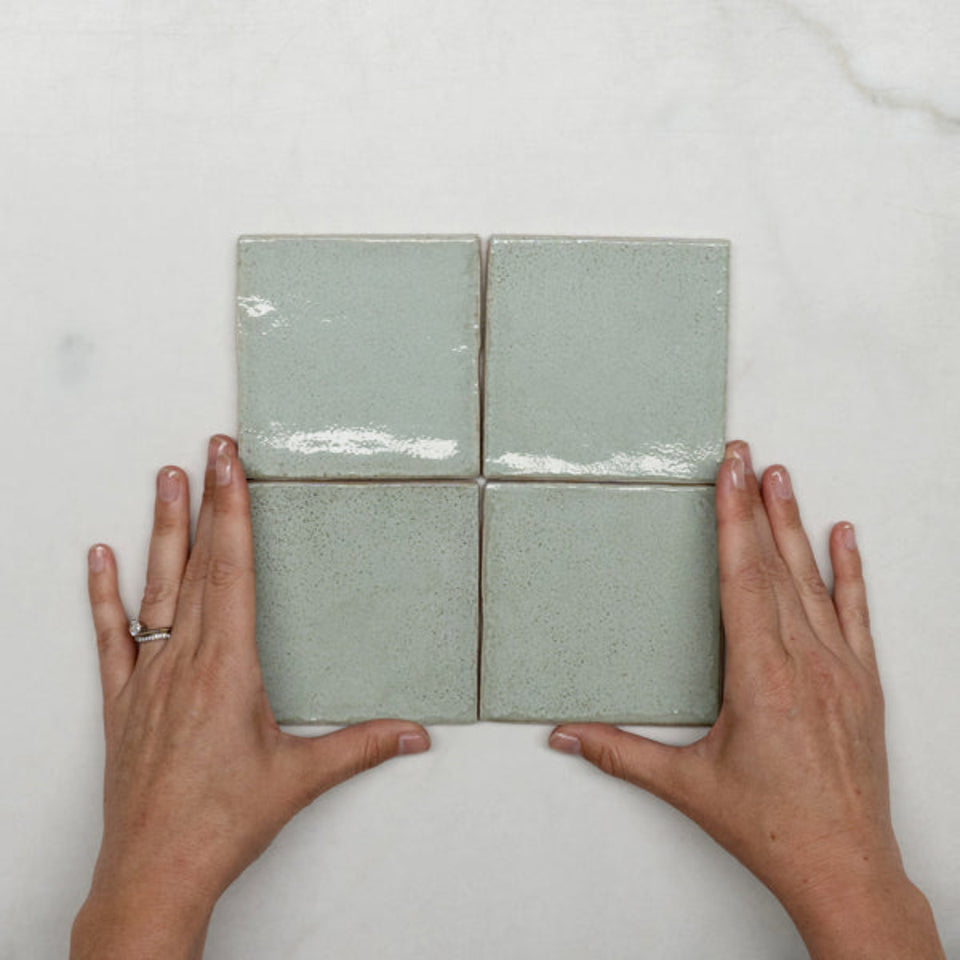
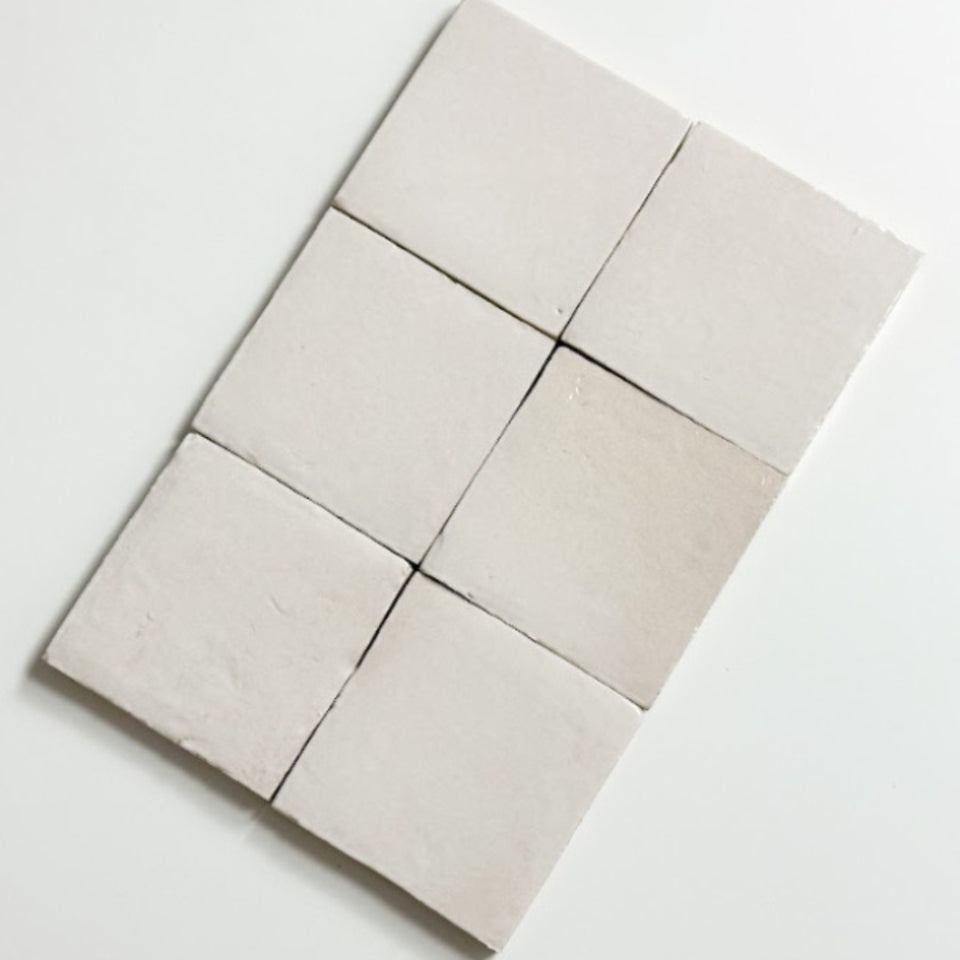
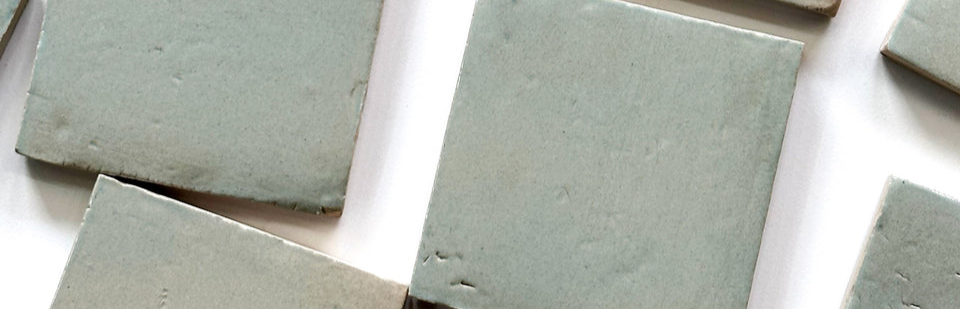
A large part of this collection is handmade-look ceramic. Ella is a 100 x 100mm zellige-inspired ceramic, Italian made, with a wavy structured finish in a rich gloss glaze, and Dianna is the Spanish made equivalent in 100 x 100mm and in a 75 x 150mm subway. Evelyn is a handmade zellige ceramic in 100 x 100mm at 12mm, hand moulded with the colour glaze applied by a skilled craftsman. Malee is a Spanish made 130 x 130mm handmade-looking tile in gloss and matt satin, and Luca is a handmade series, soft to touch with rounded edges, for bathroom or kitchen walls.
Several of these tiles print V3 or V4 variation, so expect shading and uneven edges as part of the look. For the handmade squares on their own, see the zellige tiles collection, and for the Moroccan look, the Moroccan tiles collection.
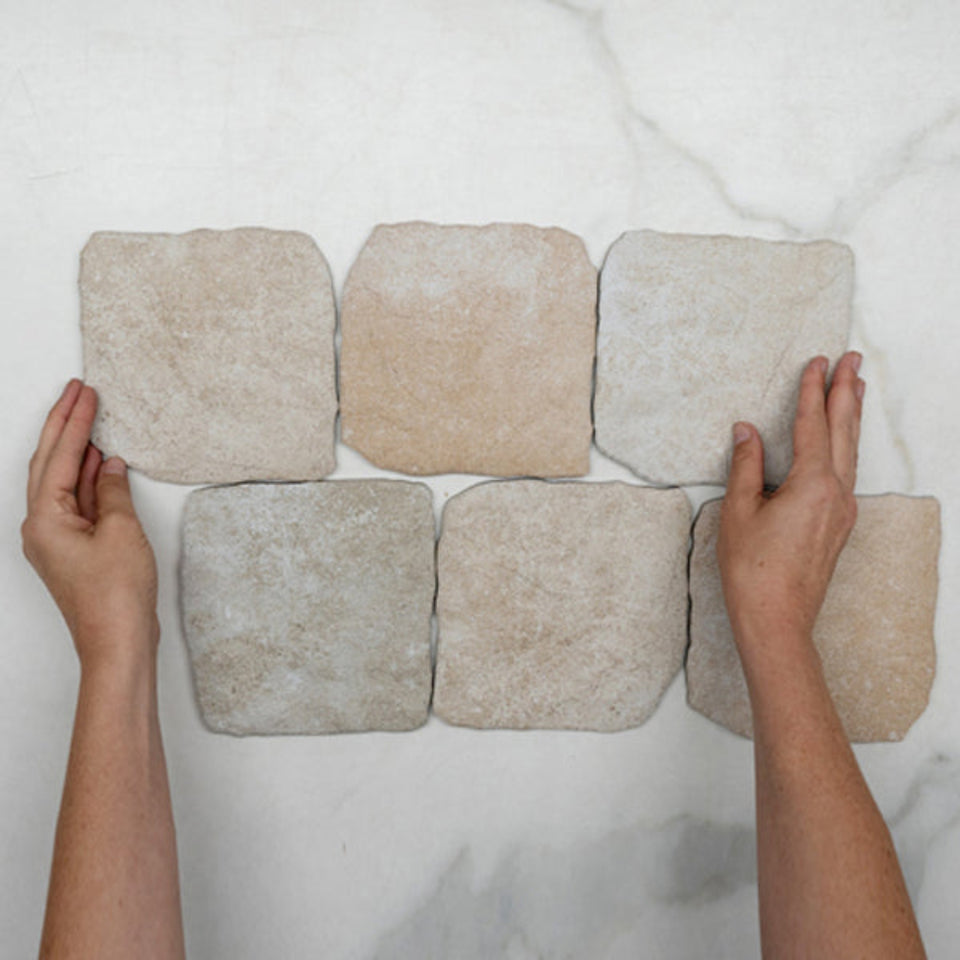
Plainer small tiles are here too. Hartz is a 150 x 150mm gloss white tile, Soluna is a Mediterranean-inspired 150 x 150mm matte porcelain, and Sicily is a 100 x 100mm gloss zellige-style square. The tumbled natural stone squares are 100 x 100mm travertine and limestone, and their care line says they require sealing. Stone tiles with natural variation work well for feature panels, which is where small stone squares belong.
The Settlers cobblestones are 150 x 150mm porcelain made in Spain for external paths and outdoor areas, at P5 / R12. For outdoor areas, the outdoor tiles collection compares the full external range.
White is the largest colour group, followed by grey, beige and green, with blue, terracotta, pink, black and earthy tones in smaller groups. For single colours across the store, see the white tiles collection, the green tiles collection and the beige tiles collection.
The Appearance lines show how uniform each tile is. A good share of the collection prints V1 or V2, a uniform or slightly varied look, and a smaller group prints V3 or V4, moderate to substantial variation in colour and texture, which is where the handmade-look and natural stone tiles sit. The Thickness lines are mostly 8mm and 10mm, with the Settlers cobblestone at 11mm and the Evelyn handmade tiles at 12mm. Thicker, irregular tiles are the ones where the tiler's advice on joints and layout matters most.
That is a useful guide when you mix tiles from different ranges on one wall. Check the Thickness line and the Edge line on each, since tiles of different thickness sit differently against each other, and a tiler can advise on how to bring them level.
More grout lines mean a little more cleaning in wet areas, so keep a regular routine in a shower. Most tiles here are Easy to Clean, and the natural stone squares require sealing. A glazed gloss tile wipes clean easily, and the grout is the part to watch.
Order more than the measured area. Add 10 percent for cuts and spares, or 10 to 15 percent in general. Small tiles laid on a diagonal need more again, so confirm the quantity with your builder or tiler before ordering, and see the note above for handmade-look tile.
A worked example: a shower wall 2.4m high and 1.2m wide is 2.88 square metres. A 100 x 100mm tile covers 0.01 square metres, so the wall takes 288 whole tiles, and with 10 percent for cuts the order is 317. A 150 x 150mm tile covers 0.0225 square metres, so the same wall takes 128, and 141 with the allowance. Set the grid out from the centre of the wall so the cuts at each corner match, and mix tiles from several boxes as you lay.
The product pages print the full details for each range. These show the spread.
Ella, Dianna, Evelyn, Malee and Luca are the handmade-look ceramics. Soluna and Hartz are the plain squares, and Sicily is the zellige-style porcelain square. Settlers is the cobblestone, and the tumbled natural stone squares are the real stone. The collection also includes feature and patterned small tiles, and finger and brick formats at 50 x 150mm and 75 x 150mm.
Start with the surface. For a wall, splashback or niche, choose a handmade-look ceramic for texture or a plain square for calm. For a floor, choose a tile whose Application line says Floors and read the slip line before the colour. Then decide the grout: matching for a soft surface, contrasting for a graphic one.
Check the Appearance line and the Thickness line, order extra for cuts, and plan the layout. For a handmade-look tile, hold back more spares than usual and treat it as a wall tile unless the page lists floors. A plain small square gives the most predictable result, and a handmade look gives the most character. The tiles collection sits above this one for the whole range.


