
*View accurate shipping rates and availability






404 Items



Up to 70% off across the store, plus free towels and mirrors up for grabs on orders over $800*
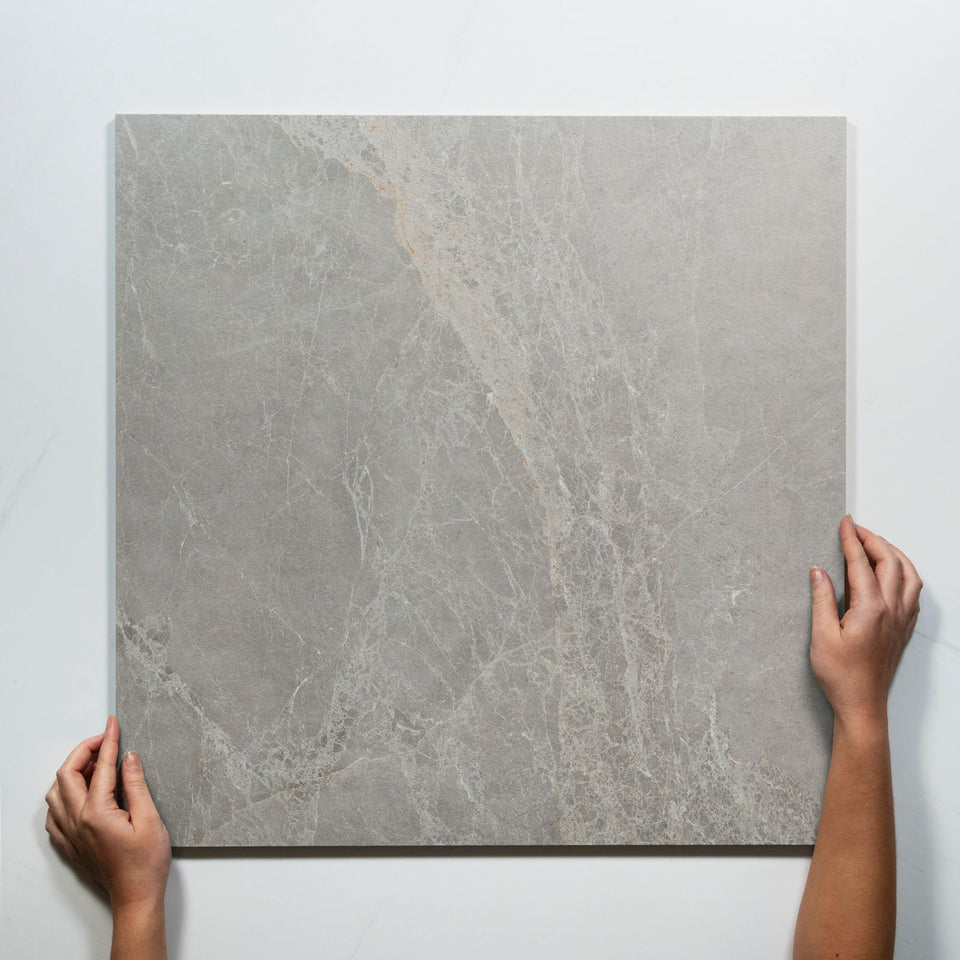

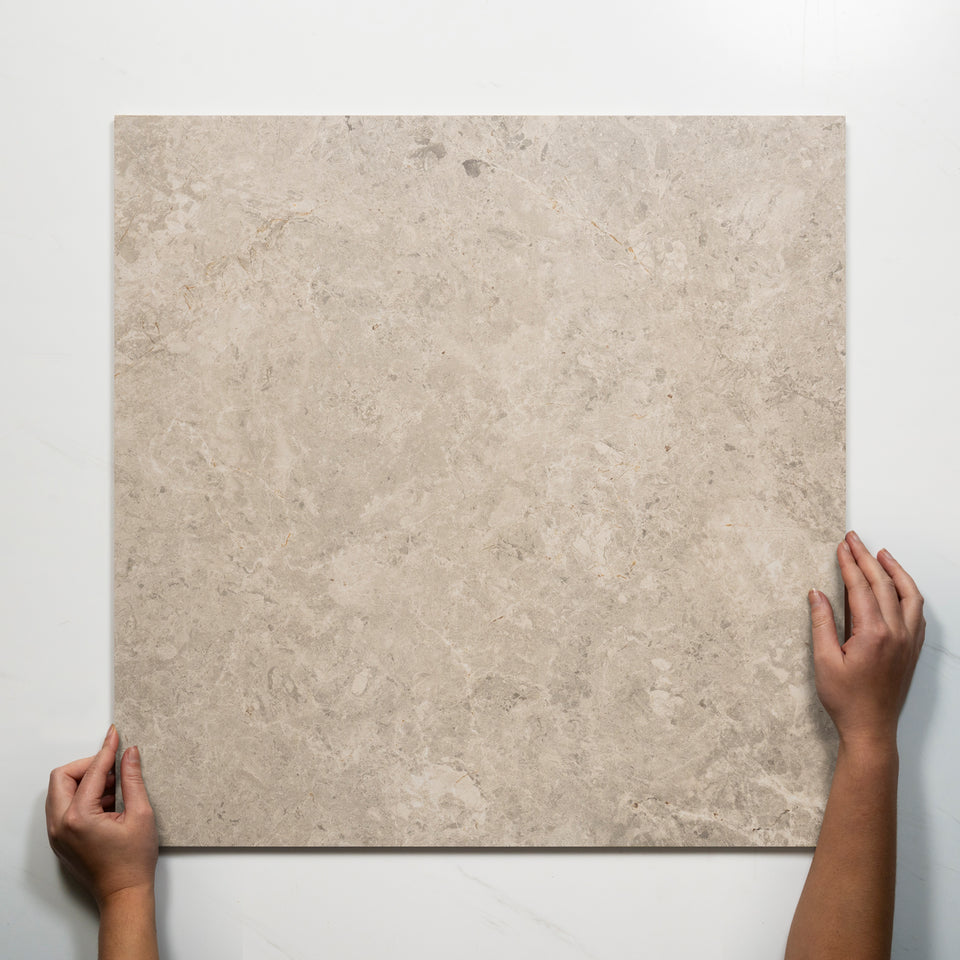


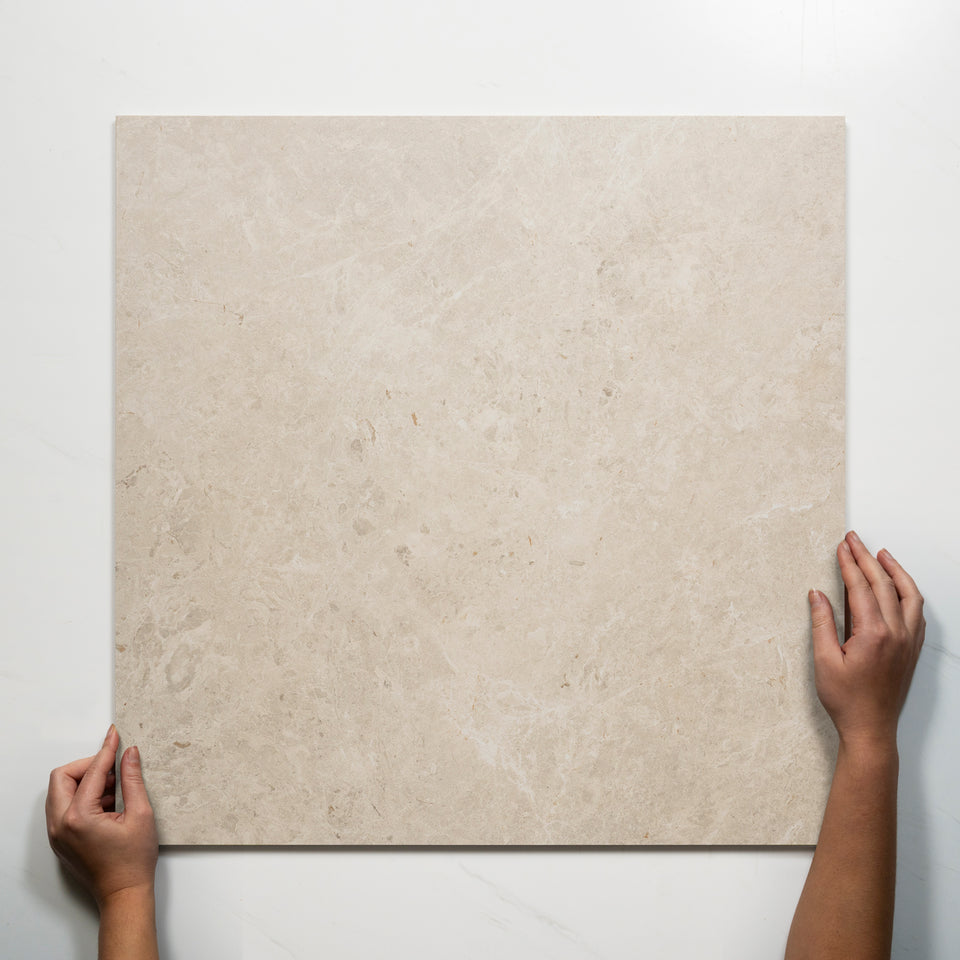
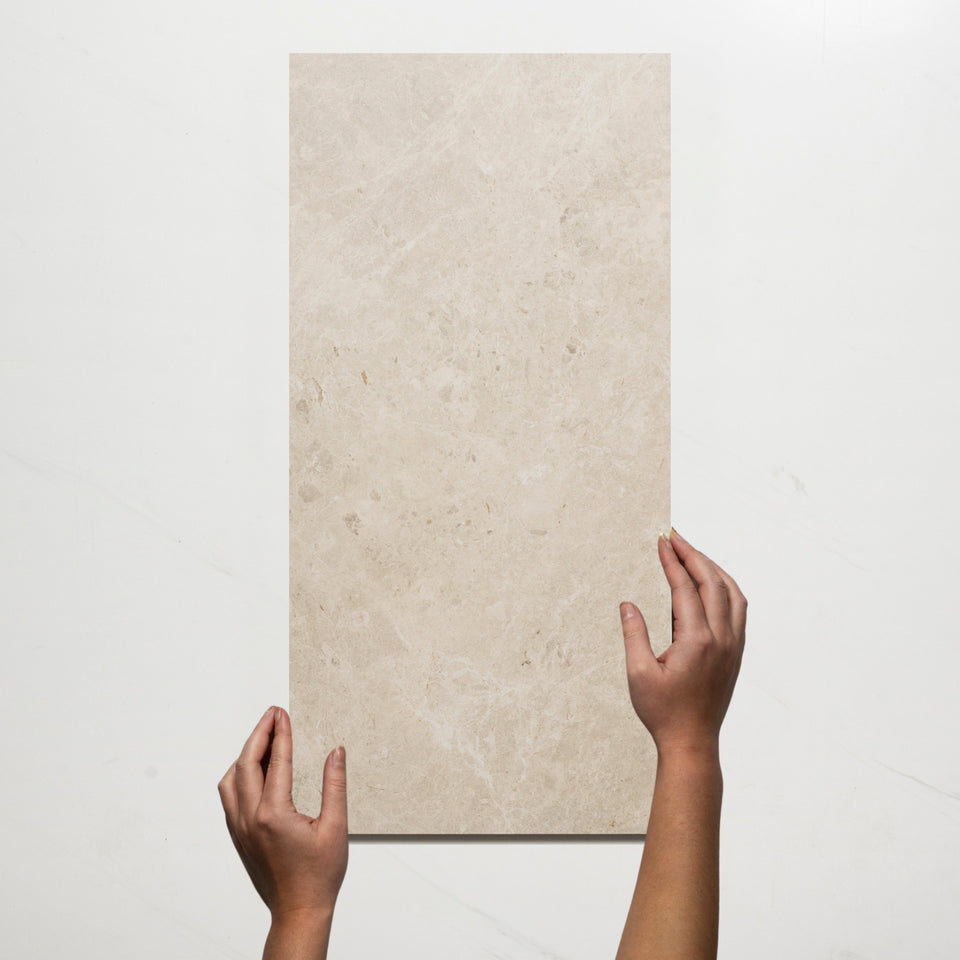
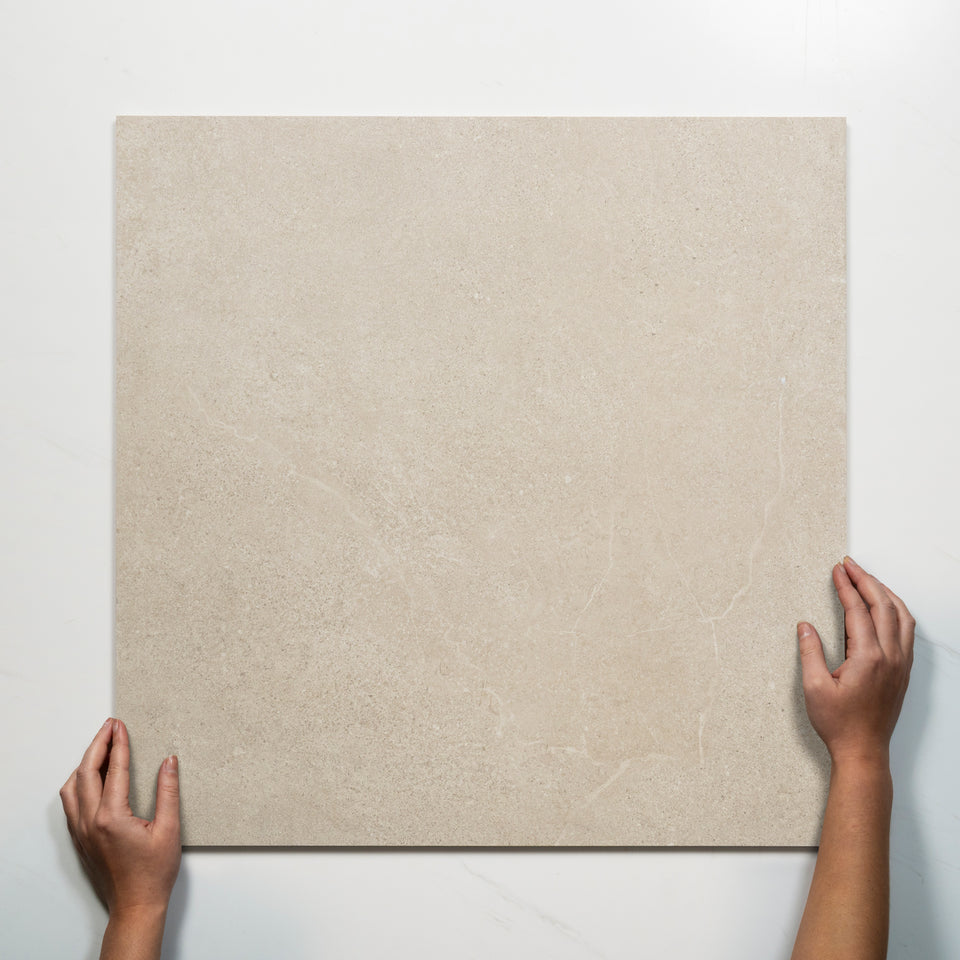

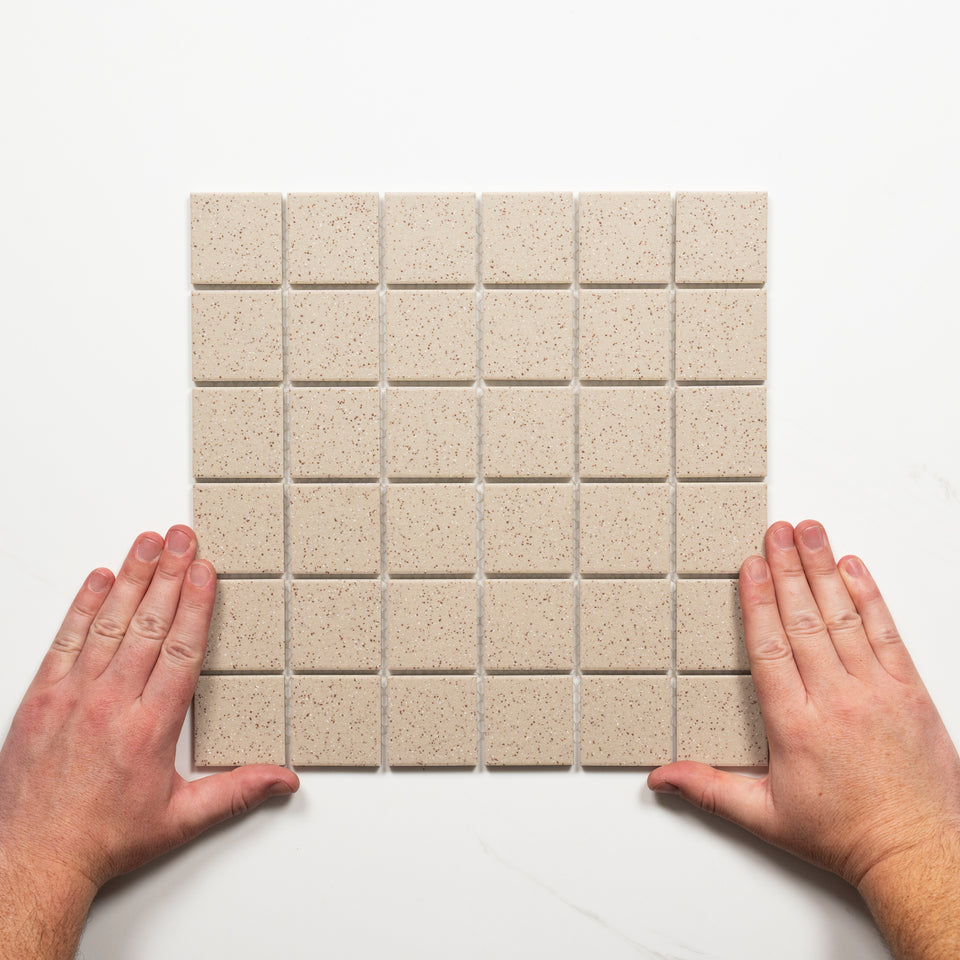


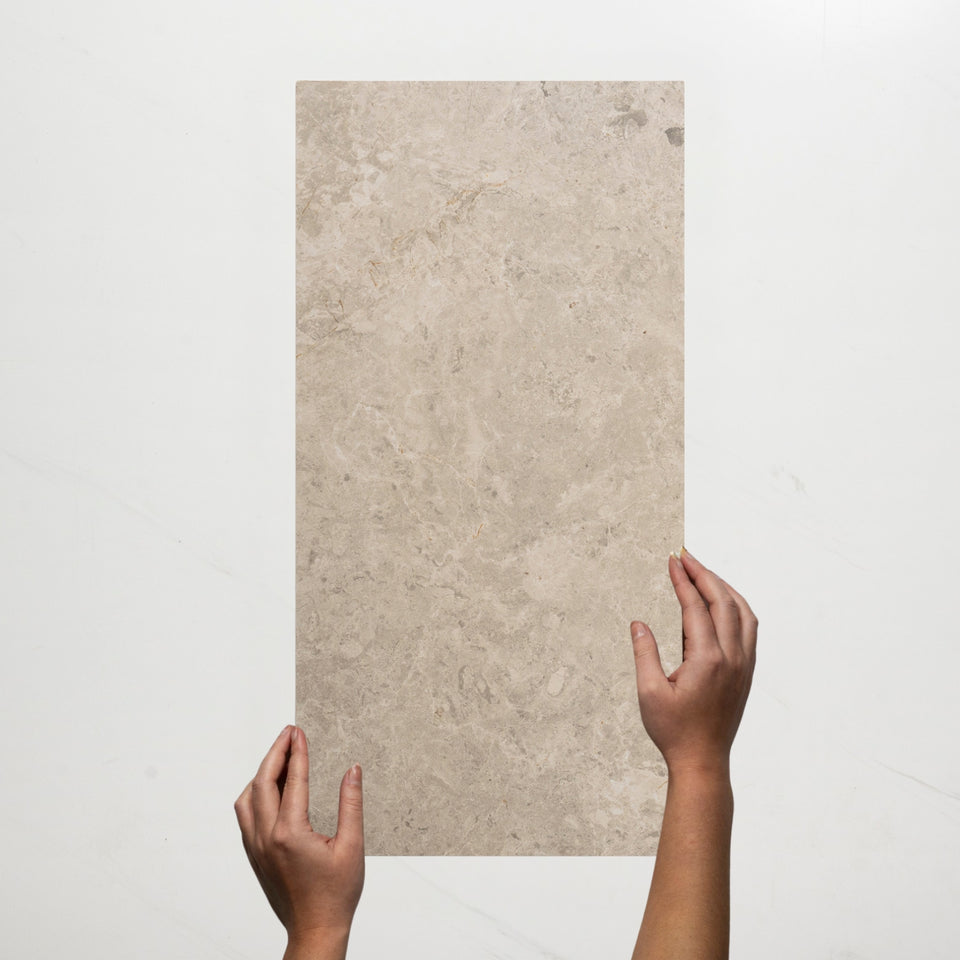

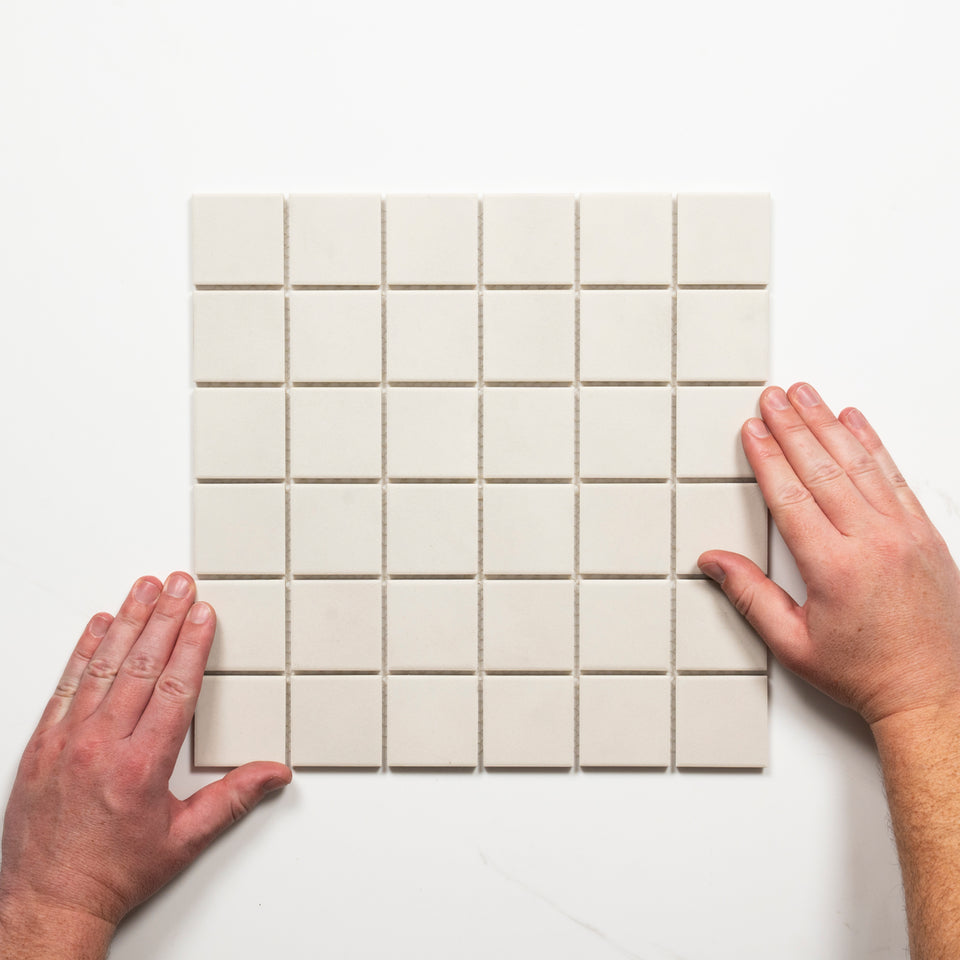


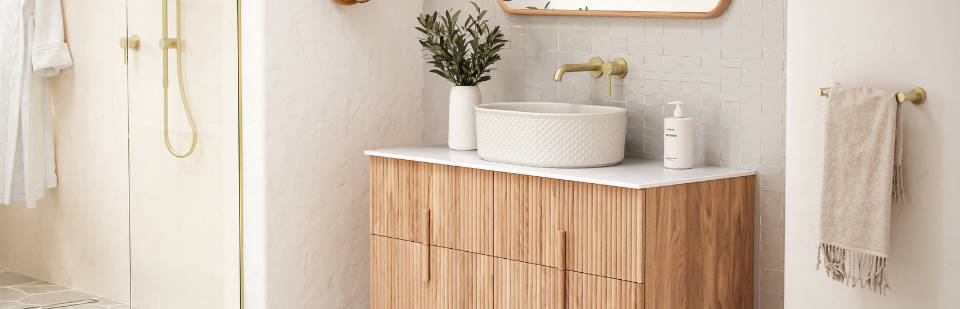


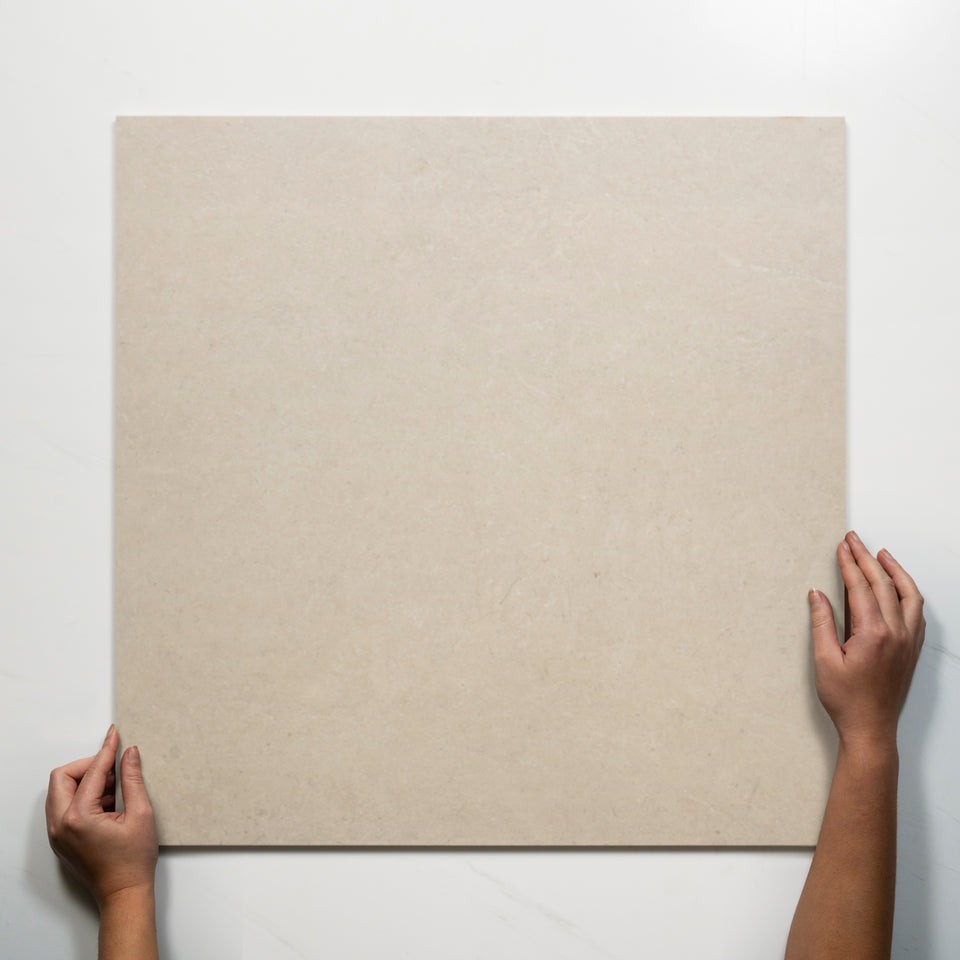

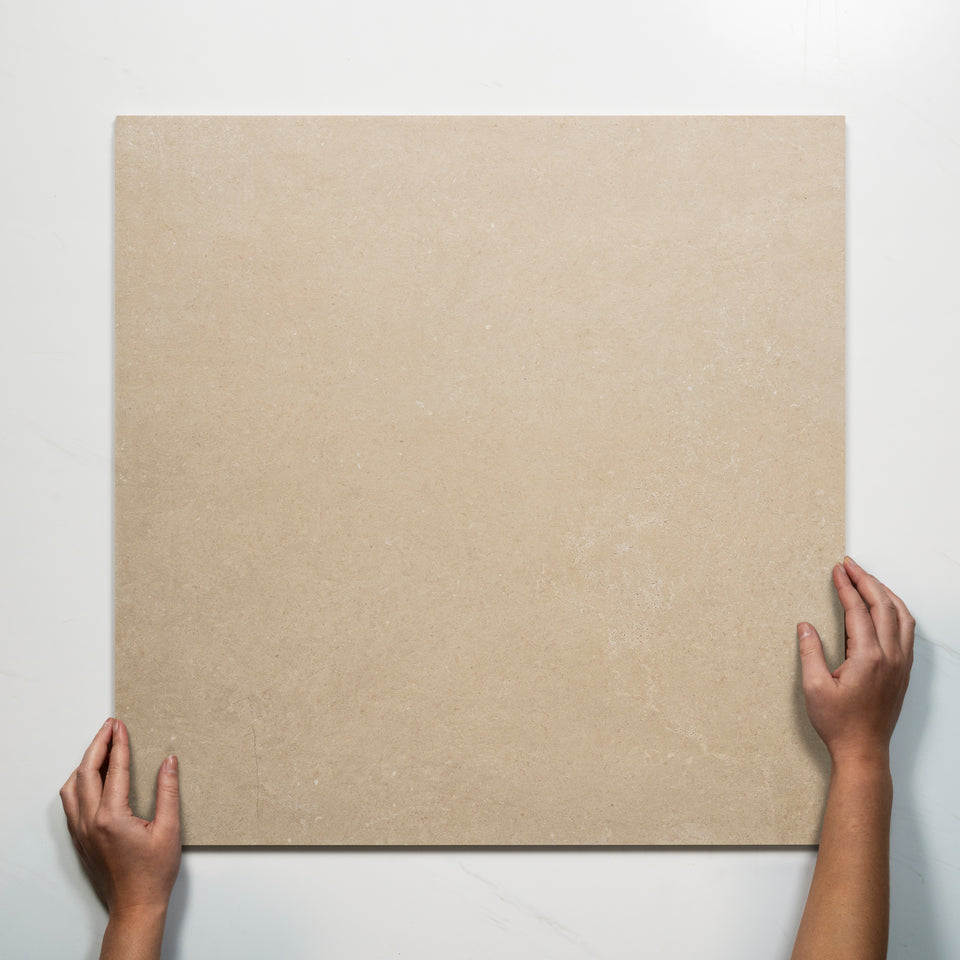

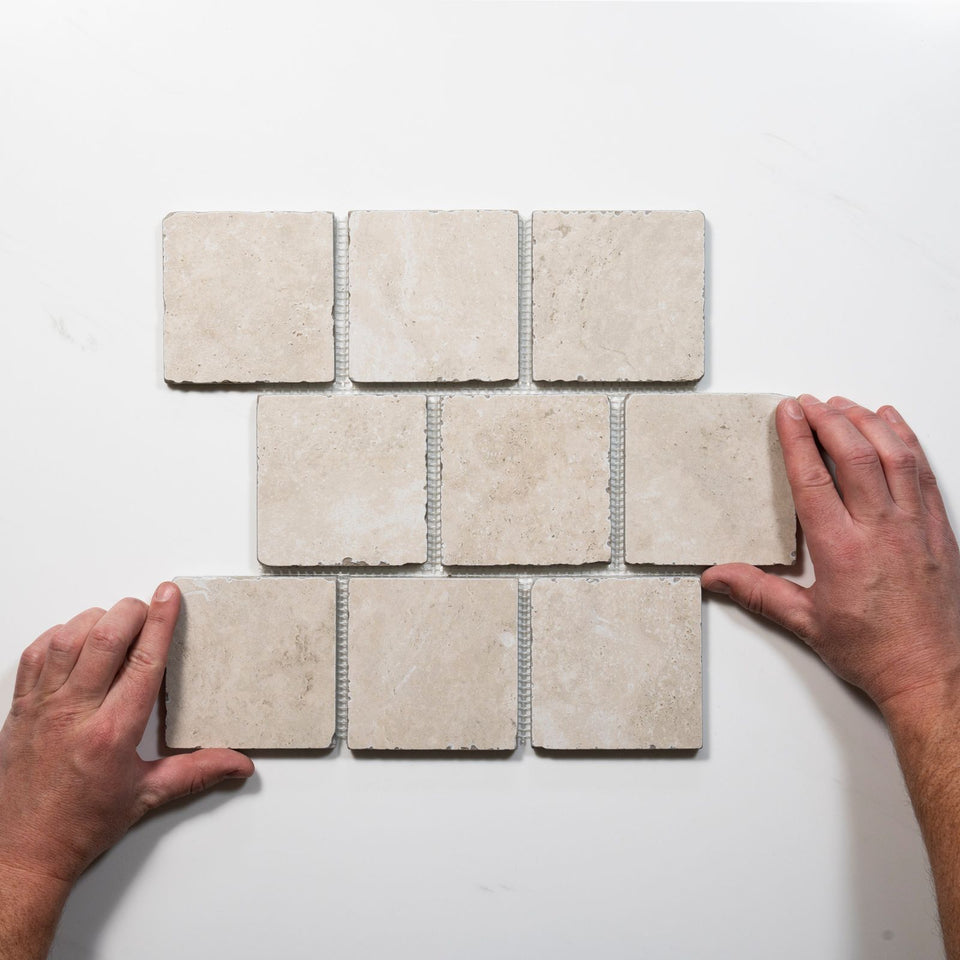
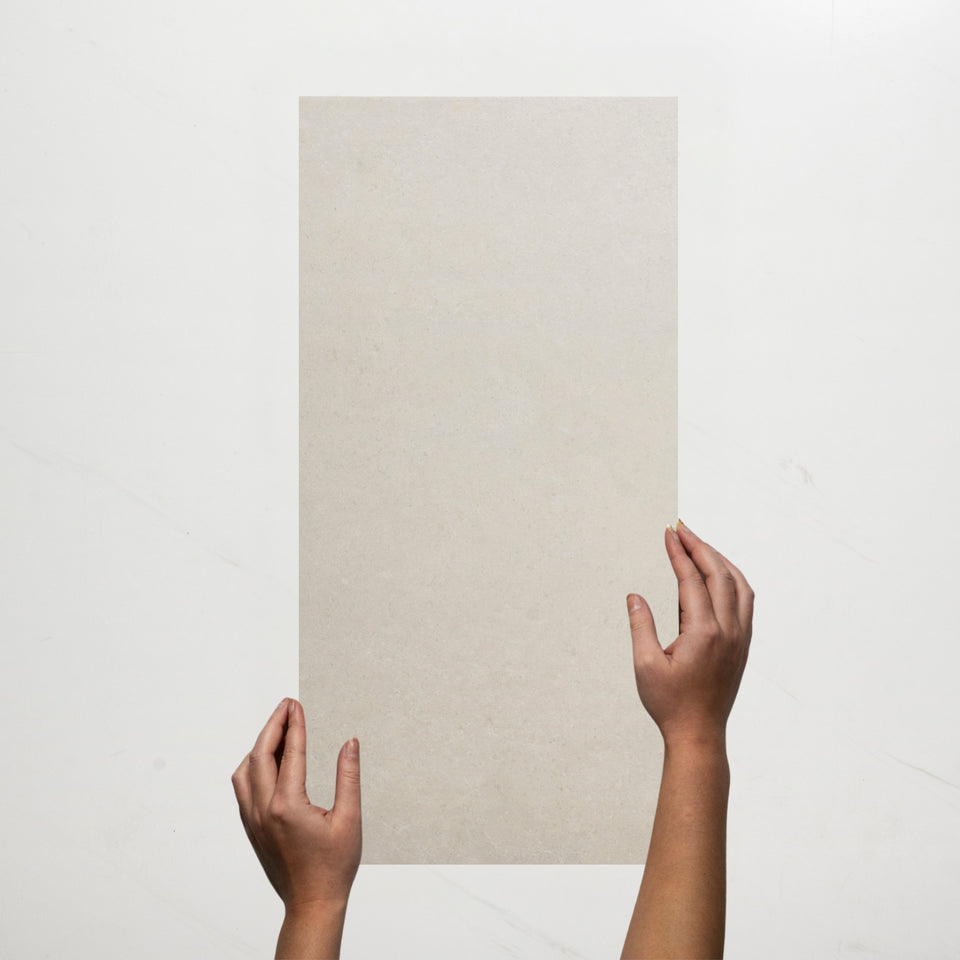


Every tile in this collection is porcelain, from 6mm subway tiles for walls to 10mm floor tiles with P5 grip ratings. That one material covers a wide spread of jobs, so the product page matters more than the word porcelain. Each tile carries the slip rating, the wear rating, the finish, the edge and whether the tile is for walls, floors or both.
The sections below explain what porcelain is, how it differs from ceramic, which ranges and sizes the collection offers, and how to read the specification lines. For neighbouring decisions, see the floor tiles collection, the wall tiles collection, the bathroom tiles collection and the large tiles collection. The tiles collection sits above them all.
Porcelain is produced from refined clays fired at high temperatures, which creates a dense, stable tile that absorbs less water. The same raw materials go into ceramic and porcelain. Porcelain tiles are baked for a longer stretch and at a significantly higher temperature, which gives an ultra-hard, non-porous material. Porcelain is crafted from dense clay and fired at high temperatures, so it is highly durable, scratch-resistant and impervious to water.
The clay used in a porcelain tile is more refined and purified than the clay in ceramic, and porcelain is harder, which is why it is the preferred choice in areas with heavy traffic.
The advantages come in one line: porcelain tiles are resistant to heat, moisture, staining and scratching, which is why they are used on floors and walls in every area of the home. Many collections offer a matching outdoor tile, so an indoor floor can continue onto a patio in the same look. Several ranges here do that, with an indoor matte tile and a P5 external tile in the same colour.
The practical difference is simple. Ceramic tiles are lighter, so they are usually used for wall applications, while most porcelain tiles can be used as a floor, wall or outdoor tile. Ceramic suits walls in homes and in retail, and porcelain can often be a floor or a wall tile in residential use, with certain types suited to commercial floors.
From the floor side: porcelain is denser than ceramic and absorbs less water, which makes it more suitable for high-use floors and wet areas, while ceramic is often lighter and suited to walls or low-traffic rooms. The ceramic tiles collection covers the other material in full.
That split is visible across these tiles. The thin 6mm Theo subway tiles and the 75 x 300mm feature subway tiles are made for walls. The 10mm Kew, Vela and Auralis tiles are made for walls and floors, and several carry P5 grip ratings.
All tile types can be slippery when wet, and surface texture and finish decide how slippery. Floor tiles are tested during manufacture and assigned a slip resistance rating, and the ratings dictate how the tiles are used in commercial, retail or residential projects. Residential rules are less strict than commercial ones, though a certain level of care is advisable in wet areas of the home and in outdoor spaces.
Each tile carries its own rating. Auralis External is P5, very low slip risk, recommended for outdoor areas, and is made for floors. The Valerie and Ardenne titles carry P4, Tilly Tundra is P5, and the Casuarina and Island Terrazzo titles carry P4. Theo is P2 and is made for walls. The honed Auralis and Drift tiles are not rated, which means you should confirm the rating before using them on a wet floor.
Most tiles also carry a wear rating, which tells you how the tile holds up to foot traffic. The scale runs from 1, not recommended for floors, to 5, suitable for floors in high traffic areas and commercial areas with very low risk of scratching. Level 2 reads light traffic with soft soled shoes and a high risk of scratching, level 3 reads light traffic with normal shoes and a medium risk of scratching, and level 4 reads normal use areas with a low risk of scratching.
The most common value in the collection is 4. Some tiles print 3, such as the Cairnwell stone-look tiles, and the Eton brick-look tiles print 5. The Mooloolaba penny round mosaic and the St Kilda octagons print 1 or 2, which makes them wall and feature tiles. Use the number to match the tile to the room, and let the Application line confirm it.
The collection is large, so it helps to know the families. Casuarina is a plain matte and honed range in 300 x 600mm, 600 x 600mm and 600 x 1200mm, with the matte titles carrying P4. Nimbus is a matte range with P4 titles in 300 x 600mm and 600 x 600mm. Meander is a 200 x 200mm range with P3 titles, and Olivia is a matte 600 x 600mm range for walls and floors.
Avalon and Burleigh are the plain squares of the collection, in neutral colours across 300 x 300mm, 450 x 450mm and 600 x 600mm, with titles that show P2, P3 and external P5 versions. Burleigh also comes with a cushioned edge, in an external version at 450 x 450mm. Southside is the terrazzo range, with matte indoor tiles and P5 external tiles, and Auralis is technical porcelain, in honed indoor tiles and P5 external floor tiles.
Because the same range name can cover an indoor P2 tile and an external P5 tile, read the title as well as the name.
Porcelain comes in colours from pearl, ivory and silver to taupe, charcoal, cream, beige, white, grey, brown and black. The collection here follows the same pattern, with beige, grey and white as the largest groups and black, green, terracotta, blue and brown in smaller numbers. The beige tiles collection, the grey tiles collection, the white tiles collection and the black tiles collection sort the range by colour.
Porcelain is so popular because modern manufacturing lets it copy the look and feel of timber, concrete and natural stone, with realistic variation in tone and pattern. Stone-look, timber-look and concrete styles are among the porcelain range.
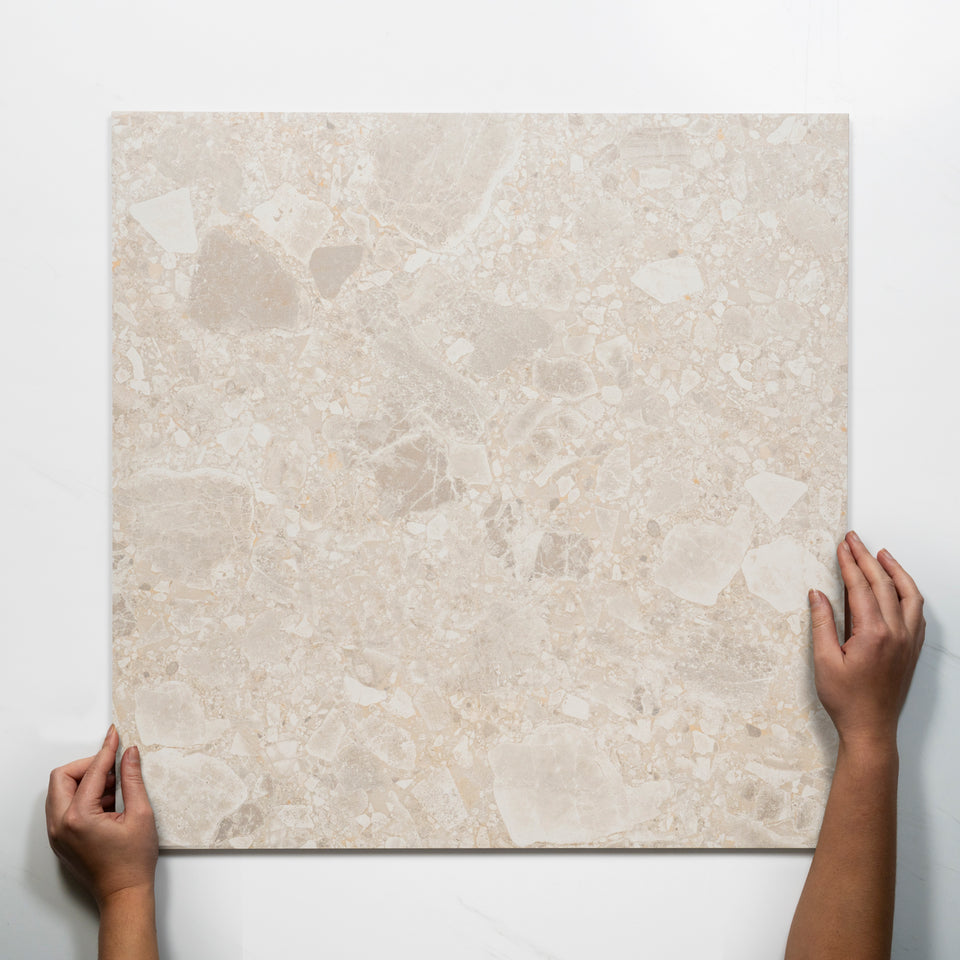
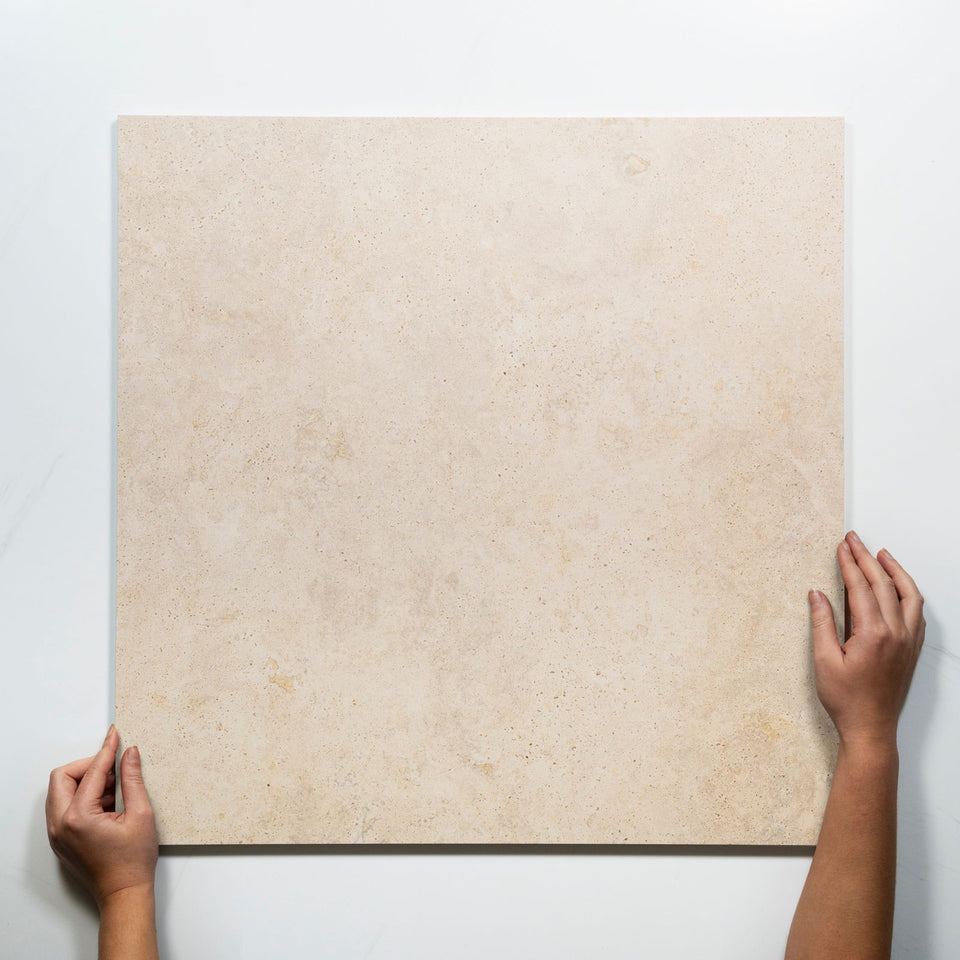
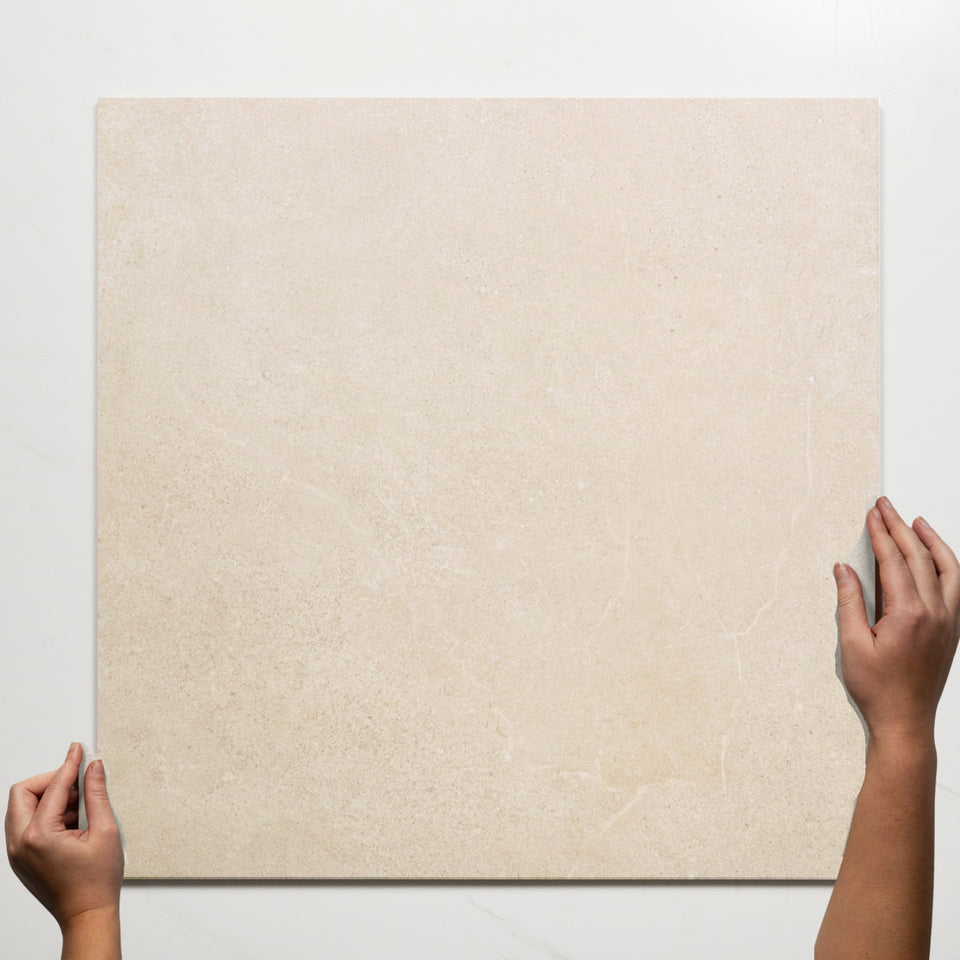
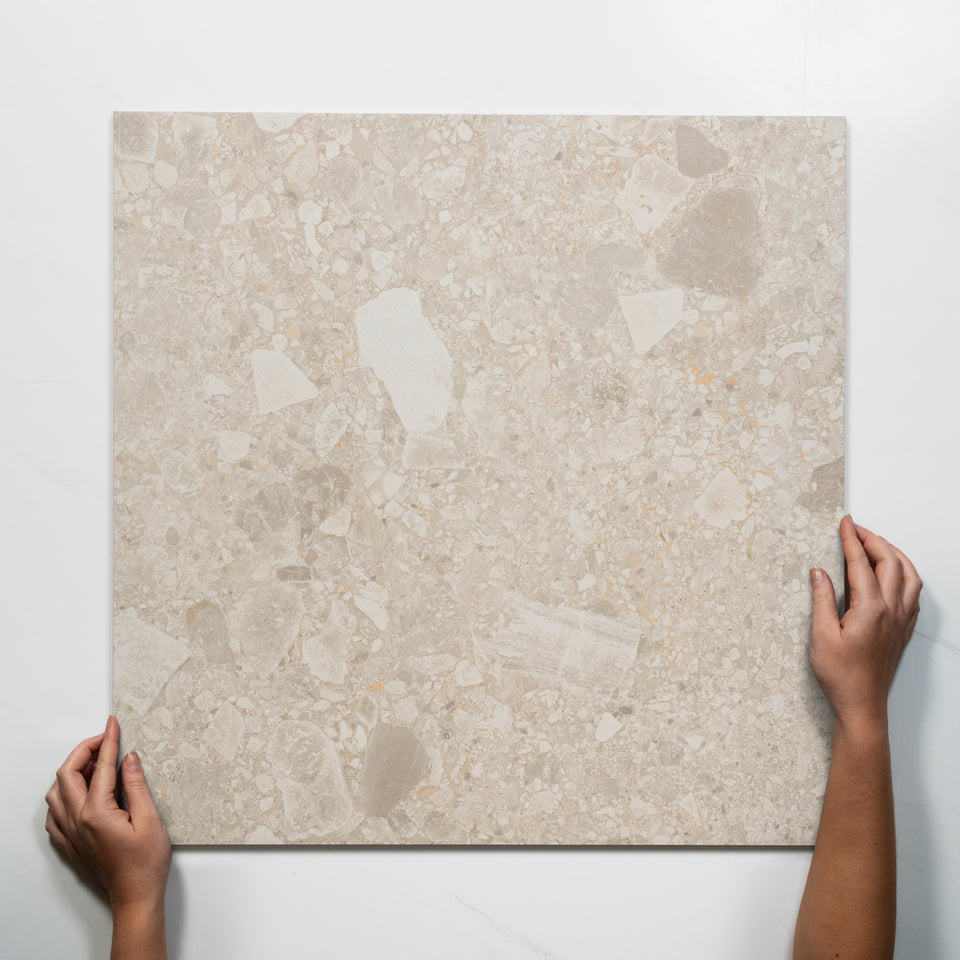
The collection holds several of these. Ardenne, Valerie, Tuscan and Avorio are travertine looks, with Ardenne drawing on both cross-cut and vein-cut patterns and 24 unique faces. Perisher, Sofia and Sereno are marble looks, Southside and Island are terrazzo looks, and Myra and Avedon are limestone looks. The travertine look tiles collection, the marble look tiles collection, the terrazzo look tiles collection and the natural stone tiles collection cover each look.
The trend is towards larger floor and wall tiles, with 600 x 600mm for floors and 600 x 300mm for walls. Larger tiles can make a small room seem bigger, with fewer grout lines giving a more open floor. Sizes group in bands: small tiles up to 150mm, medium from 150 to 400mm, large from 400 to 600mm and extra large above 600mm.
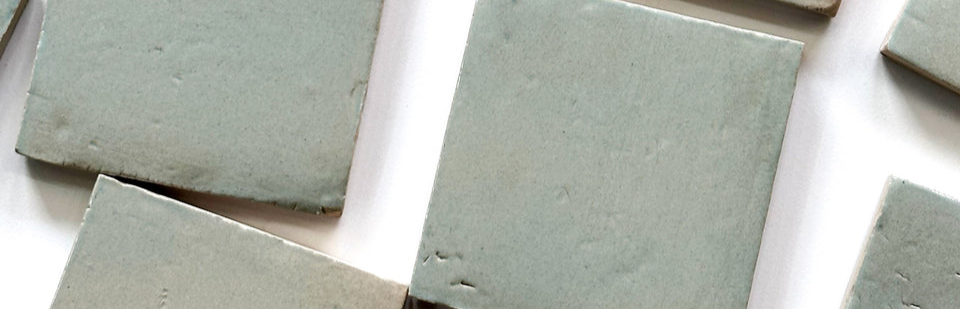
The collection covers every band. Small formats include the 22 x 145mm Flute finger mosaics, 97 x 97mm St Kilda octagons and 100 x 100mm Sicily zellige squares. Medium formats include 200 x 200mm, 300 x 300mm and 316 x 316mm squares. Large formats are 450 x 450mm, 300 x 600mm and 600 x 600mm, and extra large formats reach 600 x 1200mm. The mosaic tiles collection and the subway tiles collection cover the small shapes.
Porcelain suits many places. Living areas and hallways ask it to hold up to foot traffic, bathrooms ask it to resist moisture, and kitchens bring spills and heat as part of daily use. Outdoor areas such as patios, pathways and balconies call for textured finishes that give better footing. Porcelain is a popular bathroom, kitchen and laundry tile, outdoor options have a roughly textured surface, and many collections can be used as a fireplace surround because they stand up to extreme temperatures.
The outdoor tiles collection and the kitchen tiles collection sort the range by room, and the square tiles collection sorts by shape.
A worked example: a laundry floor of 2.7m by 2.1m is 5.67 square metres. A 600 x 600mm porcelain tile covers 0.36 square metres, so the floor takes 16 whole tiles, and with 10 percent for cuts the order is 18. A 300 x 600mm tile covers 0.18 square metres, so the same floor takes 32, and 35 with the allowance. Start the layout from the doorway, keep the thin cuts to the back wall, and order every box together so the shade matches across the floor.
Every product page here prints the same lines. The Material line says Porcelain, Glazed Porcelain or Porcelain (Technical), for the technical range. The Application line says walls, floors or both, and the Area line says where. The Slip Rating line gives a P or R value, the Wear Rating line gives the 1 to 5 scale, and the Edge, Thickness, Finish and Appearance lines finish the picture.
The Appearance line gives the V rating for colour variation: V3 is moderate variation in colour and texture and V2 is similarly coloured with slight variation in texture. Read those lines in order for the room you have in mind, and the range name becomes a detail.
Start with the room. For a floor, check the Application line, the slip rating and the wear rating, in that order. For a wall, a thinner tile is fine, and the choice becomes finish and colour. For a wet area, choose a tile whose Area line names it, and confirm the slip rating if it says not rated.
Then choose the look. If you want stone without the sealing, choose a travertine, marble or limestone look. If you want a calm surface, choose a matte finish in a neutral colour, and if you want a feature, choose a pattern. The tiles collection sits above this one for the whole range.


