
*View accurate shipping rates and availability






8 Items

Spend over $800 and receive free gifts in your cart. Towels, accessories and full length mirrors!
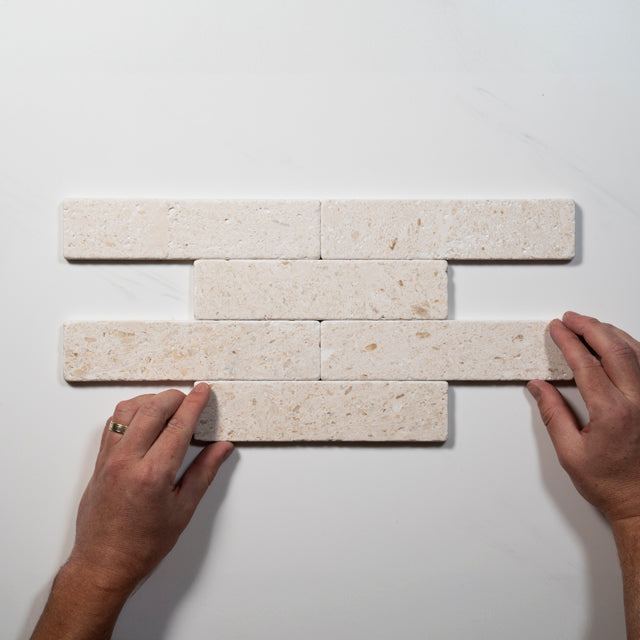
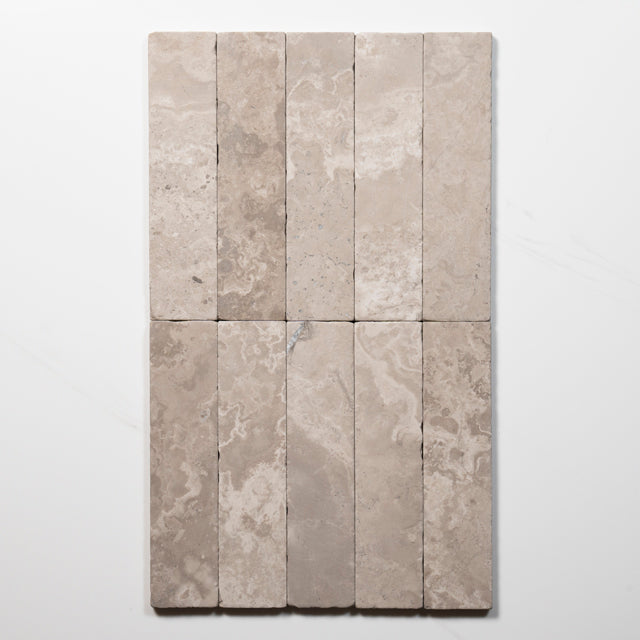
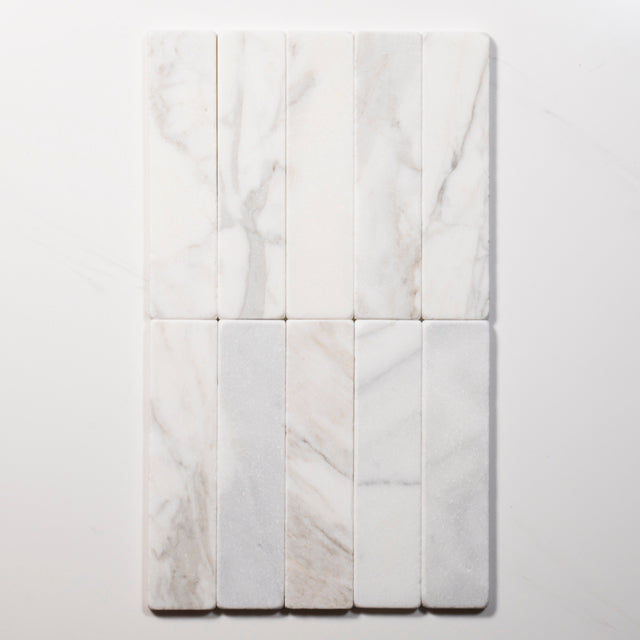
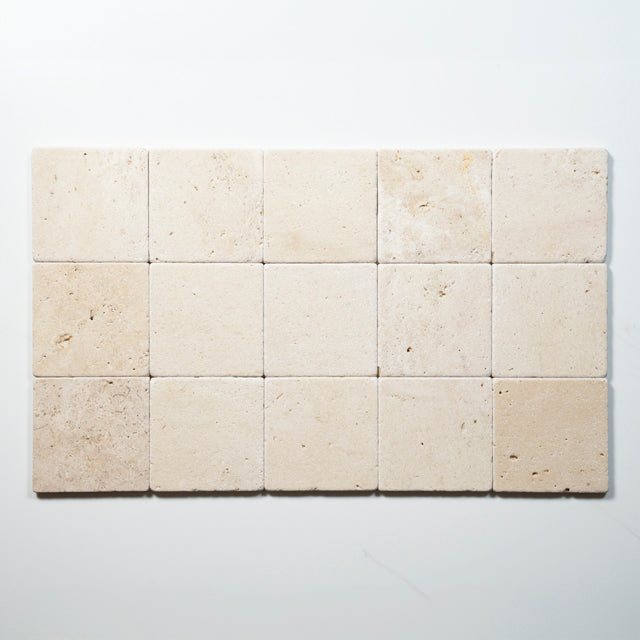
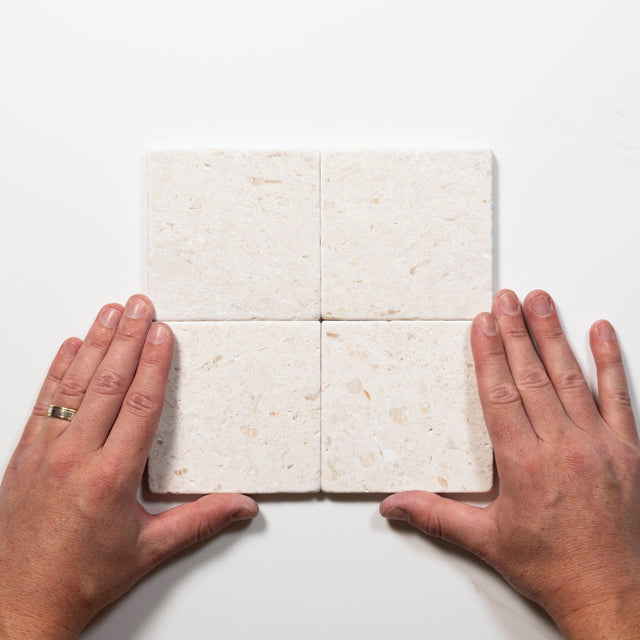
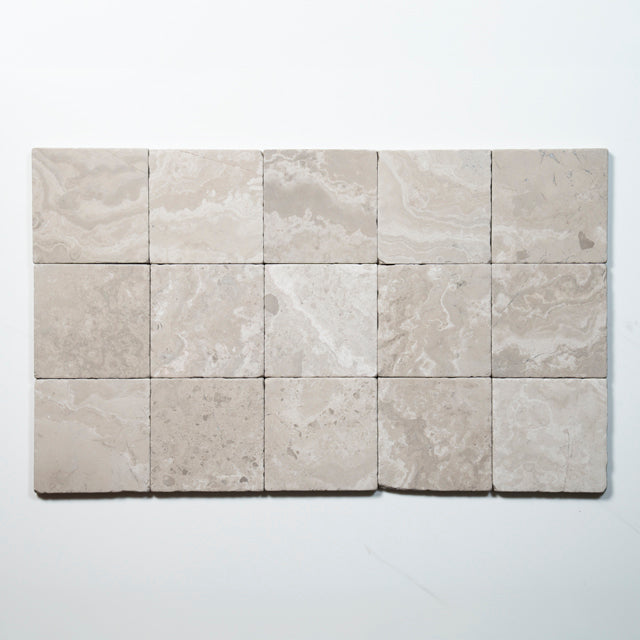
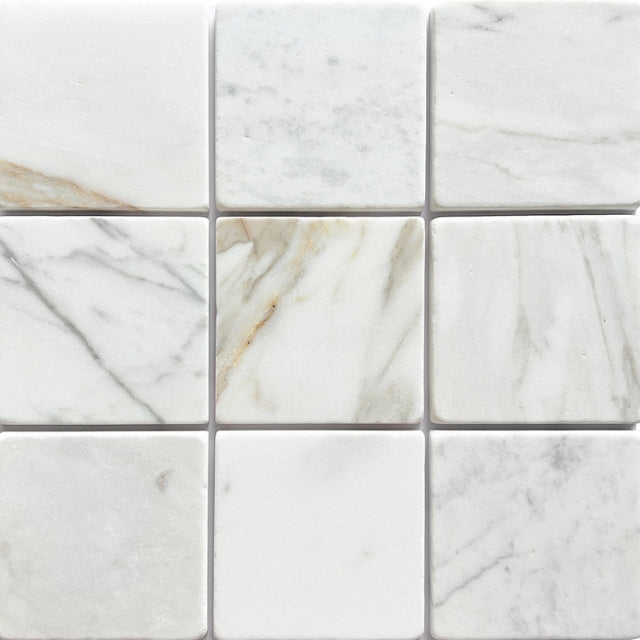
Tumbled natural stone tiles are genuine stone tiles finished with a softened, worn edge process that gives them a slightly rounded, matte surface rather than the sharp edges and polish of a cut stone tile. This small, curated range is made from real natural stone rather than porcelain printed to look like stone, offering a more textured, rustic character for bathrooms, feature walls and outdoor areas.
Tumbling is a finishing process where stone tiles are mechanically softened, rounding the edges and lightly texturing the surface to create an aged, weathered appearance. The result is a tile with more visual depth and a tactile, matte finish, quite different to the crisp, uniform look of a honed or polished stone tile. Because each tile is genuine stone, natural variation in colour and veining is part of the product rather than a flaw.
It's worth being clear on the distinction here, these are genuine natural stone tiles, not porcelain tiles printed with a stone effect pattern. Natural stone brings authentic texture and colour variation that a printed surface can't fully replicate, though it also comes with different care requirements, including the need for sealing to protect against staining and moisture.
The soft, aged character of tumbled stone suits a range of applications around the home.
Because this is a small range of genuine stone tiles, expect noticeable variation in tone and pattern from tile to tile and even within a single tile. This is a natural characteristic of real stone and is generally considered part of its appeal rather than an inconsistency to avoid.
Natural stone tiles typically need sealing before grouting and periodically afterwards to protect the porous surface from staining, particularly in wet areas like bathrooms and around kitchen benchtops. Always check the specific sealing recommendation for your chosen tile, and clean with pH neutral products to avoid damaging the stone's surface over time.
Given the natural variation across tumbled stone, it's worth ordering samples or viewing tiles in person before committing to a full order, and buying a small extra allowance for cuts, breakages and future repairs. Because this is a smaller range, check stock availability early if you're planning a larger area so you can order enough matching stone in one batch.


