
*View accurate shipping rates and availability






30 Items


Up to 70% off across the store, plus free towels and mirrors up for grabs on orders over $800*


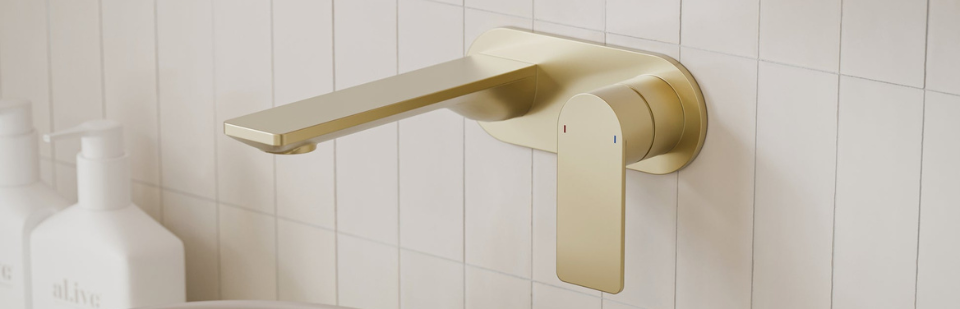


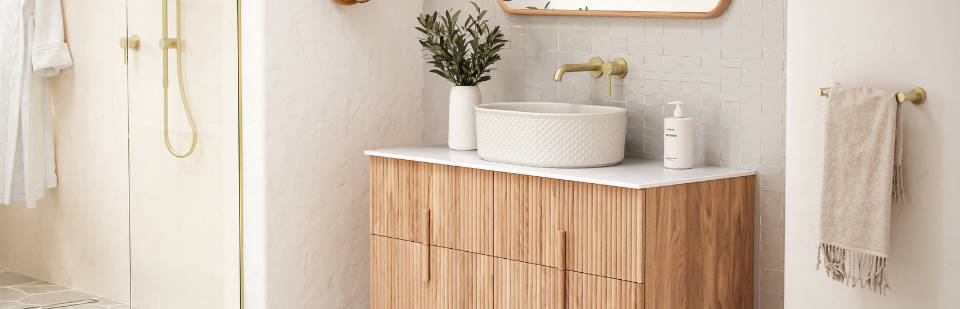


This page holds bathroom basins from Caroma, Bao, Turner Hastings, Otti, Fienza and Timberline, in the mounting types most renovations use: above counter, inset, semi recessed, under counter and wall hung, plus a washstand. The guide below covers what each mounting type needs from the bench or the wall, and the models on the page with their sizes and capacities. It then covers how the tap hole, overflow and waste differ, which taps suit each type, the heights to plan around, and how to clean each material. Each fact below is attributed to a listing, a maker sheet or a guide, and conflicts between sources are stated.
The first decision is the mounting type, because it sets what the bench or wall has to do. A renovation guide describes three common types. An above counter basin sits on top of the bench with the rim resting on it and the bowl fully visible, and it works with most bench materials provided the bench is structurally sound. An under mount basin is fixed beneath the bench, leaves a flush surface with no rim to trap water or soap, and needs a solid stone or solid surface bench. A vessel basin sits entirely above the bench and needs a tall tap or a wall tap.
A stockist guide adds the in-between types. A semi recessed basin sits partly into the vanity or bench to save space and suits small bathrooms and ensuites. An inset basin drops into a cut-out in the bench. A wall hung basin hangs from the wall and needs the wall behind it to take the load. The sections below take each type in turn with the models on this page. For the wider range, see bathroom basins.
Above counter is the largest group here, and most of the Bao basins are in it. The Bao Round 360mm is 365mm by 365mm by 120mm and holds 12 litres, in matte white and gloss white. The Bao Round 400mm in Ochre Veins is 400mm by 400mm by 120mm and holds 12 litres. The Bao Fluted Round 400mm is 400mm by 400mm by 125mm and holds 15 litres. The Bao Round 370mm in matte white texture with dark green is 370mm by 370mm by 135mm and holds 11 litres. The Bao Round 380mm with a diamond embossed surface is 380mm by 380mm by 145mm and holds 15 litres. The Bao Concertina 410mm is 410mm by 410mm by 135mm and holds 11 litres. The Bao Classic 310mm is the smallest, 310mm by 310mm by 155mm, and holds 4 litres. The Bao Pill 500mm is 500mm by 370mm by 135mm and holds 21 litres, the largest bowl on the page.
The Caroma range adds the Liano II 400mm round, 400mm by 400mm by 125mm, and the Liano II 530mm pill, 530mm by 350mm by 120mm, holding 11.9 litres, both with a matching ceramic pop-up plug and waste included. The Contura II 530mm is 530mm by 360mm and 175mm high overall, with 120mm of it above the bench, holding 9.2 litres. The Luna above counter 450mm is 450mm by 320mm by 143mm and holds 7 litres. The Otti Artis O'96 is a 480mm by 320mm by 150mm oval, and the Fienza Jada is a 390mm round concrete basin, 120mm high, holding 10 litres. See above counter basins, Bao basins, Caroma Liano II basins and Caroma Contura II basins.
The trade-off with above counter is height. A renovation guide says a standard vanity is about 850mm and that a vessel bowl of 150 to 180mm puts the rim at about 1,000mm or higher, which it calls awkward for children. On this page the Bao and Liano II basins stand 120 to 155mm above the bench, so the sum applies to them. The same guide says the rim-to-bench junction collects soap residue, so it needs regular cleaning, and that the silicone seal needs resealing every few years.
An inset basin drops into the bench so only the rim shows above it, and it can use a standard basin mixer. The Caroma Liano II 400mm round inset is 400mm by 400mm by 125mm and holds 7.5 litres, with no tap hole, a non-overflow bowl and a matching ceramic pop-up plug and waste included. The page also holds an inset Luna hand basin and a Timberline Radius inset basin, and a Luna semi recessed basin without a tap landing. The listings give no cut-out sizes for the semi recessed basin, so use the template that comes with it.
A mixer guide says standard-height mixers suit inset and semi recessed basins, and tall mixers suit above counter basins. It says tall mixers with standard basins are generally not recommended because of splash risk. See inset basins and semi-recessed basins.
An under counter basin sits beneath the bench, so the bench edge frames the bowl. The Caroma Urbane II under counter basin is 540mm by 370mm by 187mm and holds 10.2 litres. The Turner Hastings Fino is 550mm by 410mm by 188mm in fine fireclay, holding 11 litres, with an overflow and no tap hole. The Caroma Liano II 580mm pill is listed as an under or over counter basin, 580mm by 330mm by 125mm, in white and matte speckled finishes.
The renovation guide says an under mount basin needs a stone, engineered stone or solid composite bench, and that laminate and timber cannot support it. It says the tap sits on the bench above the basin, so the tap hole position must be confirmed with the fabricator before the bench is cut. The Fino spec sheet adds a rule worth following for any bench: never cut the bench without the basin on site. It says fireclay and ceramic vary by about 2%, and that the cost of altering a bench cut without the basin measured is not covered. See undermount basins and Turner Hastings basins.
A wall hung basin frees the floor and needs the wall to carry it. The Caroma Liano II hand wall basin is 530mm by 280mm by 172mm, with an overflow, and the page also holds the Luna hand wall basin at 450mm and the Liano Nexus 750mm wall basin with a left hand shelf. Maker installation guides for wall basins say to reinforce the wall behind the sheeting, with noggins and studs placed to suit the fasteners in a timber stud wall, and to check the actual product dimensions before drilling. A wall hung basin also needs a visible bottle trap or concealed pipework planned before the wall is closed. See wall hung basins.
The Turner Hastings Mayer is a washstand: a metal frame carrying a Carrara marble top with a ceramic basin, with one or three tap holes. Its installation guide says it needs professional installation by a two-person crew and that wood blocking inside the wall is recommended to support it, or heavy duty anchors if blocking is not fitted. See freestanding basins for floor-standing basins.
People ask what type of basin is best for a small bathroom. The sources point to compact sizes and to types that take less of the bench or the floor. Semi recessed basins suit small bathrooms and ensuites, one stockist says. On this page the smallest bowls are the Bao Classic at 310mm, the Bao Round 360mm at 365mm, the Fienza Jada at 390mm, and the Liano II 400mm round. A hand wall basin takes no bench at all. The Bao Classic holds 4 litres, so check the capacity suits the way the basin is used.
A vanity depth guide gives 450mm for a compact vanity and 500 to 600mm for a standard one. A 365mm basin on a 450mm vanity leaves 85mm behind it, which decides whether a bench-mounted tap fits, so a wall tap or a small basin mixer is the safer plan. See small basins, round basins and oval basins.
They are not, and the basin type decides which tap fits. A mixer guide lists standard-height mixers for inset and semi recessed basins, tall mixers for above counter basins and wall-mounted mixers that install into the wall above the basin. A tap guide says the projection, the reach of the spout, should match the distance from the tap mounting point to the centre of the drain. It says the water should land at or slightly forward of the drain centre, and that the spout should clear the rim by about 100 to 150mm. It says a tall basin mixer is often 250 to 300mm tall.
Two tall mixers on the store give figures. The Kaya Tall has a spout height of 216mm and a reach of 170mm, and the Empire Slim Tall has a spout height of 244mm and a reach of 180mm. On a 365mm round basin the centre is about 182mm from the edge, so a 170mm reach from a tap at the very edge falls about 12mm short of a central drain. Most basins here have no tap hole, so the tap goes on the wall or on the bench, and the listings do not give drain positions, so measure the drain on the basin you receive. See basin mixers.
The tap hole lines on this page are mostly none, with one tap hole on a few basins and one or three on the Mayer washstand. A three hole basin takes a spout in the middle with hot and cold controls on either side, and spacing varies by maker, so check the tap against the basin. The Bao, Caroma, Otti and Fienza basins listed here are non-overflow, the Fino and the Liano II hand wall basin have an overflow, and the Turner Hastings spec sheets say a 32mm waste with overflow is required for the ones with an overflow.
The waste differs by brand. The Bao listings say the plug and waste are sold separately, and the Fienza listing says the same. The Caroma Liano II basins include a matching ceramic pop-up plug and waste, and the Contura II lists a flush fitting plug and waste. A non-overflow basin has no slot to drain it if the plug is in and the tap runs, so turn the tap off. See basin wastes.
For an above counter or inset basin, the bench is cut to the maker's template and the basin is sealed to it. The maker guides differ on the sealant. A Caroma installation guide says to use acetic cured silicone sealant and not epoxy, and says the basin is supplied with a template that must be used for the cut-out. The Bao installation sheet for its above counter basins says to use non-acidic silicone, in dots at no more than three fixing points, with a bead around the rim. Another maker's guide says to avoid a full bed of silicone so the basin can be removed later. A third names neutral cure silicone.
These are for different basins, so follow the sheet that comes with yours, and use a neutral-cure silicone where the sheet does not say. The renovation guide says a licensed plumber can usually finish an above counter install within a few hours, and says silicone needs resealing every few years. For an under counter basin, the Bao guide gives a bond that needs 48 hours to dry before the bench is turned over, so plan the fitting before the bench goes onto the cabinet.
Most basins here are ceramic, and the listings add fine fireclay on the Turner Hastings Fino and Claremont, concrete on the Fienza Jada, and solid surface on one basin. A stockist page says vitreous china is durable and stain resistant, and fireclay is fired at very high temperatures for a strong, smooth finish. Concrete varies in colour from basin to basin, and the Fienza listing says an exact colour match to the pictures is not promised. Several Bao models carry a surface treatment: fluted, diamond embossed, concertina or veined. See ceramic basins, concrete basins and fluted basins.
For a ceramic or fireclay basin, a care sheet says day-to-day care needs only water and a damp cloth. It names a proprietary bathroom cleaner for water marks, grease and soap scum, and household vinegar for limescale, with a vinegar-soaked piece of kitchen paper left on stubborn deposits for 30 minutes. It warns about fluoride products such as rust removers and toothpaste, and says cream cleaners can dull the surface if overused. It gives bicarbonate of soda with white vinegar as a greener option, rinsed well so the rubber seals in the waste are not damaged. It says not to use harsh chemicals such as Domestos, which can destroy chrome and rubber seals, and never to mix cleaning products.
For the concrete Fienza basin, a Fienza concrete basin sheet says to wipe with a soft cloth and mild soapy water or a non-abrasive bathroom cleaner. It says to keep hot objects off it, and to remove spills of hair dye, nail polish and harsh chemicals at once. For the marble top on the Mayer washstand, stone care guides say to use a pH-neutral soap, and to keep vinegar, lemon juice and limescale remover away from it, so do not use the ceramic advice on the marble. Fluted and embossed surfaces hold soap film in the grooves, and a care guide suggests a small soft brush and letting the cleaner sit first. See matte white basins.
The shapes on the page are round, oval, pill, rectangular and square, in white, matte white, matte black, speckled, textured and concrete grey. A stockist range lists matte white, gloss white and matte black as the thin-edge finishes. A round basin has no corners, a pill gives a long narrow bowl for a narrow bench, and a rectangular basin lines up with straight vanity edges. Compare shapes in pill shape basins, and for a vanity to carry the basin, see bathroom vanities and Timberline basins. For an Otti or Fienza choice, see Otti basins and Fienza basins.
The sources leave some gaps. Several listings on this page give no size, capacity or overflow line, so none is stated. The guides for basin types give no cut-out sizes, bench thicknesses or tap heights, and the cost pages that the AI answers cite were not used because this page does not cover cost. No source ranks basin brands, so no best brand is named. One retailer page blocked the fetch, and the trends article an AI answer cites does not discuss basins, so no trend claims are made. No independent test of any basin on this page turned up.
Start with the bench. A stone or solid surface bench takes an under counter basin, any sound bench takes an above counter or inset basin, and a wall that can be reinforced takes a wall hung basin. Then set the size by the vanity depth and the tap by the basin type: a tall or wall tap for above counter, a standard mixer for inset and semi recessed. Choose the waste to match, check the overflow line, and confirm the dimensions before the bench is cut.
That order puts the decisions that are easy to change first, the finish and the shape, and the permanent ones, the cut and the plumbing, last.


