
*View accurate shipping rates and availability






94 Items

Spend over $800 and receive free gifts in your cart. Towels, accessories and full length mirrors!
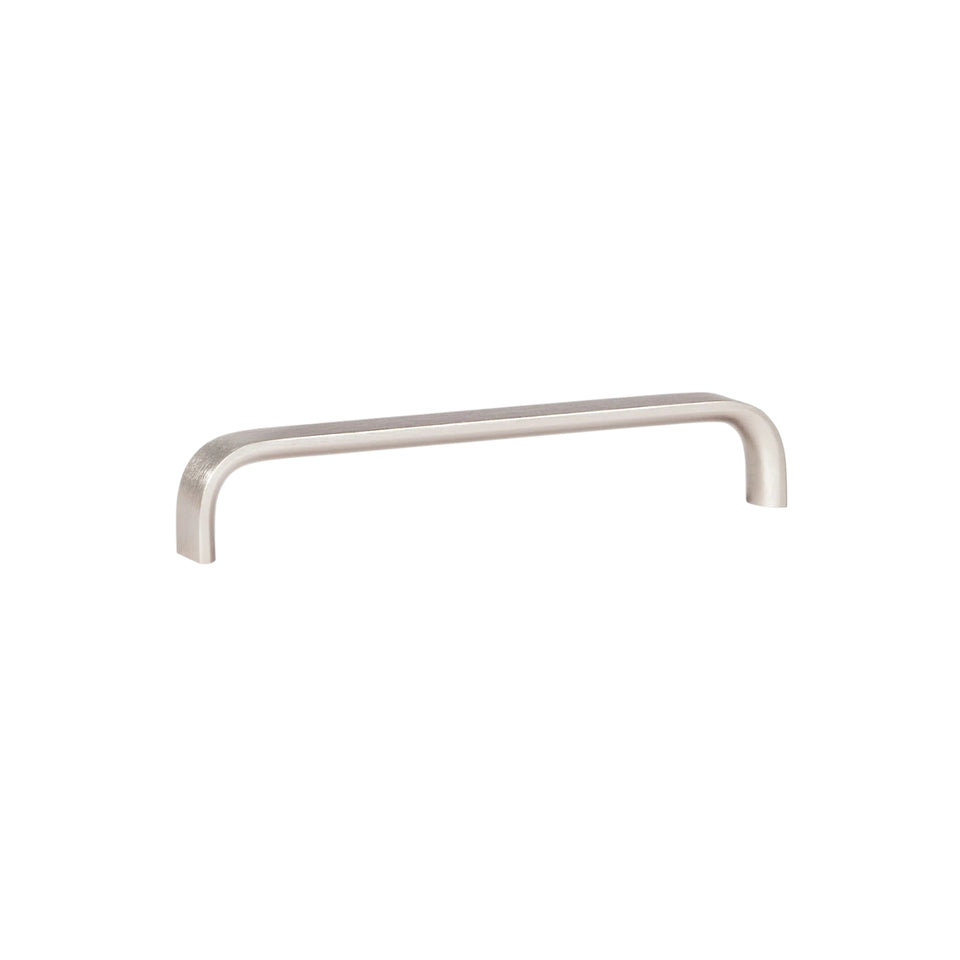

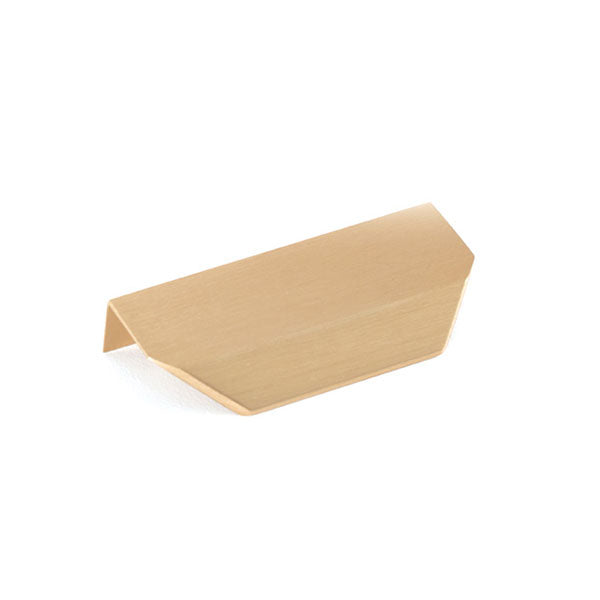
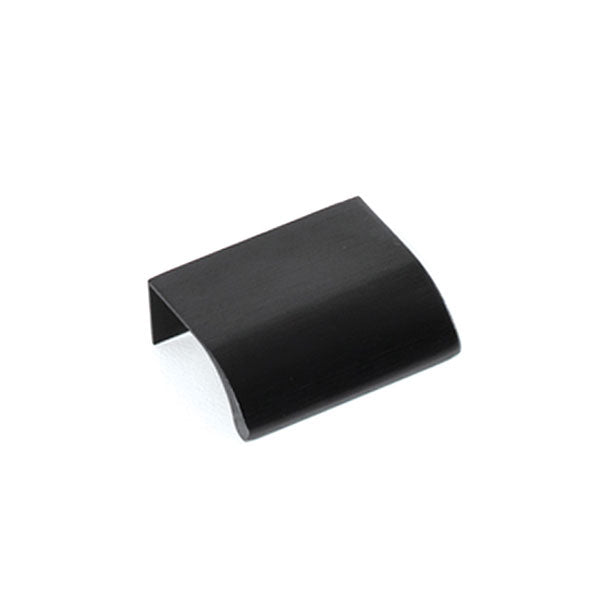
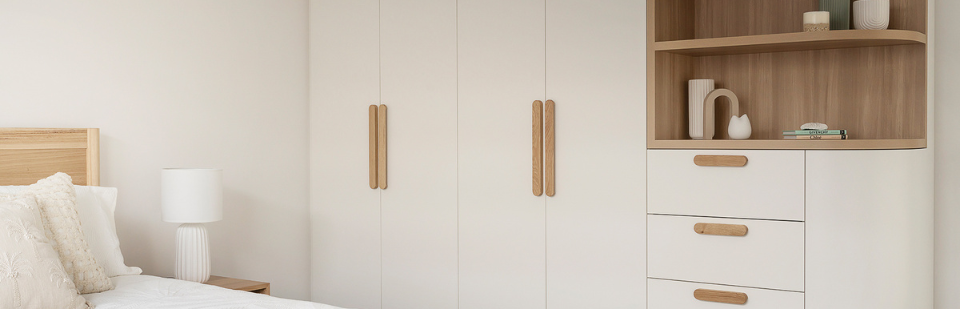
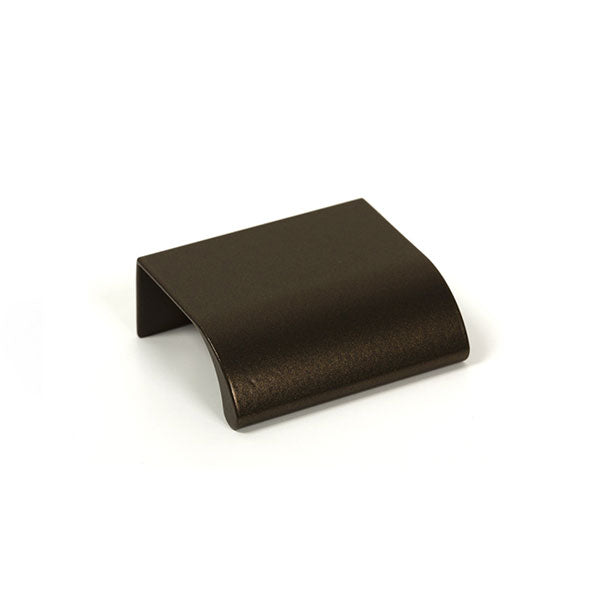
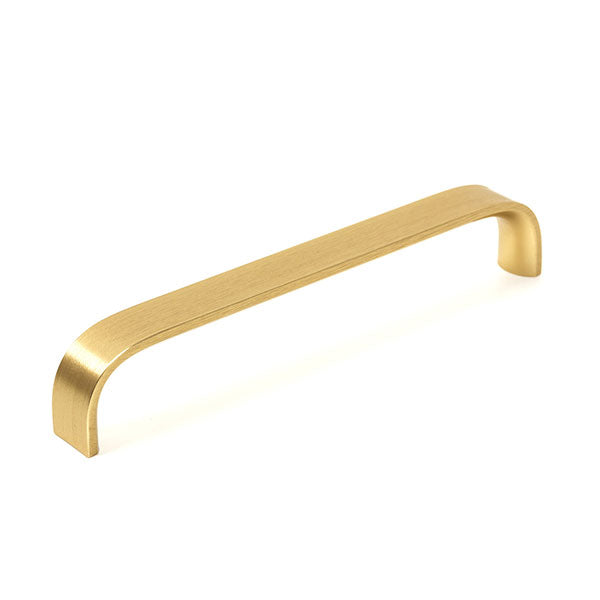
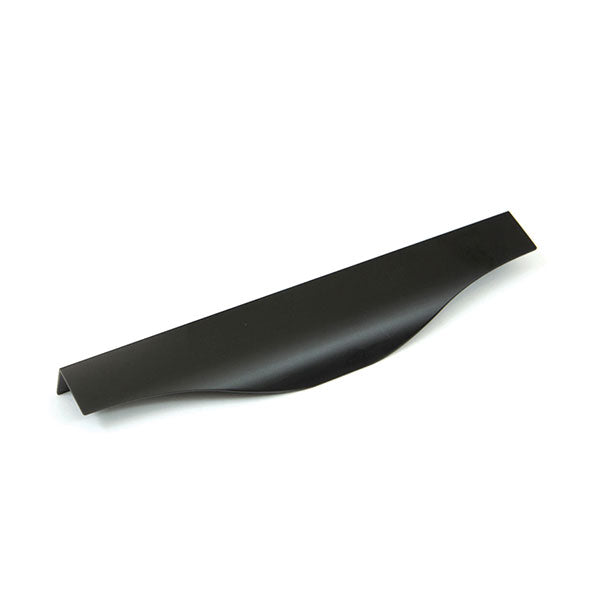
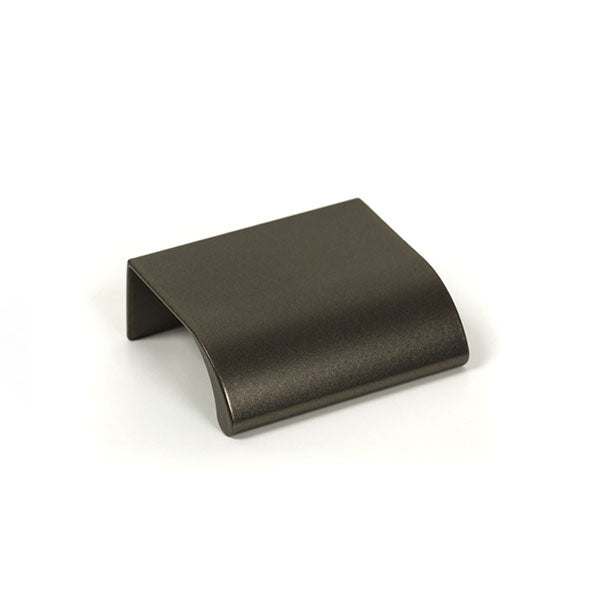

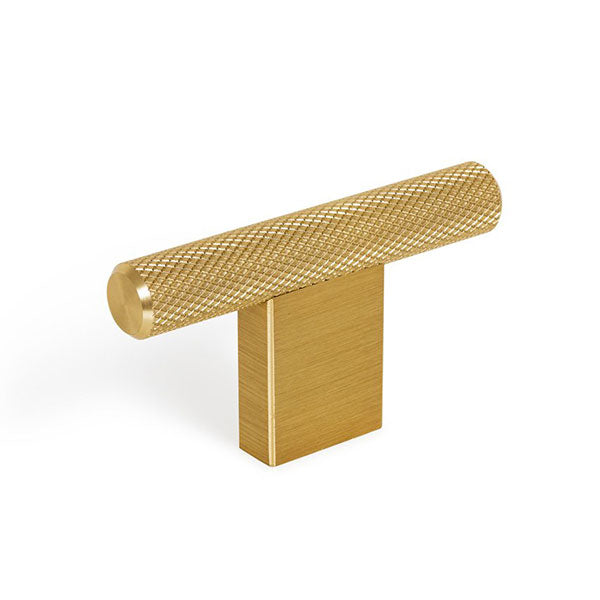

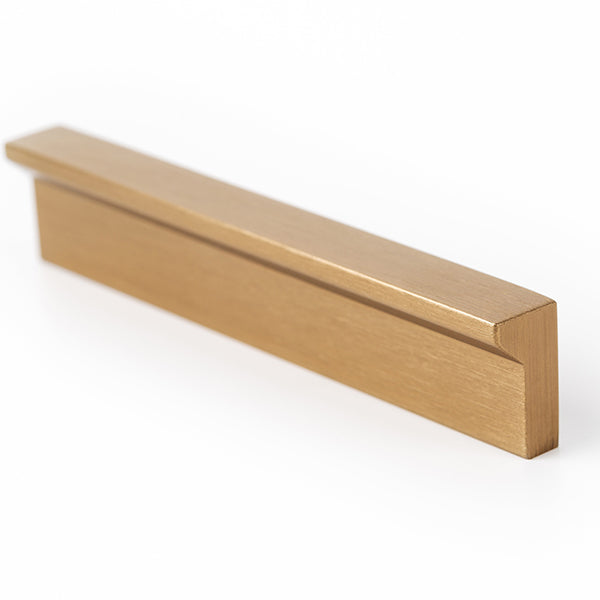

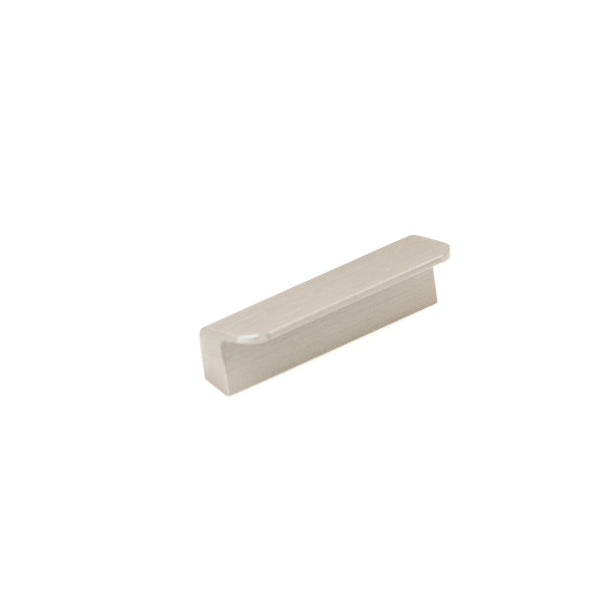


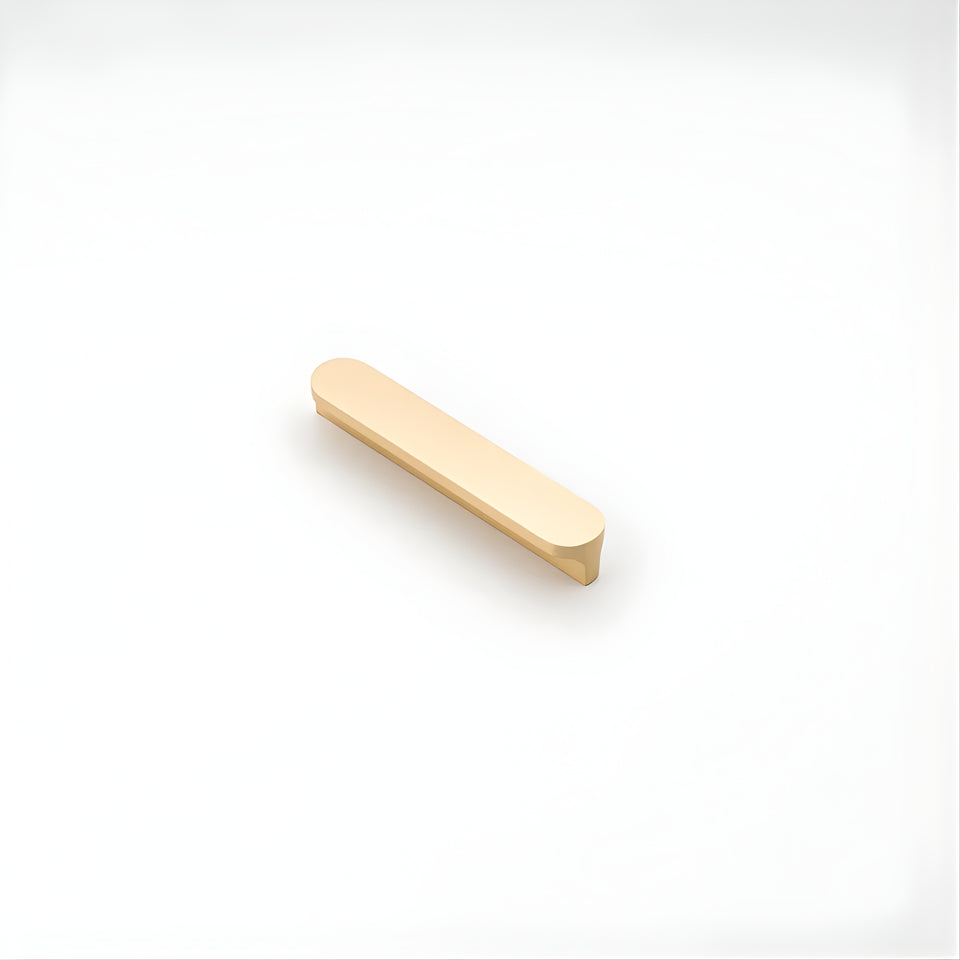
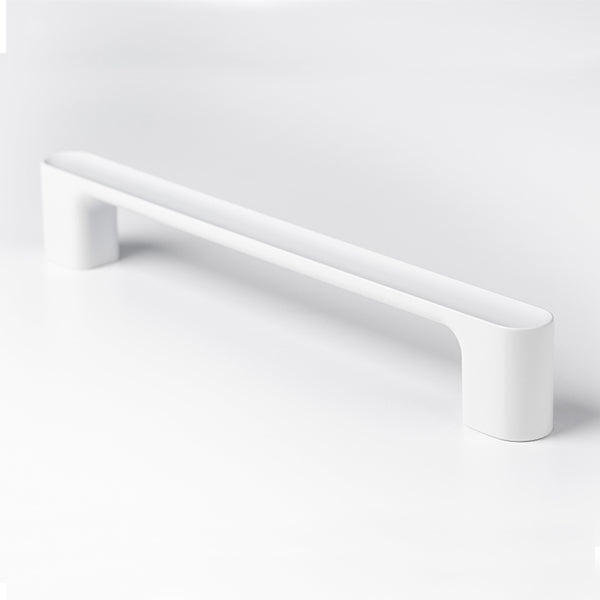
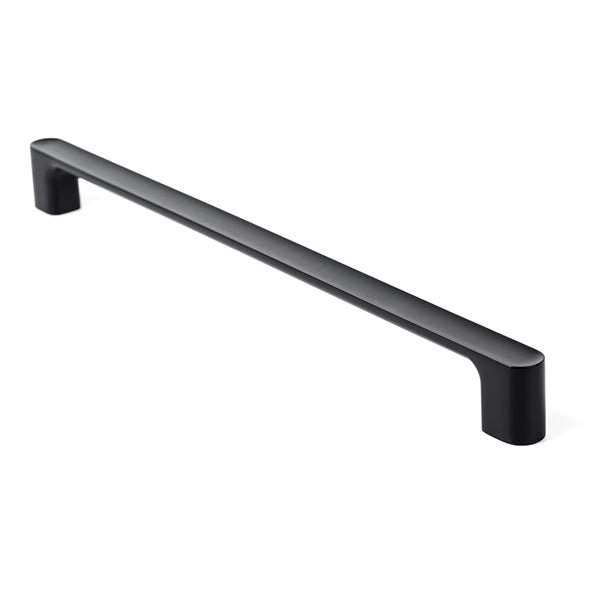
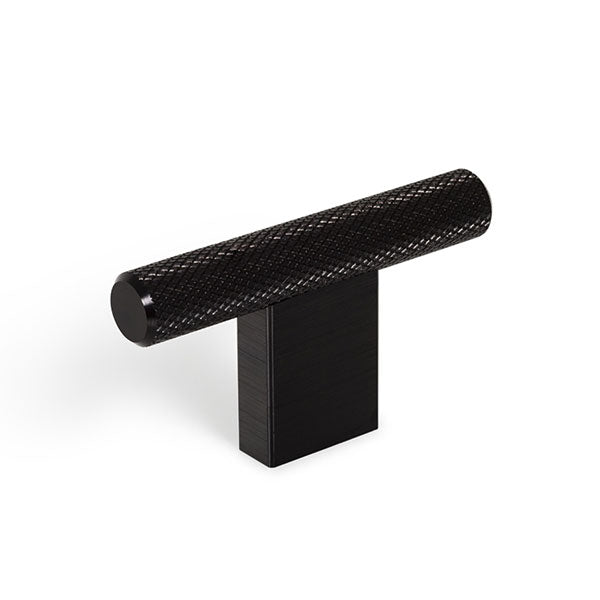
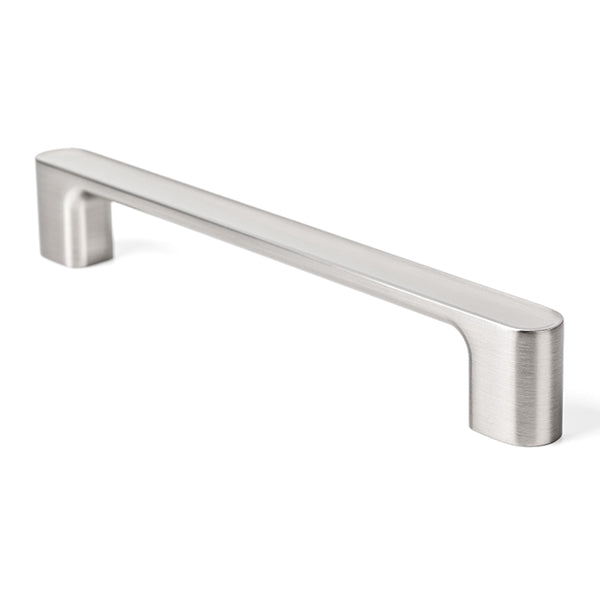
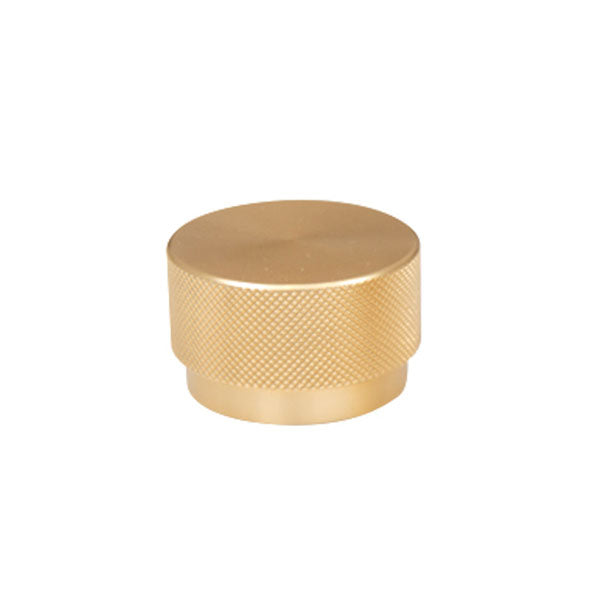
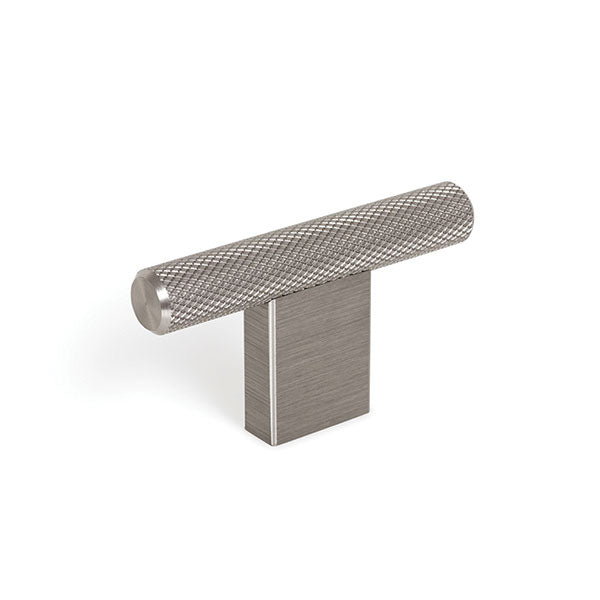

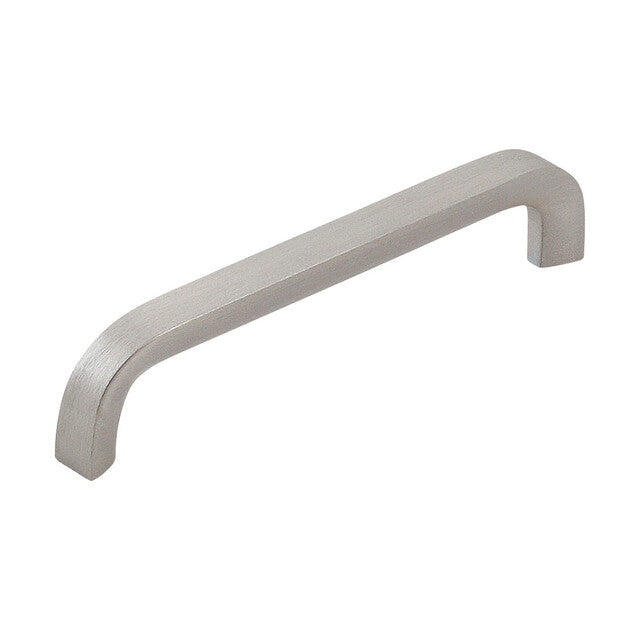
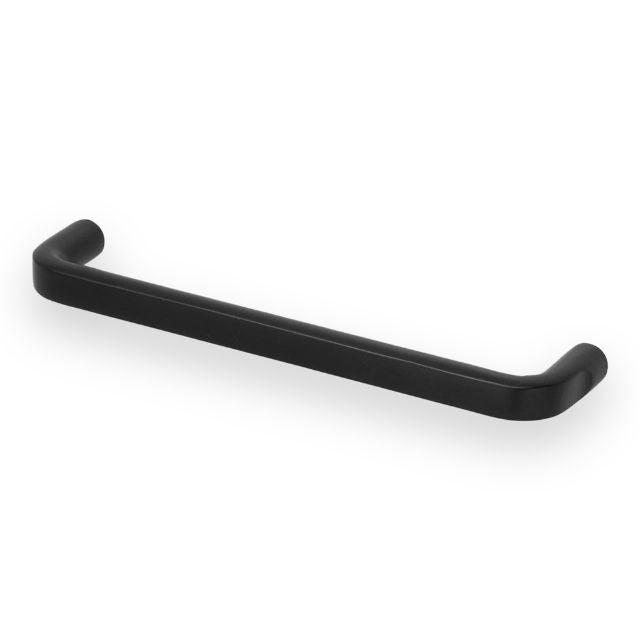
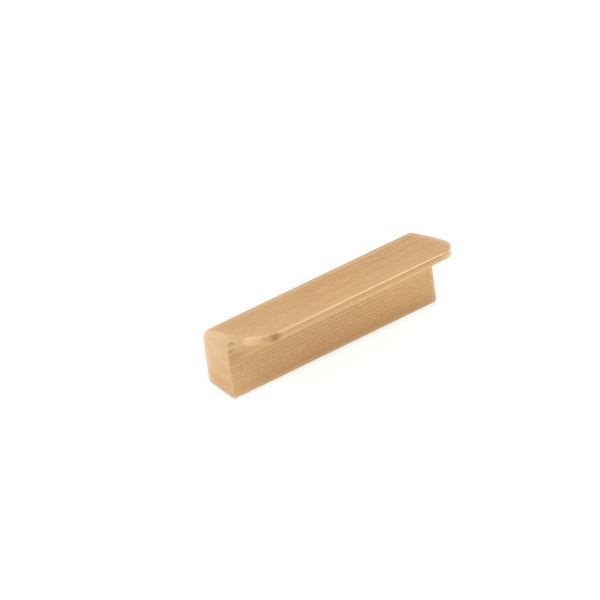

Aluminium cabinet handles are a practical, corrosion-resistant hardware option for bathroom vanities, kitchen cabinetry, and laundry joinery. This page covers how aluminium compares to other handle materials, which finishes are available, sizing guidance, and what to check before buying.
Aluminium is lightweight, rust-proof, and dimensionally stable in humid environments, making it a sound choice for bathroom and laundry cabinetry where moisture exposure is ongoing. The base metal takes PVD and powder-coat finishes well, which means colour and surface quality hold up better over time compared to zinc alloy alternatives. It is not as heavy as solid brass, which affects the tactile feel but keeps costs lower.
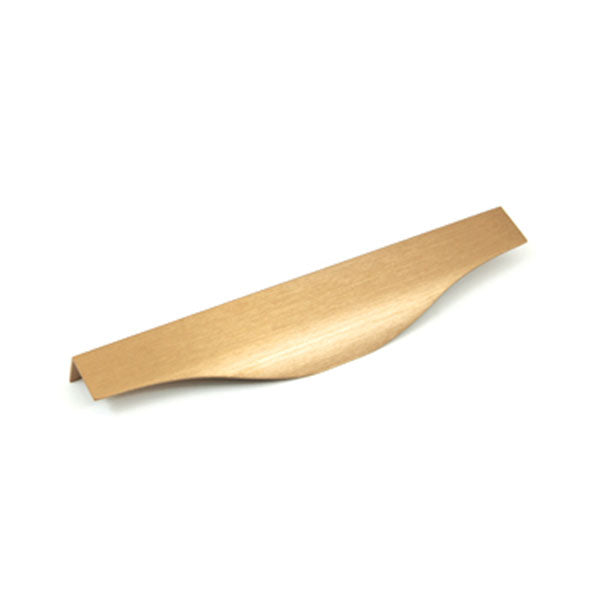
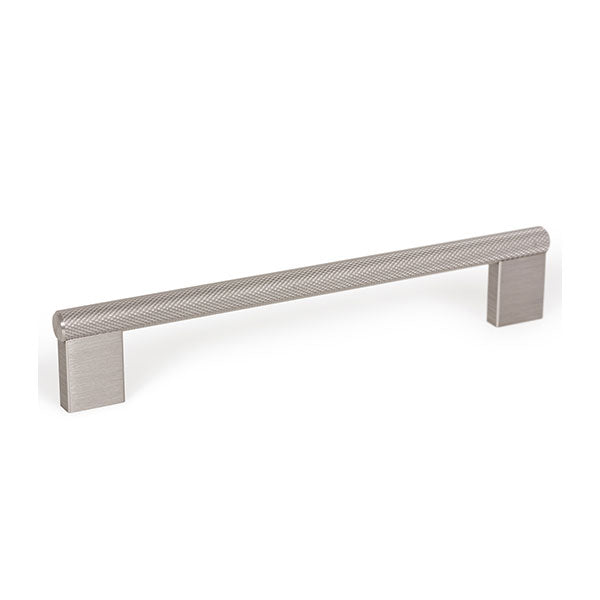
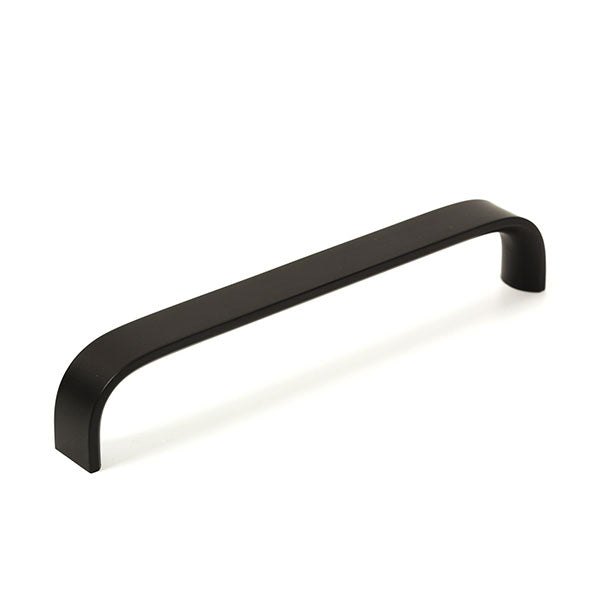
Most aluminium handles are finished rather than left raw, so the finish you see determines the colour. Common options stocked by Australian retailers include brushed nickel, matte black, brushed brass, chrome, and gunmetal. Brushed finishes hide fingerprints better than polished surfaces. PVD-coated finishes are more scratch-resistant than powder-coat and are worth specifying in high-use kitchens.
If you are browsing by colour rather than material, the full cabinet handles range lets you filter by finish across all handle materials.
Cabinet handles are sized by their centre-to-centre (CTC) hole spacing, which is the distance between the two fixing screw holes. Common CTC measurements are 96 mm, 128 mm, 160 mm, and 192 mm. Bar and bow handles also come in longer profiles from 224 mm to 320 mm for wider drawers and doors. Measure the existing hole spacing before ordering so replacement handles drop straight in without redrilling.
For vanity drawers specifically, 96 mm and 128 mm CTCs cover most 450-600 mm wide drawer fronts. Wider 900-1200 mm drawer fronts typically suit 160-192 mm CTCs or a paired knob approach.
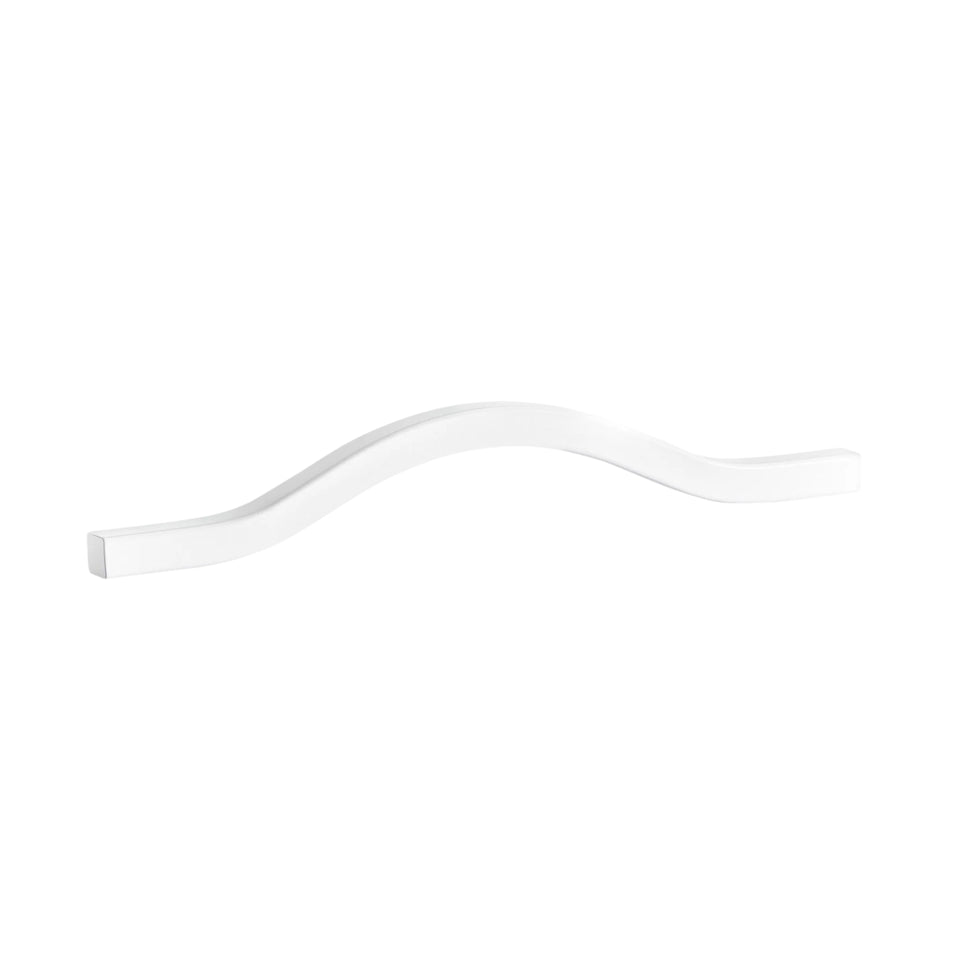
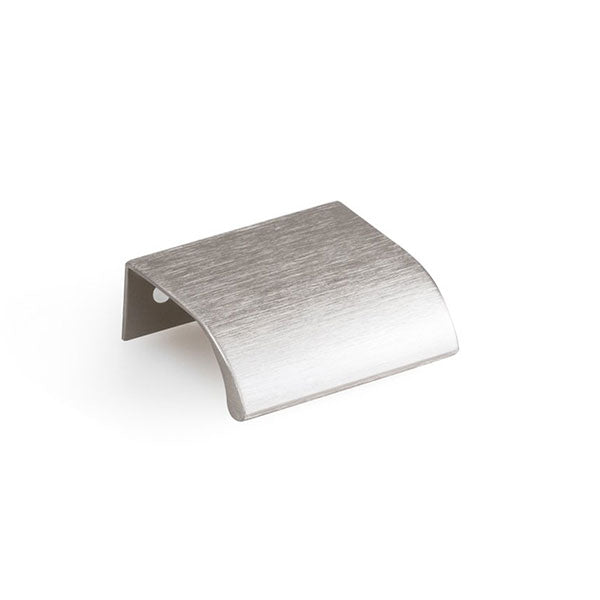
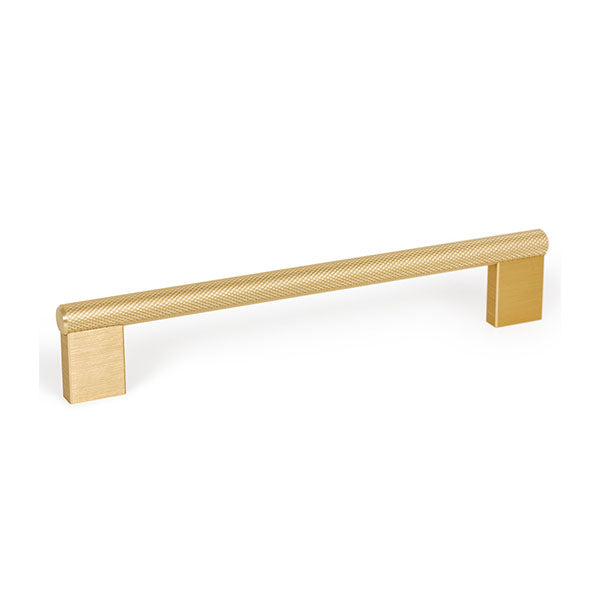
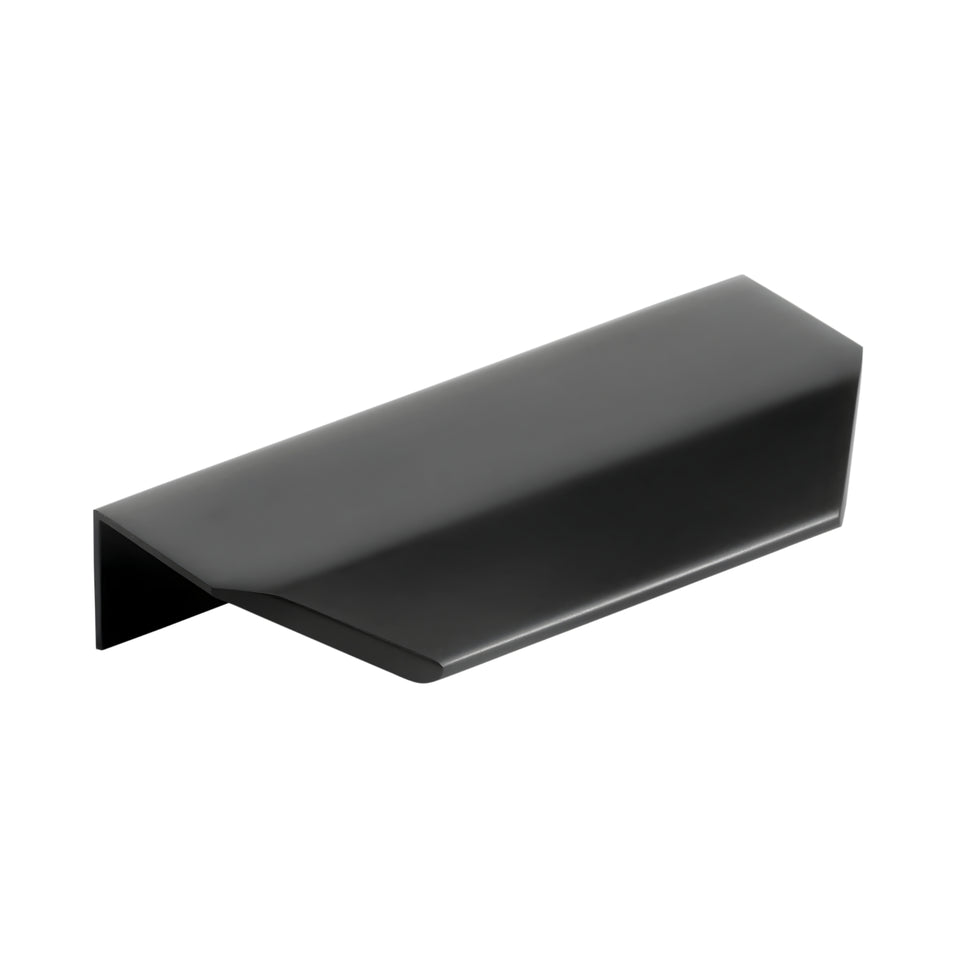
Bar handles (also called D-pulls or bow handles) with a straight profile suit contemporary flat-front cabinetry and are the most common aluminium handle profile. Finger-pull or J-pull profiles, where the handle is recessed or sits flush, suit handleless kitchen designs. Rounded or square-section bar handles read differently in a space, so check the section profile in product specs rather than relying on photography alone.
For bathroom joinery, a brushed nickel or matte black aluminium bar handle pairs cleanly with wall-hung vanities. Browse the bathroom vanities and furniture range if you are selecting handles alongside a new vanity.
Zinc alloy (zamak) handles are heavier and cheaper to cast into complex shapes, but they corrode faster in salt-air or high-humidity environments. Stainless steel handles are the most durable and corrosion-resistant but cost more and are heavier. Aluminium sits between the two: lighter than stainless, more corrosion-resistant than zinc alloy, and typically mid-range in price. For coastal or high-humidity installations, aluminium or stainless steel are preferable to zinc alloy.
Most cabinet handles attach with two machine screws that pass through pre-drilled holes in the cabinet door or drawer front, then thread into the handle body from inside. Standard screw diameter is M4, with screw length varying by door thickness (typically 16-19 mm MDF or plywood). Mark the hole positions with a template or jig before drilling to keep spacing consistent across multiple doors. Use a step drill bit or sharp brad-point bit to avoid tear-out on veneer or laminate faces.
If you are also replacing interior door handles at the same time, confirm that fixing screw sizes are compatible across both product types before ordering.
Kethy is one of the more widely stocked Australian cabinet hardware brands and offers aluminium bar handles across multiple CTCs and finishes. Momo Design handles, popular for their machined aluminium profiles, are another option available through specialist bathroom and kitchen hardware retailers. When comparing brands, check whether the finish is PVD or powder-coat, and whether replacement screws are included, as these details vary.
If you need hardware for a broader renovation, the Momo handles collection covers their full range of aluminium and mixed-material profiles.


