
*View accurate shipping rates and availability






6 Items



Spend over $800 and receive free gifts in your cart. Towels, accessories and full length mirrors!

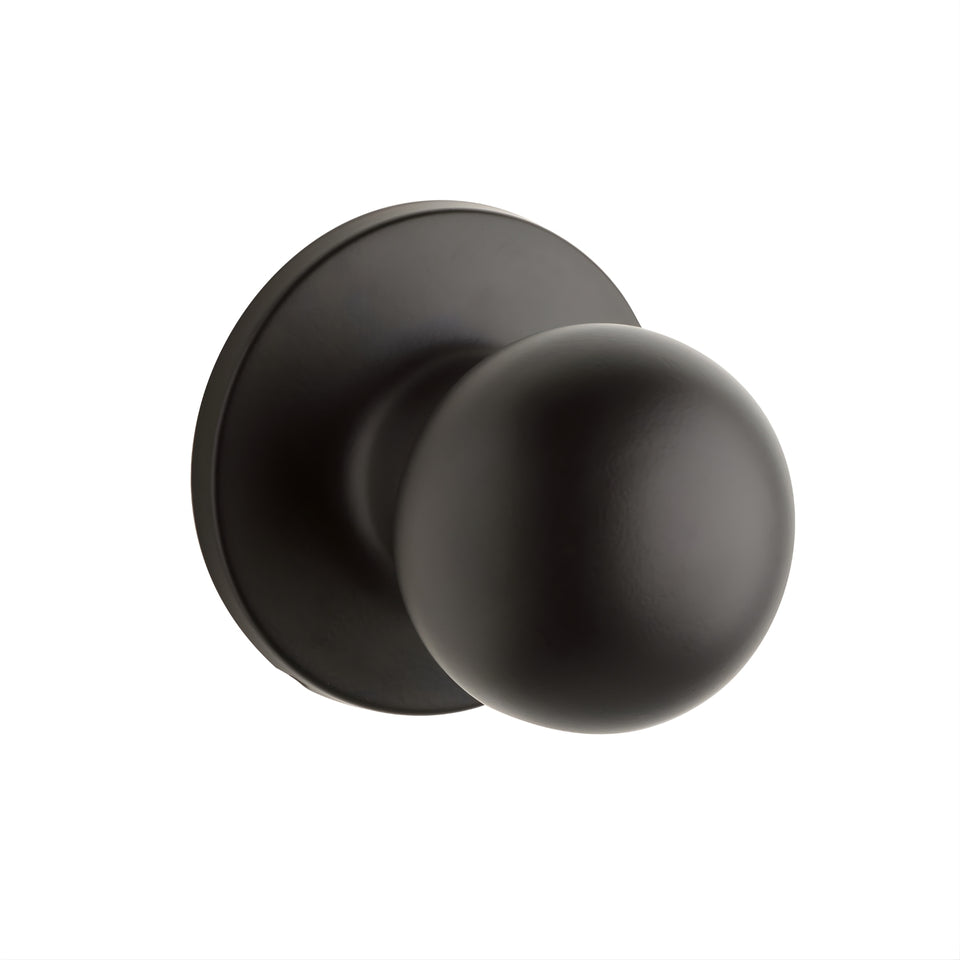
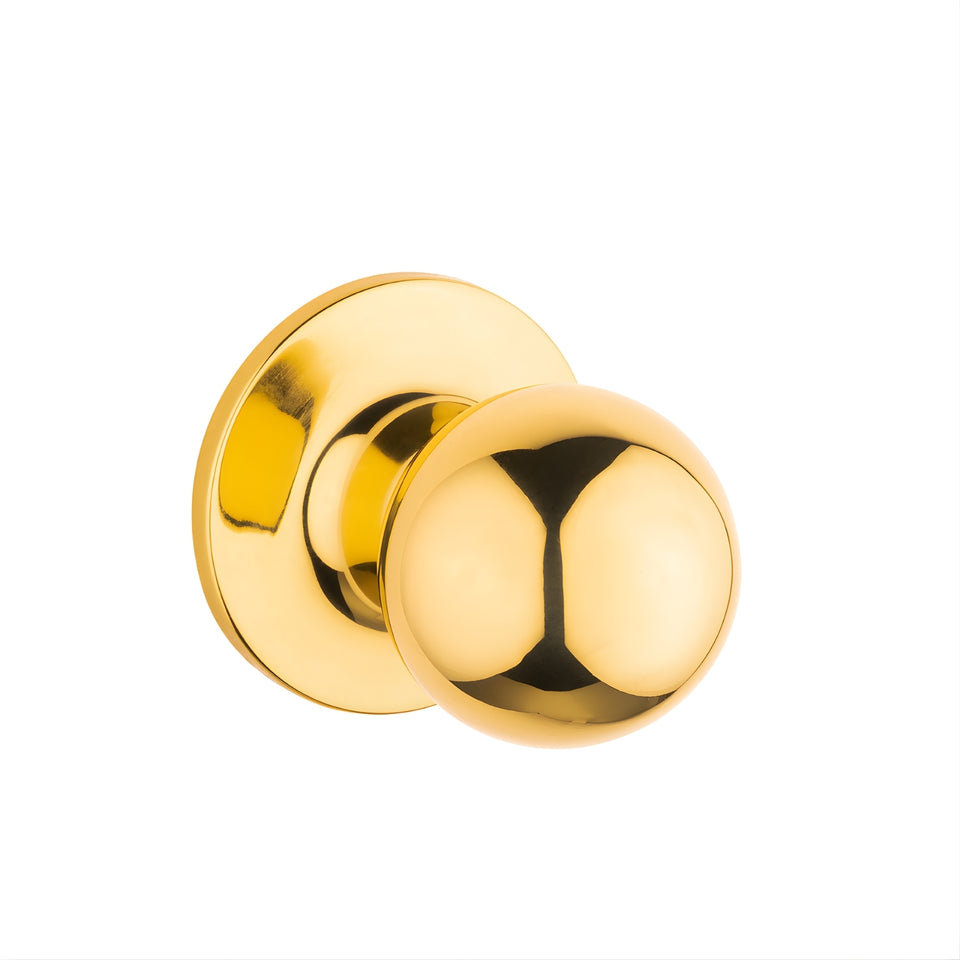
A dummy knob exists to solve a specific problem: giving a non-functioning door face the same finished appearance as its working counterpart, without needing any of the mechanical components a real latch or lock requires. Because there's nothing moving inside the door, the design consideration comes down almost entirely to matching, shape, backplate style and finish, against the active hardware it sits beside.
A knob is a rounded, spherical grip mounted on a spindle or post, while a lever is a horizontal handle operated by pushing down. Knob-style dummy hardware tends to suit traditional and classic door styles, wardrobes, and closet doors, where a compact, low-profile fitting looks right against the door's proportions. Where the door style calls for a longer horizontal handle instead, The Blue Space's dummy levers range covers that option separately.
Most dummy knob sets are sold with a choice of backplate shape, either a rectangular plate or a round rosette, and the shape should match whatever the active-side knob uses on the same door, or elsewhere in the same hardware range throughout the home. The backplate covers the fixing screws and gives the knob a finished, symmetrical look next to its working counterpart. Finish consistency matters here too, so it's worth checking the backplate finish against tapware, cabinet handles, or other hardware already installed nearby before ordering.
A dummy knob set typically comes as a single knob and backplate combination, ready to fix to one face of the door with the screws supplied. Because there's no spindle, no latch body, and no strike plate involved, installation is straightforward and doesn't require any preparation inside the door beyond the screw holes for the backplate. Some sets are supplied as a single packaged unit, knob and backplate together, which is worth checking before ordering if buying components separately isn't the intention.
On a pair of double doors, one leaf is usually the active door with a full lock or latch, and the other is fixed shut with a bolt at the top and bottom, sometimes called the dummy side. The dummy knob on that fixed leaf exists purely so the two doors look identical from the front, and so there's still something to hold onto if the fixed leaf ever needs to be opened for cleaning or moving furniture through. Because there's no mechanism involved, alignment is simple: centre the backplate at the same height as the active knob on the opposite door.
Dummy knobs are available in the same finish ranges as the rest of a hardware collection, so it's worth starting with whatever finish is already specified for the active-side knobs and doors nearby, then confirming the dummy version is offered in that same finish before ordering. Ordering both sides from the same range at the same time avoids any batch-to-batch finish variation, particularly with plated finishes that can shift slightly between production runs.
A dummy knob is easiest to finalise once the active-side hardware for the same door is chosen, since matching finish and backplate shape depends on that decision being settled first. The Blue Space's Door Handles and Door Locks & Latches collections are worth reviewing alongside a dummy knob selection, so the finished door reads as one considered, symmetrical fitting.


