
*View accurate shipping rates and availability






30 Items

Up to 70% off storewide, free metro shipping over $500, and free gifts from $800. Spend more to unlock luxury towels and mirrors.*
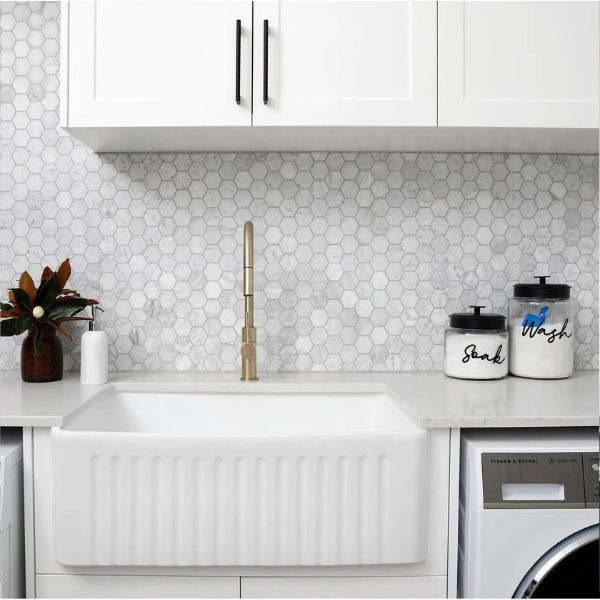
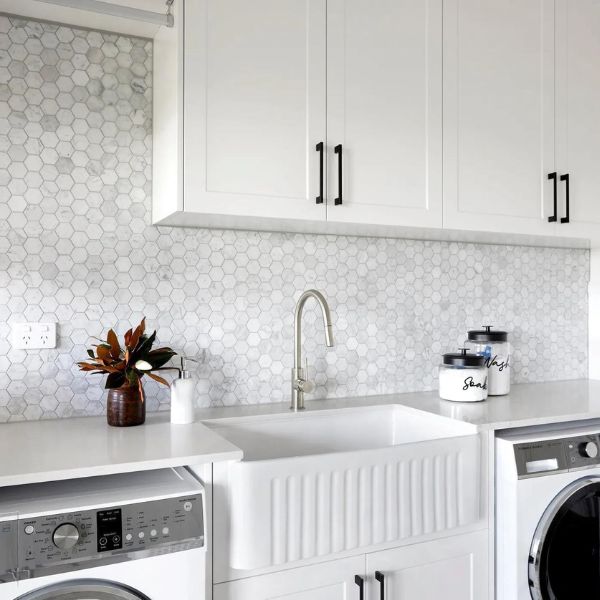
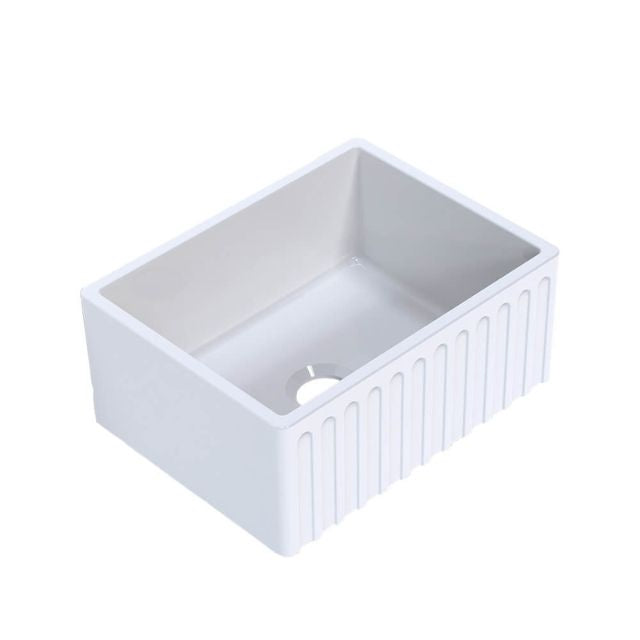
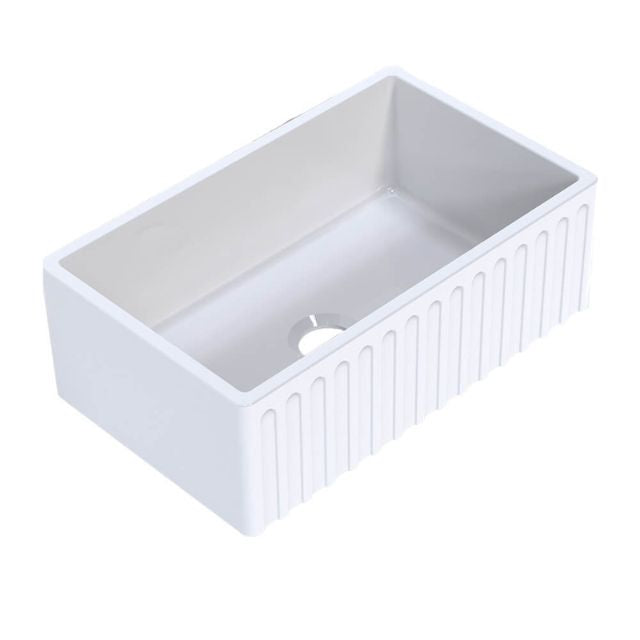
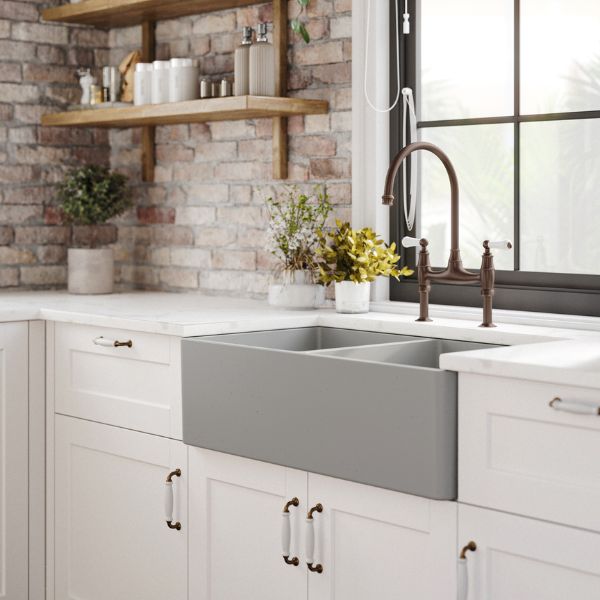
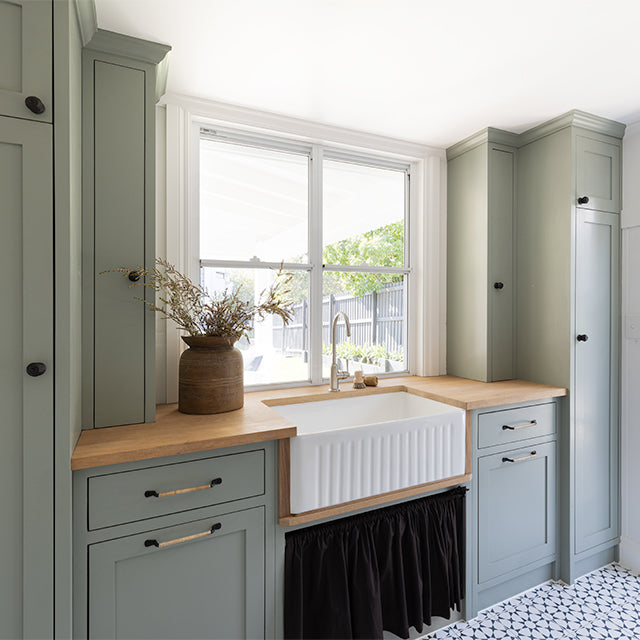
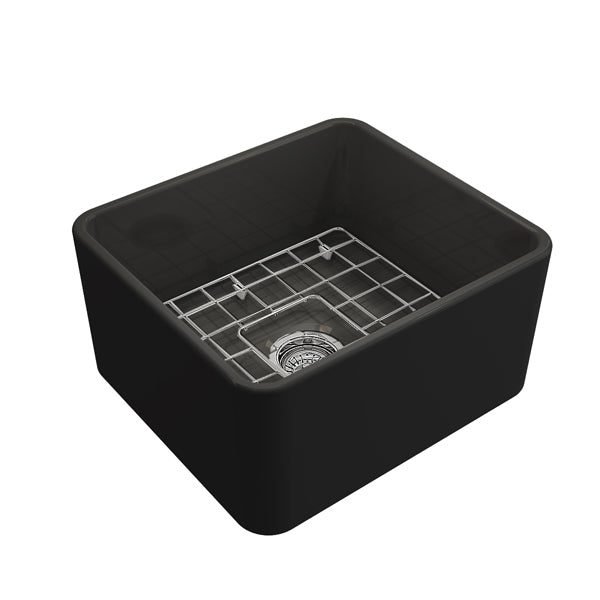
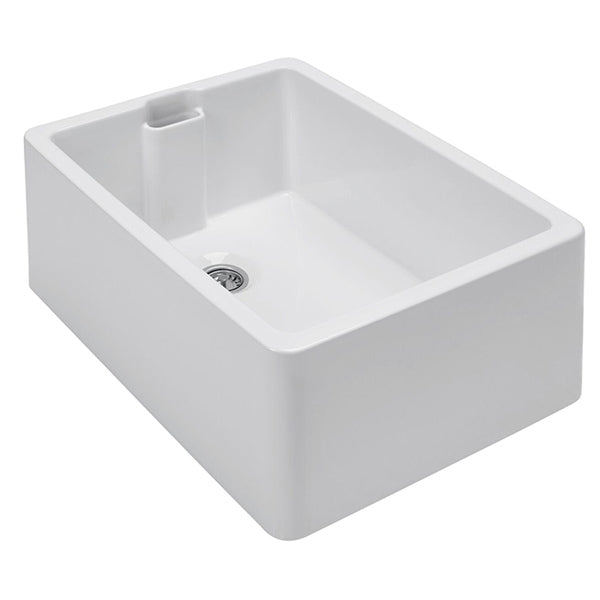
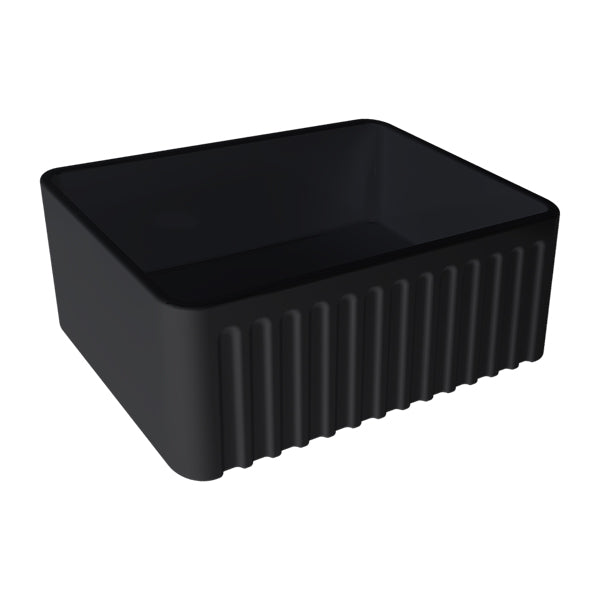
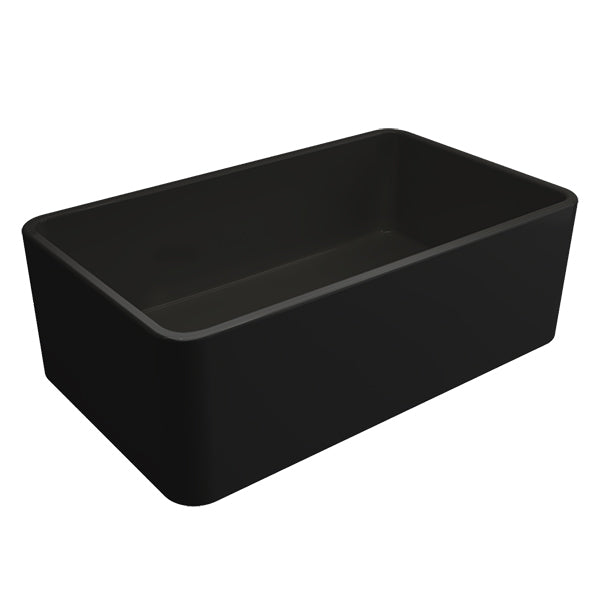

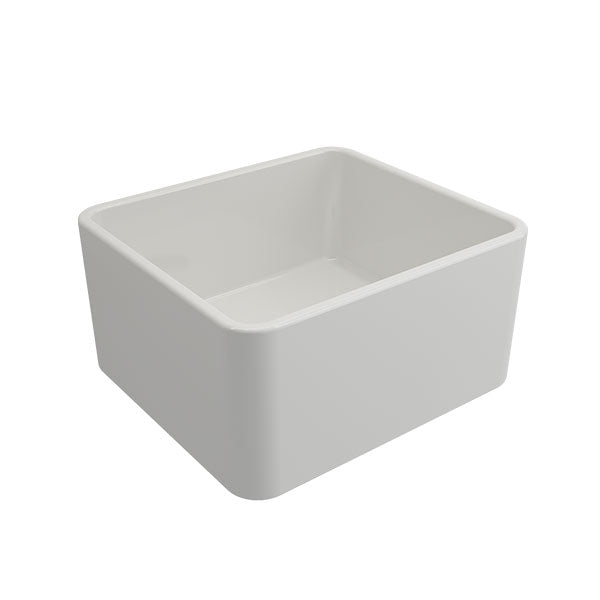
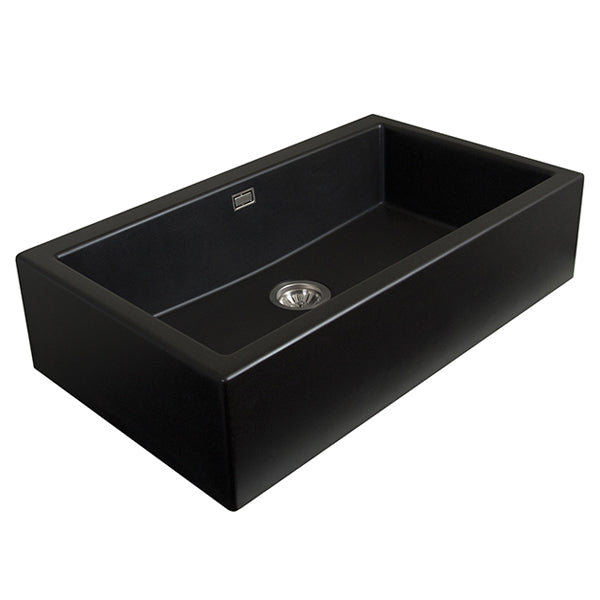
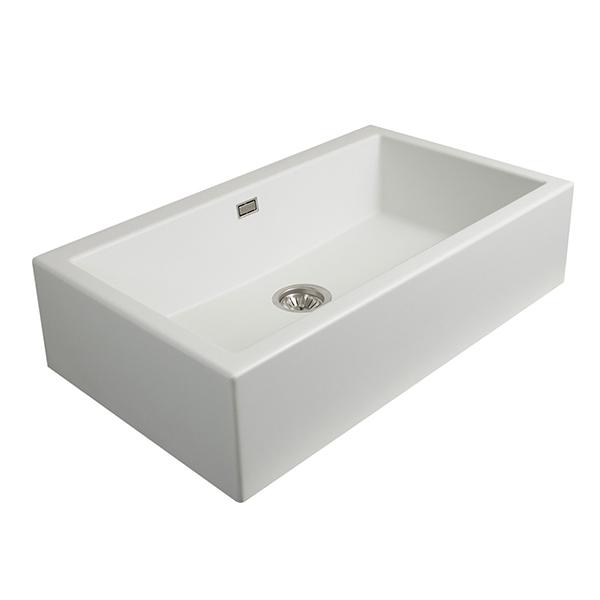
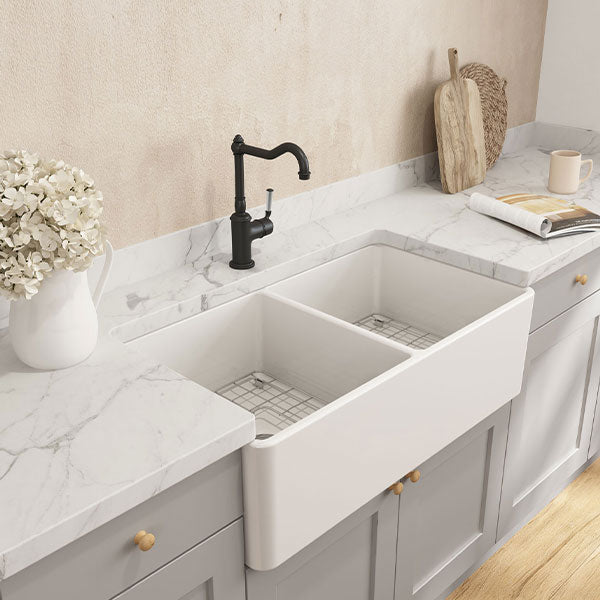

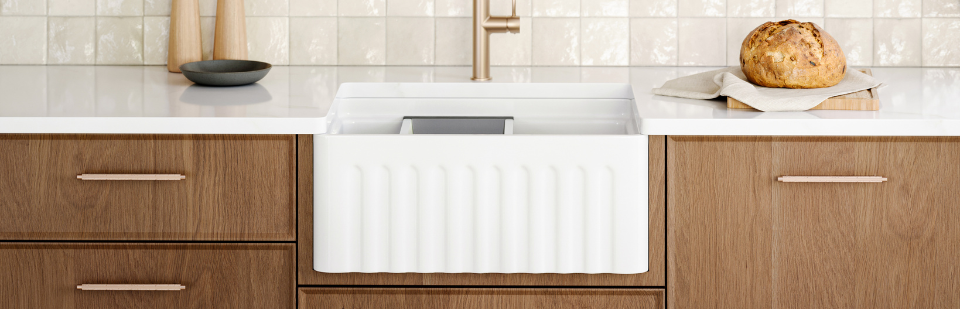


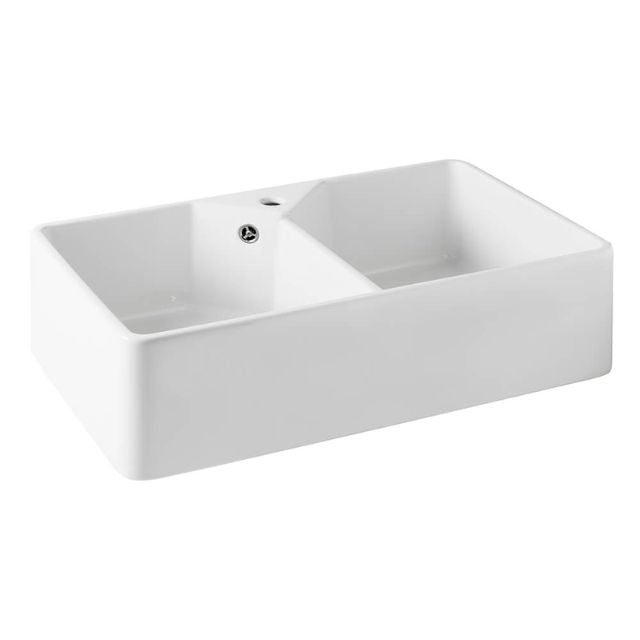
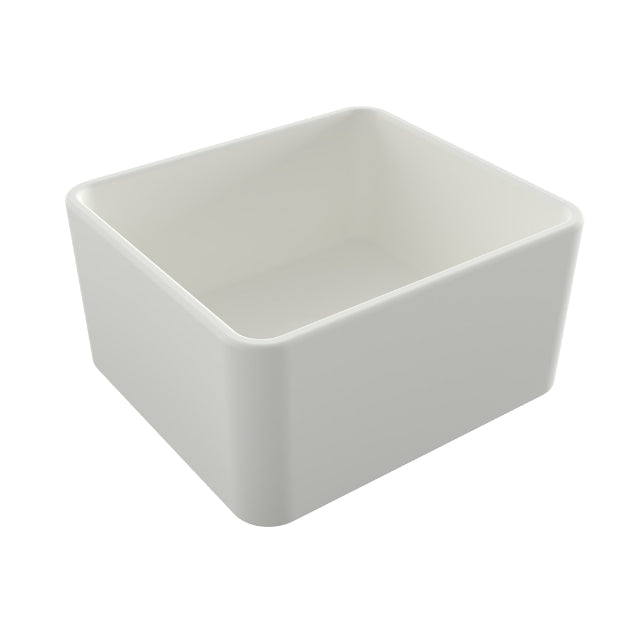
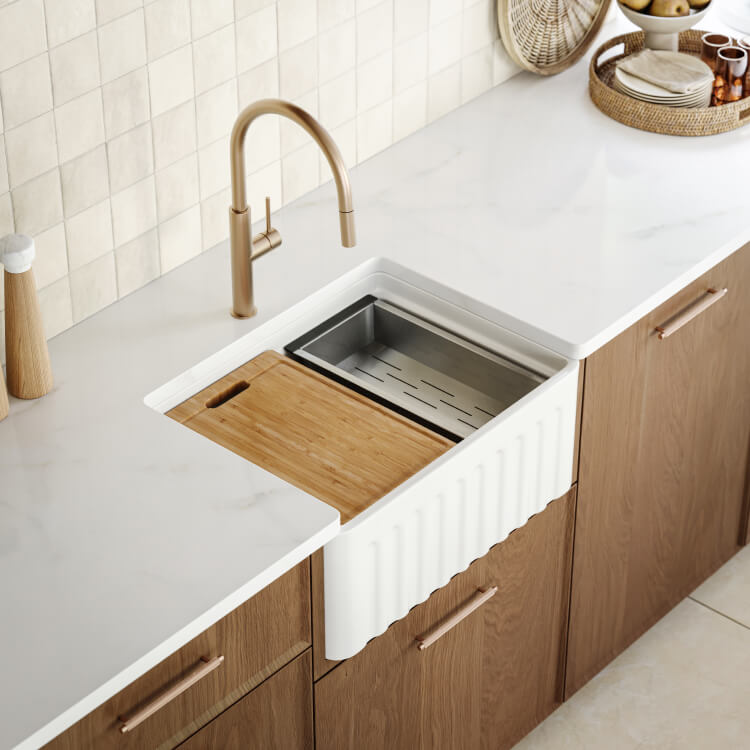
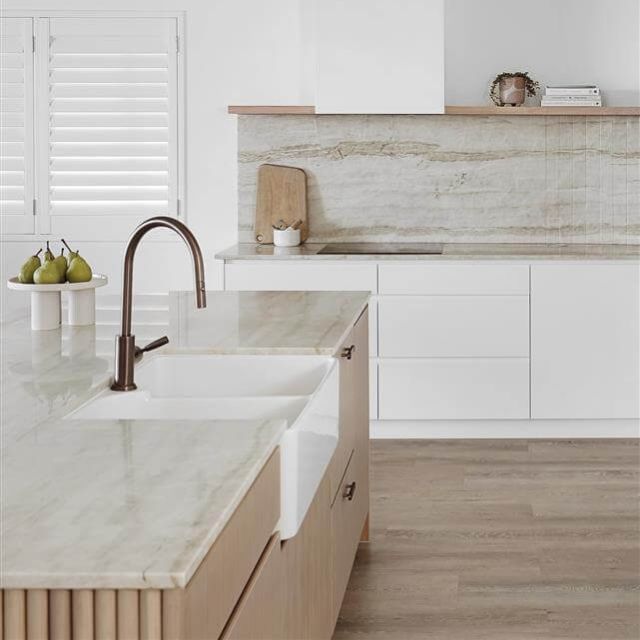
A butler sink, a farmhouse sink and an apron sink are the same thing for most buyers: a deep sink with an exposed front panel that sits proud of the cabinet instead of hiding behind a door. The choice is less about the sink than about the cabinet it goes into. A sink with an exposed front needs a cabinet cut for it, a base that can carry its weight, and a benchtop that meets it cleanly. This page covers what the names mean, whether this style suits your kitchen, how the cabinet has to change, what the sinks in this collection are made of, how they are fitted, and what to check in the box.
In Australia the style goes by butler sink, farmhouse sink, apron sink or Belfast sink. A farmhouse sink is a deep sink with an exposed front-facing side, and it works in the kitchen or the laundry. Older sinks of this shape took their names from their cities. Belfast and London sinks are two specific designs, and the details of who had an overflow and who did not vary from maker to maker. Because the names are used loosely, ignore them when you shop and read each product's own overflow line and measurements.
The practical difference between a butler sink and a standard sink is that a standard sink sits inside the benchtop and a butler sink shows its front. See kitchen sinks for the wider choice of sinks and how they fit.
The trade-offs are concrete too. These sinks are heavy and need structural support. They are hard to retrofit, usually need custom joinery, and are easier to design into a new kitchen than to fit into an existing one. They come as a single bowl or a double bowl and have no integrated drainer. A deep bowl takes more water to fill. Fireclay and porcelain can be noisy under a running tap and are less forgiving than steel when a glass is dropped. A white surface shows dirt and rewards regular cleaning.
The call: choose a butler sink if you wash large items by hand, you are building or renovating the cabinetry, and you like the look of the exposed front. If you are keeping the existing cabinets and benchtop, look first at ceramic kitchen sinks in a standard fit, which suit a benchtop cut-out without altering the cabinet front.
A farmhouse sink asks several things of the cabinet. The front of the base cabinet needs a cut-out or notch for the apron. The cabinet has to be designed or modified for the sink, and it needs to be larger and deeper than a base cabinet for a standard undermount or top-mount sink. The structure should be reinforced for the weight with bracing, support beams or a frame, especially for fireclay. Doors and drawers beside it may need custom sizing or false drawer fronts, and the sink has to line up with neighbouring cabinets and appliances once cabinet heights, apron height and trim are considered. A cabinet maker can sometimes alter existing cabinets and the benchtop rather than rebuild them.
Several sinks in this collection offer three mounting options, and each suits a different kitchen. The Turner Hastings and Bao Ceramic sinks are set out this way.
An undermount sink is mounted beneath the benchtop for a rimless look and needs precise measurements and technique. A top-mount sink drops into a cut-out, and because a farmhouse sink has no lip to support it, the cabinet maker must build a substrate to hold it up. Top-mount installation generally leaves more room in the cabinet, while an undermount needs adequate structural support and a cut-away space prepared before purchase, and is not suited to wood or laminate benchtops. For standard cut-outs, see undermount kitchen sinks and drop in kitchen sinks.
Farmhouse sinks typically run 610 to 914mm wide, 450 to 600mm front to back, and 200 to 250mm high, with deeper models up to 300mm. The sinks here sit inside that range, and these are the numbers that matter for a cabinet.
Narrow widths are worth knowing about if the sink is for a butler's pantry. The Turner Hastings Novi 50 and Novi 51 are among the shortest width butler sinks on the Australian market, and each pairs well with a larger sink from the same range in the main kitchen. For other compact options, see small sinks.
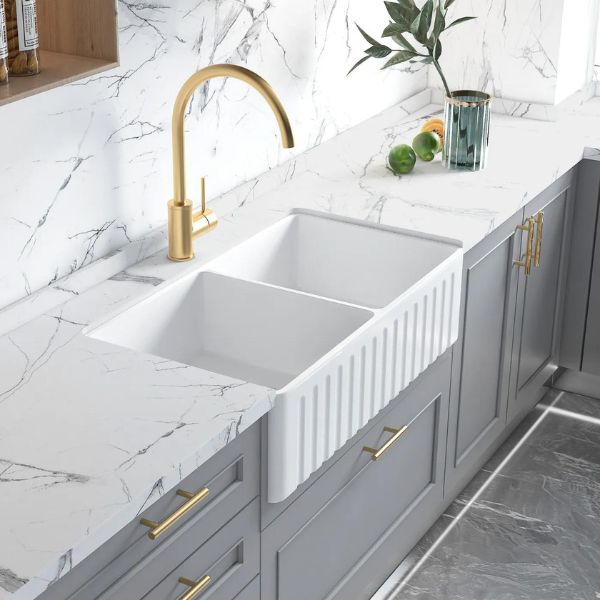
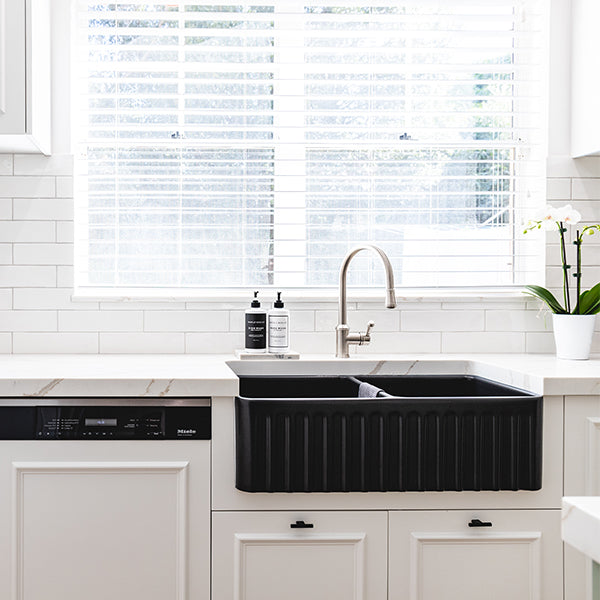
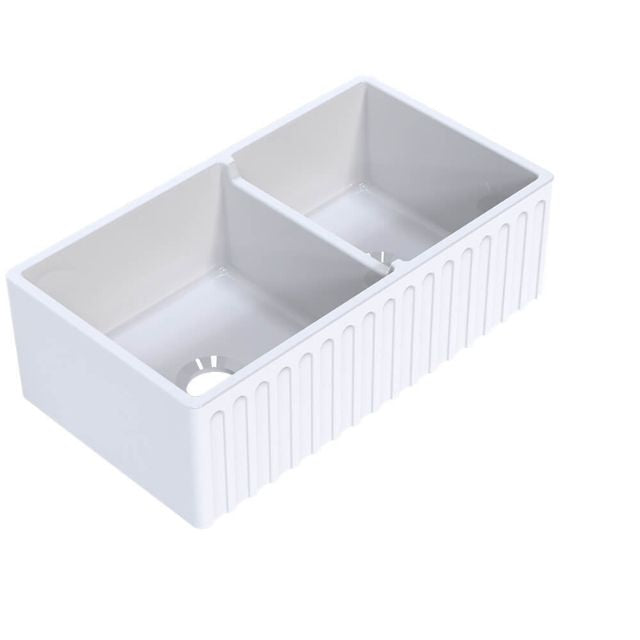
Farmhouse sinks come as a single bowl or a double. A single bowl suits large items, and the Fienza Olivia and the Turner Hastings Novi are examples. A double bowl splits the space and gives you somewhere to rinse while you soak. The double sinks here include the Fienza Charlton double at 835mm with two 37 litre bowls and the Otti Boston double at 845mm with two 30 litre bowls. The Turner Hastings Novi double has a ribbed front on one side and a flat front on the other. The Turner Hastings Chester double has an overflow.
For the full range of bowl layouts, see double bowl kitchen sinks and single bowl kitchen sinks.
Fireclay is clay fired at a very high temperature. It is hard, durable and high shine, resists scratches, chips, stains and heat, and is easy to clean. It is also heavy and needs cabinet support. It is the material behind most of this collection. Fine fireclay is a natural product and subject to variation, so no two sinks are identical, which is why the dimensions on the spec sheet are the figure to trust.
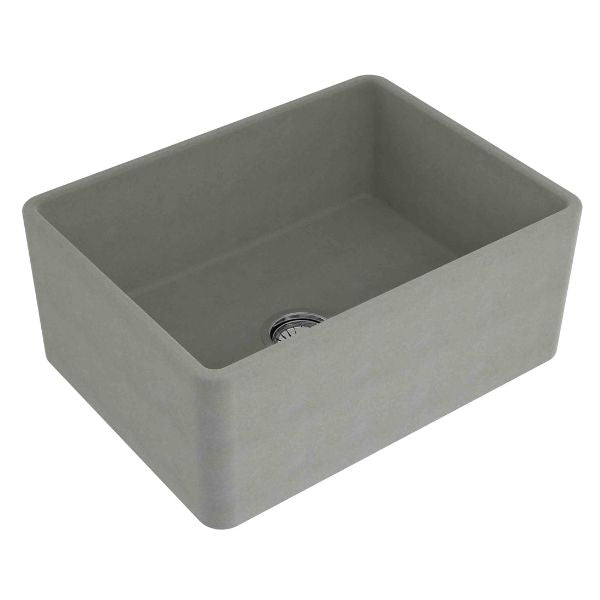
Stone composite is the alternative to ceramic. The Seima Rhodes 900 is made from natural quartz in black or white, a large single bowl with an integrated overflow that can be installed above or under the benchtop. Granite composite is very resistant to scratches and stains, but it is heavy and needs careful delivery and installation to avoid cracking. Stainless steel and copper farmhouse sinks exist as well, and a stainless one suits stainless appliances and tapware; see stainless steel sinks. For colour, see white sinks and black kitchen sinks, which include the matte black Fienza Benson and Turner Hastings Novi.
The benchtop decides how the sink meets the bench. Natural stone such as granite or marble is porous and needs sealing, and marble and some granites stain easily. Engineered stone is non-porous and needs no sealing. Wood needs sealing and oiling, especially around the sink, so choose a moisture-resistant species and seal the cut-outs and joints. Laminate is more vulnerable to water damage and has limited edge profiles. Undermount fitting is not suited to wood or laminate.
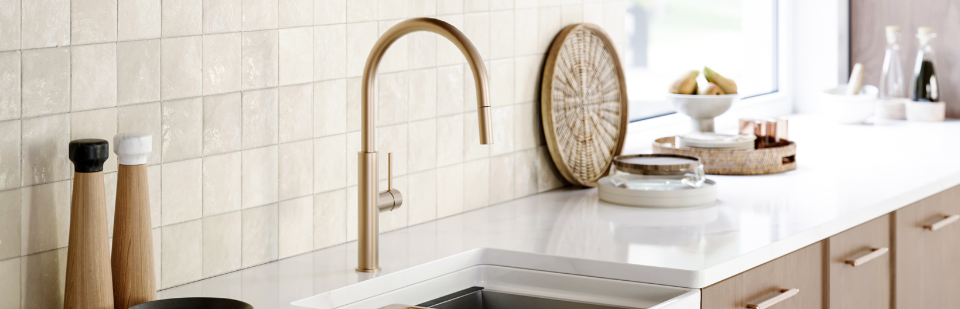
Sinks of this shape typically have no tap hole, so the tap goes in the benchtop or in the wall behind. The Fienza butler sinks here have zero tap holes. A modern top-mounted version can include a tap hole, so the benchtop does not need to run behind the sink. Plan the tap position at the same time as the cabinet, because the tap has to reach into a large, deep bowl. A tall or gooseneck mixer is the usual match. See gooseneck sink mixers, pull out sink mixers, sink mixers and kitchen taps.
Fireclay and porcelain can be noisy when you are washing up. A protective mat helps with porcelain, because heavy items can chip or crack it. Care follows the material. Clean with a natural cleaner and warm water, and avoid bleach, harsh chemicals, scourers, rough brushes, sharp objects and direct heat. Use a pH-neutral cleaner on fireclay and granite composite. Check the sealant between the sink and the benchtop from time to time.
A farmhouse sink must be fitted into cabinetry and benchtops by a licensed tradesperson, following the installation instructions that come with the sink. The order of work runs between three trades. The cabinet maker builds the cabinet around the sink's dimensions and support requirement. The benchtop fabricator cuts to the sink and the chosen mounting. The plumber connects the waste and supply once the sink is set. Confirm the sink's dimensions with all three before anything is cut.
These collections hold the individual ranges and makers: Fienza Olivia butler sinks, Fienza Charlton butler sinks, Fienza Benson butler sinks, Turner Hastings butler sinks, Turner Hastings Chester farmhouse sinks and Otti butler sinks. For the makers' wider sink ranges, see Turner Hastings sinks, Fienza kitchen sinks and Seima kitchen sinks.
A farmhouse style also suits the laundry. See laundry sinks and ceramic laundry sinks. If you are choosing a style for the whole room, farmhouse style collects the wider look.
Whatever you choose, give the cabinet maker the sink's outer dimensions and mounting option first. Once the cabinet, the support shelving and the benchtop edge are decided, the sink choice is a matter of size, front and colour.


