
*View accurate shipping rates and availability






616 Items




Up to 70% off storewide, free metro shipping over $500, and free gifts from $800. Spend more to unlock luxury towels and mirrors.*
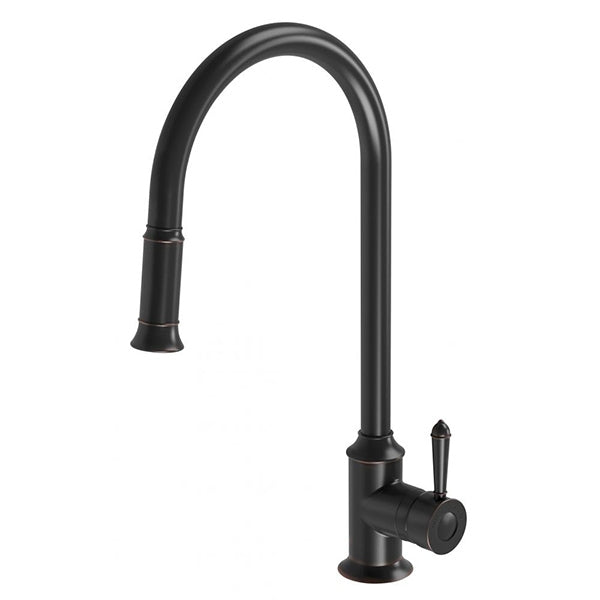
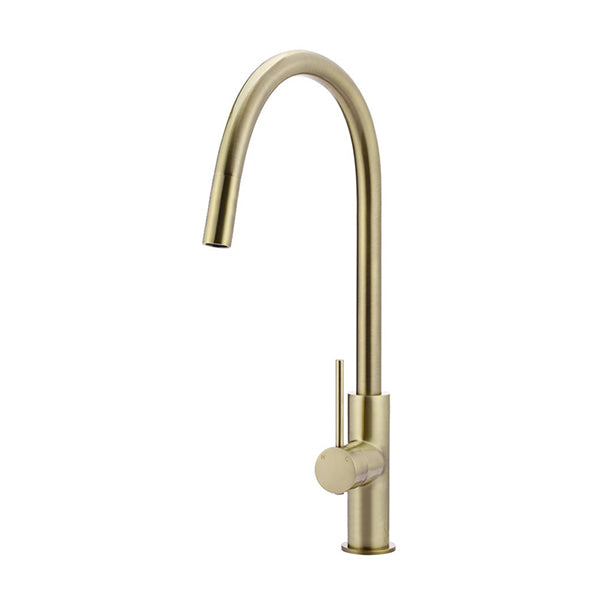




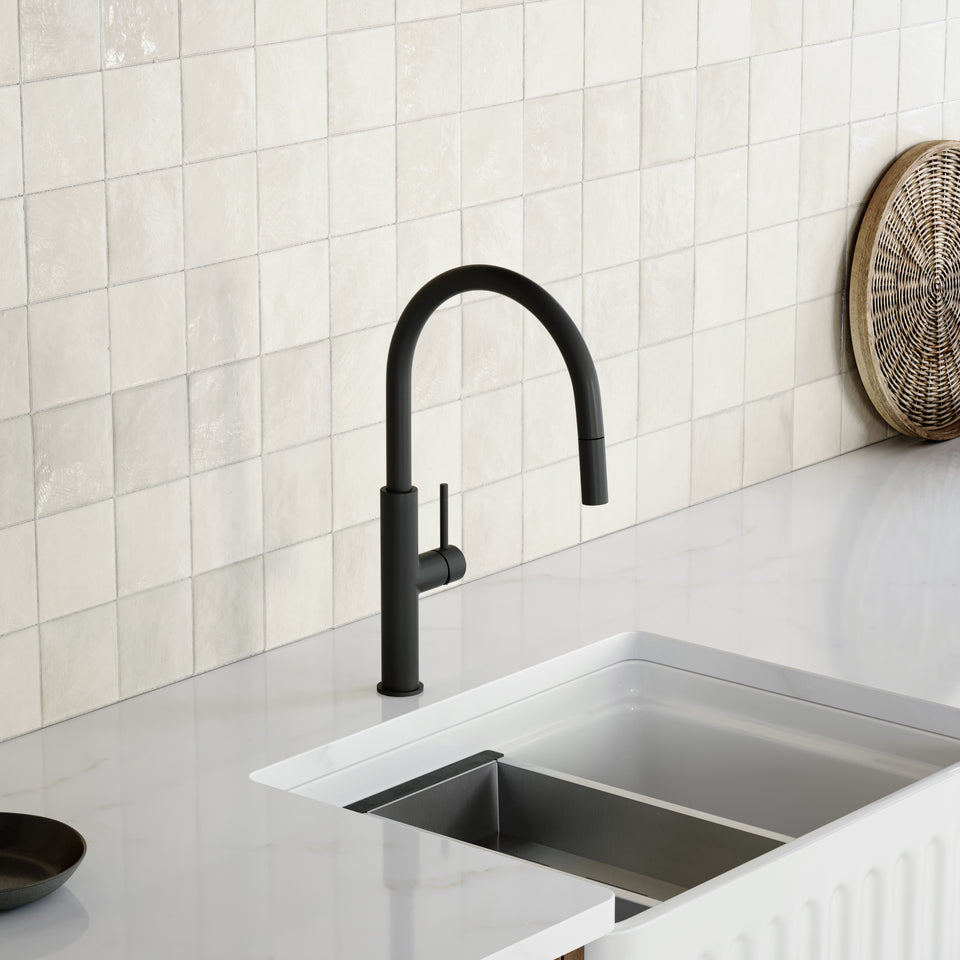

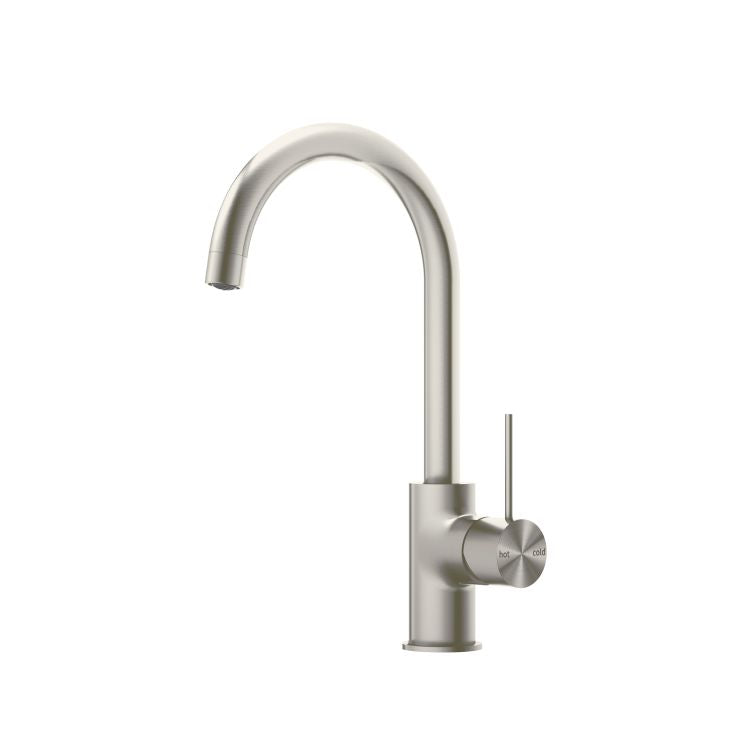


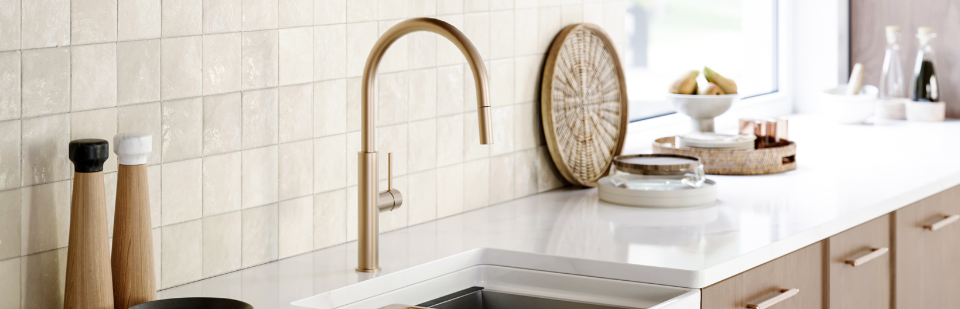


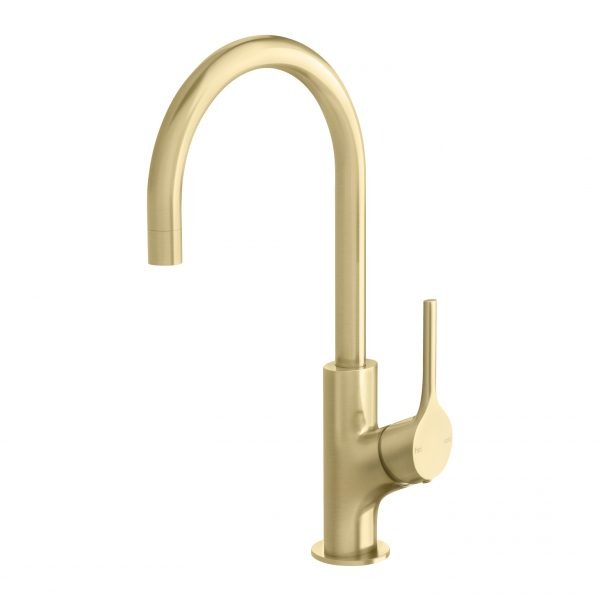
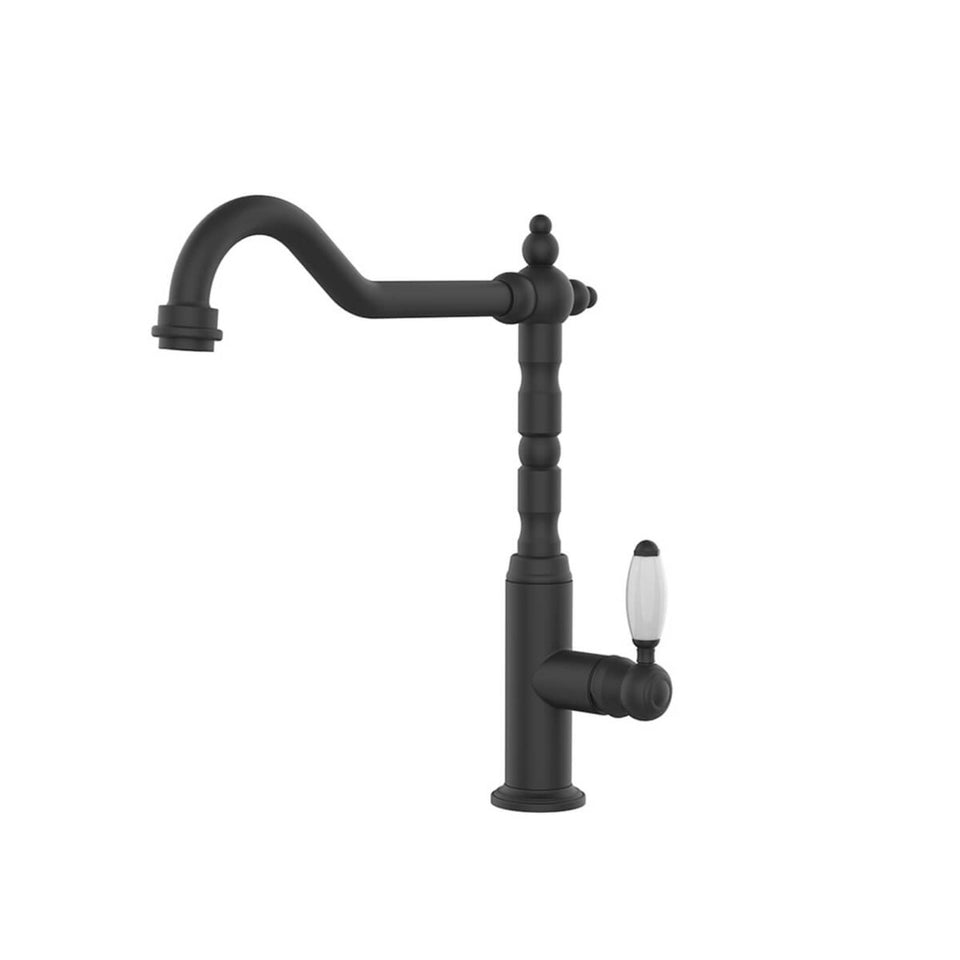
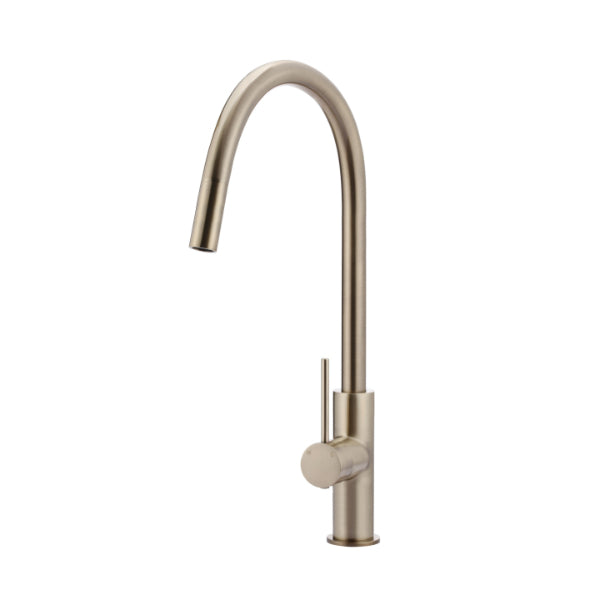
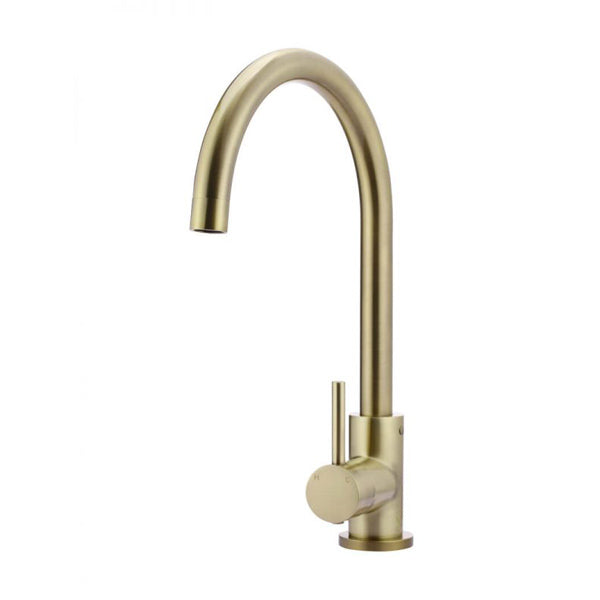

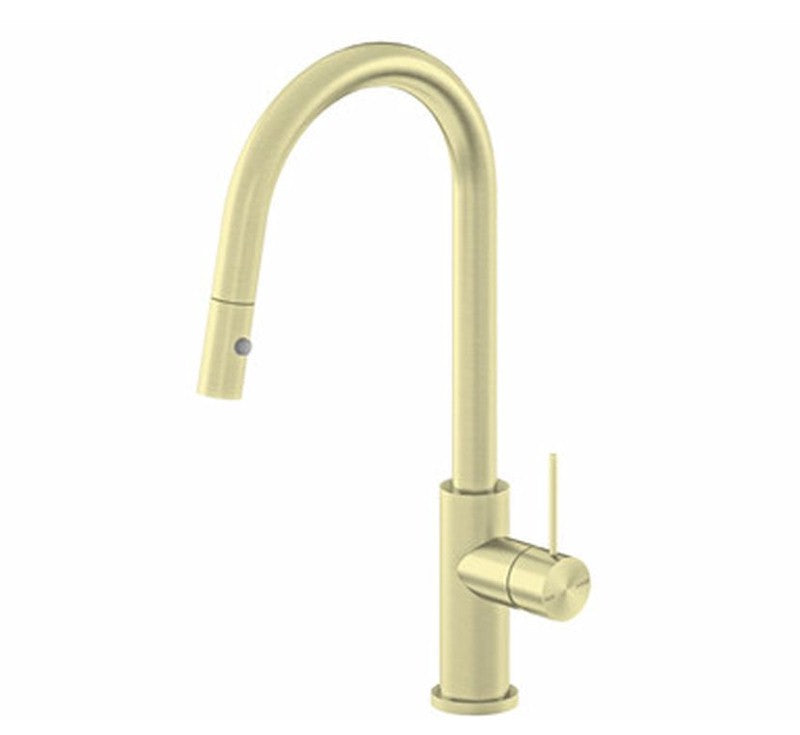
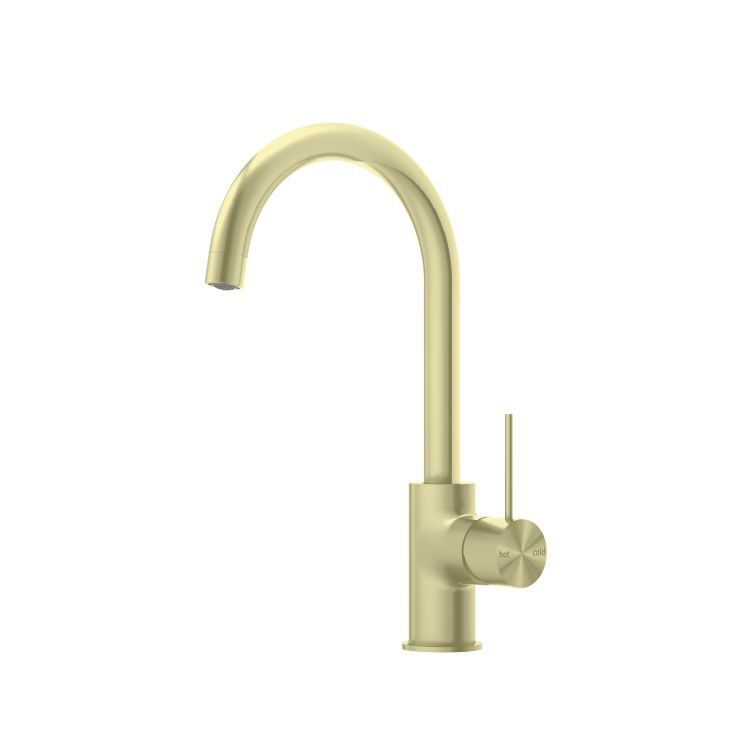

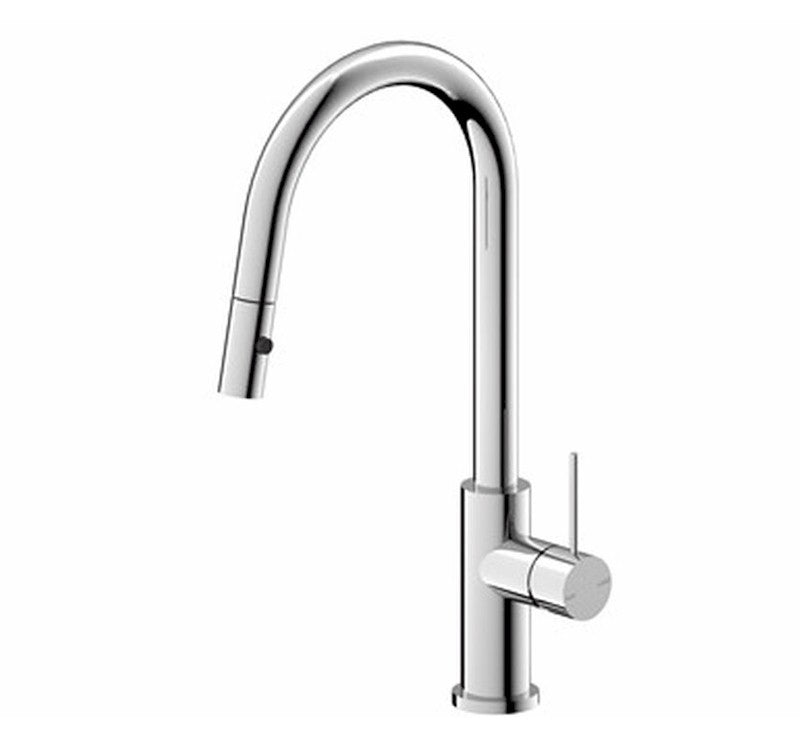
A sink mixer is the tap you use more than any other fitting in the house. It fills the kettle, rinses the vegetables, washes the pans and gets touched with wet hands a hundred times a day. This page holds kitchen sink mixers from several brands, in standard, gooseneck, pull out and pull down styles, and in a full range of finishes. The guide below explains how to match a mixer to your sink and bench, what to check on the product page, and how to look after the finish.
A sink mixer is a single tap that combines hot and cold water through one spout, controlled by one lever. It mounts through one hole in the sink or the bench. Lifting the lever increases the flow, and moving it from side to side changes the temperature. It is the standard choice for modern kitchens because it works with one hand, and it replaces older two tap setups without changing much more than the hole.
If you are replacing a pair of separate taps, check the sink first. A sink with two holes needs a cover plate or a different tap, and a sink with no hole needs one drilled in the bench. See kitchen taps for the wider group of kitchen tapware.
The type decides how the tap works and what it needs around it.
For most kitchens, a gooseneck or a pull out mixer is the practical call. The gooseneck suits a deep single bowl where you wash large pots. The pull out suits a double bowl or a wide sink where the corners are hard to reach.
Spout height and reach are the two measurements that decide whether a mixer works in your sink. Match the spout height to the sink depth. A tall spout over a shallow sink splashes, and a short spout over a deep sink may not reach the middle of the bowl. Check that the reach covers both sides of a double bowl or a large undermount sink, and that a swivel spout moves clear of the neighbouring bowl.
Check the space above the tap as well. A tall gooseneck needs clear height under overhead cabinets and below a window sill. A pull out mixer needs room under the bench for the hose to hang and return. Measure the bench depth, the gap to the splashback and any shelves close to the tap. Handles need clearance too, so a tap near a wall needs a lever that does not strike the tiles.
Most kitchen sink mixers use a single 35mm hole. Check the hole in your sink or bench before you order, and check the bench thickness against the fixing kit on the product page. On a stone, concrete or timber benchtop, confirm the hole position early, because the hole is cut during fabrication and cannot easily move after installation.
A deck mounted mixer needs bench space behind the sink and a proper seal, so water does not pool at the base. It suits most renovations. A wall mounted mixer leaves the bench clear, but the plumbing is roughed in before tiling, so the decision is locked once the tiles go on.
Check your supply pressure before you buy. Low pressure systems, common in older homes with gravity fed hot water, need mixers rated for low pressure. Taps with several spray modes, and pull out and pull down hoses, perform best on mains pressure. Where the specification gives an operating pressure range, check it against your supply, and if it does not, ask us before you order.
We recommend a solid brass body and a ceramic disc cartridge. A ceramic disc cartridge uses two ceramic plates to control the water, and it is smoother, holds its shut-off better over time and drips less than older washer designs. Brass and lead-free brass are the most common bodies. Stainless steel is the other option, and 316 grade is the one to choose near the coast or outdoors, where corrosion resistance matters most.
Check that a local plumber can source replacement cartridges, aerators and hose parts for the model you choose. If a mixer starts to drip, the cartridge is usually the part to replace, and the replacement has to match the original, so keep the model name and product code.
See stainless steel tapware for stainless bodies and lead-free taps for lead-free brass.
The National Construction Code requires lead-free tapware at the point of installation in Australia from 1 May 2026. The limit is 0.25 percent lead for copper alloy plumbing products that carry drinking water. A kitchen tap supplies drinking water, so it is the first fitting to check. Check the product page for lead-free status.
Pull out and pull down mixers usually offer two modes: a stream for filling pots and a wider spray for rinsing. Some add a vegetable spray or a jet. Choose a head with clearly marked modes and a button that is easy to press with wet hands. A weighted hose, or a magnetic dock for the spray head, brings the head back to the spout neatly. Check how the head docks before you order, because a head that droops looks untidy and gets in the way.
A kitchen tap is touched with wet, greasy hands all day, so the finish matters more here than in most rooms. Chrome is the easiest to match and the simplest to maintain, and it shows water spots most in hard water areas. Brushed finishes, such as brushed nickel and brushed brass, hide fingerprints and water marks better than polished or flat dark surfaces. Matte black looks sharp and suits a regular wipe-down.
PVD, which stands for physical vapour deposition, bonds the colour to the metal and is the hardest wearing coating. Electroplated finishes, such as chrome and matte black, are smooth and corrosion resistant. Check the finish process on the product page before you compare two mixers.
See chrome taps, brushed nickel tapware, gunmetal tapware, gold taps and black taps. For a full set of black kitchen mixers, see black kitchen taps and mixers.
Wipe the tap with a soft cloth after use, and clean it weekly with warm water and a mild, non-abrasive cleaner. Avoid abrasive pads, bleach and harsh chemicals, which scratch coatings and dull the finish. Dry the tap so water does not dry on the surface, especially in hard water areas. In hard water areas, descale the aerator and the spray head from time to time, so the flow stays even. Some finishes should not be cleaned with vinegar, so check the care guidance for yours.
The sink mixers in this collection include the Nero Mecca, Serenity, York, Bianca and Dolce ranges, the Phoenix Vivid, Nostalgia, Cromford and Vask ranges, the Greens Galiano, Astro II, Novi, Maci and Lustro ranges, the Meir Round, Paddle and Pinless ranges, the Caroma Liano II, Urbane II and Riviere ranges, the Fienza Kaya, Empire and Tono ranges, and the Turner Hastings Ludlow range. Each range keeps one design language across the kitchen mixer, the basin mixer and the shower, so a range chosen for the kitchen coordinates with the bathroom.
See Nero kitchen taps, Phoenix kitchen mixer taps and Caroma kitchen sinks and mixers for each brand.
WELS is the Australian water efficiency label, and more stars means the tap uses less water. Most kitchen mixers carry 5 or 6 stars, with the flow in litres a minute shown. Use the rating as a screening tool: it compares water use, but it does not tell you whether the tap suits your sink, your pressure or your daily use. Check WaterMark approval as well, because it affects legal installation in Australia, and have a licensed plumber fit the tap.
A sink mixer comes with the mixer, a fixing kit and instructions. Pull out and pull down mixers include the hose and the spray head, and many mixers include flexible hoses for the supply. Some come with a spare cartridge. Read the box contents on the product page before you add the mixer to the cart, so you know if hoses or fittings are sold separately.
A sink mixer also suits a laundry trough, and the same checks apply: spout height against the depth of the tub, reach to the middle of the bowl, and the hole size. See laundry taps for laundry specific tapware. For a bathroom basin, use a basin mixer, which is sized for a smaller bowl. See basin mixers.


