
*View accurate shipping rates and availability






6 Items

Spend over $800 and receive free gifts in your cart. Towels, accessories and full length mirrors!
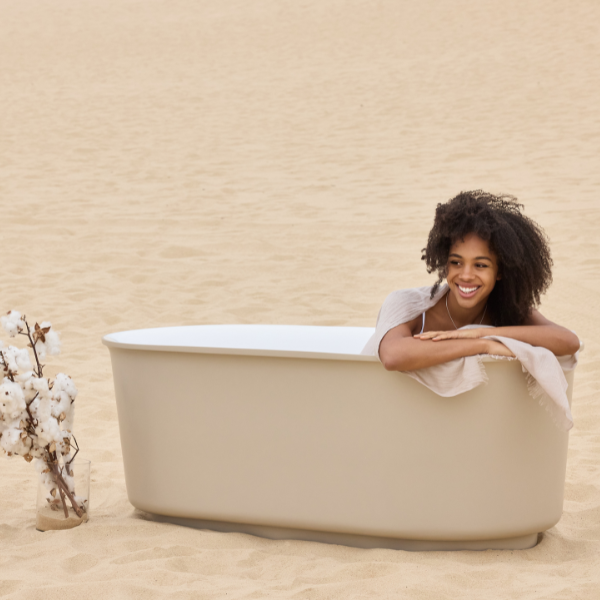
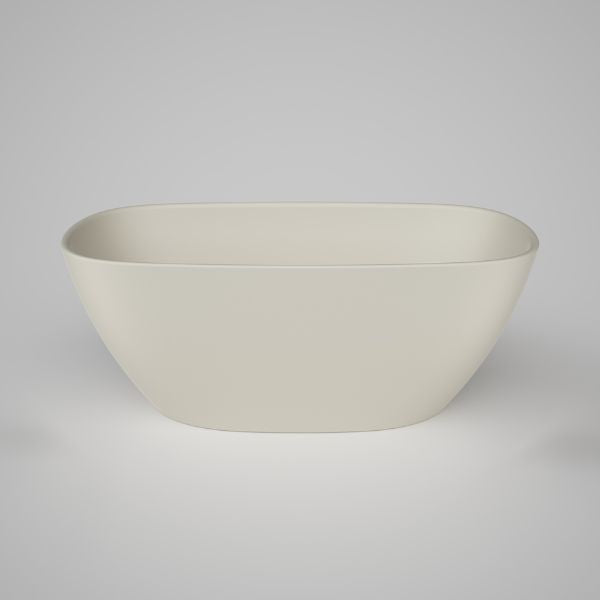
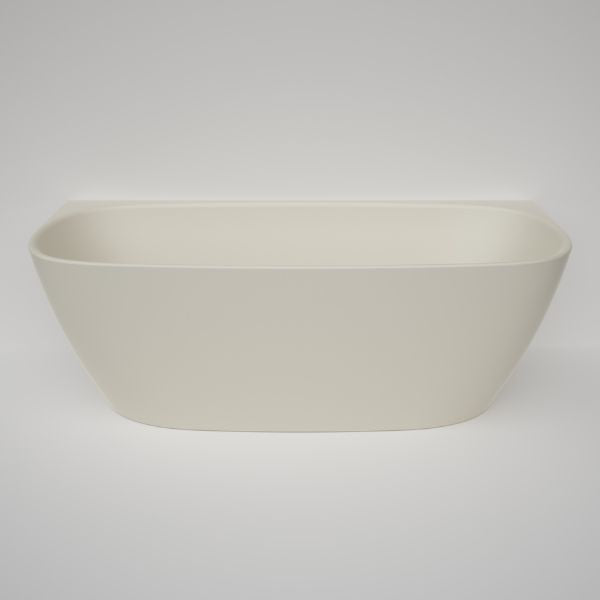
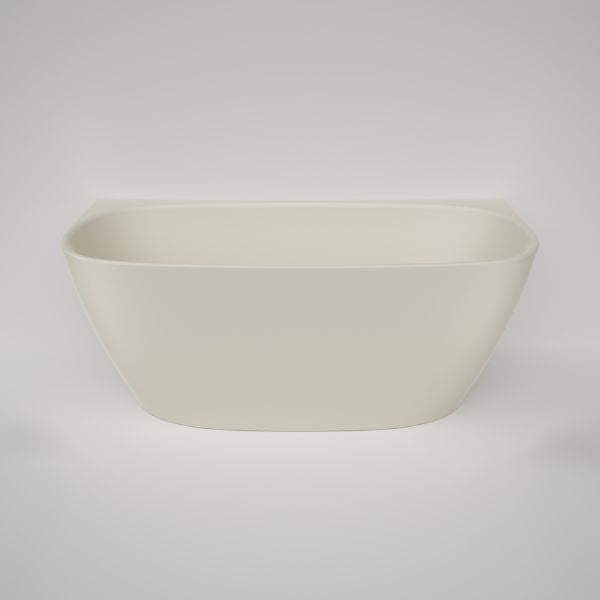
Clay is a colour, not a material: these baths are made from the same acrylic and stone resin construction used across most contemporary bathtubs, finished in a warm, earthy tone rather than the more common white or matte neutral. The result gives all the practical benefits of a modern bath, but with a considerably more grounded, natural character than white alone provides.
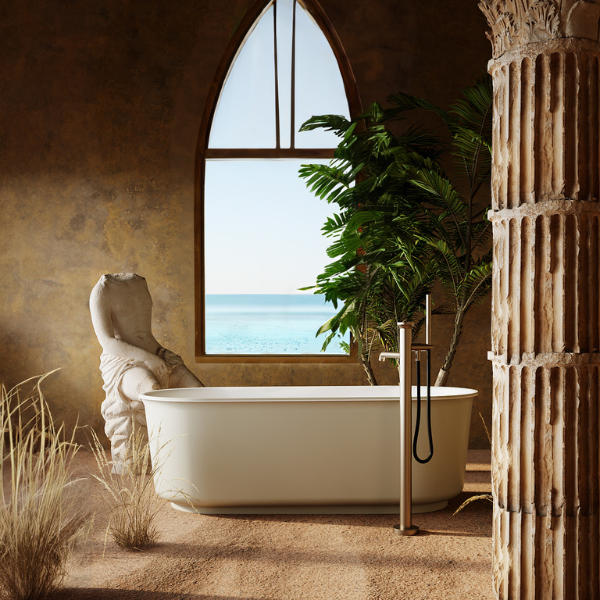
In a minimalist bathroom, a clay bath brings genuine warmth to a space that can otherwise feel cold or overly clinical. In a rustic or Hamptons-influenced bathroom, the earthy tone fits naturally within that relaxed material palette. Ensuites benefit particularly well, since a clay bath reads as a genuine retreat rather than a purely functional fixture. Even a compact bathroom can suit a smaller clay bath, paired with natural timber, matte black tapware and some greenery, without needing a large room to carry the colour off convincingly.
Freestanding clay baths stand independently and read as a genuine sculptural piece, giving the most flexibility in placement. Back-to-wall baths give a similar visual impact while sitting flush against one wall, a more space-efficient and practical configuration. Built-in baths sit within a tiled surround or platform for a neat, fully integrated look. Corner baths make efficient use of an underused corner, particularly effective in a squarer room layout. Shower baths combine bathing and showering into one fixture where floor space doesn't allow for both separately. Spa baths add integrated jets for genuine hydrotherapy within the same earthy-toned tub. Island baths sit centred in a spacious bathroom, becoming the clear focal point of the room. Fluted baths bring vertical groove detailing to the exterior, and the play of light and shadow across those grooves is particularly pronounced against a matte clay finish.
Oval baths bring soft, comfortable curves, a consistently popular shape for good reason. Rectangular baths give clean, modern lines and generally more internal room to stretch out. Slipper baths, with one raised end, suit long, supported soaking. Round baths make a bold, distinctive statement, best suited to a bathroom with the floor space to accommodate the shape well. Square baths bring a stronger geometric character, suited to a contemporary home favouring clean lines throughout.
Sizing spans compact 1200mm, 1300mm and 1400mm options for smaller spaces, through to the 1500mm and 1600mm sizes that suit most Australian bathrooms, up to baths over 1700mm for a genuinely deep, generous soak.
Beyond the obvious visual warmth over a standard white tub, a clay finish tends to be more forgiving of everyday use. Soap scum and water marks show far less visibly against a matte, earthy tone than against a glossy white surface, a genuine practical benefit for a busy household bathroom.
The colour itself also has genuine staying power. Earthy, natural tones have been a consistent presence in interior design for a long time, which means a clay bath reads as considered rather than tied to a passing trend. It also functions well as a natural focal point, giving the rest of the room's tiling and tapware a clear direction to build around, rather than needing every other decision finalised first.
Despite being a strong colour choice, clay pairs well with a genuinely wide range of tapware finishes, brass, matte black, chrome or nickel, and works alongside timber, stone, concrete and terrazzo without clashing. This versatility is part of why it doesn't limit the rest of a renovation's material choices the way a bolder colour sometimes can.
Cleaning a clay bath's matte or satin finish is straightforward: gentle, non-abrasive cleaners and a soft cloth are all that's needed, since harsh scrubbing pads can dull the surface over time.
Tapware pairing makes a genuine difference to the finished look. Matte black gives a strong, contemporary contrast against the warm tone, while brushed brass adds further warmth and a sense of considered luxury. Matching the waste and overflow fittings to the same finish is a small detail that meaningfully affects the overall cohesion of the look.
Indoor use only is worth noting specifically for this colour: while the underlying materials are durable, the coloured finish itself is intended for indoor use, since prolonged sun exposure can cause fading over time. A product specifically rated for outdoor use should be chosen for any exterior bathing installation instead.
Professional installation matters particularly for stone resin models, which are genuinely heavy. A qualified plumber should handle installation to ensure it's done safely and correctly, rather than treated as a DIY project.
A clay bath is easiest to plan alongside the room's tiling and tapware, since the strength of the colour pairing depends on what surrounds it. The Blue Space's Tiles and Tapware collections are worth reviewing alongside a clay bath selection to bring the full bathroom together.


