Think Your Bathroom's Too Small for a Bath? Think Again.
Got a small bathroom? The first thing people assume is that the dream of a proper, long, relaxing soak is out the window. But that’s just not true. It's a stubborn myth that you need a massive room for a tub. A bit of clever thinking and the right compact bath can make even a shoebox bathroom feel like your own little retreat. Here at The Blue Space, we're obsessed with finding clever solutions for Aussie homes, and that absolutely includes making luxury happen in every sized space. Let’s get into how a small bath could be the perfect piece for your puzzle.
What Are We Even Talking About? What Is a Small Bath?
And that’s a fair question. A proper small bath isn't just some regular tub that got shrunk. These are bathtubs that have been properly designed from the ground up to fit into smaller rooms. Your average Aussie bath is about 1700mm long. Anything shorter than that, usually in the 1200mm to 1650mm range, is what we’d call a small bath. The clever part is how they're shaped. Designers have worked hard to maximise the internal space, giving you a surprisingly deep and comfortable soak, all while taking up less of your precious floor space. They let you have your cake and eat it too – a real bath experience without making the room feel crowded.
Where Do These Tubs Actually Fit In?
The best thing about a compact bath is just how adaptable it is. They are the ultimate problem-solvers for so many reno headaches. You'll see them pop up as the hero in a few classic situations:
The Busy Family Bathroom
The main bathroom has to do it all, doesn't it? It needs to be a quiet zone for grown-ups but also handle the chaos of kids' bath time. A small tub, particularly a shower-over-bath setup, handles all of it without gobbling up the whole room.
The Ensuite Hideaway
A bath in your ensuite? That’s next-level comfort. It can make your master suite feel less like a bathroom and more like a private hotel spa, giving you a quiet spot to unwind that's all yours.
Apartment Life
If you live in a city apartment, you know that every centimetre counts. A small bathtub lets you have that little bit of luxury, and it’s a feature that seriously bumps up a property's appeal.
Wrangling Older Homes
Character homes are beautiful, but their bathrooms can be... quirky. Small and sometimes oddly shaped. A corner bath or a short built-in model is often the perfect way to get a tub into a space that a standard one would never fit, respecting the home's original footprint.
Breaking Down the Types of Small Baths
Don't think that because you're short on space you'll be short on choice. Small baths come in all the popular styles, so you can find one that fits your floor plan and your aesthetic perfectly.
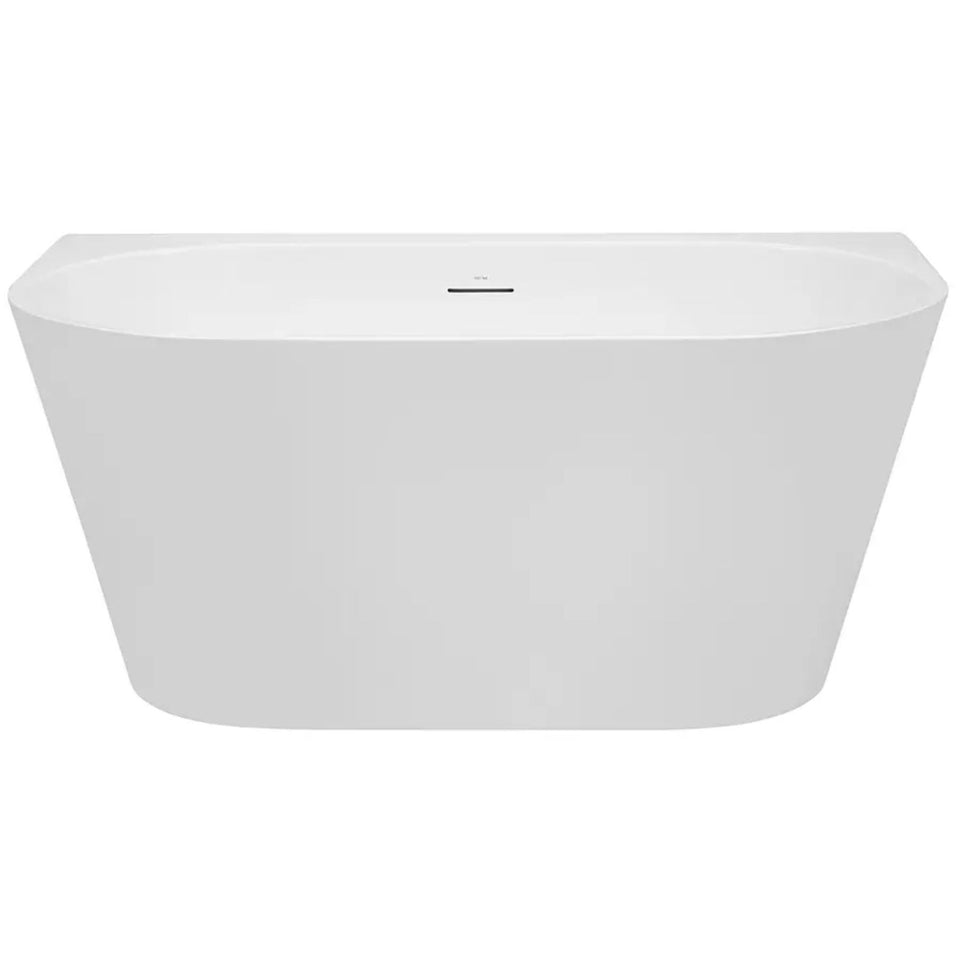
Back to Wall Baths
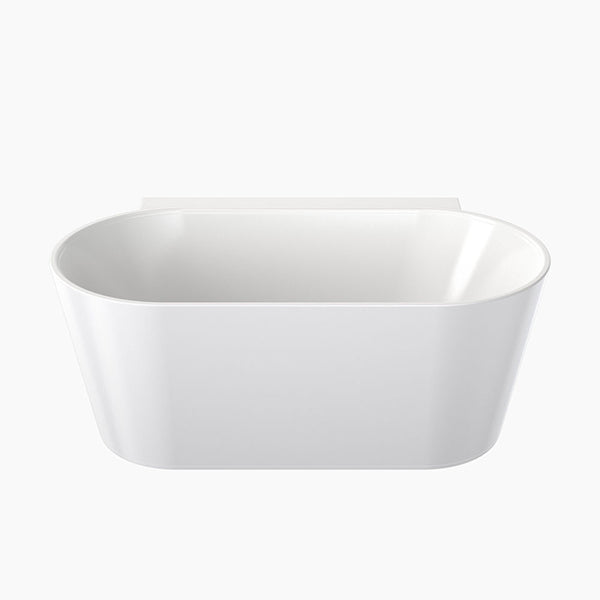
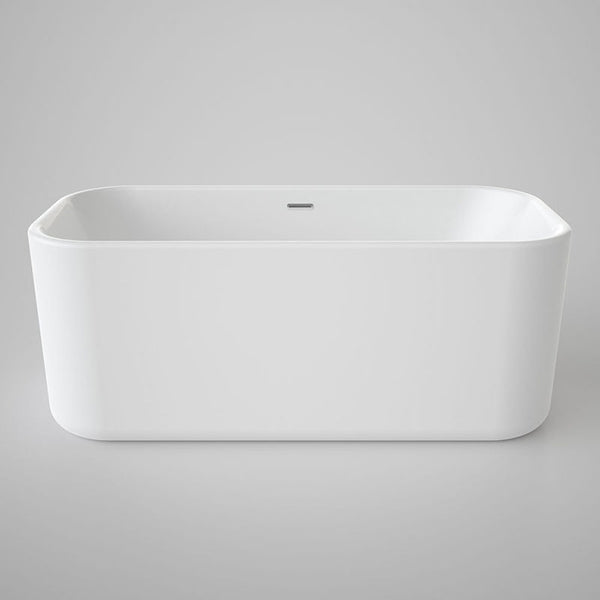
These are a genius idea. You get the solid, sculptural look of a freestanding bath, but one side sits completely flush against your tiled wall. This little trick saves a heap of space. It also gets rid of that annoying, dust-collecting gap behind the tub that’s impossible to clean. Back to wall baths just look neat and tidy, and your plumber will thank you.
Corner Baths
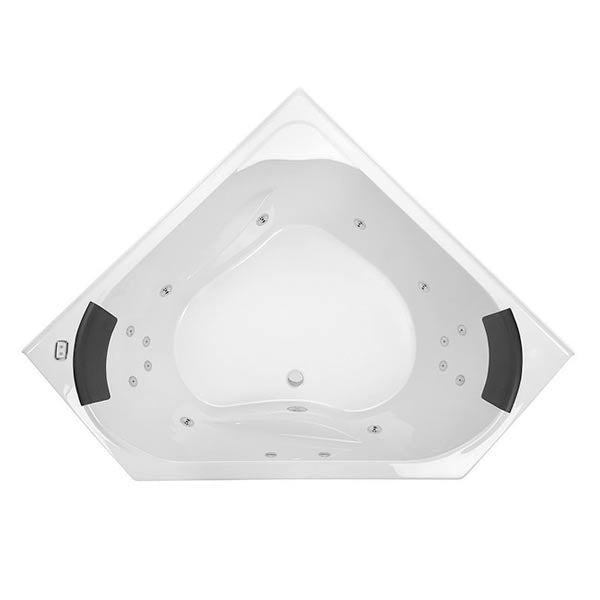
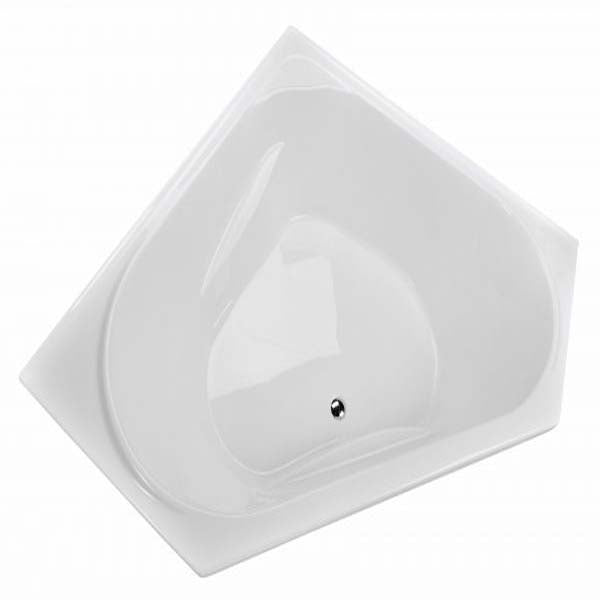
Ah, the corner bath. It’s the quiet achiever of the bathroom world. It does exactly what it says on the tin, tucking right into a corner and using up what would otherwise be wasted space. Forget those bulky, dated versions from the 90s; today’s designs are sleek and offer surprisingly generous bathing space. They're a brilliant solution for square-shaped rooms where a long, thin tub just feels wrong.
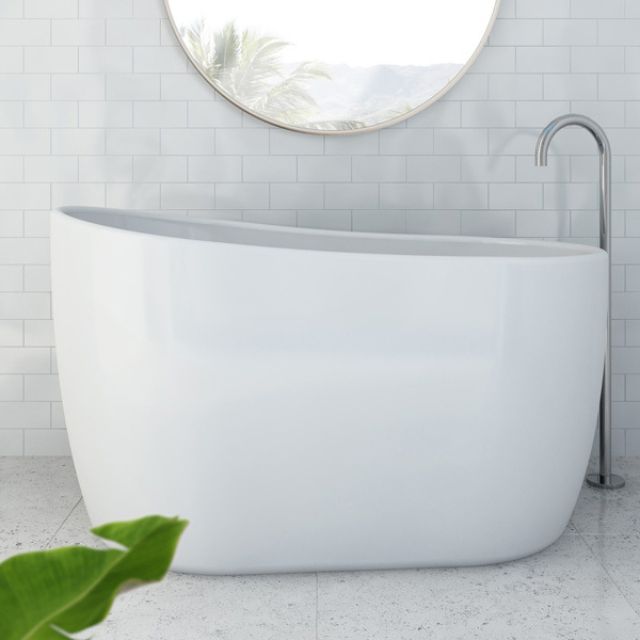
Freestanding Baths
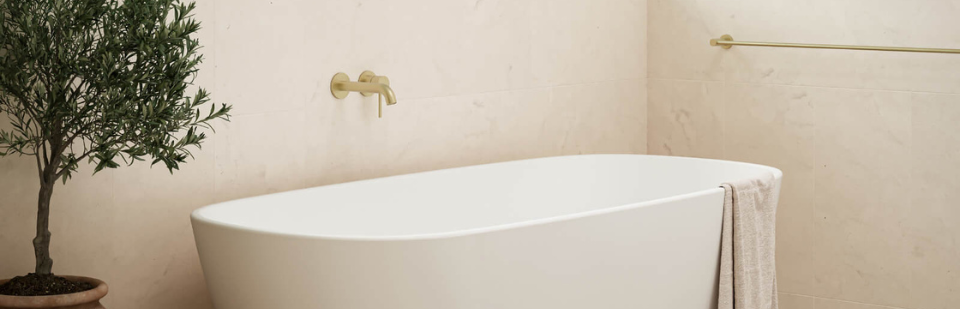
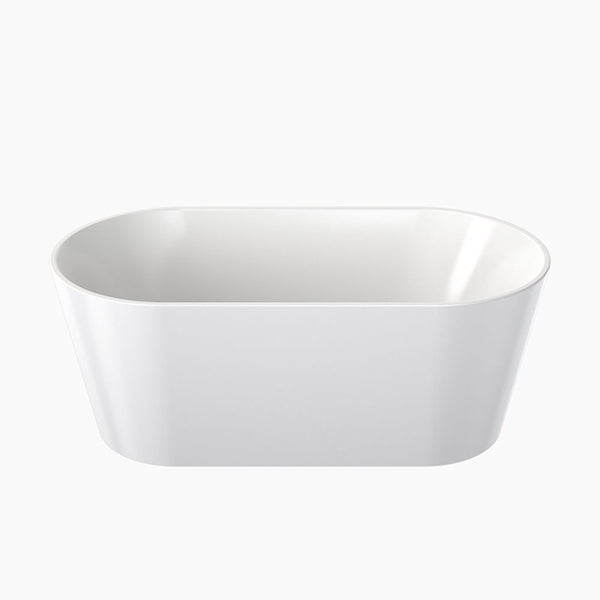
You can have a freestanding bath in a small bathroom. I promise. Designers have created some incredible smaller models that deliver maximum impact. A petite freestanding tub can actually create an illusion of space because your eye can see more of the floor around it. It becomes an instant focal point, a piece of sculpture that shows your bathroom was designed with intention.
Shower Baths
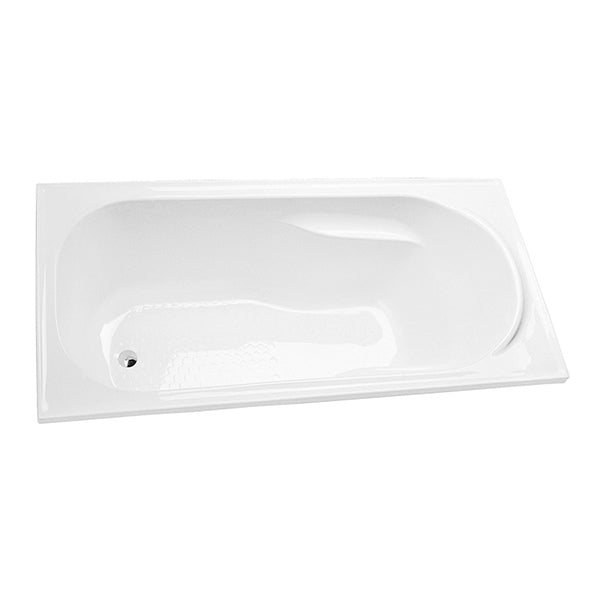
This is the undisputed champion of practicality. The shower bath is the perfect pick if you've only got one bathroom. It’s built for double duty. One end is wider with a flat, slip-resistant base, making it safe and comfy for your daily shower. The other end is sloped for a proper, lay-back-and-relax soak. Add a simple glass panel, and you've got a sleek, do-it-all station.
Built-in Baths
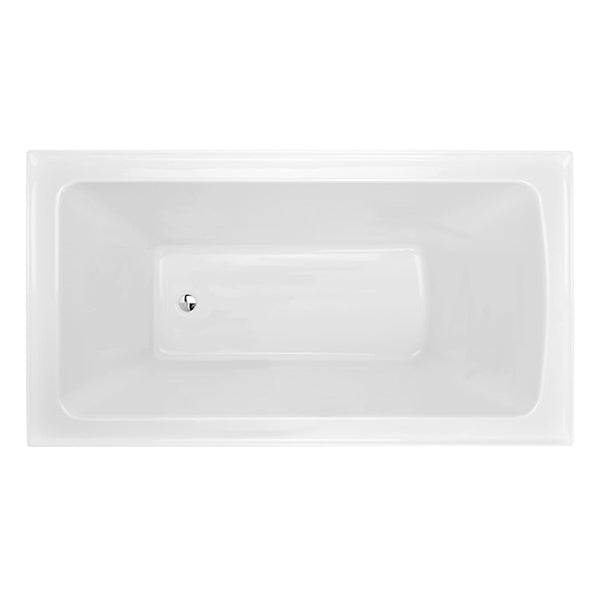
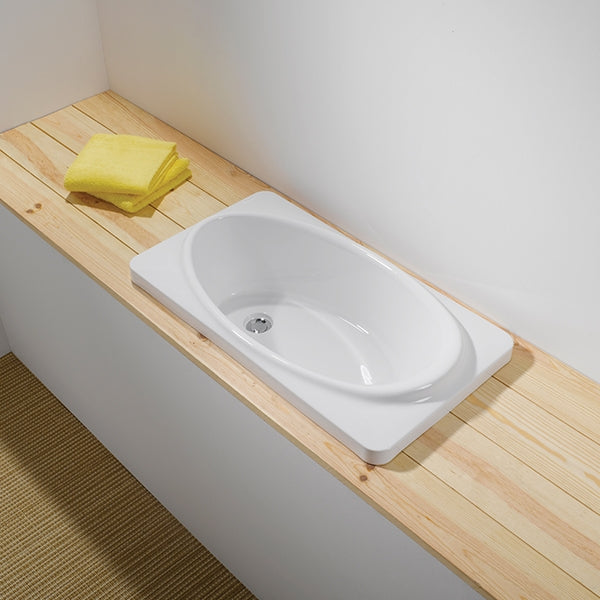
This is the classic bath-in-a-tiled-box style we all grew up with. And it’s a classic for a reason. The tiled surround (or 'hob') on a built-in bath is like a ready-made shelf. It's the ideal spot for your shampoo, a book, or a cuppa. The whole thing looks really integrated, especially when the tiles on the hob match the rest of your room.
Let's Talk Shapes, Corners and Curves
The actual shape of your tub does a lot of the heavy lifting when it comes to the overall vibe of your bathroom.
Oval Baths
There's something very calming about the soft lines of an oval bath. Small bathrooms can feel a bit boxy, with lots of sharp corners. An oval shape breaks that up, making the whole room feel a little softer and more fluid. They look particularly amazing as freestanding models.
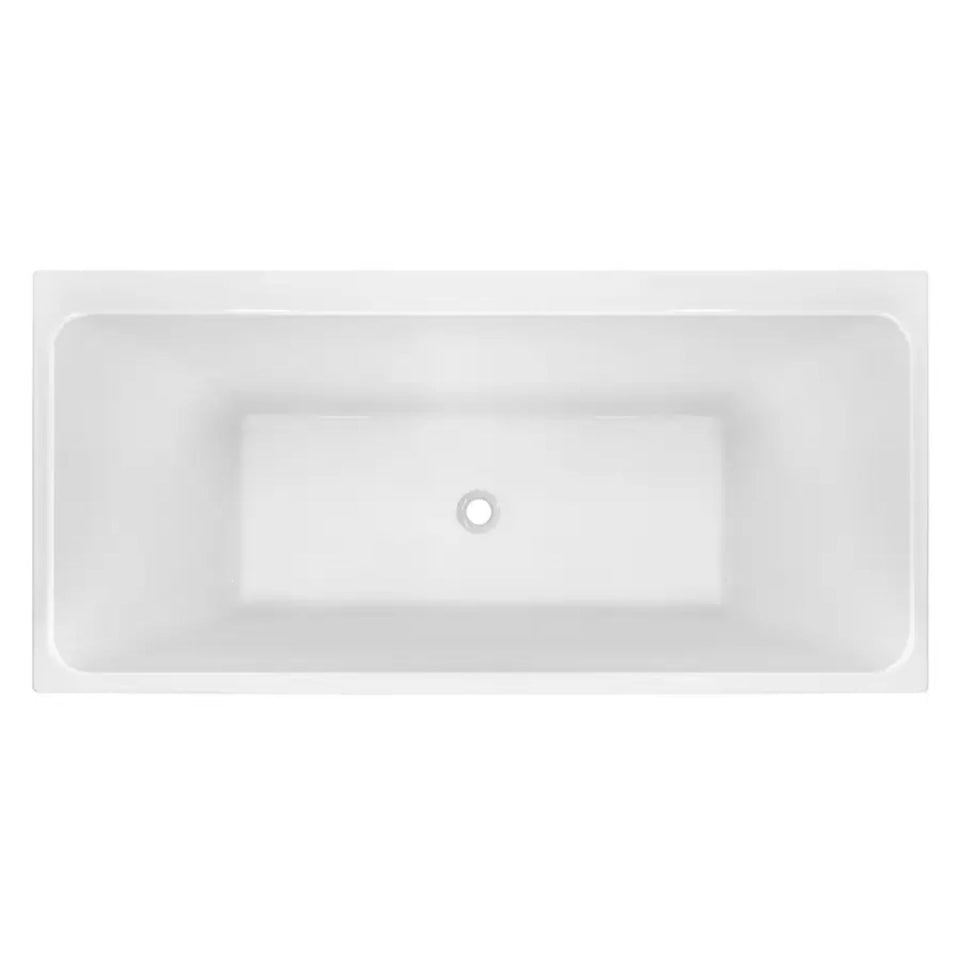
Rectangular Baths
You can't go wrong with a classic. The rectangular bath is the master of using space well. Its straight edges let it sit perfectly flush against walls and in corners, so not a single millimetre is wasted. It’s the go-to shape for most built-in and shower bath designs.
Round & Square Baths
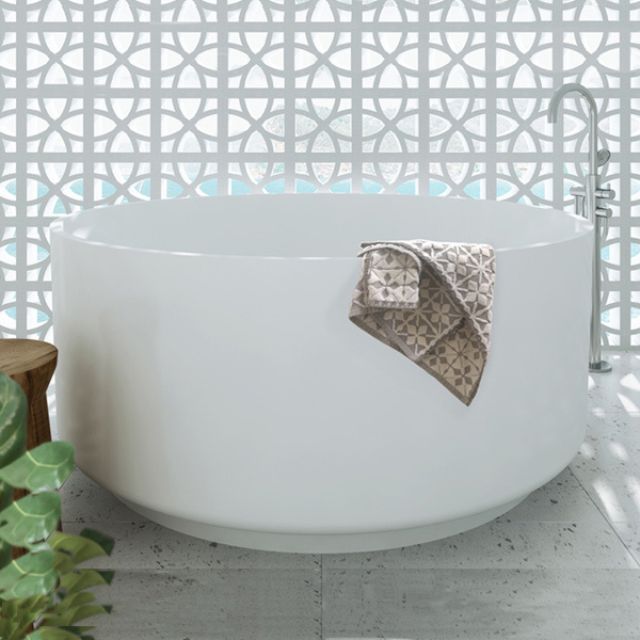
You don't see them as often, but a small round bath can be an amazing feature. Think of a Japanese soaking tub. They offer a much deeper, more upright bath that is incredibly relaxing. A square bath is a bold, architectural choice that looks fantastic in a very contemporary bathroom.
Slipper & Fluted Baths
Want something with a little extra flair? Check out the specialty shapes. A slipper bath has a high back at one end, designed to support your head and neck perfectly. It's built for serious, long-form relaxing. And for a look that's really on-trend right now, fluted baths have a cool, textured exterior with vertical lines. This sort of detail adds a layer of interest that can stop a simple room from feeling boring.
The Real Wins of Going Small
Opting for a smaller tub comes with some seriously good perks.
1. You Get Your Floor Back
This is the big one. A smaller bath means more room to move, making the whole space feel bigger than it is. That extra bit of floor might let you have a larger vanity, or just mean you're not constantly bumping your elbows.
2. It Just Feels Nicer
A room with a bath in it feels different. It isn’t just a place to get clean; it’s a place you can go to relax. A good-looking small tub can be the centerpiece that pulls the whole room together and makes it feel finished.
3. Saves a Bit of Water and Power
This one is just simple maths. A smaller tub uses less water to fill. It’s a little kinder on your bills and the planet. Plus, it fills up quicker and the water stays warm for longer, so you’re saving a bit on heating, too.
4. And for the final win? Less cleaning
Seriously, who loves scrubbing the bath? A smaller tub means less work. It might sound like a small thing, but on a busy weeknight, it feels like a lottery win.
Last Things to Chew On
Right, so you've got a style and a shape you like. Good stuff. Here are the final bits and pieces to consider that will affect how your bath looks and lasts.
What's the Tub Made From?
The material of your bath changes how it feels, its weight, and how long your water stays hot.
Acrylic
There's a reason you see acrylic tubs everywhere. They're popular because they just make sense. For starters, they're light, making them way easier to get up a flight of stairs. The material itself isn't cold when you touch it, and it’s non-porous, which means it’s simple to clean. A great choice that won't break the bank.
Stone
If you're chasing that heavy, five-star hotel vibe, then a stone bath is for you. They’re a composite of resin and stone, feel incredibly solid, and have a beautiful finish. Their best party trick? They keep your bath water warm for ages. Just remember, they are seriously heavy, so you have to get your floor structure checked by a builder first.
Steel
Enamelled steel baths are built like tanks. They’re super tough against scratches and have a classic, glossy look. The steel itself feels cold for a second, but it heats up almost instantly when you run the hot tap.
Let's Talk Colour
A white bath is a safe bet, sure, but being a bit braver with colour can look amazing.
White: A white bath is a classic for a reason. It's clean, timeless, and will still look good in ten years, even if you re-tile three times.
Black: A black bath is a bold move that pays off. It looks incredible with interesting tapware, like brushed brass or gunmetal.
Clay and Colours: For a softer vibe, earthy colours like clay, soft greens, or greys are really popular. They bring a bit of warmth and personality into the room that you just don't get with white.
Picking a Good Brand
Buying a bath from a brand you can trust just gives you that extra peace of mind. You know you're getting a quality product with a solid warranty. We stock a huge range of Australia's best.
Caroma and Clark are Aussie icons, known for their reliability.
Decina makes a fantastic range of acrylic baths right here in Australia.
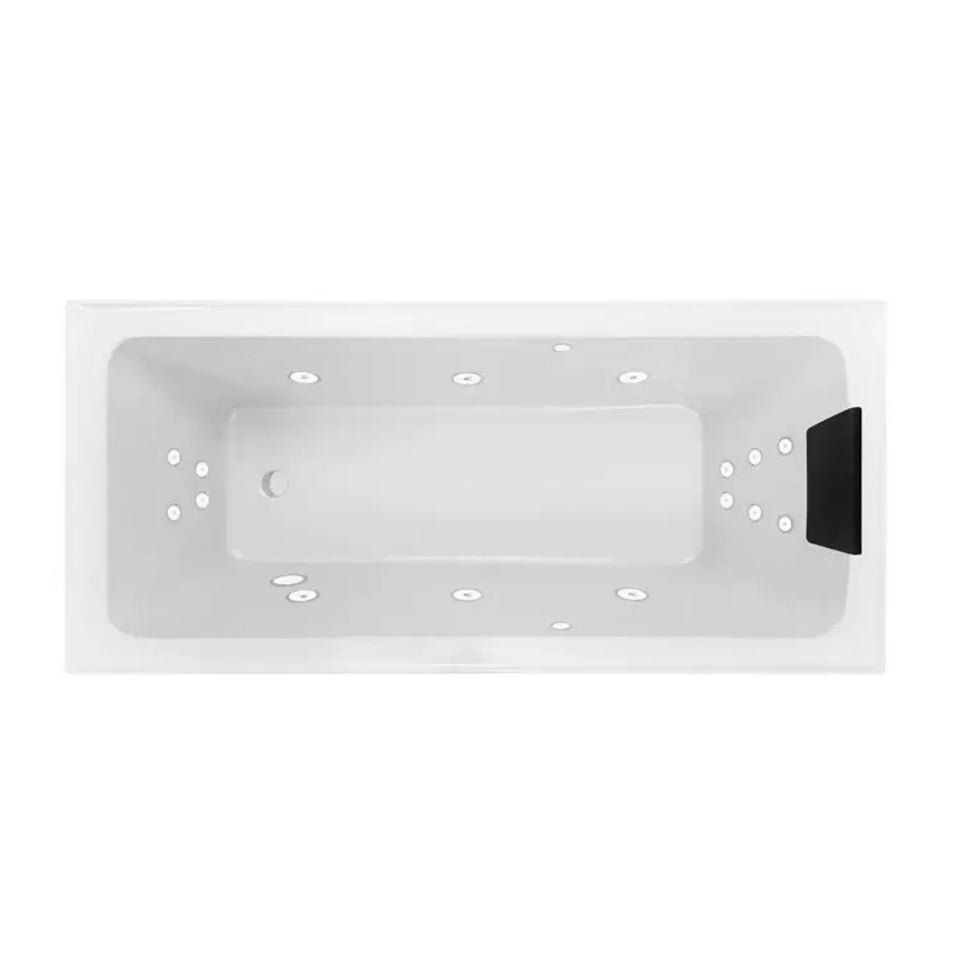
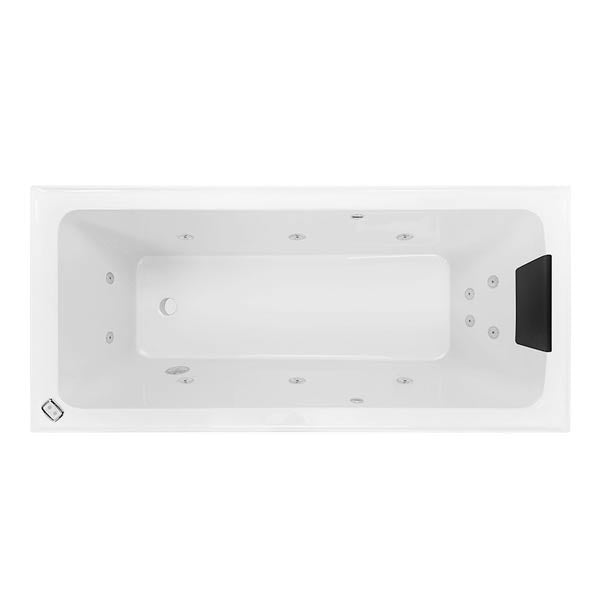
If you really want to take relaxation to the next level, some small tubs can come fitted out as spa baths. They have jets that shoot out water or air for a proper massage. They're a bit more involved to install, needing an electrician, but they can turn your little bathroom into a genuine wellness space.
And Island Baths?
You might hear the term island bath – it’s just another name for a freestanding bath. We call it that because it sits like an 'island' in the room. The plumbing needs to come up from the floor, and you really need space to walk all the way around it for the best effect. Even the small ones need that bit of breathing room to look right, so get the measuring tape out. So, putting a bath in a small room isn't just "doable". It's a smart move. It’s a design choice that adds real value to your home, and more importantly, a bit more joy to your day.
Frequently Asked Questions
How do I select the perfect small bath for my compact bathroom?
Consider the dimensions of your bathroom, your preferred bathing style, and the bath's design. Measure your space to ensure a good fit, and choose a style that complements your bathroom's overall aesthetic. Small baths come in various shapes and depths, so think about what works best for your needs.
What differentiates small baths from regular-sized baths?
Small baths are specifically designed to fit into tighter spaces without compromising on the quality of your bathing experience. They often sit around 1400mm in length and feature deeper designs to allow for full immersion and are available in a variety of styles to match any bathroom decor.
Can small baths be customised?
While small baths typically come in standard sizes to meet the needs of compact spaces, some manufacturers may offer customizable options in terms of plug and waste colours and bath finishes.
How do small baths contribute to an eco-friendly bathroom design?
Small baths use less water than their larger counterparts due to their compact size, making them an environmentally friendly choice.
What are the latest trends in small bath designs?
The latest trends in small bath designs include sleek, fluted and minimalist styles to suit a range of bathroom designs. You can also find small baths in freestanding, back to wall and corner bath options.