
*View accurate shipping rates and availability






27 Items



Up to 70% off across the store, plus free towels and mirrors up for grabs on orders over $800*


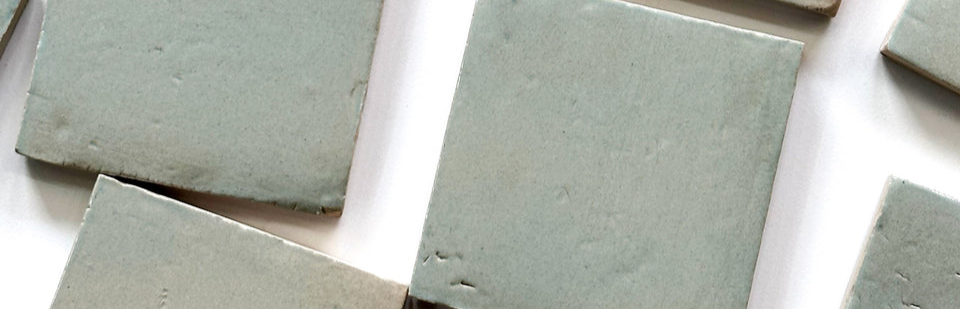


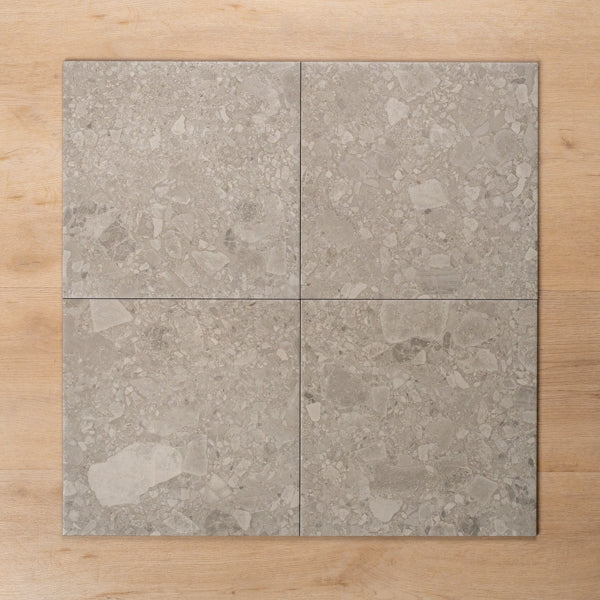


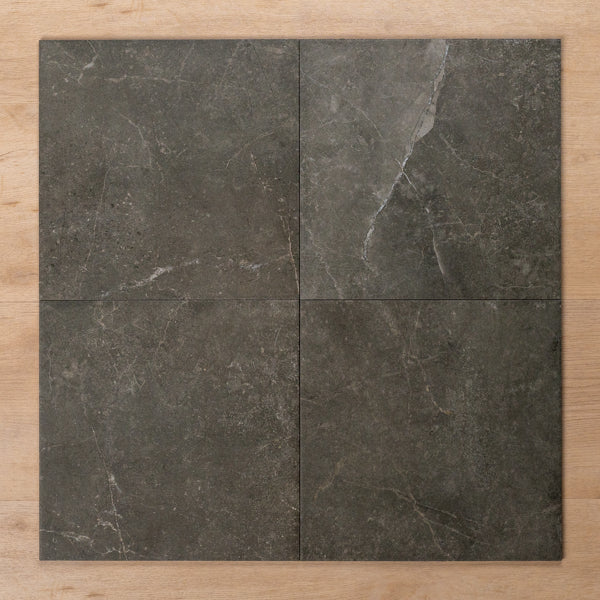


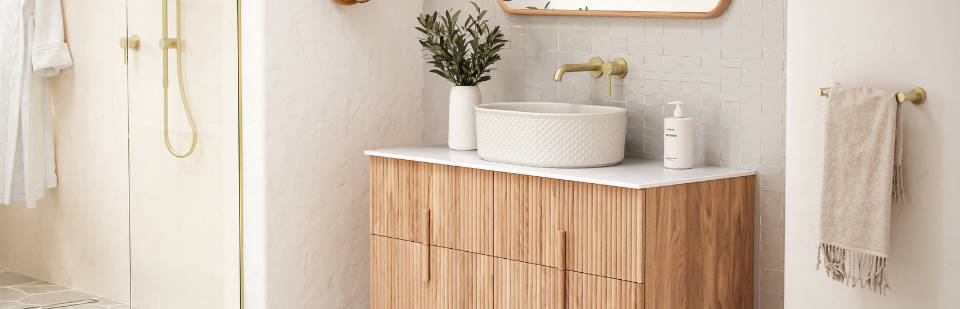
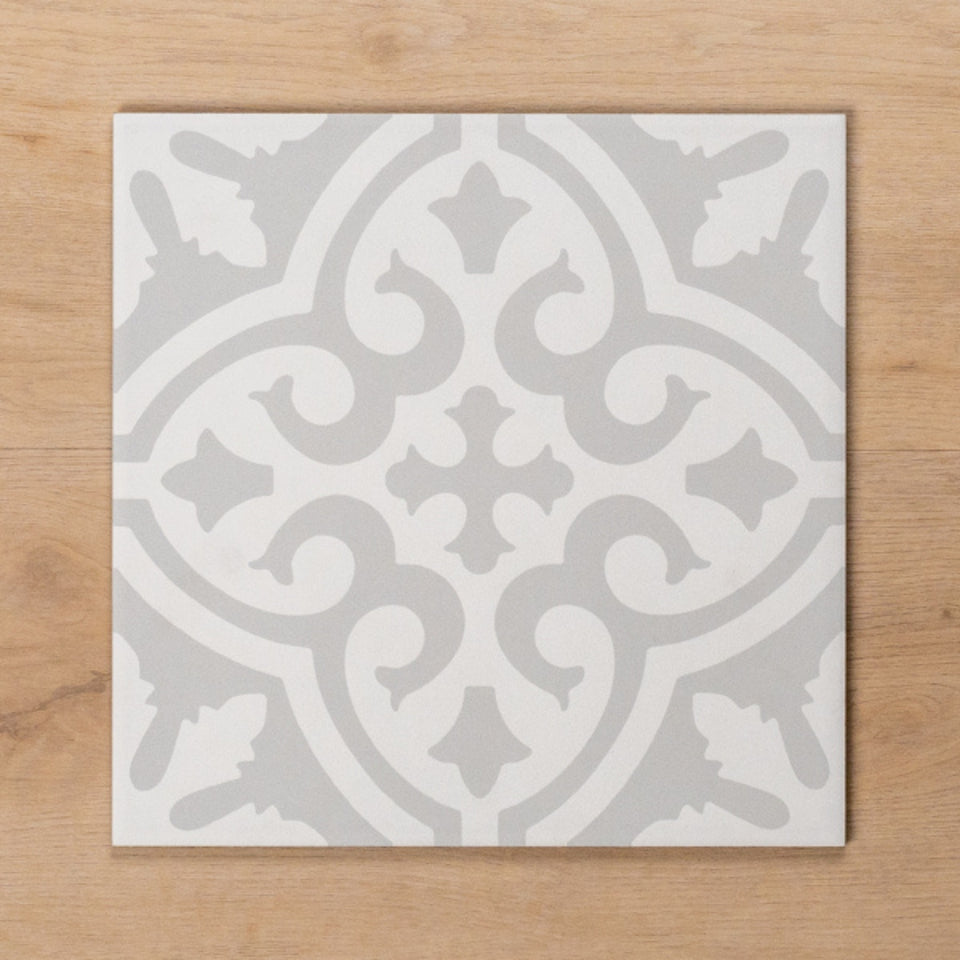


A 300 x 300mm tile is the middle of the square range. It is larger than a mosaic and smaller than the 600mm formats, which makes it a practical size for shower floors, laundries, small kitchens and hallways. This collection holds 300 x 300mm tiles in porcelain and ceramic, from Burleigh and Avalon plain squares to Tamarama patterns, Southside terrazzo, Tilly Tundra stone looks and Paradise marble-look ceramics.
The sections below explain why this size is chosen, how to match it to a room, and what each range prints on its product page. For related decisions, see the square tiles collection, the small tiles collection, the floor tiles collection and the tiles collection.
The size is chosen for its practicality. It is small enough to handle falls to drains without complicated cutting, and large enough to avoid feeling busy. Many people like the way 300 x 300mm tiles sit in wet rooms because they give good control underfoot and keep the layout tidy. They also work as a supporting tile when paired with larger formats on walls or in feature areas.
The strength of the size is how well it manages drainage. The tiles make it easier to achieve falls without creating sharp edges or uneven spots, which matters in a shower where the floor slopes to a waste.
Medium squares of 200 x 200mm and 300 x 300mm are a go-to choice for bathroom floors, full wall tiling and laundry and powder rooms. They strike a balance between clean lines and visual interest in high-use areas. Small formats up to around 300 x 300mm suit compact areas, splashbacks, feature walls and bathrooms, and their extra grout lines mean extra cleaning.
The two groupings agree on the role. A 300 x 300mm tile is the smallest tile that still reads as a tile and not a mosaic, and the largest that still bends to a drain fall. That is the whole case for it.
300 x 300mm tiles are commonly used on bathroom and shower floors because they follow drainage slopes with ease, and they fit naturally around floor wastes in compact and larger bathrooms. Matte or textured surfaces are often preferred for floors because they give better control in damp conditions, and wider joints are often used in wet rooms for stability.
Check the Slip Rating line before choosing for a shower. Tilly Tundra prints P5, very low slip risk, Tamarama prints P3, a moderate slip risk, and Southside prints P3 in its title. Kings Marble Carrara prints P2, a high slip risk, so it is a dry-floor tile. The bathroom tiles collection covers the room in full.
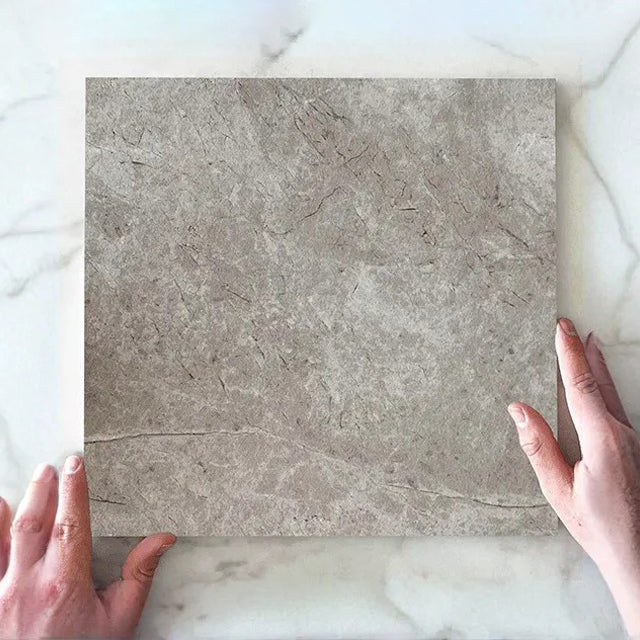
Tilly Tundra is the grip-finished stone look in this size. It is 300 x 300 x 10mm porcelain in ivory, tan and grey, with a matte Tech Grip surface, P5 very low slip risk, an application of walls and floors, and a wear rating of 5, suitable for floors in high traffic areas. It sits in one of the store's widest ranges, in several colours, sizes and finishes.
That makes it the wet-room and outdoor choice among the 300 x 300mm tiles. The outdoor tiles collection covers the wider outdoor range.
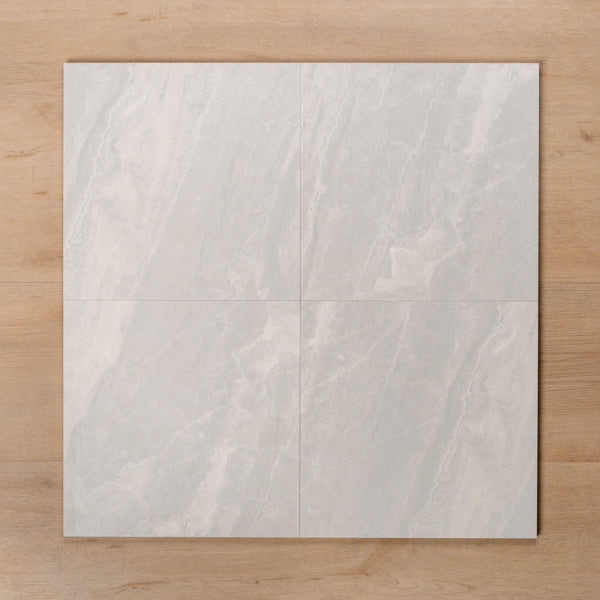
Burleigh is a stone-look porcelain in matt with a cushioned edge, in white, silver, latte, grey and charcoal, with a wear rating of 4 and a non-rectified edge. It suits anyone who likes the look of natural stone without the care that comes with it. Avalon is a plain matt porcelain in white, grey, greige and charcoal, with P2 titles on white and charcoal and P3 titles on grey and greige, and a wear rating of 4.
The Avalon thicknesses vary, with 6.3mm and 9mm listed, so check the page before matching it to another range. The Burleigh pages recommend wider grout lines for the cushioned edge. The beige tiles collection and the grey tiles collection show the same neutrals in other shapes.
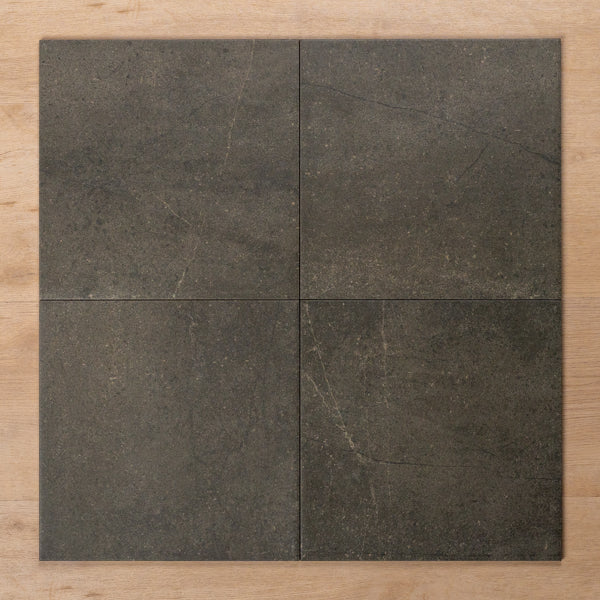
Southside is the Australian-made terrazzo range, and the 300 x 300mm tiles come in grey, natural and white in matte. They carry P3 in the titles, an application of wall and floor, a non-rectified edge, and a wear rating of 4. The range suits indoor and covered outdoor spaces. Frankie is a polished concrete look in dark grey, matte, 10mm thick, with P3 and an application of walls and floors; it combines terrazzo and polished concrete with a fine grain fleck.
These are the textured neutrals of the size. The terrazzo look tiles collection holds the rest of the terrazzo range.
Tamarama is a modern take on a classic encaustic pattern, in Australian-made matt porcelain with a cushioned edge, 300 x 300 x 6.3mm. It comes in black, blue, soft clay, soft grey and soft sage, with P3 moderate slip risk, an application of walls and floors, and a wear rating of 4. The thin body and the pattern make it a feature floor for a hallway or a dry bathroom.
The patterned tiles collection covers the wider range of encaustic-style and patterned tiles.
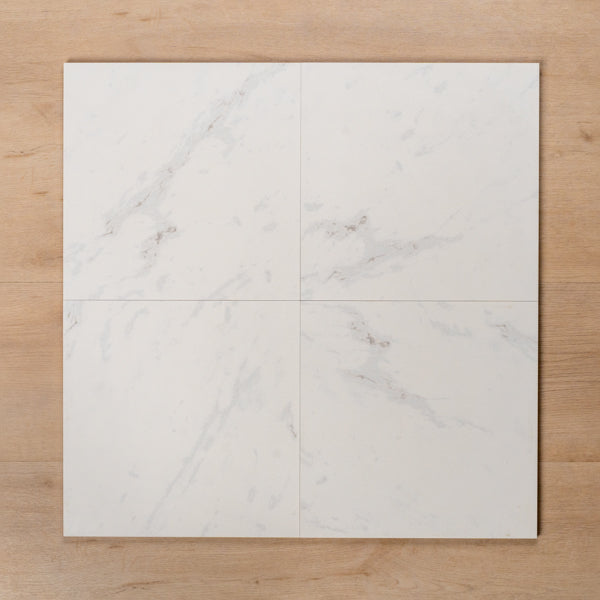
Paradise is a marble-look ceramic in 300 x 300mm matt rectified in stone, Calacatta and grey. Perisher is a white marble-look porcelain, matt and rectified, with a wear rating of 4. Kings Marble Carrara is a white matt ceramic with a cushioned edge, 6.3mm thick, with P2, a high slip risk.
The ceramic versions are thin, so treat them as wall or dry-floor tiles unless the Application line allows floors. The marble look tiles collection covers marble looks in other sizes.
Porcelain is often chosen for wet areas and outdoor use because it is dense and stable. Ceramic versions are lighter and frequently used on walls or in low-traffic rooms. Many ceramic 300 x 300mm tiles are made for walls and work well in bathrooms, laundries and utility rooms.
That matches this collection. Most of the 300 x 300mm tiles are porcelain with floor ratings of 4 or 5, and the ceramic Paradise and Kings tiles are the thinner, gentler ones. The porcelain tiles collection and ceramic tiles collection cover each material.
A 300 x 300mm tile covers 0.09 square metres, so a square metre takes a little over 11 tiles before cuts. Boxes follow the same sums: a box of 11 pieces covers 0.99 square metres, and a box of 22 pieces covers 1.98 square metres. Always check the box size on the product page, because the unit varies between ranges and the usable coverage depends on the layout.
A worked example: a shower recess floor of 1.2m by 0.9m is 1.08 square metres, so it takes about 12 tiles before cuts. A laundry of 2.0m by 1.8m is 3.6 square metres and takes 40 tiles, or four boxes of 11 pieces after an allowance for the cuts around the tub. Always add the extra 15 percent for breaks and offcuts.
The thickness varies too. These ranges run 6.3mm, 9mm and 10mm, so two 300 x 300mm tiles from different ranges are not always the same height.
The collection is neutral: grey, beige, white and black, with brown, blue and green in smaller numbers. Grey is the largest group, followed by beige and white. The grey tiles collection, white tiles collection, black tiles collection and brown tiles collection sort the range by colour.
Because the size has many joints, the grout colour is as much a part of the colour decision as the tile, which is why the advice is to match it for calm and contrast it only on purpose.
Many 300 x 300mm tiles are suitable for outdoor use, particularly those with an in-out finish designed for exterior use, with excellent slip resistance and weather durability for patios, balconies and alfresco areas. Some porcelain 300 x 300mm tiles are made for outdoor use, and their size helps create steady footing on steps, pathways and smaller alfresco areas, depending on the surface finish and slip resistance.
In this collection the Tilly Tundra pages print an Area line of indoors and outdoors, the Tamarama pages print indoors and covered outdoor areas, and the Southside pages print indoor and covered outdoor spaces. Read the Area line before choosing.
Every product page prints the lines that matter for a floor. The Application line says walls, floors or both, the Slip Rating line gives P2 to P5, and the Wear Rating line gives 4 or 5 on most of these tiles. The Edge line says rectified or cushioned, the Thickness line gives 6.3mm to 10mm, and the Appearance line gives the V rating, from V1 uniform to V3 moderate variation.
Pairing the lines is how you choose well. A tile with P5, wear 5 and an Area line of indoors and outdoors can go on a wet balcony. A tile with P3, wear 4 and indoors only is a hallway or a dry bathroom tile. A tile with P2 and a high slip risk belongs on a dry floor or a wall. The numbers are on every page, so the choice does not rest on a guess.
Read the slip and wear lines together for a wet floor, and the thickness line if you plan to meet another tile at a threshold.
The size is easy to like and easy to misuse. Match the range to the room first, and the colour and layout fall into place.
Start with the room. For a shower floor or wet room, choose Tilly Tundra or another grip finish with P4 or P5. For a hallway, laundry or dry bathroom, choose Burleigh, Avalon or Southside in a calm neutral. For a feature floor, choose Tamarama.
Then choose the layout and the grout together: straight and matching for quiet, diagonal and darker for character. The tiles collection sits above this one for the whole range.


