Skip to content

Subway Tiles

92 Items

  • Best Seller
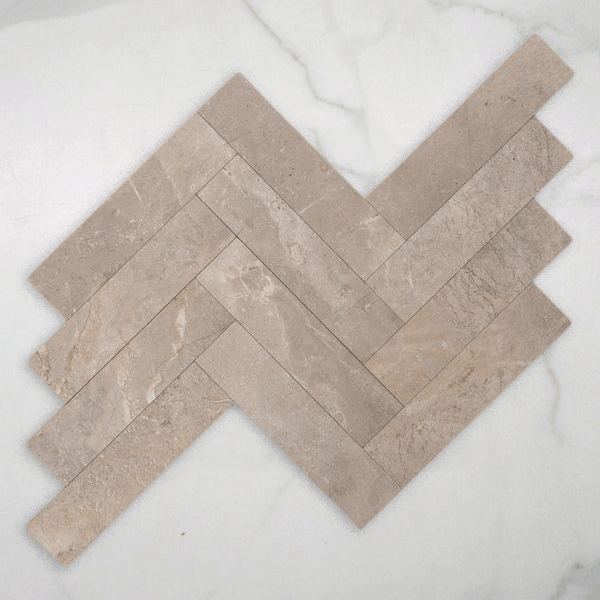
    Casuarina Grey Honed Porcelain Tile 75x300mm

    Casuarina Grey Honed Porcelain Tile 75x300mm

    Checking delivery...
    $87 per sqm
    $0 (-0%) off RRP of $78
  • Italian Made
    SALE! was $169/m2
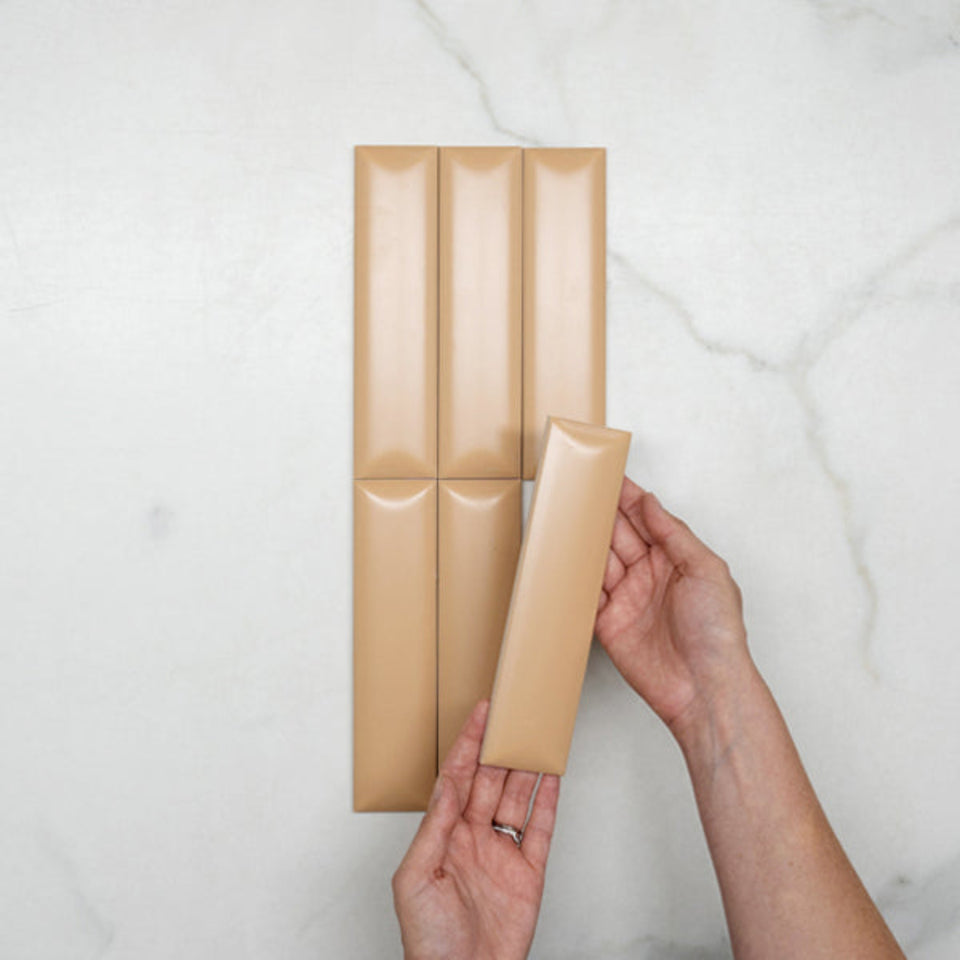
    Sicily Beige Gloss Bejmat Cushioned Edge Porcelain Tile 75x200mm

    Sicily Beige Gloss Bejmat Cushioned Edge Porcelain Tile 75x200mm

    Checking delivery...
    $161 per sqm
    $0 (-0%) off RRP of $121
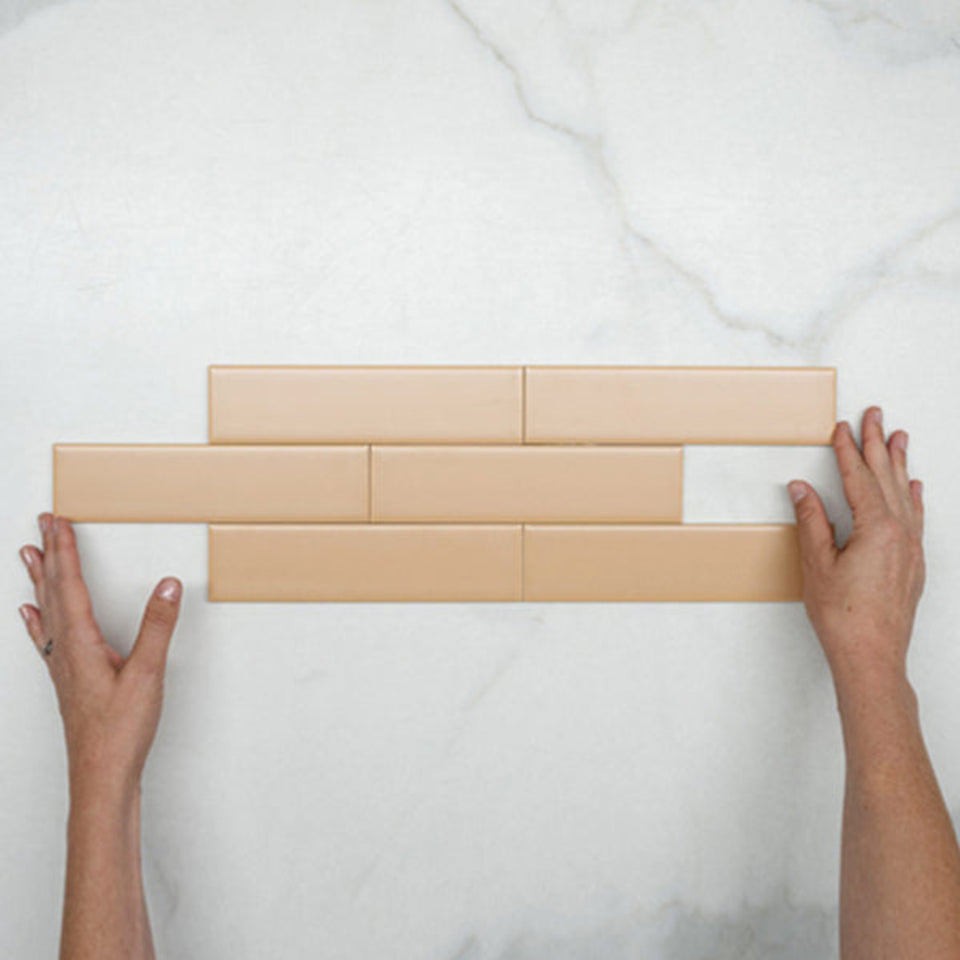
  • Sunset Terracotta Clay Satin Dune Ceramic Tile 50x200mm

    Sunset Terracotta Clay Satin Dune Ceramic Tile 50x200mm

    Checking delivery...
    $77 per sqm
    $0 (-0%) off RRP of $65
  • Italian Made
    SALE! was $169/m2
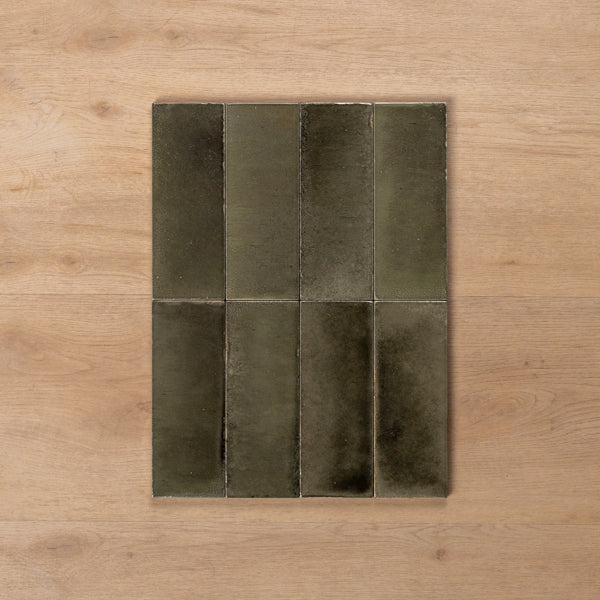
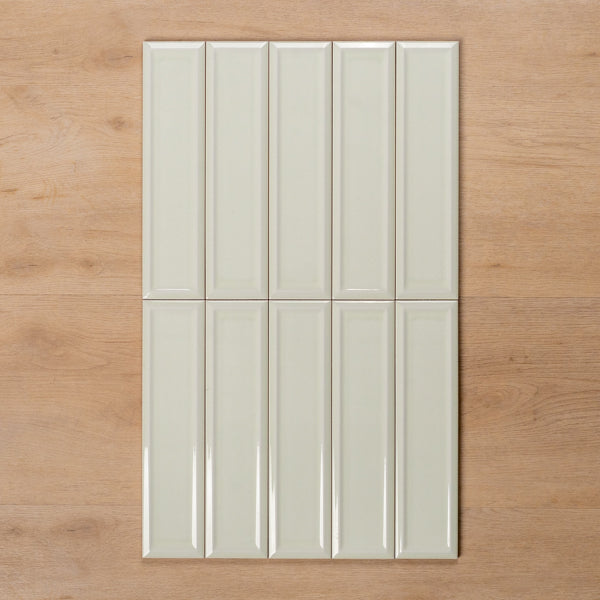
    Sicily Giada Green Gloss Bejmat Cushioned Edge Porcelain Tile 50x150mm

    Sicily Giada Green Gloss Bejmat Cushioned Edge Porcelain Tile 50x150mm

    Checking delivery...
    $160 per sqm
    $0 (-0%) off RRP of $130
  • Italian Made
    SALE! was $169/m2
    Sicily Bianco White Gloss Bejmat Cushioned Edge Porcelain Tile 50x150mm

    Sicily Bianco White Gloss Bejmat Cushioned Edge Porcelain Tile 50x150mm

    Checking delivery...
    $160 per sqm
    $0 (-0%) off RRP of $130
  • Sale On Now!

    Sale On Now!

    Up to 70% off across the store, plus free towels and mirrors up for grabs on orders over $800*
    Shop the Sale
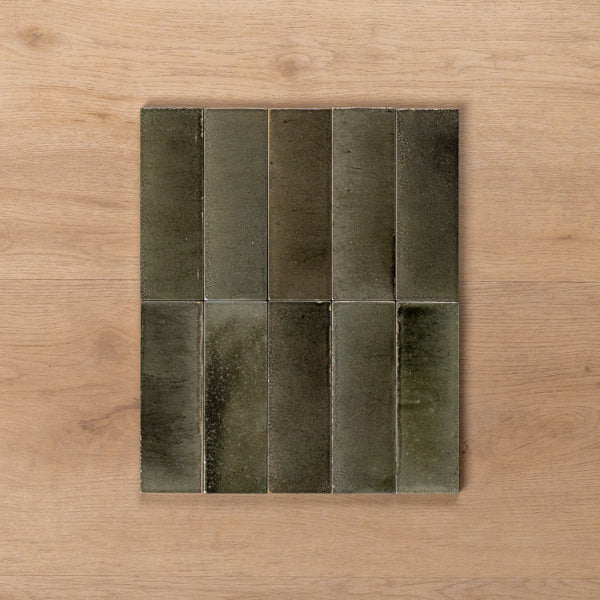
  • Sunset Iron Grey Satin Dune Ceramic Tile 50x200mm

    Sunset Iron Grey Satin Dune Ceramic Tile 50x200mm

    Checking delivery...
    $77 per sqm
    $0 (-0%) off RRP of $65
  • Italian Made
    SALE! was $169/m2
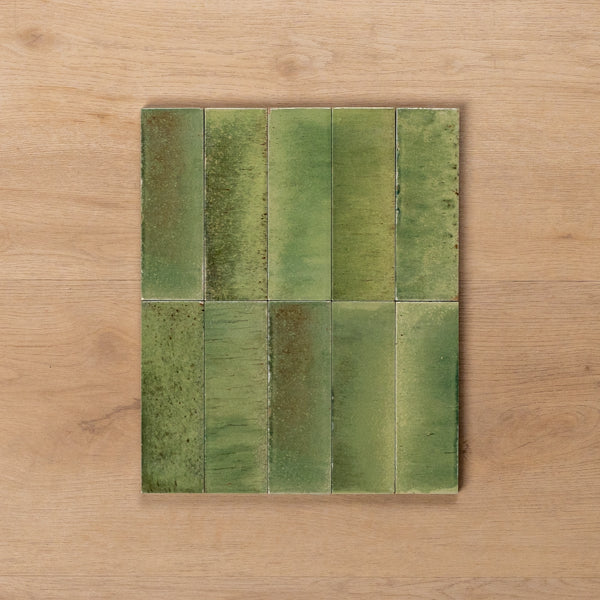
    Sicily Giada Green Gloss Bejmat Cushioned Edge Porcelain Tile 75x200mm

    Sicily Giada Green Gloss Bejmat Cushioned Edge Porcelain Tile 75x200mm

    Checking delivery...
    $161 per sqm
    $0 (-0%) off RRP of $121
  • Sunset Bianco White Satin Flat Ceramic Tile 50x200mm

    Sunset Bianco White Satin Flat Ceramic Tile 50x200mm

    Checking delivery...
    $62 per sqm
    $0 (-0%) off RRP of $62
  • Italian Made
    SALE! was $169/m2
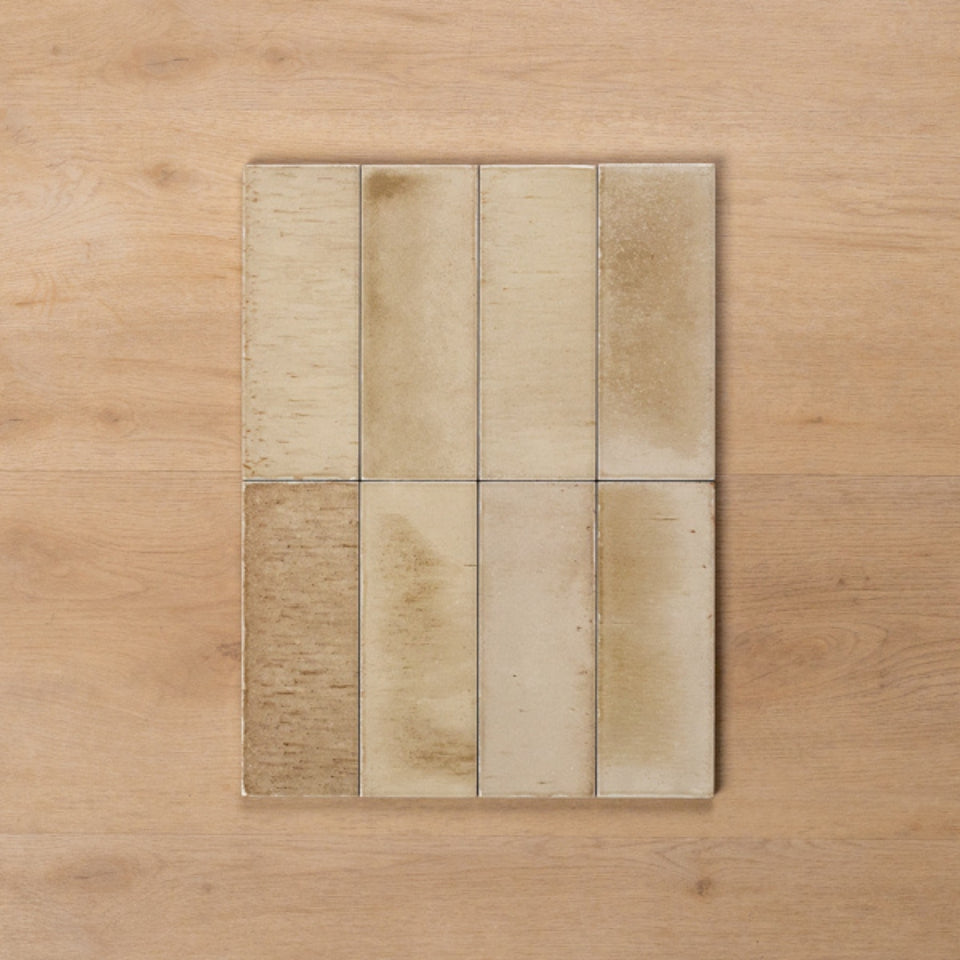
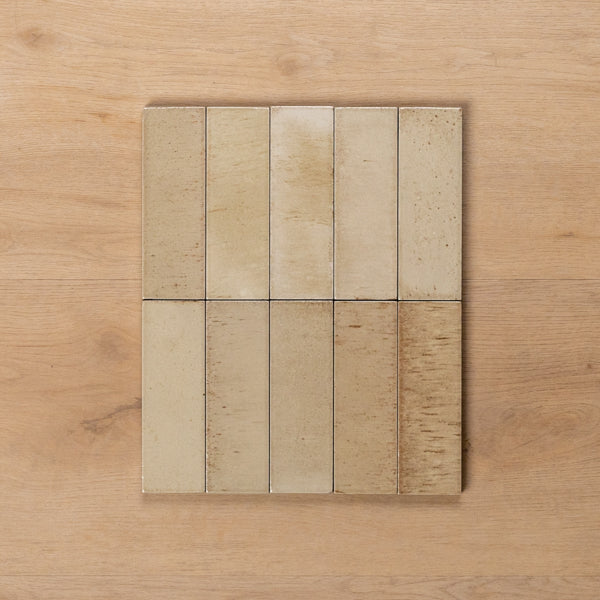
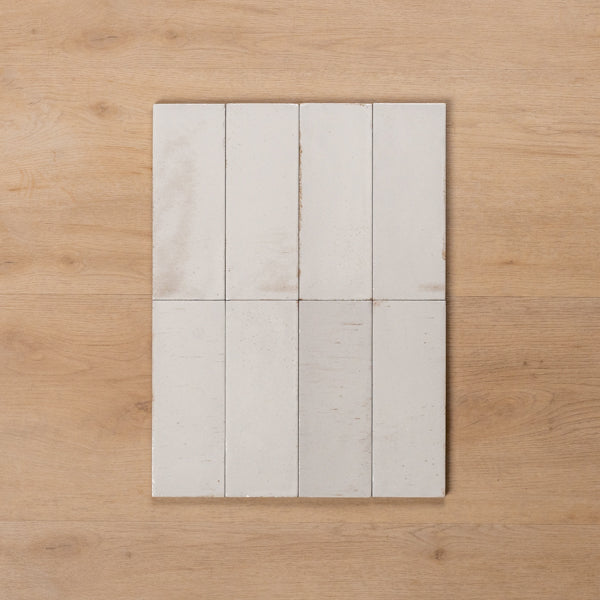
    Sicily Beige Gloss Bejmat Cushioned Edge Porcelain Tile 50x150mm

    Sicily Beige Gloss Bejmat Cushioned Edge Porcelain Tile 50x150mm

    Checking delivery...
    $160 per sqm
    $0 (-0%) off RRP of $130
  • The surfaces you choose define the space you create

    The surfaces you choose define the space you create

    Shop All Tiles ->
  • Italian Made
    SALE! was $169/m2
    Sicily Bianco White Gloss Bejmat Cushioned Edge Porcelain Tile 75x200mm

    Sicily Bianco White Gloss Bejmat Cushioned Edge Porcelain Tile 75x200mm

    Checking delivery...
    $161 per sqm
    $0 (-0%) off RRP of $121
  • Whitehaven Blue Wavy Satin Ceramic Subway Tile 68x280mm

    Whitehaven Blue Wavy Satin Ceramic Subway Tile 68x280mm

    Checking delivery...
    $49 per sqm
    $0 (-0%) off RRP of $49
  • Best Seller
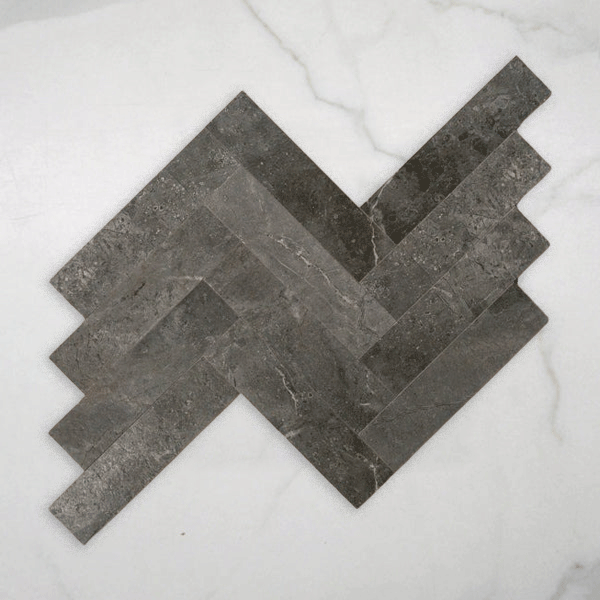
    Casuarina Charcoal Honed Porcelain Tile 75x300mm

    Casuarina Charcoal Honed Porcelain Tile 75x300mm

    Checking delivery...
    $84 per sqm
    $0 (-0%) off RRP of $76
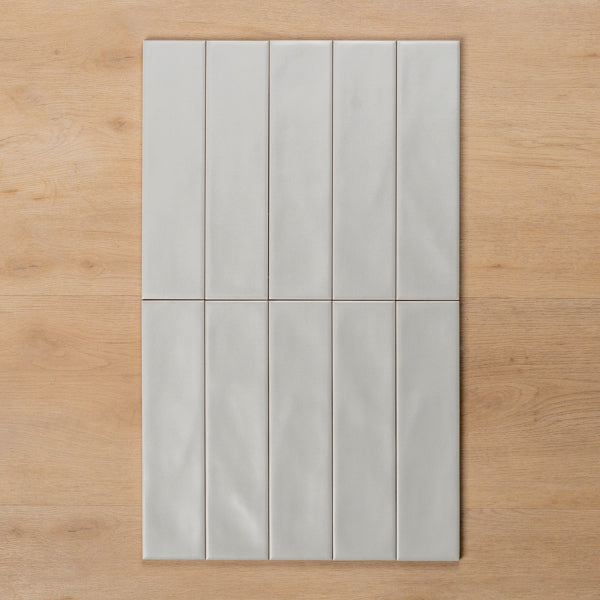
  • Wategos Satin White Tile 100x300mm

    Wategos Satin White Tile 100x300mm

    Checking delivery...
    $29 per sqm
    $0 (-0%) off RRP of $44
  • Italian Made
    SALE! was $169/m2
    Sicily Grigio Charcoal Gloss Bejmat Cushioned Edge Porcelain Tile 75x200mm

    Sicily Grigio Charcoal Gloss Bejmat Cushioned Edge Porcelain Tile 75x200mm

    Checking delivery...
    $161 per sqm
    $0 (-0%) off RRP of $121
  • The surfaces you choose define the space you create

    The surfaces you choose define the space you create

    Shop All Tiles ->
  • Italian Made
    SALE! was $169/m2
    Sicily Grigio Charcoal Gloss Bejmat Cushioned Edge Porcelain Tile 50x150mm

    Sicily Grigio Charcoal Gloss Bejmat Cushioned Edge Porcelain Tile 50x150mm

    Checking delivery...
    $160 per sqm
    $0 (-0%) off RRP of $130
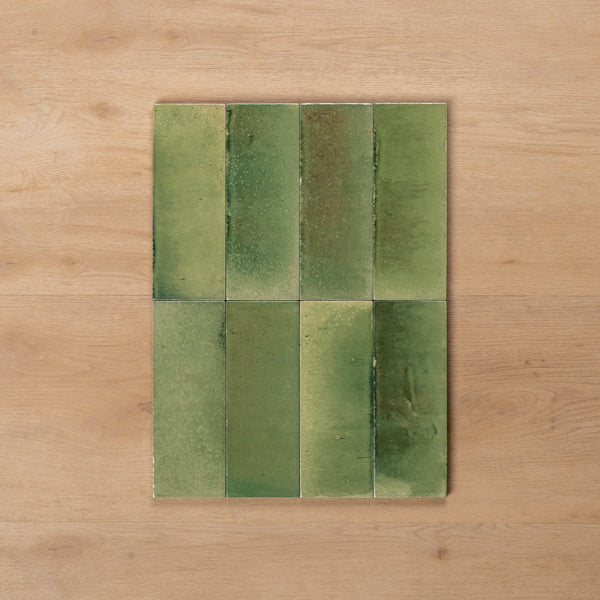
  • Whitehaven Green Gloss Frame Ceramic Subway Tile 68x280mm

    Whitehaven Green Gloss Frame Ceramic Subway Tile 68x280mm

    Checking delivery...
    $49 per sqm
    $0 (-0%) off RRP of $49
  • Sunset Terracotta Clay Satin Flat Ceramic Tile 50x200mm

    Sunset Terracotta Clay Satin Flat Ceramic Tile 50x200mm

    Checking delivery...
    $65 per sqm
    $0 (-0%) off RRP of $65
  • Sunset Sage Avocado Satin Flat Ceramic Tile 50x200mm

    Sunset Sage Avocado Satin Flat Ceramic Tile 50x200mm

    Checking delivery...
    $65 per sqm
    $0 (-0%) off RRP of $65
  • Whitehaven Blue Gloss Frame Ceramic Subway Tile 68x280mm

    Whitehaven Blue Gloss Frame Ceramic Subway Tile 68x280mm

    Checking delivery...
    $49 per sqm
    $0 (-0%) off RRP of $49
  • Whitehaven Pink Gloss Frame Ceramic Subway Tile 68x280mm

    Whitehaven Pink Gloss Frame Ceramic Subway Tile 68x280mm

    Checking delivery...
    $49 per sqm
    $0 (-0%) off RRP of $49
  • Sunset Iron Grey Satin Flat Ceramic Tile 50x200mm

    Sunset Iron Grey Satin Flat Ceramic Tile 50x200mm

    Checking delivery...
    $65 per sqm
    $0 (-0%) off RRP of $65
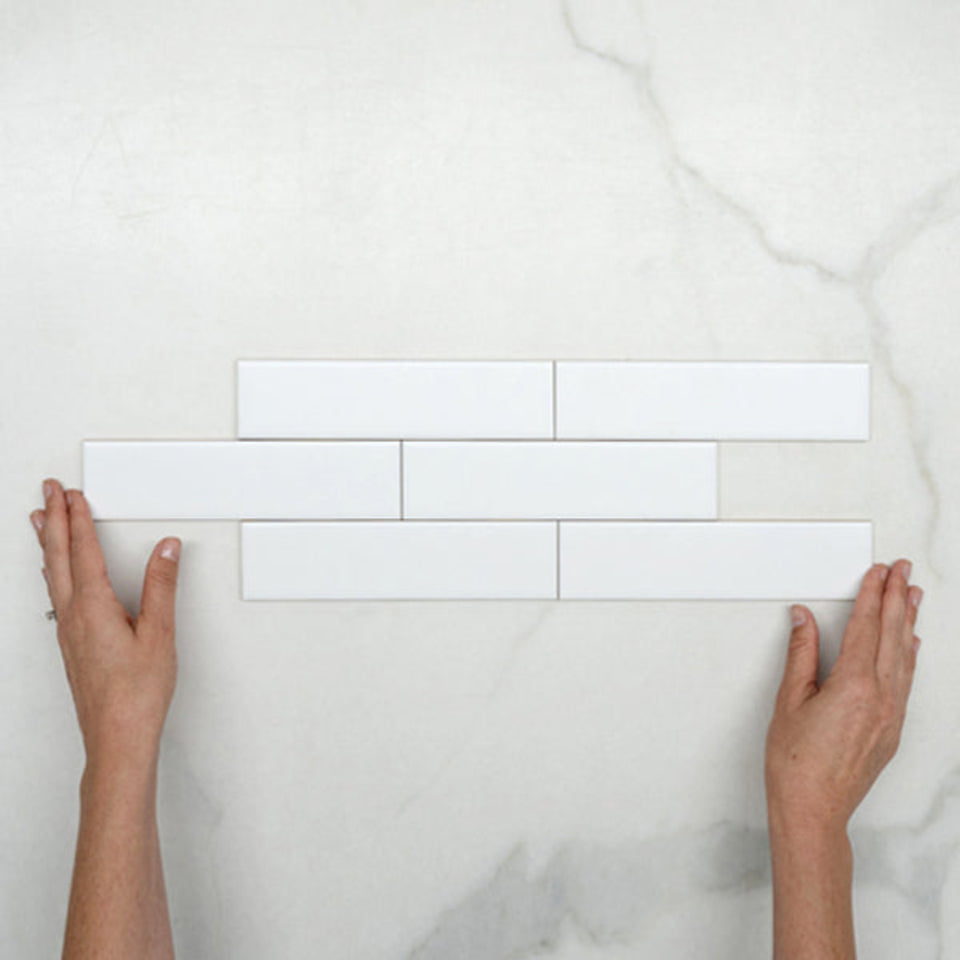
  • Wategos Gloss White Tile 100x300mm

    Wategos Gloss White Tile 100x300mm

    Checking delivery...
    $29 per sqm
    $0 (-0%) off RRP of $44

Subway tiles: where they go and how to lay them

A subway tile is a small rectangle laid in a regular grid, and most people picture it white, glossy and fixed to a kitchen or bathroom wall. The format is simple, which is why it takes so many finishes, colours and layouts without losing its shape.

If you'd like the wider picture first, the wall tiles collection sorts tiles by wall use, and the kitchen tiles and bathroom tiles collections sort by room.

Where to use subway tiles

Kitchen splashbacks

Subway tiles are a classic splashback because they're easy to clean and work with a wide range of benchtops and cabinetry. Gloss finishes brighten the room, and matte textures read as softer and more contemporary.

Bathroom walls and showers

In a bathroom the simple shape gives clean, structured lines. Subway tiles suit shower walls, vanity walls and full-height tiling, and they work with almost any grout colour, which lets you change the feel of the room through the joint.

Laundries

Behind a laundry sink or benchtop, subway tiles add a protective surface, and the small format keeps lines neat in a compact room.

Feature walls and niches

A contrasting colour or textured surface works well on a niche, an entry wall or a decorative section, adding depth without taking over the space. The feature tiles collection has more options for statement walls.

Laying patterns

The size of a subway tile allows many layouts, and the layout changes the room as much as the colour does.

Brick bond is the traditional layout, with each row offset from the one below. Stacked horizontal and stacked vertical layouts are also common, and vertical stacking draws the eye upward, which can make a small room feel taller. Herringbone adds movement and works well as a feature section. The vertical stack tiles collection and the herringbone tiles collection gather tiles chosen for those two layouts.

Product pages in this range tag the patterns they suit, including brick bond, vertical stack, herringbone and basketweave, so the tags are a quick way to check that a tile's size and edge will lay the way you plan.

Grout colour and joint width

Grout shapes the finished look of a subway tile as much as the tile does. A grout close to the tile colour gives a calm, blended surface. A contrasting grout, such as black on white, traces every tile and adds definition.

Contrast also changes how large the room feels. Light tiles with dark grout create a bold grid that can make a space feel smaller, because the small tile is emphasised. If you want the room to feel larger, a grout that matches the tile helps. Narrow joints suit contemporary rooms, and slightly wider ones give a more traditional look.

Many of the product pages here give a recommended grout gap of 1.5mm to 3mm, so use the figure printed on the tile you buy. Epoxy grout is non-porous and helps prevent built-up dirt and grime.

Finish and edge

Finish changes how a subway tile handles light. Gloss reflects it and brightens small rooms. Matte is quieter and more understated. The product pages here also list polished, lappato and textured surfaces, and handmade looks with rounded edges. Gloss, bevelled and wavy finishes are reflective and make a space look larger.

The edge matters as much as the finish. A straight, rectified edge makes crisp, defined lines that suit modern interiors, and most of the tiles on this page have one. Cushioned edges are softer and suit classic or heritage rooms, and tumbled edges belong to the natural stone tiles.

Can subway tiles go on floors?

Mostly no. Subway tiles are generally designed for walls, and a floor-rated porcelain in a rectangular format is the usual answer if you want the same look underfoot. The tiles here support that. Many are walls only, and several are not suitable for flooring or not recommended for floors, with a wear category of 0. A few tiles, including the tumbled natural stone, suit walls and floors, and the natural stone tiles may need more care and regular sealing on floors and in wet areas.

Slip ratings tell the same story. P ratings come from a pendulum test on a wet, flat surface: P1 is low, P2 and P3 are moderate, P4 is high and P5 is very high. Most wall tiles here list P2, one range prints P1, and some pages say not rated. If a floor is the plan, pick a tile whose page says floors and prints a rating for it. The floor tiles collection is the place to start.

Natural stone subway tiles

Stone gives a subway layout a different weight. Most natural stone subway tiles can also go on floors, which allows one continuous surface through a room. The tumbled natural beige travertine subway in this collection is a 50 x 200 tile at 10mm with a matte finish and a V4 appearance, made for walls and floors indoors and in covered outdoor areas, with a slip rating of not rated. Use on floors and in wet areas may need more care and regular sealing. The tumbled natural stone tiles collection and the natural stone tiles collection show the wider stone range.

Pairing with floors and other tiles

A subway wall doesn't have to match the floor, but it should sit comfortably with it. Choose shades that blend with the existing floor tiles and fixtures. Subway tiles pair well with timber, stone and porcelain surfaces. In a bathroom, one option is subway tiles on the walls with a decorative tile on the floor or a feature wall, or a combination with concrete look or timber look porcelain.

Some ranges are built to pair. The Theo terrazzo page recommends combining it with the Theo textured subway on the walls, and Olivia comes with a matching 600 x 600 porcelain and a 300 x 600 feature wall tile. The terrazzo look tiles collection and the porcelain tiles collection have the floor options.

Ranges worth knowing

The range names point to the surface. Here are the main ones.

Bella is a mini subway at 65 x 265mm, 6mm thick, in gloss and matte ceramic. Leon is a 69 x 240 ceramic in gloss, in deep tones through to a pearly white, with terracotta, jade green and anthracite grey among the colours. Whitehaven is a 68 x 280 wavy ceramic in soft pastel colours, offered in two finishes and made for walls only. Sunset is a 50 x 200 satin ceramic with a dune surface and a cushioned edge, which needs grout lines of 3mm or more. It's intended for wall applications only.

Luca and Dianna are the handmade looks. Luca is a 75 x 150 gloss tile, soft to the touch with rounded edges, made for bathroom and kitchen walls, in colours such as blush, teal, olive and oyster. Dianna is a 75 x 150 ceramic made in Spain, with a wavy, structured surface in a rich gloss glaze.

The Italian porcelains lead on surface and format. Olivia is a feature subway at 75 x 300 in matte, in colours from taupe and off-white to charcoal and burgundy, made from full-bodied glazed porcelain, with a matching 600 x 600 and a 300 x 600 feature wall tile to complete a scheme. Theo is a 75 x 400 porcelain with a structured gloss finish, in shades from bianco and grigio to nero, rosa and sea blue, made for wall applications and hard-wearing. Andrea is a textural gloss subway or square at 75 x 300 and 8mm in deep colours such as red, black and light grey, suited to a feature wall or a kitchen or laundry splashback. Sicily is Italian-made, at 75 x 200 with a cushioned edge and a gloss glaze, with a wear rating of 3, suitable for floors in light traffic areas with normal shoes.

Casuarina brings a honed porcelain stone look at 75 x 300. Blaire is a brick look at 45 x 230 and 8mm in a textured matte porcelain from Italy, and its page suggests pairing it with a light grout and laying it stacked vertically or in herringbone. For more brick looks, see the brick look tiles collection.

Reading the product page

Four printed lines settle most subway tile choices. Application says whether the tile is for walls only or for walls and floors. Slip rating and wear rating say how it behaves underfoot, which matters only if a floor is in play. Maintenance says whether the tile needs sealing. Edge says whether it's rectified, cushioned or tumbled, and that tells you what grout gap to plan for.

Subway tiles come in porcelain, ceramic, natural stone and concrete across the market. This range sits mainly in ceramic and porcelain, with a small natural stone option, so most tiles here are easy to clean and the stone tiles require sealing. The compact format also makes installation straightforward on splashbacks, bathroom walls and feature areas, which is where most of these tiles are made to go.

Sizes and thickness

Subway sizes vary more than the name suggests. The tiles on this page include minis such as 65 x 265, standard 75 x 300, longer 75 x 400, narrow 45 x 230 and 50 x 200 strips, and 100 x 100 squares. Thickness is printed per tile and runs from 6mm to 10mm, with most tiles at 10mm.

A longer tile shows fewer joints, and a shorter one shows more, which changes how busy the wall looks. If you like the small-tile look, the small tiles collection and the rectangle tiles collection sort by format.

Choosing a subway tile

Start with the room and whether the tile is for a wall or a floor, because that decides which pages apply. Then choose the finish and edge, then the layout and grout. For a bright splashback, pick gloss. For a quieter wall, pick matte or satin. For a feature, pick a textured or handmade look, and for a classic bathroom, pick white with a matching grout. If you want the full set of white tiles in other formats, the white tiles collection has them.

Frequently Asked Questions

What is the best tile finish for a bathroom, matte or gloss?

Matte tiles are trending strongly in Australian bathrooms for their contemporary look and practical ability to hide water spots and fingerprints. Gloss tiles reflect light and can make a bathroom feel brighter and larger, but show water marks and smudges more readily. For shower recesses and wet floors, matte or satin finishes with good slip resistance are generally preferred.

How many tiles do I need to order for my bathroom?

Measure your total wall and floor surface area in square metres, then add a 10–15% wastage allowance for cuts, breakages, and future repairs. For complex layouts with diagonal patterns or feature inserts, increase the wastage to 15–20%. Always order all tiles from the same batch (check the shade lot/batch number) as tiles from different batches can vary slightly in colour.

How do I choose between floor tiles and wall tiles?

Floor tiles must have an adequate slip resistance rating (P3 minimum for domestic bathrooms) and be durable enough for foot traffic. Wall tiles can be glazed ceramic, porcelain, or natural stone, they don't need to carry load but should be moisture-resistant. Many Australian renovators choose matching or coordinating floor and wall tiles from the same range for a cohesive look.

What tile size is best for a small bathroom in Australia?

For small bathrooms, tiles between 300 x 300mm and 600 x 300mm often work well on both walls and floors. Smaller mosaic or subway tiles (75 x 150mm or 100 x 200mm) are a classic choice for shower walls. While large format tiles can also work in small spaces, they require a very level substrate and expert installation. Avoid tiles that are too small on floors (like 50 x 50mm mosaics) in large quantities, as the increased grout lines can make a space feel busier.

How do I incorporate feature tiles without over-designing the bathroom?

The most effective approach is to choose one feature zone and use your feature tile there, a full-height shower wall, the bath surround wall, or the vanity splashback area. Keep the remaining surfaces in a neutral or complementary field tile. This creates impact without visual clutter. Limit your palette to two or three complementary materials for a cohesive result.

What is the slip resistance rating I need for bathroom floor tiles?

Australian Standards (AS 4586) require bathroom floor tiles to have a minimum slip resistance rating of P3 for domestic bathrooms and P4 or P5 for wet areas like shower recesses. The Blue Space recommends checking the slip resistance rating of any tile you're considering for floor use, particularly in the shower. Matte and textured porcelain tiles generally offer better slip resistance than polished or gloss finishes.

What is the difference between ceramic and porcelain tiles?

Porcelain tiles are fired at higher temperatures and are denser, less porous, and harder than ceramic tiles. This makes porcelain more water-resistant, more durable, and suitable for both indoor and outdoor applications, including high-traffic floors. Ceramic tiles are lighter and easier to cut, making them a practical choice for bathroom walls and splashbacks. For bathroom floors and wet areas, porcelain is generally the preferred option in Australia.

What is a subway tile?

A subway tile is a rectangular tile, classically around 75mm x 150mm or 100mm x 200mm, with a smooth, usually glossy surface. The name comes from early 20th-century New York subway stations, which used this shape and proportion on platform walls. It's typically laid in a brick or running bond pattern, with each row offset from the one below, though a stacked (grid) layout is also common for a more contemporary look.

What are the disadvantages of subway tiles?

Because a subway tile is a fixed rectangular shape, a running bond layout on longer tiles can cause visible lippage (a slight step between offset edges) if the tiles or the substrate aren't perfectly flat, which is why many installers now offset by a third of the tile length rather than half on larger formats. A gloss subway finish also shows water marks and soap scum more readily than a matte tile, and the sheer number of grout lines on a small format means more grout to keep clean.

Is subway tile outdated?

No. Subway tile has stayed in continuous use since the early 1900s precisely because the shape is simple and pairs with almost any style, from a classic white kitchen splashback to a coloured or handmade-look version in a contemporary bathroom. What has shifted is the finish and layout: matte and coloured subway tiles, plus stacked or herringbone layouts instead of the traditional brick bond, keep the format feeling current rather than dated.

What is the difference between metro tile and subway tile?

"Metro tile" and "subway tile" describe the same rectangular, brick-proportioned shape. Metro is the more common term in the UK, while subway is the standard term in the US and Australia, but they're referring to the same product. Any difference between two specific ranges sold under either name comes down to size, finish or colour, not the terminology itself.

What's the difference between subway tiles and brick-look tiles?

Subway tiles are defined by their shape and smooth surface; brick-look tiles are defined by a textured, often mottled surface designed to mimic real brickwork, and can come in various proportions, not only the classic subway ratio. A subway tile laid in a brick bond references brick visually through layout alone, while a brick-look tile references it through the tile's own texture. See brick-look tiles for the textured option.

What size subway tile should I choose?

The classic 75mm x 150mm size suits smaller feature areas and traditional-style bathrooms, while larger formats like 100mm x 200mm or 100mm x 300mm cover more wall per tile and read as slightly more contemporary. Larger subway formats also mean fewer grout lines for a similar look. Choosing between them usually comes down to the scale of the wall and how traditional or modern the rest of the room is meant to feel.