Skip to content

Japandi Tiles

8 Items

  • Best Seller
    5% Off In Cart
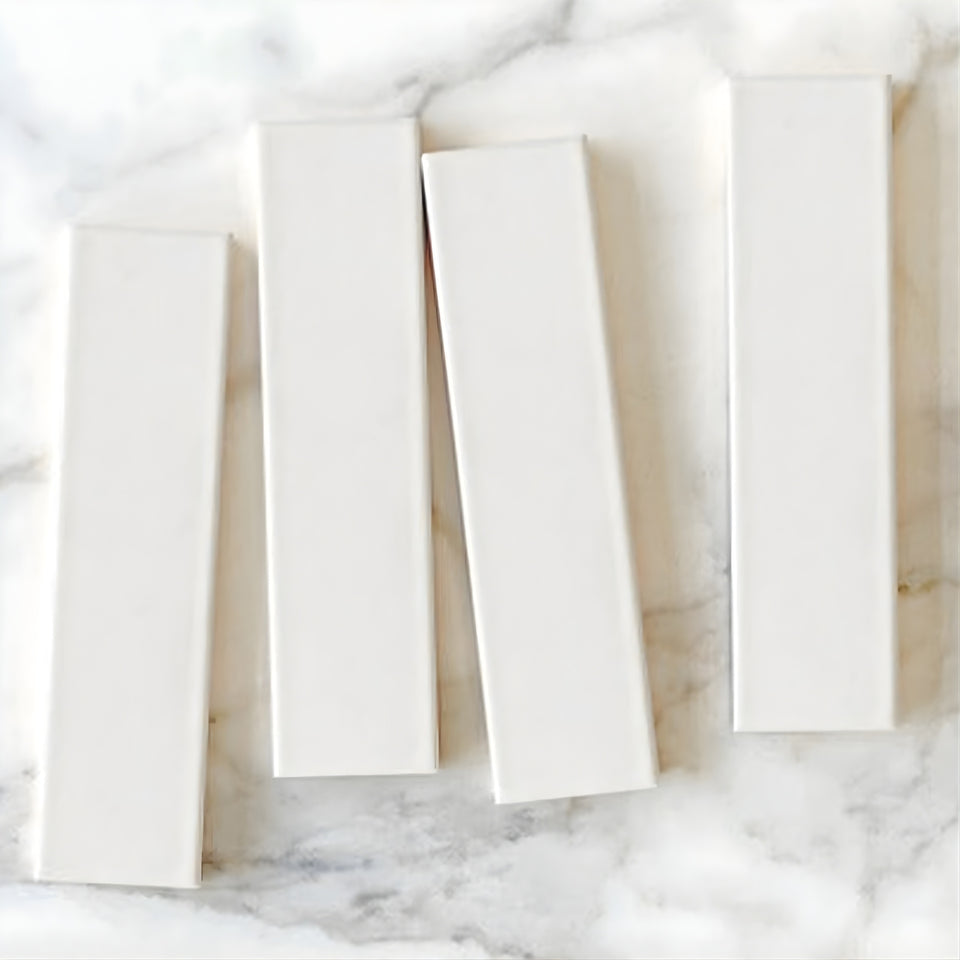
    White Bella Subway Tile Matte 65 x 265 x 7mm Ceramic

    White Bella Subway Tile Matte 65 x 265 x 7mm Ceramic

    Checking delivery...
    $39 per sqm
    $0 (-0%) off RRP of $39
  • Best Seller
    5% Off In Cart
    White Bella Subway Tile Gloss 65 x 265 x 10mm Ceramic

    White Bella Subway Tile Gloss 65 x 265 x 10mm Ceramic

    Checking delivery...
    $41 per sqm
    $0 (-0%) off RRP of $41
  • Ava Kit Kat Porcelain Mosaic 300 x 296 x 6mm Satin White

    Ava Kit Kat Porcelain Mosaic 300 x 296 x 6mm Satin White

    Checking delivery...
    $67 per sqm
    $0 (-0%) off RRP of $60
  • Best Seller
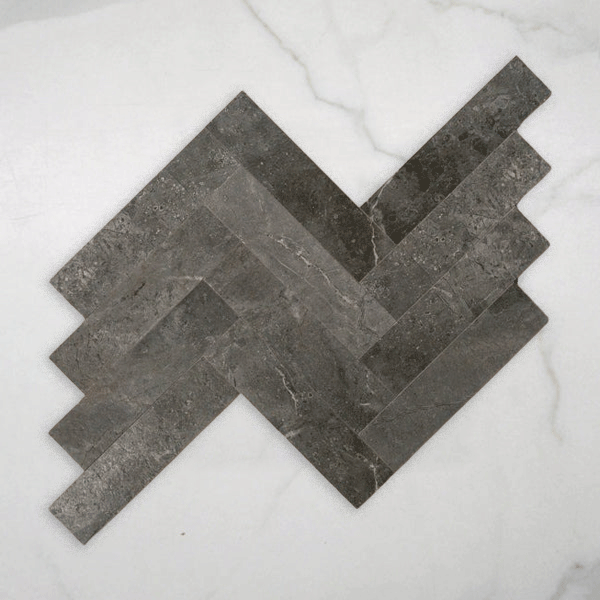
    Casuarina Charcoal Honed Porcelain Tile 75x300mm

    Casuarina Charcoal Honed Porcelain Tile 75x300mm

    Checking delivery...
    $84 per sqm
    $0 (-0%) off RRP of $76
  • Middleton White Chalk Kit Kat Porcelain Mosaic Tile 12x92mm

    Middleton White Chalk Kit Kat Porcelain Mosaic Tile 12x92mm

    Checking delivery...
    $148 per sqm
    $0 (-0%) off RRP of $249
  • Sale On Now!

    Sale On Now!

    Up to 70% off across the store, plus free towels and mirrors up for grabs on orders over $800*

    Shop the Sale
  • Best Seller
    Casuarina Charcoal Honed Porcelain Tile 600x600mm

    Casuarina Charcoal Honed Porcelain Tile 600x600mm

    Checking delivery...
    $52 per sqm
    $0 (-0%) off RRP of $75
  • Best Seller
    Casuarina Charcoal Honed Porcelain Tile 300x600mm

    Casuarina Charcoal Honed Porcelain Tile 300x600mm

    Checking delivery...
    $50 per sqm
    $0 (-0%) off RRP of $72
  • Best Seller
    Casuarina Charcoal Honed Porcelain Tile 600x1200mm

    Casuarina Charcoal Honed Porcelain Tile 600x1200mm

    Checking delivery...
    $59 per sqm
    $0 (-0%) off RRP of $85

Japandi Tiles Buying Guide


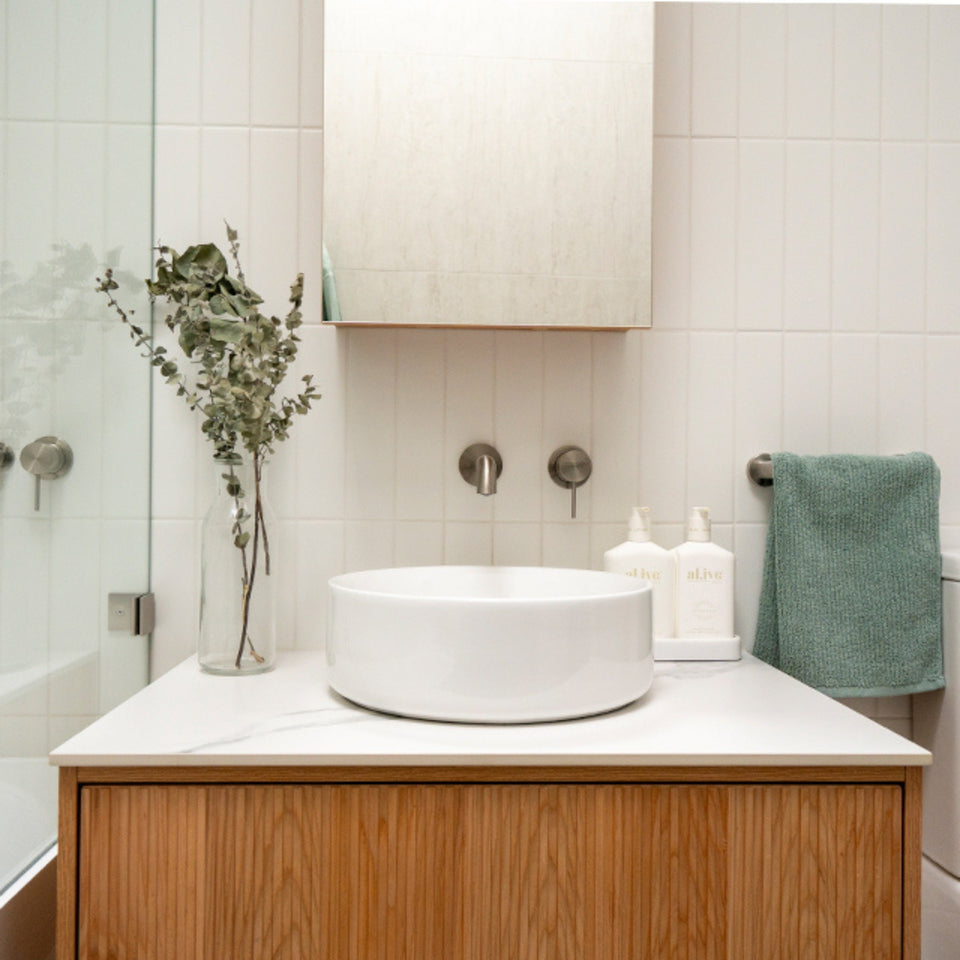
Japandi blends Japanese and Scandinavian design: natural materials, a calm palette, little ornament and plenty of texture. This collection pairs white mini subways and finger mosaics with Casuarina charcoal honed porcelain in several sizes. It suits bathrooms, ensuites and kitchens where you want a restrained look built around timber, stone and soft light.

What tiles suit a Japandi bathroom?

Choose plain tiles in calm neutrals with gentle texture, rather than pattern. In this collection that means Bella mini subways in white, at 65 x 265mm in matte or gloss; Ava satin white kit kat mosaic sheets; Middleton White Chalk finger mosaics at 12 x 92mm; and Casuarina Charcoal honed porcelain in 75 x 300mm, 300 x 600mm, 600 x 600mm and 600 x 1200mm.

What colours work for a Japandi look?

White, warm off-white and charcoal form the base, with timber, stone and greenery added for warmth. Pairing white walls with a charcoal floor gives contrast without pattern. Keep the tapware to one finish, such as matte black, brushed nickel or soft brass, and repeat it on the lighting.

How do I add texture without pattern?

Use shape and finish instead of print. Vertical finger mosaics, such as Middleton or Ava, give a fine ribbed rhythm. The honed surface of Casuarina has the soft, even feel of honed stone. Bella mini subways in a stack bond create quiet lines. Keep the colour the same across shapes, so the change is only in format.

Which of these tiles can go on the floor?

Casuarina is the floor tile here, with a wear rating of 3 for light-traffic floors. Middleton finger mosaics are rated for light domestic floor wear, such as a main bathroom. Ava suits walls, low-traffic floors and pools. Bella is a wall tile. Check the slip rating on the listing before using any tile on a wet floor.

What layout suits Japandi tiles?

A stack bond, with tiles in straight rows and columns, suits the style's order and calm. Run Bella mini subways vertically for height, or horizontally to widen a room. Large Casuarina tiles in 600 x 1200mm keep floors calm and continuous, with few grout lines. Casuarina has moderate V3 variation, so open several boxes and mix tiles as you lay to spread the shading evenly. Underfloor heating pairs well with a large charcoal floor, keeping the room warmer and drier.

What grout should I use?

Match the grout to the tile for a quiet finish. Rectified Bella and Casuarina tiles allow fine joints of 1.5mm to 3mm. The cushioned-edge Ava and Middleton mosaics need slightly wider joints of 3mm or more.

Completing the room

Add timber with Ingrain vanities and timber framed mirrors, or explore more tiles in kit kat tiles, subway tiles and 600 x 1200mm tiles.

Frequently Asked Questions

What is the best tile finish for a bathroom, matte or gloss?

Matte tiles are trending strongly in Australian bathrooms for their contemporary look and practical ability to hide water spots and fingerprints. Gloss tiles reflect light and can make a bathroom feel brighter and larger, but show water marks and smudges more readily. For shower recesses and wet floors, matte or satin finishes with good slip resistance are generally preferred.

How many tiles do I need to order for my bathroom?

Measure your total wall and floor surface area in square metres, then add a 10–15% wastage allowance for cuts, breakages, and future repairs. For complex layouts with diagonal patterns or feature inserts, increase the wastage to 15–20%. Always order all tiles from the same batch (check the shade lot/batch number) as tiles from different batches can vary slightly in colour.

How do I choose between floor tiles and wall tiles?

Floor tiles must have an adequate slip resistance rating (P3 minimum for domestic bathrooms) and be durable enough for foot traffic. Wall tiles can be glazed ceramic, porcelain, or natural stone, they don't need to carry load but should be moisture-resistant. Many Australian renovators choose matching or coordinating floor and wall tiles from the same range for a cohesive look.

What tile size is best for a small bathroom in Australia?

For small bathrooms, tiles between 300 x 300mm and 600 x 300mm often work well on both walls and floors. Smaller mosaic or subway tiles (75 x 150mm or 100 x 200mm) are a classic choice for shower walls. While large format tiles can also work in small spaces, they require a very level substrate and expert installation. Avoid tiles that are too small on floors (like 50 x 50mm mosaics) in large quantities, as the increased grout lines can make a space feel busier.

How do I incorporate feature tiles without over-designing the bathroom?

The most effective approach is to choose one feature zone and use your feature tile there, a full-height shower wall, the bath surround wall, or the vanity splashback area. Keep the remaining surfaces in a neutral or complementary field tile. This creates impact without visual clutter. Limit your palette to two or three complementary materials for a cohesive result.

What is the slip resistance rating I need for bathroom floor tiles?

Australian Standards (AS 4586) require bathroom floor tiles to have a minimum slip resistance rating of P3 for domestic bathrooms and P4 or P5 for wet areas like shower recesses. The Blue Space recommends checking the slip resistance rating of any tile you're considering for floor use, particularly in the shower. Matte and textured porcelain tiles generally offer better slip resistance than polished or gloss finishes.

What is the difference between ceramic and porcelain tiles?

Porcelain tiles are fired at higher temperatures and are denser, less porous, and harder than ceramic tiles. This makes porcelain more water-resistant, more durable, and suitable for both indoor and outdoor applications, including high-traffic floors. Ceramic tiles are lighter and easier to cut, making them a practical choice for bathroom walls and splashbacks. For bathroom floors and wet areas, porcelain is generally the preferred option in Australia.

What is Japandi style, and how does it apply to tiles?

Japandi blends Japanese and Scandinavian design principles: understated, natural materials, a muted, calm colour palette and an overall sense of minimalism rather than decoration for its own sake. In tile terms, this generally means matte or lightly textured finishes in soft, earthy tones (warm greige, soft clay, muted sage or charcoal) rather than glossy, high-contrast or brightly coloured tiles, with simple rectangular or square formats favoured over busy patterns.

What colours are used in a Japandi bathroom?

The palette leans toward warm, muted neutrals: soft beiges, greiges, clay and stone tones, gentle sage or muted green, and warm charcoal, generally avoiding both stark white and very high-contrast black-and-white schemes. The aim is a calm, cohesive tonal range rather than one standout colour, so Japandi tile ranges are often sold with several closely related neutral shades designed to be used together across floor, wall and feature areas.

Is Japandi a passing design trend, or does it hold up over time?

Japandi has grown steadily rather than spiking suddenly, and its foundations (natural materials, restrained colour, simple form) draw on design principles that have stayed relevant for decades rather than a single trend cycle. Because the palette is muted and the shapes are simple, a Japandi tile choice is less likely to date sharply than a bold pattern or a saturated colour tied to one particular season.

What finish suits a Japandi tile look best, matte or gloss?

Matte and lightly textured finishes suit Japandi far better than gloss, since the style is built around a soft, understated feel rather than reflective surfaces. A textured, stone-look or lightly irregular glaze also supports the natural, handcrafted quality Japandi favours, while a high-gloss tile tends to read as more formal or clinical, which works against the relaxed, grounded mood the style is going for.

What tile format works best for a Japandi bathroom?

Simple rectangular or square formats in a mid to large size generally suit Japandi better than small mosaics or busy patterned tiles, since the style relies on calm, uncluttered surfaces rather than visual detail. A large-format floor tile paired with a subtly textured wall tile in a closely related tone is a common approach, keeping the overall look restrained while still layering in some texture.

Do Japandi tiles need to match exactly across the whole bathroom?

Not exactly, and a small amount of tonal variation actually suits the style better than a perfect match, since Japandi draws on natural materials like timber and stone that never look completely uniform. What matters more is staying within the same muted, warm-neutral colour family across floor, wall and any feature tile, rather than introducing a bright or high-contrast colour that would break the calm, cohesive palette the look depends on.