
*View accurate shipping rates and availability






20 Items
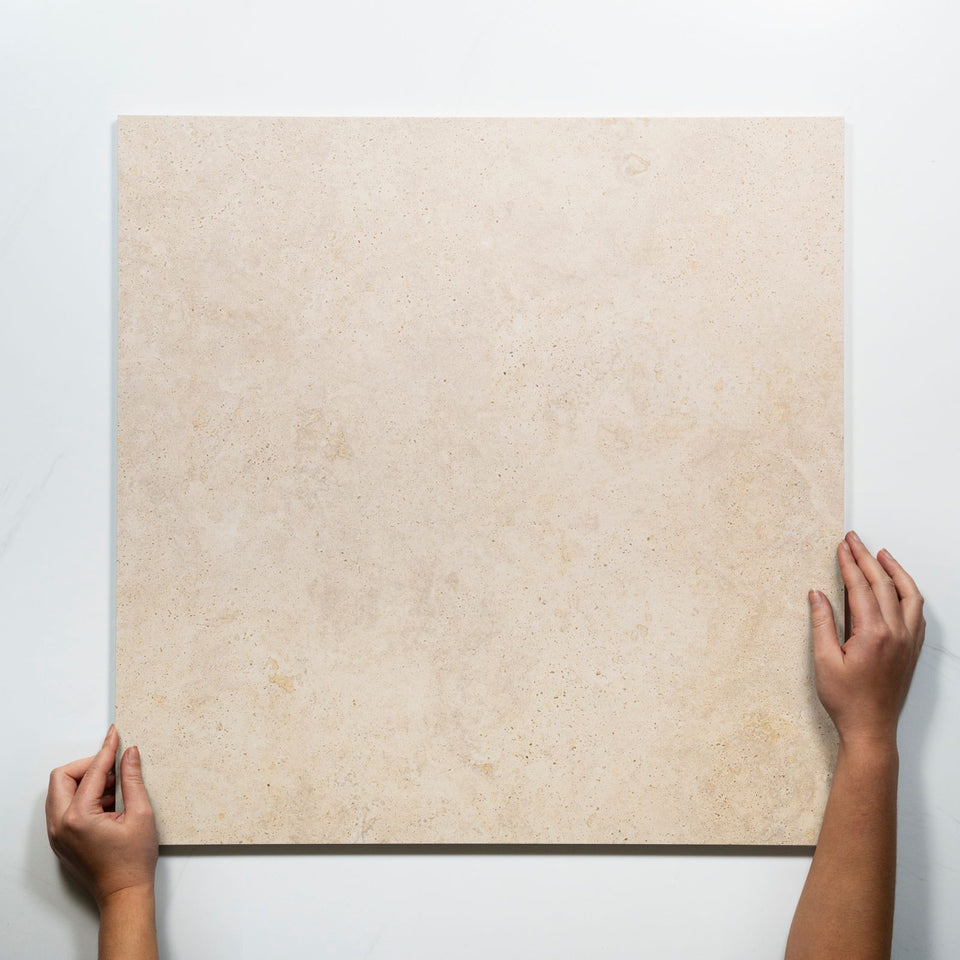

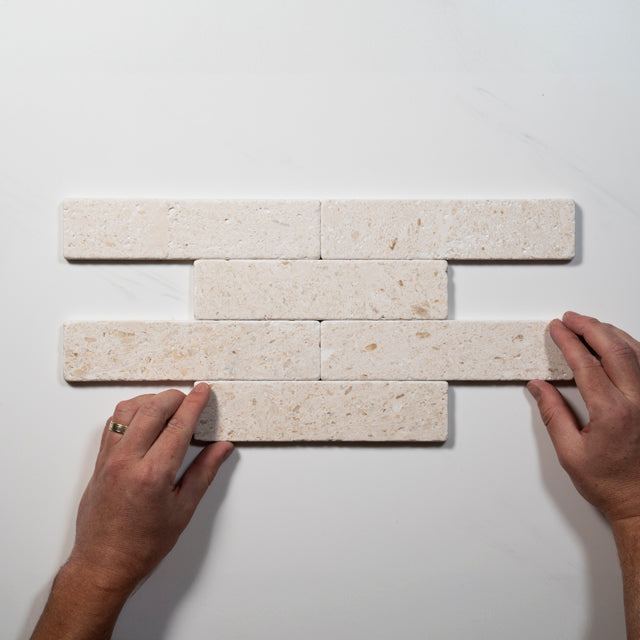
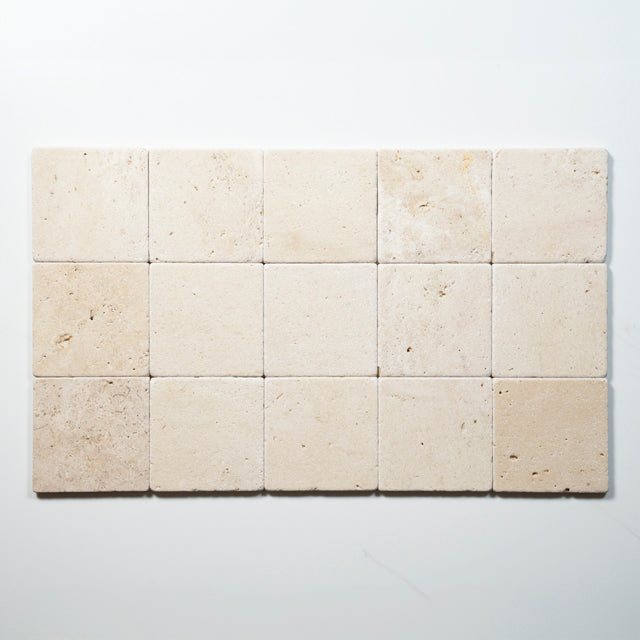
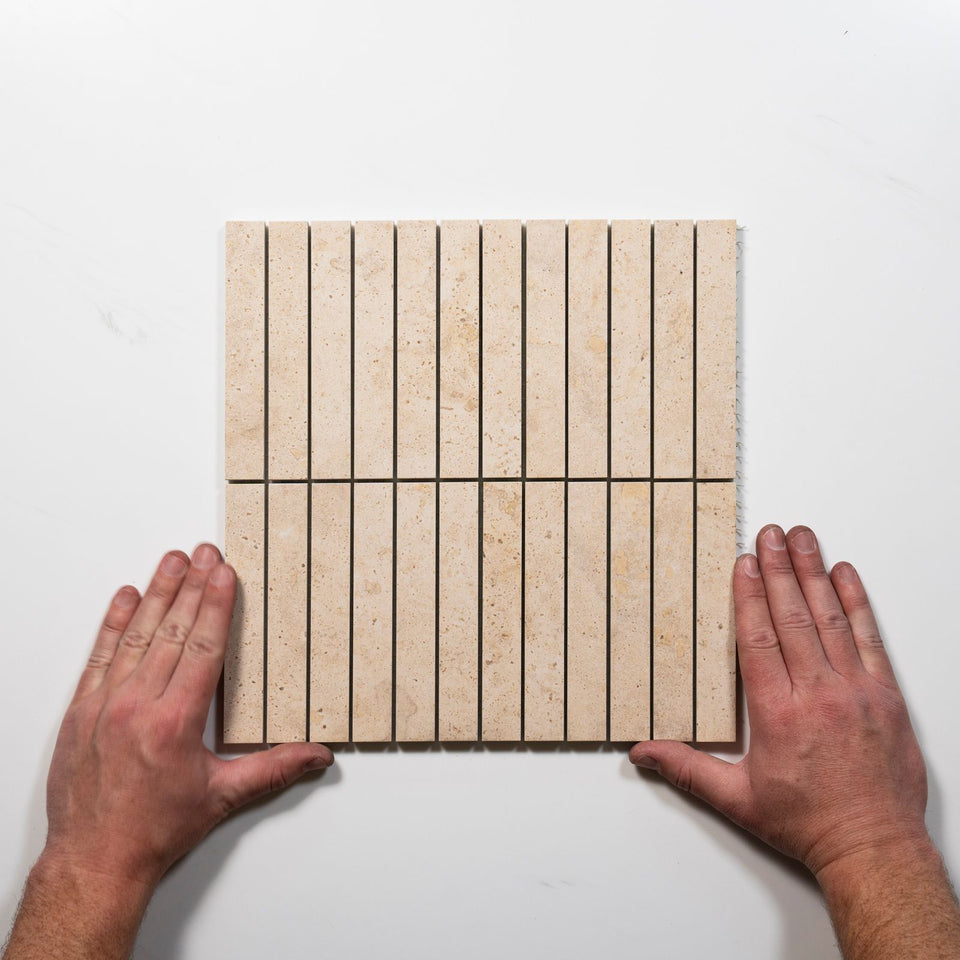
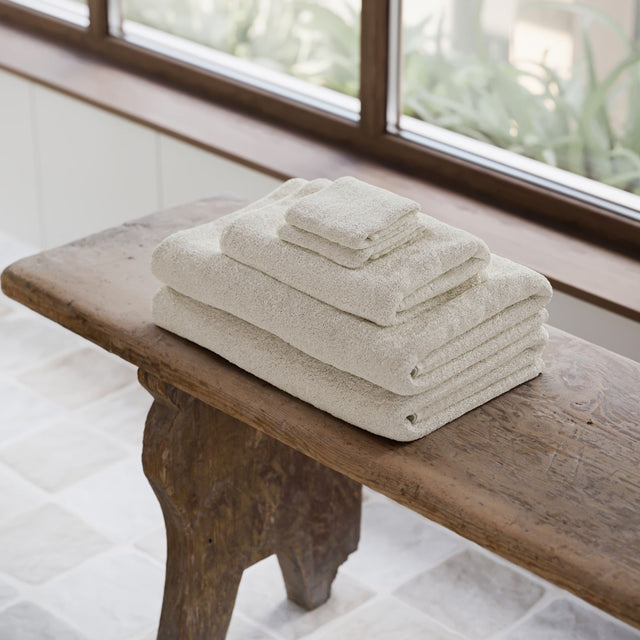
Spend over $800 and receive free gifts in your cart. Towels, accessories and full length mirrors!
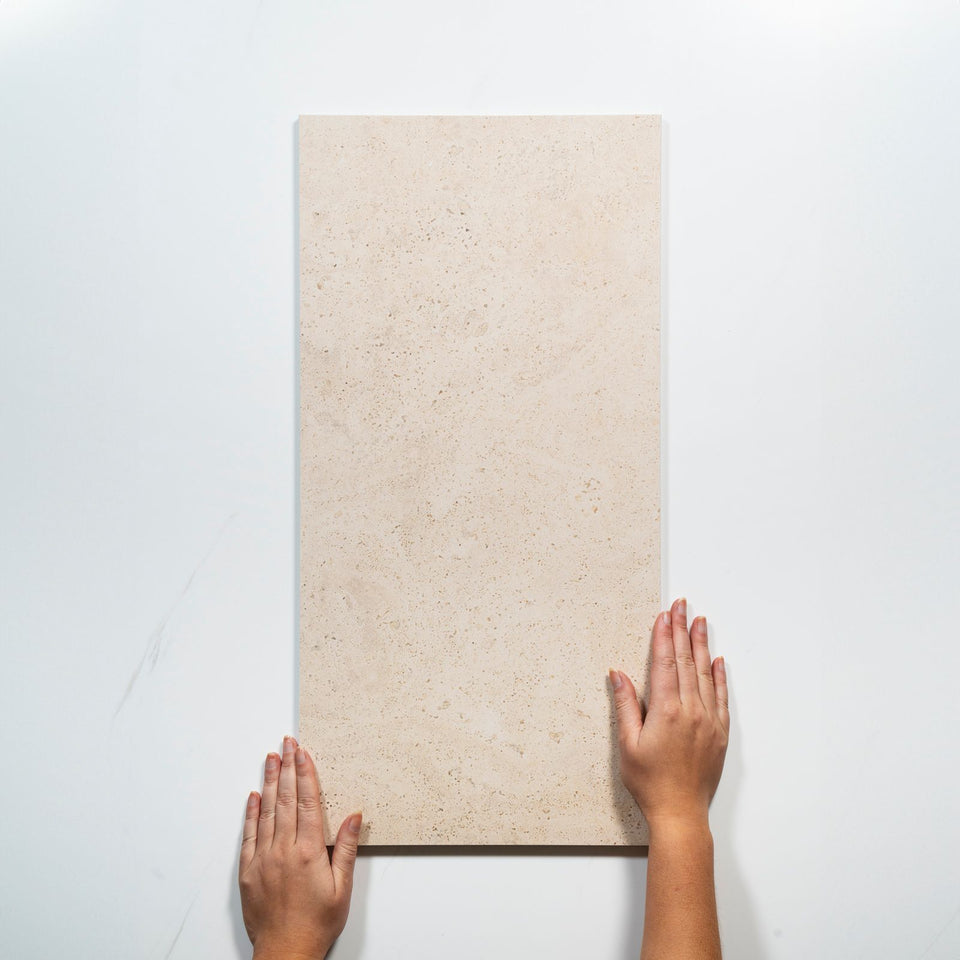
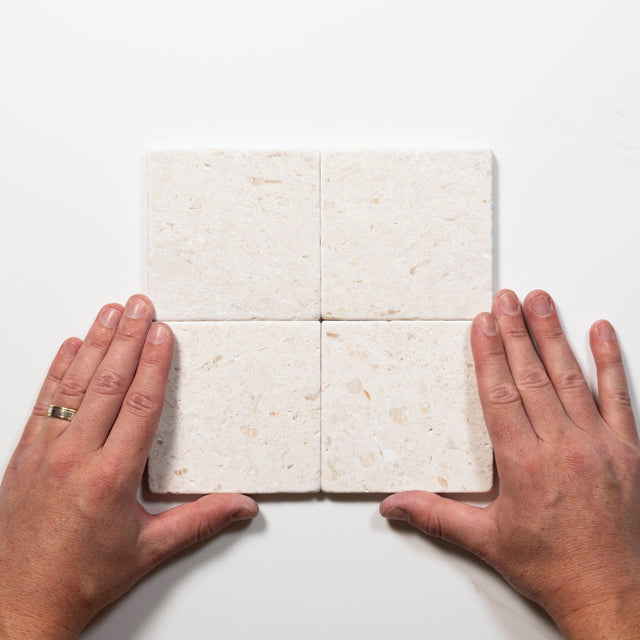
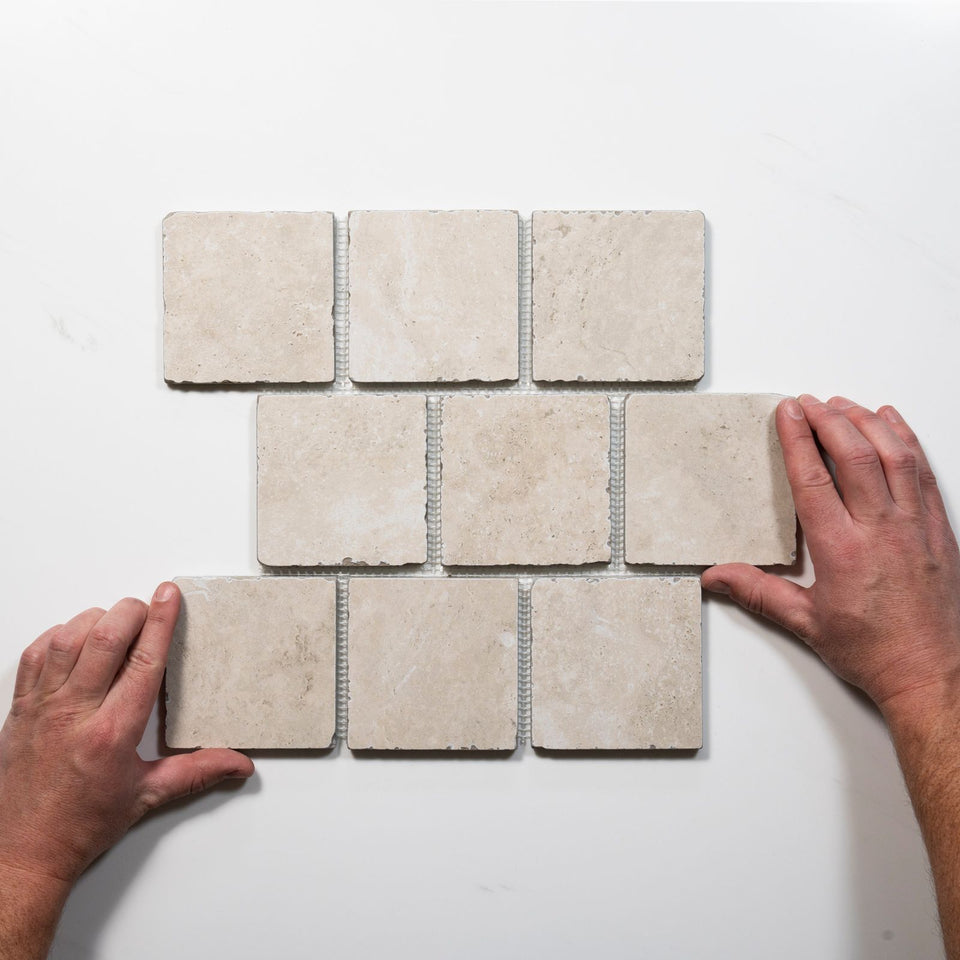
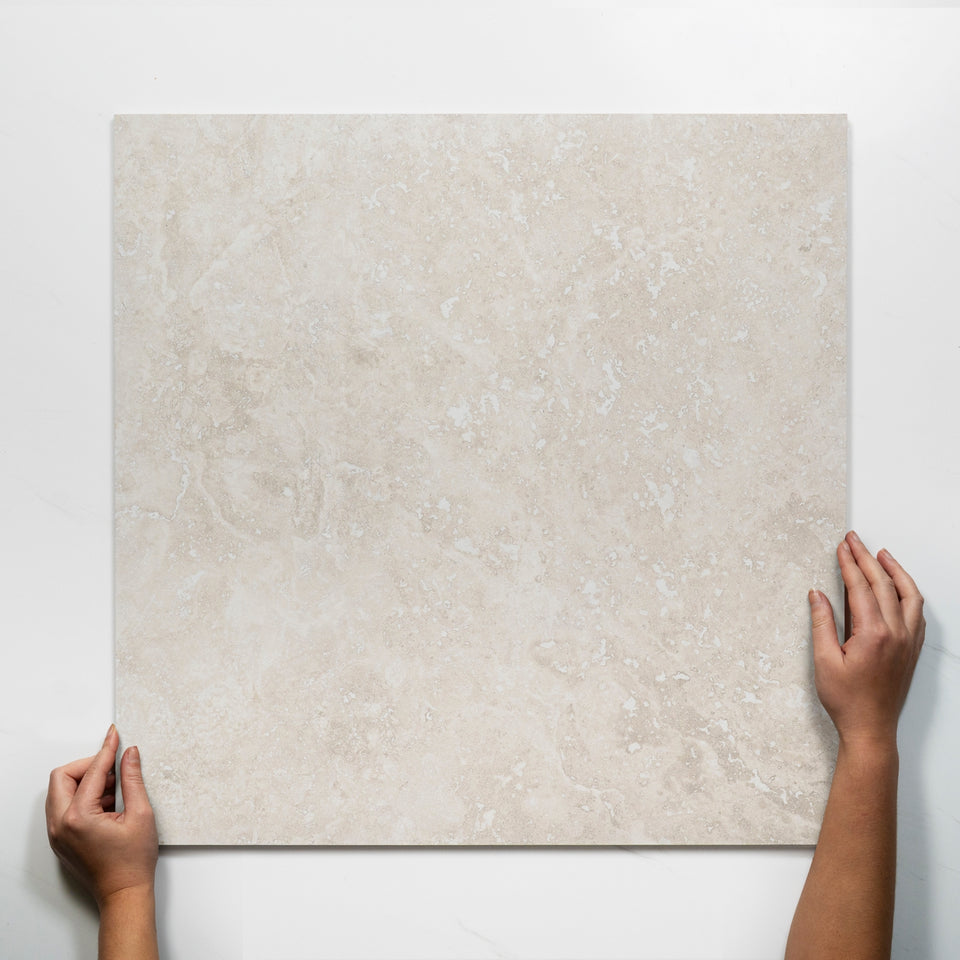
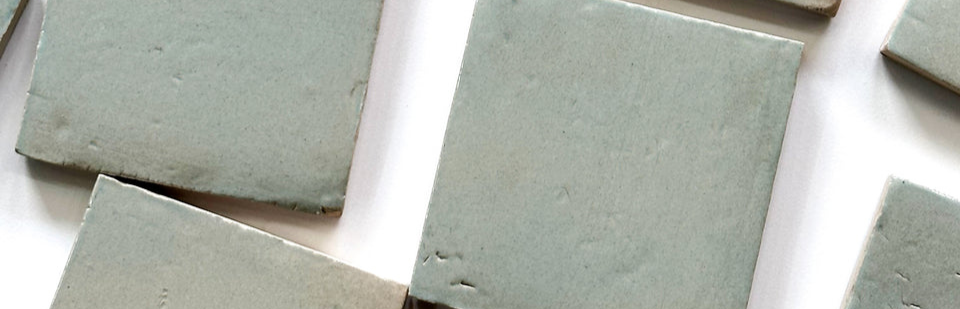
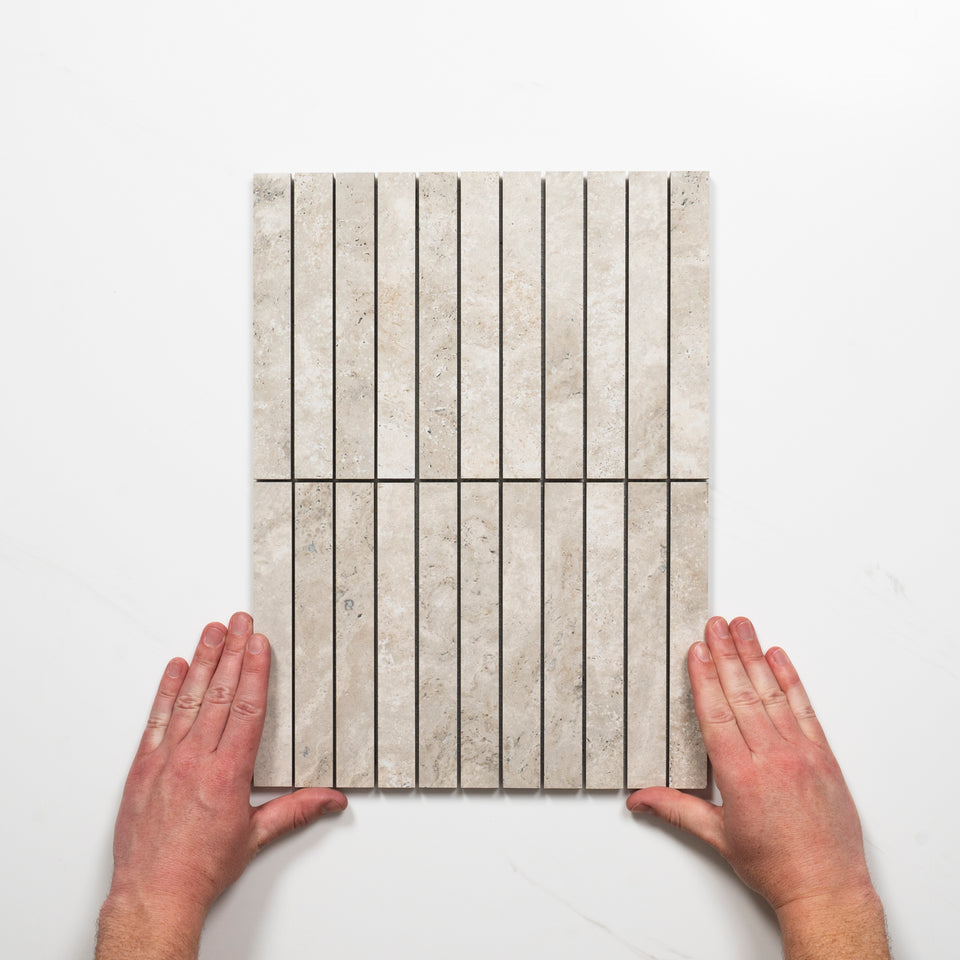
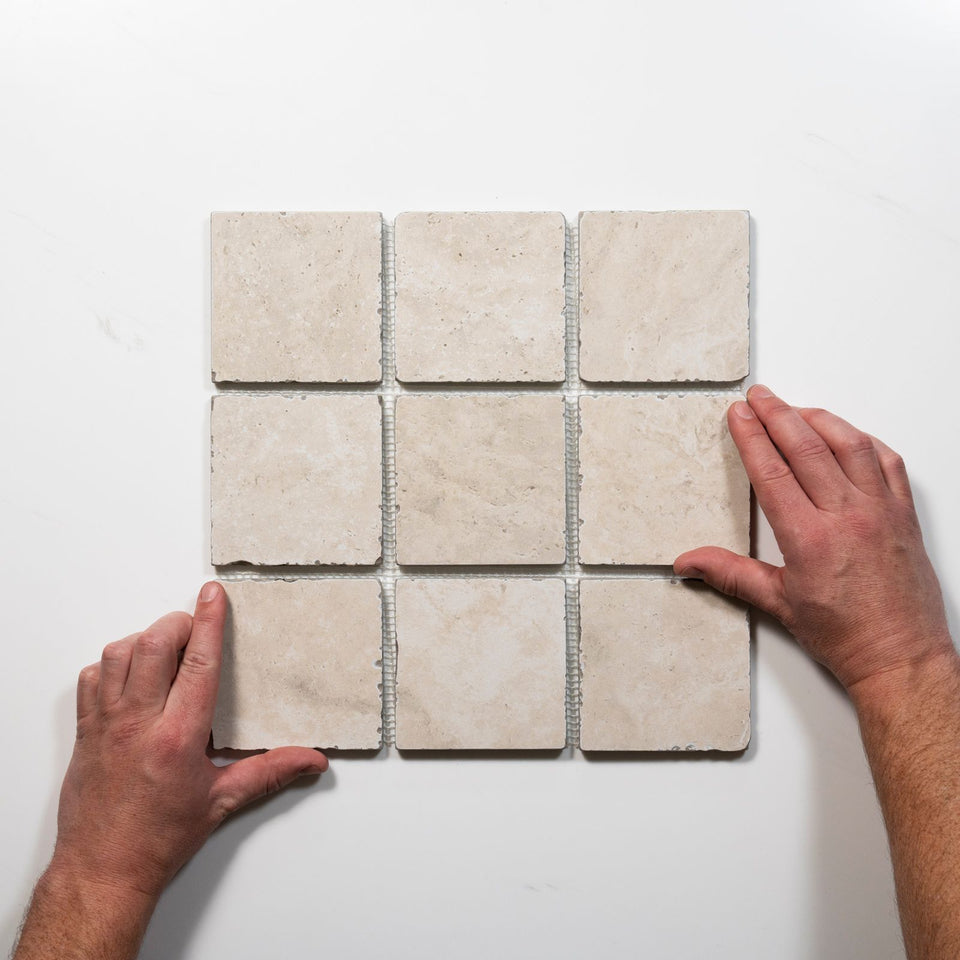
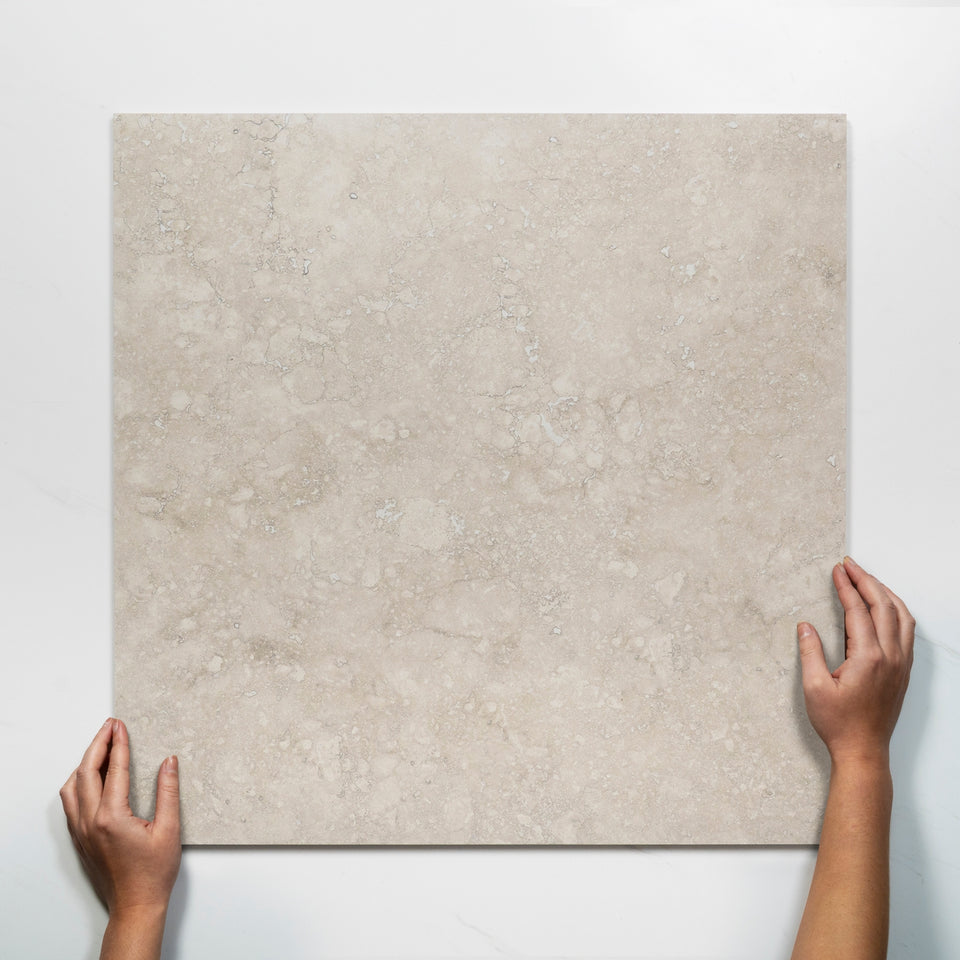
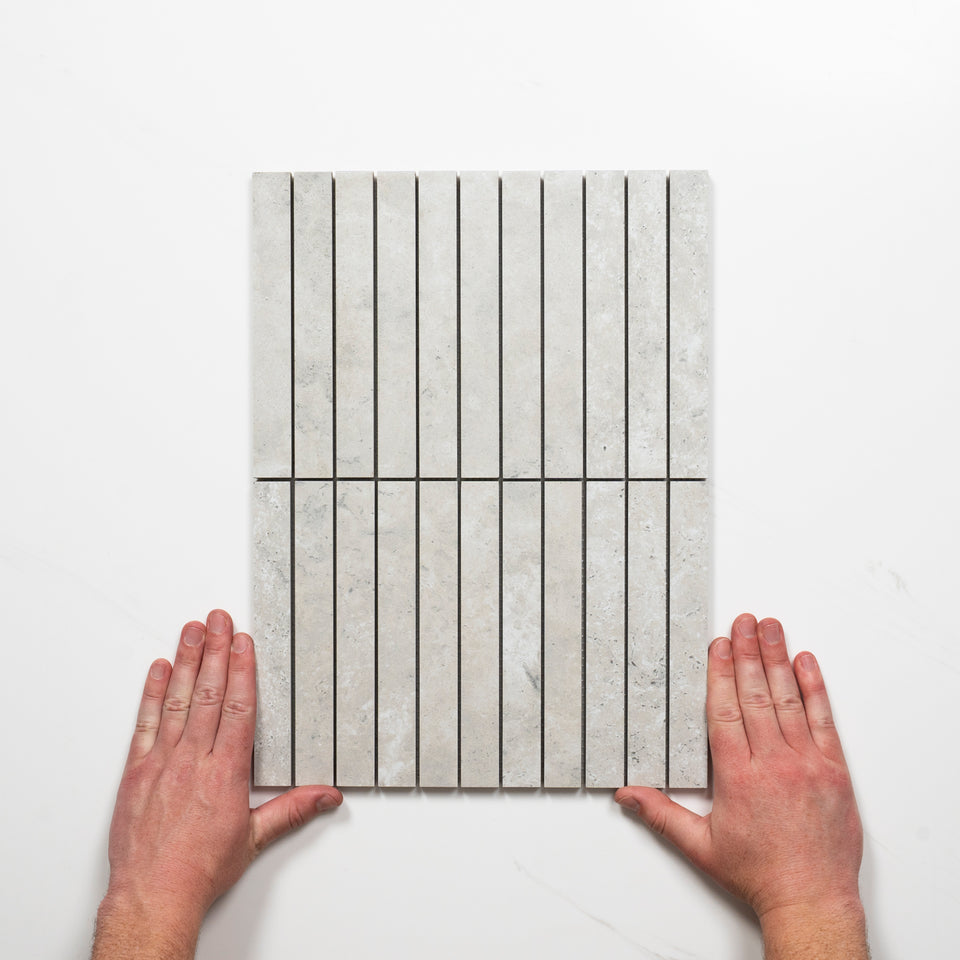
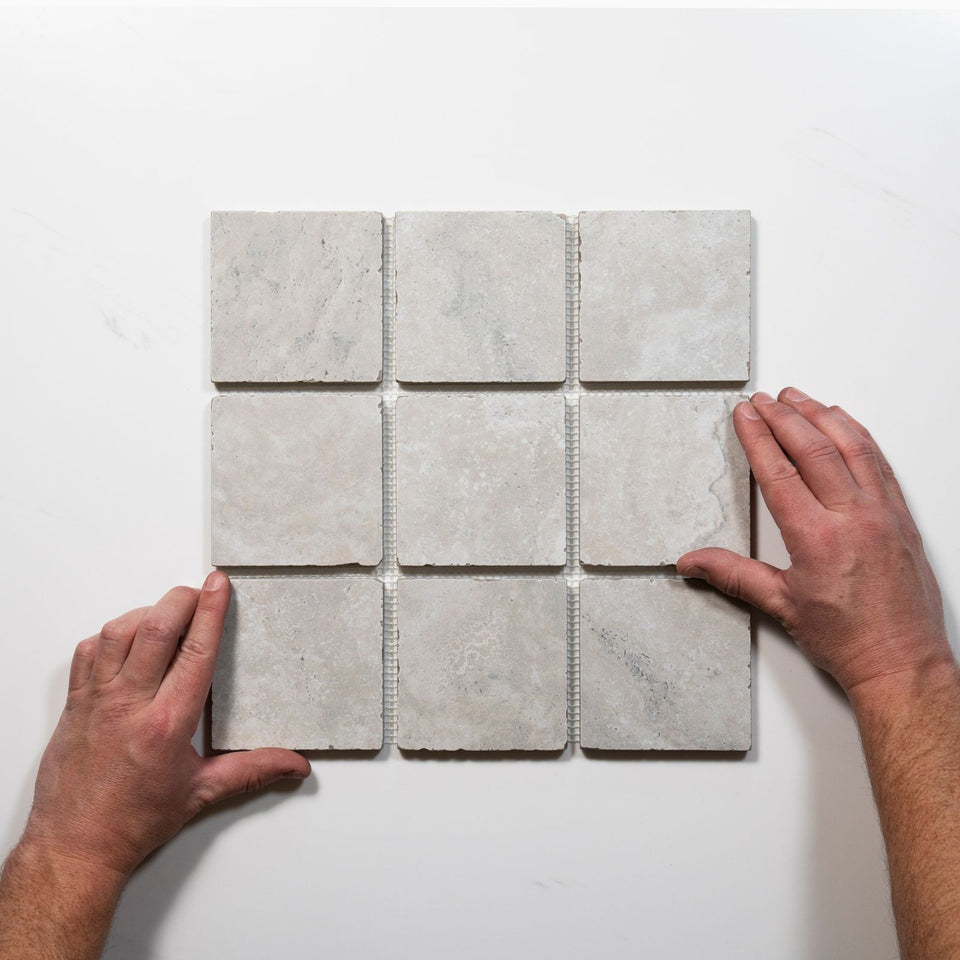
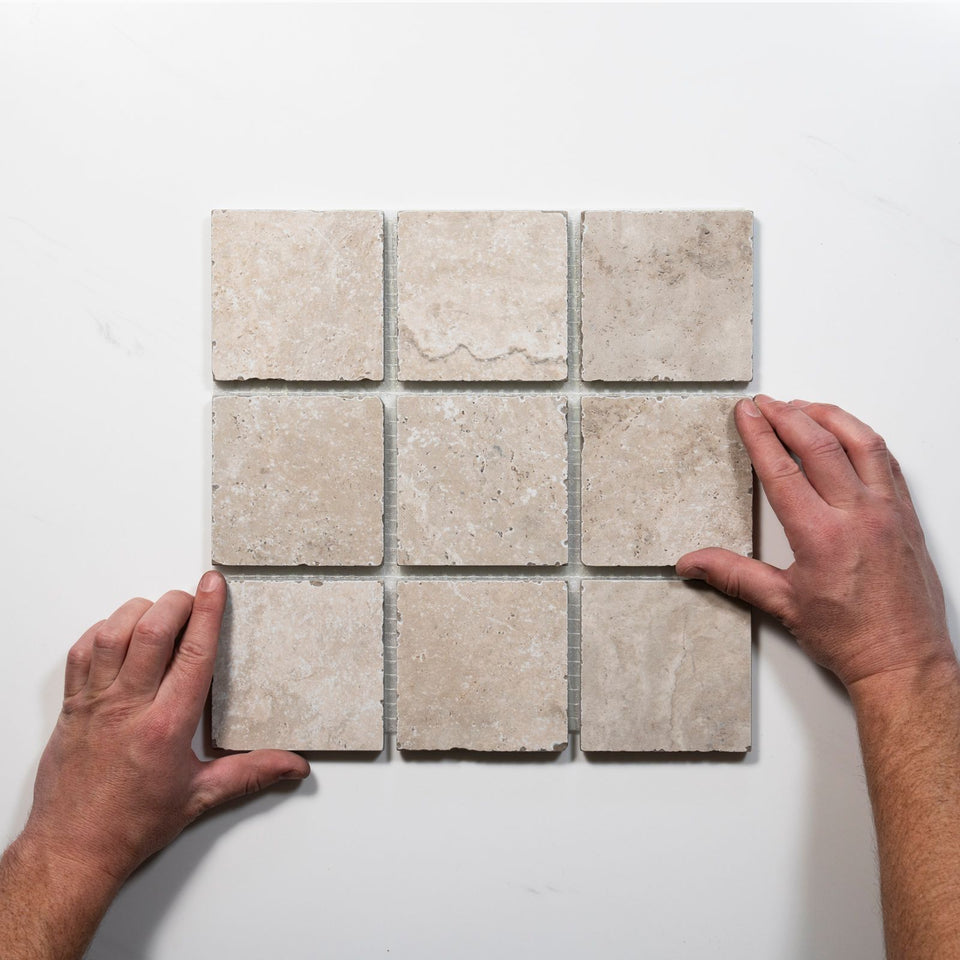
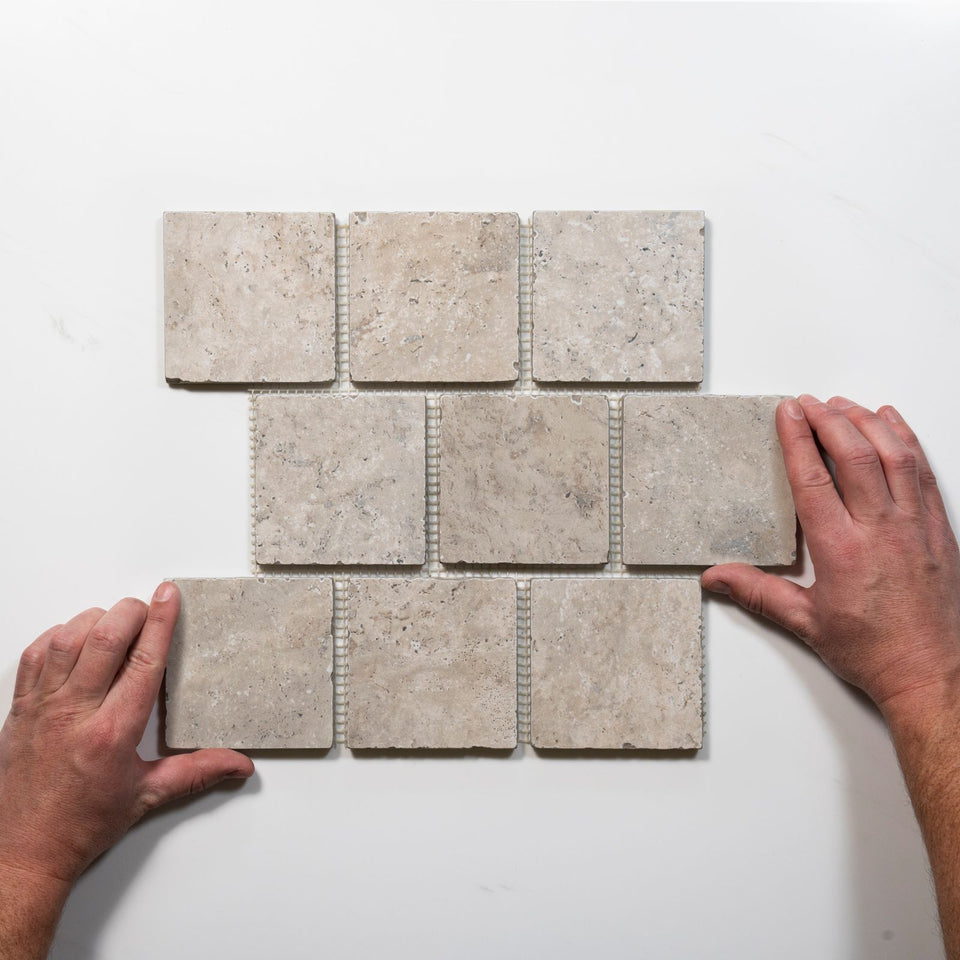


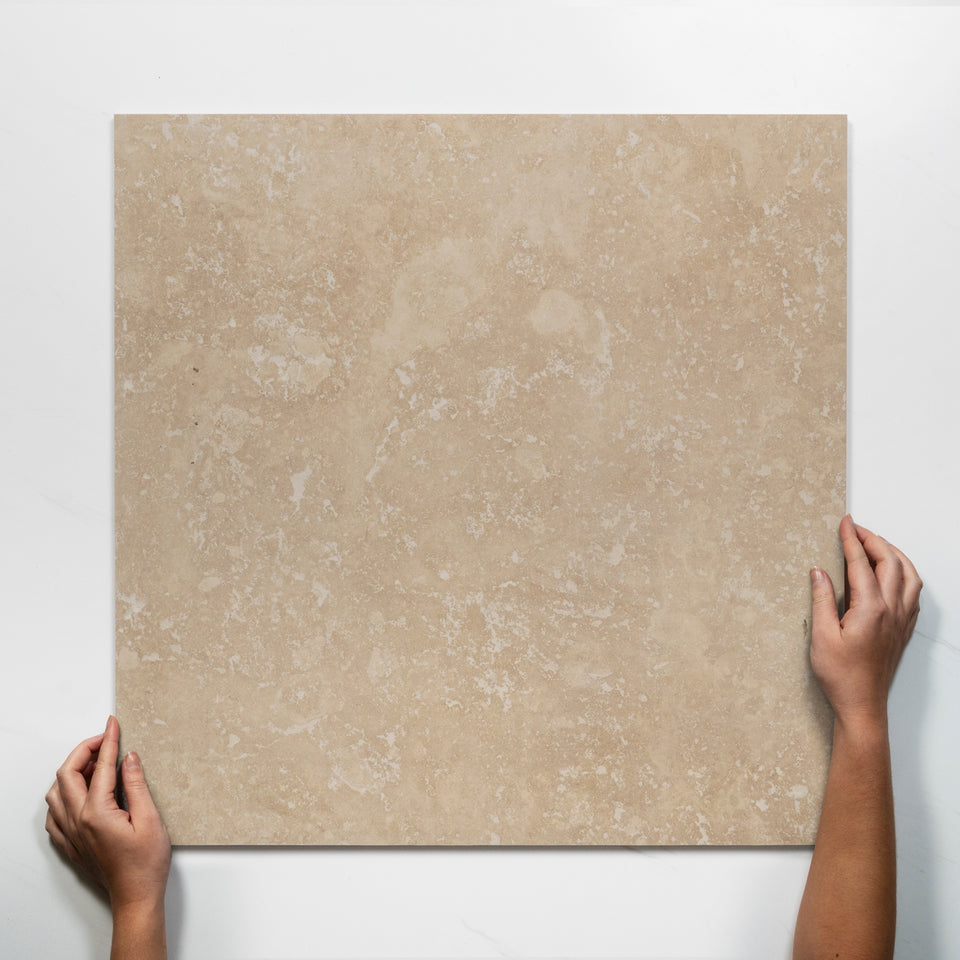

Coastal tiles are less about a single product and more about a mood. The best results come from tiles that echo what you would find near the shoreline, from sea foam and driftwood through to sandy neutrals and soft blues. If you are renovating a bathroom, kitchen or outdoor entertaining area and want that relaxed beach house feel, the tile you choose is one of the biggest levers you can pull, because colour and texture do most of the visual work in a room.
Coastal interiors lean on a restrained palette rather than bold contrast. Whites, off whites, warm sands and pale blue grey tones are the foundation, often paired with a single deeper accent such as navy or charcoal in fittings or joinery rather than the tile itself. When you are browsing our coastal tile range, look for finishes that feel washed out or weathered rather than glossy and saturated, as this is what reads as relaxed rather than formal.
A big part of achieving a genuine coastal look is surface texture. Subtle variation across each tile, gentle movement in the pattern, or a slightly matte and tactile finish will all help a space feel more organic and less uniform than a high gloss tile. This kind of texture also tends to be more forgiving with everyday marks and water spots, which is useful in bathrooms and kitchens that see a lot of use.
Coastal tiles suit a wide range of spaces around the home. In bathrooms they pair naturally with timber look vanities and simple, uncluttered tapware. In kitchens they can be used as a splashback to introduce texture without competing with cabinetry. Outdoors, a coastal palette can tie a courtyard or alfresco area back to the rest of the home, provided you check that the specific tile you are considering is rated for the location you have in mind.
Before finalising a coastal tile, think through where it is going and how it will be used day to day. Wet areas such as showers need a tile with an appropriate slip rating, while high traffic floors benefit from a harder wearing finish. It is also worth ordering a sample where possible, since lighting in your own home can shift how a pale, natural toned tile reads compared to how it looks online or in a showroom.
Once you have settled on a tile, the rest of the room should support rather than fight it. Simple grout in a close, neutral tone will keep the finish looking calm, while natural materials such as timber, rattan and linen in soft furnishings reinforce the coastal feel. The goal is a space that feels effortless, so resist the urge to introduce too many competing colours or patterns once your tile is in place.
Our coastal tile range brings together a curated selection of tiles chosen for this kind of light, natural aesthetic, giving you a straightforward starting point whether you are refreshing one room or planning a full coastal inspired renovation.


