Skip to content

Door Stops

76 Items

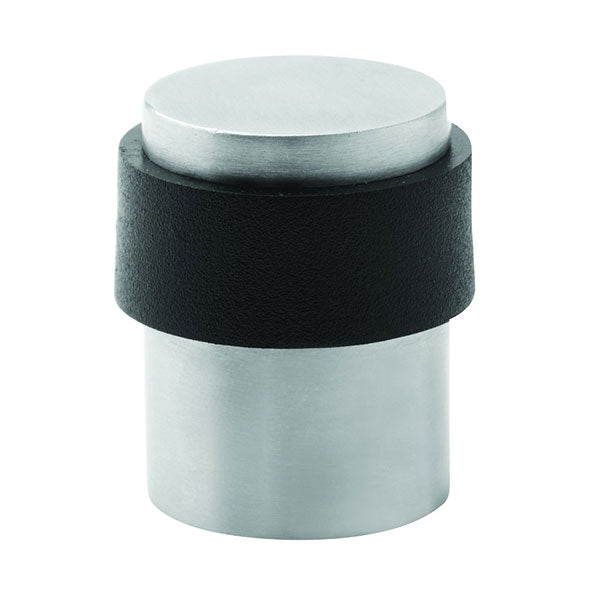
  • Lockwood A280 Round Door Stop Satin Stainless SteelLockwood A280 Round Door Stop Satin Stainless Steel

    Lockwood A280 Round Door Stop Satin Stainless Steel

    Checking delivery...
    $24
  • Lockwood A350 Door Stop Satin ChromeLockwood A350 Door Stop Satin Chrome

    Lockwood A350 Door Stop Satin Chrome

    Checking delivery...
    $12
  • In Stock
    Lockwood A250 Door Stop Chrome PlateLockwood A250 Door Stop Chrome Plate

    Lockwood A250 Door Stop Chrome Plate

    Checking delivery...
    $10
    $4 (-28%) OFF RRP of $14
  • In Stock
    Lockwood A250 Door Stop Satin ChromeLockwood A250 Door Stop Satin Chrome

    Lockwood A250 Door Stop Satin Chrome

    Checking delivery...
    $10
    $4 (-28%) OFF RRP of $14
  • Lockwood A292 Half Moon Door Stop Brushed Satin ChromeLockwood A292 Half Moon Door Stop Brushed Satin Chrome

    Lockwood A292 Half Moon Door Stop Brushed Satin Chrome

    Checking delivery...
    $5
  • Free Gifts!

    Free Gifts!

    Spend over $800 and receive free gifts in your cart. Towels, accessories and full length mirrors!

    Find Out More
  • Lockwood A300 Door Stop Polished StainlessLockwood A300 Door Stop Polished Stainless
    Sold out

    Lockwood A300 Door Stop Polished Stainless

    $17
    $10 (-37%) OFF RRP of $27

Door Stops Buying Guide


A door stop is a small fitting, but it does real work in a home, particularly in high-traffic areas where a door is opened and closed frequently enough that repeated contact with a wall or piece of furniture eventually causes visible damage. Beyond that practical role, a door stop is also one of the more overlooked opportunities to carry a hardware finish through a room consistently, since it sits at floor or door height alongside the handle itself.

Types of door stops

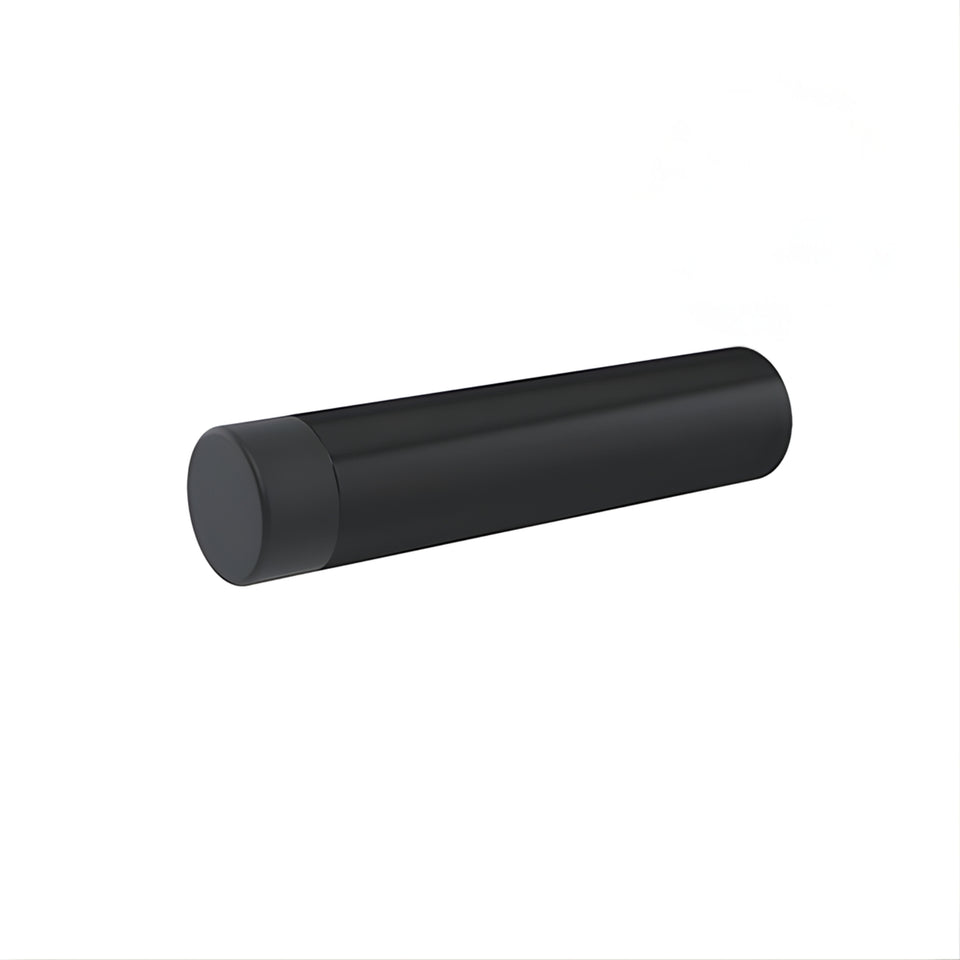
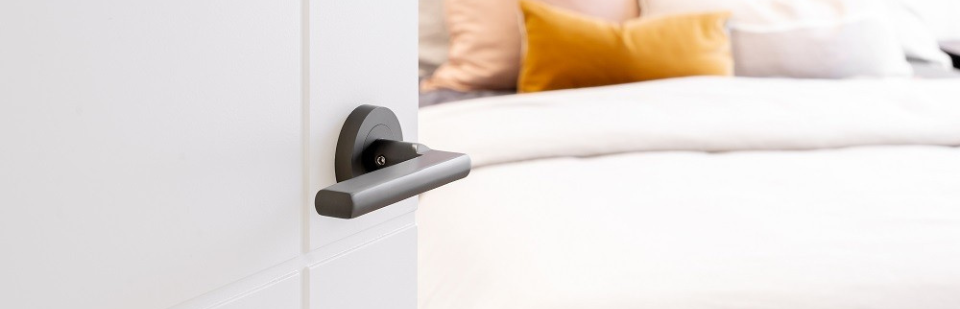
  • Wall mounted stops attach directly to the wall to cushion the door before it makes contact, and suit areas with limited floor space where a floor-mounted stop would be underfoot. They pair well with a matte black door handle for a considered, contemporary look, since both sit at a similar visual weight in the room
  • Floor mounted stops are fixed to the floor and suit doors that open to their fullest extent, giving a firm stopping point without any wall-mounted hardware. These are available across a range of finishes, and pairing one with a brushed brass door handle keeps the hardware finish consistent from door to floor
  • Spring stops offer a more flexible, cushioned stopping action, often chosen for bedrooms and playrooms where a softer contact point is preferred over a fixed, rigid stop
  • Magnetic stops serve a different purpose again: rather than limiting a door's swing, they hold it open. Magnetic stops secure a door in an open position via a magnetic catch, while kick-down stops are manually engaged with a foot to hold the door ajar. Both suit areas where a door needs to stay open for extended periods, such as a hallway or laundry

Matching door stops to existing hardware

A door stop is easiest to choose once the door handle finish for a room is settled, since matching the two keeps the hardware reading as one considered decision rather than an afterthought. Gunmetal door stops suit a gunmetal handle set, and a classic chrome door handle pairs naturally with a polished stainless steel door stop, since both share the same cool, reflective character.

For a still-cohesive but slightly less exact match, satin brass or brushed brass door stops work well alongside similarly warm-toned handle finishes, without needing to be an identical shade.

Installation

Fitting a door stop is generally straightforward, whether it's being screwed to the adjoining wall, skirting board, or the door itself, using a drill and the screws provided. Marking the intended position in pencil before drilling helps confirm placement is correct before committing to a fixing point.

A few things are worth checking before installation:

  • Placement position the stop where it will absorb the door's movement effectively without sitting in a spot that's awkward to walk past
  • Clearance confirm the stop won't interfere with the door's full swing or with nearby hardware such as hinges
  • Durability choose a stop rated for daily use in busier areas, such as entryways, where it will be engaged frequently

Will a door stop damage my floors or walls?

Not if the right material is chosen for the surface. Door stops with non-marking materials, such as rubber or soft plastics, are suitable across hardwood, tile and carpet flooring without scratching or denting the surface. Confirming the installation method suits the specific floor or wall type before fitting helps avoid this kind of damage.

Can a door stop be used to keep a door open?

Yes. Magnetic door stops hold a door open via a magnetic catch, while kick-down door stops are manually engaged with a foot to keep the door ajar. Both are useful in spaces where a door needs to stay open for an extended period, rather than being limited to a single, fixed opening position.

Brands in this collection

This collection includes door hardware from Nidus, Lane, Lockwood and Zanda, allowing a door stop to be matched directly to a handle set from the same brand and finish family where an exact match is the goal.

Completing the room

A door stop is easiest to finalise once the door handle finish is settled, since the two are worth choosing as a matched pair rather than separately. The Blue Space's Door Handles collection is worth reviewing alongside a door stop selection, so the hardware throughout a room, or a whole home, reads as one considered choice.

Frequently Asked Questions

What is a door handle set and what does it include?

A door handle set (also called a door lever set or door furniture set) typically includes the lever handles for both sides of the door, a rose or backplate, a spindle to connect the handles, and fixing screws. Some sets also include a latch or lock mechanism. In Australia, door handles must comply with AS 4145 standards for security and durability. The Blue Space stocks door hardware from Zanda, Lockwood, and other trusted Australian brands.

What is the most popular door handle style in Australian homes?

Contemporary lever handles with a round or square rose are the most popular style in Australian homes currently. Matte black and brushed nickel are the dominant finishes in new and renovated homes. Traditional rounded lever handles in polished chrome or brushed nickel suit classic and Hamptons-style homes. Choosing a consistent handle style and finish throughout the home creates a cohesive, well-designed result.

What is the difference between a lever handle and a knob

A lever handle is operated by pressing down on an elongated arm, it is accessible for people with limited hand strength and is the most common door handle type in Australian homes. A door knob requires gripping and turning, which some users find less accessible. Under the Disability Discrimination Act, lever handles are recommended in accessible homes and are increasingly standard in new builds.

What is an entrance handle set?

An entrance handle set is a door handle set designed specifically for the front or entry door of a home. It includes a keyed cylinder lock integrated into the handle or separate lockset, providing external security. Entrance sets are available in a range of styles from contemporary to traditional and must be rated for external use, exposed to the elements, with weather-resistant finishes.

What is a dummy door handle?

A dummy handle is a non-functional door lever or knob that is decorative only, it does not operate a latch or lock. Dummy handles are used on doors that don't require a latch (such as double doors where one door is fixed, wardrobe doors that slide or swing without a latch, or decorative cabinet doors). They give the door the appearance of a complete handle set without the mechanical function.

What is a passage handle set?

A passage handle set includes two lever handles connected by a spindle that operate a latch, allowing the door to be opened from either side without a lock. Passage sets are used on internal doors where privacy is not required: hallways, living areas, home offices, and children's bedrooms. They are the most commonly used internal door handle set in Australian homes.

What is a privacy handle set and where is it used?

A privacy handle set includes a locking mechanism that can be engaged from inside the room, typically a simple push-button or turn-snib and can be unlocked from outside in an emergency using a small pin or coin. Privacy handles are used on bathroom, toilet, and bedroom doors where privacy is required but a keyed lock is not necessary.