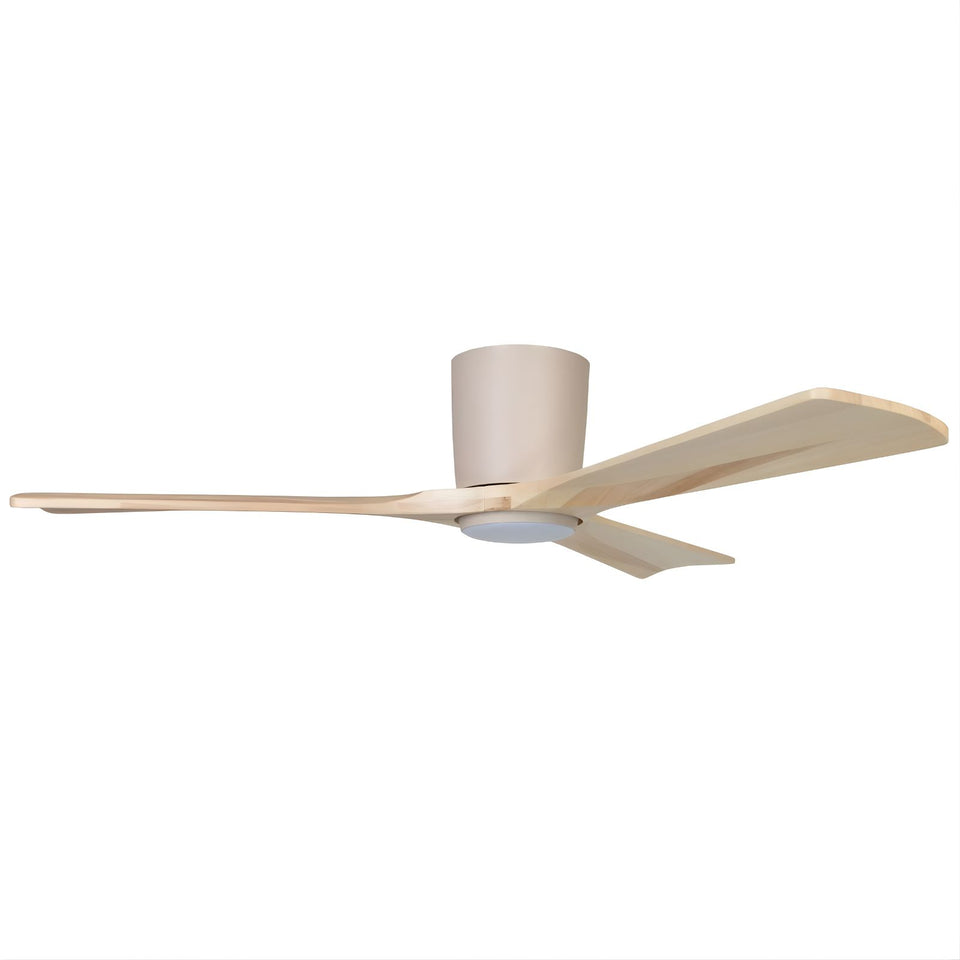
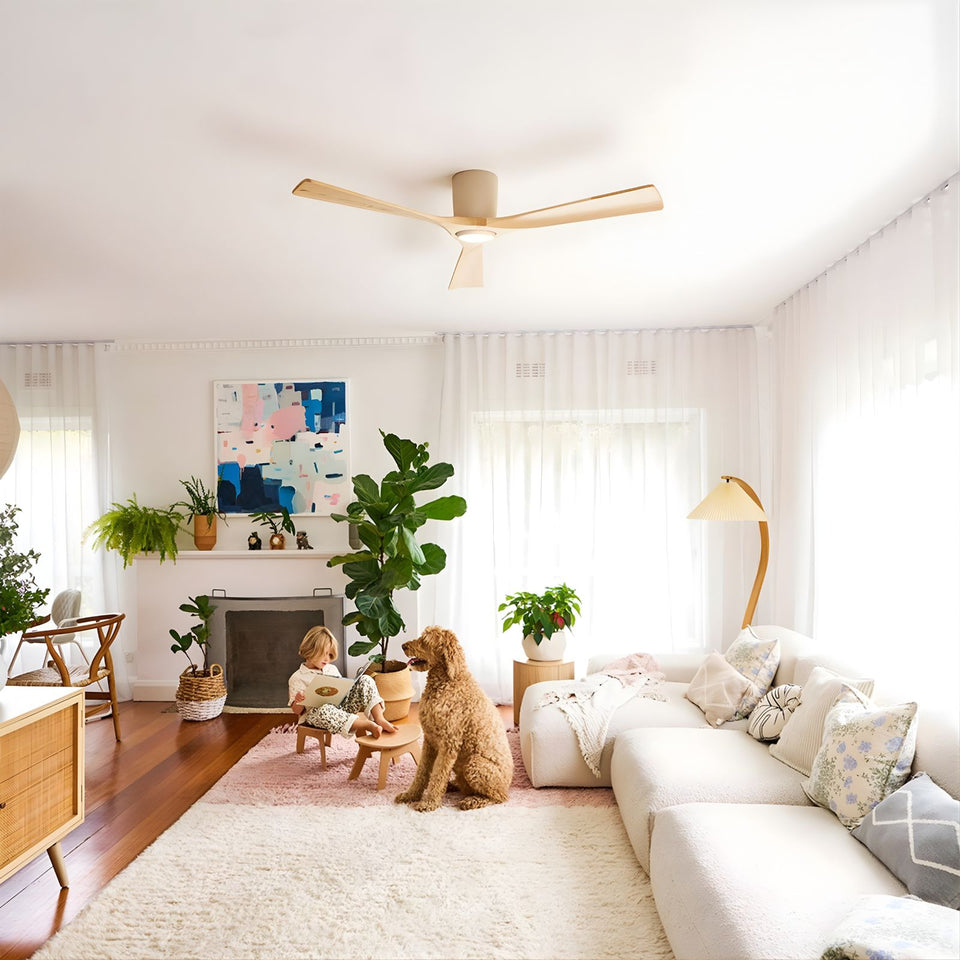
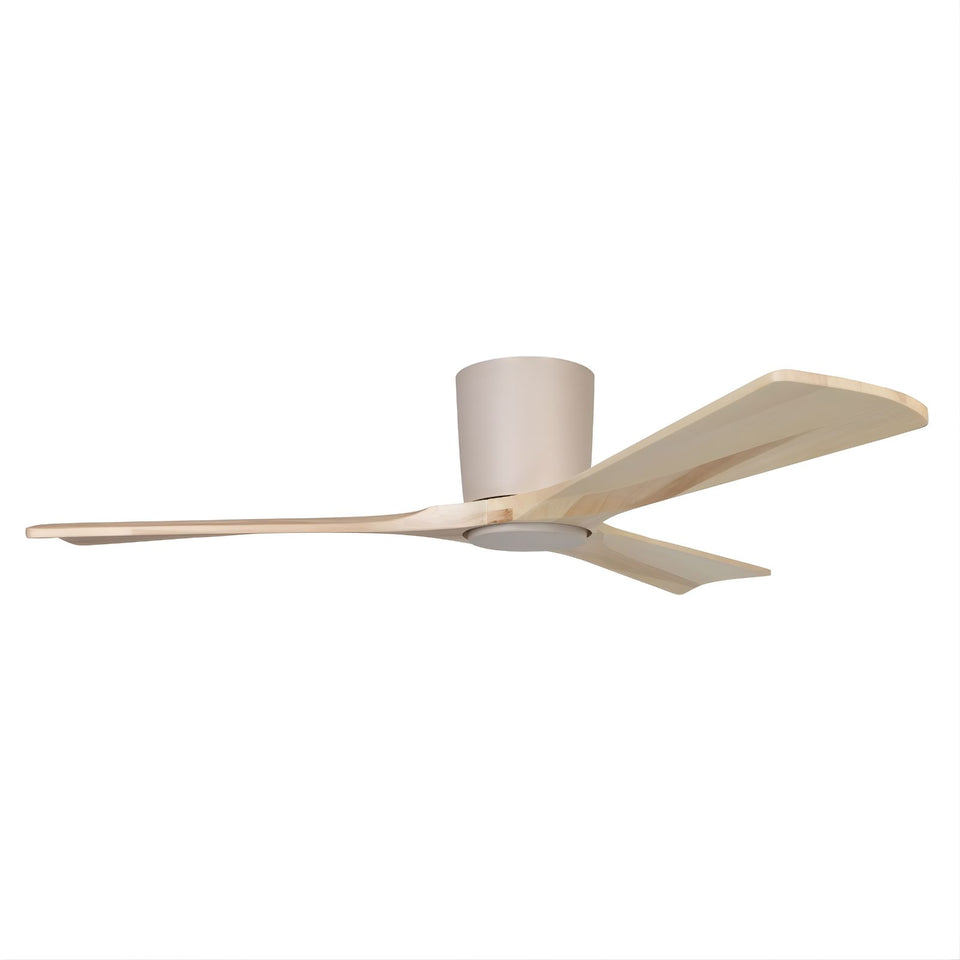
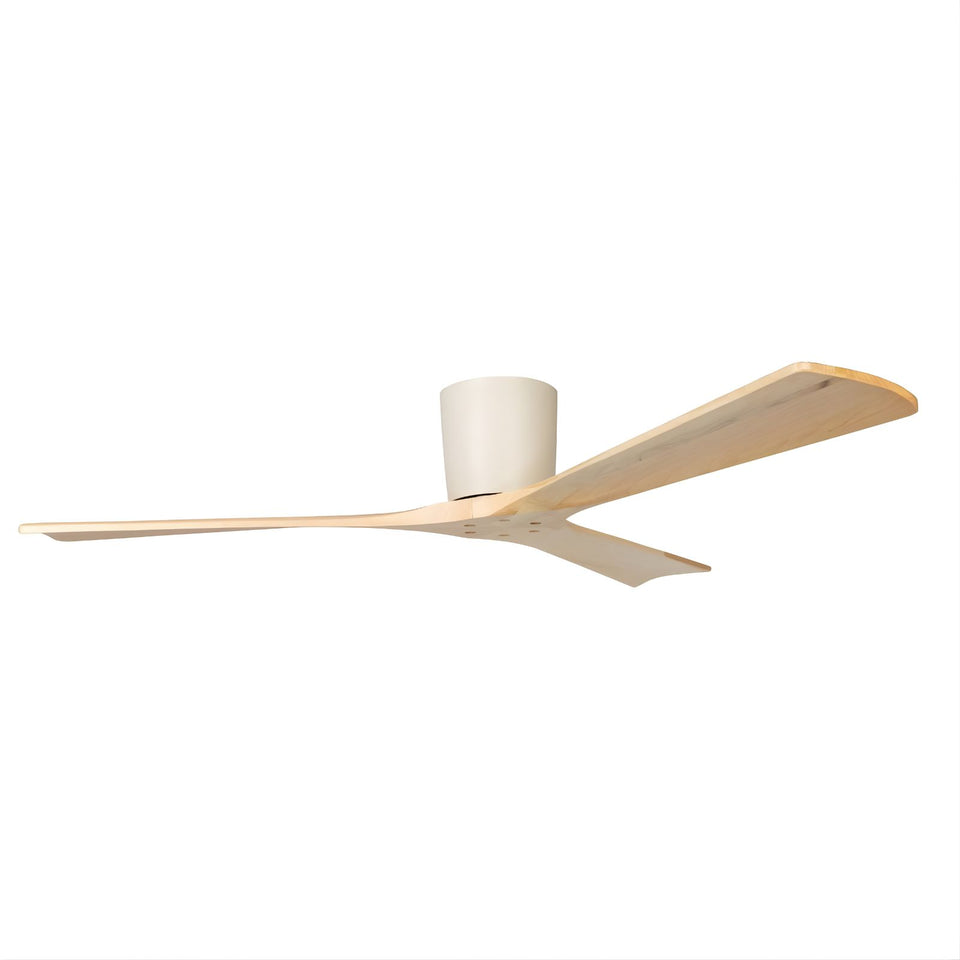
Fanco EarthFirst Gaia DC Ceiling Fan
6 Items
-
Sustainable Style


Sold out Fanco EarthFirst Gaia 54" (137cm) DC Ceiling Fan with LED Light - Ecru and Na...
Checking delivery...$559$30 (-5%) OFFRRP of $589 -
Sustainable Style


Sold out Fanco EarthFirst Gaia 48" (122cm) DC Ceiling Fan with LED Light - Ecru and Na...
Checking delivery...$529$20 (-3%) OFFRRP of $549 -
Sustainable Style


Sold out Fanco EarthFirst Gaia 48" (122cm) DC Ceiling Fan with Base Cap- Ecru and Natu...
Checking delivery...$469$20 (-4%) OFFRRP of $489 -
Sustainable Style


Sold out Fanco EarthFirst Gaia 54" (137cm) DC Ceiling Fan with Base Cap - Ecru and Nat...
Checking delivery...$503$26 (-4%) OFFRRP of $529 -
Sustainable Style


Sold out Fanco EarthFirst Gaia 54" (137cm) DC Ceiling Fan - Ecru and Natural Timber
Checking delivery...$503$26 (-4%) OFFRRP of $529 -

Free Gifts!
Spend over $800 and receive free gifts in your cart. Towels, accessories and full length mirrors!
Find Out More -
Sustainable Style


Sold out Fanco EarthFirst Gaia 48" (122cm) DC Ceiling Fan - Ecru and Natural Timber
Checking delivery...$469$20 (-4%) OFFRRP of $489
Frequently Asked Questions
Should I choose a DC or AC motor ceiling fan?
This choice comes down to what you value most: upfront cost or long-term efficiency. AC motor fans are the traditional, more affordable option and remain reliable workhorses. DC motor fans, by contrast, use up to 70% less energy, run quieter, and offer finer speed control, an investment that tends to reward those who value comfort and lower running costs over the years ahead.
What size ceiling fan do I need for my room?
The right fan size is determined by the dimensions of the room, not personal preference alone. As a general guide, rooms up to 12m² suit a blade span of 900–1200mm, rooms up to 20m² call for 1200–1400mm, and larger open-plan living areas often benefit from 1400mm or above. Ceiling height also plays its part, for ceilings under 2.4m, a low-profile or hugger-style fan is the wiser choice to maintain safe clearance while still delivering effective airflow.
Should my ceiling fan spin clockwise or anticlockwise?
There is wisdom in the seasons here. In summer, fans should rotate anticlockwise (when viewed from below) to push air straight down, creating a cooling breeze. In winter, reversing the fan to spin clockwise draws warm air that naturally rises back down into the room, helping redistribute heat more evenly.
Are outdoor ceiling fans different from indoor ones?
They are, and the distinction matters. Outdoor fans are built to endure the elements, rated as either "damp" (suitable for covered, sheltered areas like alfresco spaces) or "wet" (able to withstand direct rain and moisture). Installing an indoor-rated fan outdoors risks premature wear and safety issues, so it's worth confirming the rating aligns with where the fan will ultimately live.