
*View accurate shipping rates and availability






326 Items



Up to 70% off storewide, free metro shipping over $500, and free gifts from $800. Spend more to unlock luxury towels and mirrors.*
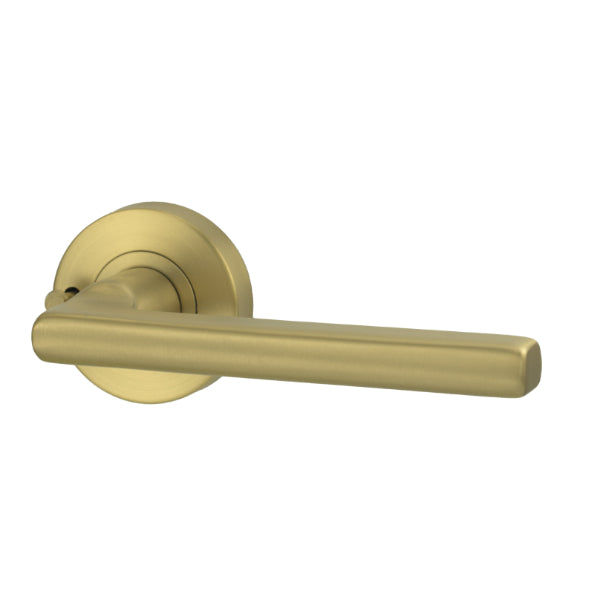





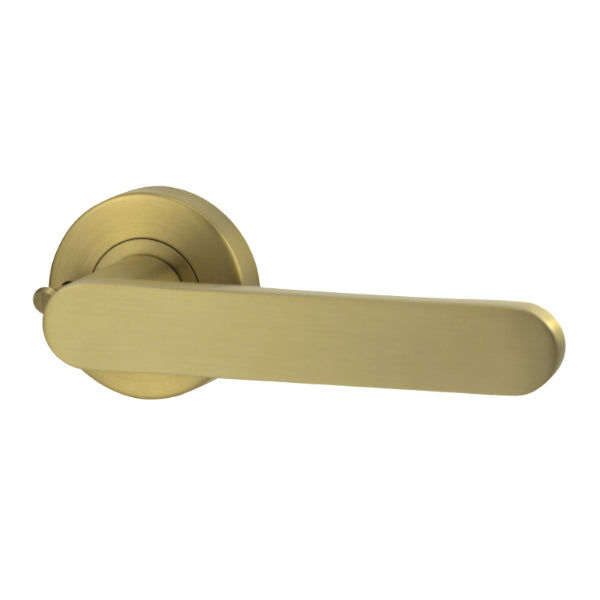

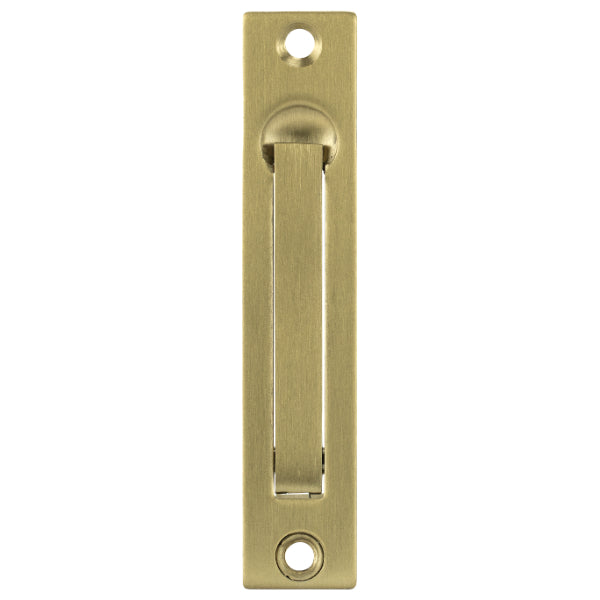
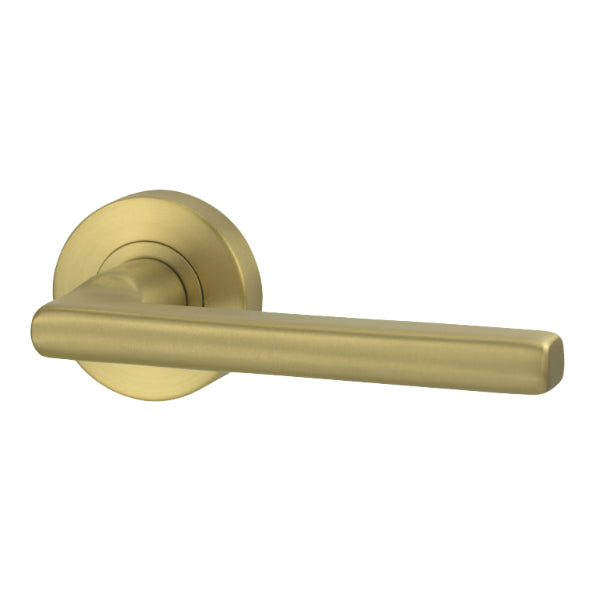
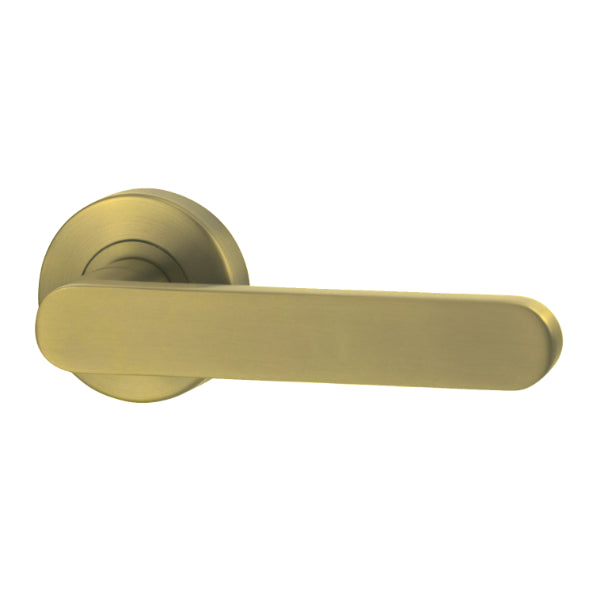

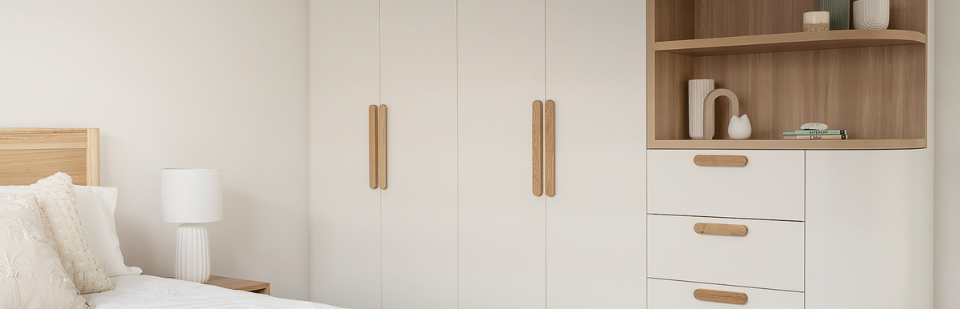


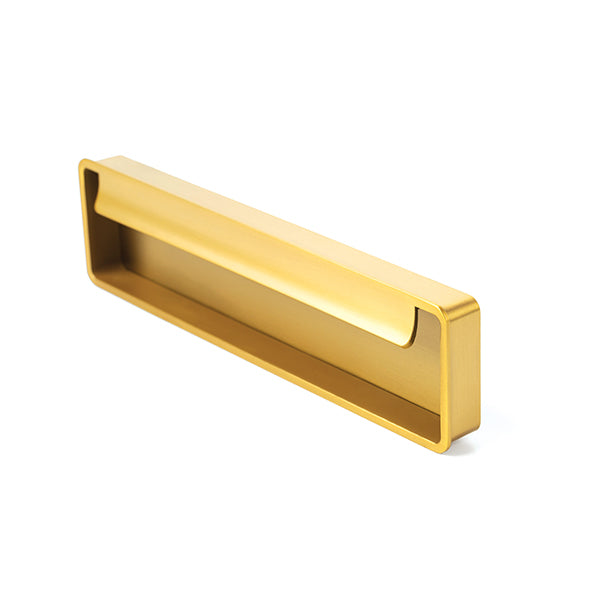


Gold on a door handle is a colour, not a metal. A gold or brushed gold handle is nearly always a gold-coloured finish on brass, zinc alloy or stainless steel, and the finish name tells you less than the specification does. This collection holds gold-toned handles, knobs, pulls, hinges, stops and locks, in brushed, satin and polished tones. This guide sets out what gold means on a product page, how it differs from brass, why gold tones vary between makers, how the finishes are made and cared for, and how to match them. For the wider range, see door handles and interior door handles.
Gold on a handle is not one finish. Brushed gold is a finish applied to gold-plated or gold-coloured metals, and the base underneath may be brass, stainless steel or another metal with a gold coating. A brushed finish has a fine directional grain that gives a soft, satin-like appearance, and the word does not describe the colour. Neither the word brushed nor the word gold reveals the metal: a brushed brass piece can be solid brass or zinc die-cast, and a gold finish does not confirm gold content, coating method or base metal. Read the material line and the finish line on the product page, because those two lines are the facts.
The product pages in this collection show the range. The Zanda Duke sets are stainless steel in satin brass, and the Zanda Visca cavity sliders are solid brass in satin brass. The Lane Bala knobs are brass in polished brass. The Lockwood Vivid levers are 304 stainless steel with a PVD finish in satin brass. The Iver Puerto flush pull is brass with a brushed gold PVD finish. The TradCo and Iver brass sets use a lacquered finish over brass. Each of these is a gold-toned handle with a different build.
The two names overlap, and the difference is mostly tone. Brass is an alloy of copper and zinc, with a colour that runs from yellowish to reddish depending on the copper, and brushed brass is a deeper, more amber, warm golden yellow. Brushed gold is usually brighter and paler, and gold tones run on a scale from warm amber or honey, through a classic mid gold, to a pale, cool champagne gold with silver undertones. True gold does not tarnish and brass is likely to, while on a handle both are finishes, so the practical difference is appearance and how the finish ages. For brass in its own right, see brass door handles, brushed brass door handles and satin brass door handles.
Gold and antique brass suit different homes. Brushed gold is a warm, light gold with a soft, non-reflective surface that suits modern and coastal homes, and antique brass is a deeper gold-brown with more visual weight, suited to heritage, Hamptons and traditional homes. Brushed gold pairs with white, beige, travertine-look tiles and light oak. Antique brass pairs with natural stone, marble and dark timber. Gold is generally easier to coordinate, and antique brass needs more careful matching of materials.
Gold finish names are not standardised. Terms such as brushed gold, brushed brass, satin gold, warm gold and champagne gold are used almost interchangeably, so a name does not reliably predict the look. Colour can vary between items because of components, batches, materials and the electroplating factory, and stores often use several suppliers, so items bought separately may differ. Photos and screens are unreliable for comparing finishes, because lighting and screen calibration shift the colour.
Light changes the result as well. Warm lighting makes gold and brass look deeper, and cool lighting makes them look lighter. Nearby surfaces shift the look too: warm oak makes brass warmer, and white marble makes it look plainly yellow. If you are matching an existing fitting, bring it to the product or compare samples against the real door, the real light and the real surfaces.
The finish process decides how a gold handle wears. It: some are lacquered, some PVD, some electroplated, and the Zanda Zurich range lists a micronised finish. Lacquer is thinner and wears first, typically on the underside of pulls and the outer edge of knobs, while PVD is more wear-resistant. Brushed brass is usually lacquered or PVD coated, which holds its colour, and unlacquered brass is the finish that develops a patina. Brushed gold is not automatically PVD, so check the manufacturing specification, and sealed finishes cannot darken with handling the way unlacquered brass does.
Clean gold-toned hardware with warm water and a soft cloth, and wipe along the grain, because wiping across it leaves streaks. Abrasive pads and harsh or acidic chemicals damage the coating, and lacquer that has been scratched through darkens permanently. Do not assume a brass polish or wax is compatible with a coated finish, and follow the maker's care instructions. Brushed gold hides fingerprints better than polished gold, which shows them at once.
Gold and brass carry a high mixing risk. Do not mix brushed gold and brass across makers or ranges without a side-by-side check in natural light. Products from one maker's range give the safest match, because premium and entry ranges from the same brand can differ. Mixing on purpose can work, with one rule: either match perfectly or contrast boldly, because finishes that are close but not identical look like mistakes. Pick one dominant metal and use the other as an accent, match undertones, and tie the mix together with a neutral scheme, a material such as marble or timber, or a third metal such as bronze or black.
For finishes that contrast well with gold, see matte black door handles, and for cooler partners see brushed nickel door handles, chrome door handles and white door handles. For darker, bronze-toned looks, see bronze door handles.
Gold is available in every function: passage for hallways and living areas, privacy for bathrooms and bedrooms, dummy handles for cupboards and wardrobes, and entrance sets for external doors. For a cohesive look, pair the handles with matching locks and latches. See passage door handles, privacy door levers, dummy door handles and entry door lock sets. For knobs in gold, see door knobs.
Keep the hinges, stops and pulls in the same gold tone as the handles. The collection includes the Lockwood Vivid half moon and wall-mounted door stops, the Zanda floor mounted and skirting fix stops, the Iver pencil door stop and the Momo solid brass hinge. See hinges, door stops, sliding door handles and flush pulls. For period homes, see heritage door hardware.
Each brand has its own tone, finish process and fixings, so buy the whole set from one range where you can. See Zanda door hardware, Iver door hardware, TradCo door hardware, Momo architectural door hardware, Nidus door hardware, Lockwood door levers and Lane door levers.
Brushed gold suits modern and coastal homes with white walls, beige tones, travertine-look tiles and light oak. Deeper antique brass tones suit heritage, Hamptons and traditional interiors with marble and dark timber. Polished tones carry more shine and suit rooms where reflection is part of the design, while brushed and satin surfaces are quieter and hide fingerprints better. In a hallway or living area, a passage handle in brushed gold reads as part of the architecture. In a bathroom or bedroom, a privacy set in the same tone keeps the doors consistent. For a darker pairing on joinery and windows, see matte black door handles.
Read the material and finish lines, and treat gold as a colour. Choose a gold tone in the light of the room, with a sample against the door, and keep to one maker's range for the whole set. Choose PVD where you want the colour fixed and unlacquered brass where you want it to age, and clean with warm water and a soft cloth along the grain. That order avoids the common mistakes: two golds that do not match, a coating scratched by an abrasive cleaner, and a finish name taken as proof of the metal.
Neither wins on material, because both names describe a colour finish. Brushed gold is generally brighter and paler, and brushed brass is deeper and more amber. Brushed gold is warm and non-reflective, which suits modern and coastal rooms, and antique brass is a deeper gold-brown that suits heritage, Hamptons and traditional homes. Choose by the room and by the other metals in it.
Brass is an alloy of copper and zinc. Brushed gold is a finish applied to gold-plated or gold-coloured metal, and the base underneath may be brass or stainless steel. The names are not standardised, so brushed gold, brushed brass, satin brass and champagne are sometimes used almost interchangeably. A brushed brass piece may be solid brass or zinc die-cast, so judge the actual piece by its product page and not the finish name.
Gold tones range from warm amber or honey through mid gold to a pale champagne with silver undertones. Light changes the look: warm light deepens gold and brass, and cool light lightens them. Nearby surfaces shift it too, so a handle against warm oak reads differently from the same handle against white marble. Compare a sample in the room before you order.
Gold and brass carry a high risk of clashing when mixed, because the tones are close but not the same. The safest route is hardware from one maker's range, and the other is to choose one dominant metal and let the others play a minor part. One guide sums it up as matching perfectly or contrasting boldly.


