
*View accurate shipping rates and availability






36 Items


Up to 70% off storewide, free metro shipping over $500, and free gifts from $800. Spend more to unlock luxury towels and mirrors.*
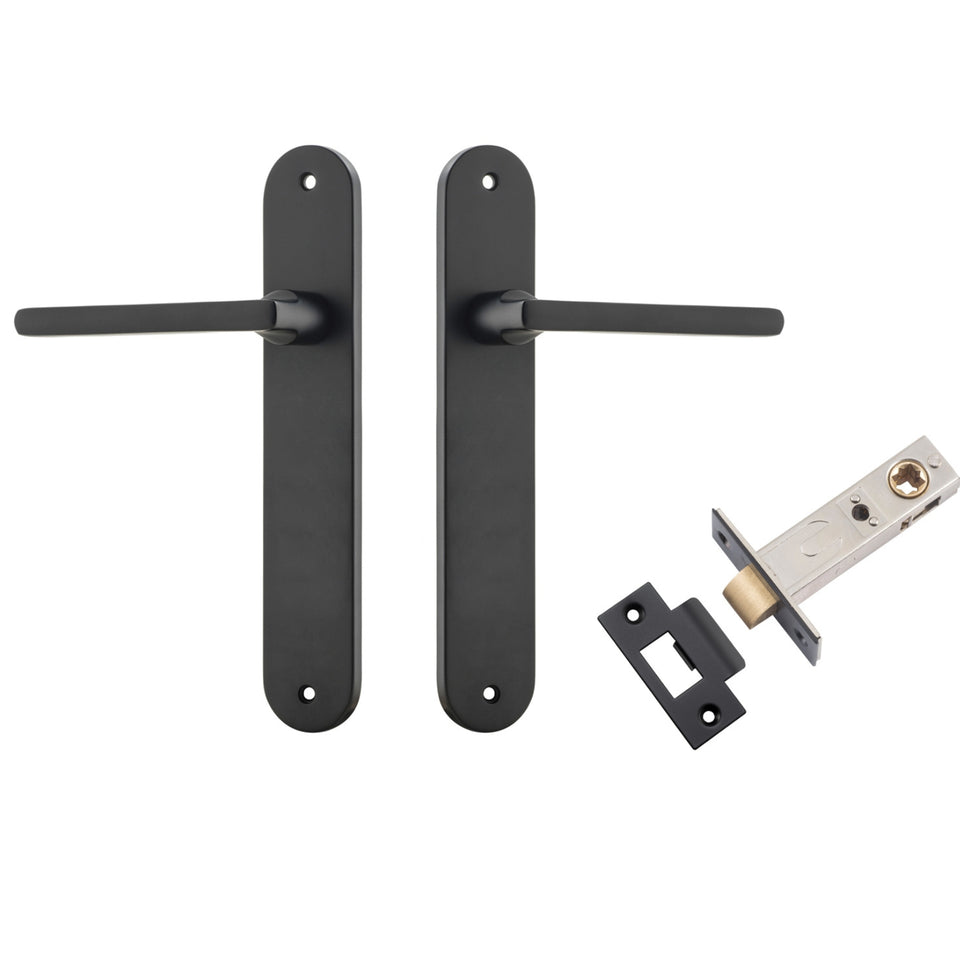
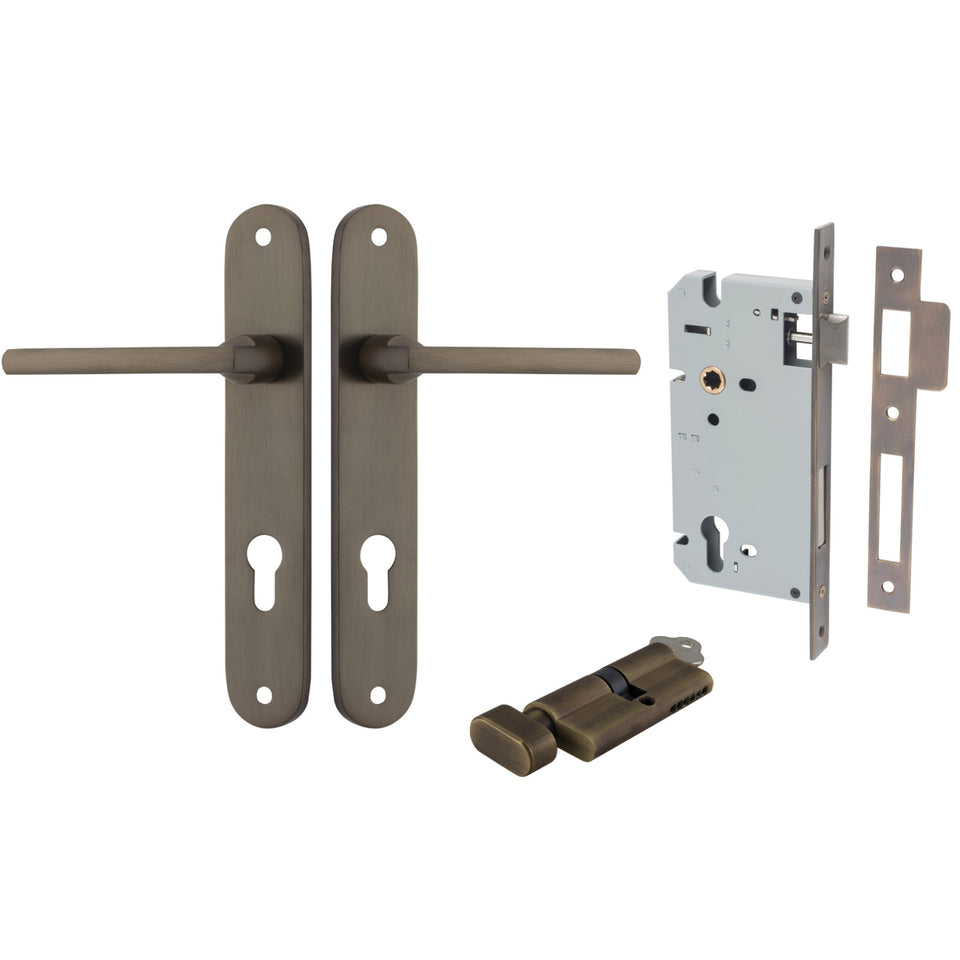







Baltimore is the classic lever in the Iver range: a traditional lever shape with a long established profile, made in solid brass for houses that want a familiar handle that does not date. It comes on a round rose, a rectangular backplate and an oval backplate, in passage, privacy and entrance kits, with an inbuilt privacy version. It is also the Iver range with a tested durability rating of 500,000 cycles and a 2 hour fire test on its kits. This guide covers the door parts only. It sets out the kits, the sizes that decide fit, the tested performance, the finishes and how to choose and fit a Baltimore set. The brand overview is on Iver, the door ranges are compared on Iver door hardware, and the matching cabinet pulls are on Iver Baltimore cabinet handles.
The Baltimore lever follows a classic profile, a gentle bar that sits comfortably in the hand and returns to a rounded end. It does not try to be modern or period, which is why it suits so many houses: it works in a renovated Federation home, a Hamptons style house and a plain modern build. On a round rose it is a familiar lever, and on a backplate it takes on a more formal line.
The plates change the look a good deal. A round rose is 52mm across and leaves most of the door face clear. A rectangular backplate is 240mm long and 38mm wide, and an oval backplate has the same length with softer ends and is 40mm wide. A classic lever on an oval backplate has a traditional feel, and on a rectangular plate it reads as more contemporary.
Every kit is complete, with the latch or lock, the fixings and the instructions. There are four kit types.
The passage kit latches the door with no lock, and suits hallways, living areas and laundries. The privacy kit with a privacy turn adds a small turn on the inside so the door can be locked from within, for bathrooms, toilets and bedrooms. The inbuilt privacy version places the locking mechanism within the rose, so there is no separate turn. Its rose is 58mm wide and the lever is 136mm long. The entrance kit locks with a key. It uses a euro mortice lock with a 60mm backset, a key and thumb turn, and two keys in the box, and it comes on a backplate with the lock built in, or on a round rose with a separate high security lock.
For sets by function, see passage door handles, privacy door handles and entry door lock sets.
The Baltimore inbuilt privacy kit is tested to the highest durability rating of 500,000 cycles, which is the number of times the handle has been operated in a test. That figure matters for a door used many times a day, such as a bathroom or a main hallway door, since it tells you the mechanism is built to last. The Baltimore kits are also tested for up to 2 hours of fire rating, which suits projects that need compliant door hardware.
A fire rating belongs to a tested assembly of door, frame and hardware, so a rated handle on an unrated door does not make a rated door. If your project needs a fire door, check the product page and the specification sheet for the exact kit, and confirm the door and frame with the certifier.
Every Baltimore kit suits doors 35 to 60mm thick, which covers most internal doors and many external ones. The backset is 60mm, the usual size on interior doors, so most replacements fit the existing hole. The kits use 85mm centre to centre spacing, which suits standard door preparations for euro and privacy locks, and the backplate fixing centres are 205mm, or 206mm on the rectangular entrance kit.
The lever on a round rose is 133mm long and projects 57mm, and on a backplate it projects 54mm, so it is a relatively close lever. If a door opens against a wall or a cabinet, a handle that projects 54 to 57mm needs about that much clear room, and a stop is a sensible addition. See door stops.
On a panelled door, check the plate length against the stile. A 240mm backplate needs a clear run of that length, so measure the stile and the distance to the first moulding before you order. On a narrow stile, choose the round rose.
Baltimore kits are fixed with tie bolts, long bolts that pass through the door and pull the two sides of the handle together so the lever does not rock. Tie bolts are supplied to suit 55mm thick doors. The screws are solid brass, which lets the finish match as closely as possible and avoids rust in coastal areas. Brass screws are soft, so drill a pilot hole and finish the last turns by hand, and check that the bolts reach through a door thicker than 55mm.
The Baltimore is made in brushed brass, matte black, satin nickel and signature brass. Brushed brass and signature brass are warm tones, satin nickel is cool, and matte black is neutral and suits most colours. The brass and nickel pieces are lacquered, and signature brass carries a hand aged lacquer on the cabinet pulls. A lacquered finish should be wiped with a soft damp cloth and never scoured, since scouring wears the lacquer, and a brushed finish hides fingerprints better than a polished one.
Signature brass suits timber, cream paint and period colours. Satin nickel sits well with stainless steel and chrome tapware. Matte black works with most colours and suits hinges and frames. See brushed brass, matte black and brushed nickel for the wider choice in those finishes.
The plate decides how the handle looks on the door. A round rose leaves the door face open and suits a panelled door or a narrow stile. A rectangular backplate hides the lock area and gives a strong vertical line. An oval backplate softens the line and suits a door where the other details are curved. On an entrance kit, the backplate keeps the lever and the lock together on one plate, and the round rose entrance kit puts the lock on a separate item, which can look cleaner on a narrow door.
The round rose entrance kit pairs the Baltimore lever with a separate high security lock, so the lever and the lock work independently. The lever is 133mm long and projects 57mm. The lock is a euro mortice lock with a key and thumb turn, a 60mm backset and two keys in the box. Because the lock is set apart from the lever, the door carries a lever on a small round rose and a separate lock above or below it, which is a tidy arrangement on a front door with a narrow stile.
Mark the lock position with a level, cut the mortice pocket, and check that the strike lines up before you fit the lever. Fit the lock first, then the lever, so any adjustment to the lock does not disturb the handle.
The inbuilt privacy kit puts the lock button inside the rose, so the door carries only the lever and a single plate. The rose is 58mm wide to hold the mechanism. Choose it for a bathroom or bedroom where a clean plate matters. Choose the separate turn where you want to see at a glance whether the door is locked, or where small children need a release that is easy to find. Test the release from outside the day the lock is fitted, and keep the release tool where the household can reach it.
The entrance kits use a key and thumb turn cylinder. The key locks and unlocks the door from outside, and the thumb turn locks and unlocks it from inside, so anyone in the house can leave without a key. This is the usual choice for a front door and for most family homes, because the door can always be opened from inside in an emergency. Two keys come in the box, and extra keys can be cut from them. If the door has glass close to the thumb turn, a person outside could break the glass and reach the turn, so check the door before you choose.
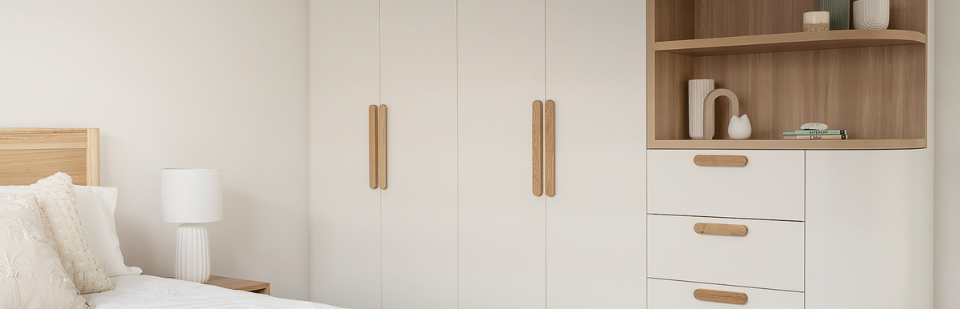
If the kitchen or bathroom joinery uses Baltimore pulls, order them in the same finish as the door handles. The Baltimore cabinet pulls come in long sizes up to 450mm for pantry doors and wardrobes, so a whole house can share one design. See Iver cabinet hardware and cabinet handles.
Wipe the levers with a soft damp cloth and dry them. Keep abrasive pads, polishes and acidic or bleach-based cleaners away from the finish. Tighten the fixings once a year, since timber moves with the seasons, and if a latch sticks, a drop of light oil on the latch tongue will free it. Lacquered brass will darken a little with handling, and that is part of the character of the finish.
Does the Baltimore come with a latch? Yes. Every kit includes its own latch or lock, the fixings and the instructions.
Can the Baltimore go on an external door? The entrance kits are made for front and rear doors, and the finish should be chosen with the exposure in mind.
Which Iver range is the most traditional? The Baltimore, with the Brunswick close behind. Both suit period houses and renovations.
If a Baltimore handle will be fitted to a door that is also getting a new coat of paint, fit the handle after the paint is dry and not before. Masking a lever and a rose is slow and rarely clean, and a handle fitted over fresh paint can stick to it and lift the coat when it is next removed.


