Skip to content

Lip Pull Handles

41 Items

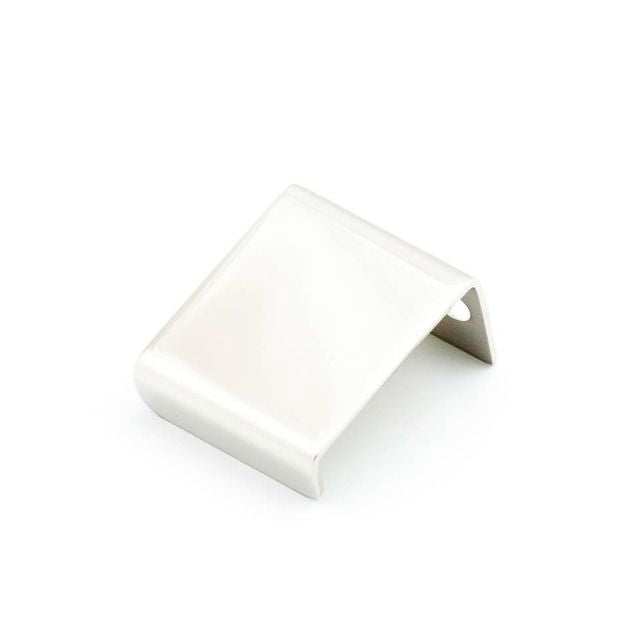
  • Castella Ledge Pull Polished Stainless Steel

    Castella Ledge Pull Polished Stainless Steel

    Checking delivery...
    $11
    $0 (-0%) off RRP of $11
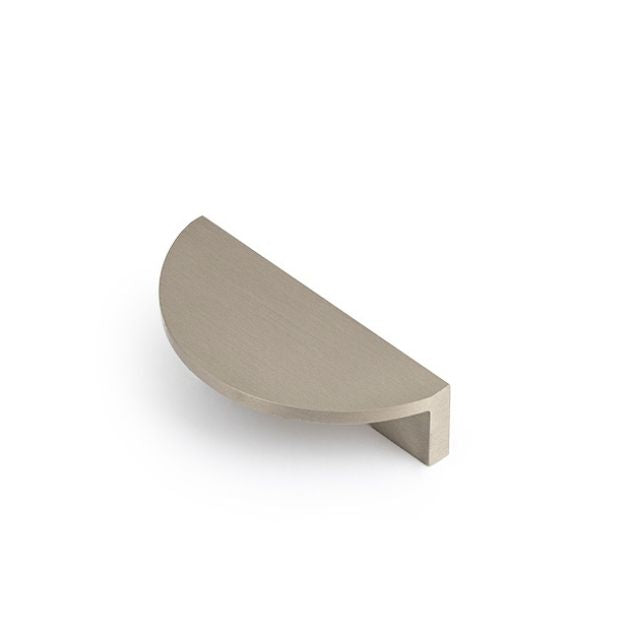
  • Castella Cove Semi-Circle 90mm Pull Brushed Brass

    Castella Cove Semi-Circle 90mm Pull Brushed Brass

    Checking delivery...
    $38
    $0 (-0%) off RRP of $38
  • Castella Cove Semi-Circle 90mm Pull Dull Brushed Nickel

    Castella Cove Semi-Circle 90mm Pull Dull Brushed Nickel

    Checking delivery...
    $38
    $0 (-0%) off RRP of $38
  • Castella Cove Semi-Circle 90mm Pull Polished Chrome

    Castella Cove Semi-Circle 90mm Pull Polished Chrome

    Checking delivery...
    $35
    $0 (-0%) off RRP of $35
  • Castella Cove Semi-Circle 90mm Pull Matte Back

    Castella Cove Semi-Circle 90mm Pull Matte Back

    Checking delivery...
    $38
    $0 (-0%) off RRP of $38
  • Free Gifts!

    Free Gifts!

    Spend over $800 and receive free gifts in your cart. Towels, accessories and full length mirrors!
    Find Out More
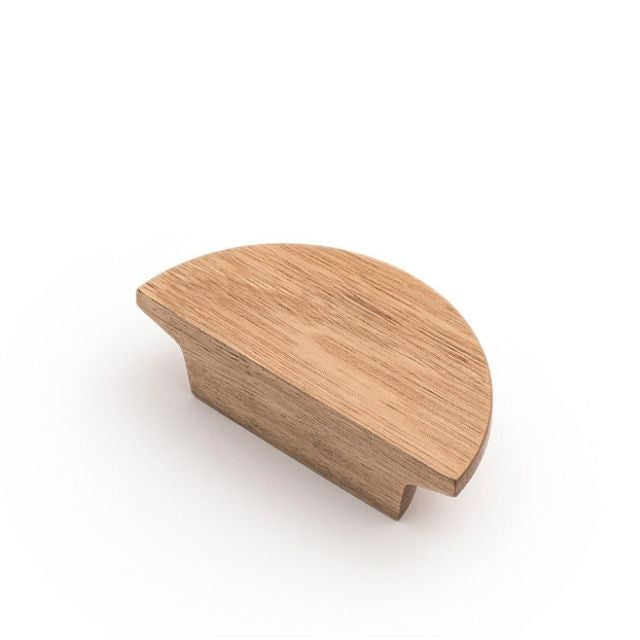
  • Castella Tullah Semi-Circle Reclaimed Oak Handle Tasmanian Oak

    Castella Tullah Semi-Circle Reclaimed Oak Handle Tasmanian Oak

    Checking delivery...
    $89
    $0 (-0%) off RRP of $89

Lip Pull Cabinet Handles Buying Guide


A lip pull earns its place in a considered kitchen or bathroom precisely because it stays out of the way visually while still giving a genuinely secure, comfortable grip. Its discreet, curved profile suits a room aiming for simplicity without sacrificing daily function.

Where lip pulls work well

The discreet shape suits kitchens, bathrooms and home offices particularly well, anywhere a clutter-free, uninterrupted cabinet front matters. Choosing a muted tone like matte black gives a bolder, more contemporary statement, while brushed brass softens a more industrial-leaning interior. Pairing lip pulls with slimline cabinet handles elsewhere in the room keeps the look uniform, or mixing with textured timber handles adds a further layer of depth.

Choosing a material

Quality matters considerably in a high-traffic area, and this collection's lip pulls are built from corrosion-resistant aluminium and solid brass, both suited to genuine daily use. For a humid space, a laundry or a coastal home in particular, stainless steel options offer reliable, rust-resistant durability. For a more modern-industrial character, gunmetal grey gives a rugged yet refined finish that also disguises fingerprints well.

Beyond standard cabinets

Lip pulls suit a genuinely wide range of applications beyond kitchen cabinetry: discreet pulls for a sliding barn door, an integrated fridge panel, or a custom joinery project all benefit from the same low-profile design. This collection's appliance-specific range suits ovens and dishwashers directly, while smaller sizes from the cabinet pull collection suit drawers and vanity units well.

Installation

Most lip pulls attach with standard screws, and their compact size means measurement stays genuinely straightforward compared to a longer handle needing precise centring. For a larger application, pairing lip pulls with heavier-duty Castella handles on a pantry door, or ADP-designed profiles for genuinely commercial-grade durability, is worth considering.

Mixing finishes deliberately

A considered, personalised look often comes from blending finishes rather than choosing just one: chrome lip pulls alongside walnut timber accents give a genuinely luxe contrast. For a heritage home, combining lip pulls with antique brass handles helps maintain the room's period character. Even an all-white kitchen gains genuine visual interest from crisp white handles, which still create subtle shadow lines against the surrounding cabinetry.

Further options worth exploring

This collection's Meir Oppen range offers architect-considered profiles, while zinc alloy options suit a more budget-conscious renovation without sacrificing durability. Brushed nickel rounds out the range with a softer metallic glow for households wanting an alternative to standard chrome or matte black.

Completing the room

Lip pull handles are easiest to choose once the room's tapware finish is settled, since matching the two keeps the space reading as one considered design. The Blue Space's Tapware and Bathroom Vanities collections are worth reviewing alongside a lip pull selection to bring the full room together.

Frequently Asked Questions

What is a lip pull handle?

A lip pull is a cabinet or drawer handle where the grip is built into the top edge of the door or drawer front itself, usually a routed or moulded recess you hook a finger under, rather than a separate handle fixed on with screws. There's no bar, knob or bracket sitting proud of the surface. From a distance the cabinetry reads as handleless, which is why the style is common on flat-panel and slab-front kitchens, laundries and vanities going for a minimal look.

Are lip pull handles any good, or just a look?

They work well in practice for most everyday use. The recess still gives a real finger grip, so opening a drawer or door doesn't feel any harder than with a standard bar handle. The trade-off is grip area: a lip pull suits light to moderate use well, but a heavily loaded drawer (cutlery, pots, tools) can feel less secure to pull than a full bar handle, since you're gripping with fingertips rather than a whole hand. For a laundry cupboard or vanity drawer with lighter contents, that's rarely an issue.

What's the difference between a lip pull and an edge pull?

The terms get used loosely, but a lip pull is typically routed into the top or front edge of the door or drawer panel, integrated into the cabinetry material itself. An edge pull is a separate metal handle fixed along the top edge of the panel, so it's still a discrete piece of hardware, just mounted where a lip pull would be routed. If you want zero visible hardware at all, a true routed lip pull is the closer match; if you want a slim strip of metal you can choose in a specific finish, an edge pull gives you that option. Compare against our cabinet handles range if you're deciding between the two.

What is the 1/3 rule for cabinet pulls, and does it apply to lip pulls?

The 1/3 rule is a general sizing guide for bar-style cabinet handles: handle length should be roughly a third of the width of the door or drawer front it sits on, so a 600mm-wide drawer suits a handle around 160 to 200mm. It doesn't apply the same way to lip pulls, since the "handle" is a routed recess sized to the panel edge rather than a hardware length you choose. What matters more for a lip pull is consistent routing depth and a clean edge finish across every door and drawer, so the reveal line looks even from cabinet to cabinet.

What are the main types of cabinet pull handles?

The common categories are bar pulls (a straight handle fixed with two screws, the most common style), cup or bin pulls (a curved recessed grip, often used on traditional or Hamptons-style cabinetry), T-bar pulls, knobs (a single fixing point, round or square), and integrated options like lip pulls and edge pulls that avoid a protruding handle altogether. Bar pulls suit drawers under regular use, knobs suit doors or lighter-traffic cupboards, and lip pulls suit a minimal, handleless look. See the full cabinet handles range for finish and style options across all of these.

Can lip pull handles be added to existing cabinetry, or only new joinery?

A true routed lip pull generally needs to be machined into the panel, so it's realistic for new joinery or a cabinet door and drawer front replacement, rather than a retrofit onto existing doors. If you like the look but are working with cabinetry you don't want to replace, an edge pull or a slim bar handle mounted along the top edge gives a similar low-profile result without needing to rout the panel itself.