Skip to content

Martec Flow Exhaust Fan

4 Items

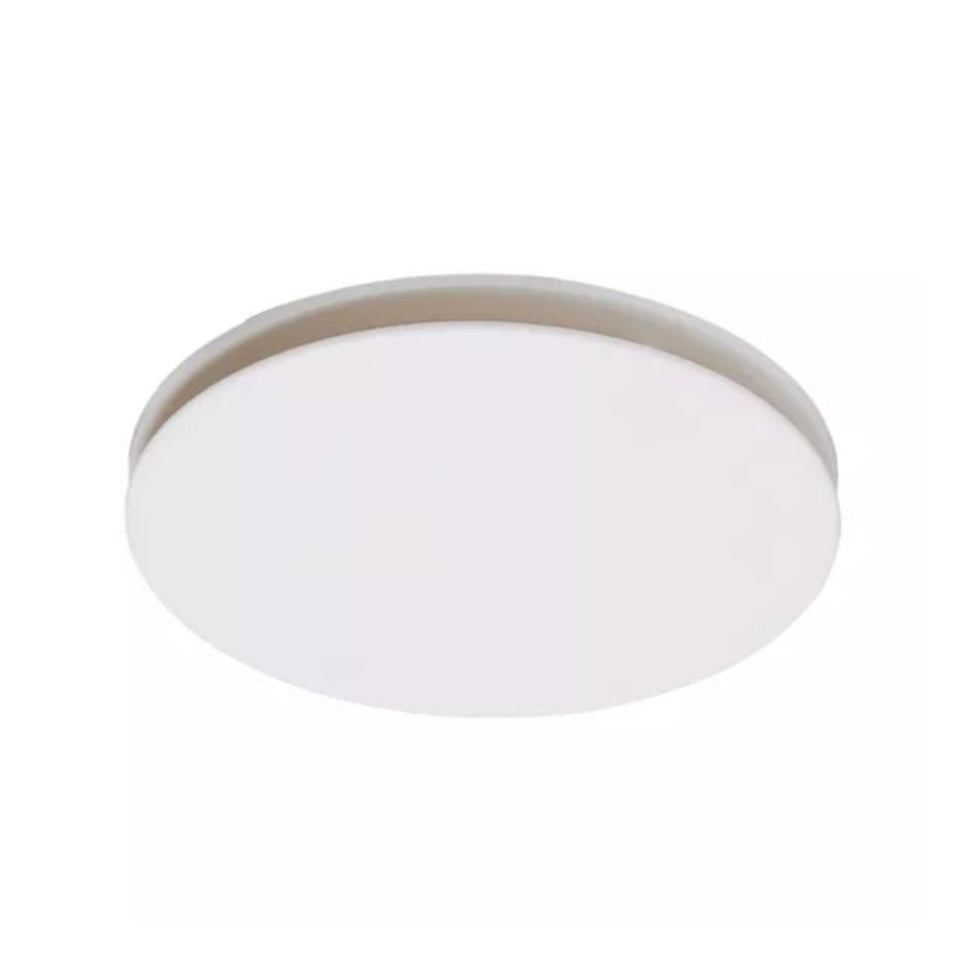
  • Martec Flow 295 Round Exhaust Fan WhiteMartec Flow 295 Round Exhaust Fan WhiteMartec Flow 295 Round Exhaust Fan White

    Martec Flow 295 Round Exhaust Fan White

    $143
    $16 (-10%) OFF RRP of $159
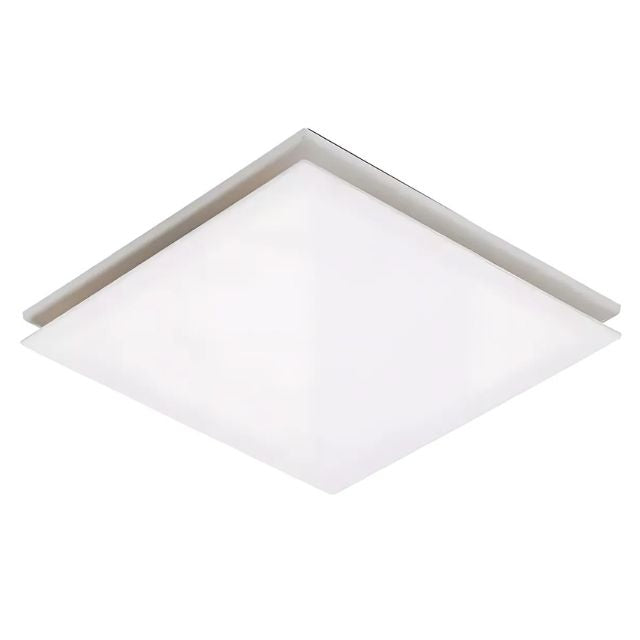
  • Martec Flow Square 315mm Exhaust Fan WhiteMartec Flow Square 315mm Exhaust Fan White

    Martec Flow Square 315mm Exhaust Fan White

    $143
    $16 (-10%) OFF RRP of $159
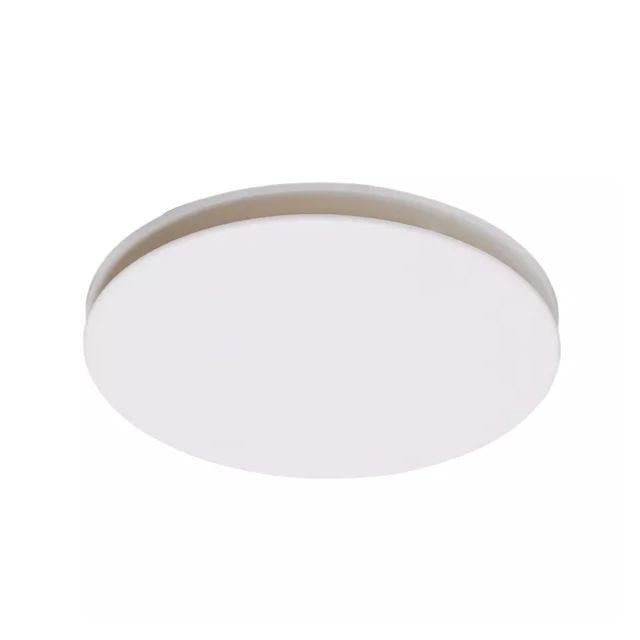
  • Martec Flow Round 265mm Exhaust Fan WhiteMartec Flow Round 265mm Exhaust Fan WhiteMartec Flow Round 265mm Exhaust Fan White

    Martec Flow Round 265mm Exhaust Fan White

    $138
    $7 (-4%) OFF RRP of $145
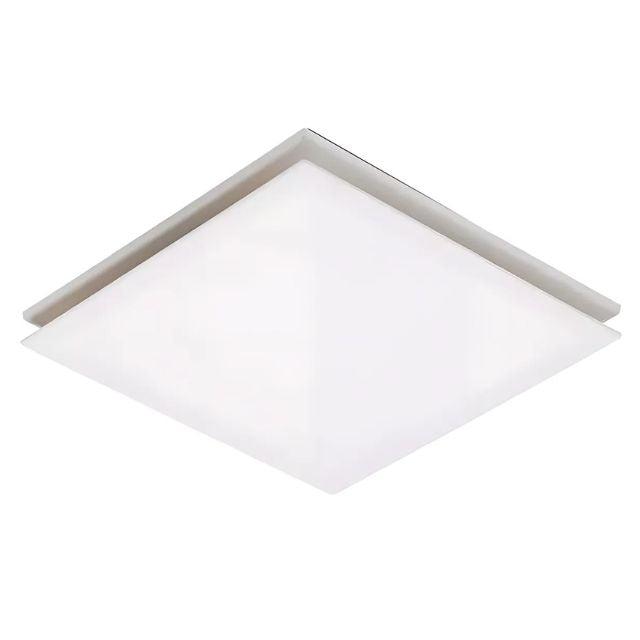
  • Martec Flow Square 265mm Exhaust Fan WhiteMartec Flow Square 265mm Exhaust Fan White

    Martec Flow Square 265mm Exhaust Fan White

    $131
    $14 (-9%) OFF RRP of $145

What is the Martec Flow exhaust fan range

Martec Flow is a small exhaust fan range from Martec, built for bathroom ventilation rather than general air circulation. An exhaust fan is different to a ceiling fan: instead of moving air around a room, it actively pulls moist, humid air out of the bathroom and expels it outside or into a duct system. With 4 products in the range, Flow offers a compact but purpose-built selection for bathrooms needing effective moisture extraction.

Why bathrooms need an exhaust fan

Bathrooms generate a lot of moisture from showers and baths, and without proper extraction that moisture settles on walls, ceilings, mirrors, and grout. Over time, trapped moisture is one of the leading causes of mould growth in bathrooms, along with musty odours and damage to paint and plasterboard. An exhaust fan addresses this directly by removing humid air at the source, rather than relying on an open window or door, which is not always practical or effective, especially in bathrooms without external walls.

Buying considerations for exhaust fans

Choosing the right exhaust fan comes down to a few practical factors rather than style alone:

  • Extraction rate suited to room size: an exhaust fan needs sufficient extraction capacity for the volume of the bathroom it is installed in. A fan that is undersized for the room will struggle to clear moisture effectively, so check the specification against your bathroom's dimensions
  • Ducted vs wall-vented installation: some exhaust fans vent directly through an external wall, while others connect to ducting that runs to an outside vent, often through the ceiling. Which option suits your bathroom depends on its position in the house and whether ducting is already in place or needs to be installed
  • Whether a light is included: some exhaust fan units combine ventilation with a light fitting in one unit, which can simplify installation in a bathroom where both are needed, while others are ventilation-only and pair with a separate light fitting
  • Noise level: because exhaust fans run every time the bathroom is used, quieter operation is worth checking if the bathroom is near a bedroom or living area

Who the Flow range suits

A small, focused range like Flow suits bathrooms needing straightforward, reliable extraction without the need to compare an extensive catalogue of options. It is a practical choice for renovations or new bathroom builds where moisture control is a basic requirement rather than a complex ventilation project.

Getting the installation right

Because exhaust fans rely on either direct wall venting or a ducted connection to the outside, confirming which installation method suits your bathroom's layout before purchasing is one of the most important steps. A fan that cannot be properly vented to the outside will not perform its core job of removing humid air, regardless of its extraction rating.

Frequently Asked Questions

What is the difference between an exhaust fan and a normal ceiling fan in a bathroom?
An exhaust fan is designed to pull moist, humid air out of the bathroom and expel it outside or through ducting, rather than simply circulating air around the room like a standard ceiling fan. This makes it specifically suited to moisture and odour control in bathrooms, which a regular fan cannot achieve on its own.
Do I really need an exhaust fan if my bathroom has a window?
A window can help with ventilation, but it is not always practical to leave open, particularly overnight or in cooler weather, and some bathrooms have no external window at all. An exhaust fan provides consistent moisture extraction regardless of weather or time of day, which is why most bathrooms are fitted with one even when a window is present.
How do I know what extraction rate I need for my bathroom?
Extraction rate needs to be matched to the volume of the room the fan is ventilating. A fan that is undersized for the bathroom will struggle to clear humid air effectively, so it is worth checking the specification against your bathroom's size before choosing a model from the Flow range.
Can a Martec Flow exhaust fan include a light?
Some exhaust fan units combine ventilation and a light fitting in one unit, which can simplify installation where both are needed in the same spot. Others are ventilation-only, so it is worth checking the specific product to see which configuration suits your bathroom.
What is the difference between ducted and wall-vented exhaust fans?
A wall-vented fan expels air directly through an external wall, while a ducted fan connects to ducting that carries the air to an outside vent, often via the ceiling. Which option suits your bathroom depends on where the bathroom sits in the house and whether ducting is already installed or needs to be added.

Frequently Asked Questions

What size exhaust fan do I need for my bathroom or laundry?

Exhaust fan size is determined by airflow capacity, measured in litres per second (L/s) or cubic metres per hour (m³/hr). As a general guide, the Australian Standard AS 1668.2 recommends a minimum of 25L/s for bathrooms and 40L/s for larger ensuites with a shower and bath. To calculate the right size for your space, multiply the room's length, width and height, then match this to the fan's rated capacity, as a rule of thumb, look for a fan that can achieve 15–20 air changes per hour.

Do I need a licensed electrician to install an exhaust fan?

Yes. Exhaust fans involve electrical wiring and, in many cases, ducting through ceiling or wall cavities, so installation must be carried out by a licensed electrician to comply with AS/NZS 3000 (Australian Wiring Rules). If your fan is being installed in a bathroom, it will also need to meet the IP rating requirements for the relevant water exposure zone. Engaging a licensed professional ensures your installation is safe, compliant, and won't affect your home insurance or building certification.

Should my exhaust fan be ducted outside or vent into the roof cavity?

Exhaust fans should always be ducted to the outside of your home, whether through the roof, eave or external wall, rather than exhausting directly into the roof cavity. Venting into the roof space allows moisture and humid air to accumulate, which can lead to condensation, mould and long-term timber or insulation damage. Proper external ducting is a requirement under the National Construction Code and is essential for protecting your home's structure over time.