
*View accurate shipping rates and availability






10 Items

Up to 70% off across the store, plus free towels and mirrors up for grabs on orders over $800*
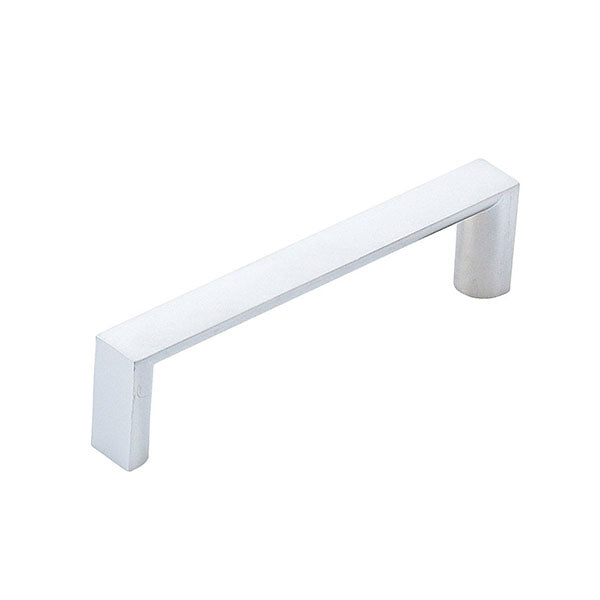




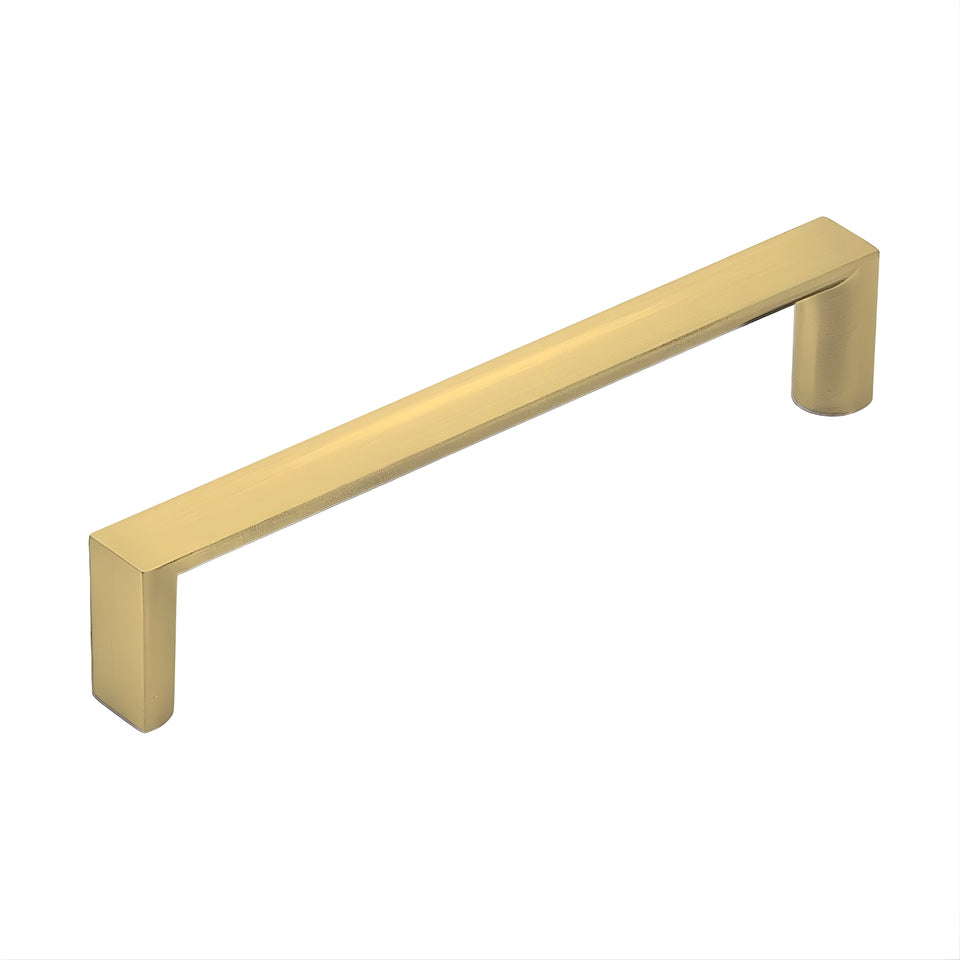
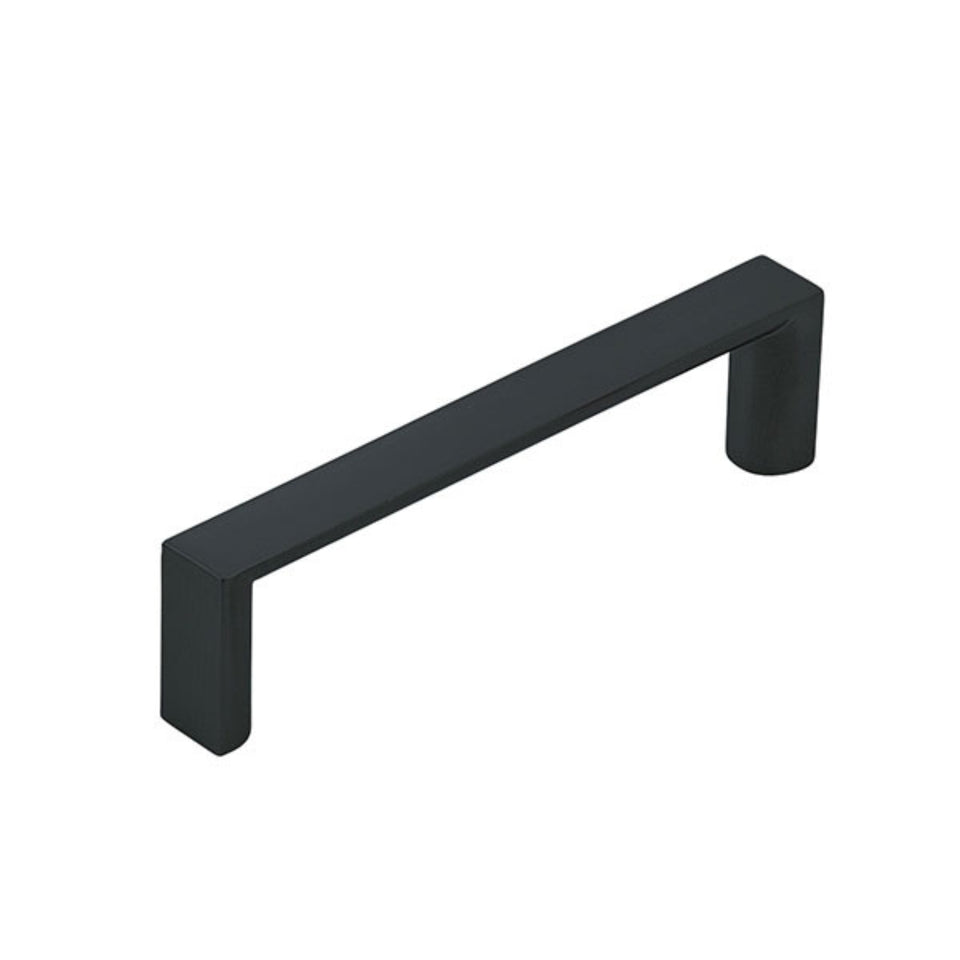
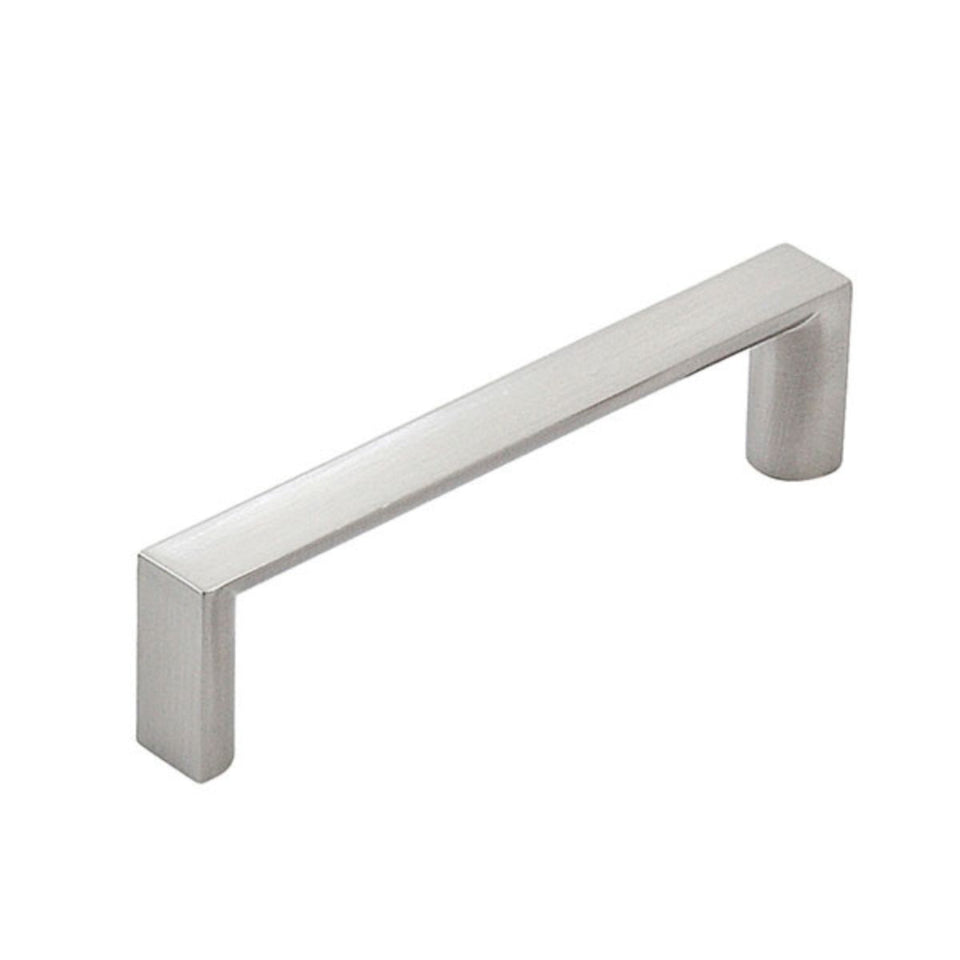
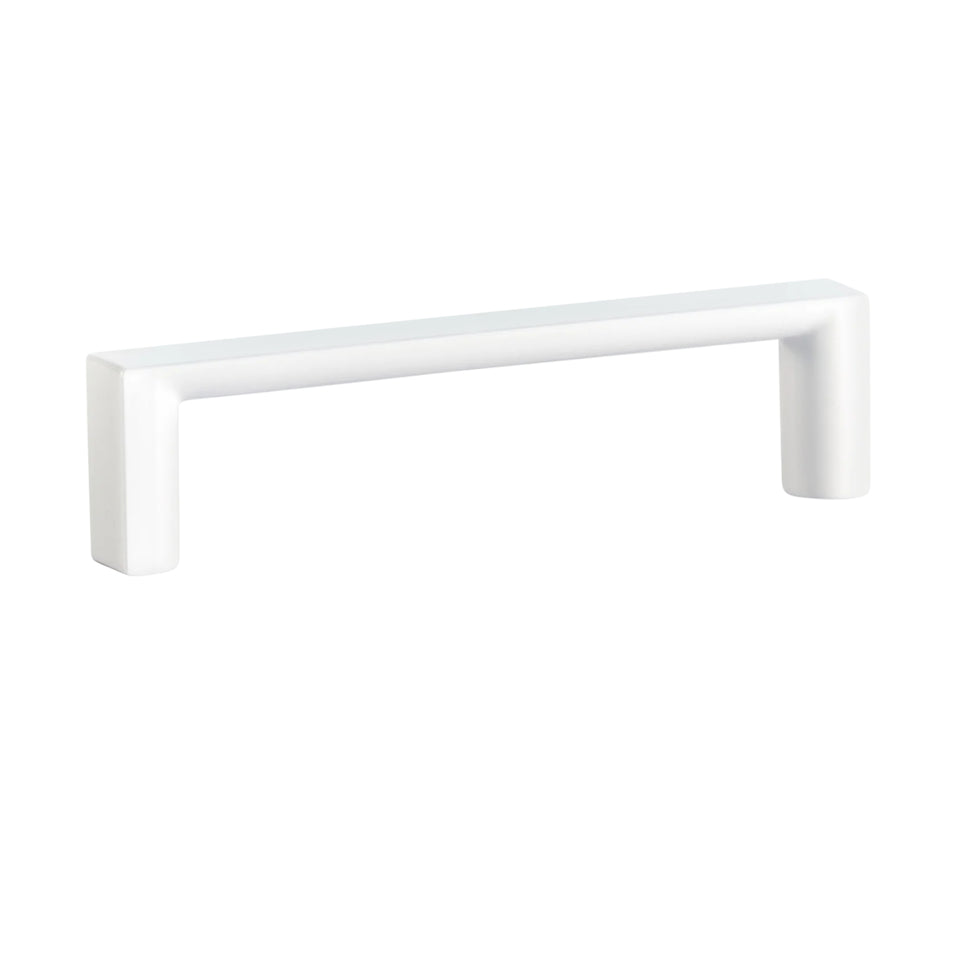
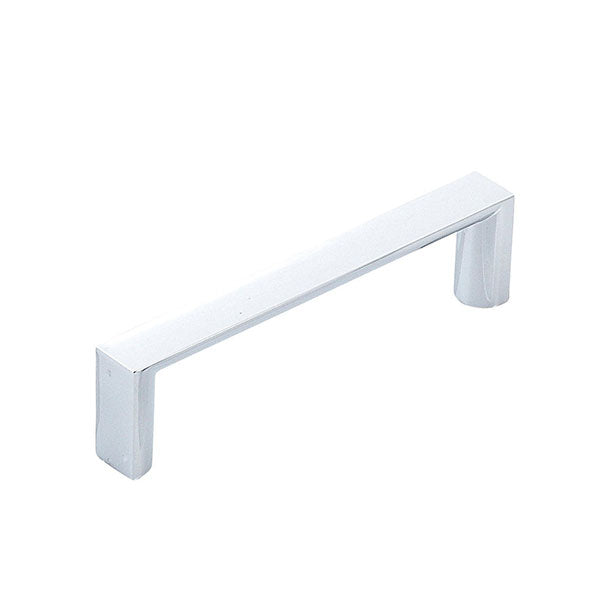
The Dallas D is a zinc alloy D handle from Momo Handles, sold in a long run of sizes from a 96mm fixing distance to 448mm. The range is subtle and contemporary and versatile across cabinetry styles. It comes in Brushed Matt Brass, Matte Black, Dull Brushed Nickel, Matte White, Chrome Plated and Satin Chrome. The page covers what each size measures and how to match a size to a drawer or door. The finishes follow, with how a plated finish on zinc alloy wears, and how to fit and clean the range. For the whole brand, start at Momo cabinet handles.
The Dallas D is sold by its fixing distance, the gap between the two screw holes, measured from centre to centre. Each fixing distance pairs with an overall length, in order:
The width is 12mm and the projection is 27mm, with 26mm on some pieces. The overall length runs only a few millimetres past the fixing distance on most sizes, so the handle is a compact D with short ends. The 192mm size is the odd one, at 32mm longer than its centre, so check that product's figures against your door. Rely on the pairing above for the overall lengths.
When you replace a handle, measure the distance between the screw holes and match it to the fixing distance, not to the length of the old handle. Centre-to-centre is the number to order by, and ordering by overall length is the first mistake people make. A 128mm handle will not fit 160mm holes without new holes.
A sizing table helps. A standard drawer 450mm to 600mm wide takes a 128mm to 160mm centre, and a wide drawer of 600mm to 900mm takes 256mm to 320mm, or two 128mm pulls. A standard door takes a 96mm to 128mm pull or a knob, and an upper cabinet door takes a 96mm pull or a knob, since overhead doors are usually narrower. A tall pantry door of 600mm and above takes two 256mm pulls. 128mm is the most common centre in Australian kitchens, and vanity drawers and doors usually take 96mm and 128mm centres.
The one-third rule says a pull is about a third as long as the drawer front is wide, so near 200mm for a drawer 600mm across. On the Dallas D, that points to the 160mm centre, which is 169mm overall, or the 192mm centre, which is 224mm overall. A 900mm drawer points to about 300mm, which is the 288mm centre, and the 352mm and 448mm sizes suit tall pantry doors and long drawer fronts. The rule is a rule of thumb and not a strict rule.
A D handle is a cabinet pull with a curved, D-shaped profile that curves away from the cabinet face and back again. The shape is comfortable to grip and easy to use on drawers and doors, and the curved grip gives a firm hold on heavy pot drawers. D handles are simple and practical, easy to grab and easy to clean, and they sit neatly on drawers and doors without sticking out. Flush ends suit contemporary kitchens, since protruding ends can catch clothing or limbs. The Dallas D is a low profile version: with 27mm of projection and ends that run only a few millimetres past the fixing holes, it sits close to the door.
A pull or knob sits 40mm to 60mm in from the edge that opens, near the bottom corner of an upper door and the top corner of a lower door. Pulls run horizontally on drawers and vertically on doors. Tall pantry doors suit long vertical pulls, which improve grip and weight balance. To test a size before you buy, tape a strip cut to the handle's length onto the cabinet and live with it for a day. Use the same length throughout a kitchen, and put handles only on base cabinets and drawers for a less busy look.
Zamak is a zinc-based alloy with aluminium, magnesium and copper. It is mostly die-cast, and it can be electroplated, wet-painted and chromate-conversion-coated well. The Dallas is zinc alloy with an electroplated finish, and the grade and the plating metal are not named. A die-cast zinc handle depends on its finish for corrosion protection. Thin electroplated zinc alloy can fail within a few years in a shower splash zone, and thin chrome plating on zinc alloy often shows wear in a busy kitchen, dulling first at the grip point. Indoors, away from direct splash, it is a normal material. See zinc alloy cabinet handles for the material in full.
A few specification blocks read Dull Brushed Nickel under a black or white title, which is a copy error. Use the product title to read the finish. The finish process is electroplated on the brass, chrome and some others.
Use one dominant finish for the handles through a kitchen, with a second metal as an accent and two metals at most. Warm metals such as brass, gold and bronze work best with each other, and cool metals such as nickel, chrome and stainless steel work best with their own group, because mixing across the two is harder. Polished nickel keeps a white kitchen from feeling sterile, and matte black is high contrast on white cabinetry. Gold, brass and bronze tones pair with navy, charcoal, blue or green cabinetry, and matt black works against light cabinetry as a contrast. Choose the handle finish after the tapware and appliance finishes are settled.
Contemporary and minimalist kitchens pair with matte black or brushed nickel pulls, and Japandi and Scandi kitchens with timber and brushed nickel. Hamptons and coastal kitchens go with D-pulls or cup pulls in brushed nickel, brushed brass or chrome, and away from matte black, while Shaker kitchens go with cup pulls, bin pulls or knobs in brushed brass, antique bronze or matte black. Because the Dallas D is a D-pull, it sits in the Hamptons and coastal note in Brushed Nickel, Brushed Matt Brass or Chrome, and in the contemporary note in Matte Black. These matches are guidance and not rules. See D shaped cabinet handles for the wider group.
Screws differ by piece. The brushed matt brass and chrome plated handles include standard 22mm screws, and the 160mm and 192mm handles do not include screws. Check the screw line on the exact product you order. Screw length depends on the panel: 22mm for panels 16mm to 18mm thick, and 38mm for panels 32mm to 34mm thick. The screw must bite into the handle and stop short of the door face. Fit one handle before you do a whole kitchen, so you can see the finish in the room's own light.
When you swap handles, match the fixing distance. A new D handle with the same distance drops into the old holes without drilling. Measure from the centre of one screw hole to the centre of the other. If the old holes are on another centre, you will need to fill them or drill new ones, and a filled hole shows unless the door is repainted.
Bathroom fittings need wiping and drying more often than those elsewhere, because steam and moisture leave marks. Bathrooms are more humid than kitchens, and solid brass, stainless steel and quality PVD are sound choices, with thin electroplated zinc alloy the one to avoid in a splash zone. A Dallas D on a vanity well away from the shower is a fair use, and one in a splash zone is the case to avoid. The cabinets these handles fit are at bathroom vanities and furniture.
Put the cleaner on the cloth and not on the hardware, and dry the handle straight away so water marks do not form. For coated finishes, use a soft microfibre cloth with mild soap and warm water if needed, dried promptly, and keep abrasive pads, powdered cleansers, ammonia, bleach and alcohol-based disinfectants away. Mineral deposits and water spots can dull chrome and cause corrosion, and frequent cleaning is the best prevention. A coating wears first where the hand lands, so wipe the grip area more often than the rest of the handle.
For the full brand, see Momo cabinet handles. For other types and materials, see cabinet handles, D shaped cabinet handles and zinc alloy cabinet handles.


