
*View accurate shipping rates and availability






41 Items
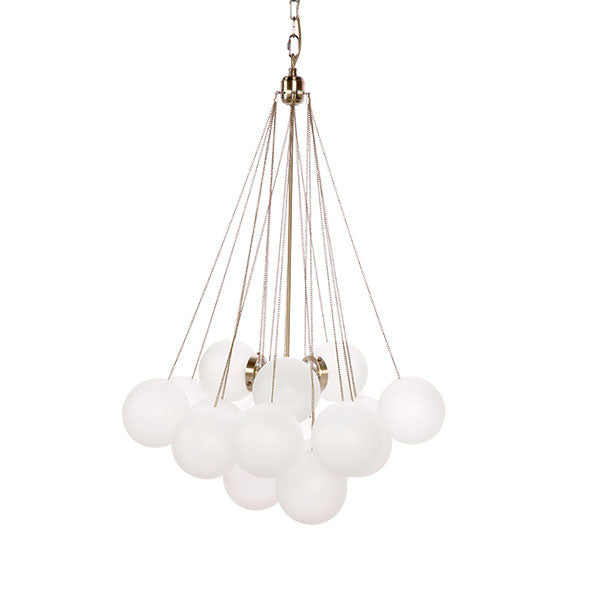

Up to 70% off across the store, plus free towels and mirrors up for grabs on orders over $800*
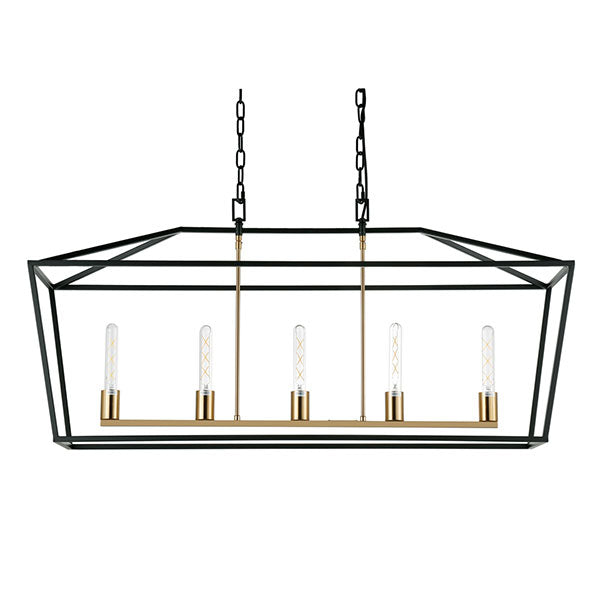
A pendant light hangs from the ceiling on a cord, chain or rod, and it is the fitting meant to be seen. This page holds single cord pendants, glass shades, a few multi-light fittings and LED pendants with the light source built in. Below you will find how high to hang a pendant by room, how many to use and how far apart, and how to size one to the space. It also covers what to read about globes, dimming and installation.
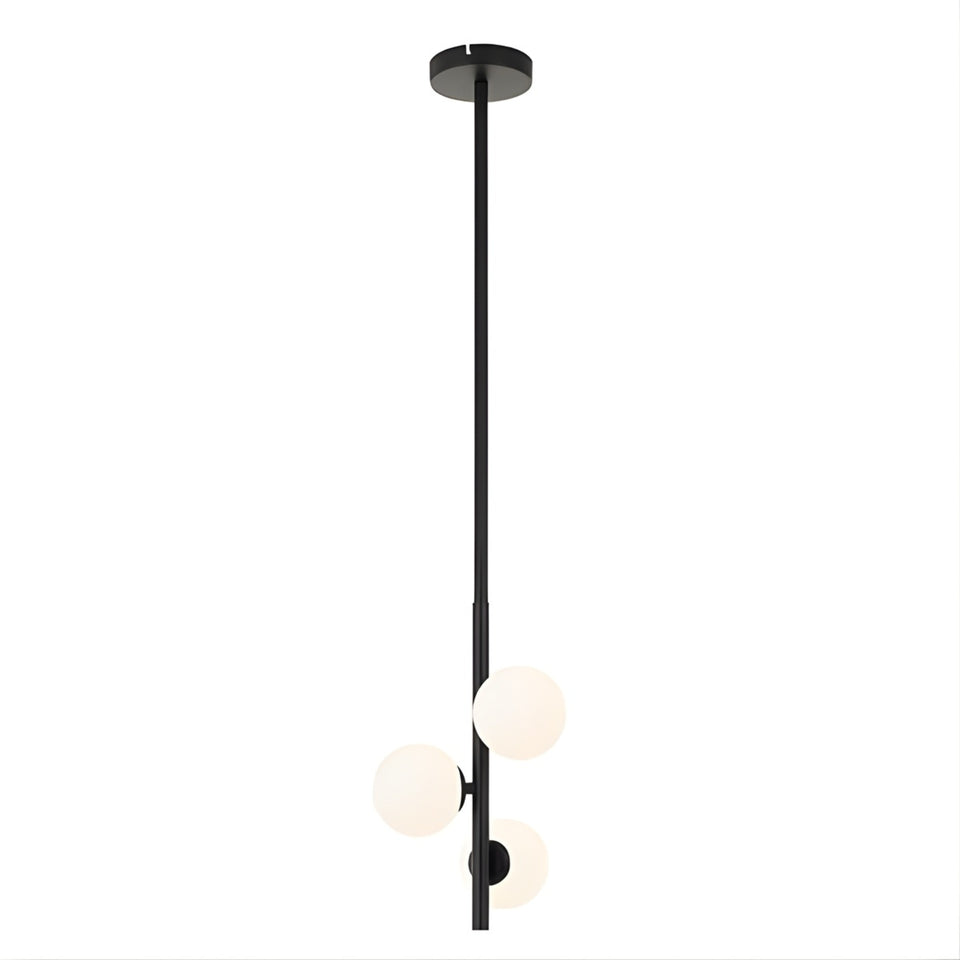
A pendant works best over something: a kitchen island, a dining table, a bedside or an entry console. The common types are these. Single pendants are the most versatile and suit small spaces, island benches and bedsides, and they can be spaced evenly in a row or clustered in groups of three or five at one end for a dramatic look. Multi-light pendants carry several globes from one ceiling point. Linear pendants give an even light for benches, rectangular dining tables, desks and vanities. LED pendants can act as the main source of general light, and feature pendants are decorative statement pieces for dining tables and entryways.
A pendant is also a layer, and not the whole plan. Do not rely on a single pendant, because one light source feels harsh and unbalanced. Pair pendants with downlights or track lighting and put different sources on separate switches. Pendants are ambient light, the base layer that lights the room, alongside ceiling lights, downlights and track lighting.
Hang the bottom of the pendant to these heights.
The logic is simple. Higher ceilings can take the upper end of each range, and lower ceilings call for a shorter drop. The height changes the light itself: a pendant hung lower makes a shallower, more intense pool of light, and one hung higher gives a wider, gentler spread. The pendant should hang low enough to look intentional and high enough to leave the view across the table or bench clear.
There is no fixed number. The answer depends on the size of the table or bench, the spread of light you want and the impact you are after. A long island with an even spread of light may suit three individual pendants, and a single larger fixture can suit a smaller surface or give a striking feature in a big room.
For a row, leave 60 to 80cm between pendants, measured centre to centre, with the outer pendants about 20 to 30cm in from each end of the island or table. Smaller pendants can sit slightly closer and larger ones need more room so each can be seen, and a linear pendant should be about two-thirds to three-quarters of the length of the surface below. Keep a row at one height over an island or table, because it gives the cleanest result. Varied heights suit stairwells, entries and high ceilings.
Size is the common mistake. Go big in larger spaces if the ceiling allows, so the pendant becomes a feature, and choose fine, delicate or linear designs for lower ceilings and smaller rooms. A huge pendant overwhelms a small space, and a small one gets lost in a large room. As a starting ratio, use roughly one-third fitting and two-thirds cord, with longer cords for clusters under high ceilings. For a low ceiling, a single long linear pendant works better than several drop pendants that need more cord.
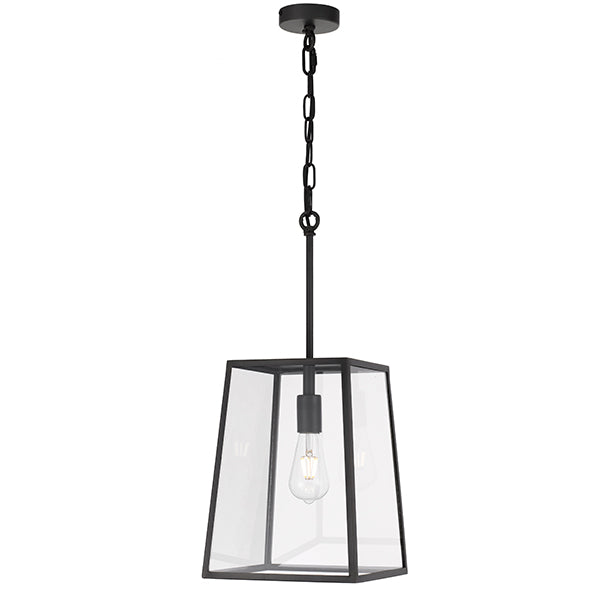
Weigh the room size, the ceiling height and the dimensions of the surface below. Most pendants adjust in height, by cord, rod or suspension kit, so the specification should be checked against the ceiling before buying. The pendants here mostly have a suspension of about 2 metres, and the Cafe Lighting Cloud has a 60cm chain.
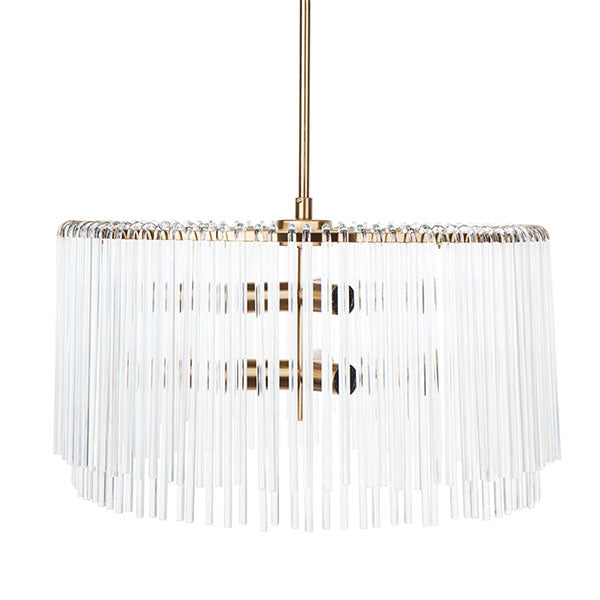
The pendants here cover several builds.
For two of the makers, see Eglo lighting and Cafe lighting.
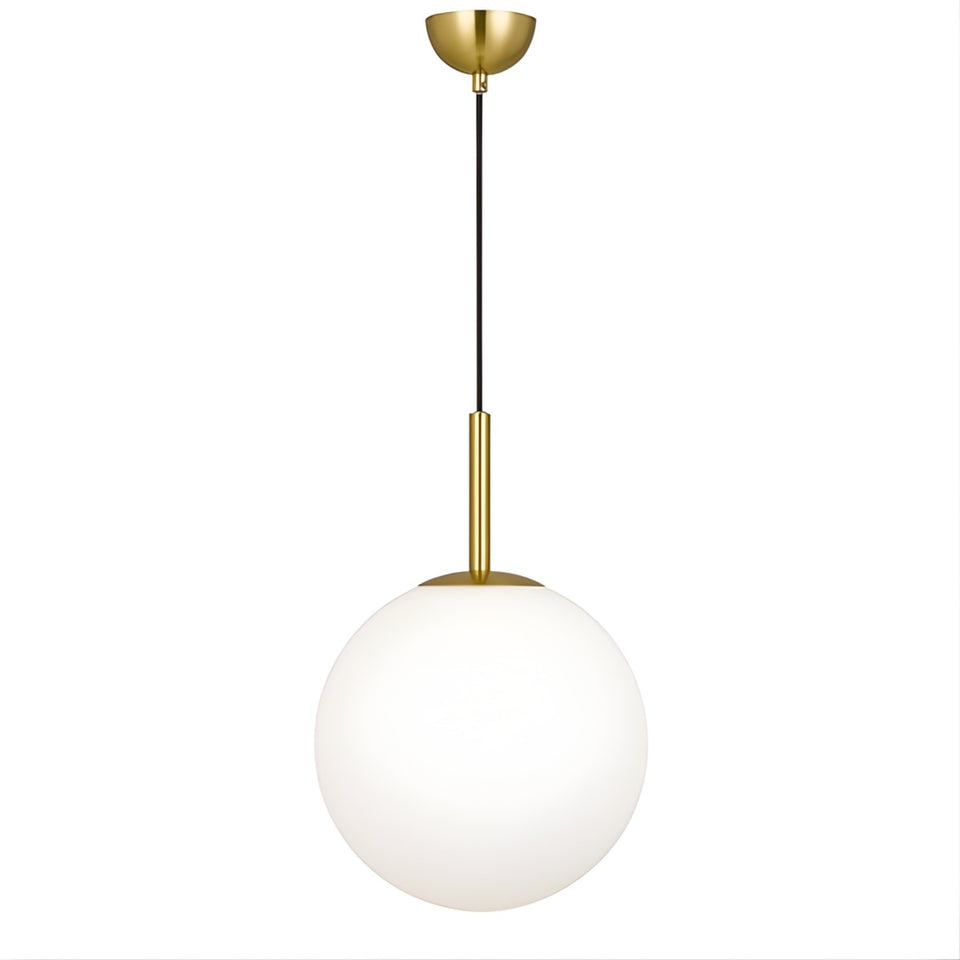
Directional pendants differ from open ones. A pendant with a solid top throws the light down and suits task lighting, and an open pendant gives a wider ambient light and more design interest. Direction is one of the choices, between uplighting, downlighting and diffused light. A diffuser also helps if the pendant sits above eye level at a table. On this page, the Perron has a textured glass shade that softly diffuses the light.
Many pendants here take an E27 globe that is sold separately, which is the line to read before ordering. Check brightness in lumens, and remember that about 800 lumens matches an old 60W bulb. Colour temperature matters on a pendant because the shade is visible. Warm white bulbs suit pendants, warm light at 2700K to 3000K is cosy and inviting, and cool white can look harsh and clinical.
The dimming depends on the pendant. The globe decides it for the E27 pendants, the Aurora and Volen are dimmable, and the Cedro is not. Dimmable pendants let you adjust the light for tasks or relaxing, and the globe and dimmer must be compatible to avoid flicker. See light bulbs and globes to choose a match.
Materials follow style: glass suits modern homes, timber suits coastal and Scandinavian interiors, metal suits sleek kitchens, and ceramic suits dining, lounge and bedroom spaces. Metal pendants suit kitchens but can feel cold in a bedroom, where softer materials work better. Polished and brushed metal finishes differ in brightness. The finishes in this range include black, brass, gold, white and brushed nickel, with oak and glass in clear, frosted, smoked and opal. See gold and brass lighting and black lighting for finishes, and opal glass lights, amber glass lighting and smoked glass lights for glass.
Ceiling height limits the pendant you can choose. Most homes built since the 1990s have 2.4 metre ceilings, and on a 2.4 metre ceiling hanging fittings are a problem. At 2.7 metres, short-drop pendants over a table or island become possible, but not over a walkway. From 3 metres, long-drop pendants and chandeliers start to make sense, and the room needs more lumens because the light travels further. Anywhere people walk under a pendant needs 2.1 metres of clearance, so a long-drop pendant belongs over furniture, not in the middle of a low room.
The practical alternatives for a low room are fine or delicate designs, a single long linear pendant instead of several drop pendants, and a close-to-ceiling version. Many pendant designs can be converted to sit close to the ceiling, which suits hallways and entries.
A hardwired pendant needs a licensed electrician. The Eglo and Cafe Lighting pendants must be installed by a licensed electrician, and the Telbix fittings are for installation by a licensed electrician only. DIY batten-fix pendants hang without hard-wiring, which suits renters, and they allow quick, simple installation of close-to-ceiling fixtures or pendants. Many designs can also be converted to sit close to the ceiling, so look for close-to-ceiling adaptable in the description. That suits lower ceilings and high-traffic areas such as hallways and entries, and ceiling lights cover the flush alternatives.
The box for most pendants holds the light, mounting screws and instructions. Before the electrician arrives, decide the drop and the position over the furniture, because the wiring point and the cord length follow from them.
The room and the surface come first. Set the drop from the heights above and check the ceiling height and the clearance where people walk. Pick the size from the scale of the table or bench, and the cord from the ratio. Read the globe line and the dimmable line, check the weight against the fixing, and book a licensed electrician for the wiring.
Return to the wider lighting collection for other fittings, or see wall lights for the accent layer.


