
*View accurate shipping rates and availability






30 Items


Up to 70% off storewide, free metro shipping over $500, and free gifts from $800. Spend more to unlock luxury towels and mirrors.*


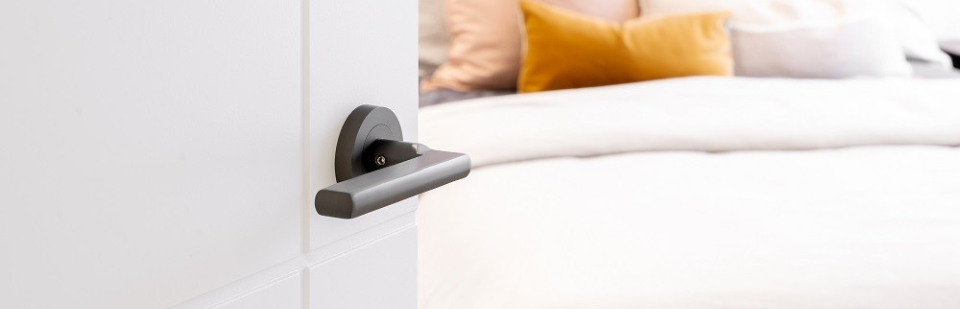


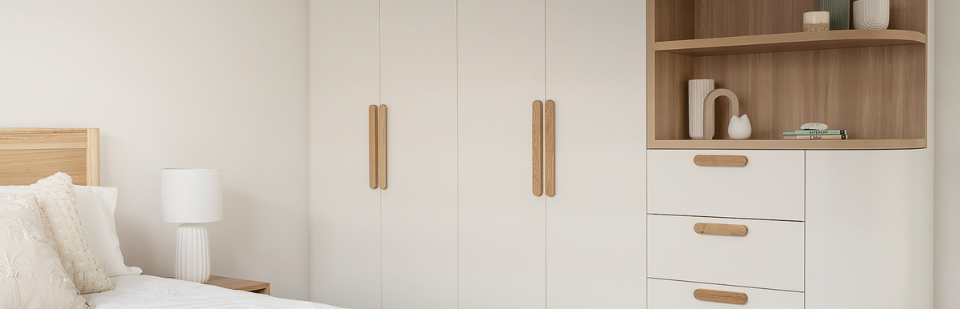


Momo Bellevue pull handles are solid brass entrance pulls in three surface styles: plain, lined and knurled. They come in a 496mm length and a 600mm length, each as a single pull for an entry door or as a back to back pair, in bronze, matte black, brushed nickel, brushed brass and satin brass. This guide explains the three styles, the two lengths and what their numbers mean, how a single pull differs from a back to back pair, which finishes are made, and how to plan the holes and fit a pull. The wider Bellevue family, with levers and dummy levers, is on Momo Bellevue architectural door hardware, and pulls across brands are on pull handles.
The Bellevue is a slim, straight brass bar with a squared section, made for a front door that wants a strong vertical line. The plain pull has a smooth surface and reads as the cleanest of the three. The lined pull has fine grooves running along the bar, which catch the light in thin stripes. The knurled pull has a diamond pattern cut into the grip, which gives a firm hold and a workshop look. All three share the same shape, so the choice is the surface.
The bar is brass, so it has real weight in the hand, and the finish is applied over the brass. A long pull on a tall door gives a confident, architectural line, and the slim section keeps it from looking heavy.
The 496mm pull is 20mm wide and projects 50mm from the door, with fixing centres of 416mm. It suits a standard front door and a narrower door where a longer bar would crowd the frame. The 600mm knurled pull is 27mm wide and projects 69mm, with fixing centres of 480mm, so it is a bolder, deeper handle that suits a tall or wide door. A longer pull gives a stronger vertical line and a more generous grip, and a shorter one is neater on a narrow door or beside a sidelight.
The fixing centres are the distance between the two fixing points, and they are the figure the door maker uses to drill the holes. A pull with 416mm centres needs holes 416mm apart, and one with 480mm centres needs holes 480mm apart, so choose the pull before the door is drilled.
A single pull is fixed to the outside face of the door only. It is an entry pull, and it is fixed with screws from the back of the door or with a concealed fixing, so the face stays clean. A back to back pair is two pulls, one on each face of the door, fixed through the door with bolts, so the pair clamps the door and gives the same look on both faces and a very firm fixing. A back to back pair suits a door that is used from both sides, such as a door to a courtyard or a double door where both faces are seen.
Check how many pulls come in the pack before you order. If you want a pull on each face and the product is a single, order two. If the product is a pair, one pack covers the door.
All of the Bellevue pulls suit doors 35 to 50mm thick, which covers most timber entrance doors. The pulls need holes drilled through the door for the fixings, so the door thickness and the position of any lock matter. If a lock sits near the pull, check that the holes do not clash with the lock body. If the door is thicker than 50mm, the bolts will not reach through, so check the door before you order.
A pull does not lock the door, so it pairs with a lock or a deadbolt. Plan the position of the lock first, then set the pull so the two do not interfere, with a comfortable distance between the grip and the lock so a hand fits between them. See deadbolts and entry door lock sets for locks that pair with a pull.
The Bellevue is made in bronze, matte black, brushed nickel, brushed brass and satin brass. Bronze is a deep, warm brown that suits timber and traditional doors. Matte black is neutral and gives the strongest contrast on a pale door. Brushed nickel is a soft, cool silver. Brushed brass and satin brass are warm golds that suit timber, cream paint and Hamptons style homes. All are applied over a solid brass bar.
Choose the finish by the other metal on the door and the house: the lock, the hinges, the house numbers and the lighting. Keep one finish across them where you can. See matte black, brushed nickel, brushed brass and bronze for the wider choice in those finishes.
The surface changes how the pull looks and feels. The plain pull suits a minimal, modern door, where the lack of pattern is the point. The lined pull suits a door where a little detail is welcome, and the grooves catch light as you walk past. The knurled pull suits a door where grip and texture matter, and it is the most distinctive. Think about the door, the light and the hand: a smooth bar is easy to clean, a lined bar needs a quick wipe along the grooves, and a knurled bar holds dust in its pattern.
If the door is new, give the door maker the fixing centres, the length of the pull and the height of the grip in writing, so the holes are drilled in the workshop. If the door is already hung, mark the centres with a level and drill from the face where the handle will sit, so any break-out falls on the back. Use a template to keep both holes aligned, and drill a small pilot hole first. For a back to back pair, the holes must line up exactly on both faces, so drill from one face through to the other with the door supported.
The usual grip height is around the middle of the pull at hip height, and the pull is centred on the door stile so it sits clear of the frame. Hold the pull against the door before drilling, and check that your hand can wrap around the bar without catching the frame, a sidelight or a letterbox.
A single pull is fixed from the back of the door with threaded bolts that screw into the pull, so the face shows no screws. Fit the bolts through the holes, line up the pull and tighten evenly. A back to back pair is fixed with bolts that pass through the door and join the two pulls. Tighten the bolts evenly so the pulls sit square, and check that neither pull rocks. If the pull is long, support it while you tighten so it does not twist. Check the position against the door frame and the lock before the final tightening.
A pull is a handle, so the door still needs a way to latch and to lock. There are three common pairings. A roller latch holds the door closed without locking it, and it is operated by a push or a pull from either side, so no lever is needed. A euro mortice lock with a cylinder locks the door with a key, and it sits in the door edge with a small escutcheon on the face. A deadbolt adds a solid bolt for security. Choose the pairing by how the door is used: a roller latch for a door that is often left unlocked, a mortice lock for a door that needs a key, and a deadbolt for a front door that must be secured when nobody is home.
Whichever you choose, plan the lock position before the pull. The lock needs clear space beside the pull, a comfortable distance so a hand can reach the key and the pull without clashing. On a door with a pull at one side of the stile, the lock sits in the door edge near it, and the escutcheon sits a hand width from the pull.
If the house uses Bellevue on the front door, the interior doors can carry the Bellevue lever or dummy lever in the same finish and surface, so the whole house reads as one design. The dummy lever suits a wardrobe or a cupboard door that needs only a handle, and the lever suits a door with a latch. See dummy levers for dummy options. Keep the same finish across the pull and the interior handles, and match the hinges and stops to it.
Wipe the pull with a soft damp cloth and dry it. Keep abrasive pads, polishes and acidic or bleach-based cleaners away from the finish. A knurled or lined surface holds dust, so lift it with a soft brush. Tighten the bolts once a year, since timber moves with the seasons and a loose pull wears its fixings. Near the coast, rinse the pull with fresh water now and then so salt does not sit on the surface. Bronze and brass finishes will darken a little with handling, and that is part of how they age.
Does the pull lock the door? No. A pull is a handle, so it pairs with a lock, a deadbolt or a roller latch.
Which length suits my door? A 496mm pull suits a standard front door, and a 600mm pull suits a tall or wide door where a longer line is wanted. Check the fixing centres against the door.
Is the pull suitable for an external door? Yes, the pulls are made for entrance doors. Choose the finish with the exposure in mind, since a covered porch is easy on a finish and a door in full weather wears faster.


