
*View accurate shipping rates and availability






111 Items


Up to 70% off across the store, plus free towels and mirrors up for grabs on orders over $800*
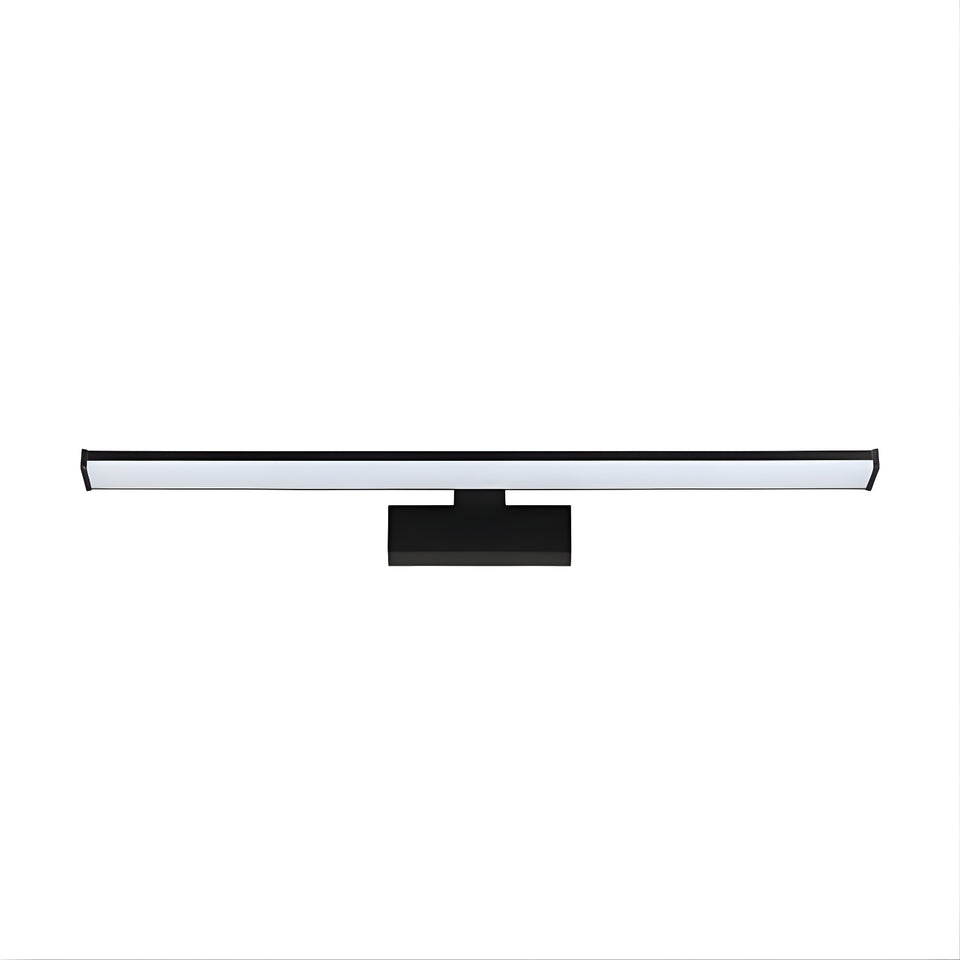
A wall light mounts on the wall and lights the room from the side, instead of from the ceiling or a table. This page holds wall lights and wall sconces, ranging from short bracket lights for a hallway to long vanity bars for a bathroom mirror, with a few weatherproof fittings for covered outdoor walls. The guide sets out which type suits which job, how high to mount one, what the IP rating means near a basin and what a product page should tell you before you order.
Wall lights sort by where the light goes, which also tells you what the fitting will do to a room.
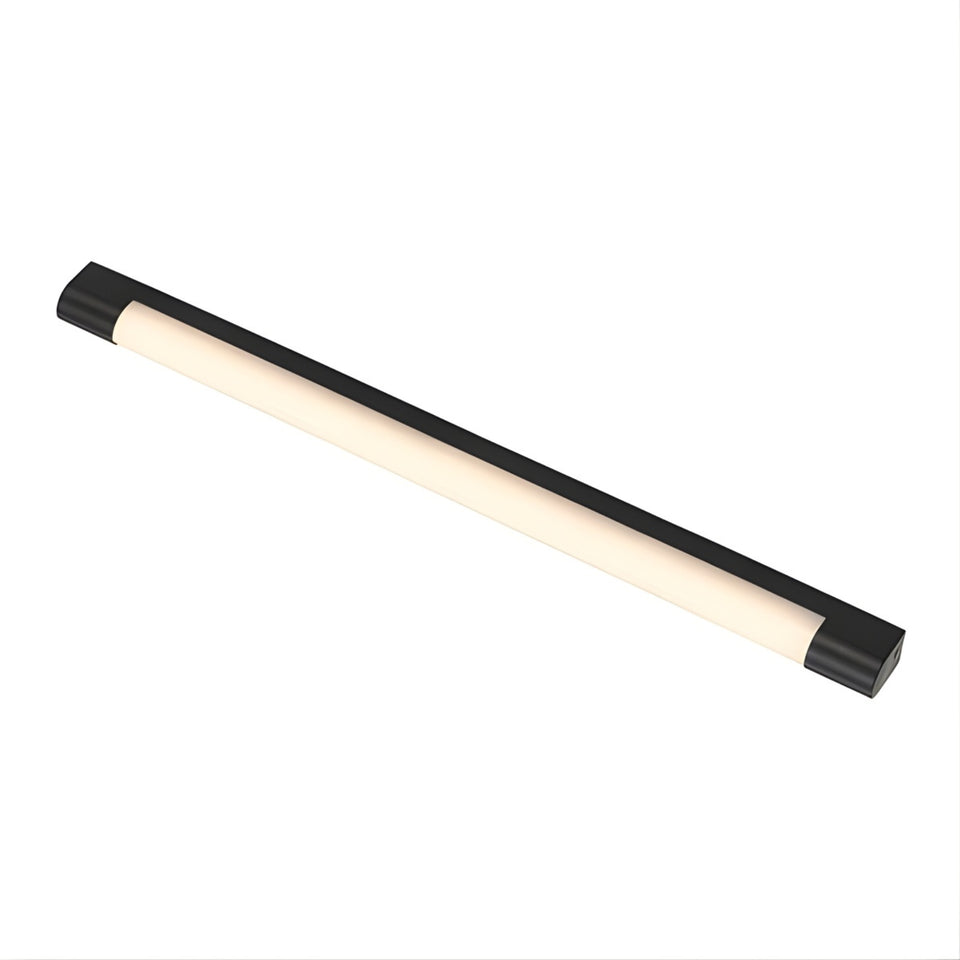
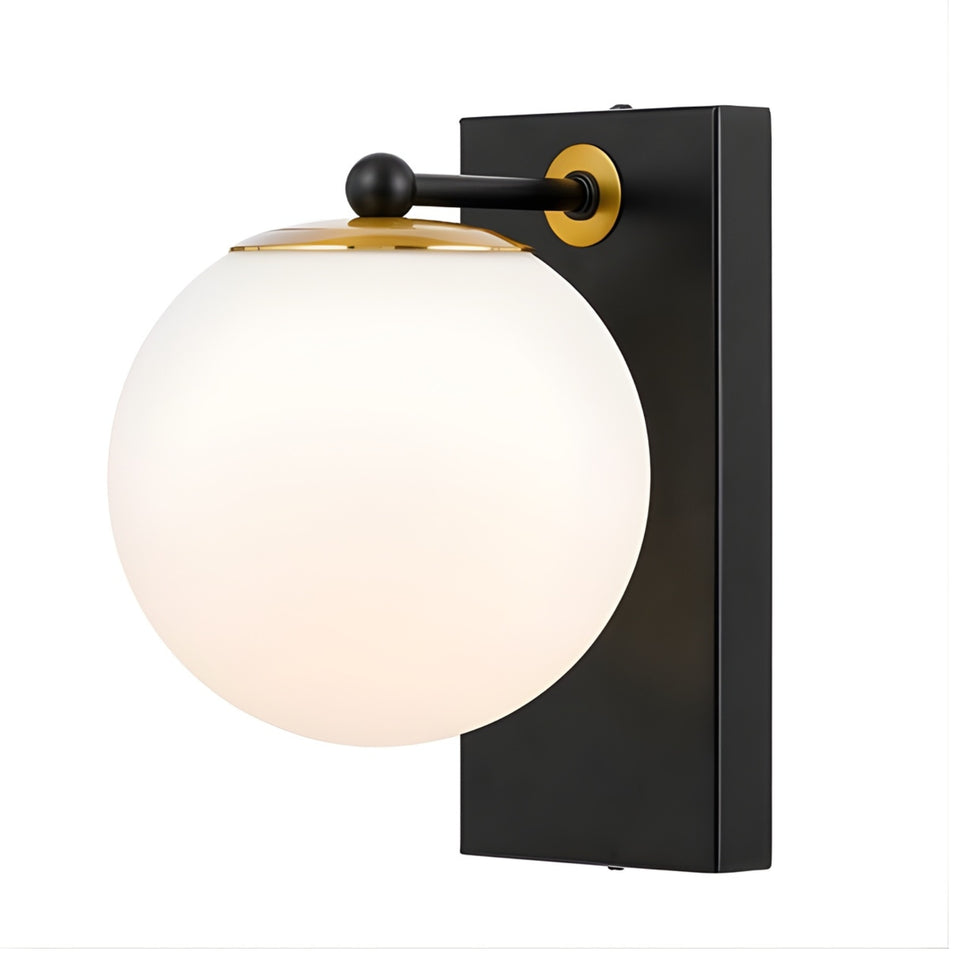
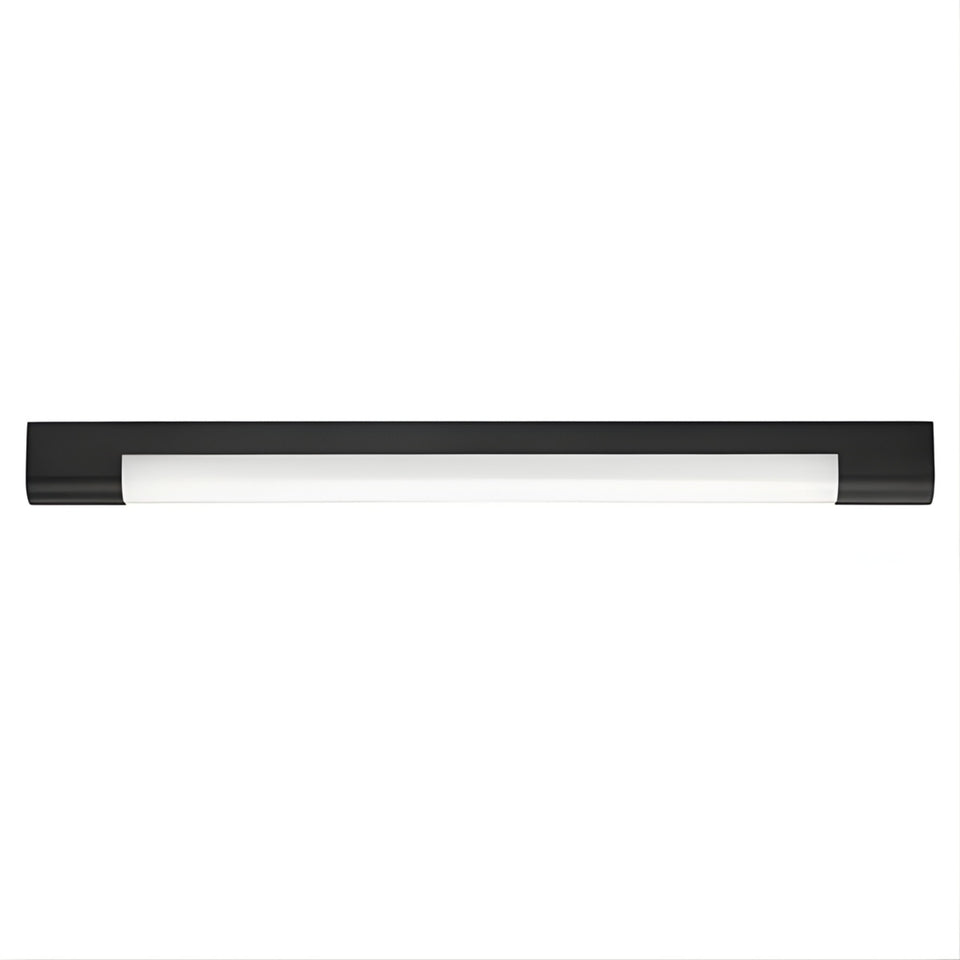
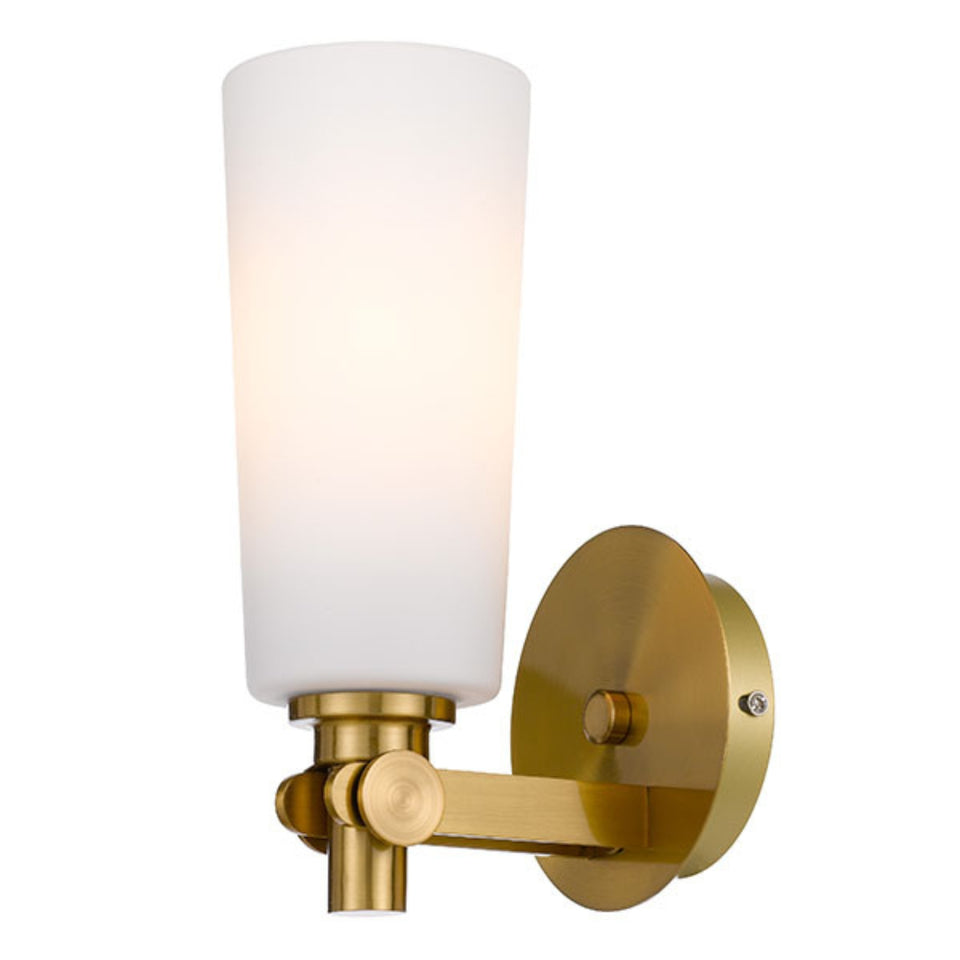
The range covers most of these. The Telbix Eterna and Garot lights pair a glass shade with a metal bracket. The Telbix Madras is a slim LED bar in 60cm and 90cm lengths. The Telbix Arvin, Gilson and Oras are the vanity bars, and the Eglo Fremantle outdoor lights have adjustable heads. Every fitting has its own light source, so the type is easy to read off the page.
For a hardwired wall light in Australia, yes. Hardwired fittings must be installed by a licensed electrician, and plug-in fittings, which connect to a standard power point, do not need one. Wiring a new fitting, moving one, or removing a hardwired one calls for an electrician. The wall may need patching afterwards, so have the replacement ready if it is going into the same spot.
The same line applies here. The Telbix fittings are for installation by a licensed electrician only, and the Eglo outdoor lights are a high voltage class with earth required. Changing a globe is a different matter. It is fine with the power off, as long as the new globe matches the fitting.
Mount wall lights to these heights.
The light sits at about head height when you are propped up in bed, so you can read without glare in your eyes. Beds and bedheads differ, so hold the fitting in place while someone sits up, before the electrician drills anything.
Along a hallway, leave about 2 to 2.5 metres between fittings. A short hallway or a bathroom may need only two or three lights in total, and on a high wall it is better to keep fittings in the middle third and use fewer of them.
Lumens describe the light a fitting gives out and watts describe the power it draws, so lumens are the number to choose by. A comfortable ambient glow needs 200 to 400 lumens per fitting and a reading or task light needs 400 to 800. Where the light source is built in, the lumens are part of the product's details. Among the vanity lights, the shorter Arvin and Gilson bars give fewer lumens and the 80cm versions give the most, which suits a wide mirror or a double basin.
Colour temperature is the other number. It is measured in kelvins and describes how warm or cool the light looks. The broad picture is this: around 2700K to 3000K is warm white, the cosy light for living rooms, bedrooms and dining areas. Around 3000K to 3500K is a cleaner, softer white for kitchens, bathrooms and home offices. Around 4000K to 5000K is cool white, which suits task areas and utility spaces.
Warm white can sit slightly lower, at roughly 2300K to 2700K, with cooler white at 3000K to 4900K, so treat the ranges as a guide, not a rule. Do not mix colour temperatures in the same room, because the difference shows on the wall. Many of the integrated LED wall lights here are 3000K, and the vanity lights are adjustable, so you can set the warmth to suit the room.
In a bathroom, the IP rating is the first number to check. Bathroom wet-area zones follow AS/NZS 3000, and the main points are consistent.
The heights differ. The zone 1 limit is 2.25 metres in some layouts and 2.5 metres in others, and the rating for zone 0 varies too. Check the standard or ask a licensed electrician before relying on one number, and that is the right call.
IP44 is the usual rating for bathroom wall lights. Here, the Telbix vanity bars, the Chaska and the Varon are IP44. A fitting rated IP20 sits below the IPX4 minimum set for the basin zone, so keep it for a dry room such as a bedroom or hallway. The IP65 fittings are outdoor fittings that suit a covered wall outside, not a bathroom mirror.
Place bathroom wall lights at face height on either side of the mirror, because light from the sides removes shadows from the face better than a single light above. Lights beside or above a mirror cut the shadows that make grooming harder. Both want the light to reach the face evenly, and side placement is the most dependable way to get there.
Long, slim vanity bars suit a wide mirror. The ones here run from about 40cm to about 82cm wide, carry IP44 and have an adjustable colour temperature. A shorter bar suits a single basin and a mirror of similar width, and the longest suits a double vanity. A light much wider than the mirror looks out of scale, and one much shorter looks lost.
Some wall lights in this range are made for outdoor walls, and the usage line says so. Outdoor fittings need to be weatherproof. Damp-rated fittings suit covered outdoor areas, and wet-rated fittings are required where rain or water reaches the light. In Australian terms that comes back to the IP rating.
The Telbix Penros is IP65 and made from 316 stainless steel, and it suits rain and coastal environments. The Eglo Fremantle outdoor lights are IP65 aluminium. The Telbix Fonseca is IP44 aluminium and glass for exterior walls and covered outdoor areas. For a wider choice, see outdoor lighting and exterior wall lights. Indoors, ceiling lights and pendant lights add the other layers to a room.
The box for the Telbix lights holds the wall light, basic mounting screws and instructions. Go by the globe line in the specification and ask before you order. To match globes across several fittings, light bulbs and globes lists the options.
The range uses iron, aluminium, glass, copper, brass and stainless steel, with a few fittings in travertine or marble. Finishes run from black and chrome to gold, brass, copper and white, and the glass comes in opal, amber, clear and smoked. The Telbix Riven has ribbed glass that softens the light and adds texture. Opal glass diffuses light, and opal glass lights shows that choice, while amber glass lighting and smoked glass lights give deeper tones.
The easiest way to pick a finish is to look at the other metal in the room. Wall lights need not match the ceiling fixtures exactly, and mixed metals give a collected look, provided one finish repeats across two or three fixtures so there is a thread of continuity. Gold and brass lighting and black lighting gather those finishes together.
The order is the room, the job and then the numbers. Decide whether the light is decoration, task or ambient, pick the type from the direction of the light and set the height from the mounting heights. Near water, read the IP rating. Read the globe line to see whether a globe is included, and the dimmable line if a dimmer is planned. Then match the finish to the metal already in the room. A hardwired fitting needs a licensed electrician, so settle the wall box position and the height with them before buying.
For one maker's range, see Eglo lighting, or go back to the wider lighting collection. For the bathroom, see bathroom lighting.


