
*View accurate shipping rates and availability






96 Items




Up to 70% off across the store, plus free towels and mirrors up for grabs on orders over $800*

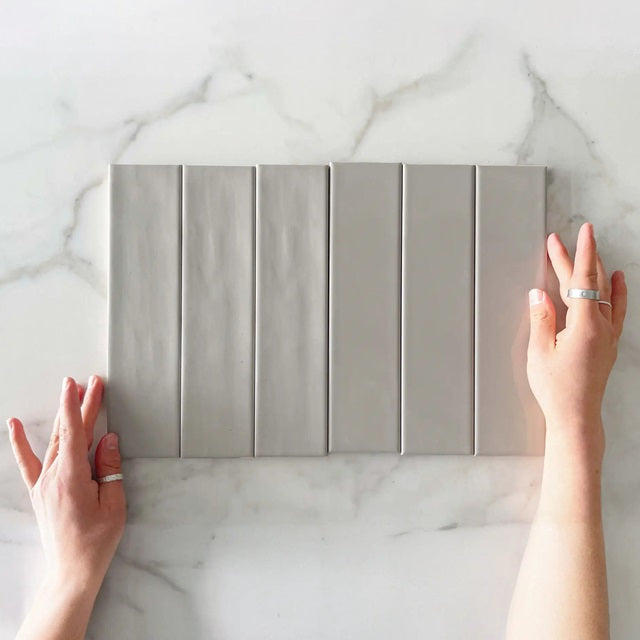
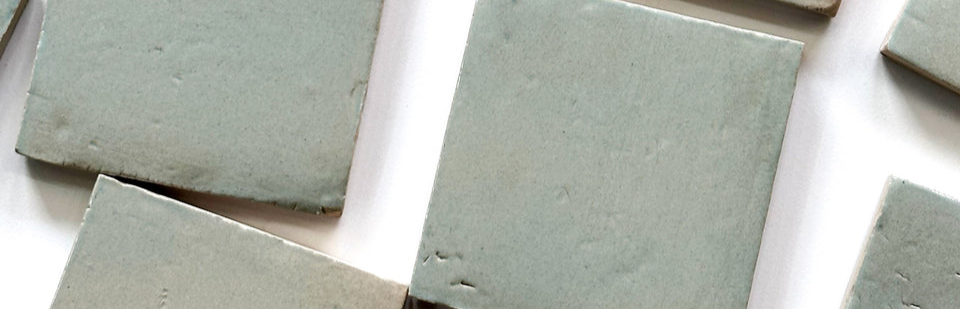
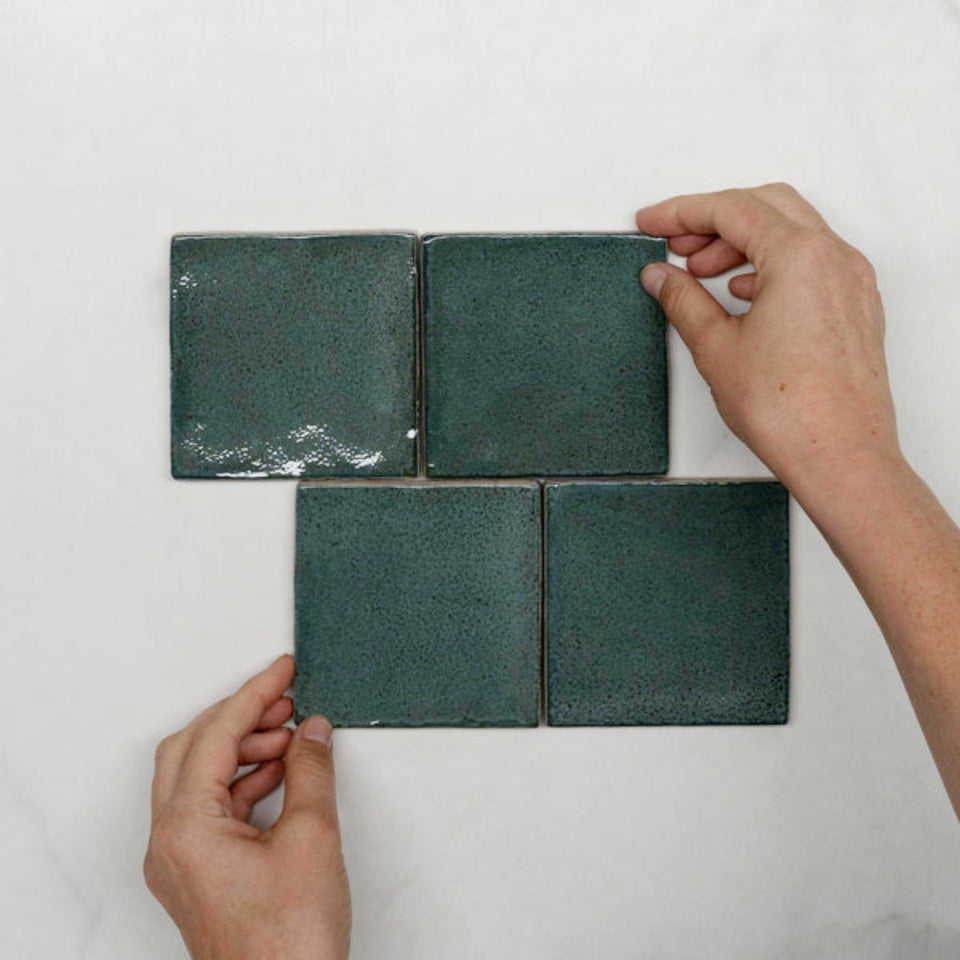


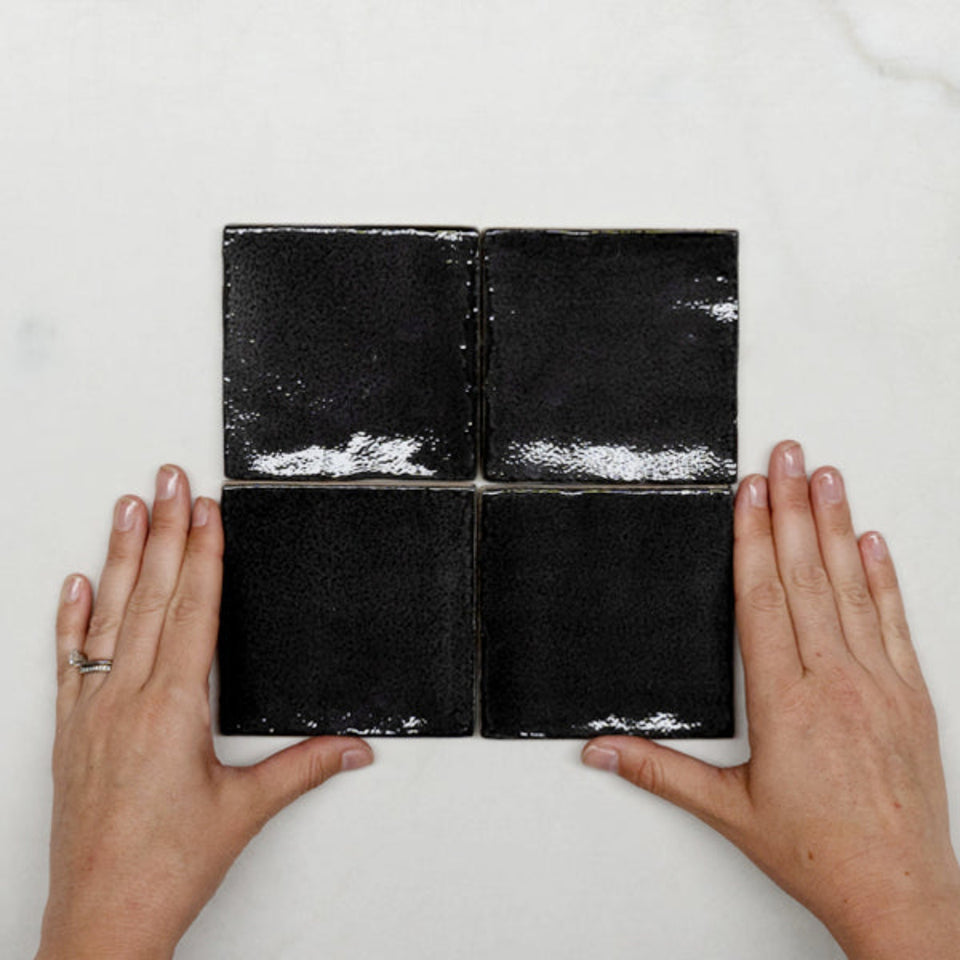


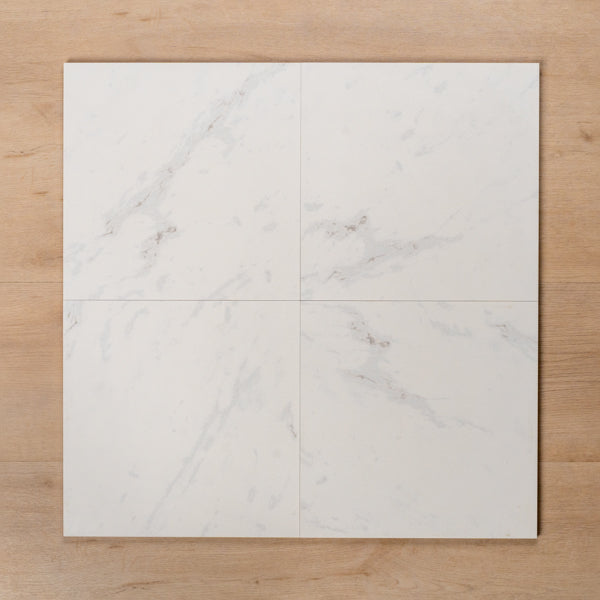

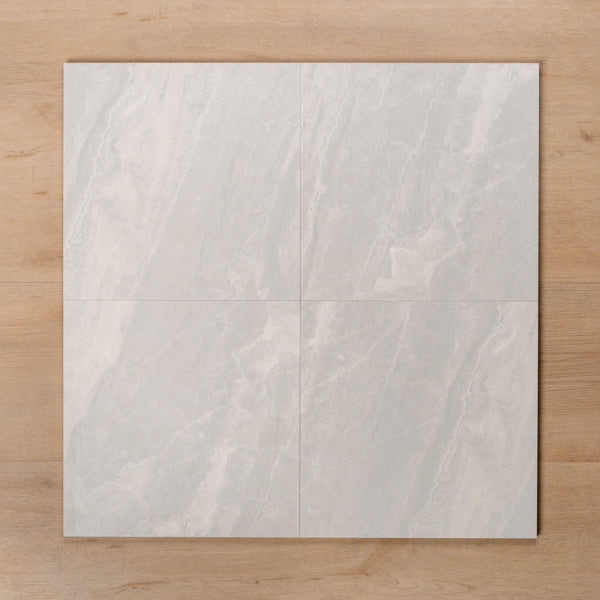
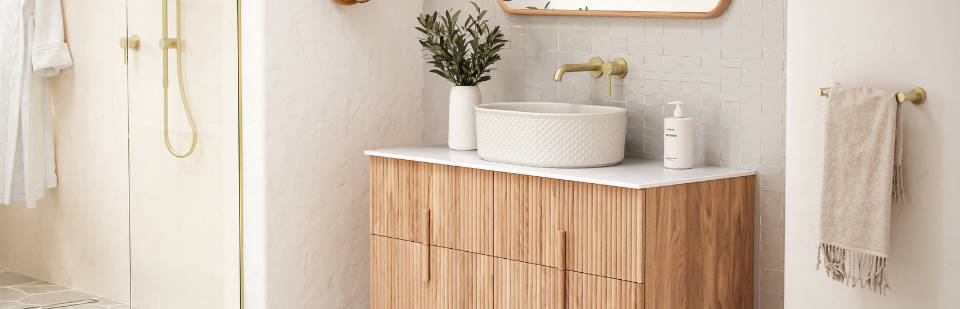


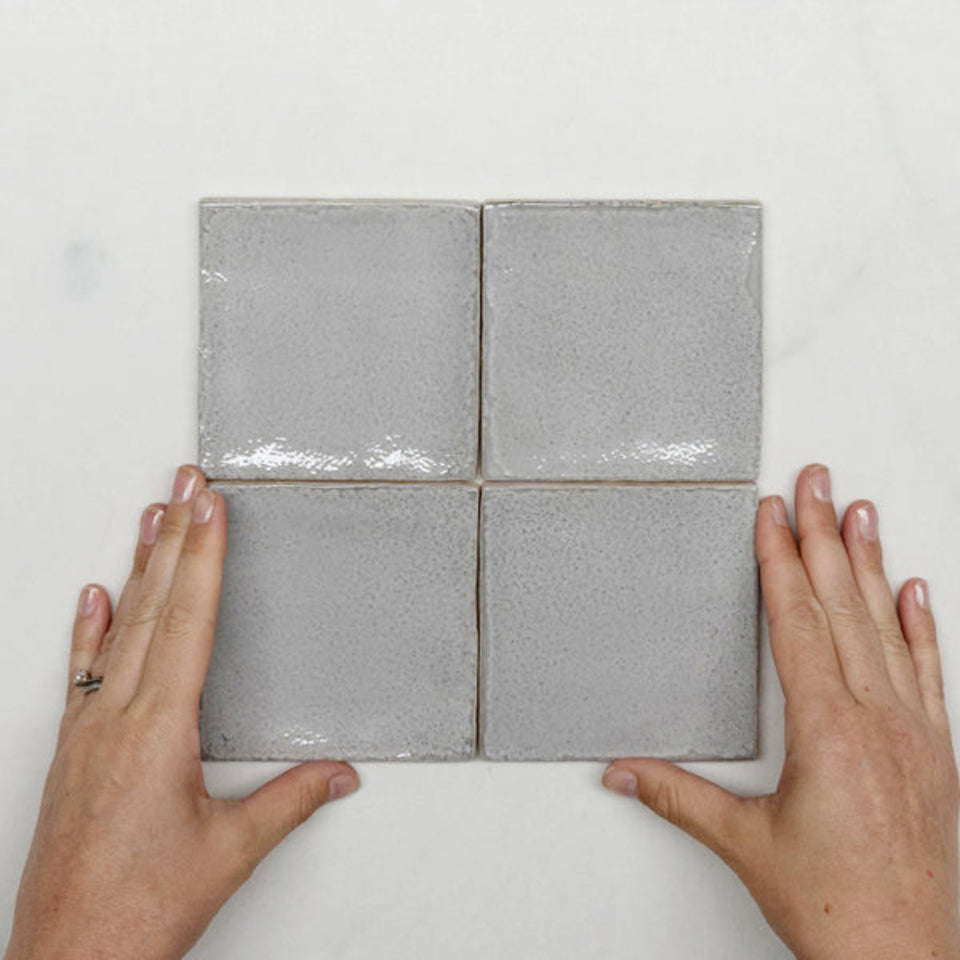

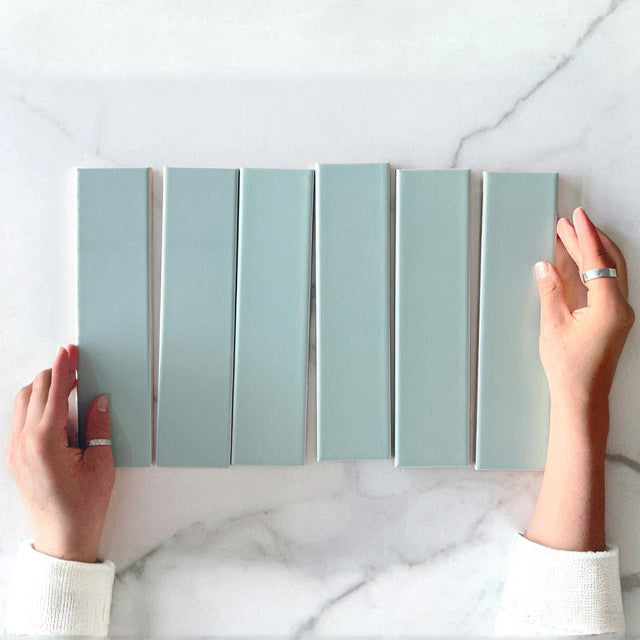
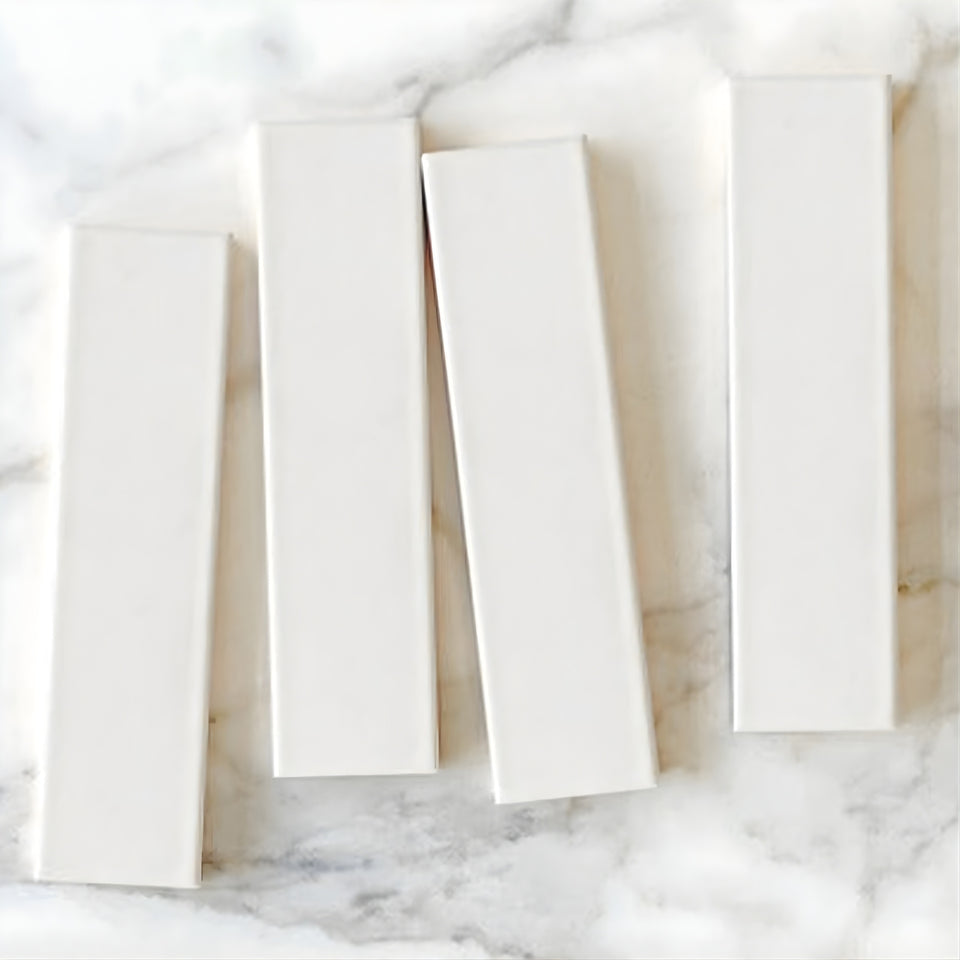
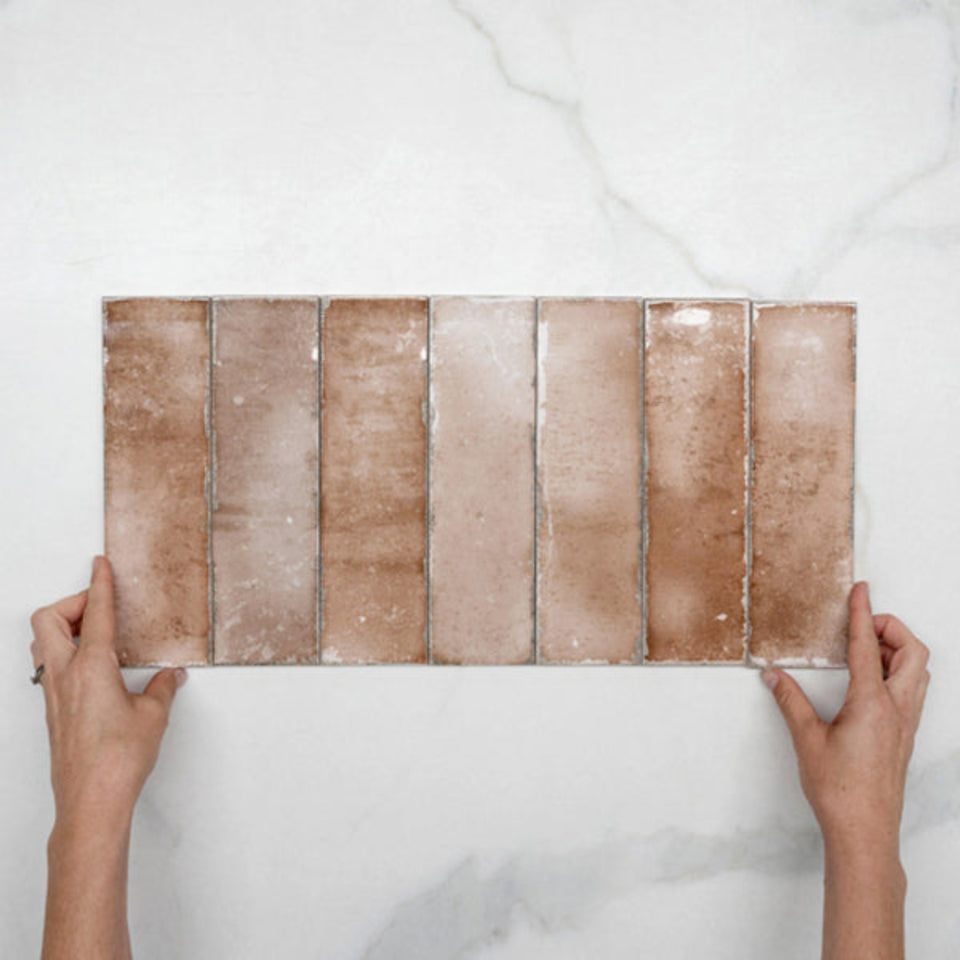
Ceramic is the wall tile of the store. Nearly every tile in this collection is made for walls, from 65 x 265mm mini subways to 300 x 600mm rectified gloss tiles, in white, grey, green, blue, beige, pink and terracotta. Most carry wear ratings of 0, not recommended for floors.
The sections below explain what ceramic is, how it differs from porcelain, what the glaze does, and what each range prints. For neighbouring decisions, see the porcelain tiles collection, the wall tiles collection and the subway tiles collection. The tiles collection sits above them all.
Ceramic tiles are made from natural clay fired at moderate temperatures, which gives a durable but more lightweight tile, easier to install, with a wide range of surface finishes. Ceramic and porcelain share their raw materials and are baked in a kiln to harden and remove moisture. Ceramic is baked for a shorter period at a lower temperature, which results in a lighter tile.
That is the whole difference in one sentence. Ceramic is the lighter, softer cousin, and its strengths follow from that: it cuts easily, it carries almost any glaze, and it suits walls.
Ceramic tiles are most often used for vertical applications, while porcelain can often be used as a floor or a wall tile. That quality allows more creative designs and finishes in ceramic collections, because there is no need to consider slip resistance, grip or tripping hazards as there would be for floor tiles. That is why 3D tiles, fish scale shapes, hyper-glossy glazes and handmade textures turn up so often in ceramic.
Ceramic is lighter than porcelain, which makes it easier to cut and install, and it is often used for walls and low-traffic floors, while porcelain is usually chosen for heavy-duty or outdoor areas. Most ceramic tiles are designed for walls, though many are suitable for floors in low to medium traffic areas. The porcelain tiles collection covers the harder material in full.
Most ceramic tiles are glazed, with a hardened, glass-like finish baked onto the surface. The glaze gives a water-resistant barrier that protects the body of the tile and removes the need for sealing. Glazed ceramic usually needs nothing more than a wipe with warm, soapy water. Unglazed ceramic has no protective layer, so seal it, ideally before installation to prevent adhesives or wet grout from discolouring it, and again every few years.
Practically, ceramic tiles do not usually need sealing, although the grout around them may benefit from it depending on the room. Most ceramic tiles here are easy to clean, with no sealing needed.
Ceramic wall tiles are not rated for floors unless marked as suitable, and ceramic floor tiles usually carry a slip rating to match the room. Many people use ceramic on walls and porcelain on floors for the added durability.
The tiles here follow that rule closely. Evelyn, Ella, Leon, Terrarosa, Wategos, Gemma and the gloss Burleigh carry a wear rating of 0, and several of them are intended for wall applications only. Whitehaven is walls only, not suitable for flooring. Luca, Dianna and Bella carry P2 and an application of walls. Ceramic is a wall decision, and the product page for each tile confirms it.
Many people choose ceramic for feature walls, splashbacks and bathroom walls because it is lightweight and easy for tilers to install, and it cleans well with simple products. Ceramic's lighter composition makes it particularly suitable for wall applications while still offering reliable performance in selected floor installations. The lightness that limits ceramic on a floor is the same lightness that makes it practical on a wall.
A tile that does not have to carry foot traffic can also be thinner and more expressive. That is why the collection includes 6 to 12mm tiles in wavy, satin, handmade and gloss glazes that would be impractical on a floor.
Ceramic does decorative work best: a vast range of options such as 3D tiles, detailed tile shapes and etchings, and sleek glazes that reflect light around a space. It makes a sophisticated bathroom wall tile, a laundry or kitchen splashback tile, or a feature wall tile for an area such as an entryway. Fish scale and 3D tiles are examples of the shapes that feature walls make possible.
The wavy Whitehaven tiles and the handmade-look Evelyn and Dianna tiles are the collection's version of that. They are tiles that earn their place by surface, and a plain wall beside them is the right setting. The feature tiles collection sets out how to use one.
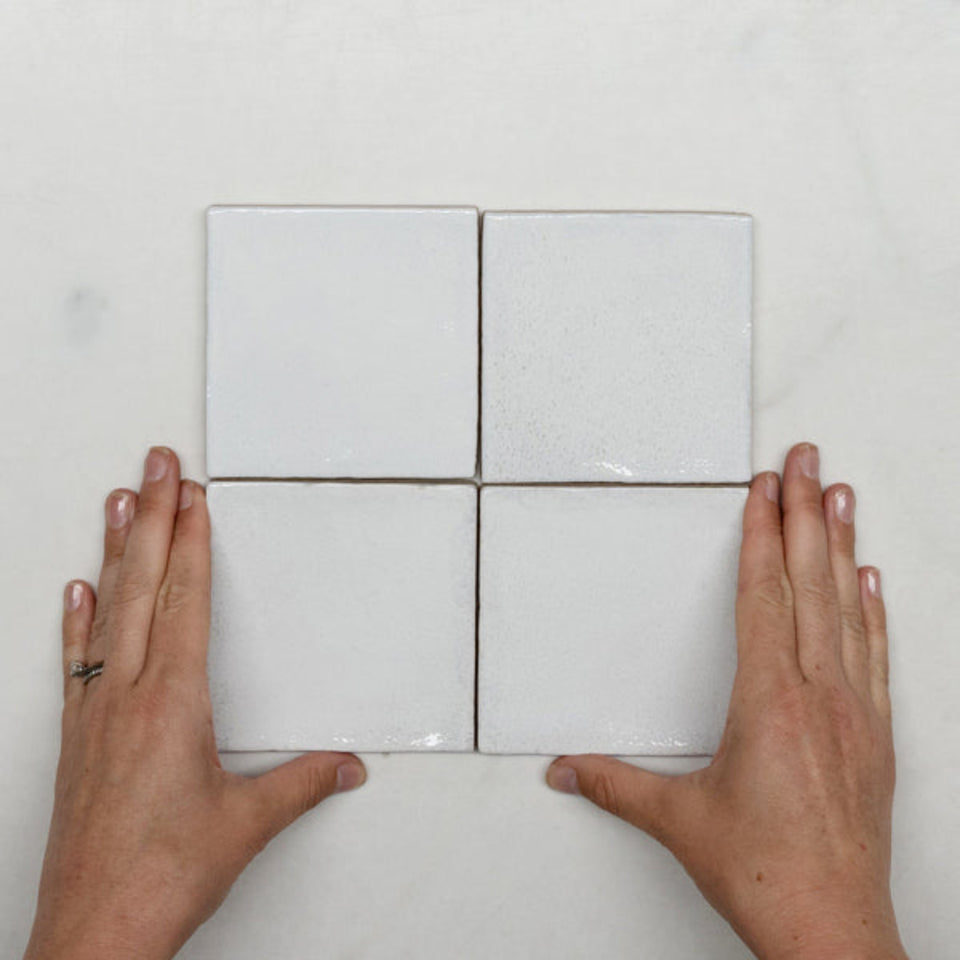
Handmade-look ceramics are where the material shows off. Dianna is a Spanish-made 75 x 150mm hand made look subway and a 100 x 100mm zellige-inspired square, with a wavy structured finish in a rich gloss glaze. Ella is a 100 x 100mm Italian zellige-inspired square, 10mm thick. Evelyn is a handmade zellige and bejmat, made using artisanal techniques, hand moulded and shaped, with the colour glaze applied by a skilled craftsman. Luca is a hand made gloss series in 100 x 100mm and 75 x 150mm, 8mm thick.
These tiles carry their variation in the glaze and the surface, which is the creative design that ceramic allows. The zellige tiles collection covers the handmade look across the store.
Subway is the largest group. Bella is a 65 x 265mm mini subway, 7mm thick, in gloss and textured matte, with P2 and a rectified edge. Leon is a 69 x 240mm Spanish subway in gloss, Whitehaven is a 68 x 280mm wavy satin subway with a cushioned edge, and Terrarosa is a 62 x 186mm subway tile, 9mm thick. Sunset is a 50 x 200mm satin ceramic with a dune surface, and Wategos is a 100 x 300mm gloss tile with a non-rectified edge.
Ceramic wall tiles are commonly used for splashbacks because they wipe clean easily and come in plenty of colours and shapes. The kitchen tiles collection sorts the full splashback range, and the subway tiles collection covers the shape in porcelain as well.
Not all ceramic is small. Gemma is a 300 x 600mm ceramic tile, 9mm thick, in matt and gloss with a rectified edge, made for walls. Paradise is a marble-look ceramic range in 300 x 300mm matt stone and 300 x 600mm gloss and satin, in stone, Calacatta and grey. Kings Marble Carrara is a white ceramic with a cushioned edge in gloss and satin, Thredbo is a satin white 300 x 450mm tile with a cushioned edge, and Hartz is a gloss white 150 x 150mm tile. Burleigh is a stone-look range that includes a gloss ceramic in 300 x 600mm.
Ceramic tiles are generally lighter and thinner than porcelain, which makes them easier to cut, and that is why they are used so often on walls. The marble look tiles collection shows more marble-look options across both materials.
Ceramic suits several uses. Kitchens take ceramic wall tiles on splashbacks, and sometimes ceramic on floors in areas that do not need heavy-duty strength. Bathrooms take ceramic on walls and around showers, and laundries suit the lighter weight on walls and splash zones. Feature areas such as niches, stripes or full-height splashbacks are the fourth use. Ceramic is commonly used for bathroom walls, kitchen splashbacks, laundries and feature areas where moisture resistance and simple cleaning are essential.
The bathroom tiles collection and the feature tiles collection sort the range by room and by role.
Ceramic floor tiles can be used in living rooms if the tile is rated for floor use, and they offer a softer, more relaxed appearance than some porcelain finishes. For laundries, the lighter weight suits walls and splash zones, ceramic handles moisture well, and it is easy to clean.
In this collection that translates into a simple rule. A laundry splashback is an easy ceramic job, and a living room floor is a porcelain job unless a ceramic tile's Application line says otherwise. The kitchen tiles collection covers the splashback side of the same decision.
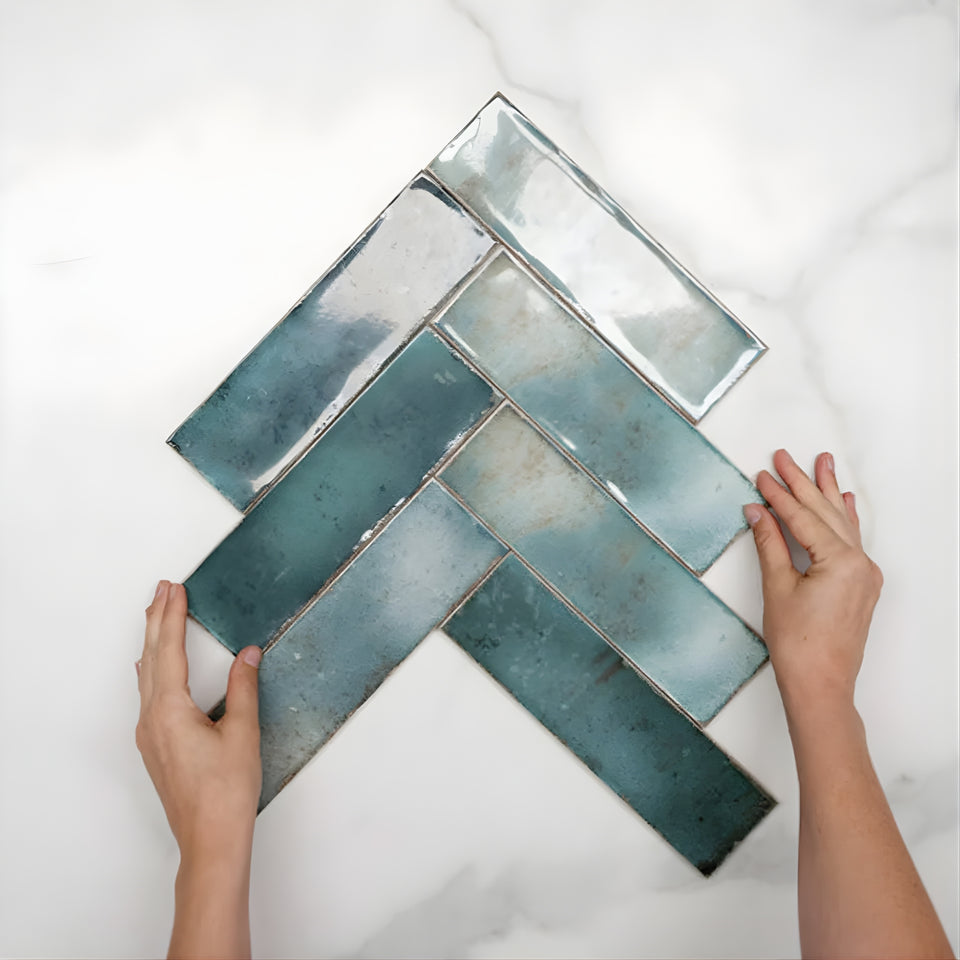
The collection runs across white, grey, green, blue, beige, pink, terracotta and black, with white the largest group. Ceramic is where the strongest colours live, because the glaze can carry them. The white tiles collection, green tiles collection, blue tiles collection and pink tiles collection sort the range by colour.
A white or grey glaze is the calm choice, and a green, blue or pink glaze is a feature. The glaze depth, particularly on the handmade ranges, changes with the light.
A worked example: a bathroom wall 2.4m high and 2.1m wide is 5.04 square metres. A 100 x 100mm tile covers 0.01 square metres, so the wall takes 504 whole tiles, and with 10 percent for cuts the order is 555. A 75 x 150mm tile covers 0.01125 square metres, so the same wall takes 448, and 493 with the allowance. Handmade-look tiles vary in size and shade, so mix tiles from several boxes as you lay them, and keep the cuts to the corners and the edge by the door.
Every product page prints the same lines, and for ceramic the first one that matters is the Application line. Walls only means walls only. The Wear Rating line reads 0 for most, which is the clearest signal that a tile is not for floors, and the Slip Rating line reads P2 or not rated. The Edge line says rectified, cushioned or non-rectified, and the Appearance line gives the V rating, from V1 for uniform to V4 for substantial variation.
Handmade tiles carry V3 or V4 and should be sampled. Plain glazed subways carry V1 and are predictable. Read the lines in that order.
Ceramic rewards a short brief: say whether the tile is for a wall, and the choice narrows at once to shape, glaze and edge.
Start with the surface. For a wall, splashback or shower surround, ceramic is the natural material, and the choice is mostly shape, glaze and colour. For a floor, check the Application and Wear Rating lines and consider porcelain instead.
Then choose the character. A plain glazed subway is calm, a handmade-look zellige is textured, and a satin or matte tile is understated. Match the edge to the grout line you want. The tiles collection sits above this one for the whole range.


