
*View accurate shipping rates and availability






263 Items

Up to 70% off storewide, free metro shipping over $500, and free gifts from $800. Spend more to unlock luxury towels and mirrors.*
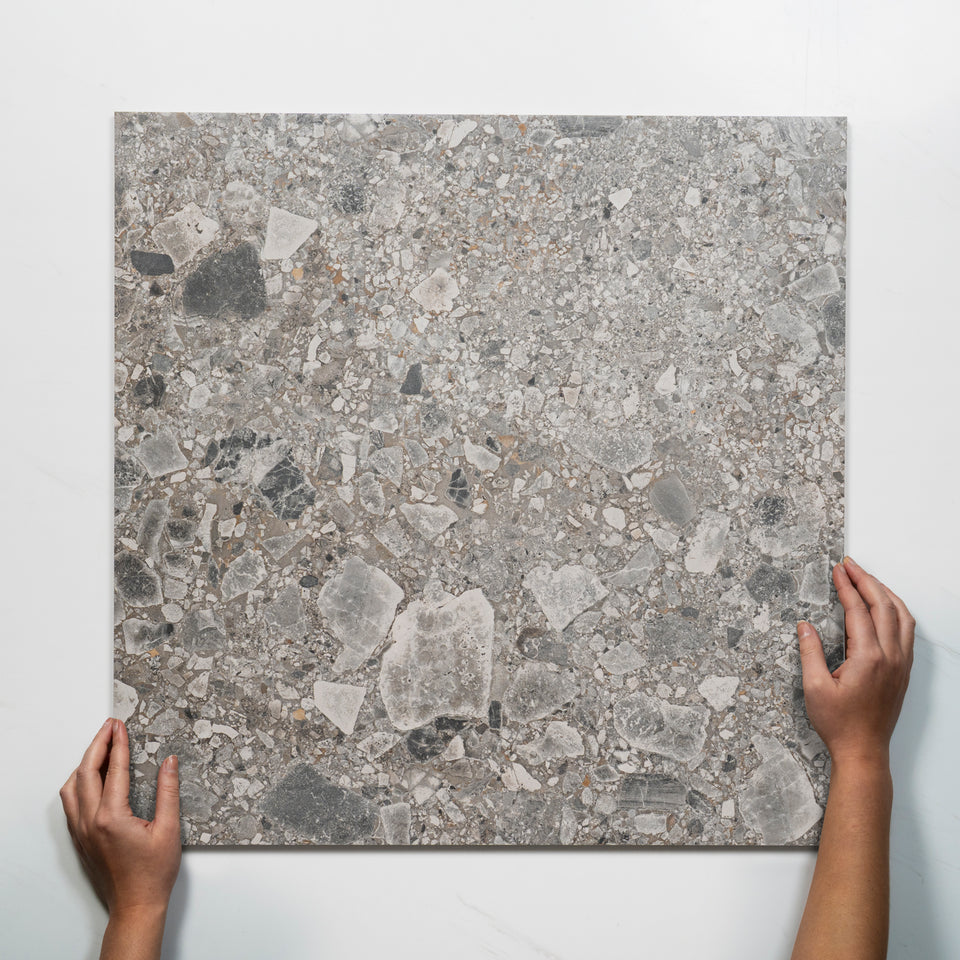
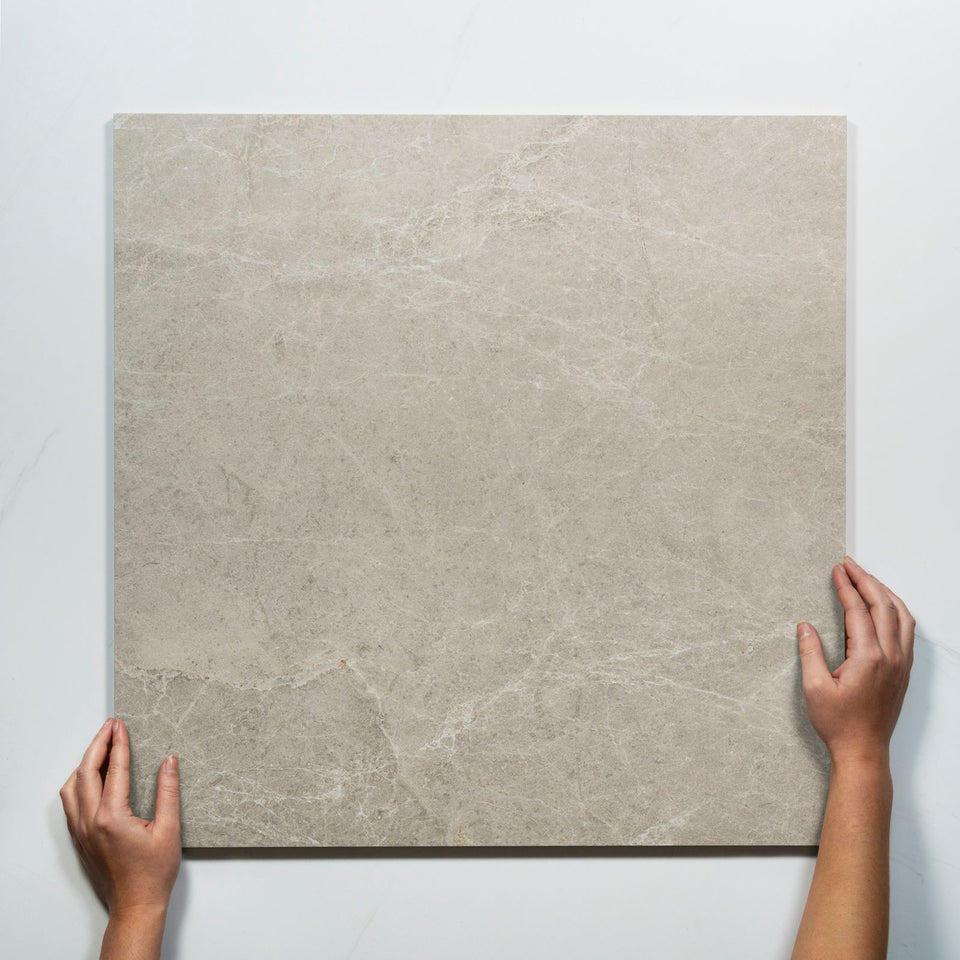
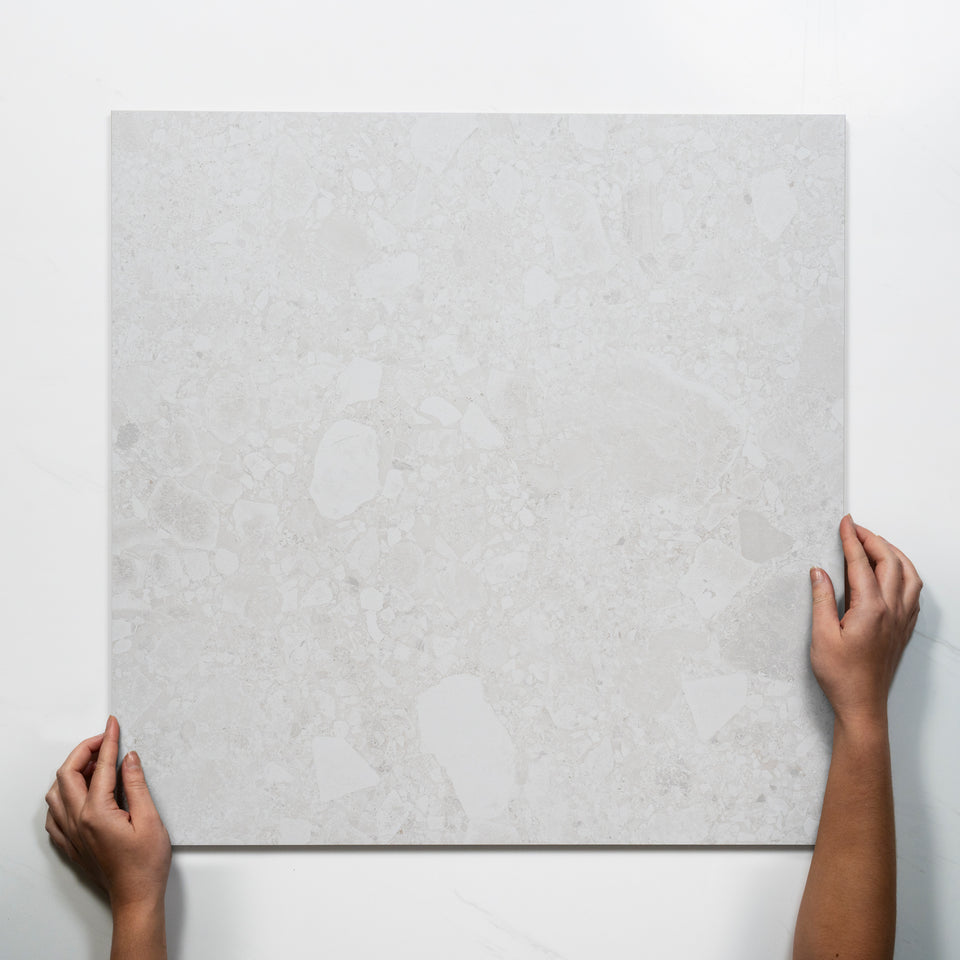
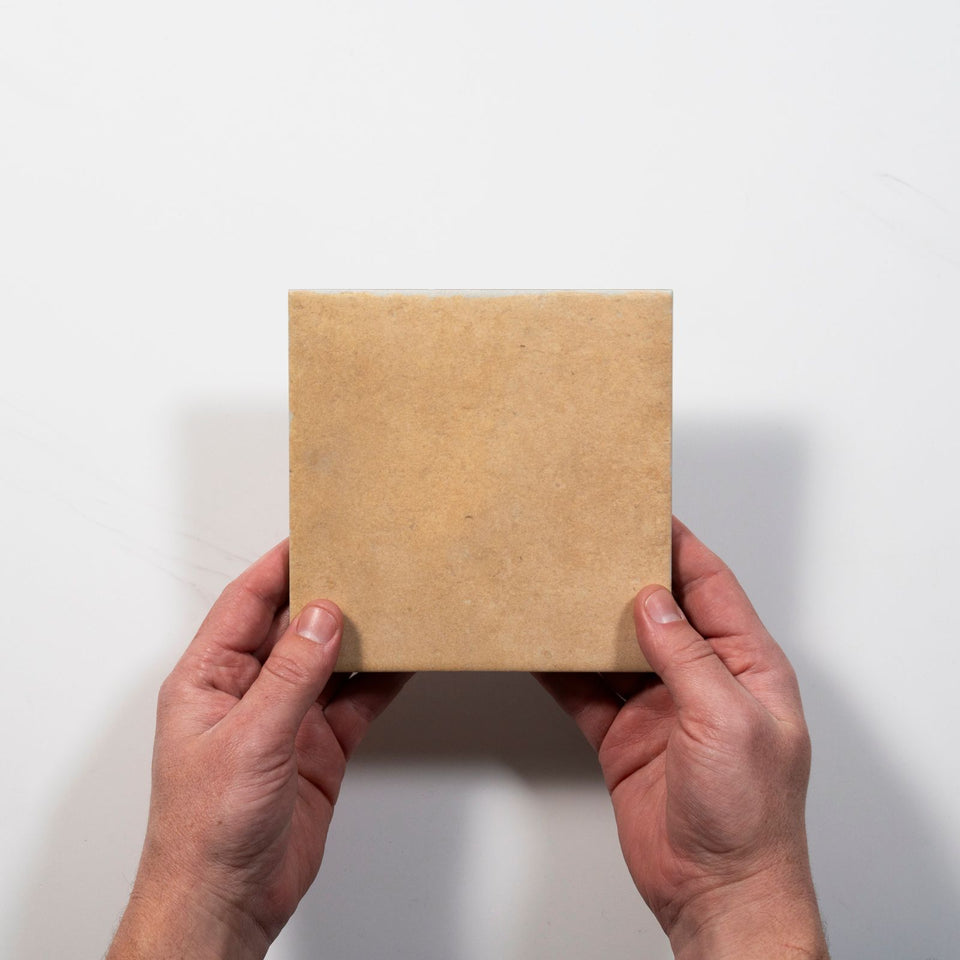
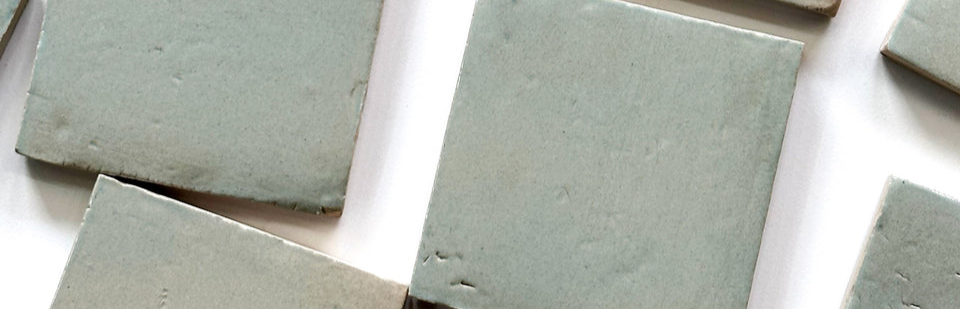
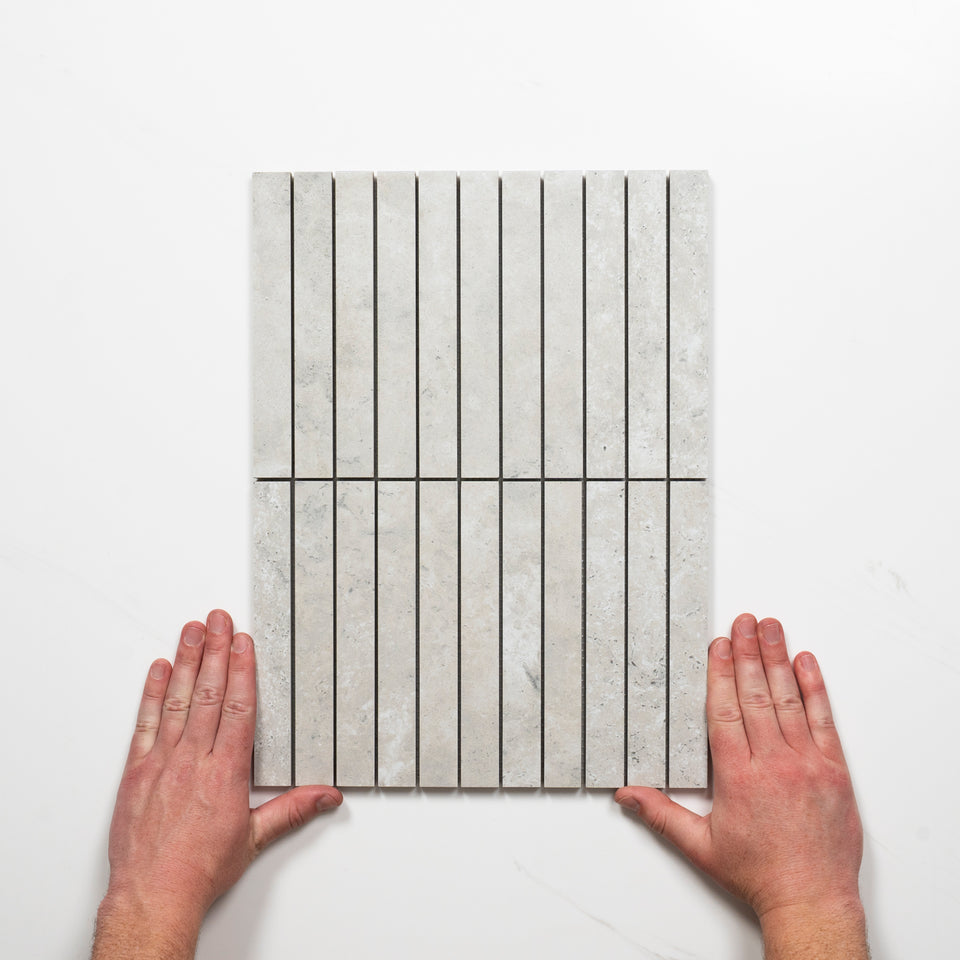
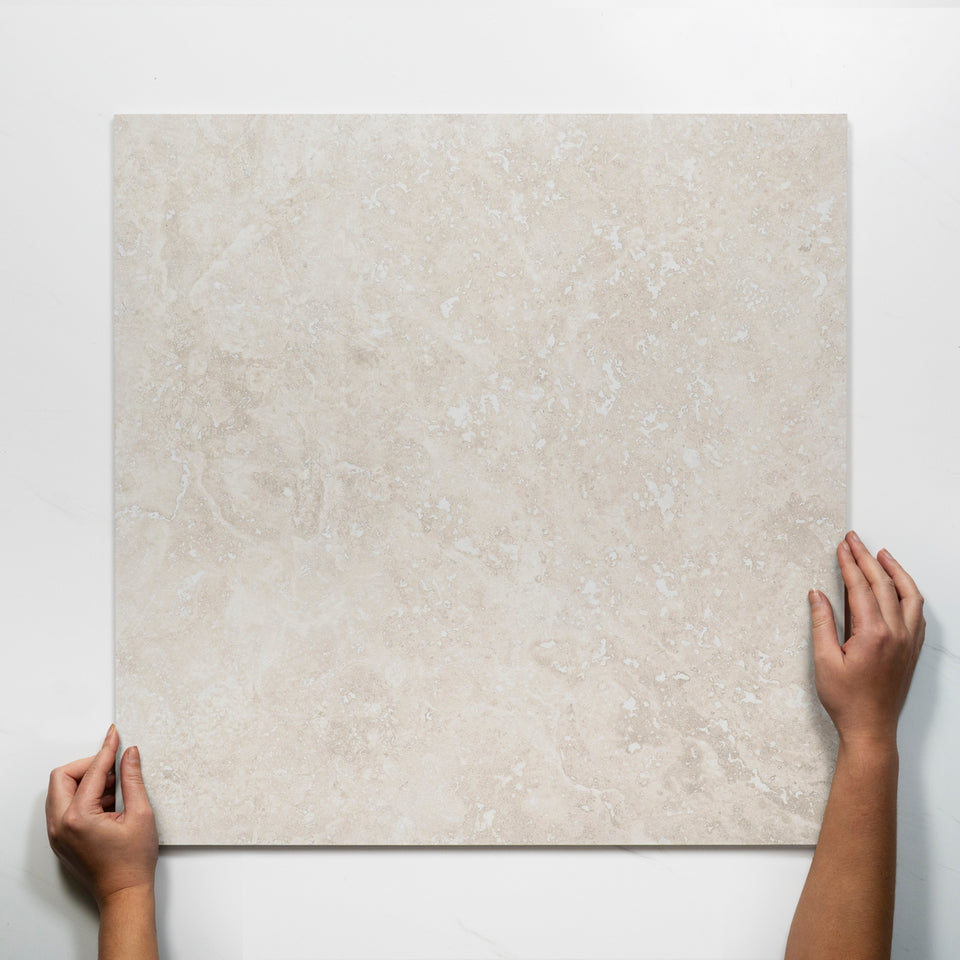
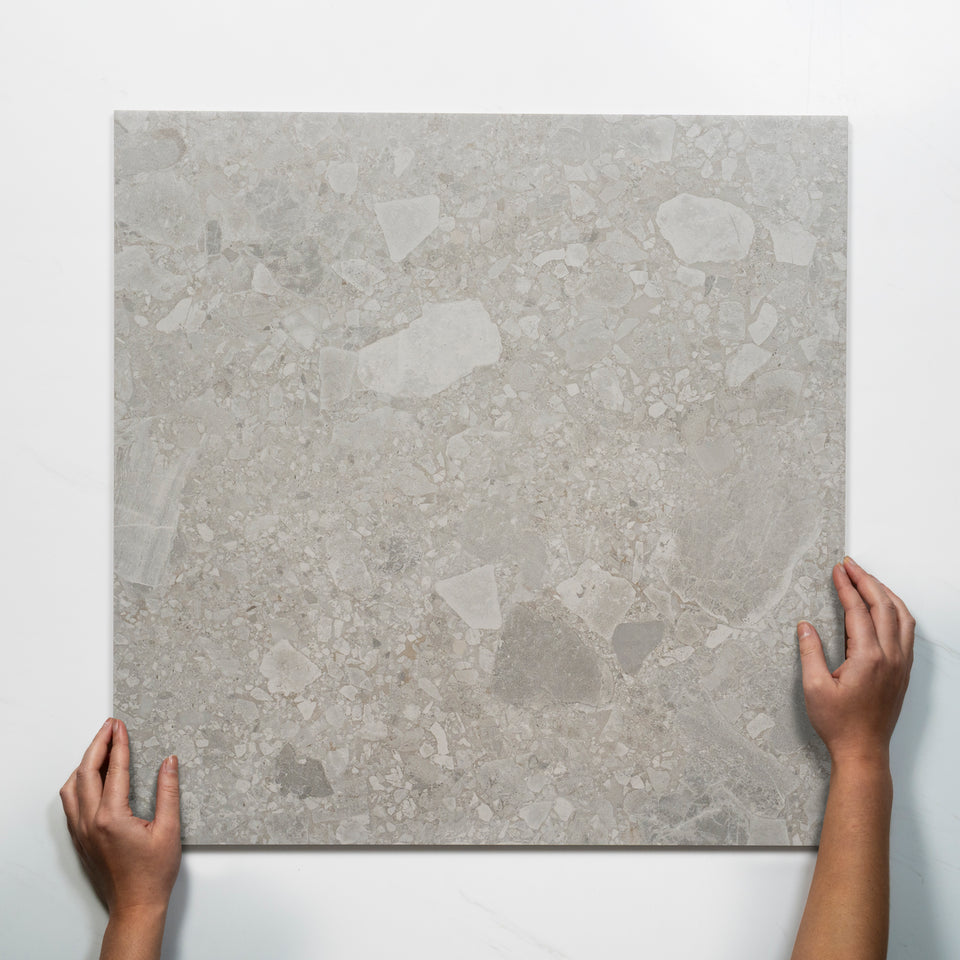
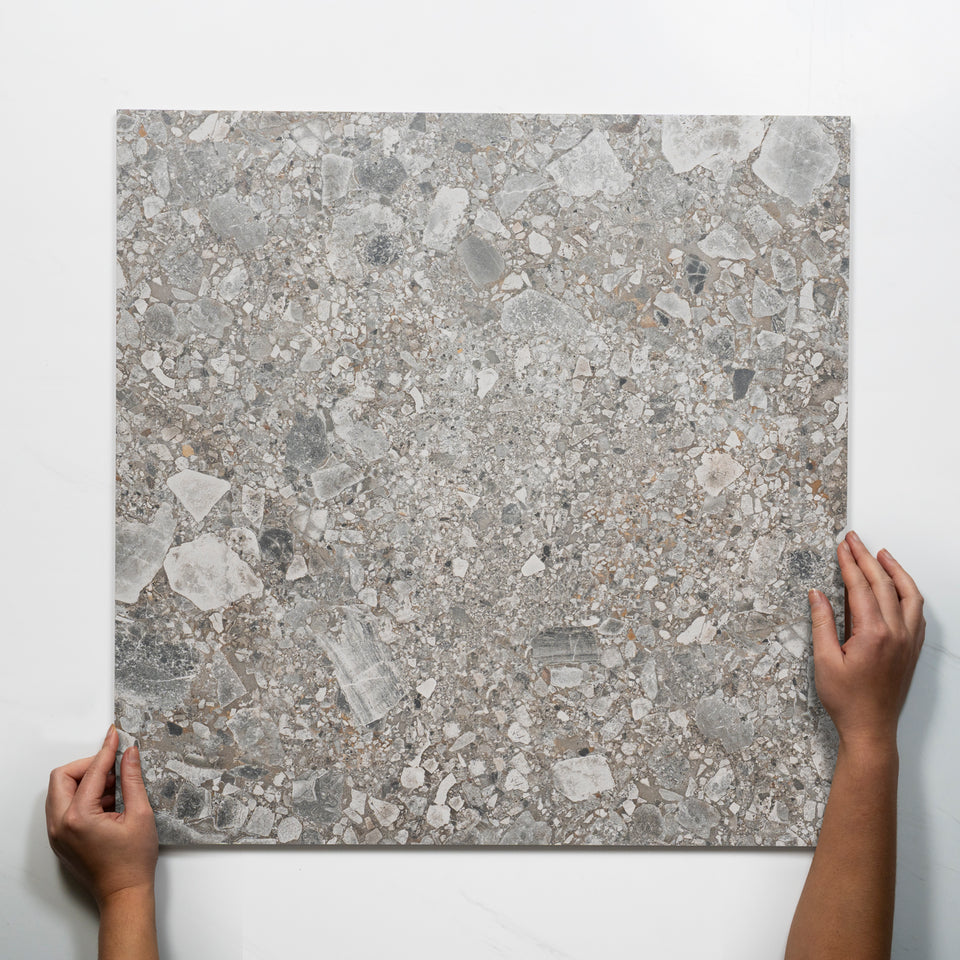
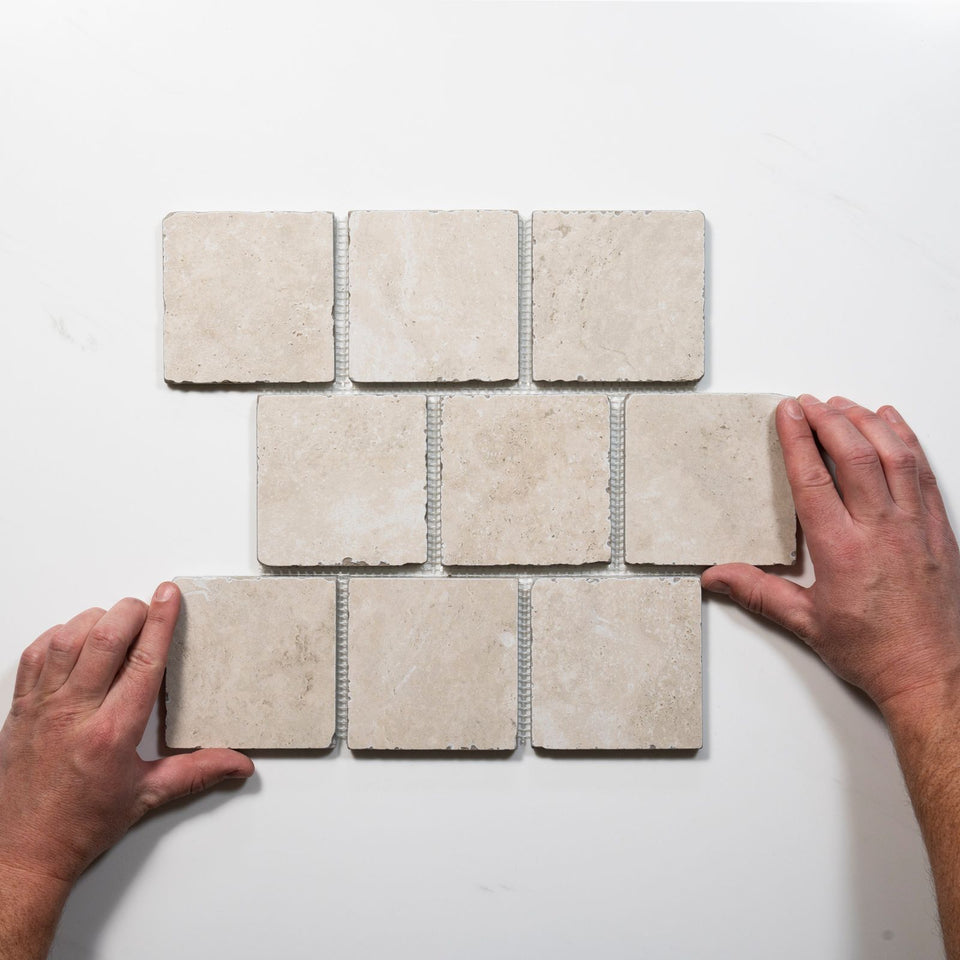
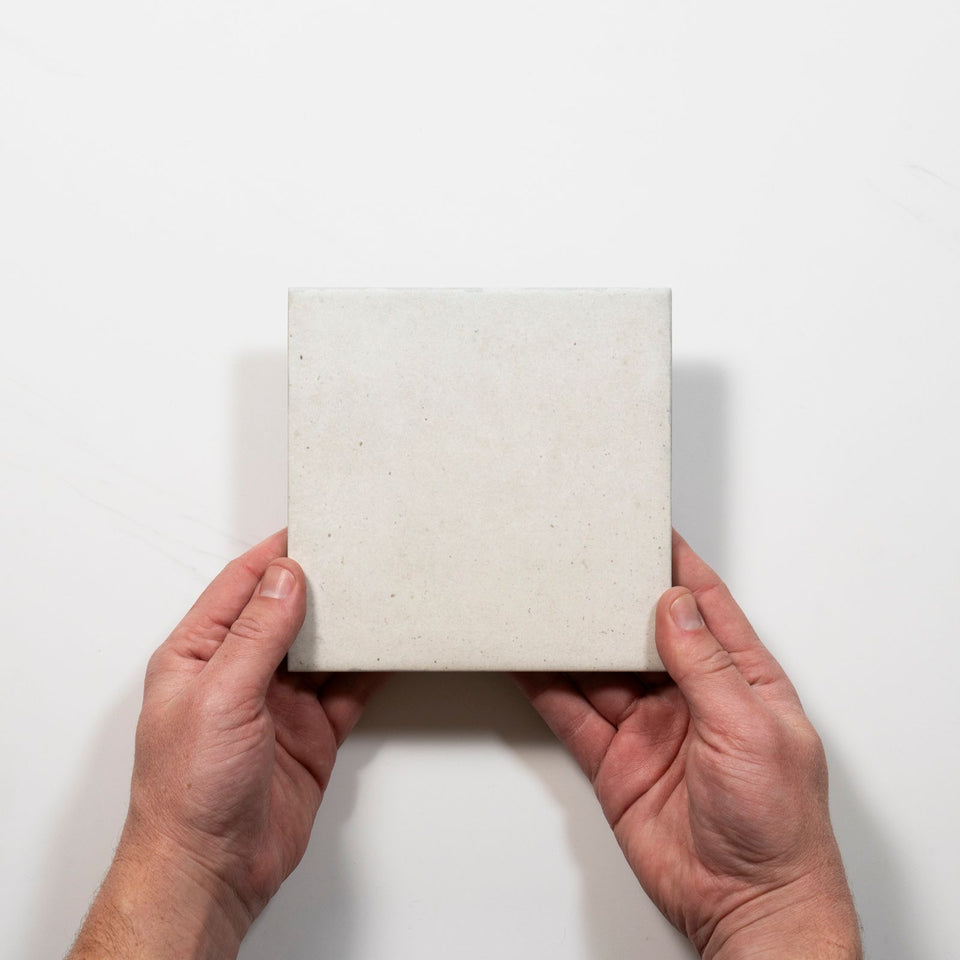
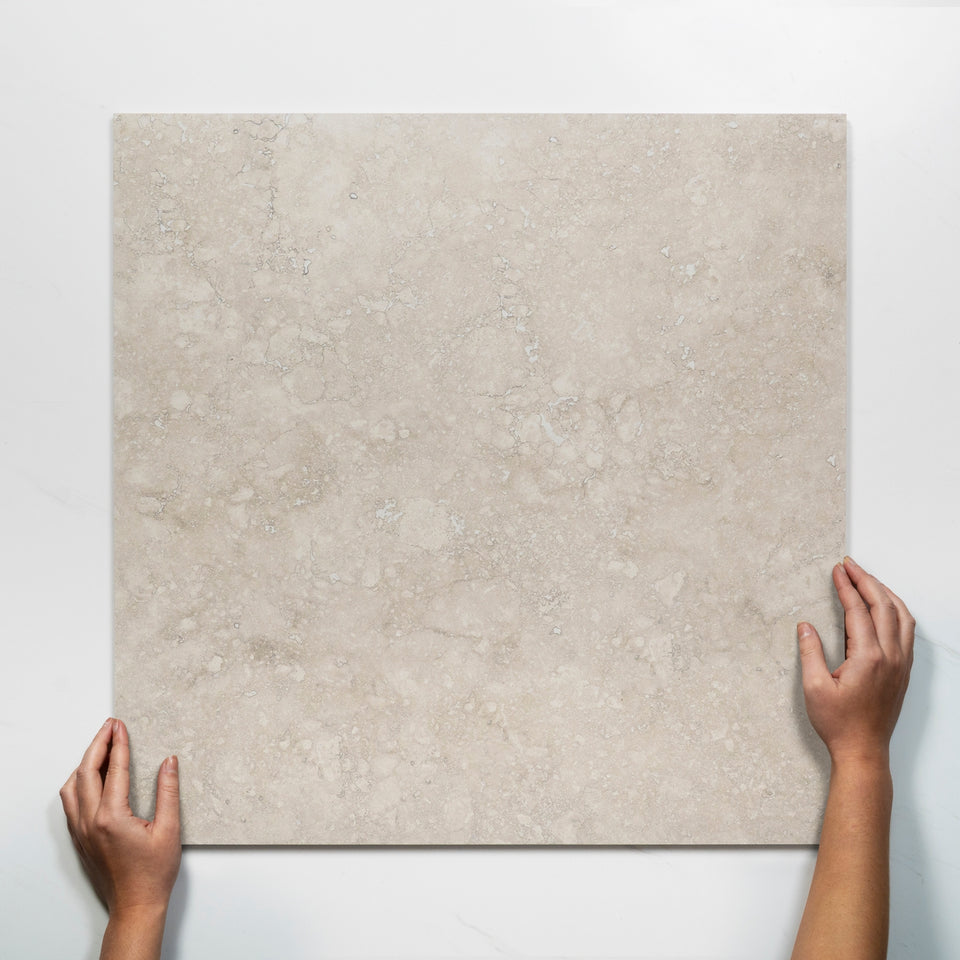
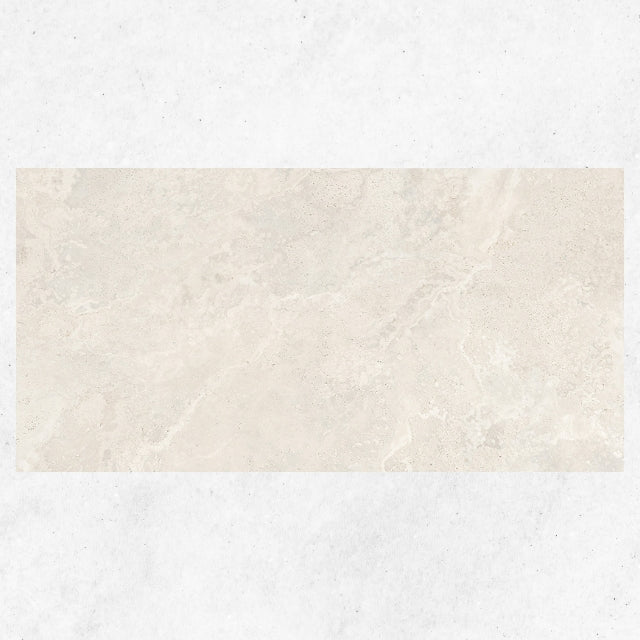
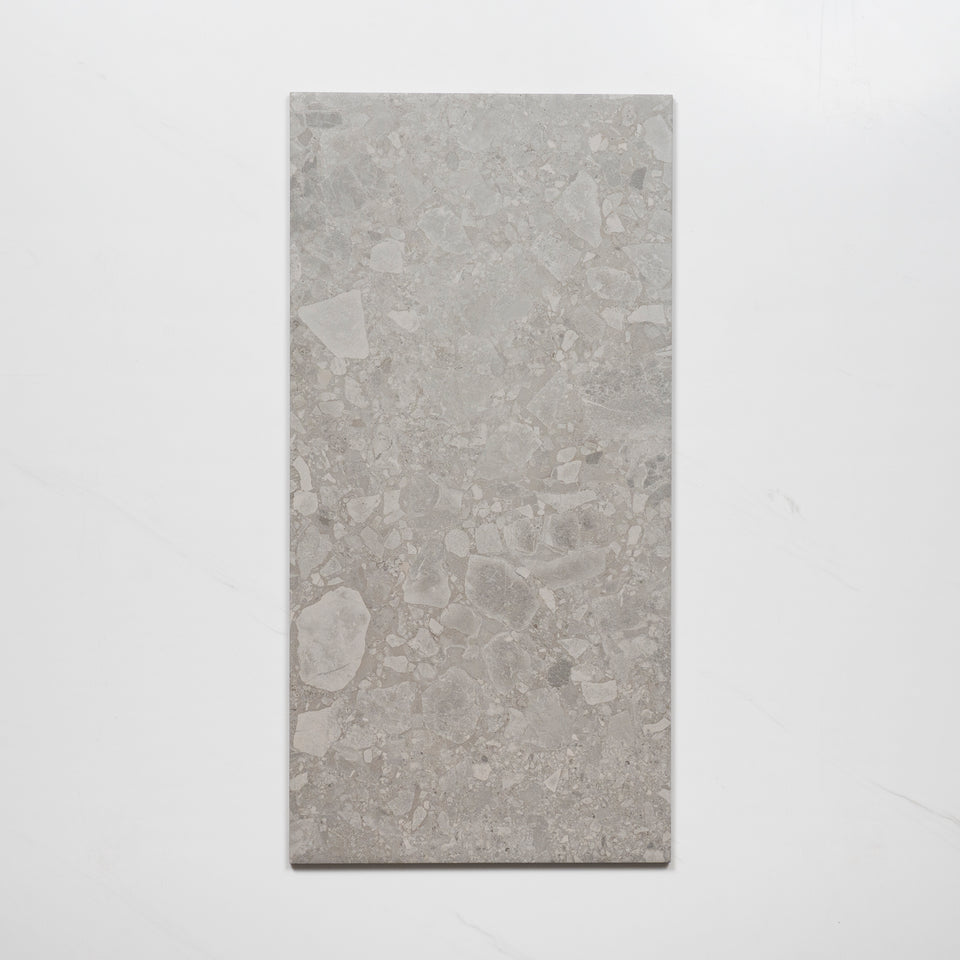
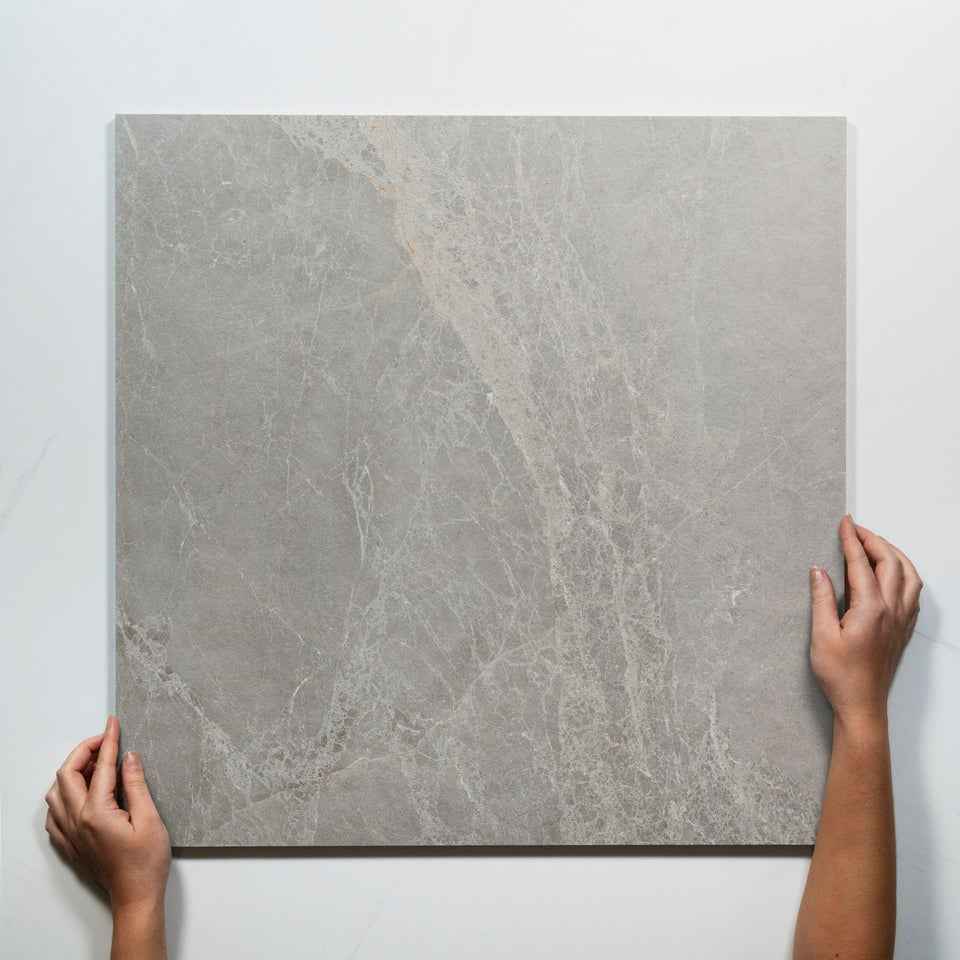
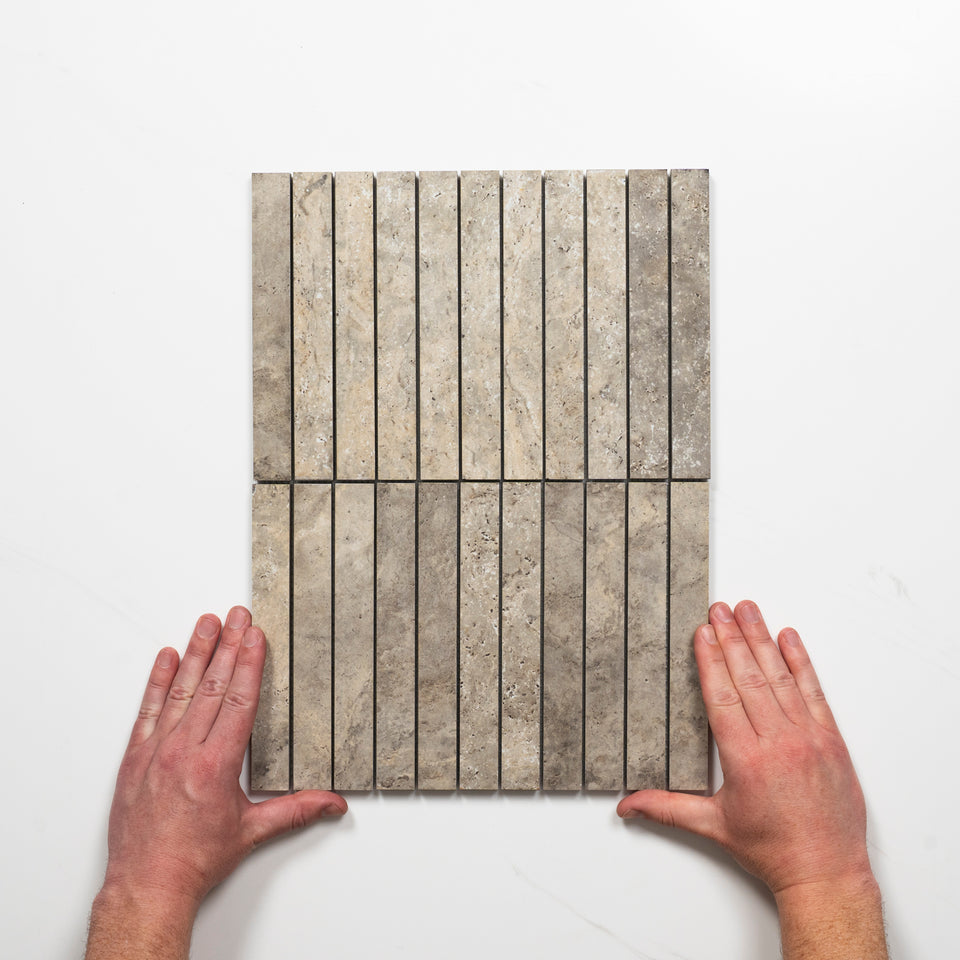
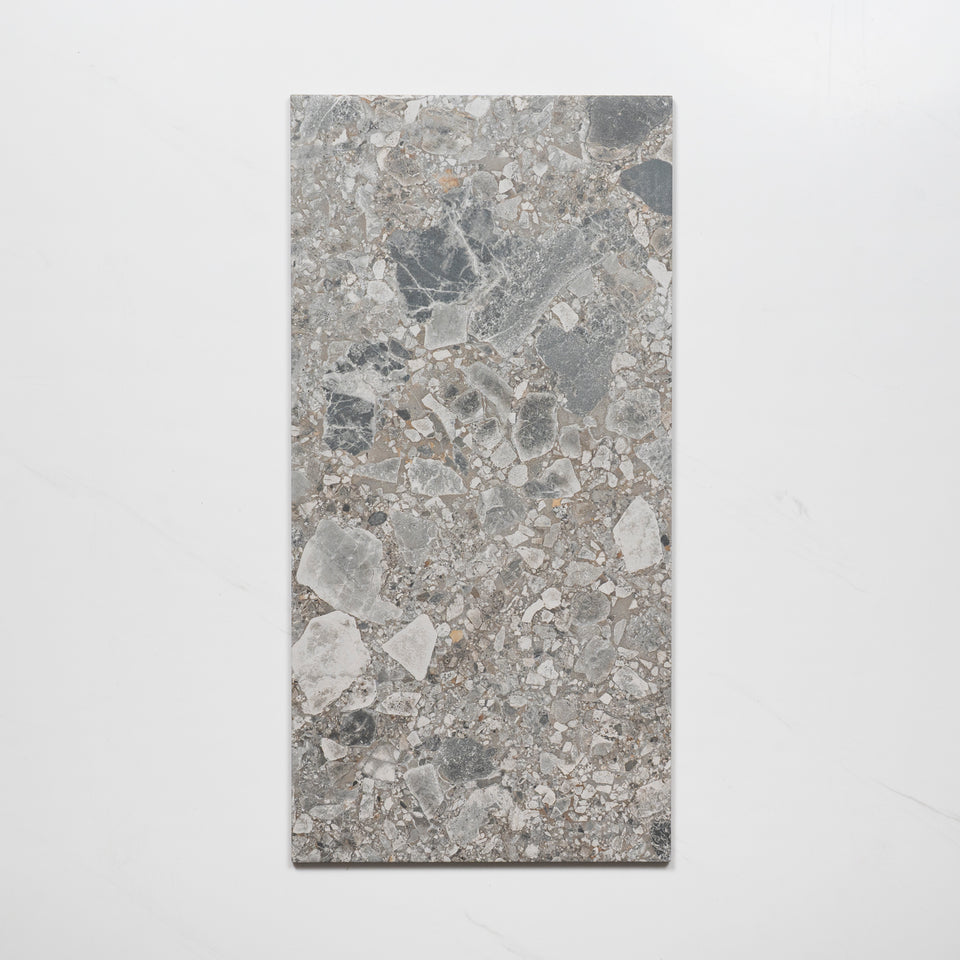
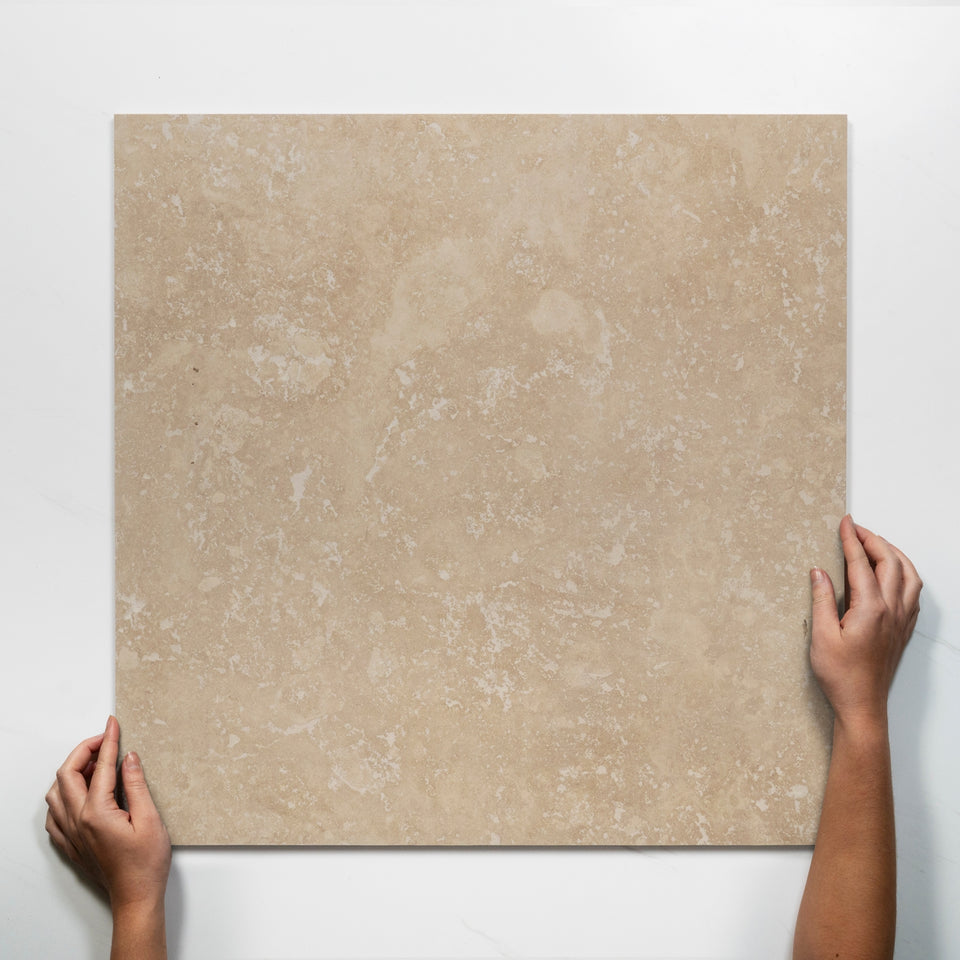
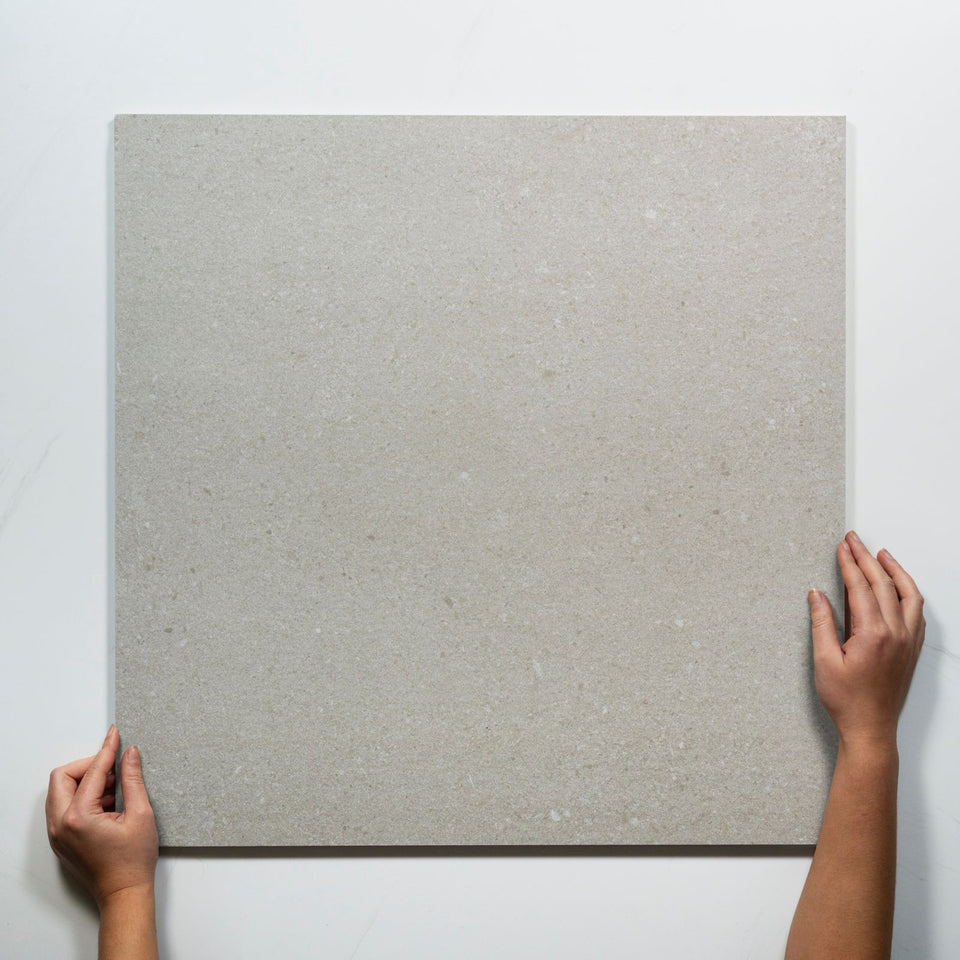


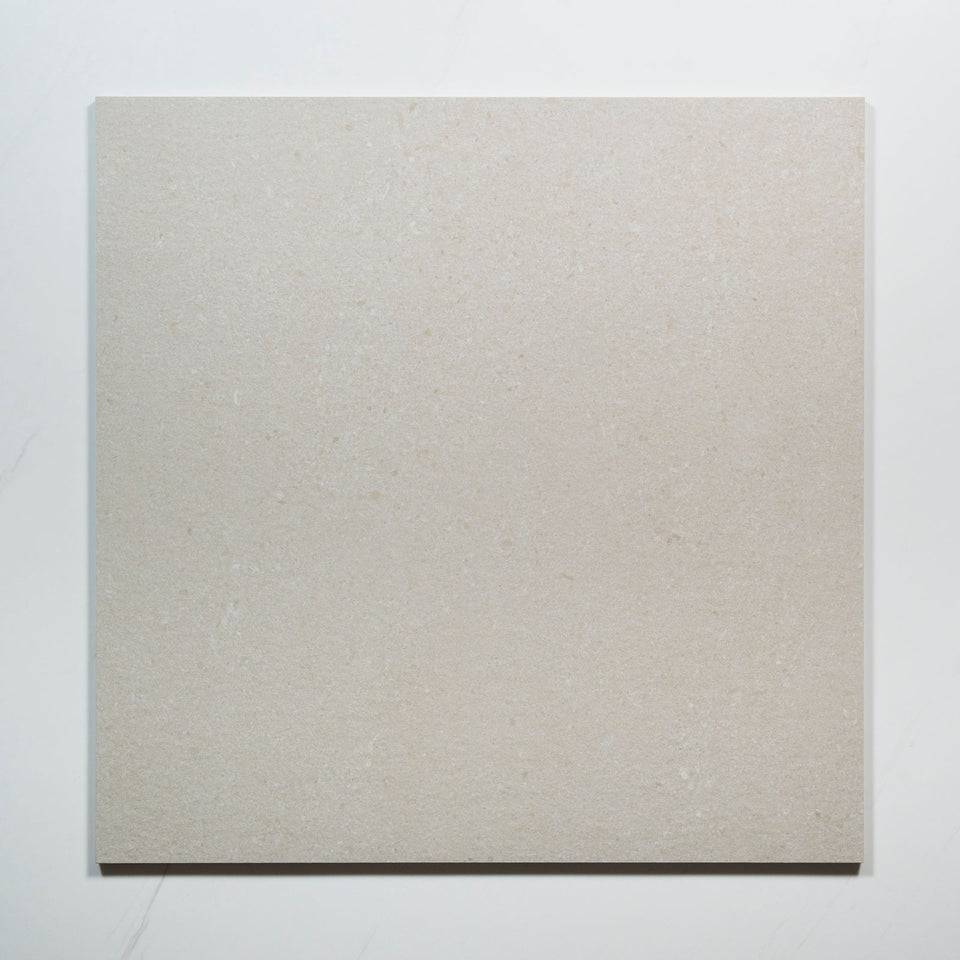
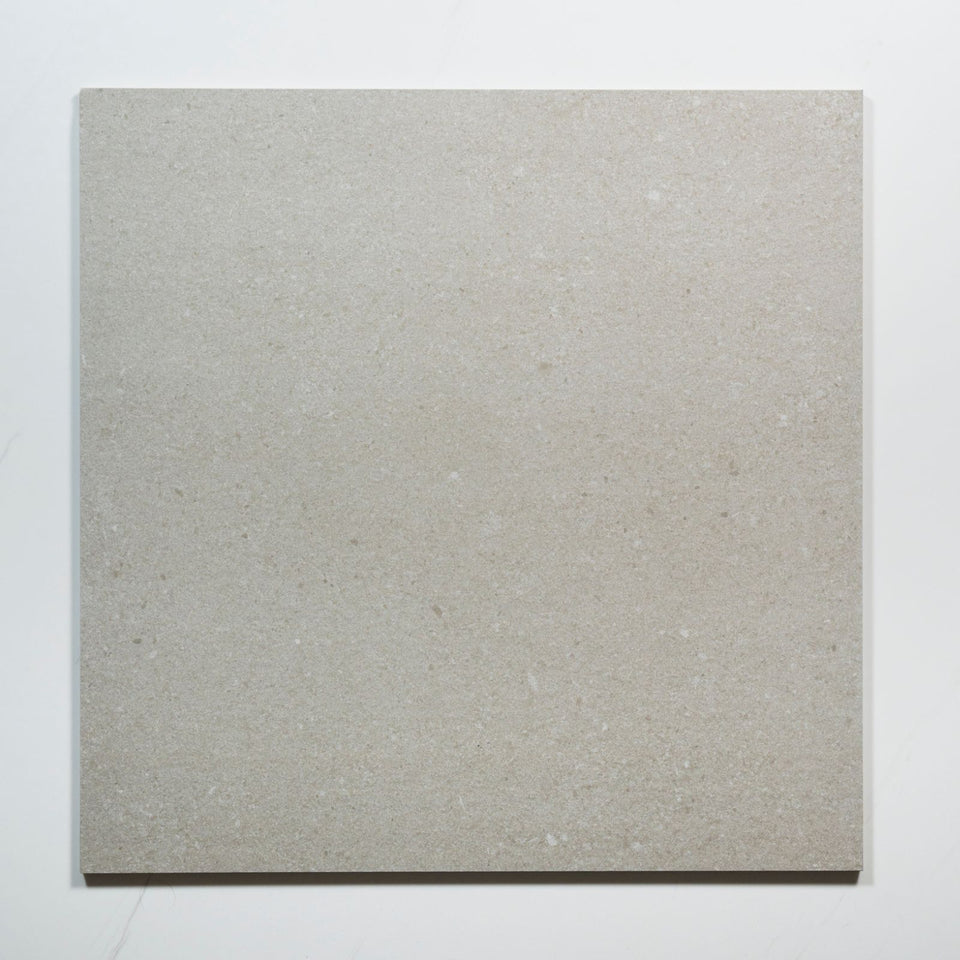
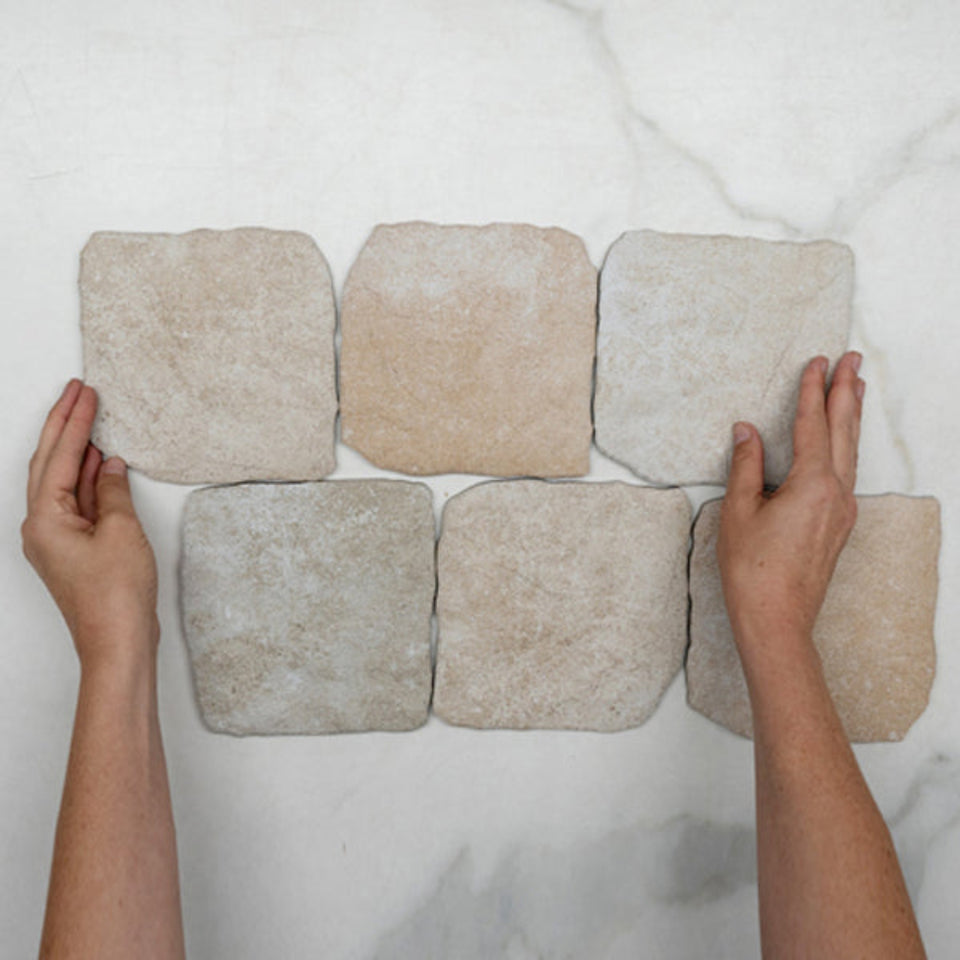
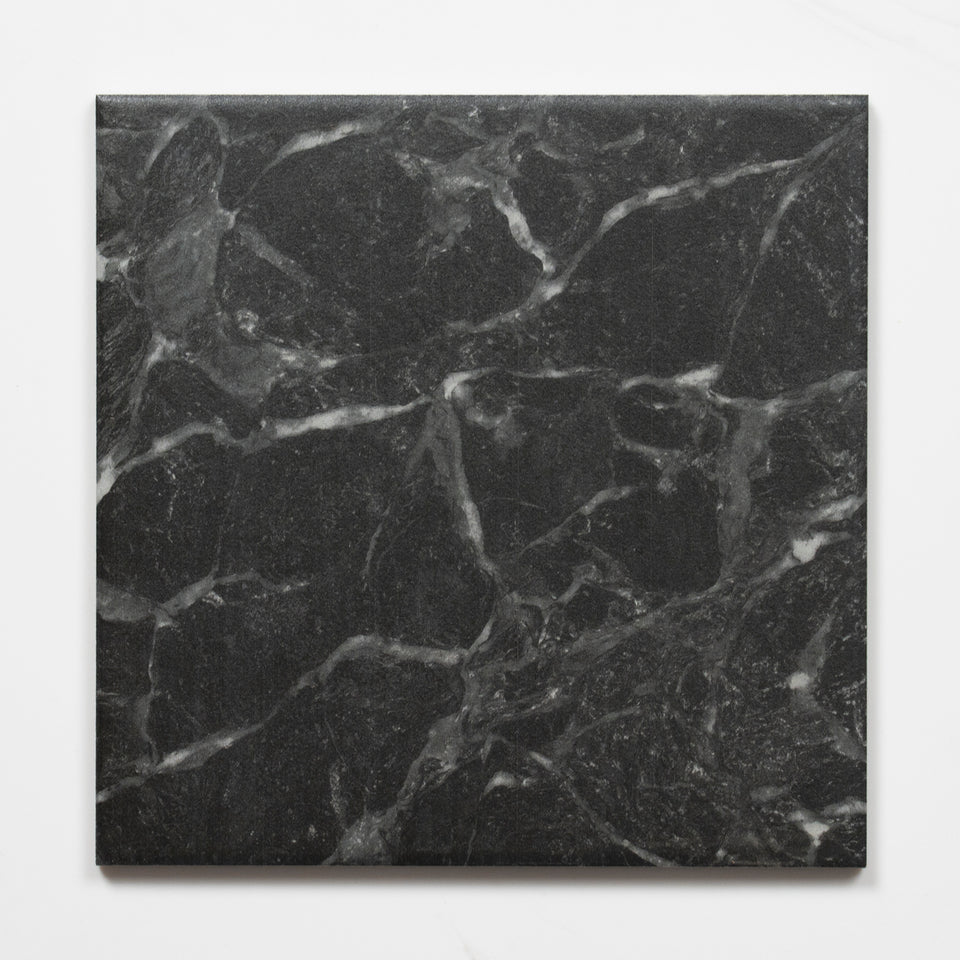
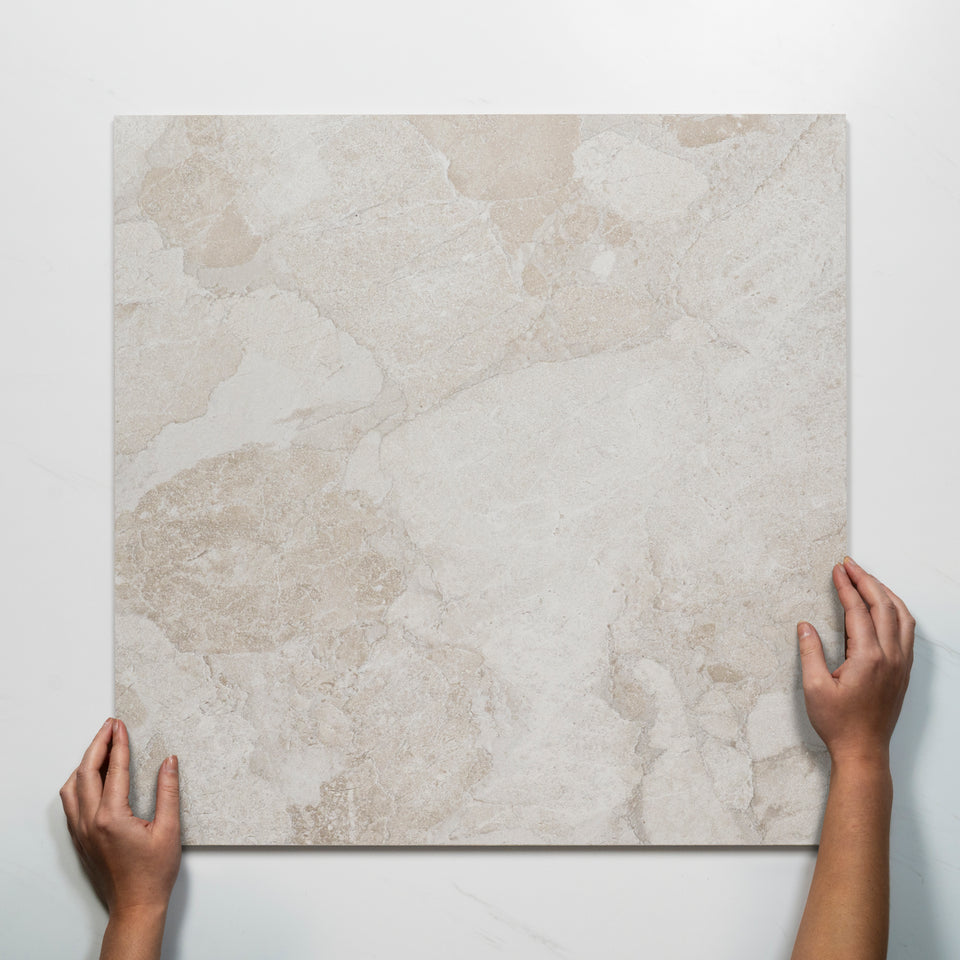
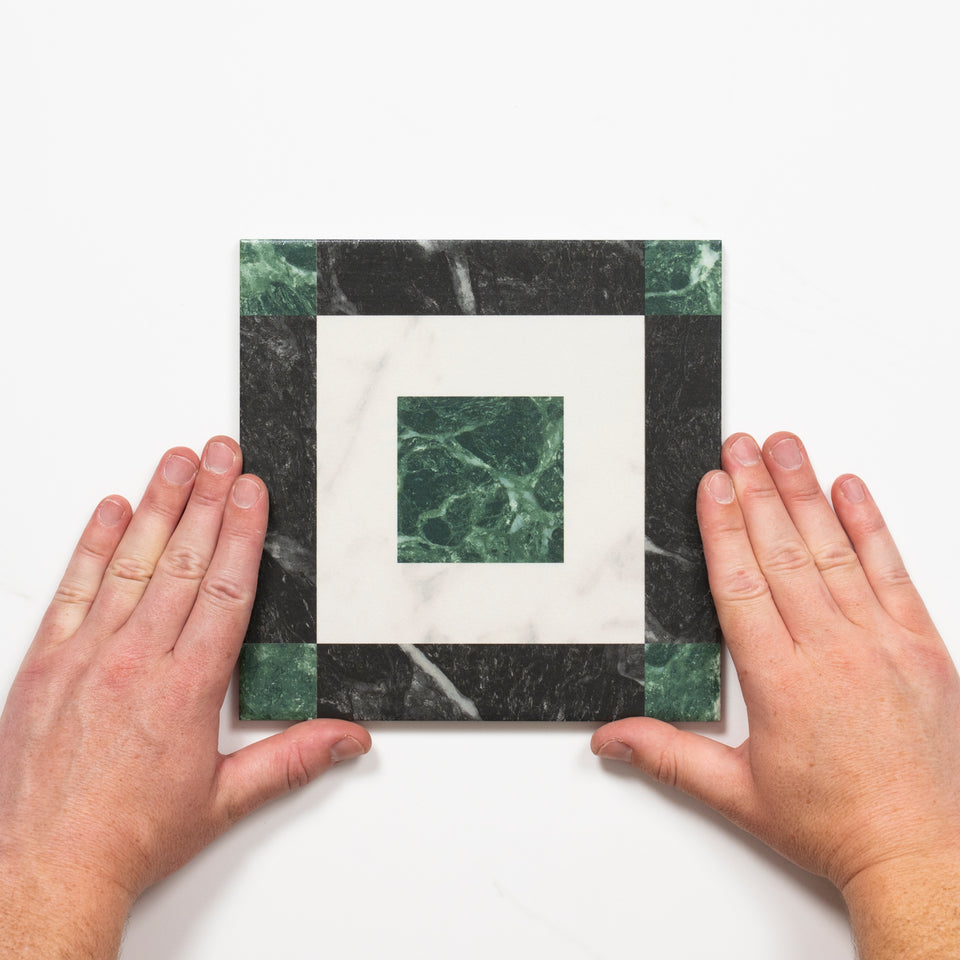
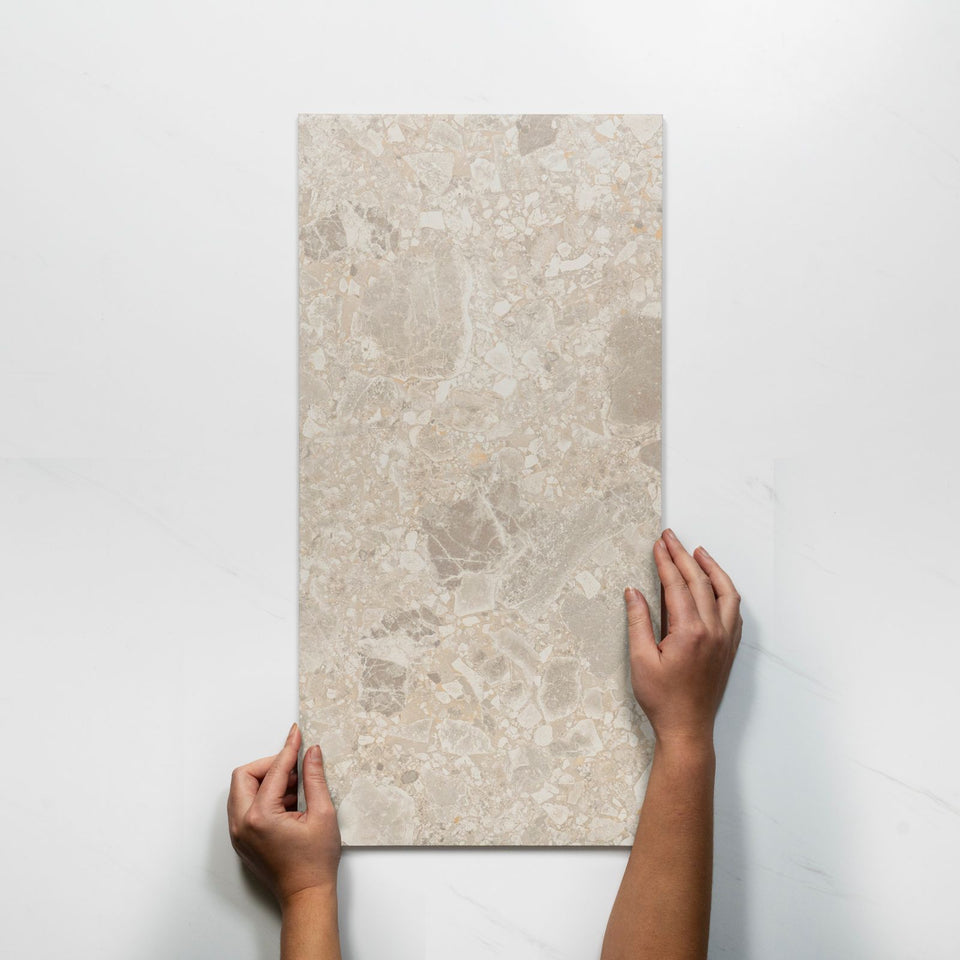
A floor tile has to do jobs a wall tile never does. It takes footsteps, dragged chairs and wet feet, so the material, the slip rating and the wear rating matter more than the colour. This collection holds every tile made for floors, mostly porcelain, with some natural stone, ceramic and terrazzo-look tiles, and the product pages carry the details that decide where each one belongs.
The sections below follow the order in which the decisions usually come up: material, slip rating, wear rating, rooms, size and thickness, then ordering. For a single room, the bathroom tiles collection and the kitchen tiles collection narrow the range down.
Porcelain, ceramic and natural stone are the three materials people usually weigh for a floor. Porcelain is the denser of the first two: it is made from a denser mixture and fired at a higher temperature than ceramic, which gives it better water and wear resistance. Porcelain is generally the better pick for floors because it is less porous than ceramic and copes better with moisture, foot traffic and everyday knocks. Ceramic is lighter, and it suits bedrooms and living areas rather than wet or hard-wearing spaces.
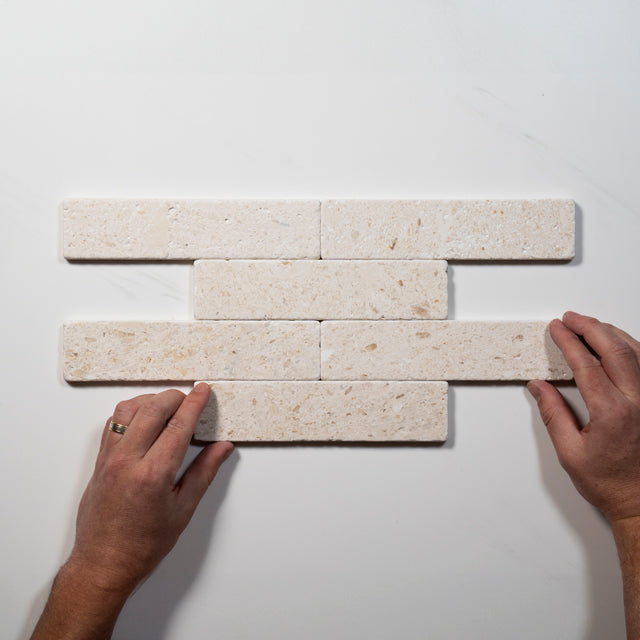
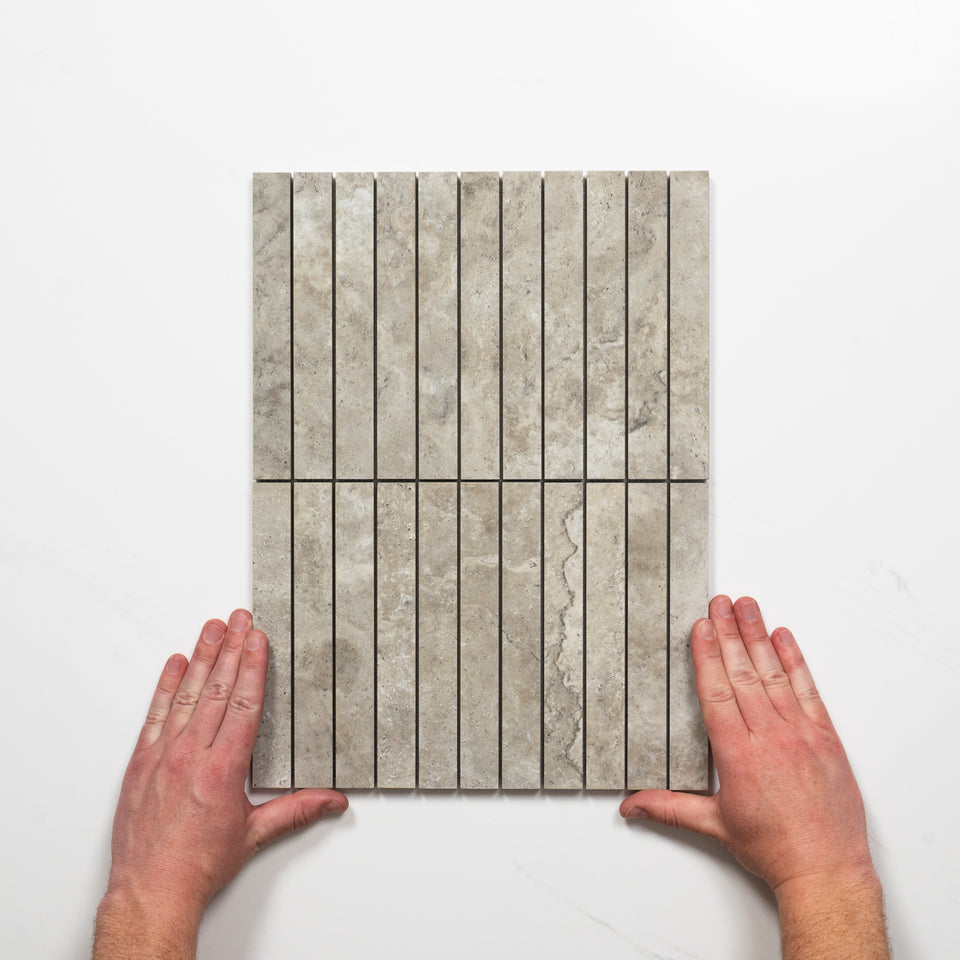
Natural stone brings a character that is hard to replicate, with each piece differing from the next. It also asks for more care. The natural stone tiles in this collection require sealing, and the travertine subway needs more care and regular sealing on floors and in wet areas.
The collection reflects that split. Porcelain makes up most of it, in glazed, unglazed and full-body forms, and the Material line shows which one you are looking at. For porcelain on its own, the porcelain tiles collection gathers it, and the ceramic tiles collection does the same for ceramic.
Australian floor tiles are rated for slip resistance under AS 4586. The main test is the pendulum test, in which a rubber foot swings across the wet tile and the friction it meets gives a P rating from P0 to P5. Higher is grippier. Two supporting tests exist for particular settings: an oil-wet ramp test that gives an R value from R9 to R13, and a barefoot wet ramp test graded A to C, with A the highest slip resistance.
The P rating is the one to look for on a home floor, because it measures a wet surface. P2 suits most indoor floors, such as hallways and front entrances. P3 is the allrounder for indoor areas including bathrooms and porches, P4 is the grippy tile for wet areas such as around a pool, and P5 is the grip used in specific places like commercial kitchens.
The wetter and more exposed the area, the higher the number it wants. P3 suits general indoor flooring, P4 suits kitchens, bathrooms and undercover outdoor areas, and P5 suits pool areas and open outdoor spaces. The rating printed on the product page is the one to follow for the tile you choose.
Dry rooms have the most freedom. Living areas, bedrooms and hallways rarely see water underfoot, so a lower rating is a reasonable choice there. A bathroom or laundry floor needs a rated slip resistance and low water absorption. For shower floors, choose a P3 rating or above (or R10 on the ramp scale), ideally with some texture for grip.
Kitchens sit in the middle. Spills happen, but the floor is not wet most of the time, so a matte tile with a solid P3 or P4 rating covers it. Outdoor and alfresco areas need a tile rated for outdoor use, so an indoor tile does not go into outdoor service, and the outdoor tiles in this collection carry their own Area lines. The outdoor tiles collection is the place to start for patios, pool surrounds and paths.
Texture and finish do part of the work. Matte, structured and anti-slip finishes scatter water instead of letting it pool, which reduces slips. A topical treatment applied after installation can improve grip, but the guidance on those is cautious about how well and how long they work, so choosing the right tile at the start is the safer route. In a wet area a bath mat helps as well.
Slip rating is about grip, and the wear rating is about scratching. The wear rating runs from 1 to 5, and the wording is specific. A rating of 5 is suitable for floors in high-traffic areas and commercial areas, with very low risk of scratching. A rating of 4 is suitable for floors in normal use areas, with low risk of scratching. A rating of 3 is suitable for light traffic with normal shoes, with a medium risk, and a rating of 2 is suited to light traffic with soft-soled shoes, with a high risk.
Most of the collection carries the 4 line, which is the one aimed at a normal family home. Eton brick look porcelain is among the tiles that carry the 5 line. Some tiles use a different format, such as Floor Category 4 (the Cottesloe herringbone marble mosaics) or Floor Category 1 and 2 for the St Kilda octagon tiles. Where a page carries a category, read it the same way: higher means more suitable for traffic.
A lower wear rating still suits a floor, in the right room. A bedroom is a better home for a rating of 2 or 3 than an entry hall.
Wet rooms are where the slip rating earns its place. Look for a rating you can stand on with wet feet and a surface with some texture, and make sure the tile suits indoor wet areas. The tiles that qualify say so in the Area field, as in Indoors (wet and dry areas), so a tile marked only Indoors has not been marked for wet areas.
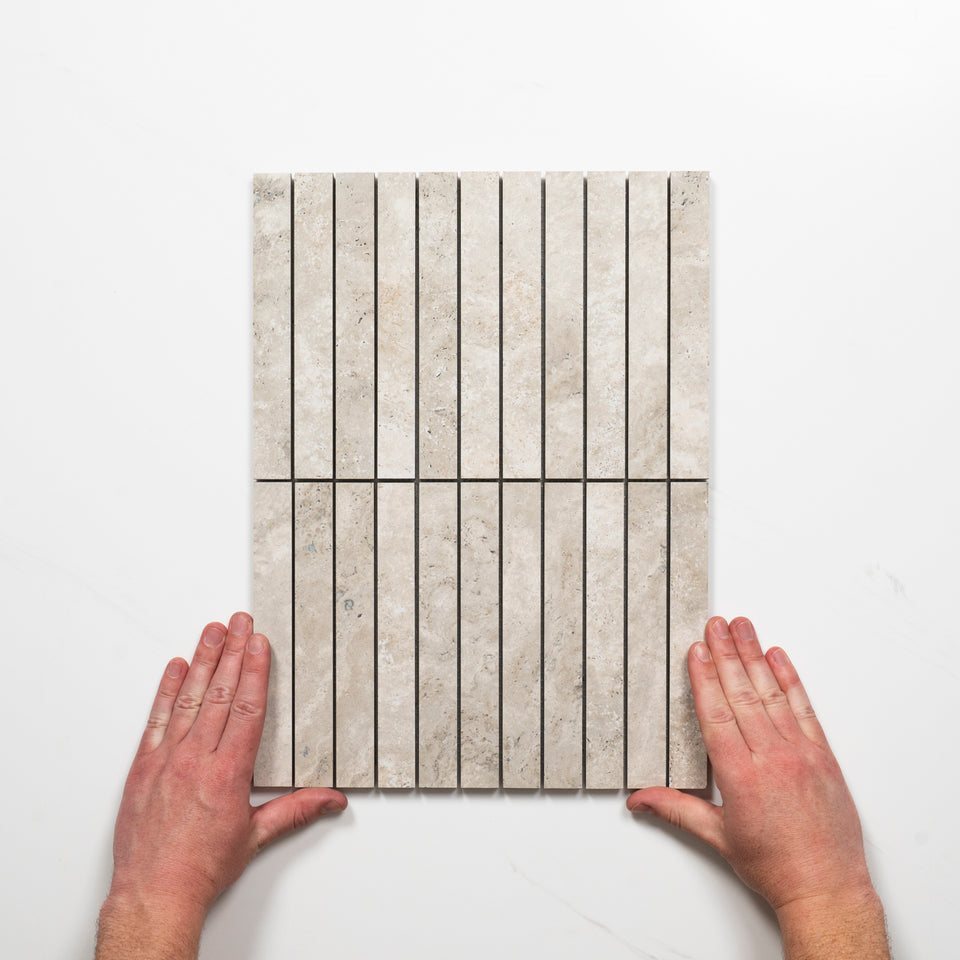
Small formats help in showers, because the extra grout lines add grip, and the mosaic tiles collection covers them. The Briq unglazed porcelain mosaics are 48 x 48mm squares on a 306 x 306mm sheet, with a matt surface that is the same through the body of the tile.
Many bathrooms use the same tile on the floor and the walls, particularly in bathrooms and kitchens, because it gives a clean, cohesive look that makes the space feel larger. Most tiles here suit both: Walls and Floors is the most common Application line. A tile used on both should have a slip rating that suits the floor, because a wall never needs one.
The Area line is the most useful single line on a floor tile page, and it comes in several versions. Indoors means a dry or general interior space. Indoors (wet and dry areas) means the tile suits bathrooms and laundries. Indoors and covered outdoor areas covers a verandah or porch. Indoors and outdoors and Outdoors cover open areas, and those are the tiles with grip finishes and higher slip ratings.
A matching tile inside and out is a common request. Where the Area line says Indoors and Outdoors, the same tile can run from the living room to an alfresco, though the slip rating should still suit the outdoor part, since that is where rain reaches it. For terracotta and terrazzo looks in particular, see the terracotta look tiles collection and the terrazzo look tiles collection.
The Dimensions lines in this collection run from small squares and mosaics through 300 x 300mm and 300 x 600mm up to 600 x 600mm, with 450 x 450mm and larger formats in between. 600 x 600mm and 600 x 1200mm are the most popular floor sizes, and some formats go far beyond that. The large tiles collection gathers the bigger formats.
Size changes the look of a floor. Large tiles show fewer grout lines, so the surface reads as one continuous floor, while small formats show more of them. Rectangular tiles can be laid in a pattern, and the herringbone tiles collection covers that look.
Thickness matters on a floor in a way it does not on a wall. Typical floor tile thickness is 8mm to 12mm, with outdoor porcelain pavers going up to 20mm. The Thickness lines in this collection print values such as 6.3mm, 7.5mm, 9mm and 10mm, so the tiles sit inside that usual window.
Measure the area in square metres and add extra for cuts and spares. Add 10 percent as a minimum, and 10 to 15 percent in general, rising to 20 percent for larger formats such as 600 x 1200mm and above. Rooms with more cuts need more again, so confirm the quantity with your builder or tiler before ordering.
The product pages print the full details for each range. These show the spread:
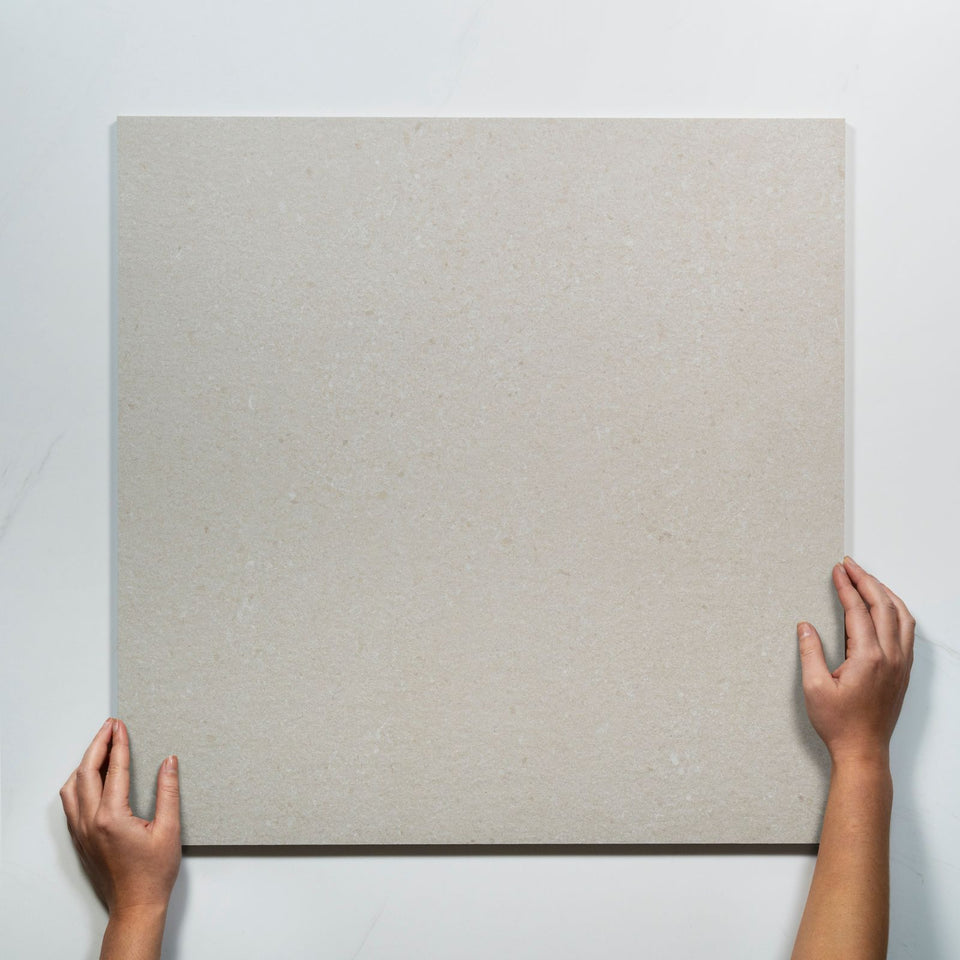
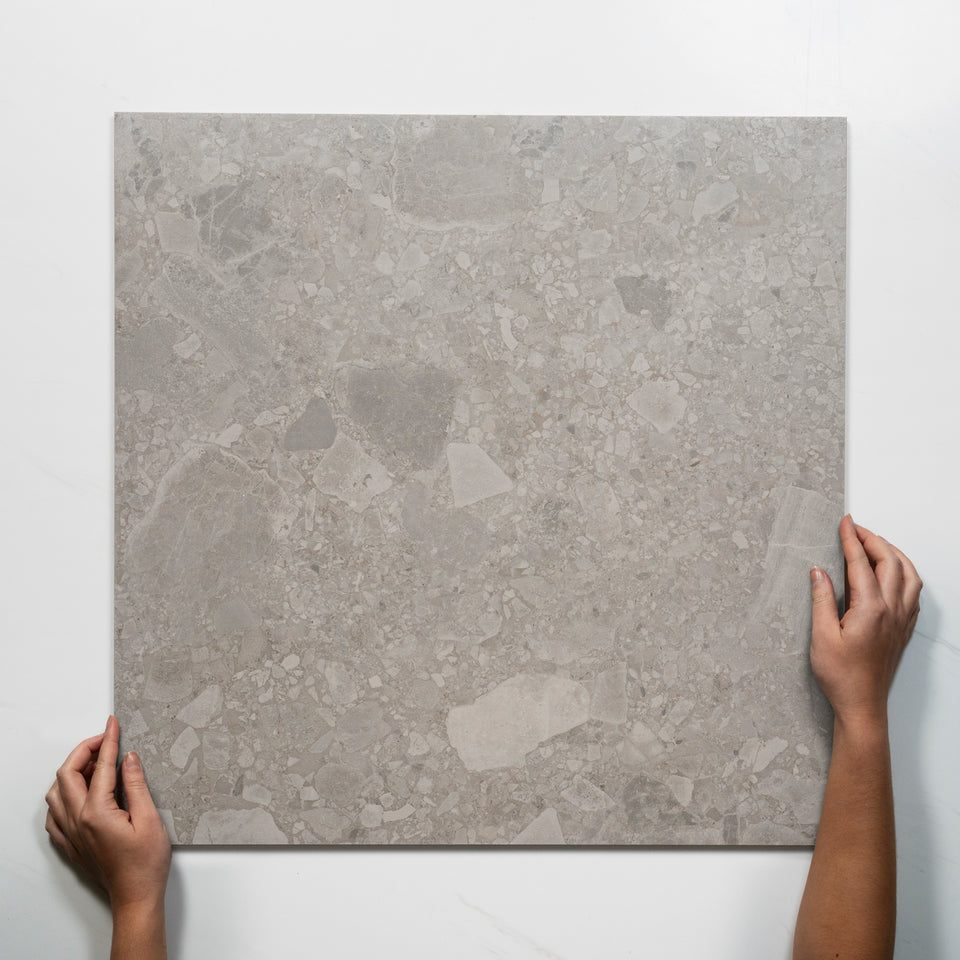
Southside Terrazzo is a terrazzo-look porcelain made in Australia, and it comes in matte and external versions at different slip ratings. Ardenne is a travertine-look porcelain in 600 x 600mm at P4, and Avorio is a matte travertine look in the same size. Nimbus is a stone-look porcelain at P4, and Cairnwell is a stone-look porcelain at P3 recommended for indoor wet areas. Avedon is a limestone look at P3 in 600 x 600mm and 300 x 600mm.
Soluna is a Mediterranean-inspired 150 x 150mm tile at P3 and Roccia is a lappato at P4. Cottesloe is the natural marble mosaic range, and Briq is the unglazed mosaic. Frankie vanilla lappato carries a wear rating of 2, and the Eton brick look carries a 5, which shows how far the wear lines can differ inside one collection.
Start with the room and read three lines on the product page: the slip rating, the wear rating and the Area line. For a bathroom, laundry or shower, pick a tile made for indoor wet areas with a rating that suits wet feet. For a kitchen, a matte porcelain at P3 or P4 with wear rating 4 covers most homes. For living areas, size and look lead the decision, because grip matters less in a dry room. For anywhere outdoors, choose a tile whose Area line says outdoors and read the slip rating twice.
Then check the finish, thickness and variation, order extra for cuts, and plan any sealing before the first tile goes down. The tiles collection sits above this one if you want to start from the whole range.


