
*View accurate shipping rates and availability






20 Items

Up to 70% off storewide, free metro shipping over $500, and free gifts from $800. Spend more to unlock luxury towels and mirrors.*
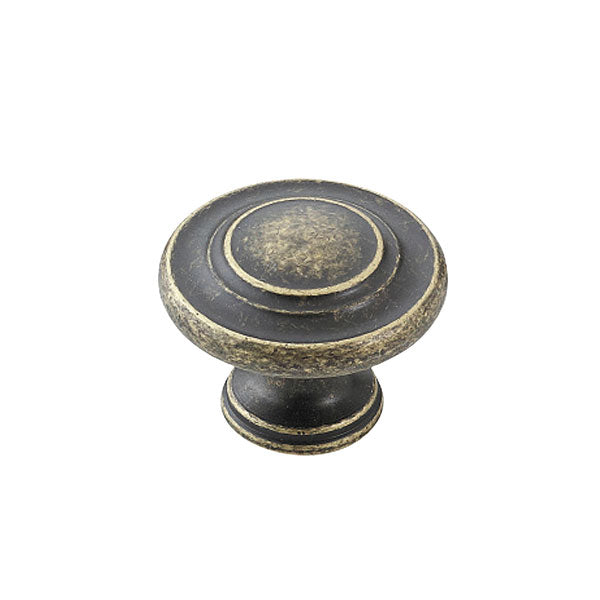
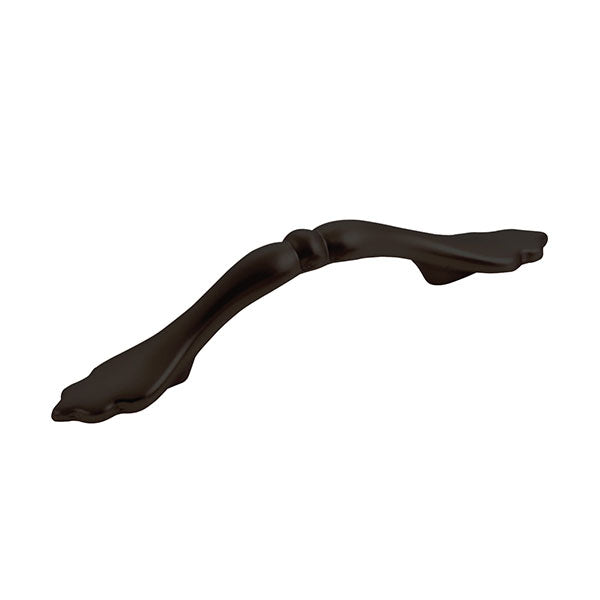
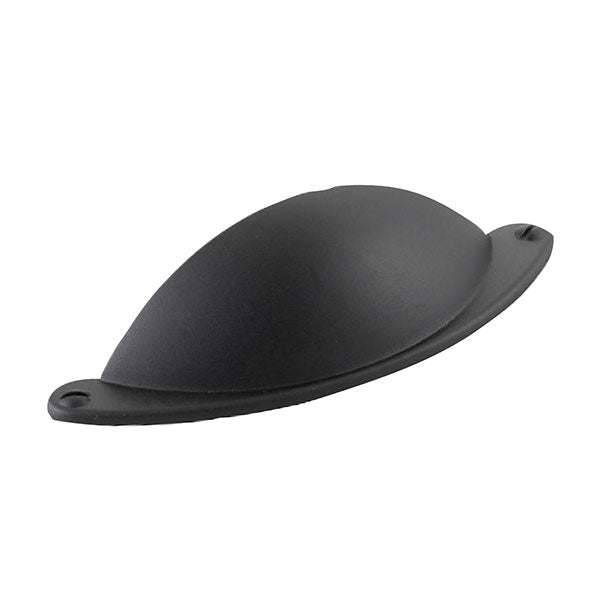
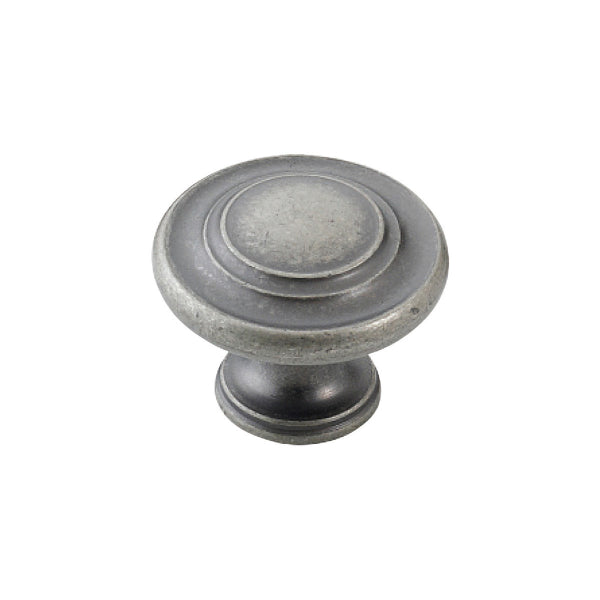

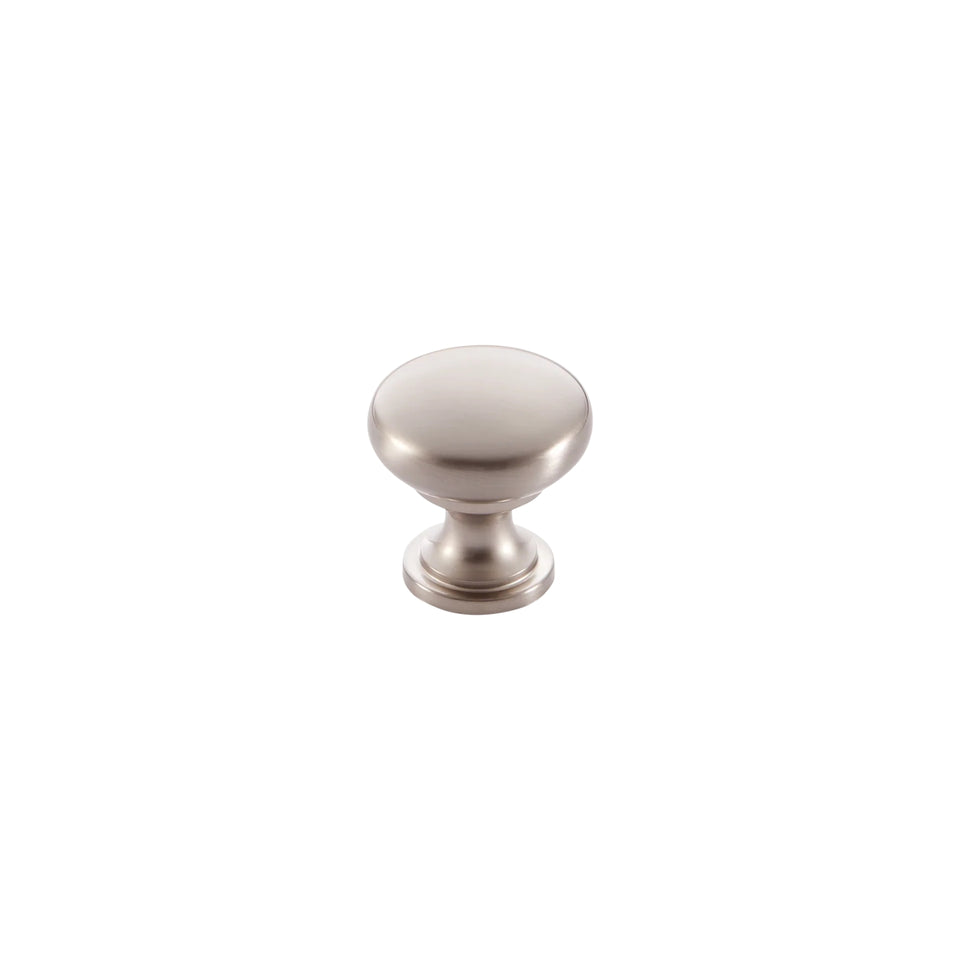
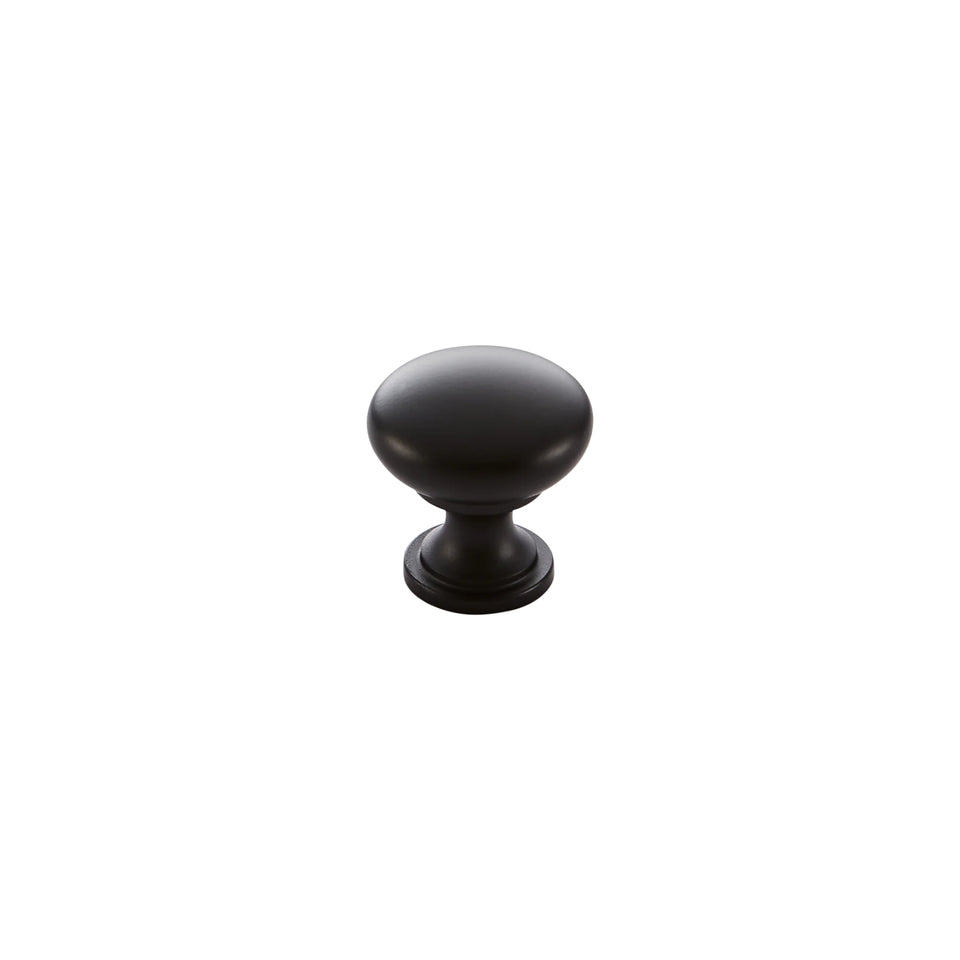
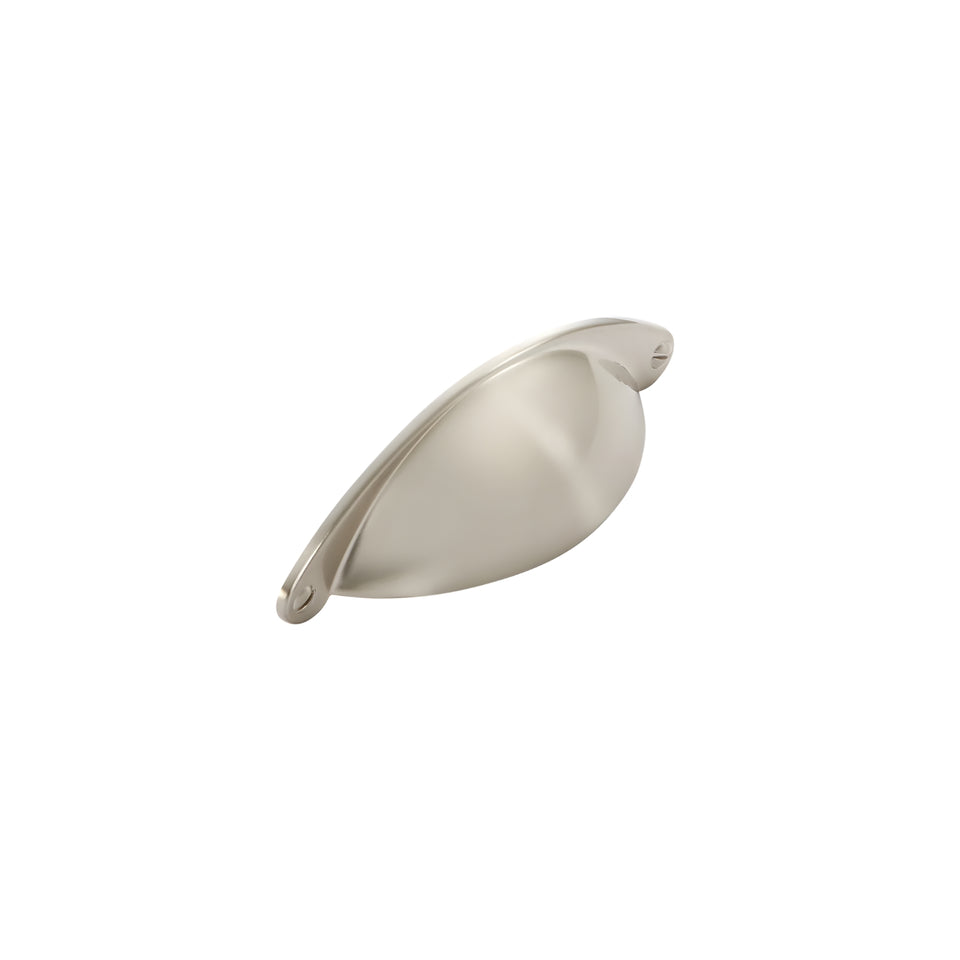
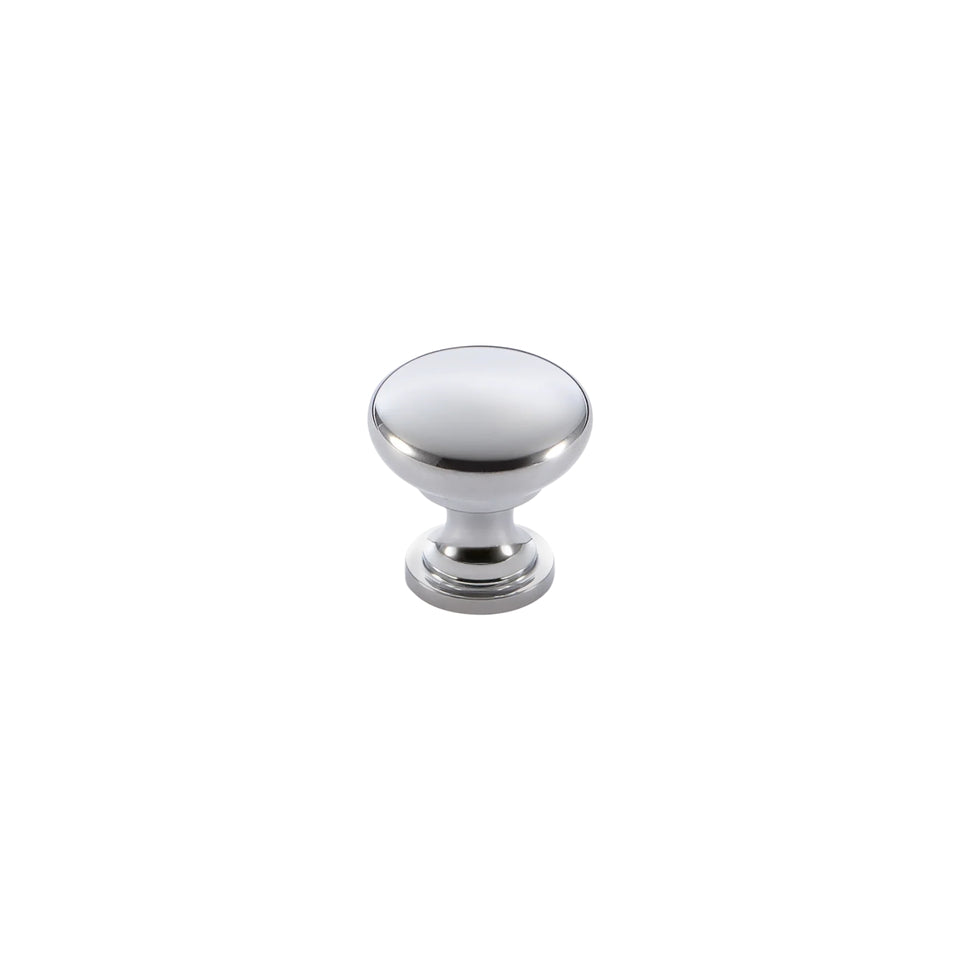

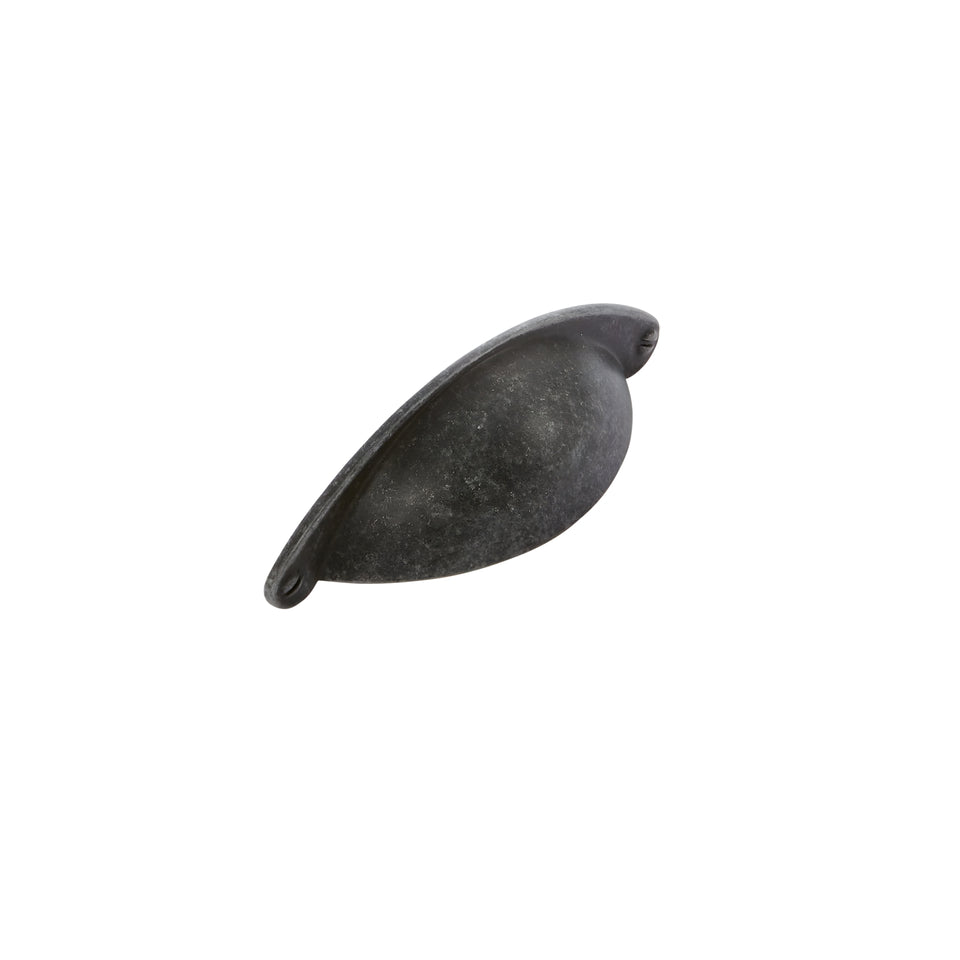
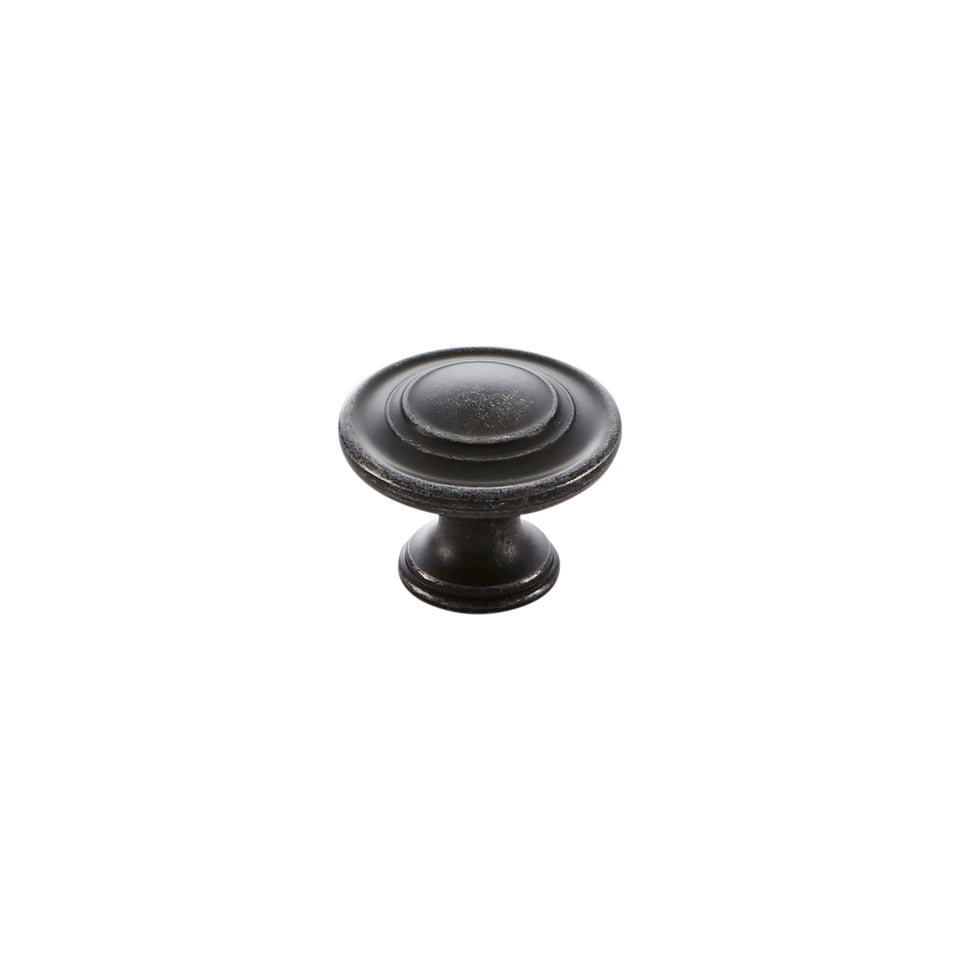
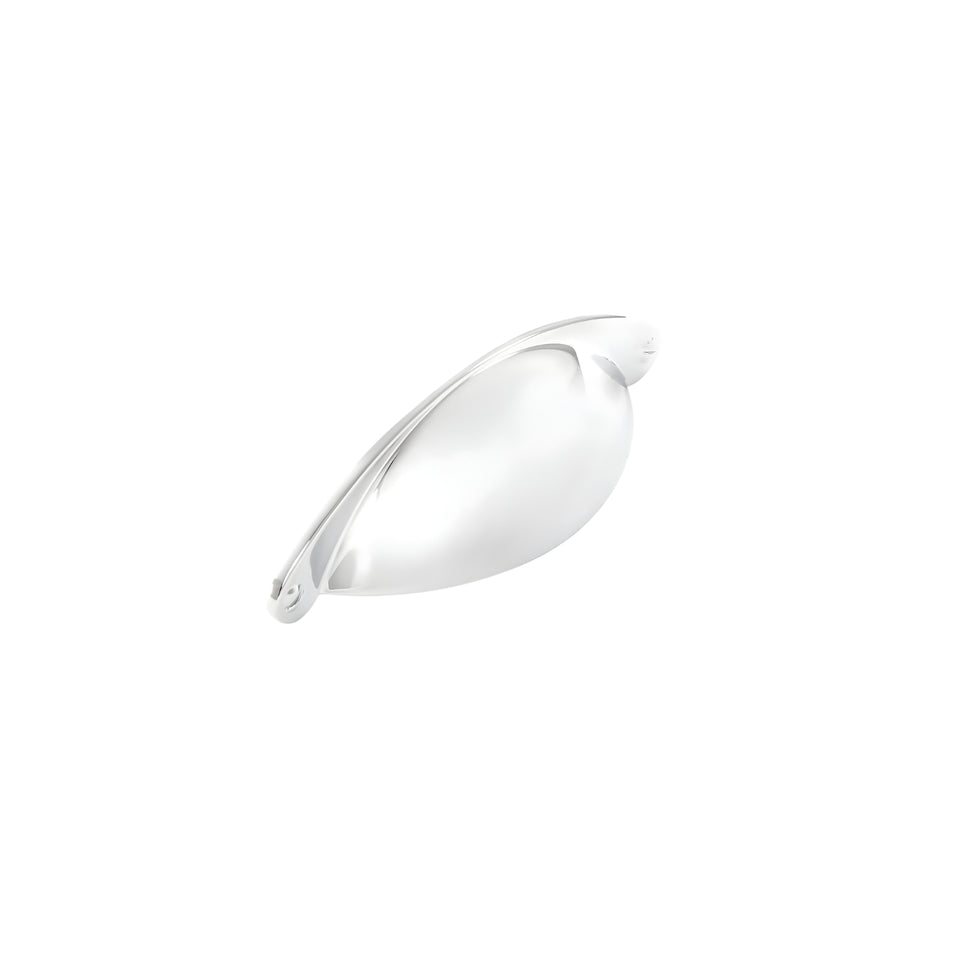
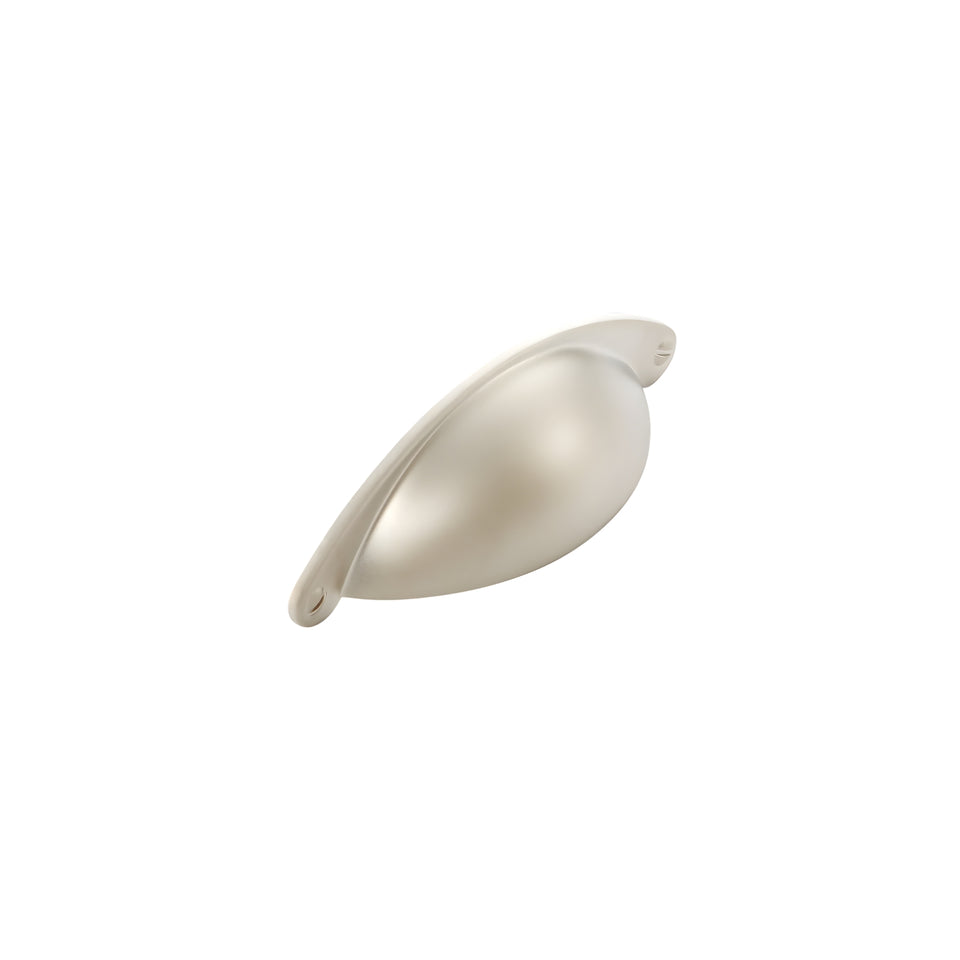
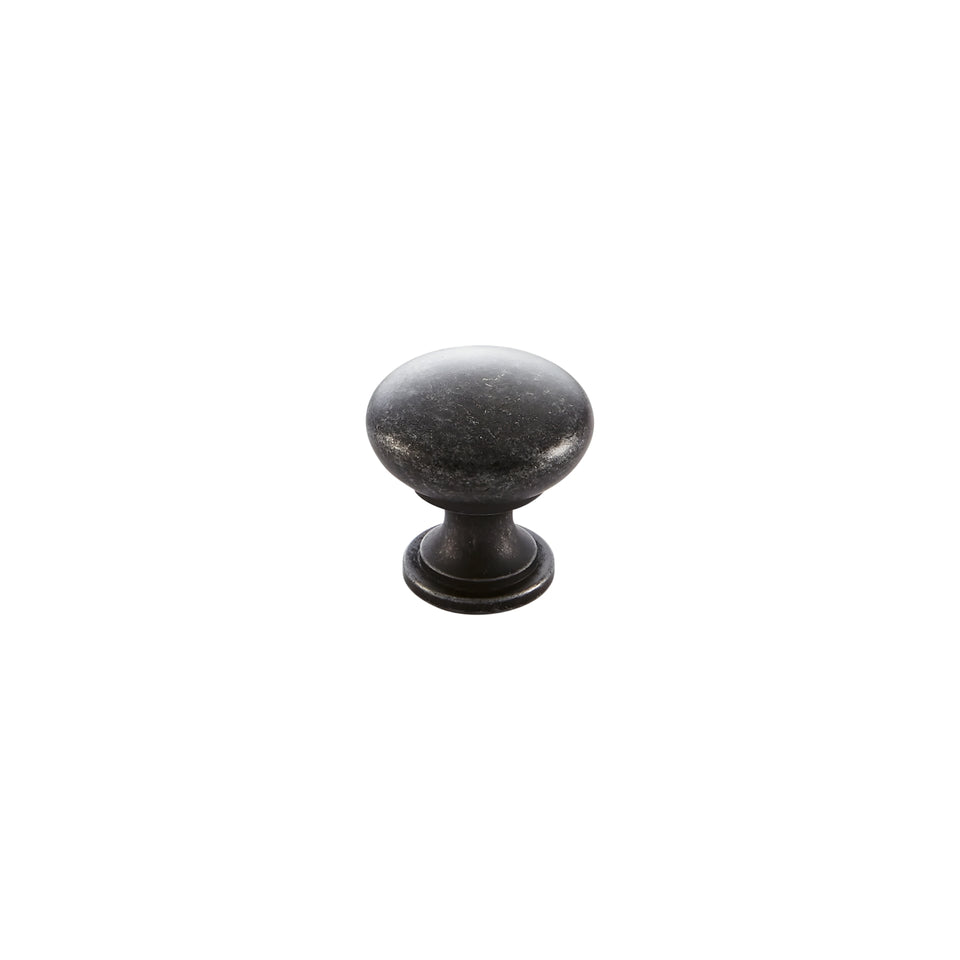

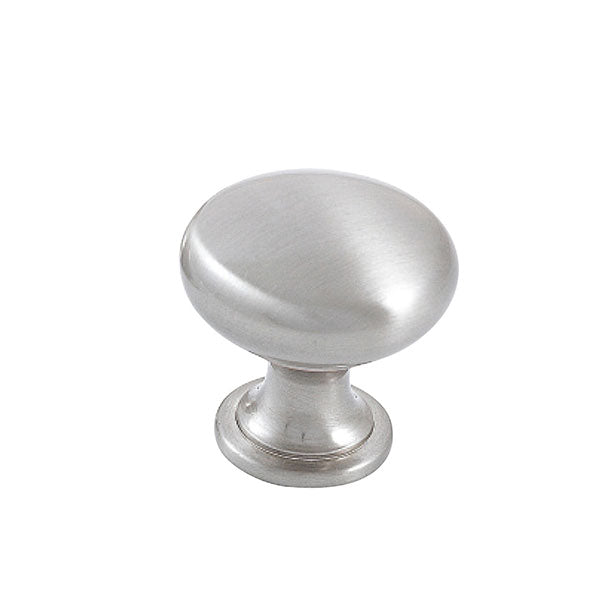
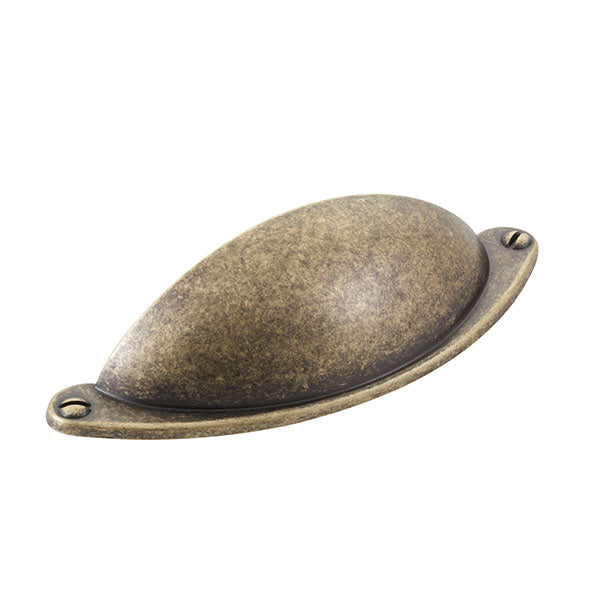
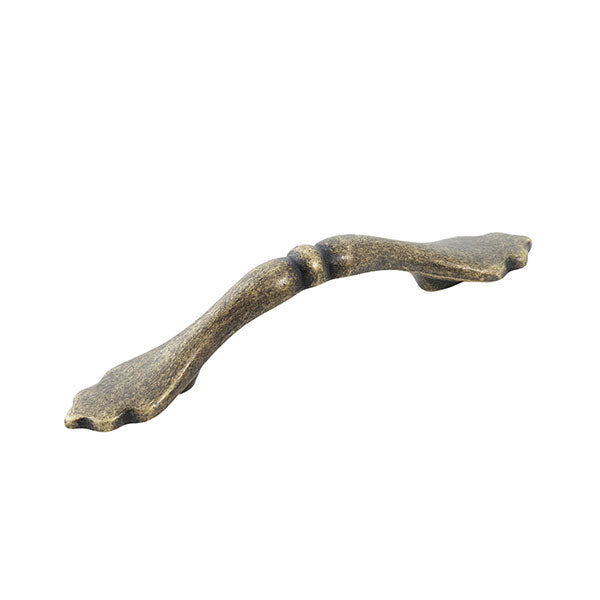
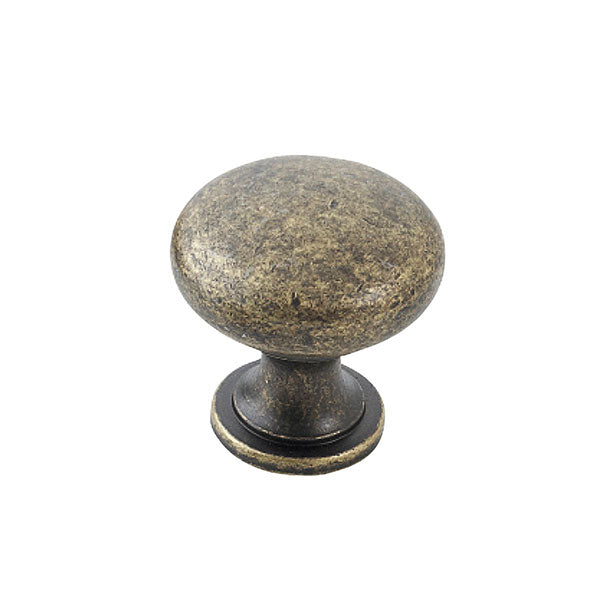
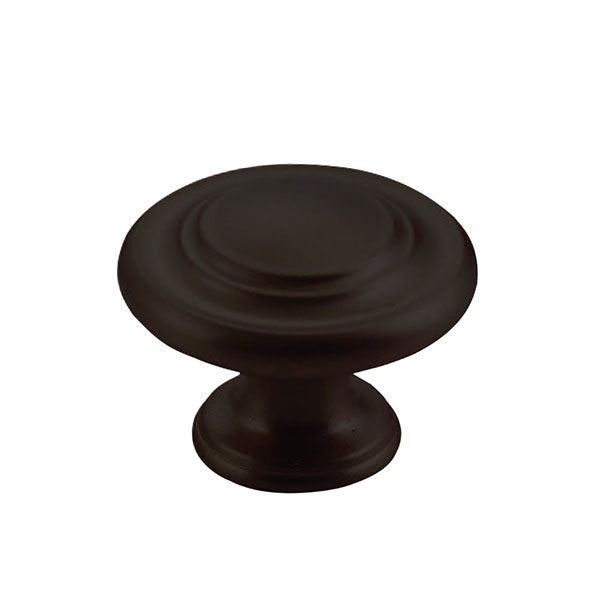
The Florencia is a traditional-style zinc alloy range from Momo Handles with a cup pull, a bow handle, a plain knob and a concentric knob. The range offers a wide variety of finishes and styles to complement traditional cabinetry. It comes in Antique Brass, Brushed Nickel, Satin Nickel, Chrome Plated, Matt Black, Charcoal and European Pewter. The page covers what each piece measures and how a cup pull differs from a bow handle and a knob. It also covers the finishes, including European Pewter, explains how zinc alloy with an electroplated finish behaves, and shows how to size, fit and clean the range. For the whole brand, start at Momo cabinet handles.
The cup pull has a half-moon shape that you hook the fingers into, and it sits on the surface of a drawer. Cup pulls have a distinctive half-moon shape and a comfortable grip, and cup pulls on drawers with classic knobs on cabinet doors give a balanced look in traditional kitchens. The bow handle is a curved bar fixed at two points. The plain knob is a round knob, and the other knob is concentric. See cup pull cabinet handles for the full family and cabinet knobs for knobs.
The Florencia cup pull has a 64mm fixing distance, a 104mm overall length, a projection of 25mm and a width of 28mm or 29mm. The bow handle sits on a 76mm fixing distance, with a 138mm overall length, a width of 21mm and a projection of 25mm. The plain knob is 29mm across and projects 31mm to 33mm. The concentric knob is 33mm across and projects 26mm. The fixing distance is the gap between the two screw holes, measured from centre to centre, so the cup pull runs 40mm longer than its holes and the bow handle 62mm longer.
The cup pull's projection is 29mm and its width 25mm on some figures, which differ from those above, so measure a sample if the gap is tight. The European Pewter bow handle repeats the cup pull's 104mm overall length and 64mm fixing distance, so this page takes the bow handle figures from the Antique Brass and Matt Black versions. Screws are not included on some pieces. Screw length depends on the panel: 22mm for panels 16mm to 18mm thick, and 38mm for panels 32mm to 34mm thick. The screw must bite into the handle and stop short of the door face.
When you replace a handle, measure the distance between the screw holes and match it to the fixing distance, not to the length of the old handle. A 128mm handle will not fit 160mm holes without new holes, and the same applies to a 64mm cup pull going into 76mm holes.
Cup or bin pulls suit Shaker, farmhouse and mid-century kitchens and are popular in brushed brass and antique bronze. Cabinet knobs fix at one point and work better on doors than on drawers. A pull is gripped with three or four fingers, which makes it the better choice for heavy drawers and for children and older people. Knobs take the fingers and a single screw and suit small doors and drawers, while pulls take the whole hand. Most cabinet knobs run roughly 25mm to 38mm across, so the 29mm and 33mm Florencia knobs sit within the common range.
Drawers 450mm to 600mm wide take 128mm to 160mm centres. The Florencia cup pull at 64mm and the bow handle at 76mm are shorter than that, so they suit small drawers, vanity drawers and narrow fronts. Vanity drawers and doors usually take 96mm and 128mm centres. Drawers up to about 400mm take a knob, a short pull or a compact T-bar, and the one-third rule says a pull is about a third as long as the drawer front is wide. On that rule, a 104mm cup pull suits a drawer about 310mm wide and a 138mm bow handle suits one about 410mm wide. For wider fronts, a longer pull from cabinet pull handles is the better choice, or two Florencia pulls.
The search data shows people look for these sizes by centre. A 64mm or 76mm cabinet handle is a common query, and the fixing distance is the figure that decides the fit. A pull or knob sits 40mm to 60mm in from the edge that opens, near the bottom corner of an upper door and the top corner of a lower door. Pulls run horizontally on drawers and vertically on doors. To test a size before you buy, tape a strip cut to the handle's length onto the cabinet and live with it for a day.
Zamak is a zinc-based alloy with aluminium, magnesium and copper. It is mostly die-cast, and it can be electroplated, wet-painted and chromate-conversion-coated well. The Florencia is zinc alloy with an electroplated finish, and the grade and the plating metal are not named. A die-cast zinc handle depends on its finish for corrosion protection. Thin electroplated zinc alloy can fail within a few years in a shower splash zone. Indoors, away from direct splash, it is a normal material. See zinc alloy cabinet handles for the material in full.
Use one dominant finish for the handles through a kitchen, with a second metal as an accent and two metals at most. Warm metals such as brass, gold and bronze work best with each other, and cool metals such as nickel, chrome and stainless steel work best with their own group. Heritage kitchens pair with antique bronze or aged brass and period knobs, and Shaker kitchens with cup pulls, bin pulls or knobs in brushed brass, antique bronze or matte black. The Florencia in Antique Brass or Matt Black fits those notes, and the nickel and chrome finishes fit Hamptons and coastal kitchens. Gold, brass and bronze tones pair with navy, charcoal, blue or green cabinetry and matt black works against light cabinetry as a contrast. Choose the handle finish after the tapware and appliance finishes are settled.
Handle types pair with kitchen styles. Contemporary and minimalist kitchens go with matte black or brushed nickel pulls, and Japandi and Scandi kitchens with timber and brushed nickel. Hamptons and coastal kitchens go with D-pulls or cup pulls in brushed nickel, brushed brass or chrome, and away from matte black. Shaker kitchens go with cup pulls, bin pulls or knobs in brushed brass, antique bronze or matte black, industrial kitchens with gunmetal or matte black bar pulls with visible knurling, and heritage kitchens with antique bronze or aged brass and period knobs.
The Florencia cup pull sits in three of those groups at once. In Brushed Nickel or Chrome Plated it fits the Hamptons and coastal note, and in Antique Brass or Matt Black it fits the Shaker and heritage notes, with the knobs following the same finish. The range is meant to complement traditional cabinetry, so it suits traditional doors best. These matches are guidance and not rules.
When you swap handles, match the fixing distance. A new cup pull with the same distance drops into the old holes without drilling. Measure from the centre of one screw hole to the centre of the other. If the old holes are on another centre, you will need to fill them or drill new ones, and a filled hole shows unless the door is repainted. A knob needs only one hole, so swapping a pull for a knob leaves one old hole unused and the other to fill.
Bathroom fittings need wiping and drying more often than those elsewhere, because steam and moisture leave marks. Bathrooms are more humid than kitchens, and solid brass, stainless steel and quality PVD are sound choices, with thin electroplated zinc alloy the one to avoid in a splash zone. A vanity drawer with a Florencia cup pull well away from the shower is a fair use, and a handle in a splash zone is the case to avoid. The cabinets these handles fit are at bathroom vanities and furniture.
Put the cleaner on the cloth and not on the hardware, and dry the handle straight away so water marks do not form. For coated finishes, use a soft microfibre cloth with mild soap and warm water if needed, dried promptly, and keep abrasive pads, powdered cleansers, ammonia, bleach and alcohol-based disinfectants away. A coating wears first where the hand lands, so wipe the grip area more often than the rest of the handle.
For the full brand, see Momo cabinet handles. For other types and materials, see cabinet handles, cup pull cabinet handles and zinc alloy cabinet handles.


