
*View accurate shipping rates and availability






8 Items

Up to 70% off storewide, free metro shipping over $500, and free gifts from $800. Spend more to unlock luxury towels and mirrors.*
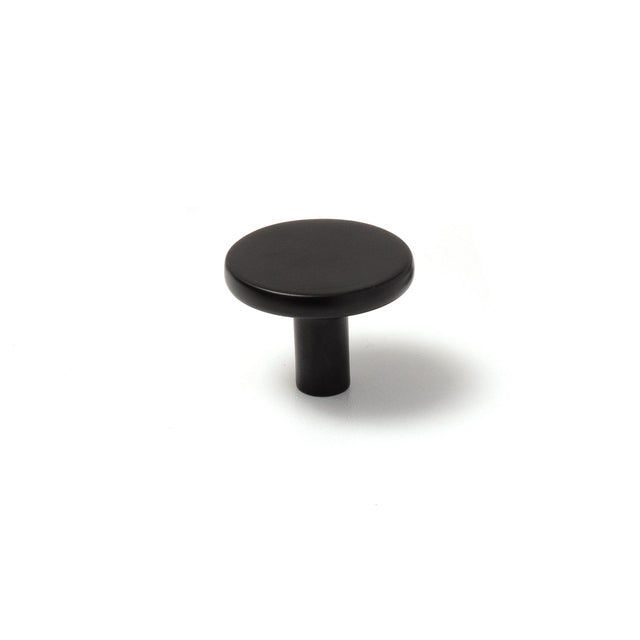


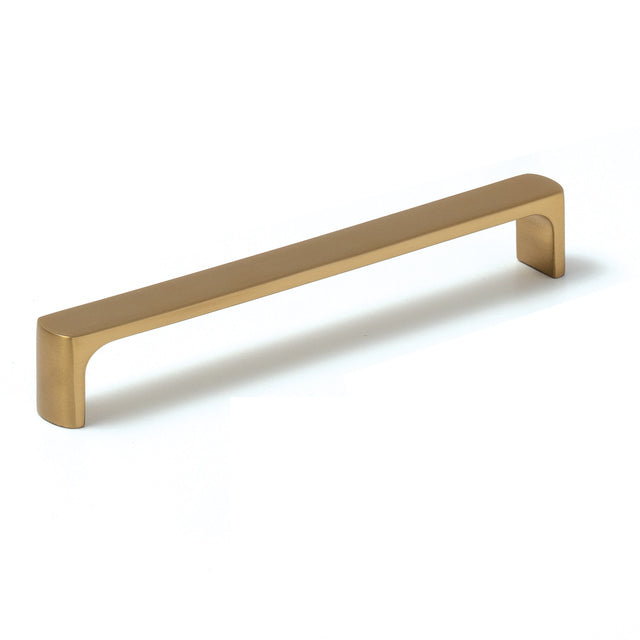
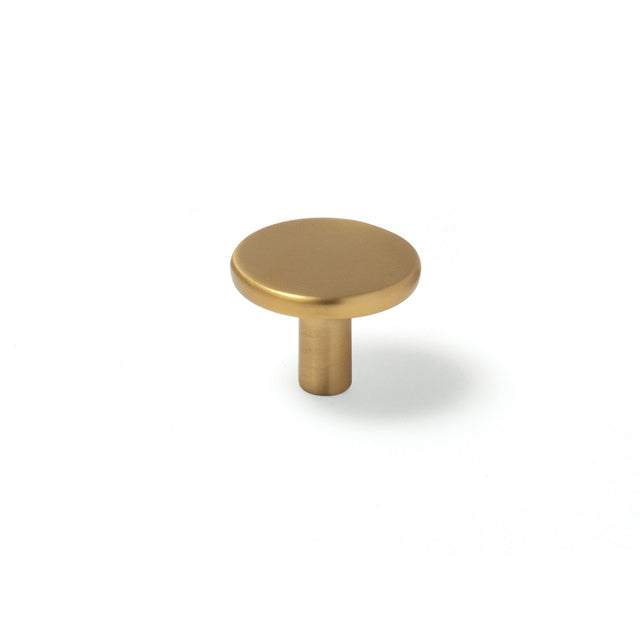
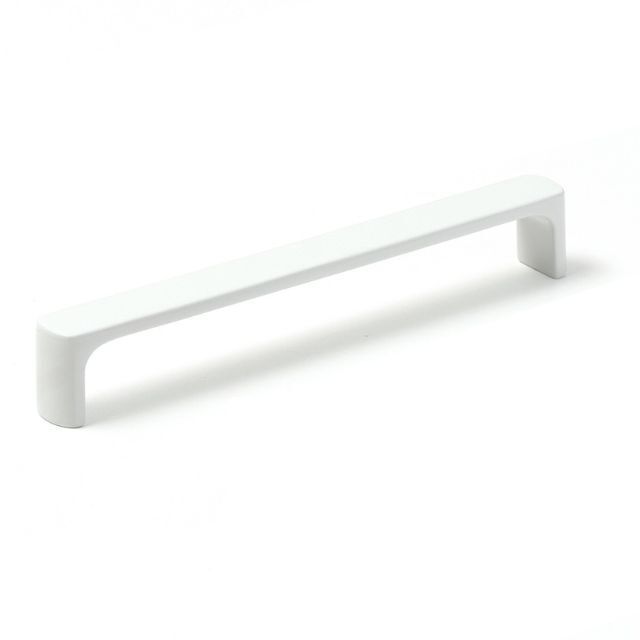
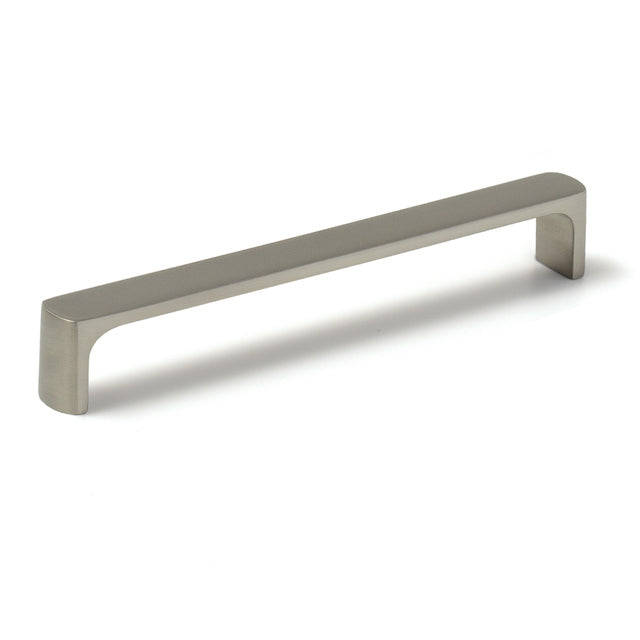
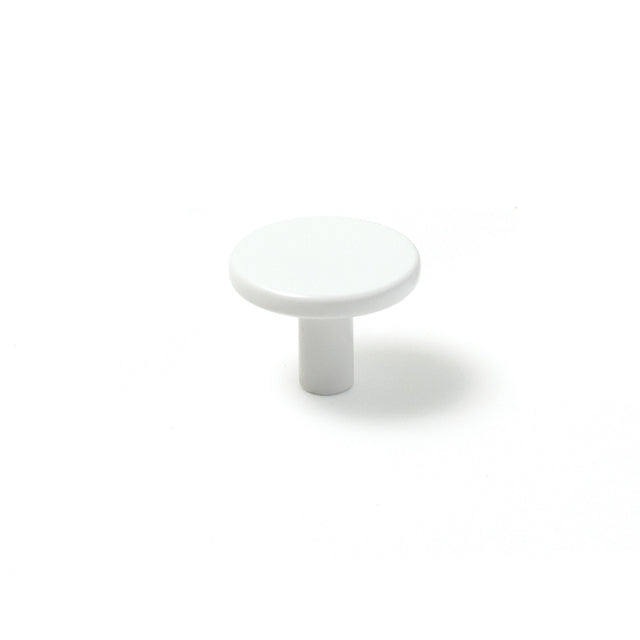
Vena is a range of zinc alloy D handles and round knobs from Momo, built around a straight line. It comes in four finishes: Brushed Satin Brass, Dull Brushed Nickel, Matte Black and Matte White. The sections below explain each piece with its measurements, what zinc alloy and an electroplated finish are, and what the four finishes suit. They then cover how to choose a size, why the fitting detail matters (screws are not included with these handles), and how to look after them. For the whole brand, start at Momo kitchen and bathroom handles, and for handles of every maker and material, cabinet handles.
Vena is a D-handle and knob range built on the discipline of the straight line. It pairs round knobs with slender D-bar handles in a shared design language: a minimal profile, no decorative detailing and a consistent diameter across the range. It is designed for modern, contemporary and minimalist interiors, and it suits kitchens, bathrooms, wardrobes and bespoke joinery.
That description fits the figures. The D handle is 18mm wide and stands 26mm off the door, and the knob is a plain round with the same 26mm projection. Nothing on either piece competes for attention, so the range works as a quiet background to the cabinetry and not as a feature.
The fixing distance is the gap between the two screw holes, overall length is the full length of the handle, and projection is how far it stands off the door.
The Brushed Satin Brass D handle suits a handle thickness of 19mm to 25mm, with similar ranges for the other finishes. The finish process is electroplated, and screws are not included.
A D handle is a cabinet pull with a curved D-shaped profile that curves away from the cabinet face and back again. The shape is comfortable to grip and easy to use on drawers and doors, and it works in modern, transitional and traditional kitchens and bathrooms. D handles are simple and practical, easy to grab and easy to clean, and they sit neatly on drawers and doors without sticking out.
The Vena has clean, straight lines, so it sits at the straight-edged end of the D handle family. For rounder D handles, see D shaped cabinet handles.
The two sizes cover the common jobs. The 160mm fixing distance is one of the most commonly sold. Centre-to-centre examples: 64 or 96mm for a 300mm drawer, 96 or 128mm for a 450mm drawer, 160mm and sometimes 192mm for a 600mm drawer, and 320mm for a 1200mm island. The Vena 160mm therefore suits a drawer about 600mm wide, and the 320mm suits a wide drawer or a tall door.
Knobs are gripped with the fingers, take a single screw, and suit small to medium doors and drawers and light use. Pulls are gripped with the whole hand and suit large or heavy doors and drawers and high-use areas.
Most cabinet knobs run roughly 25mm to 38mm across. The 35mm Vena knob sits inside that range and is the right size for a standard door or drawer, while the 50mm knob is well beyond it. That is a deliberate choice, a larger knob for a wide drawer or a wardrobe door where a small knob would look lost. Because the knob and the D handle share a finish and a line, a run of cabinets can use D handles on the drawers and knobs on the doors. For more, see cabinet knobs.
Zamac, the zinc-based alloy used for handles, is a family of alloys of zinc, aluminium, magnesium and copper, with excellent castability and long-term dimensional stability. It is a lighter alternative to brass that is durable, corrosion-resistant and able to keep a consistent finish. A zinc alloy handle is a middle weight, then, lighter than brass and heavier than aluminium. See zinc alloy cabinet handles for the material in detail.
That matters for care and for wear. A plated coating is thin, and it can wear at the places the hand touches most. That is normal wear and not a fault.
The limits are those of any plated zinc handle. Die-cast zinc handles corrode badly outdoors, and stainless steel is the choice for high-traffic areas and for marine or outdoor use. The call: Vena suits indoor kitchens, bathrooms, laundries and wardrobes, and a splash zone or a salt-air setting is better served by solid brass or stainless steel. See stainless steel cabinet handles if the setting is demanding.
Finishes sort by style. Warm metals such as brushed brass suit traditional and transitional rooms, black is bold and modern, and nickel is cool and neutral. Vena adds a white.
One rule for combining metals: limit a room to two, repeat each at least twice so it reads as a choice, and carry the same finish through the house. Choose two or three finishes that share undertones or material qualities, and note that coordinated finishes need not be identical. Matching the handle to the tapware is the simplest way to follow the rule.
Bathroom vanities suit the 160mm D handle and the 35mm knob. See bathroom vanities and furniture for the cabinets they fit. Kitchens suit the 320mm D handle on wide drawers and the knobs on upper doors, and wardrobes and laundries suit the same pieces.
Vena suits kitchens, bathrooms, wardrobes and bespoke joinery. Those are matches and not rules, and the best test is a sample held against the door.
A widely used rule: a pull is about one third the width of the drawer front, so a drawer 600mm wide takes a pull of about 200mm. For fronts between roughly 450mm and 700mm wide, 128mm, 160mm or 224mm centres suit, and beyond that, 256mm or 320mm centres, or two pulls, suit better. The Vena 160mm and 320mm fixing distances fall in those ranges.
The placement rule is simple. A pull sits 40mm to 60mm from the edge that opens, near the bottom corner of upper doors and the top corner of lower doors. Pulls sit horizontally on drawers and vertically on doors. Slim rectangular bars suit flat fronts, with flush ends and not protruding ones that catch clothing or limbs, and one length throughout gives a calmer look. A projection of 26mm leaves room for the hand, but check clearance wherever two doors open close together. Test handles before buying, choosing a grip that suits every user in the house, including those with larger hands or arthritis, and make sure handles do not collide when doors open. See cabinet pull handles for more.
Screws are not included with the Vena, so buy screws with the handles. No screw size is given, and the fixing is a standard rear thread compatible with most cabinet door thicknesses. Screw length follows panel thickness: a 22mm screw for panels 16mm to 18mm thick, and a 38mm screw for panels 32mm to 34mm thick. A door of 16mm to 18mm takes a screw of about that length. A screw needs to bite into the handle and stop short of the door face, so measure the door and check the thread size against the handle before you buy.
If you are replacing existing handles, match the fixing distance. A new pull with the same distance goes into the old holes without drilling. Measure from the centre of one screw hole to the centre of the other, not from the edge of the handle. The Vena distances are 160mm and 320mm, which are common, so they often fit an existing pair of holes.
Care protects the plating. For a zinc alloy handle, wipe with a soft, dry cloth, and avoid abrasive cleaners or harsh chemicals. The cleaner goes on the cloth and not on the hardware, and the handle should be dried immediately to prevent water marks. A soft cloth with a little mild soapy water, wiped dry, is enough for a stubborn mark.
Wipe the grip area more often than the rest of the handle, since a coating wears first where the hand touches. Abrasive pads and strong cleaners wear the plating, so keep them away. A white handle needs wiping more often than a mid-tone one, for the reason given above.
For the full brand, see Momo kitchen and bathroom handles. For other types and finishes, see cabinet handles, zinc alloy cabinet handles, D shaped cabinet handles and white cabinet handles.


