
*View accurate shipping rates and availability






48 Items


Up to 70% off across the store, plus free towels and mirrors up for grabs on orders over $800*
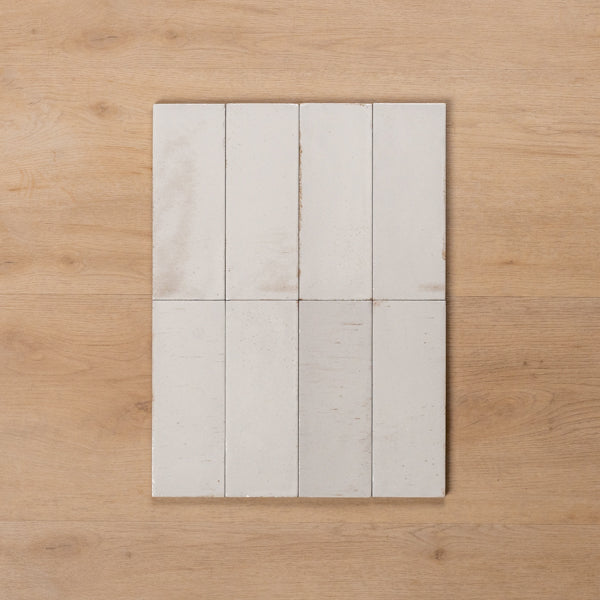
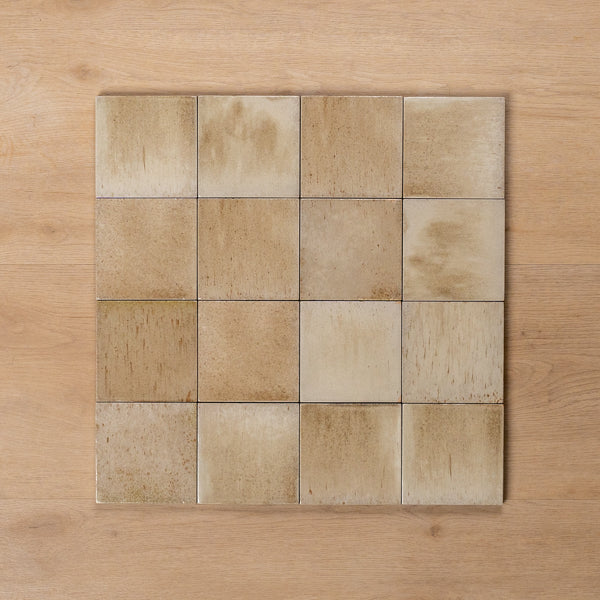

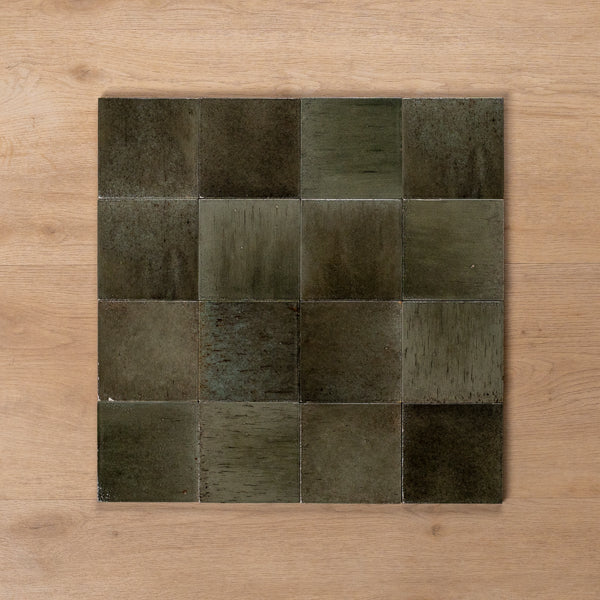
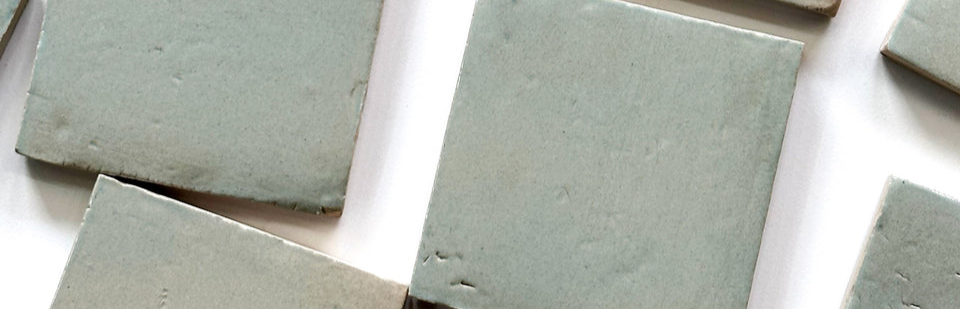


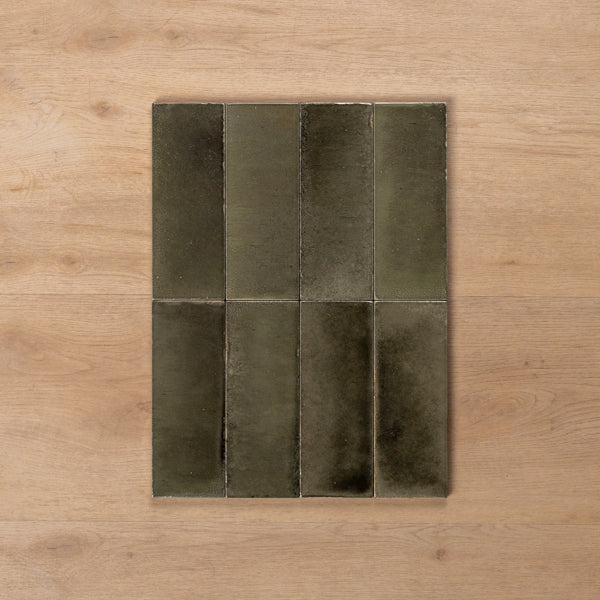
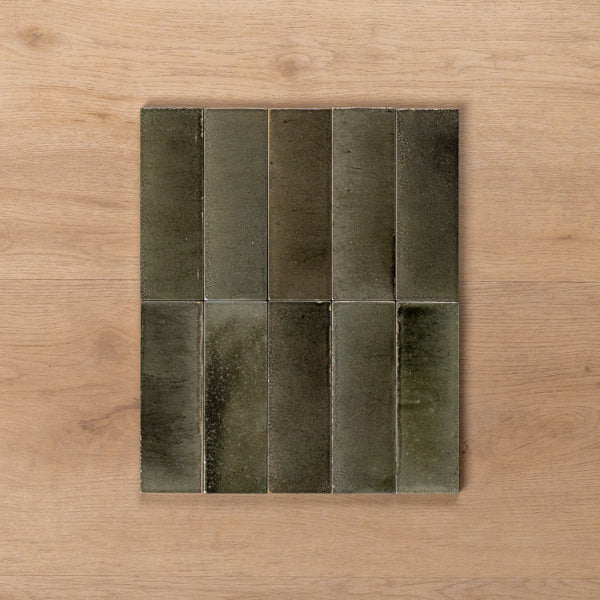
Moroccan tile covers a tradition and a style. At its centre is zellige, the handmade glazed tile with a soft shimmer and slight irregularity, along with its elongated cousin, bejmat. Around it sits a wider family of patterned tiles in the geometric, encaustic and tessellated style, which borrow the look without the handwork. This collection holds both: handmade-look glazed tiles in small squares and bricks, and patterned porcelain in squares sized for walls and floors.
The sections below set out what each kind is, where it belongs, how the tiles differ on slip and wall use, and what to plan for in grout, cleaning and ordering. For the handmade squares on their own, see the zellige tiles collection.
The range sorts into three groups.
The first is patterned porcelain in the geometric and encaustic style. Tamarama is a modern take on a classic encaustic pattern, Australian made in 300 x 300mm and 6.3mm. Alicante is a federation-style range of six different patterns and colour palettes, Spanish made, in 316 x 316mm and 9mm, with the old-world charm of traditional tessellated mosaics. Airlie is a set of traditional patterned tiles in 200 x 200mm, in three colour mixes.
The second is the handmade-look glazed ceramic. Evelyn is handmade zellige ceramic, hand moulded and shaped, with the colour glaze applied by a skilled craftsman, in 100 x 100mm squares and 50 x 150mm bejmat. Malee is a Spanish made handmade-look range in 130 x 130mm, in gloss and matt satin finishes. Dianna is a Spanish made handmade-look subway at 75 x 150mm with a wavy structured gloss glaze. Sicily is Italian made and hand-crafted, with clear shade transitions and irregularities typical of artisan production.
The third is the plain small square. Soluna is a 150 x 150mm porcelain inspired by the Mediterranean coast, with warm natural tones and soft textures, in matte.
Not every Moroccan pattern tile can go anywhere. Most patterned porcelain carries Walls and Floors in the Application line, while the handmade-look Evelyn and Dianna tiles carry Wall Tile. Soluna varies: most pages read Walls and Floors, while the Arc Cotto reads Walls and is not slip rated.
Where a tile suits floors, the slip line matters. Tamarama is P3, moderate slip risk, and P3 or greater is the right level for wet areas. Alicante is P3/R10, moderate to high slip risk and suitable for flooring in dry areas, and its Area line reads Indoors dry and covered outdoor areas. Airlie is P3. The Dianna is P2, and the Evelyn is Not rated, which is consistent with their wall-tile use.
The rule that follows is simple. For a bathroom floor or any wet floor, choose a tile whose line states P3 or higher and a wet-area use. For a feature wall, a splashback or a niche, the wall-tile ranges are the natural fit. For a dry living-room or entry floor, the patterned porcelain with a floor application is the choice. The floor tiles collection explains slip and wear ratings in more detail.
Traditional Moroccan palettes lean on deep blues, turquoise, greens, burnt orange and terracotta, paired with whites and earthy neutrals. If you are unsure about colour, soft earthy tones such as ivory, clay and sage green keep the look lasting and still clearly Moroccan. The colours tagged across this collection run from white and beige through green, blue, black, terracotta and grey, with smaller numbers in brown and orange.
For one colour across the store, the blue tiles collection, the green tiles collection and the terracotta look tiles collection gather tiles by shade.
The Appearance line gives an honest picture. The patterned porcelain is V1, a uniform appearance with minimal to no variation in texture, which suits a repeating pattern. The handmade-look Evelyn is V3, moderate variation, and Soluna and Dianna are V2. Sicily goes further: strong shading, chipping and relief imperfections are part of the look, along with clear shade transitions and dripping rust and iron.
For crisp, even lines, choose patterned porcelain. For a tile that looks made by hand, choose a handmade-look range, which brings chips, shading and soft edges as part of the look. Variation in colour, glaze, texture and size are part of the beauty, and every installation is unique.
The choice comes down to three questions. How much irregularity do you want? Where will the tile go? How much upkeep will you accept? Real zellige is naturally porous around the edges and benefits from sealing in wet zones, while ceramic and porcelain look-alikes are denser, less porous and generally fine in wet areas without sealing. The tiles in this collection that carry a Maintenance line read Easy to clean, or Easy to clean and maintain.
The patterned tiles collection and the diamond tiles collection cover geometric looks beyond the Moroccan group, and the mosaic tiles collection covers the small formats.
A few of the patterned porcelains suit rooms beyond the indoor room. The Tamarama Area line reads Indoors and covered outdoor areas, and the Alicante Area line reads Indoors dry and covered outdoor areas. That makes a verandah or a covered entry possible, with the slip line in mind. For open courtyards and paths, the outdoor tiles collection is a better starting point than any of the handmade-look ranges, which are wall tiles.
The Dimensions lines run from 50 x 150mm bejmat and 100 x 100mm squares through 130 x 130mm, 150 x 150mm and 200 x 200mm to 300 x 300mm and 316 x 316mm patterned squares. The bricks come in 75 x 150mm and 75 x 200mm. The 50 x 50mm or 100 x 100mm square is the most recognisable zellige format, suited to feature walls, niches and powder rooms. Bejmat is the elongated brick of roughly 50 x 150mm, laid horizontally for a linear look or vertically for height in a small space.
For other formats of the same family, the square tiles collection and the subway tiles collection hold the bricks and squares in plainer finishes.
Grout changes how a Moroccan tile reads. For real zellige with uneven edges, the joint is part of the look, typically wider than for porcelain, at 2 to 4mm rather than 1 to 2mm. The Evelyn handmade tiles need over 3mm, while the Dianna subway needs 1.5mm to 3mm. A wider joint suits an uneven edge.
Avoid a high-contrast grout on a handmade tile, because it pulls every joint into focus and flattens the soft variation that makes the tile worth choosing. A grout one or two shades from the tile, in a soft neutral, lets the tile lead.
Most tiles in this collection are Easy to clean or Easy to clean and maintain. A routine for a glazed tile is simple: sweep or vacuum, mop with warm water and a mild detergent, and rinse.
Real handmade zellige asks a little more care. It is naturally porous around the edges and benefits from sealing in wet zones, and the specific tile decides whether sealing or a tighter grouting approach is needed in a shower or on a splashback. Check the product page and ask your installer, and use mild cleaners on a handmade glaze.
Allow extra for cuts and breakage. Add 10 percent for offcuts and layout changes, or 10 to 15 percent on top of the order, rising to 20 percent for large formats. Allow 15 to 20 percent for real handmade zellige, because of the natural variation in each batch and the extra breakage from irregular edges, and 10 percent for look-alikes. A handmade batch can also be hard to match months later, so buying the extra up front avoids a patch of mismatched colour.
A worked example: a splashback 2.4m wide and 0.6m high is 1.44 square metres. A 100 x 100mm zellige-style tile covers 0.01 square metres, so the splashback takes 144 whole tiles, and with 15 percent for handmade variation the order is 166. A powder room wall 2.4m high and 1.5m wide is 3.6 square metres, which takes 360 tiles, and 414 with the allowance. Mix tiles from several boxes as you lay, so the glaze variation spreads across the wall.
Confirm quantities with your builder or tiler before ordering, and for any handmade-look tile ask the tiler about wastage before placing the order.
Handmade Moroccan tile asks for planning. Irregular edges produce more breakage when cutting, so allow more wastage. Chipping and shade variation are normal in the handmade ranges, which is the character of the tile. Seal it in a wet zone where the product page asks for it, and use the handmade lines on walls, where they belong.
The look-alikes bring different strengths: crisp, even lines, a repeating pattern, and ease of care. Let the tile lead and keep the other materials simple, which suits a feature wall, a floor panel or a small room.
A patterned entry floor 1.8m by 1.2m is 2.16 square metres, or 2.48 square metres with 15 percent for cuts. A box of the 316 x 316mm Alicante covers 1.00 square metre, so the order is 3 boxes. A patterned tile asks for a dry lay before fixing, so the pattern is centred on the doorway and the cuts fall at the edges where they are least visible.
Start with the surface you are tiling. For a wall, feature wall or splashback, choose the handmade-look ranges for texture or the patterned porcelain for a clean repeat. For a dry floor, choose patterned porcelain whose Application line says Floors and carries a slip rating. For a wet floor, check for P3 or higher and a wet-area use line, and expect fewer options than on a wall.
Then read the Appearance line, match the grout to the finish and order extra for cuts. The tiles collection sits above this one for the whole range.


