
*View accurate shipping rates and availability






126 Items


Up to 70% off across the store, plus free towels and mirrors up for grabs on orders over $800*


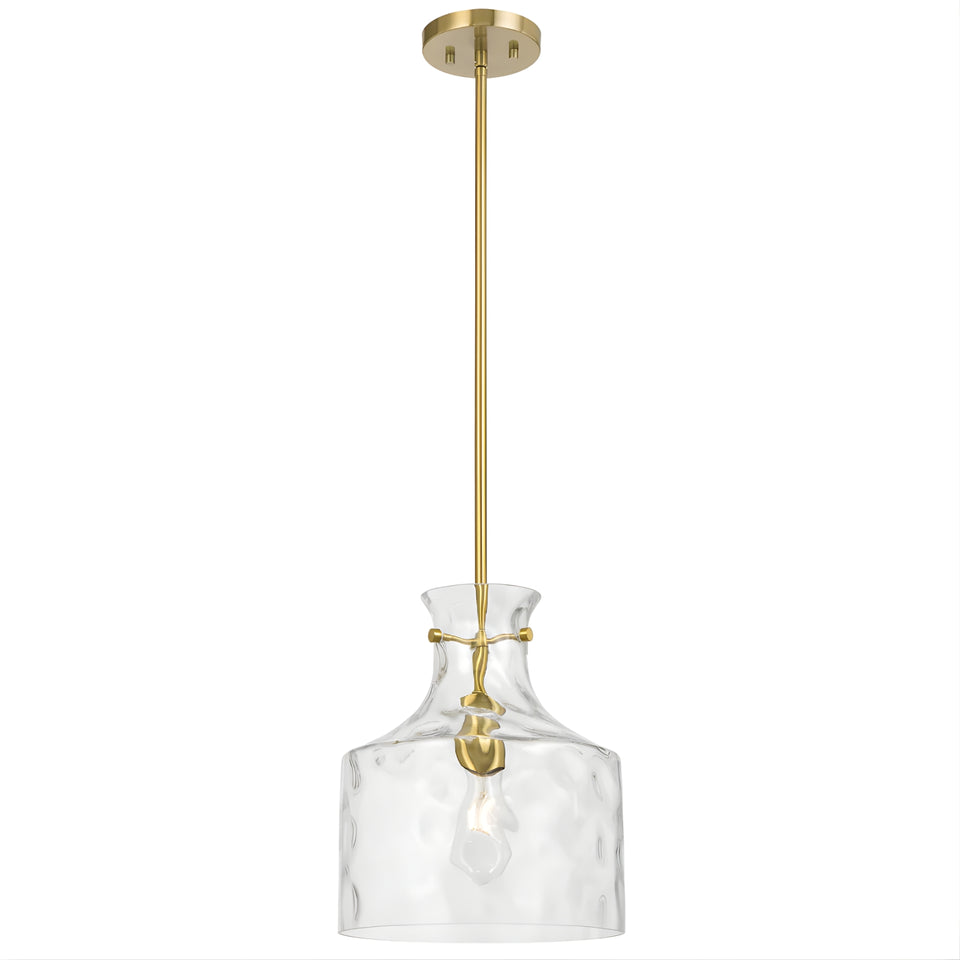
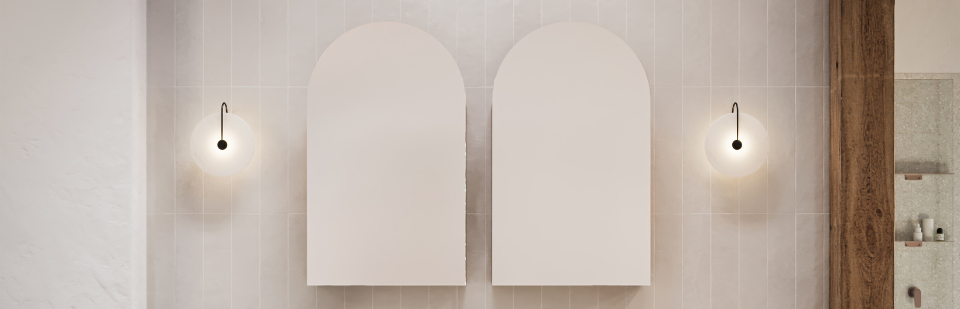


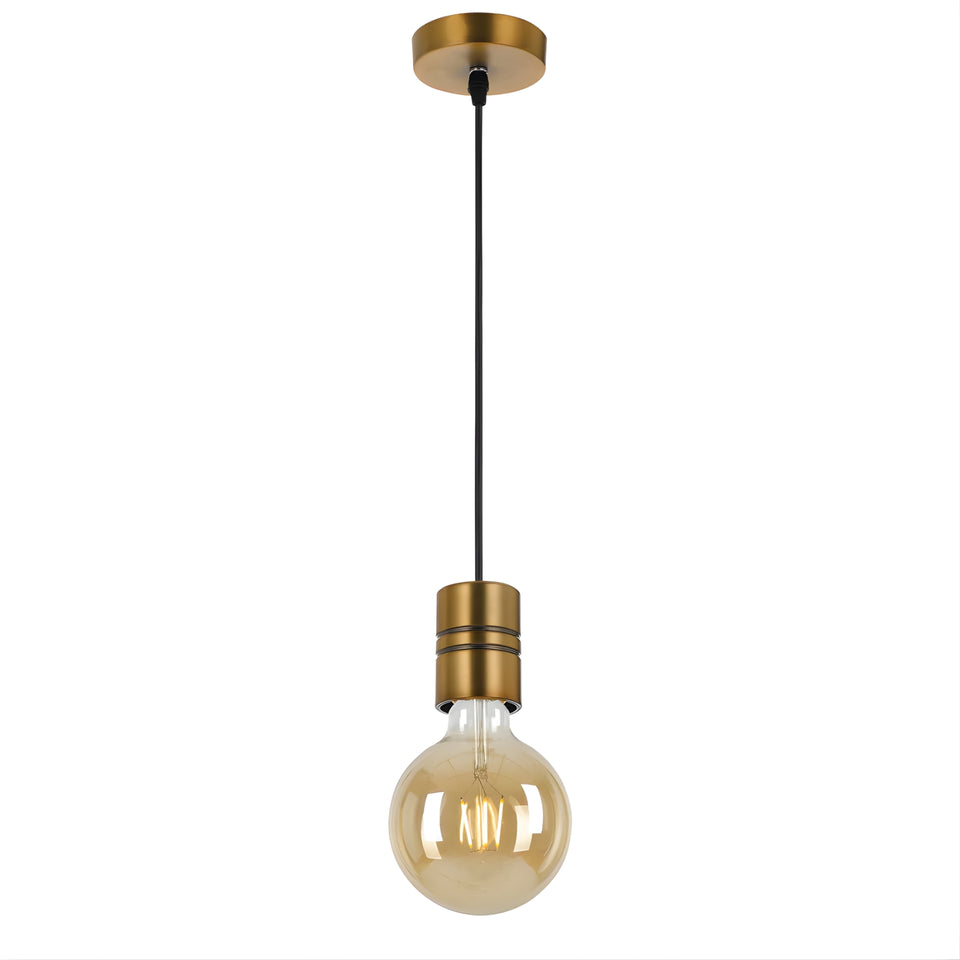


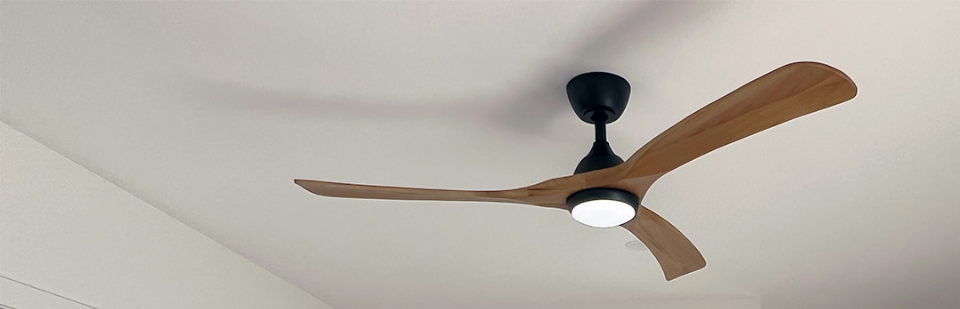
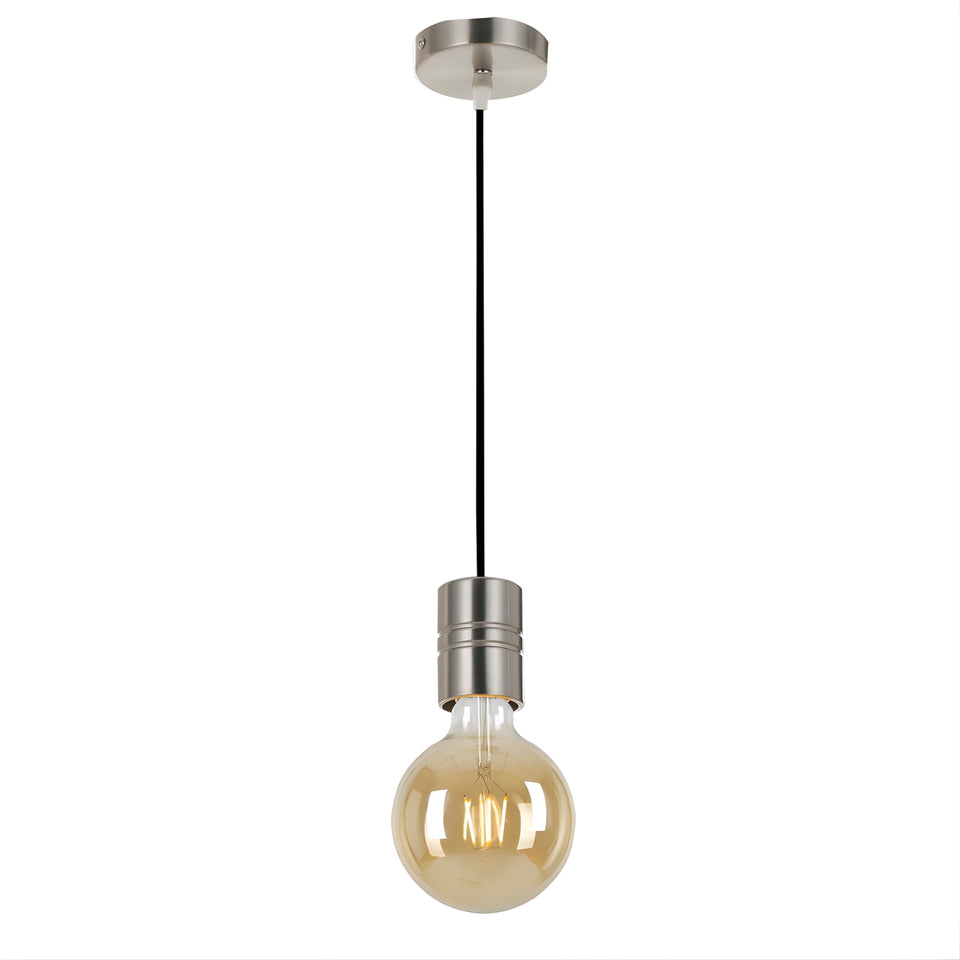


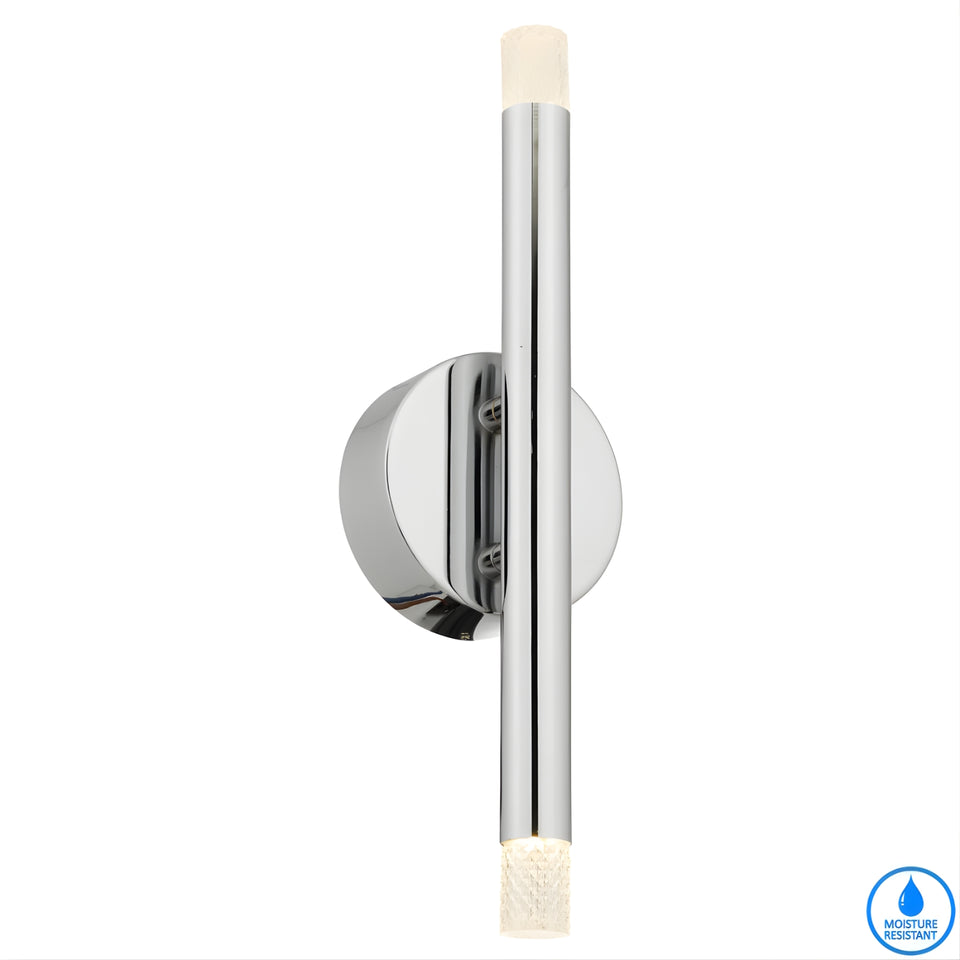

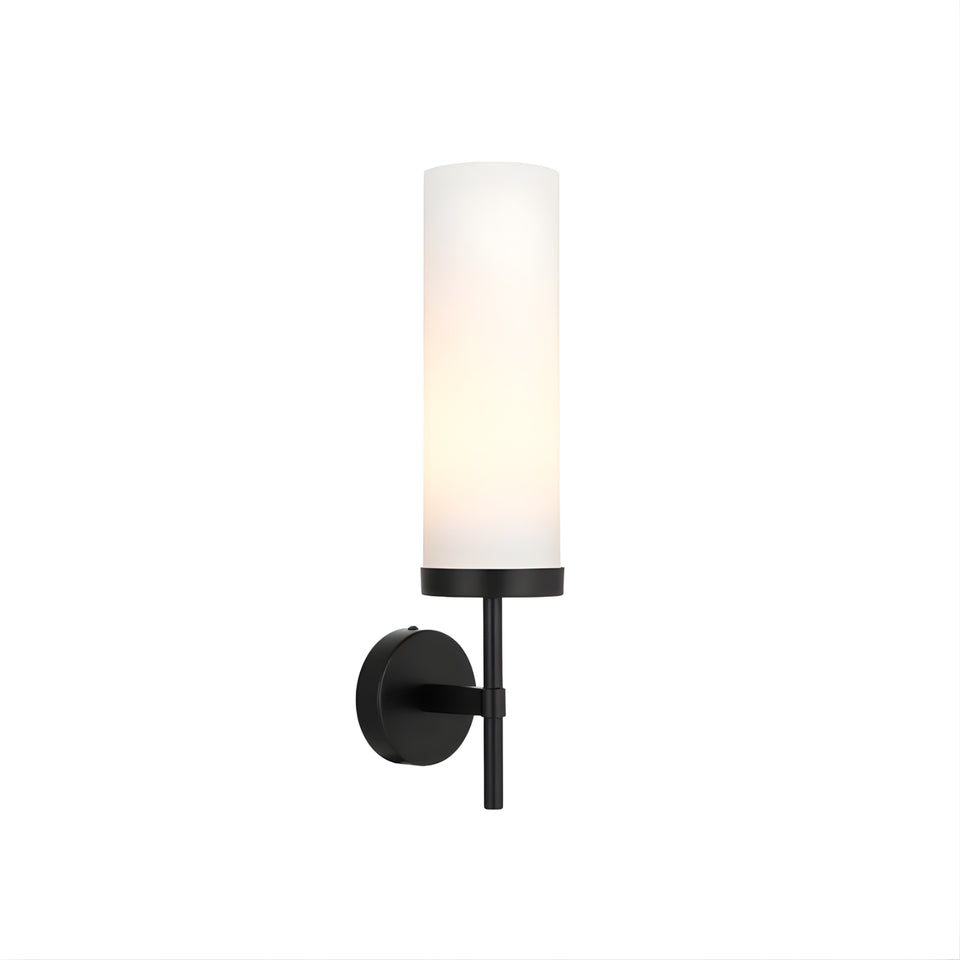


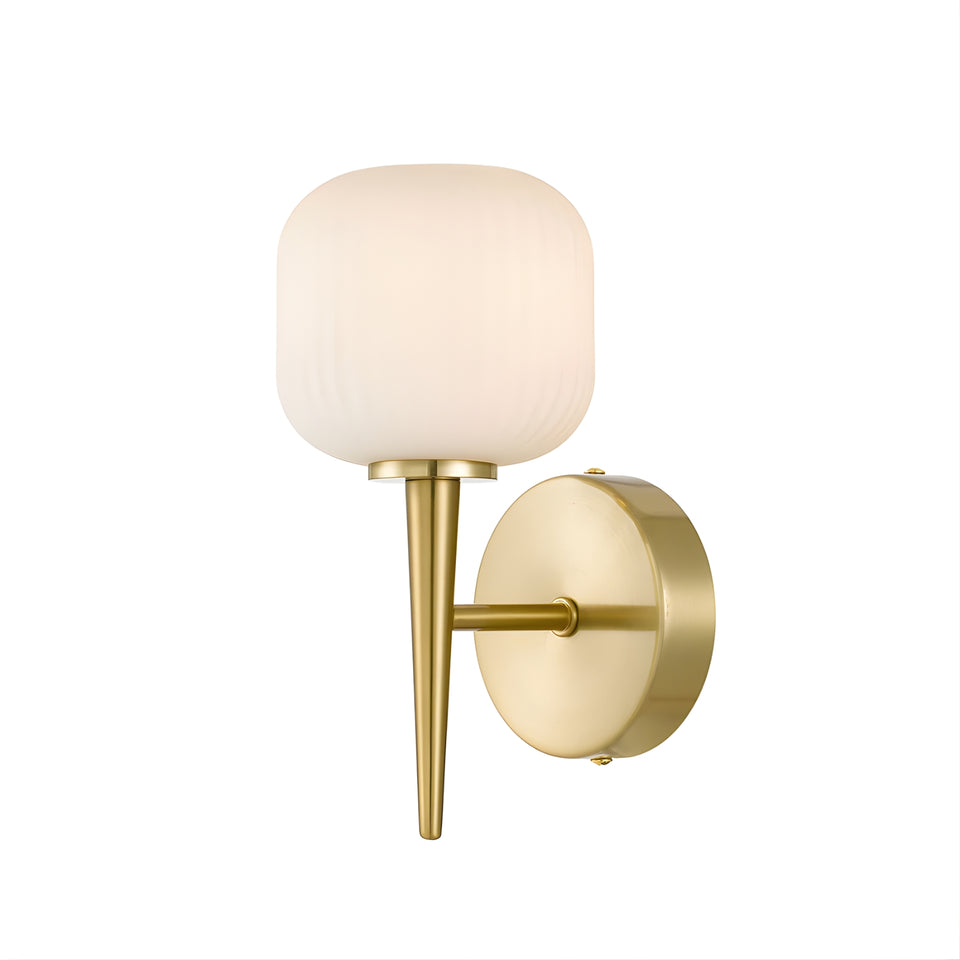

Telbix is an Australian lighting brand, and this page holds its wall lights and vanity bars, pendants, ceiling lights and oysters, a downlight and weatherproof lights for outdoor walls. The range is wide, so the useful question is which type suits the room and not which Telbix light to buy. Below you will find what each type of fitting does, how bright and how warm a light should be, and which specification lines to read on a product page.
The range falls into a few types, and each type has its own job.
The wall lights are covered in more detail in the wall lights guide, pendants in pendant lights, ceiling fittings in ceiling lights, and the bathroom choices in bathroom lighting. Outdoor fittings sit in outdoor lighting.
Several Telbix ranges have their own collection, and each is the place to compare sizes and finishes within the range.
Lumens describe the light a fitting gives and watts describe the power it draws, so lumens are the number to choose by. About 800 lumens matches an old 60W bulb, which an LED produces from roughly 8 to 10W. Task areas such as kitchens and home offices call for higher lumens.
Colour temperature is measured in kelvins. 2700K to 3000K is warm and cosy, suited to living rooms and bedrooms, around 4000K is neutral for kitchens and bathrooms, and 5000K and above is cool and bright for garages and task areas. Bathrooms can sit at a slightly lower 3000K to 3500K, so the bands overlap. When in doubt in a home, warm white is the safer choice.
Many fittings here are 3000K. Others offer an adjustable colour temperature, which lets you choose the warmth after you install the light. The ceiling LED fittings, for example, have a selectable colour temperature and a stated lumen figure in the specification. Do not mix colour temperatures in one room, because it is a common mistake.
Integrated LED means the light source is built into the fitting, which allows slimmer designs and better light distribution. A typical LED lasts 25,000 to 50,000 hours and uses up to 75 to 85 percent less electricity than incandescent or halogen light.
The other route is a fitting that takes a globe, such as E27, E14, B22, G9 or GU10. The product pages are clear about which fittings include a globe. Many are sold without one, and that is the line to check, because the fitting will not light without one. Read the globe line, then see light bulbs and globes to choose a match.
Not all LEDs are dimmable. Check dimmer compatibility to avoid flicker or reduced performance, because a non-dimmable bulb on a dimmer switch is a common mistake. Dimming differs by product. Some are not dimmable, some depend on the globe, and some have switch-controlled dimming. The Lyric and Orlin ceiling lights, for example, have three step dimming from the wall switch.
A batten fix ceiling light sits flush to the ceiling and takes a B22 globe here, which suits a hallway, a laundry or a small room with a low ceiling. The LED oysters are the modern version. The Lyric is a square oyster in a teak finish, 36W, with three colour temperatures from 3000K to 6000K and three step dimming. The Orlin is a 36W oyster in walnut. For low ceilings, choose a slimmer profile and sit the fixture closer to the ceiling, which is what these low profile fittings do.
The wall lights are the largest group on this page. For a bedside, a wall light above or beside the bedside table frees up the surface. For a bathroom, the vanity bars are long and slim, with IP44 and an adjustable colour temperature. Mounting heights, spacing and the bathroom zone rules are set out in the wall lights guide, so they are not repeated here.
The outdoor fittings on this page are wall lights, and each states its IP rating. The Penros is IP65 and 316 stainless steel, and it suits rain and coastal conditions. Plan outdoor lighting in layers rather than lighting everything with one fitting. Start with entrances, paths and steps. Add garden lighting. Pick out architectural features with wall lights. Then add atmosphere with warm 3000K light. Wall lights suit doors and entertaining areas, because they spread a soft light across the wall, and 24V low voltage fittings give more flexibility in a garden.
Spike, post and bollard lights belong to garden lighting and are not part of this page. For a wider choice of weatherproof fittings, see outdoor lighting.
Telbix covers many styles, and a few are easy to describe. For a Hamptons home, choose white, clear or soft neutral fittings in finishes such as white, brushed brass, chrome and matte black. Glass shades spread the light and keep the room airy. Large pendants suit islands, dining tables and stair voids.
For an organic look, choose curved and rounded shapes, natural stone and timber, woven and ribbed materials, and earthy neutrals. A soft shaped pendant over the dining table or island, fabric shades in the bedroom, and one sculptural piece in the entry all work. A sculptural fitting is a statement, not a background light, and scale, materials and craftsmanship define it. Examples include a pendant over a dining table, one in an entryway, and fittings that mark out zones in an open plan home without a wall.
Every product page carries a specification block, and a handful of lines answer most questions. The construction material tells you what the fitting is made from, for example iron and glass, aluminium, or 316 stainless steel for the weatherproof outdoor lights. The usage line says indoor or outdoor. The IP rating appears where it applies, and the voltage input is 240V.
Next come the light source lines: the globe type, the number of globes, the colour temperature, the lumens where the LED is built in, and the dimmable line. Then the electrical protection line, which is where the licensed electrician requirement appears. The box contents finish the list. The weight and the dimensions help you check the fitting against the space, such as the drop of a pendant or the width of a vanity bar against the mirror.
The pendants cover a few different builds, and the specification shows which is which. Some take a globe you choose, such as the Perron, the Mika and the Lang cord set, which take an E27 globe sold separately. Others have the LED built in, such as the Kolisa and Cedro, which have an adjustable colour temperature and no dimming, and the Aurora and Volen, which are 3000K and dimmable. The Jornel is a travertine pendant on a GU10 light source.
That split matters for planning. A pendant with an integrated LED asks for nothing more once it is wired, but you cannot change the light source later. A pendant that takes a globe lets you change the brightness, the colour and the shape of the globe whenever you like, as long as the new globe suits the fitting and, if you want a dimmer, the dimmer.
A few errors most often spoil a lighting plan. One is choosing by watts instead of lumens. Another is ignoring colour temperature, or mixing temperatures in one room. A third is using a non-dimmable globe on a dimmer. Others are relying on one ceiling light, choosing a pendant or lamp that is too small for the room, leaving out dimmers, and setting every room to maximum brightness. Planning the lights together, before the wiring, avoids most of them.
A hardwired light needs a licensed electrician in Australia. The Telbix fittings are for installation by a licensed electrician only. Plug-in lights connect to a standard power point and do not need one. Changing a globe is a different matter, and it is fine with the power off, provided the new globe matches the fitting.
The specification lists the voltage, the IP rating, the globe type and whether the globe is included. The box for most wall lights holds the light, basic mounting screws and instructions. Where a pendant or oyster has its own fixing kit, the box contents say so. Read those lines before you order, and settle the wall box position or the ceiling point with the electrician before the light arrives.
The order is the room, then the layer. Decide whether the room needs base light, task light or accent light, and choose the type to match. Set the height from the pendant lights or wall lights pages, and choose the colour temperature for the room. Read the dimmable line if a dimmer is planned, check whether a globe is included and check the IP rating near water or outdoors. Then match the finish to the metal already in the room.
To compare Telbix with another maker, see Eglo lighting, or return to the wider lighting collection.


