
*View accurate shipping rates and availability






38 Items
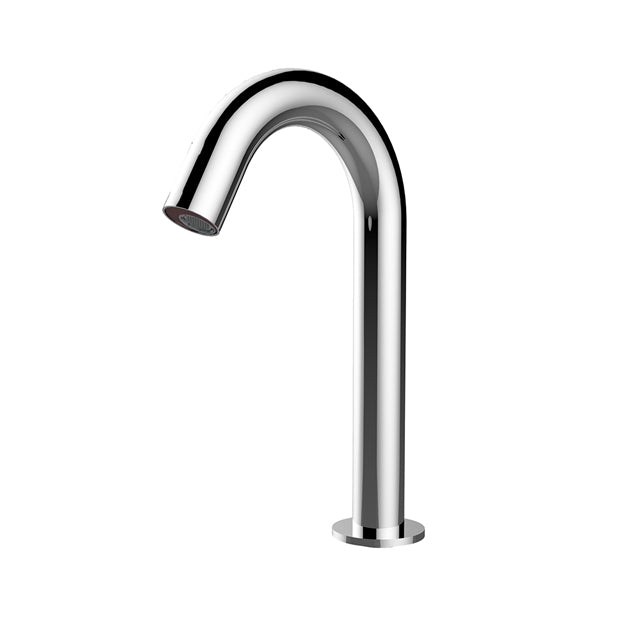
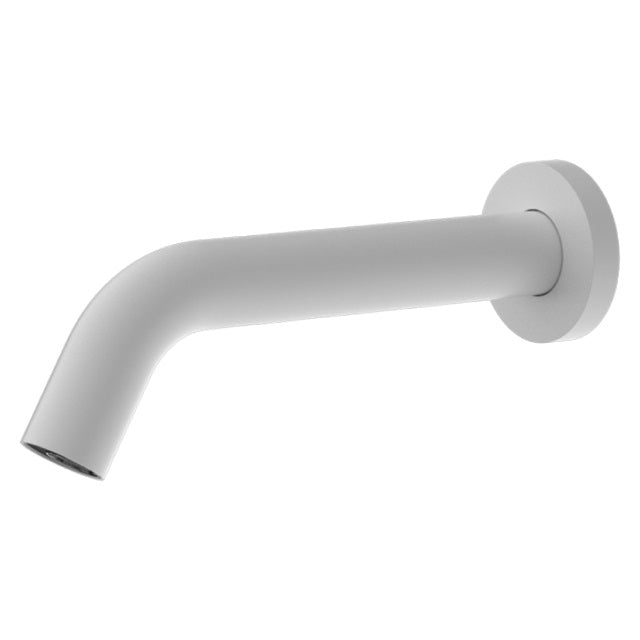
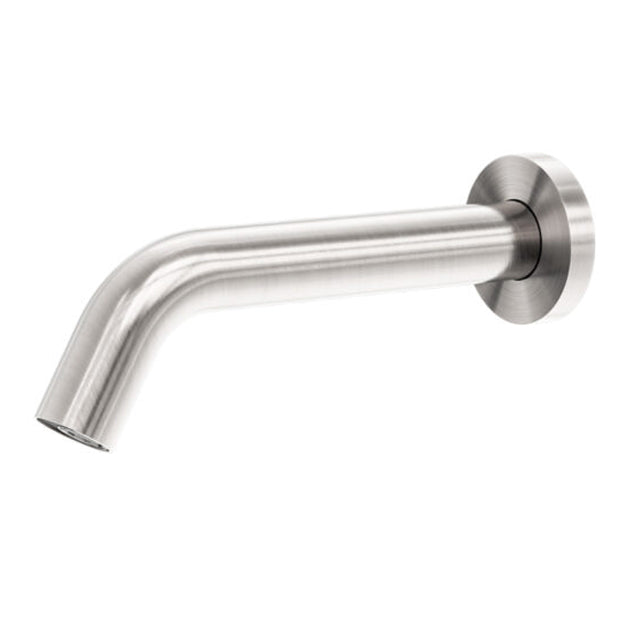
A sensor tap works on the same principle as a public restroom's automatic tap, but built specifically for the kitchen: an infrared sensor detects a hand or object nearby and activates water flow without needing to touch a handle at all.
Genuine hygiene is the standout benefit, since hands covered in raw meat, flour or dishwashing suds never need to touch the tap handle, avoiding the transfer of mess or bacteria onto a surface that's then touched again later. Water savings follow naturally, since the tap only runs while a hand or object is actually detected in range, cutting the waste that comes from a tap left running while hands are busy elsewhere. Genuine convenience matters too, letting a sensor tap be activated while holding a pot, a baby, or a phone, without needing a free hand.
Most sensor taps run on battery power, housed in a compartment beneath the sink, requiring no electrician for installation and a straightforward battery change every year or so depending on use. Some models offer a mains-powered option instead, requiring a nearby power point and generally suited to a full kitchen renovation where the electrical layout can be planned around it.
Most sensor taps still include a separate manual lever or dial for adjusting water temperature, with the sensor controlling only the on/off flow. Some models add a temperature-limiting feature, capping the maximum hot water temperature for genuine safety in a household with young children.
Confirming the sensor range (the detection distance the tap responds to) suits the sink's depth avoids the tap either failing to trigger or activating unintentionally too early. Checking the battery life and replacement type matters for ongoing running costs, and confirming water pressure compatibility with the home's existing plumbing avoids a mismatch after installation.
A sensor tap uses an infrared sensor built into the spout to detect a hand or object placed nearby, automatically activating water flow. Removing the hand from range stops the flow, all without needing to touch a handle.
Most sensor taps are battery-powered, with the battery compartment housed beneath the sink, requiring no electrician for installation. A mains-powered option is available on some models, better suited to a full kitchen renovation where the electrical layout can be planned in advance.
Yes, genuinely so. Since the tap activates without touching a handle, hands covered in food, raw meat or cleaning products never transfer that mess back onto a surface that's touched again later, a real hygiene advantage in a kitchen.
This depends on usage, but most battery-powered sensor taps last approximately 6 to 12 months on a standard set of batteries before needing replacement, with many models including a low-battery indicator to signal when a change is due.
A sensor tap is easiest to finalise once the sink and its taphole configuration are confirmed, since fit depends on those specific measurements. The Blue Space's Kitchen Sinks collection is worth reviewing alongside a sensor tap selection to bring the full kitchen together.


