Skip to content

Martec Metro Ceiling Fans

3 Items

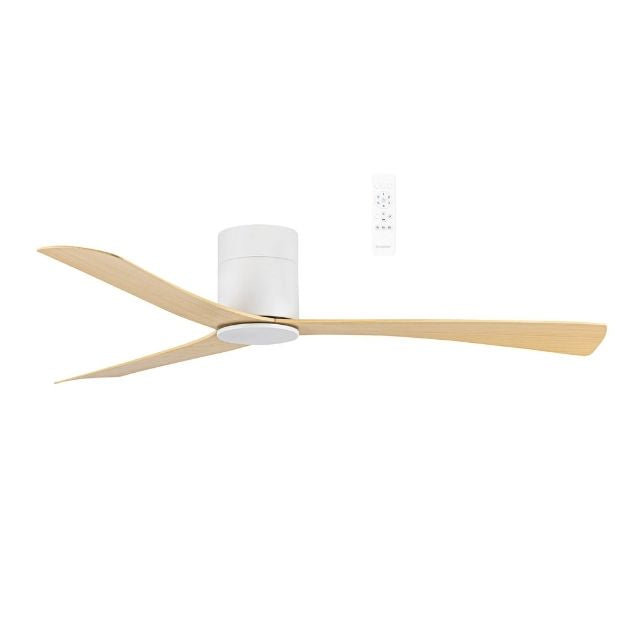
  • Martec Metro DC 1320mm Hugger Ceiling Fan with LED Light White/OakMartec Metro DC 1320mm Hugger Ceiling Fan with LED Light White/OakMartec Metro DC 1320mm Hugger Ceiling Fan with LED Light White/Oak

    Martec Metro DC 1320mm Hugger Ceiling Fan with LED Light White/Oak

    Checking delivery...
    $361
    $38 (-9%) OFF RRP of $399
  • Martec Metro DC 1320mm Hugger Ceiling Fan White/OakMartec Metro DC 1320mm Hugger Ceiling Fan White/OakMartec Metro DC 1320mm Hugger Ceiling Fan White/Oak

    Martec Metro DC 1320mm Hugger Ceiling Fan White/Oak

    Checking delivery...
    $322
    $57 (-15%) OFF RRP of $379
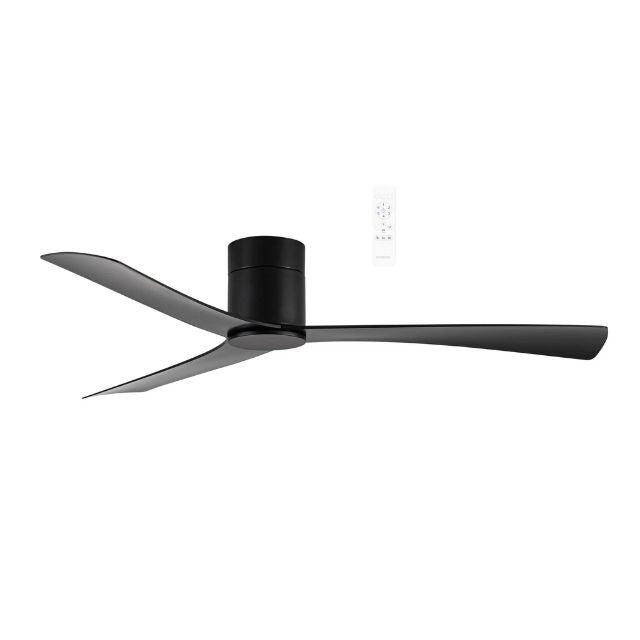
  • Martec Metro DC 1320mm Hugger Ceiling Fan Matt BlackMartec Metro DC 1320mm Hugger Ceiling Fan Matt BlackMartec Metro DC 1320mm Hugger Ceiling Fan Matt Black

    Martec Metro DC 1320mm Hugger Ceiling Fan Matt Black

    Checking delivery...
    $305
    $54 (-15%) OFF RRP of $359

Martec Metro ceiling fans

The Martec Metro range is a compact, low profile ceiling fan built for rooms where headroom is tight or the ceiling itself is low. It mounts close to the ceiling rather than hanging on a long drop rod, so it suits bedrooms, apartments, and renovated spaces where a standard fan would sit too low over the bed or the walkway. Because this is a small, focused range, the choice generally comes down to size and finish rather than dozens of variants.

What makes it a low profile fan

A close mount design pulls the blades and motor housing up near the ceiling surface, cutting the overall drop compared with a fan on a full length rod. This matters most in rooms with standard 2.4 metre ceilings, where every extra centimetre of headroom counts, and in rooms where a taller household member walks directly under the fan. It also gives the fan a neater, more streamlined look once it's installed, since there's no visible rod between the ceiling plate and the fan body.

Choosing a size and finish

Blade span is the main sizing decision. Measure the room and match the fan to it: a fan that's too small will struggle to move air through a larger living space, while an oversized fan in a small bedroom can feel visually heavy and move more air than the room needs. Martec typically offers the Metro in neutral finishes that suit most interiors, so it pairs easily with existing light fittings and cabinetry rather than becoming a feature piece in its own right.

Where it works best

Because the range is compact, it's best suited to bedrooms, studies, apartments, and other enclosed rooms rather than large open plan living areas, where a bigger fan or a model built for higher airflow volume may be a better match. If you're fitting out a new build or renovating a room with a lower than average ceiling, checking the specific drop measurement before you buy is worth the extra few minutes, since even a low profile fan still needs a small clearance gap above head height.

Installation notes

As with any ceiling fan, installation should go through a licensed electrician, and it's worth confirming the existing ceiling mount point can take the fan's weight, particularly in older homes. If you want a light fitted at the same time, check whether the specific Metro model you're looking at has a light kit option or is designed to be paired with a separate ceiling light nearby.

Frequently Asked Questions

What is a Martec Metro ceiling fan?
It's a compact, low profile ceiling fan from Martec designed to mount close to the ceiling instead of hanging on a long drop rod. It suits rooms with standard or lower than average ceiling heights where a regular fan would sit too close to head height.
Is the Martec Metro suitable for a low ceiling?
Yes, that's the main reason people choose it. The close mount design reduces the overall drop from ceiling to blade, so it works well in bedrooms and apartments with limited headroom. It's still worth checking the exact clearance measurement against your ceiling height before buying.
What size room does the Martec Metro suit?
It's best suited to bedrooms, studies, and other smaller enclosed rooms rather than large open plan areas. Match the blade span to the room size so the fan moves air comfortably without looking oversized or underpowered.
Does the Martec Metro come with a light?
Some ceiling fans in the Martec range include a light kit option, while others are designed to run alongside a separate ceiling light. Check the specification on the specific model you're considering to confirm what's included.
Can I install a Martec Metro ceiling fan myself?
Ceiling fan installation involves mains wiring and should be carried out by a licensed electrician. They'll also confirm the ceiling mount point is rated to support the fan's weight, which matters most in older homes.

Frequently Asked Questions

Should I choose a DC or AC motor ceiling fan?

This choice comes down to what you value most: upfront cost or long-term efficiency. AC motor fans are the traditional, more affordable option and remain reliable workhorses. DC motor fans, by contrast, use up to 70% less energy, run quieter, and offer finer speed control, an investment that tends to reward those who value comfort and lower running costs over the years ahead.

What size ceiling fan do I need for my room?

The right fan size is determined by the dimensions of the room, not personal preference alone. As a general guide, rooms up to 12m² suit a blade span of 900–1200mm, rooms up to 20m² call for 1200–1400mm, and larger open-plan living areas often benefit from 1400mm or above. Ceiling height also plays its part, for ceilings under 2.4m, a low-profile or hugger-style fan is the wiser choice to maintain safe clearance while still delivering effective airflow.

Should my ceiling fan spin clockwise or anticlockwise?

There is wisdom in the seasons here. In summer, fans should rotate anticlockwise (when viewed from below) to push air straight down, creating a cooling breeze. In winter, reversing the fan to spin clockwise draws warm air that naturally rises back down into the room, helping redistribute heat more evenly.

Are outdoor ceiling fans different from indoor ones?

They are, and the distinction matters. Outdoor fans are built to endure the elements, rated as either "damp" (suitable for covered, sheltered areas like alfresco spaces) or "wet" (able to withstand direct rain and moisture). Installing an indoor-rated fan outdoors risks premature wear and safety issues, so it's worth confirming the rating aligns with where the fan will ultimately live.