Skip to content

Martec Triumph Ceiling Fans

6 Items

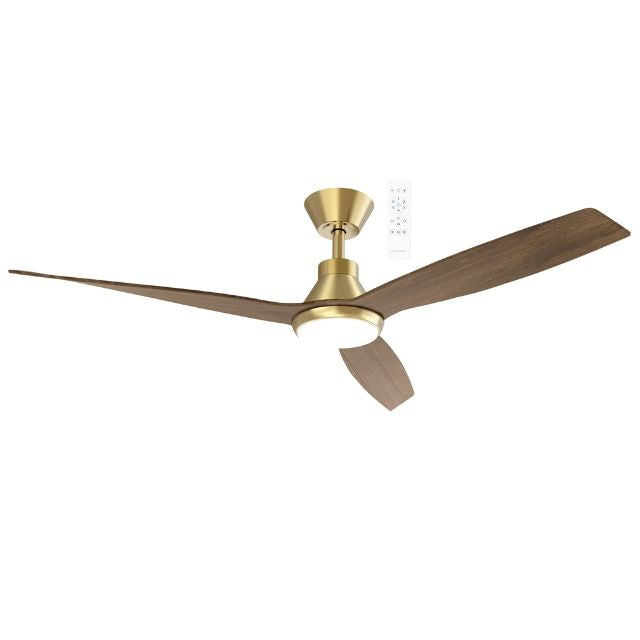
  • Martec Triumph DC 1320mm Ceiling Fan Antique Bronze/Walnut

    Martec Triumph DC 1320mm Ceiling Fan Antique Bronze/Walnut

    Checking delivery...
    $229
    $40 (-14%) OFF RRP of $269
    $40 (-15%) off RRP of $269
  • Martec Triumph DC 1320mm Ceiling Fan with LED Light Antique Bronze/Walnut

    Martec Triumph DC 1320mm Ceiling Fan with LED Light Antique Bronze/Walnut

    Checking delivery...
    $263
    $46 (-14%) OFF RRP of $309
    $46 (-15%) off RRP of $309
  • Martec Triumph DC 1320mm Ceiling Fan Matt White

    Martec Triumph DC 1320mm Ceiling Fan Matt White

    Checking delivery...
    $220
    $39 (-15%) OFF RRP of $259
    $39 (-15%) off RRP of $259
  • Martec Triumph DC 1320mm Ceiling Fan with LED Light Matt White

    Martec Triumph DC 1320mm Ceiling Fan with LED Light Matt White

    Checking delivery...
    $246
    $43 (-14%) OFF RRP of $289
    $43 (-15%) off RRP of $289
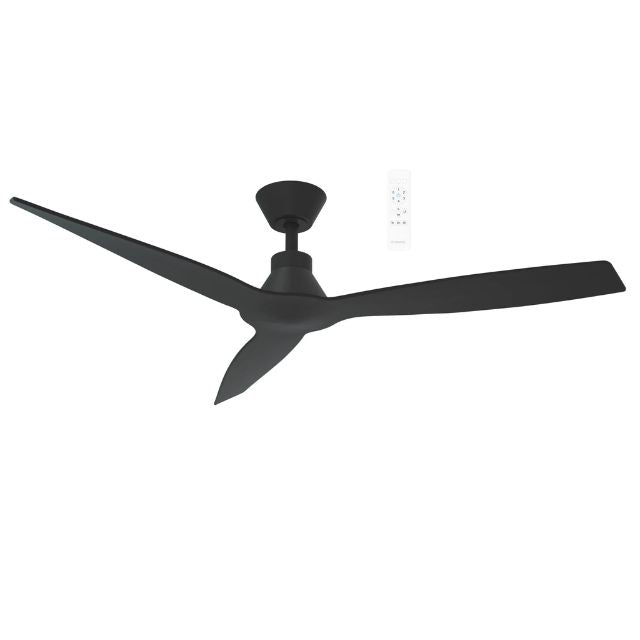
  • Martec Triumph DC 1320mm Ceiling Fan Matt Black

    Martec Triumph DC 1320mm Ceiling Fan Matt Black

    Checking delivery...
    $220
    $39 (-15%) OFF RRP of $259
    $39 (-15%) off RRP of $259
  • Free Gifts!

    Free Gifts!

    Spend over $800 and receive free gifts in your cart. Towels, accessories and full length mirrors!

    Find Out More
  • Martec Triumph DC 1320mm Ceiling Fan with LED Light Matt Black

    Martec Triumph DC 1320mm Ceiling Fan with LED Light Matt Black

    Checking delivery...
    $246
    $43 (-14%) OFF RRP of $289
    $43 (-15%) off RRP of $289

Martec Triumph ceiling fans

Triumph is one of several named ceiling fan design lines from Martec, sitting alongside other Martec ranges available elsewhere. This page covers the Triumph range specifically, a smaller selection of ceiling fans suited to buyers who have already decided on this design line or want to compare it directly against the handful of models it includes, rather than browsing the full Martec catalogue in one place.

Who this suits

This range suits a straightforward ceiling fan purchase for a specific room, whether that is a new build, a renovation, or a like-for-like replacement of an ageing fan. Because the range is a smaller selection, it also suits buyers who already know they want a Martec fan and are narrowing down within that brand rather than starting from a blank slate.

Blade span and room size

The blade span, the total diameter the fan blades sweep, needs to be matched to the size of the room it will operate in. A fan that is too small for a large room will not move enough air to be effective, while an oversized fan in a small room can feel overpowering and may sit too close to walls or light fittings. Check the blade span listed on each product against your room dimensions before choosing a model.

DC versus AC motor

Ceiling fans are generally built around either a DC or an AC motor. DC motors typically run more quietly and offer finer speed control, which suits bedrooms or living areas where noise matters. AC motors are a more conventional, typically simpler option. Check the motor type listed on each Triumph model so the fan matches how you intend to use the room, particularly if quiet operation overnight is a priority.

Indoor and outdoor rating

Not every ceiling fan is rated for outdoor or semi-exposed areas such as an alfresco or covered patio. If you are installing in an outdoor or humid area, confirm the specific rating of the model you are considering rather than assuming an indoor-rated fan will hold up, since exposure to moisture and weather can affect the fan's components and voids warranty cover where the rating does not match the installation location.

Ceiling height and mounting

Mounting method affects both safety clearance and how the fan performs. Standard mounting suits typical ceiling heights, while rooms with lower ceilings may need a close-mount or flush-mount style to maintain safe clearance from the floor and any furniture beneath. Check the ceiling height requirements listed for each Triumph model against your room before ordering, and confirm the fan is compatible with the ceiling structure it will be fixed to.

Before you order

  • Match blade span to your room dimensions
  • Decide between DC or AC motor based on noise tolerance and speed control needs
  • Confirm indoor or outdoor rating matches the installation location
  • Check ceiling height and mounting clearance requirements
  • Confirm whether the fan includes a light kit or requires one to be sourced separately

Frequently Asked Questions

Should I choose a DC or AC motor ceiling fan?

This choice comes down to what you value most: upfront cost or long-term efficiency. AC motor fans are the traditional, more affordable option and remain reliable workhorses. DC motor fans, by contrast, use up to 70% less energy, run quieter, and offer finer speed control, an investment that tends to reward those who value comfort and lower running costs over the years ahead.

What size ceiling fan do I need for my room?

The right fan size is determined by the dimensions of the room, not personal preference alone. As a general guide, rooms up to 12m² suit a blade span of 900–1200mm, rooms up to 20m² call for 1200–1400mm, and larger open-plan living areas often benefit from 1400mm or above. Ceiling height also plays its part, for ceilings under 2.4m, a low-profile or hugger-style fan is the wiser choice to maintain safe clearance while still delivering effective airflow.

Should my ceiling fan spin clockwise or anticlockwise?

There is wisdom in the seasons here. In summer, fans should rotate anticlockwise (when viewed from below) to push air straight down, creating a cooling breeze. In winter, reversing the fan to spin clockwise draws warm air that naturally rises back down into the room, helping redistribute heat more evenly.

Are outdoor ceiling fans different from indoor ones?

They are, and the distinction matters. Outdoor fans are built to endure the elements, rated as either "damp" (suitable for covered, sheltered areas like alfresco spaces) or "wet" (able to withstand direct rain and moisture). Installing an indoor-rated fan outdoors risks premature wear and safety issues, so it's worth confirming the rating aligns with where the fan will ultimately live.