
*View accurate shipping rates and availability






10 Items



Up to 70% off across the store, plus free towels and mirrors up for grabs on orders over $800*



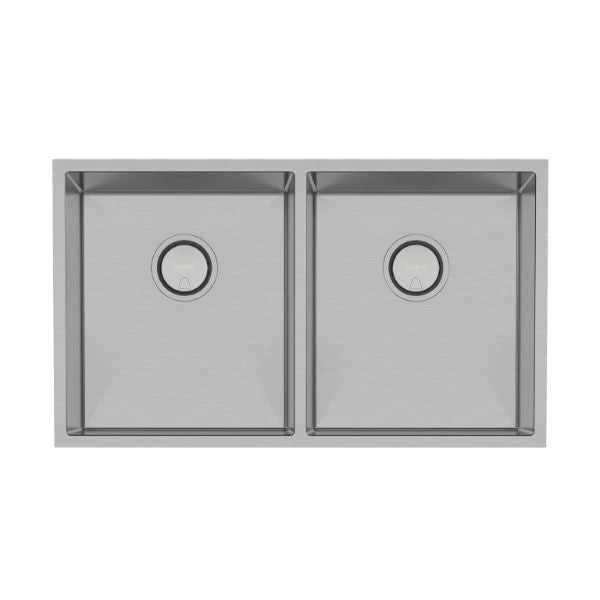
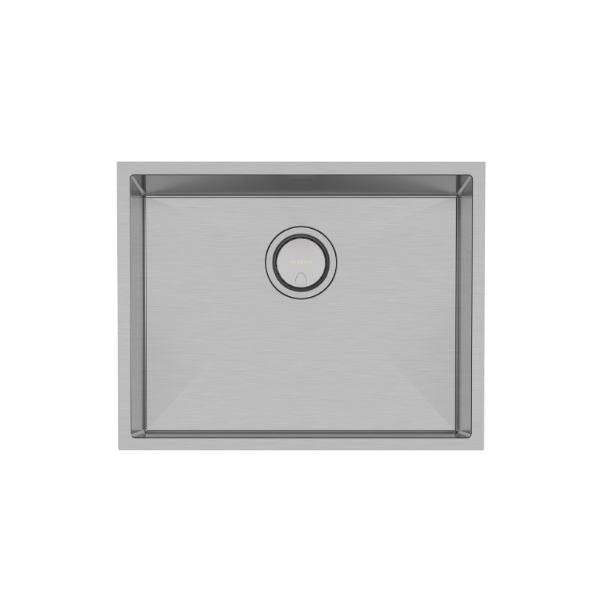
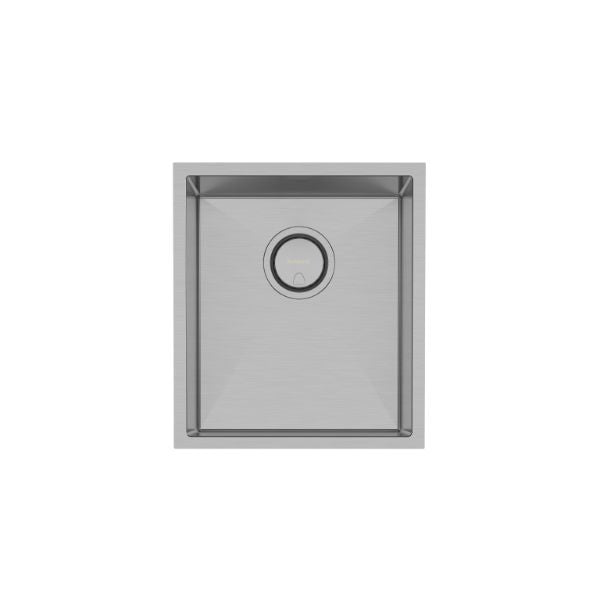
The Phoenix 4000 Series is a range of hand-welded 304 stainless steel sinks, 1.2mm thick, in brushed stainless steel and in a brushed black finish. It comes in five sizes: two single bowls, a 1-3/4 bowl, a double bowl and an extra large single bowl that is sold as the 700mm sink. This guide explains how the sinks are built, what each size measures, how the brushed black finish differs, how the sinks are fitted, and what to check before you order. For most kitchens the practical call is to choose the width that fits the cabinet and then the finish, because the build, the depth and the fittings are the same across the series. Facts are attributed to their source as they appear. For the other Phoenix series, see Phoenix kitchen sinks.
The listings describe the series as hand welded, and say the hand-welded construction adds strength, durability and bowl depth. A retailer guide explains the difference from a pressed sink. One sheet forms a pressed bowl, and its broad rounded corners wipe clean quickly. A handmade bowl is cut from panels and welded. That gives straighter walls and a sharper shape, though the smaller corner radii need more cleaning attention. The guide also says a well-made pressed sink can beat a poorly welded handmade one, so the comparison is grade, thickness, finish and drainage together. The 4000 Series listings state all of those: 304 grade stainless steel, 1.2mm thick, hand welded, 235mm deep, with a centre rear waste.
One retailer guide puts thin imports at 0.8mm steel, with more denting and noise, against 1.2mm, about 18 gauge, for a more substantial sink. It also says 304 stainless contains about 18% chromium and 8% nickel and resists corrosion, though it is not completely rust-proof. A retailer page for the single bowl adds two features that the TBS listings do not state: soundproofing pads included to reduce noise, and an exterior coating to reduce condensation. The brushed black listings do state the coating, which they say prevents condensation. The guide says sound pads or a rubberised undercoating reduce noise and condensation, so check the specification sheet for the sink you choose.
The sizes are:
All except the extra large single are 235mm deep according to the listings. A retailer page gives the 396mm single as 230mm deep with a 33 litre capacity, so the retailer and the listing differ by 5mm. A retailer sizes guide gives 180 to 200mm as a standard bowl depth and 220 to 250mm as deep, and says a deep bowl needs a tall or pull-down mixer to reach the base. These sinks sit in the deep band, which suits large pots. A retailer guide adds that a bowl that is too shallow splashes while one that is too deep strains your posture, so check the depth against the person who will use the sink.
The extra large single is titled 700mm, and people search for a 700mm kitchen sink by that figure. The listing states a different outer size: 740 x 446mm, 232mm deep. The brushed black listing calls it a spacious 700mm bowl, and the specification gives the width as 740mm. The listings do not give the inner bowl size, so check the specification sheet for the bowl and for the cut-out. A cut-out is made to the sink's cut-out dimension and not to either of those figures. A retailer sizes guide gives 600 to 760mm as a large single bowl, with a minimum cabinet of 600mm, ideally 700 to 900mm when there is a drainer, and says larger sinks need more benchtop space and deeper cabinets, sometimes with reinforcement. By the guide's rule that the sink should be 70 to 80mm narrower than the internal cabinet width, a 740mm sink needs an internal cabinet width of about 810 to 820mm.
The brushed black sinks are titled Brushed Carbon, and the listings state the finish as Brushed Black. Three points apply to them. The listings say brushed black sinks come with a sink base protector grid. They say the sinks have an exterior coating to prevent condensation. And they say the finish is not suitable for use as a laundry sink. The retailer page for the single bowl says the same about laundry applications. If you want one sink for the kitchen and the laundry, choose the brushed stainless version.
Satin or brushed stainless hides scratches and water marks better than a mirror polish, a retailer guide says. For coloured finishes, retailer pages for other makers' sinks say no household material is fully scratch-proof and that sharp objects can leave marks. The protector grid in the box is the answer the Phoenix listing offers. A guide says a grid protector sits just above the basin floor, prevents scratches and helps drainage. The listings do not describe the process or the durability of the brushed black finish, so treat it as a coating and use the protector. See black kitchen sinks for the other black finishes.
The listings give the waste at the centre rear, which they say leaves more space beneath the sink. Each sink comes with a stainless steel basket waste with a cover in a matching finish, and the 1-3/4 bowl and the double bowl come with two. The box also holds a sink fixing kit, and the brushed black sinks add a base protector grid. The listings do not state a tap hole, so the tap goes on the benchtop beside the sink. Check the tap position with the cabinet maker before the benchtop is cut. One guide notes that with a deep sink you may want a taller mixer or a pull-out. The kitchen taps collection covers the options.
The listings say the 4000 Series suits undermount or overmount installation. A retailer guide says an overmount, or topmount, sink works with almost all benchtops, including laminate, because the rim covers the cut edge. An undermount sink sits under the benchtop and is fixed from below. The same guide limits it to waterproof solid benchtops such as engineered stone or granite and advises against laminate and timber. Crumbs sweep straight into an undermount bowl, it adds, though the join can collect grime, and caulking on either type needs replacing every three to five years. The two methods are covered in more detail on inset sinks and undermount kitchen sinks.
The Phoenix listings state the build of each series, which makes the comparison simple. The 1000 Series is 0.8mm machine pressed 304 stainless steel, overmount only, with built-in drainers. The 2000 Series is 0.9mm machine pressed 304, for undermount or overmount. The 4000 Series is 1.2mm hand welded 304, also for undermount or overmount, and is the deepest of the three stainless series, at 235mm. The 5000 Series is quartz and resin rather than steel, and is 220mm deep. A retailer guide says a thicker stainless sheet limits flex, noise and denting, which is the reason to read the thickness first. See Phoenix 5000 Series kitchen sinks for the quartz and resin series.
At 235mm deep, the 4000 Series needs a tap that reaches. A retailer sizes guide gives 220 to 250mm as a deep bowl and says deeper bowls need a tall gooseneck or pull-down mixer to reach the base comfortably. A second guide says to match the sink's size and depth with a mixer that has the right reach and swivel range. Check three things on the tap listing: the spout height, the spout reach and whether the spout swivels. The deep bowl holds large pans, as the listings say, and a short tap will leave the base of the bowl out of reach.
The listings say the centre rear waste leaves more space in the cupboard below. A retailer guide asks for at least 250mm of clear vertical space under a sink, and for a drainer at least 300mm of clear bench on each side of the bowl. A deep bowl takes some of the vertical space, so check the bowl depth against the cabinet's internal height and the position of the pipes before you order.
When a 4000 Series sink replaces an old one, the old opening sets the limit. A retailer guide asks for measurements of the base cabinet and the existing cut-out, and says a topmount sink is easier to replace than an undermount. According to a retailer guide, a cutting error can cost the benchtop, so the template or specification sheet for the new sink should drive the cut. Have the sink on site before the benchtop is cut, which another guide advises for any sink.
A retailer sizes guide gives 400 to 560mm as a small single bowl and 600 to 760mm as a large single bowl, and 760 to 900mm for an equal double with a minimum cabinet of 800mm. Retailer guidance is a gap of at least 70 to 80mm between the sink and the cabinet's internal width, for the plumbing and hardware. If a splashback is going in, it allows 50 to 100mm behind the sink. Against those figures:
Another guide says a typical topmount cut-out in Australia is about 560 x 430mm, though sizes vary, so use the cut-out for the exact sink. One guide warns that stone masons often charge for re-cuts, and adds that choosing the sink first lets the plumber, cabinet maker and benchtop installer work from one sink.
A single bowl is one uninterrupted basin with room for trays and large pots. A single bowl works if the dishwasher does most of the washing or the run is under 600mm, says a retailer guide. With a double you wash on one side and rinse or prep on the other, and the guide favours it for households that hand-wash often, prep vegetables or have children needing their own bowl. The 1-3/4 bowl gives a larger main bowl and a smaller second bowl. See double bowl kitchen sinks for the full range of double layouts.
The listings say design-matched accessories are available, chosen from a drop-down list on the product page, to build the sink into a workstation. See Phoenix kitchen sink accessories. A retailer guide lists the usual accessories as grid protectors, clip-in colanders, drainboards, chopping boards and roll mats.
A retailer guide gives a short routine for stainless: rinse with warm water after use, wash with mild dish soap and a soft cloth following the grain, and dry with a microfibre cloth to stop water spots. The same guide warns against abrasive powders, bleach, ammonia cleaners and steel wool, and recommends a monthly check under the sink for leaks, moisture and mould. For the brushed black finish, follow the instructions that come with the sink, since the listings give no care text for it.
This page covers the Phoenix 4000 Series only. For other makers, the main kitchen sinks page is the place to start. stainless steel sinks compares the steel grades and thicknesses. According to one guide, a kitchen sink is used 20 to 30 times a day, so the size, the depth and the finish are worth getting right before you order.


