
*View accurate shipping rates and availability






71 Items
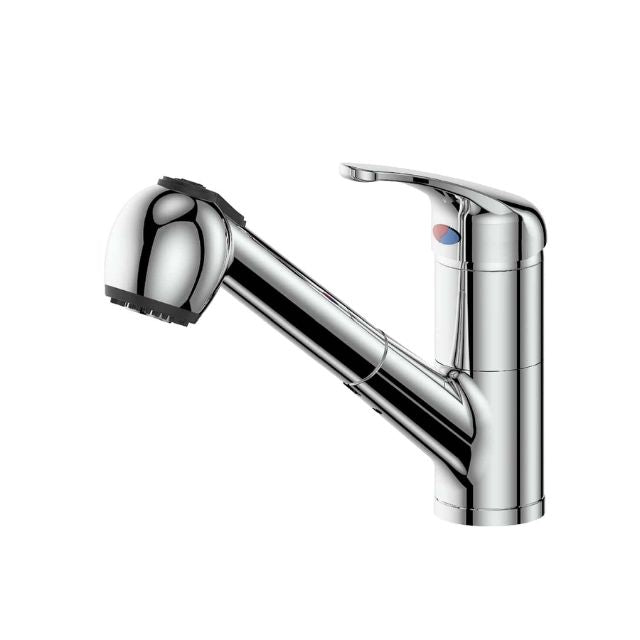

Up to 70% off across the store, plus free towels and mirrors up for grabs on orders over $800*
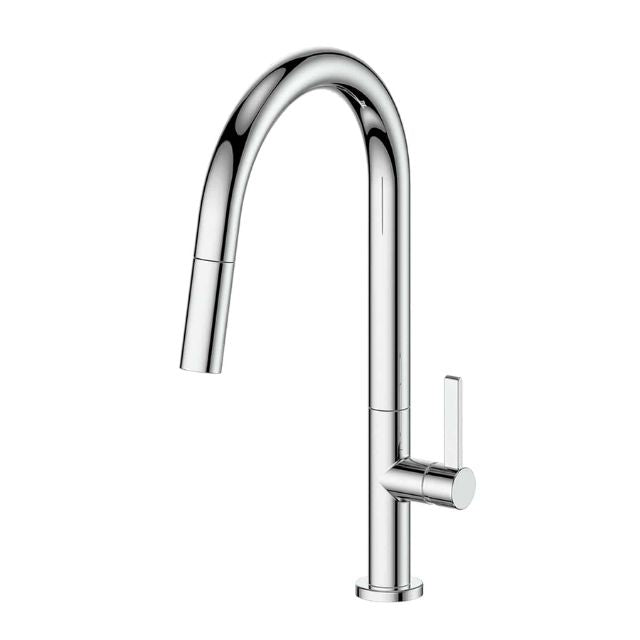
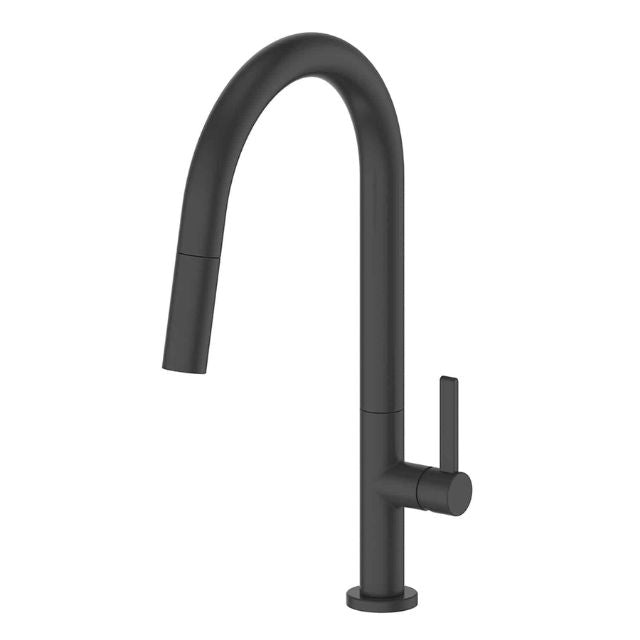
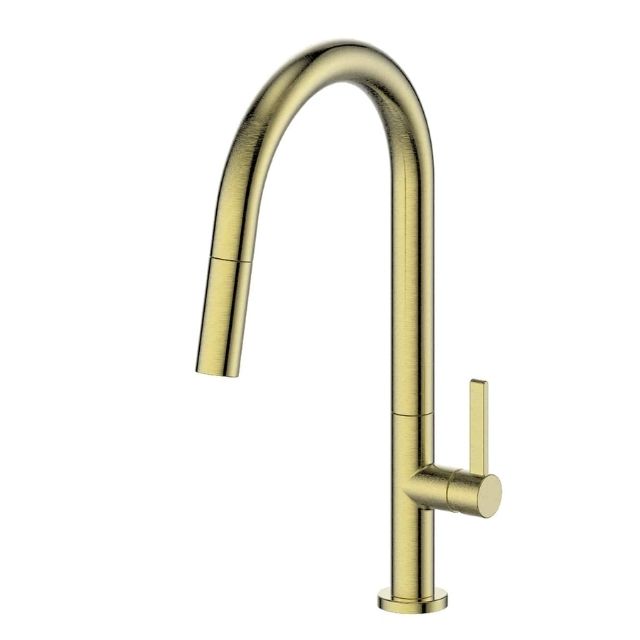
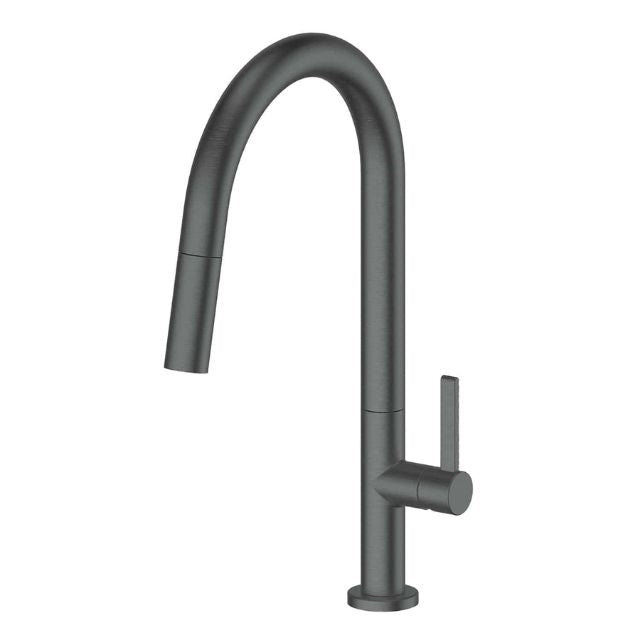

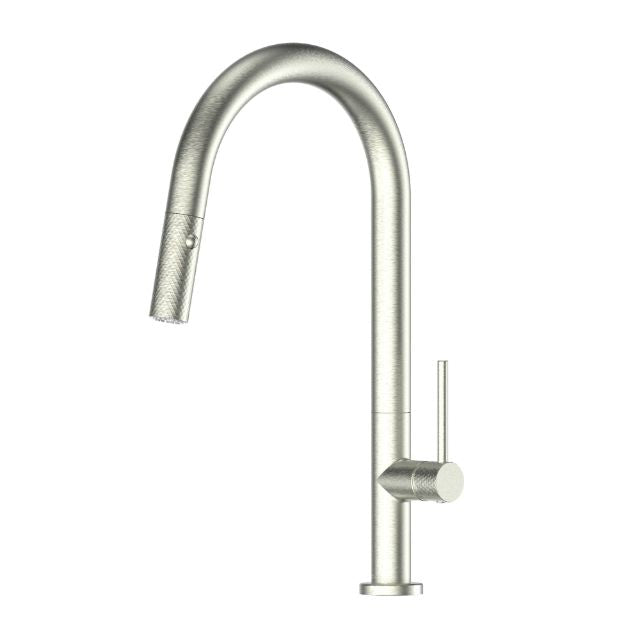
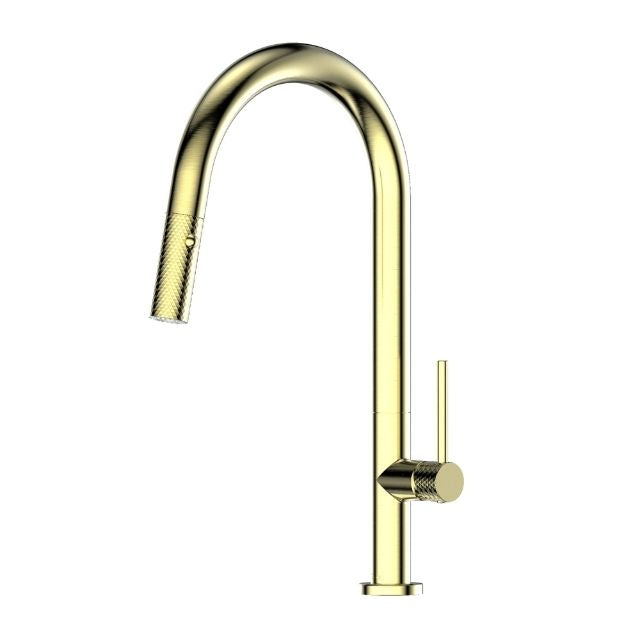
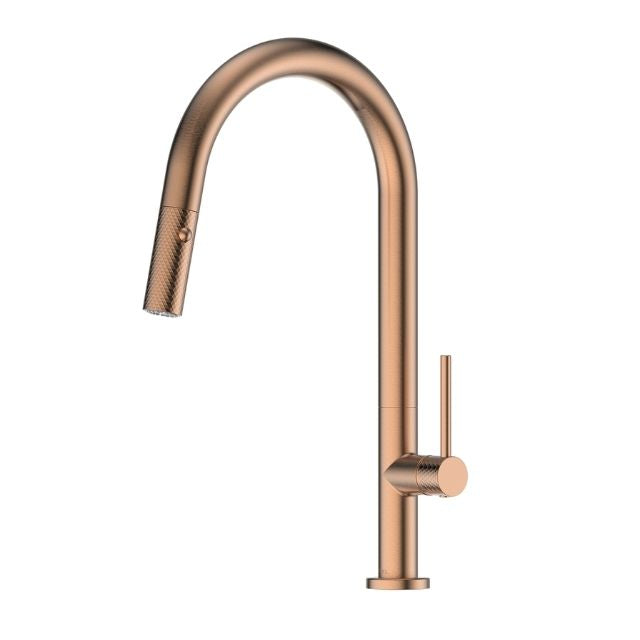
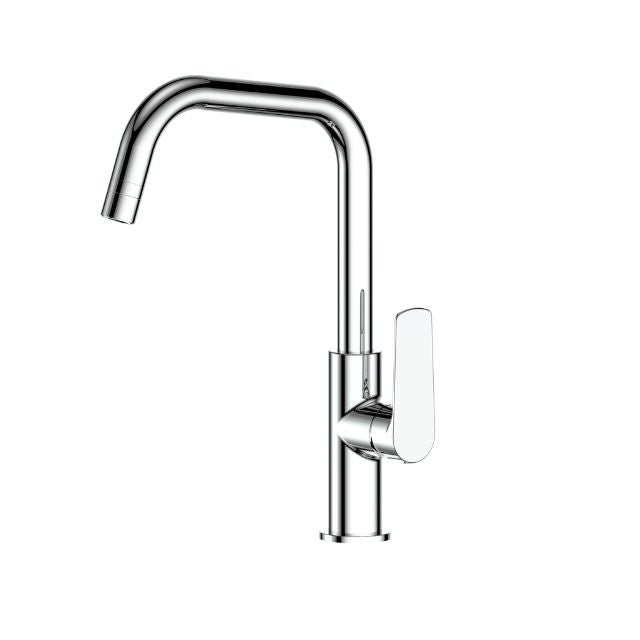
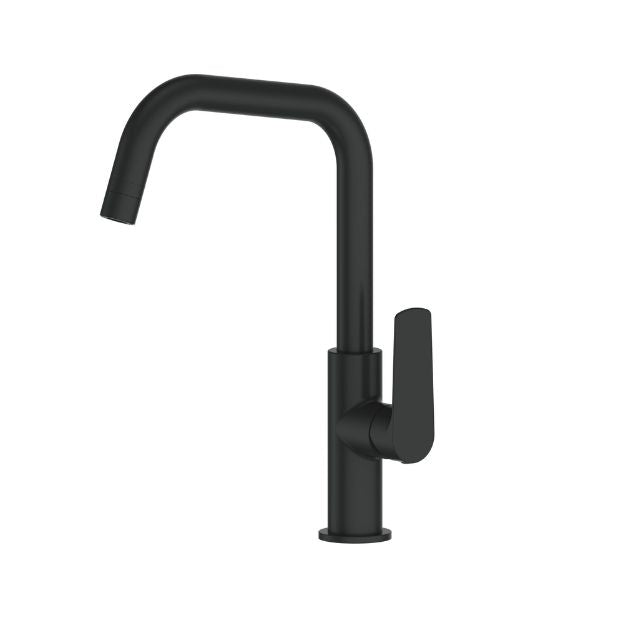
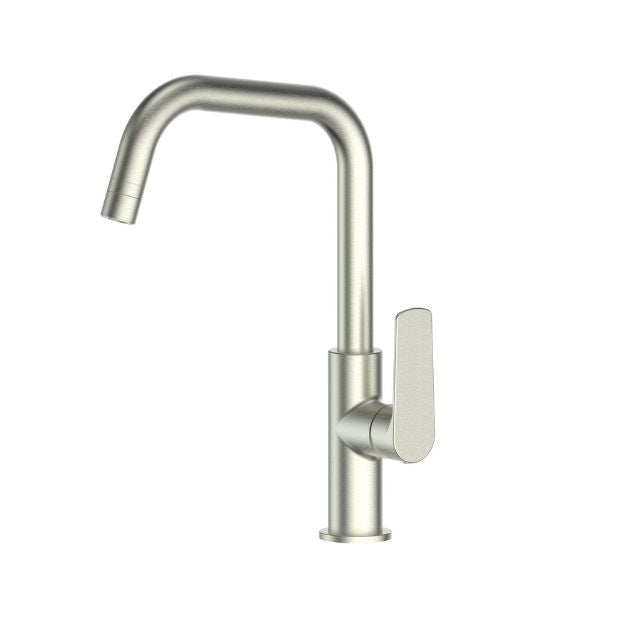
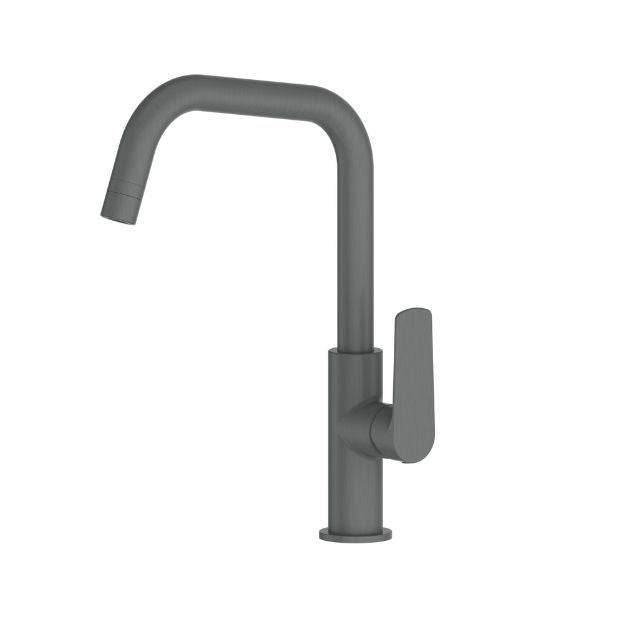
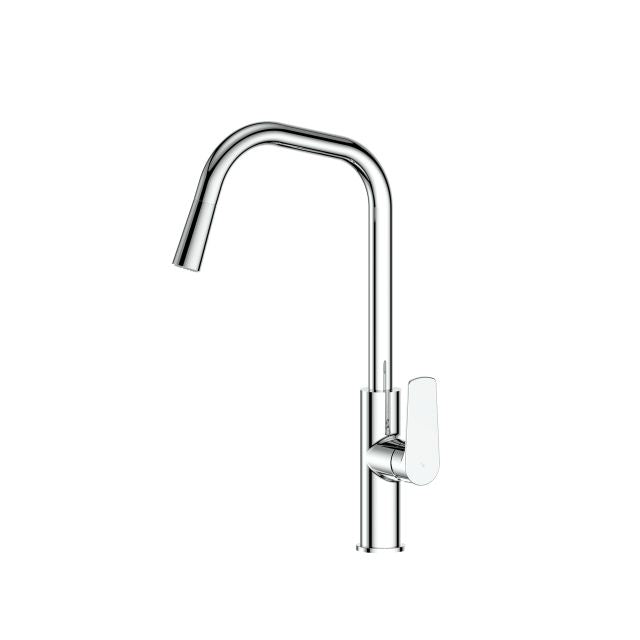
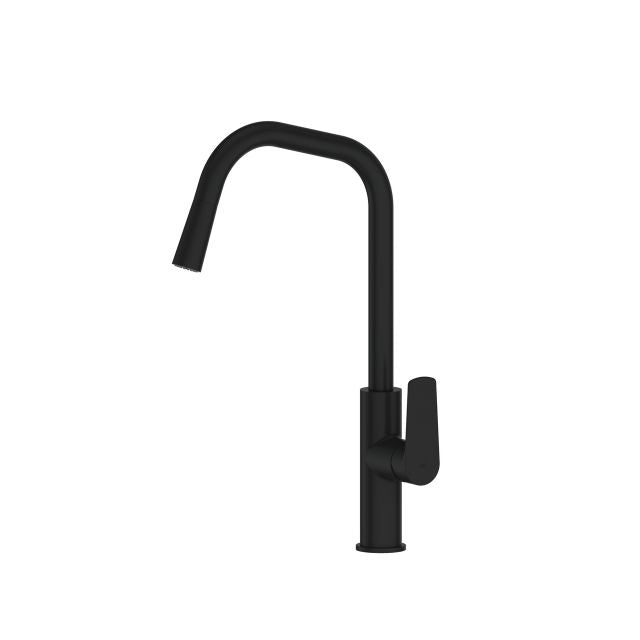
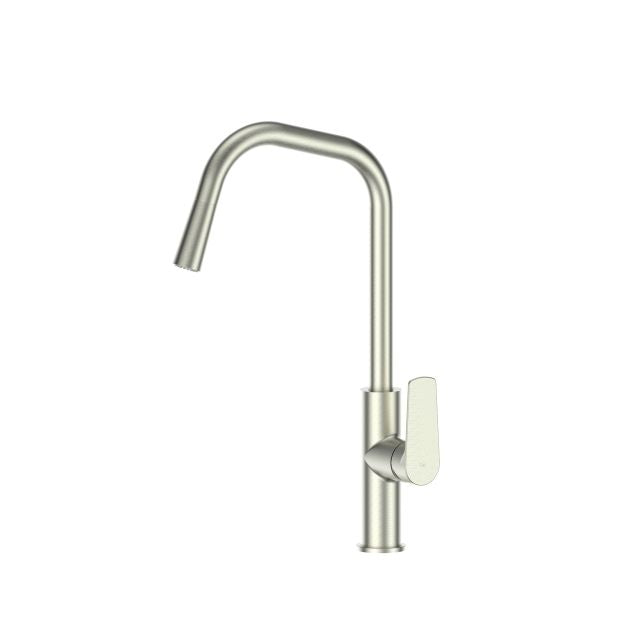
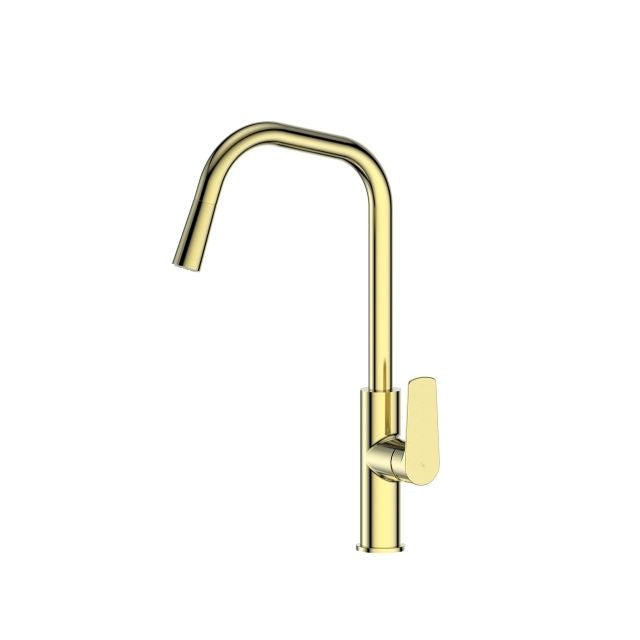
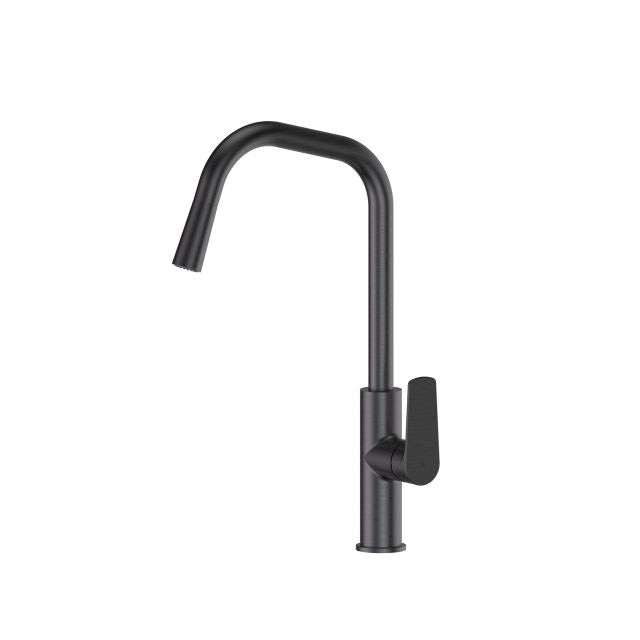
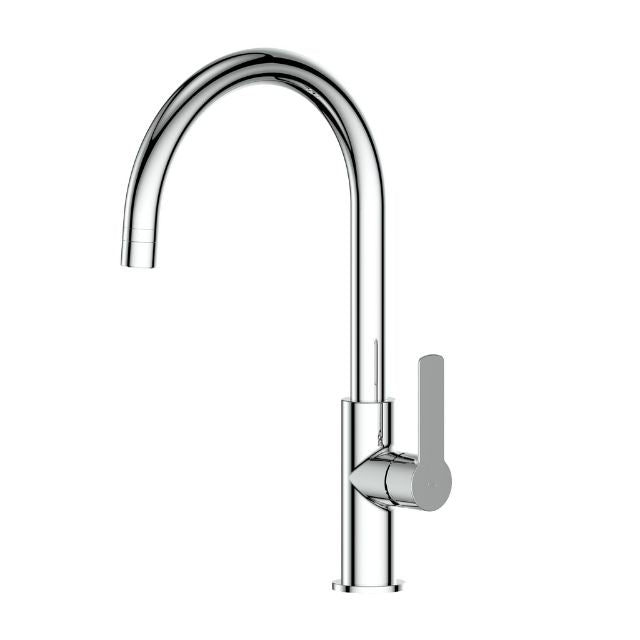
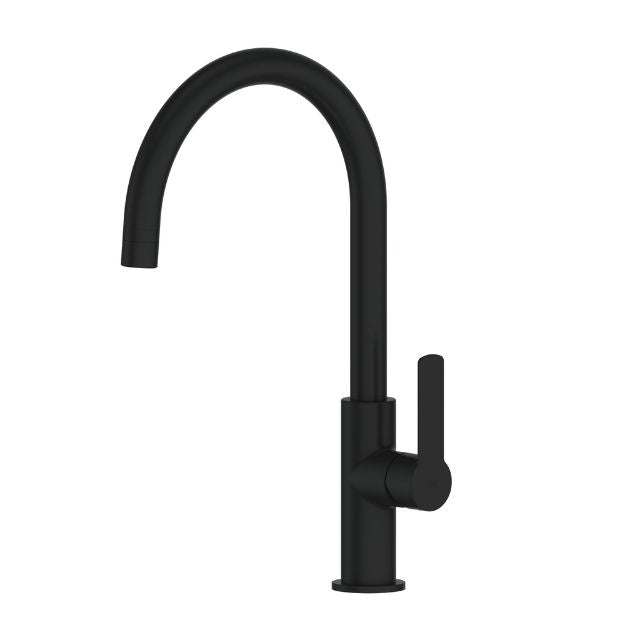

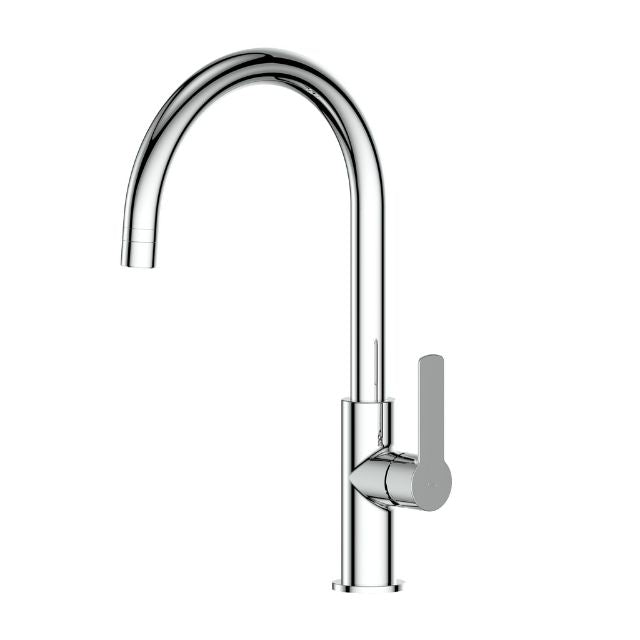
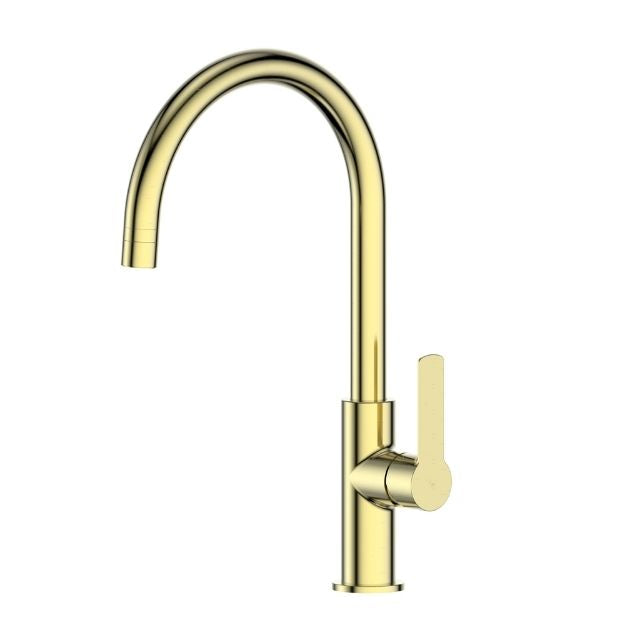
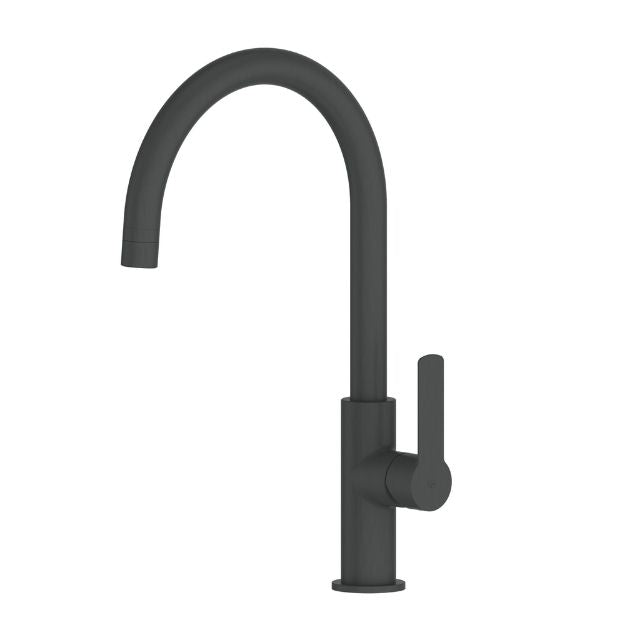
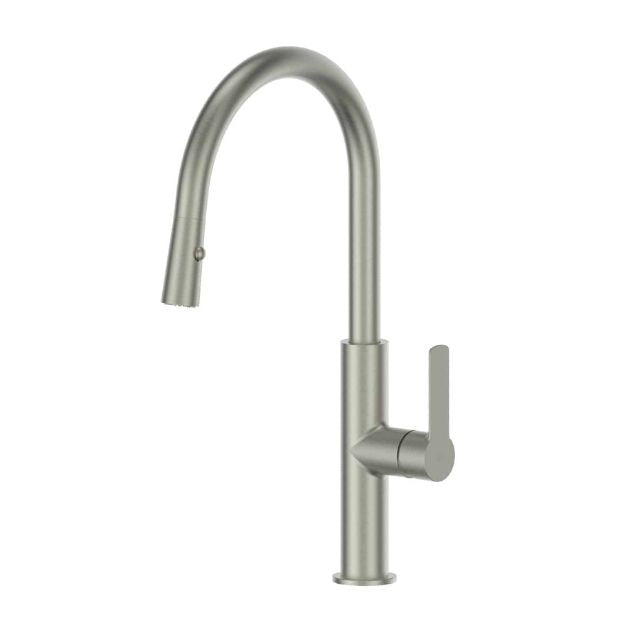
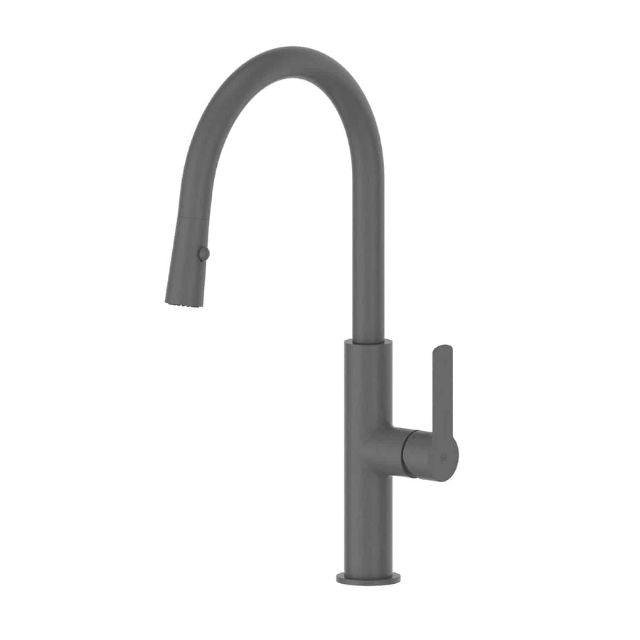
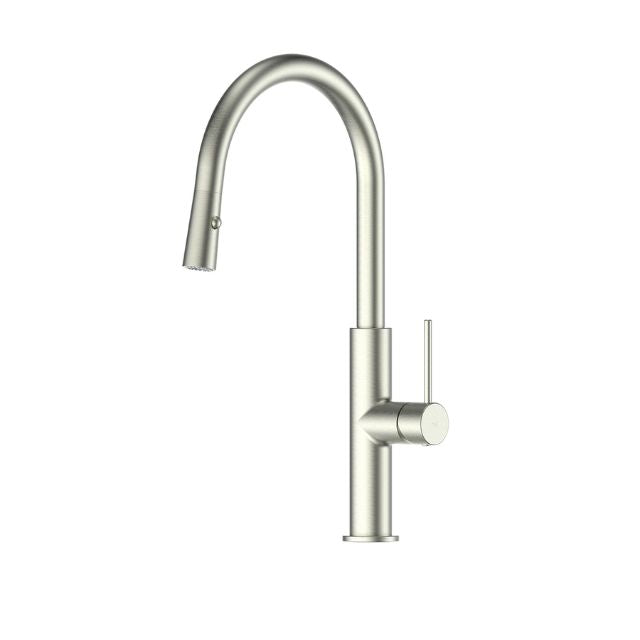
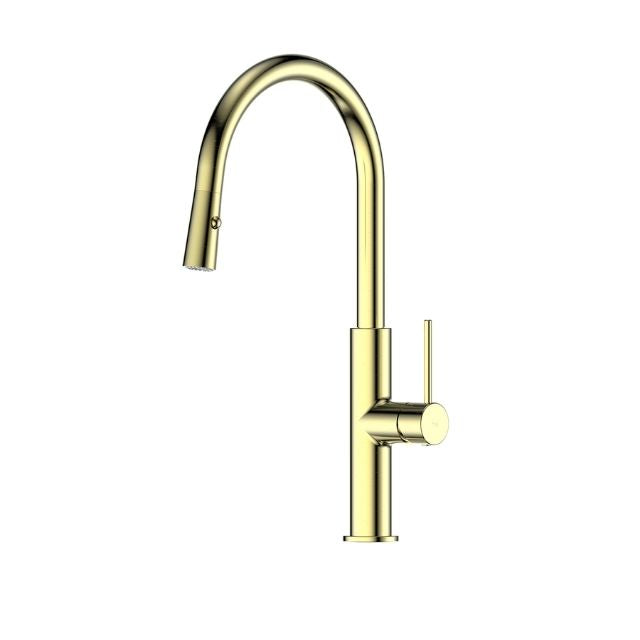
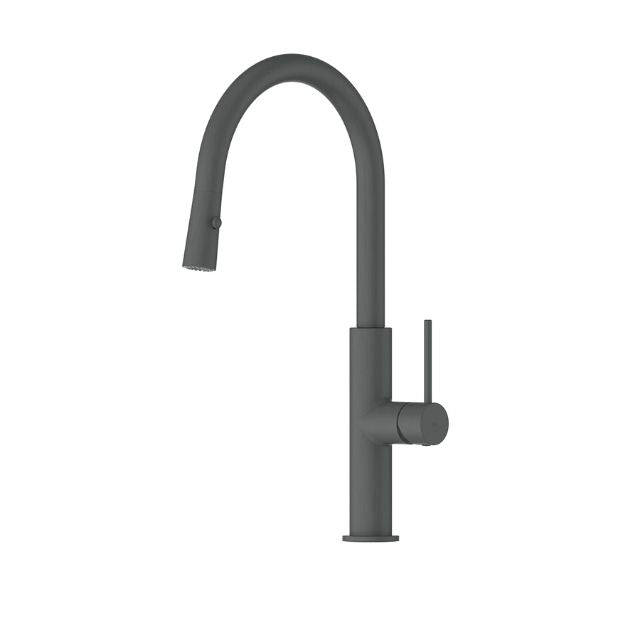
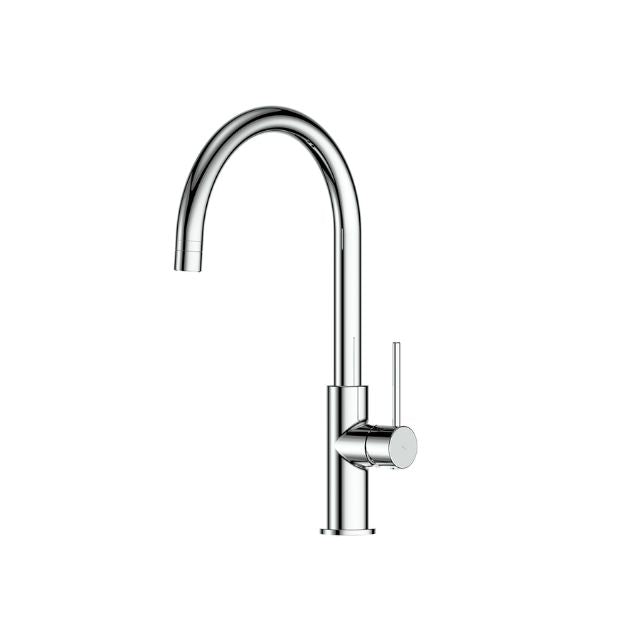
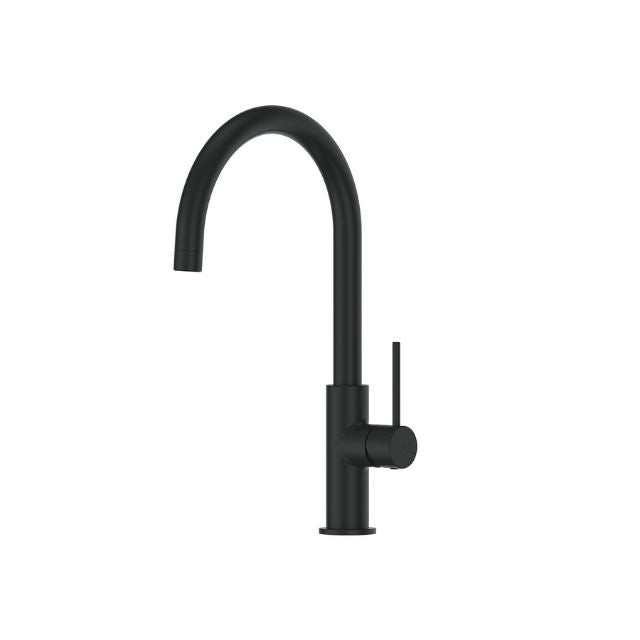
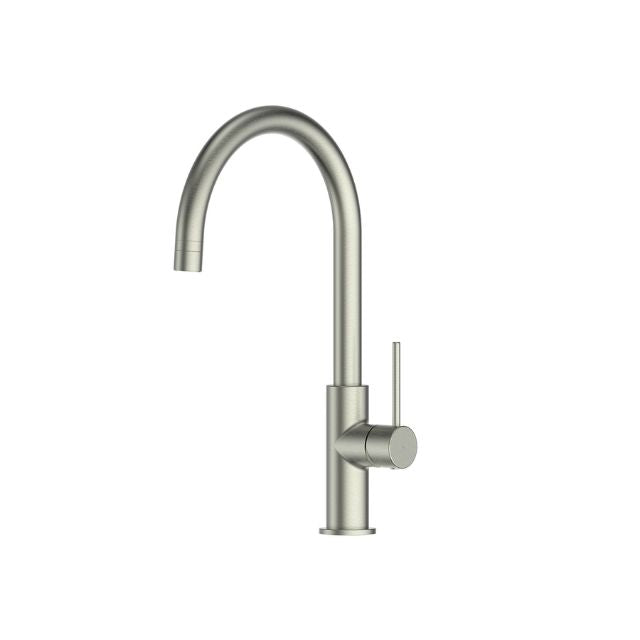
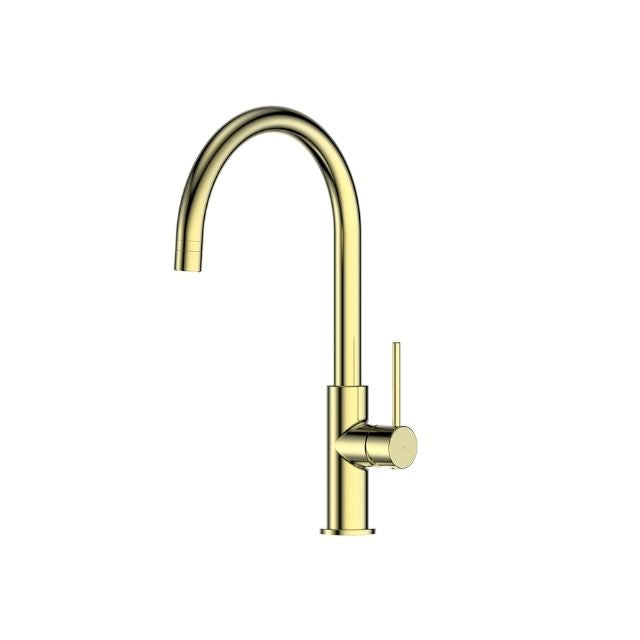
Greens is a New Zealand tapware brand. This page holds its sink mixers, which are the bulk of what we sell: pull down, pull out and gooseneck sink mixers for the kitchen and laundry, with a few basin mixers, in a range of finishes. This guide covers who Greens is and where its taps are designed and made. It explains which sink mixer type suits which kitchen, what the listings say about construction, the touch technology on some models, and lead-free status. It also covers water efficiency, how a cartridge is replaced and how to clean the finishes.
The About page on Greens' Australian site says the business began in 1935 in Hamilton, New Zealand, and turned to tapware in the late 1970s. Today Greens Global Limited is a privately owned New Zealand company with its head office in Hamilton. The page says that in the last decade the company has moved from traditional manufacturing to a strong emphasis on design, engineering and development, and that it is ISO 9001 certified. Its FAQ adds that Greens tapware is designed and engineered in New Zealand for the water and environmental conditions of each market it sells in.
This is the question people search for most, and the brand's own pages answer part of it. They say where the taps are designed and engineered, which is New Zealand, and they describe a move away from traditional manufacturing. They do not name a country of manufacture, so we do not state one here. If origin matters to you, check the listing for the model you want, or ask us. The About page also says the products meet international quality standards, including the Australian and New Zealand standard mark, and that they comply with Building Code requirements, including non-lead-leaching and non-toxic materials for drinking water.
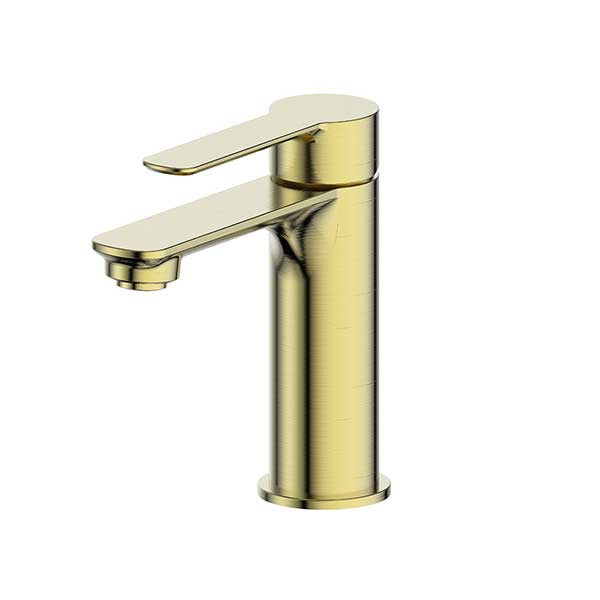
The catalogue here is mostly sink mixers. The product titles show a set of ranges, including Galiano, Astro II, Lustro, Novi, Maci, Luxe, Tesora and Mika, in pull down, pull out and gooseneck forms, in chrome, matte black, brushed nickel, brushed brass, gun metal and brushed copper. The Astro II range also includes basin mixers and has its own collection. See the Astro II range. The brand's own site lists more ranges, including showers and bathroom accessories, that this collection does not stock, so the products below are the ones named in the listings.
The type decides how the tap works at the sink.
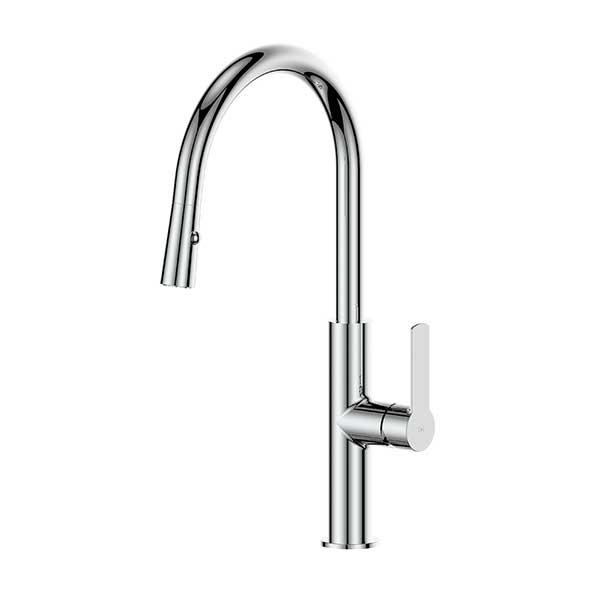
A spray head usually has two modes. A plumbing supplier's guide describes a standard stream for filling pots and a wider spray for rinsing, and the listings give dual function spray on the pull down models. A retailer guide advises checking the clearances and the bench thickness, especially for tall, pull out and filtered models. See sink mixers and kitchen taps, and for the laundry, laundry taps.
The listings carry a specification block, and for the sink mixers it reads consistently. The construction material is stainless steel on most of them, with lead-free or DZR brass on a few. They use a European or ceramic disc cartridge, and the Luxe listing gives a European brass cartridge. The WELS rating is 5 stars, with the water use stated at 5 to 7.5 litres a minute depending on the model, and many listings give 6 litres a minute. The operating pressure is listed at 150 to 500 kPa, and the mounting hole is listed at 35mm. Overall heights run from about 362mm to 414mm, spout heights from about 218mm to 272mm and spout reaches from about 204mm to 235mm. The listings say all Greens taps are WaterMark certified. The box holds the sink mixer, a fixing kit, a cartridge and the instructions, so a spare cartridge is included. Use the listing to compare two models on the dimensions that matter to your sink: the height under any overhead cabinet, and the reach over the bowl.
The Lustro Kontact pull down sink mixer adds touch technology to the same body. The listing describes touch on and off with a smart grab, and a four minute auto off function. The brand's FAQ explains what to do if the touch sensor stops working: check that the handle is in the on position, follow the reset video, and if that does not work, switch the mixer into manual mode. This is a product with a battery and an electronic part, so check the listing for how it is powered before you order, and ask whether the kitchen has a power point or a battery compartment under the sink.
The National Construction Code requires lead-free tapware at the point of installation in Australia from 1 May 2026. The Australian Building Codes Board amended the code to limit lead in brass plumbing products that contact drinking water to a weighted average of no more than 0.25 percent. The Greens lead free page says that any product marked as Lead Free complies, and that all of its tapware and mixers already meet the standard. Many listings carry the words Lead Free Compliant. A kitchen tap is the first fitting to check, because it supplies drinking water. See lead-free taps and stainless steel tapware.
The WELS label applies to any tap used over a basin, a kitchen sink or a laundry tub, and it shows a star rating out of six and a water use figure in litres a minute. A WELS page on the brand's site says typical taps discharge 15 to 18 litres a minute, where low-flow and aerating models use as little as 2. It adds that a tap with an aerator or flow restrictor may reduce flow to less than a third of a standard tap. The same page says the scheme does not apply to bath mixers, shower mixers or bath spouts. One stockist guide recommends using the star rating as a screening tool, because it does not tell you whether the tap suits your sink, your pressure or your daily use. The sink mixers on this page list 5 stars, so compare the litres a minute on the listing.
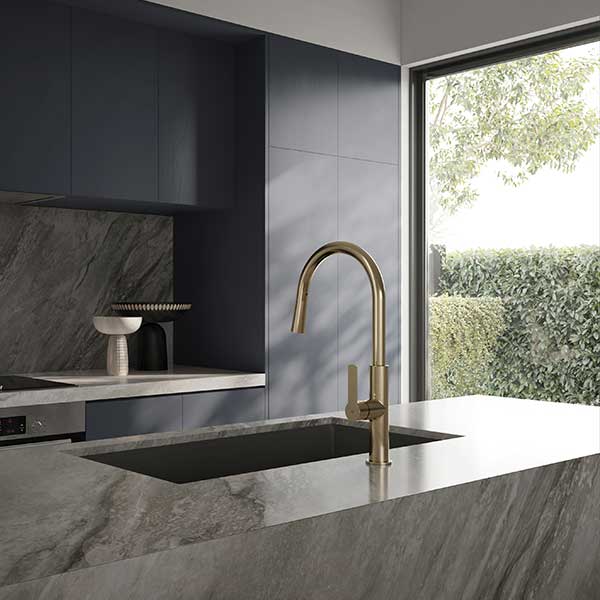
The listings name the finish process. Brushed brass, brushed nickel, gun metal and copper are listed as PVD, which stands for physical vapour deposition, and chrome and matte black as electroplated. A supplier guide says brushed finishes hide fingerprints and water marks better than polished or flat dark ones, and that matte black shows soap residue and scratches more readily. Chrome is the easiest to care for. A kitchen tap is touched with wet, greasy hands, so a brushed finish is the practical pick. See chrome taps, black taps, brushed nickel tapware, brushed brass taps and gunmetal tapware. Match the tap to the sink and the other fittings in the kitchen, and look at a sample against your benchtop in daylight.
The brand's FAQ says a cartridge is reasonably easy to replace without a plumber, and gives the steps. For a wall mixer, turn off the water at the mains. For a basin or sink mixer, use the mini taps under the sink if you have them, otherwise turn it off at the mains. Find and remove the grub screw cover, which may be under the front or the rear of the handle. Loosen the grub screw with an Allen key, remove the handle, and pull or twist off the cartridge dome. Undo the cartridge retaining nut with a shifter or spanner. Remove the cartridge, which can be tight enough to need pliers. Fit the new cartridge and make sure the locating pins are pushed into the body of the mixer. Reassemble in reverse order, turn the water back on and check for leaks. Because the box includes a cartridge on most sink mixers, you have the spare to hand. Installing the tap itself is different: the same FAQ recommends a registered plumber, following the installation sheet in the box, which gives the maximum water pressure. Rules on who may replace a tap vary by state. Western Australia and Victoria do not allow homeowners to replace kitchen or bathroom taps without a licensed plumber, so check your state's regulator.
The care pages on the brand's site agree on the basics. Clean regularly with a soft damp cloth and water mixed with a mild liquid detergent, and wipe dry with a soft cloth to prevent water spots. Do not use cream cleaners, which are abrasive, or any cleaner that contains a corrosive acid or a scouring agent. The FAQ adds that you should avoid harsh detergents, solvents, citrus based cleaners, limescale removers, household vinegar and cleaners containing acetic acid, and wax based furniture cream, which can build up deposits. Stainless steel 304 suits most outdoor installations but not coastal areas, and for outdoor stainless the care page says to clean weekly with detergent or soap and water, rinse with fresh water and wipe dry. Because makers differ on vinegar, follow the care guidance for your own finish.
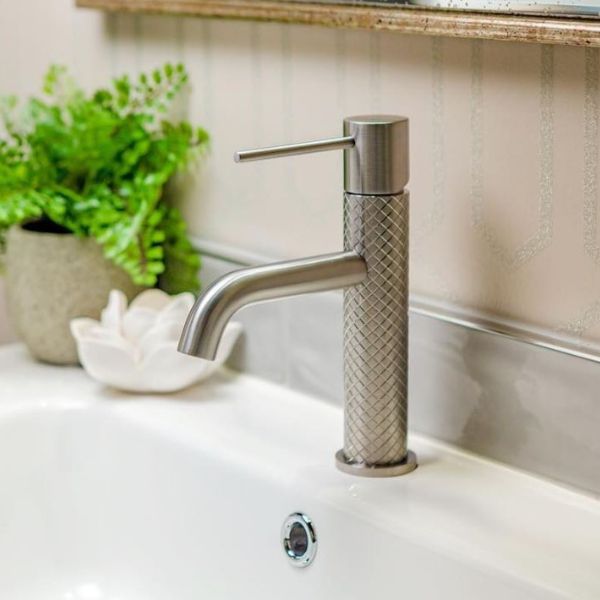
The brand's own site gives a short description of each range, and the ranges that appear in the product titles here are these. Astro II is a contemporary design with form and function, in five finishes with style matched showers, accessories and kitchen tapware, and the Astro II basin mixer listing adds an ergonomic slim paddle handle and quick fit installation. Maci is elegant and minimalist, suited to new builds and renovations, with tapware for kitchens and bathrooms. Mika adds sparkling textured handle detail, with sink, basin and wall mixers for bathrooms and kitchens. Novi combines elegance with innovation for kitchens and bathrooms, and the Novi gooseneck listing includes a smart aerator. Tesora is described as elegant and glamorous, with a radiant sparkle, as a centrepiece for a kitchen or bathroom. Galiano is the sink mixer family with sculptured lines in the listings, in pull down and slimline forms. Lustro is a pull down family with a swivel handle, and Lustro Kontact adds touch technology. Luxe is a pull down mixer with a step-free line from base to top. The brand's newer Craft range is described as having specific benefits in mind, such as a higher chef's spout for access and filling a pot directly on the stove, but it does not appear in the titles here.
A buying guide to kitchen taps matches the tap to the sink and the bench. Pull out taps suit cooks and large bowls. Tall mixers pair with deep sinks. Slimline styles suit smaller kitchens with tight bench space. It advises checking clearances and bench thickness, especially for tall, pull out or filtered models. A guide to the five types of kitchen tap says a mixer works with both mains and tank water, that a twin lever model offers more control where water pressure varies, and that pull down suits tall sinks and deep basins. The same guide says a gooseneck is chosen for tall pots and vases, and a square neck for contemporary kitchens with angular sinks. If the sink is a laundry tub, the same logic applies: a gooseneck clears a bucket, and a pull out or pull down reaches the corners of a deep tub.
Three numbers on each listing decide the fit. The overall height decides whether the tap clears an overhead cabinet or a window sill, and the sink mixers here list about 362mm to 414mm. The spout height, from the bench to the outlet, decides whether a stockpot fits under the spout, and the listings give about 218mm to 272mm. The spout reach decides where the water lands, and the listings give about 204mm to 235mm. A plumbing supplier's guide says that the water should land in the centre of the bowl, and a reach that is too long pushes the water toward the drain. Measure from the mounting hole to the centre of the bowl, and compare the figure with the listing.
The listings give an operating pressure of 150 to 500 kPa, which means the tap is designed for a mains supply within that range. A retailer guide says that low pressure systems, common in older homes with gravity-fed hot water, need mixers rated for low pressure, and that you should always check the specification. The installation sheet in the box gives the maximum water pressure, and a registered plumber should follow it. If your home is on tank water or has a gravity-fed hot water system, check the pressure range with the supplier before you buy.
A finish guide gives the trade-offs plainly. Chrome is the easiest finish to maintain and the safest to match. Brushed nickel is subtle and easy to care for. Brushed brass is warm and suits premium designs, and gunmetal is darker and premium. Matte black is modern but needs a little more wiping. The listings on this page include chrome, matte black, brushed nickel, brushed brass, gun metal and brushed copper, so the same mixer is available to match most kitchens. Keep the kitchen tap, the sink and the cabinet handles in one finish, or in a deliberate pair, and avoid two close shades of the same metal, which can look like a mistake.
A sink mixer sits on the bench or the sink deck through a single hole, and the listings give a 35mm mounting hole, so check the hole in your sink or bench against the listing. Check the clearances behind the tap, as retailer guides advise, the height under overhead cabinets, and the distance from the hole to the centre of the bowl. A pull out or pull down hose needs room below the bench to hang, so check the cabinet. Water pressure matters for pull out and flexible hose spouts, so check the pressure against the listing's 150 to 500 kPa range. See the full taps collection for other rooms and brands.


