
*View accurate shipping rates and availability






32 Items




Up to 70% off across the store, plus free towels and mirrors up for grabs on orders over $800*

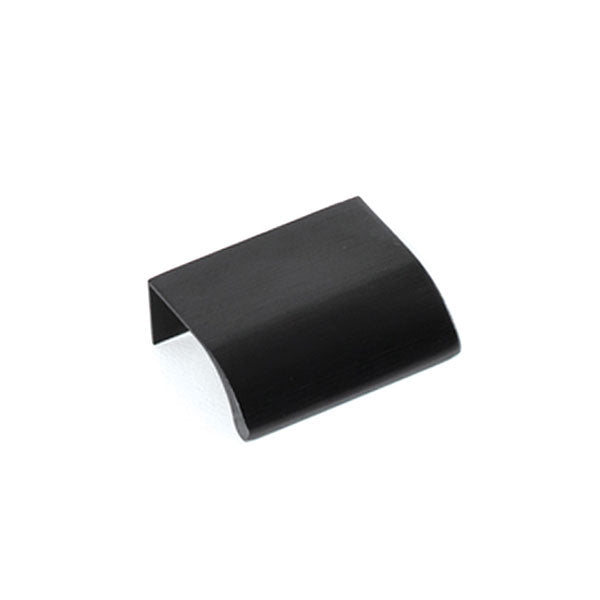
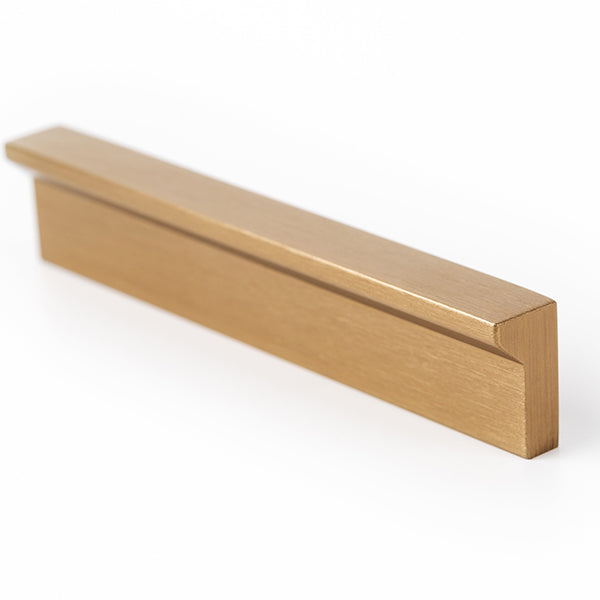
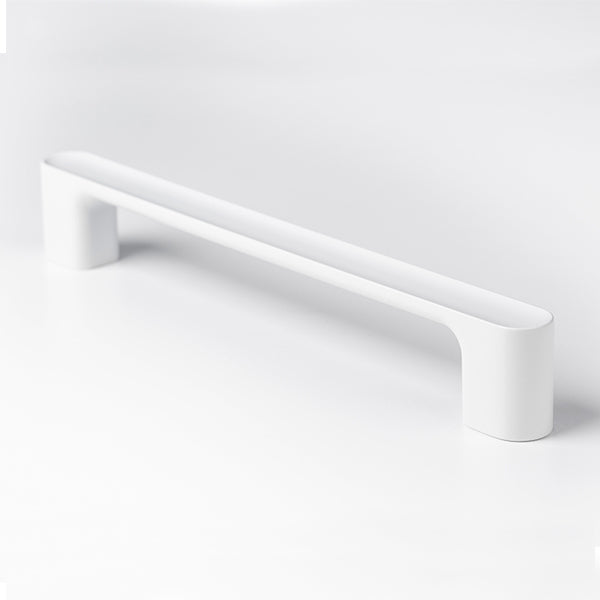
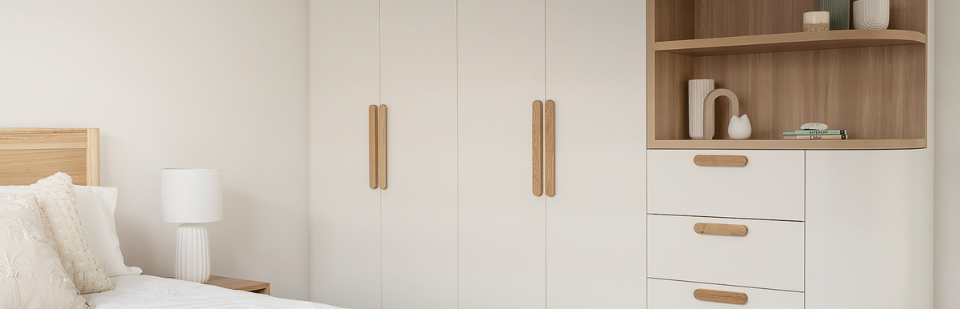

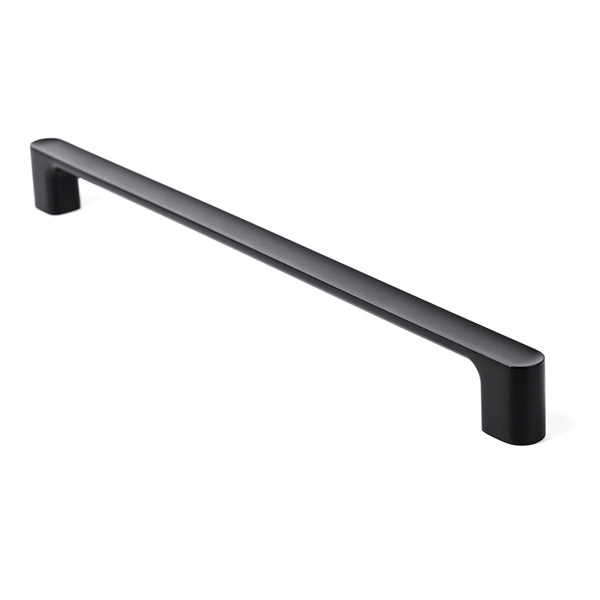
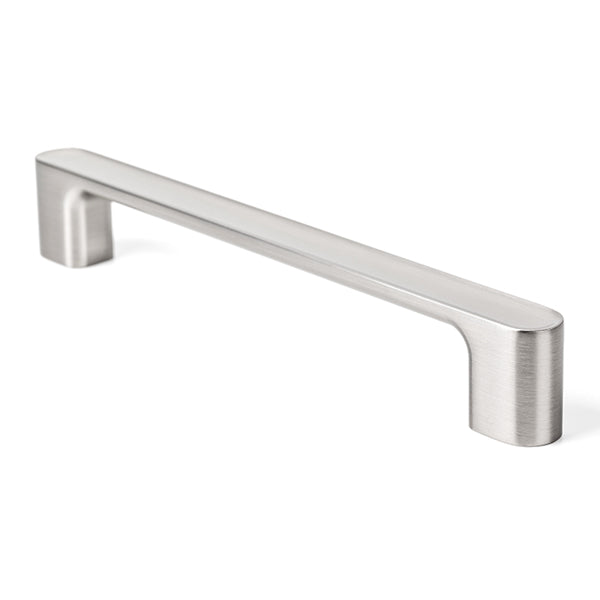


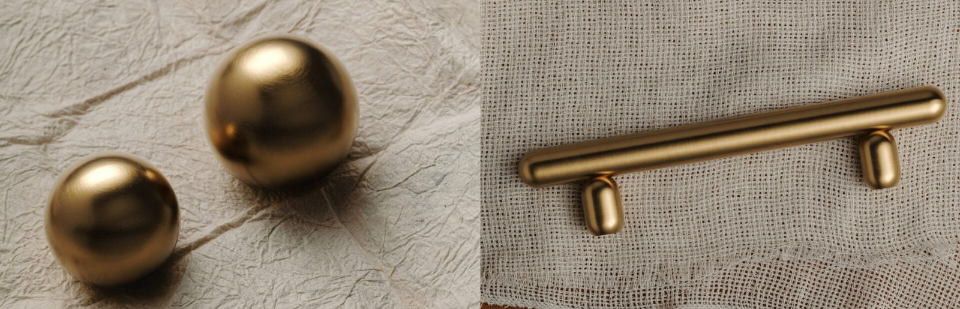


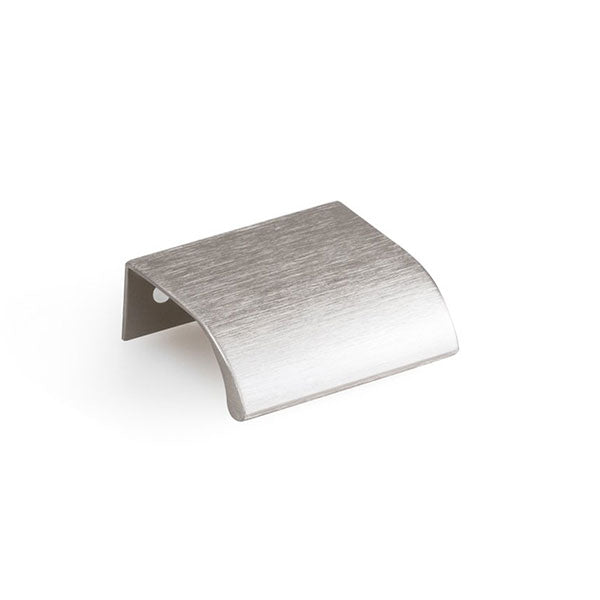
A square handle has straight edges and sharp corners where a round one has curves. It reads as structured and modern, and it sits comfortably against flat-front and Shaker doors. This page holds square and rectangular cabinet handles, also searched as square cabinet knobs, square cabinet pulls, square drawer handles and square black handles. The range includes D handles, lip pulls, rails, bar handles with backplates and square knobs, for kitchens, bathroom vanities, laundries and wardrobes. Below you will find what square means in a handle, how it differs from round, what the ranges measure, what a backplate does, how to size a handle and how to look after the finish. For handles of every shape, start at cabinet handles.
The word covers several things. Section shapes include round, square, rectangular, oval, half-round, tapered, and thin or flat. Square examples include a 12mm square section, a square D handle, a square bow handle and a square section with bevelled corners. Rectangular examples include a 20mm rectangular section and a rectangular shell handle. A square handle can therefore have a square section, a square footprint or a square knob.
Each shape reads differently. Straight D handles are a simple geometric shape with a firm, easy grip, and they work across traditional and contemporary interiors. Lip and edge pulls recess into the door edge, leave the face clean and are almost invisible from outside. Contemporary designs have clean lines and angular or geometric shapes and suit minimalist rooms. Round and half-moon handles are a softer, curved form that pairs well with rounded cabinetry. Your choice of shape says something about the room: straight edges for a structured one, curves for a softer one.
Neither shape wins outright. Match style, size, material and finish to the space, with matte finishes suiting modern designs and polished metals a more classic feel. A square handle works hardest on a flat slab door, where its straight edge repeats the line of the door. On a Shaker door it gives a modern contrast. On a curved or ornate door it can look out of place, and a round knob or a cup pull suits that door better. For round, see round shaped cabinet handles, and for curved bars, arc shaped cabinet handles.
Hole centres, also called the fixing distance, are the gap between the two screw holes. Overall length is the whole handle, and projection is how far it stands off the door.
Side by side, the Angle at 13mm and the Ferrara at 20mm project least, so they suit a narrow walkway or a vanity beside a wall. The Ona, at 42mm, gives the deepest grip. The Dallas offers the widest spread of sizes, with eight lengths. A square bar of around 40mm high and 14mm wide is a useful yardstick for a heavy grip, and the sizes here run well under that in profile. See Momo Handles premium cabinet handles for the brand.
Door style decides where a square handle fits. A slab front is completely flat, so edge pulls or recessed handles keep the profile low, modern bar pulls in satin brass or brushed nickel look sharp, and a bold, architectural handle can be the feature. A beaded Shaker door takes traditional knobs and cup pulls, or for a modern edge, linear pulls in dark brushed brass or matte black. Avoid anything too ornate there. A skinny Shaker, with slimmer stiles and rails, suits T-bar or streamlined pulls, soft-stepped handles that echo the slim frame, or small round knobs. A panelled door with stacked panels suits classic knobs and cup pulls, with vertical pulls on taller panels to draw the eye. A skinny ribbed door, with close-set grooves, suits minimalist linear handles that echo the direction of the ribbing, or edge pulls.
For this page the reading is direct. On a slab or skinny Shaker door, a square bar, a lip pull or a rail is the right shape, and the Ferrara, Ona, Angle and Rail all suit. On a beaded Shaker door, use a square pull in a dark finish for a modern edge and keep it simple. On a panelled or ornate door a square handle is the wrong shape, and a knob or cup pull suits better; see cup pull cabinet handles.
The longest handles here are slim aluminium sections: the Angle up to 900mm, the Rail up to 1,150mm and the Luv in 192 and 320mm. Larger pulls of 250mm or more suit pot drawers and pantry doors, and large drawers need long pulls for easier leverage. On a tall door, mount the handle vertically, because vertical pulls on taller panels draw the eye. For the very long handles, keep the centres in line across a row of doors so they read as one line. Heavier pulls for integrated appliances are at appliance pull handles.
The finishes here include matte white, brushed black, brushed dark brass, matt brass, dull brushed nickel, polished nickel, polished chrome and stainless steel. Matte black is bold and modern and works best where tones contrast. Brushed brass is warm and elegant and pairs well with white or navy cabinetry. Satin nickel is versatile, and gunmetal and antique bronze suit moody or industrial looks. White is clean and minimal, either to blend in or to add contrast. Brushed finishes hide fingerprints better than polished ones.
A knurled square knob, such as the Monaco, has a fine cut pattern that gives a superior grip. The pattern makes a handle easier to hold even with wet hands, which suits a kitchen. For the finishes, see black cabinet handles, white cabinet handles, brushed brass cabinet handles and stainless steel cabinet handles.
Length is read from hole centres, not overall length. A pull is commonly about one third of the drawer or door width, as a guide and not a strict rule. Pot drawers and pantry doors take longer handles of 250mm or more, while smaller handles or knobs suit upper cabinets.
When replacing handles, measure the centres of the holes you have. A 128mm handle will not fit 160mm holes without new holes, which can leave marks on a painted or veneered front. Match the existing centres unless you plan to fill the old holes. Many handles come with screws for 16 to 18mm cabinet boards, so check your door thickness.
Centre the handle on a drawer front. On a base door, set it near the top corner on the side opposite the hinges, and on a wall door near the bottom corner. The general rule is horizontal handles on pull-out drawers and vertical handles on doors, and handles should not hit each other when cabinets open. Put painter's tape where the handle will go to compare sizes, and check that fingers have room to grip. Lip pull handles mount along the edge of the front so the face stays flat, and suit drawers, cupboards, pantry doors and flat-panel cabinetry, which is where the Ferrara and Ona belong. See D shaped cabinet handles for more D handles, and bathroom vanities for the cabinets.
Wipe a handle with a soft cloth and mild soap and water, then dry it. Avoid abrasive pads, steel wool and harsh chemicals. For stainless steel, wipe with the grain on a brushed finish, rinse and dry, and keep bleach and other chlorides away. A knurled or ribbed handle holds residue in its cuts, so use a soft brush for the detail, and tighten loose screws as you clean.
For the full range of handle styles, return to cabinet handles.


